How Long It Takes
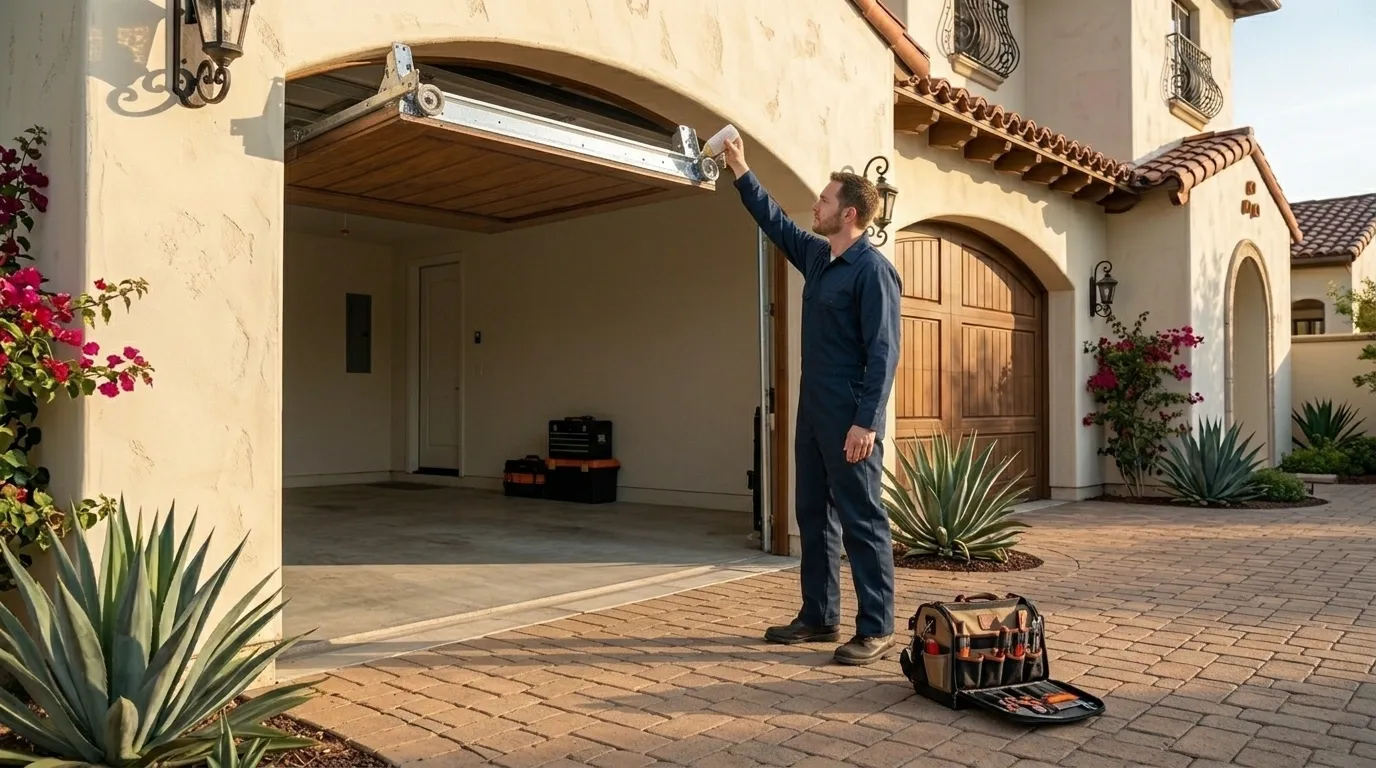
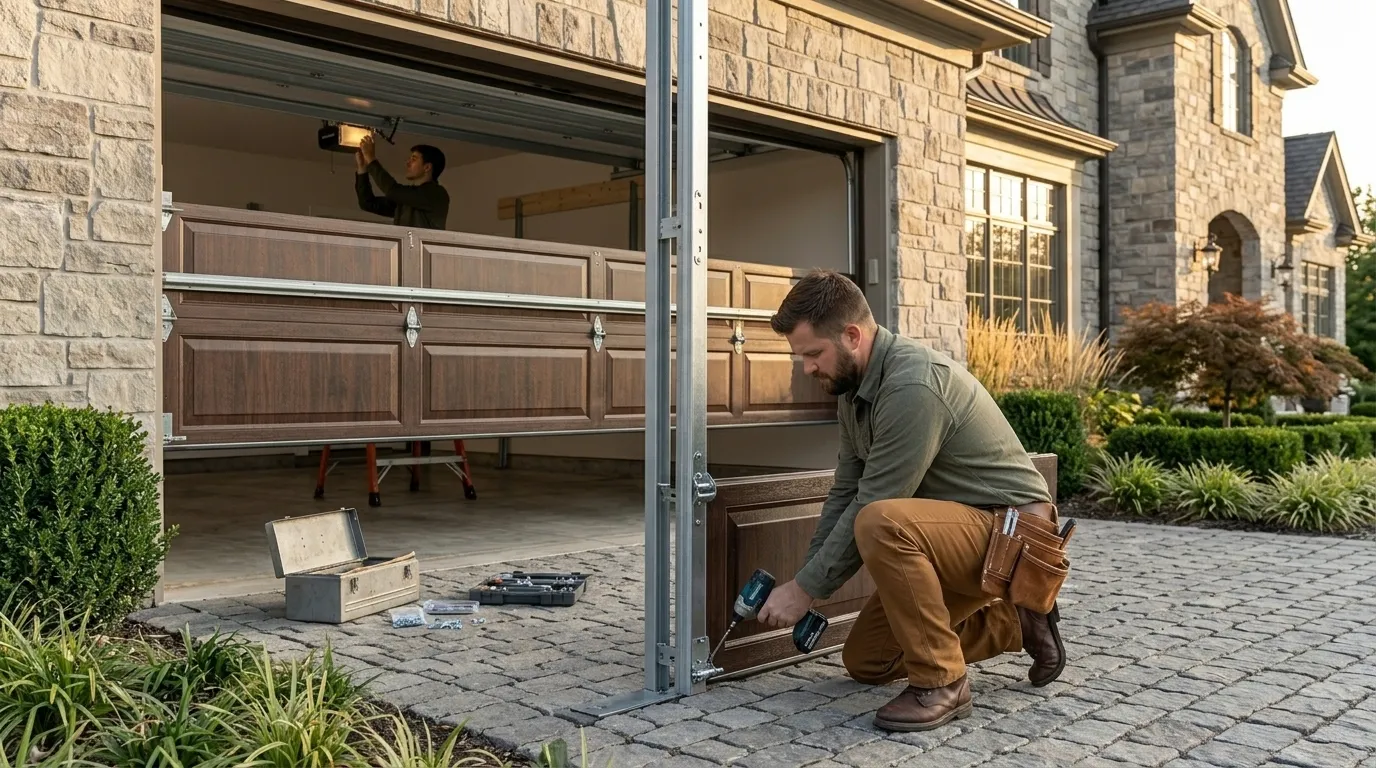
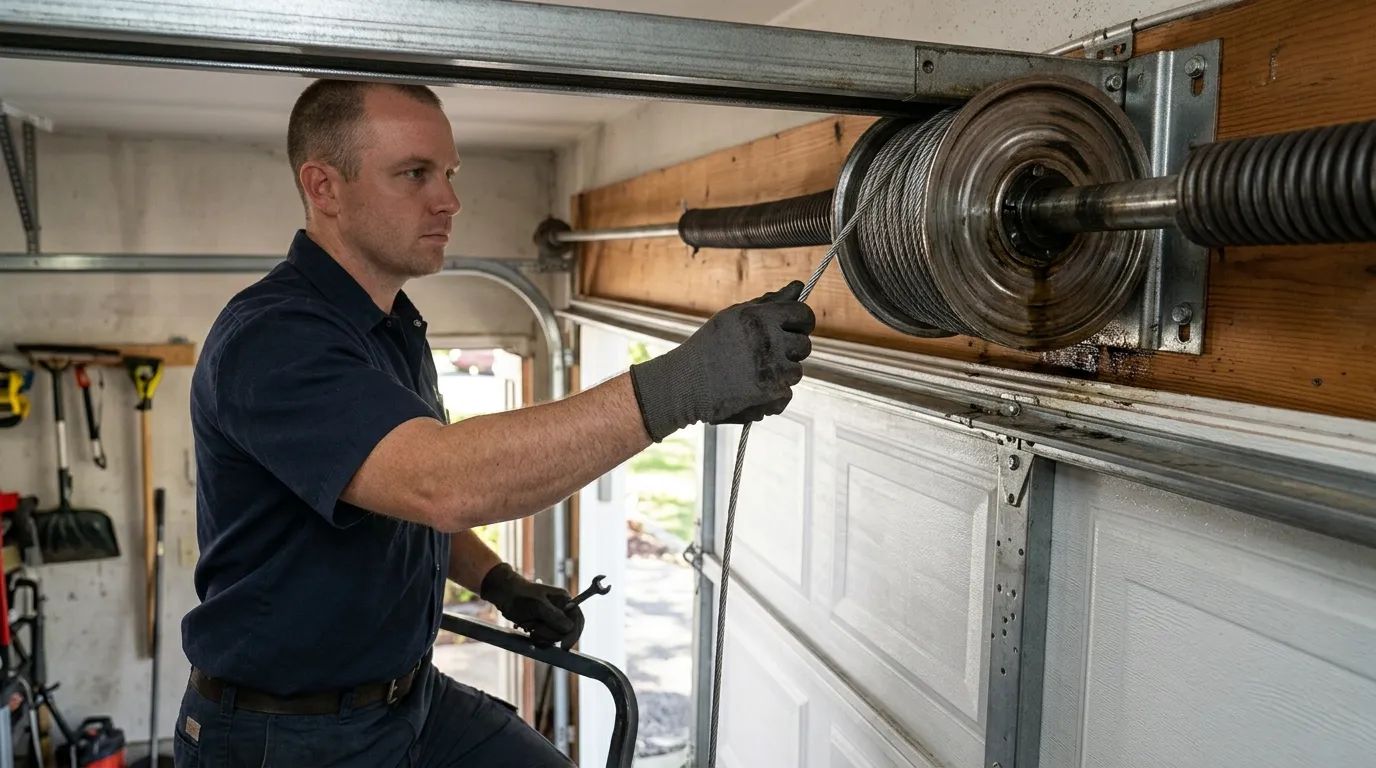
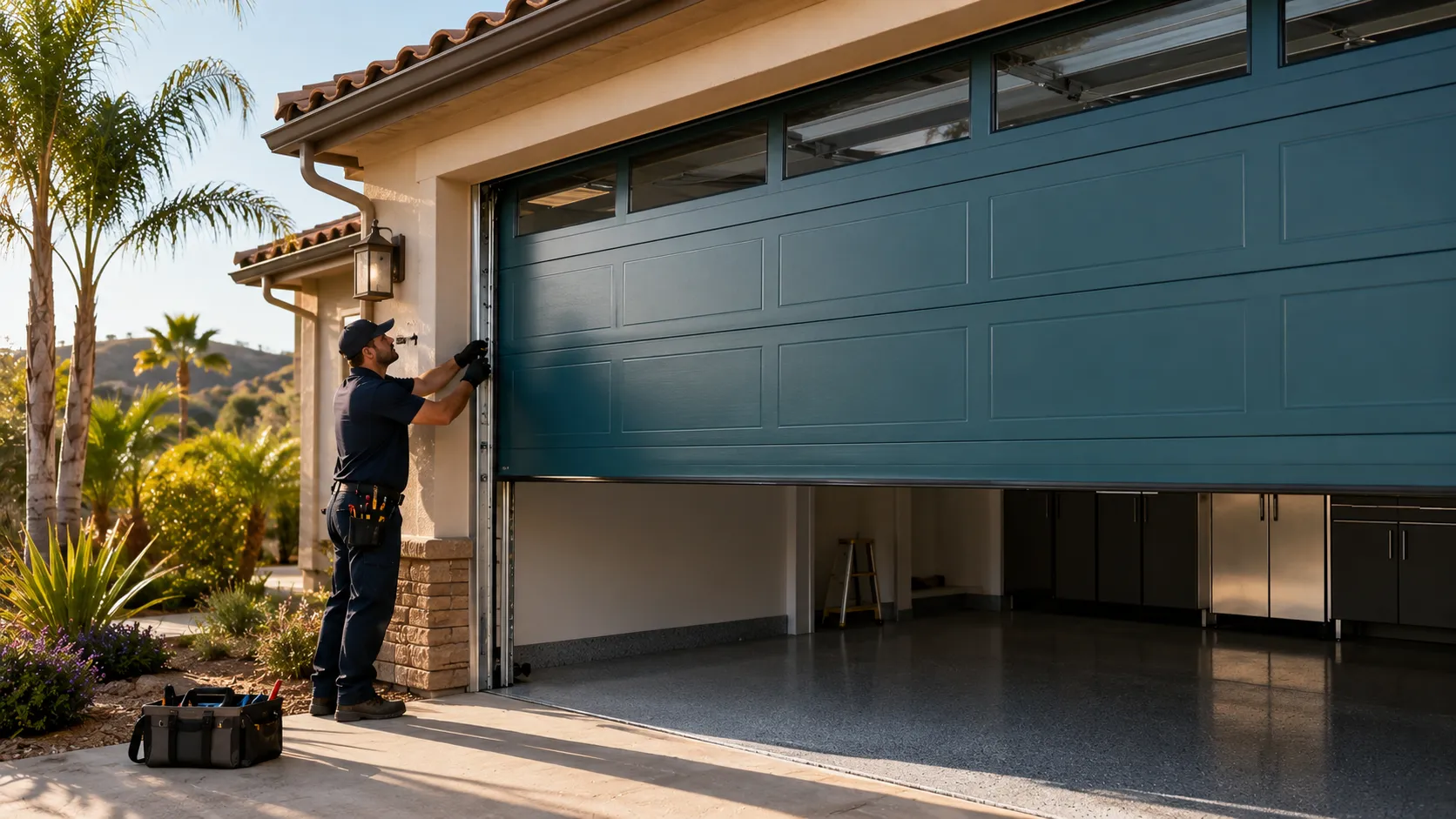
We drive out from Wenatchee, 19 miles each way, so a maintenance visit here gets scheduled as a full stop rather than a quick add-on between calls closer to the shop. That's not a complaint about the town - it's just the honest reason we ask you to book a window instead of a same-day slot. Once we're on site, a standard tune-up on a door built around 1980, which is the median build year for houses in Leavenworth, runs the usual course: lube the rollers and hinges, check spring tension, inspect the track for wear, test the opener's force settings and reversal. Where it can run long is when a torsion spring from that era is original and needs replacing on the spot rather than just adjusting - we don't always carry every spring size for a 40-plus-year-old door, and that's the one honest limit worth naming here. If your door needs a part we don't have on the truck, that's a second trip, not a delay we can talk our way around.
Why This Fails Locally
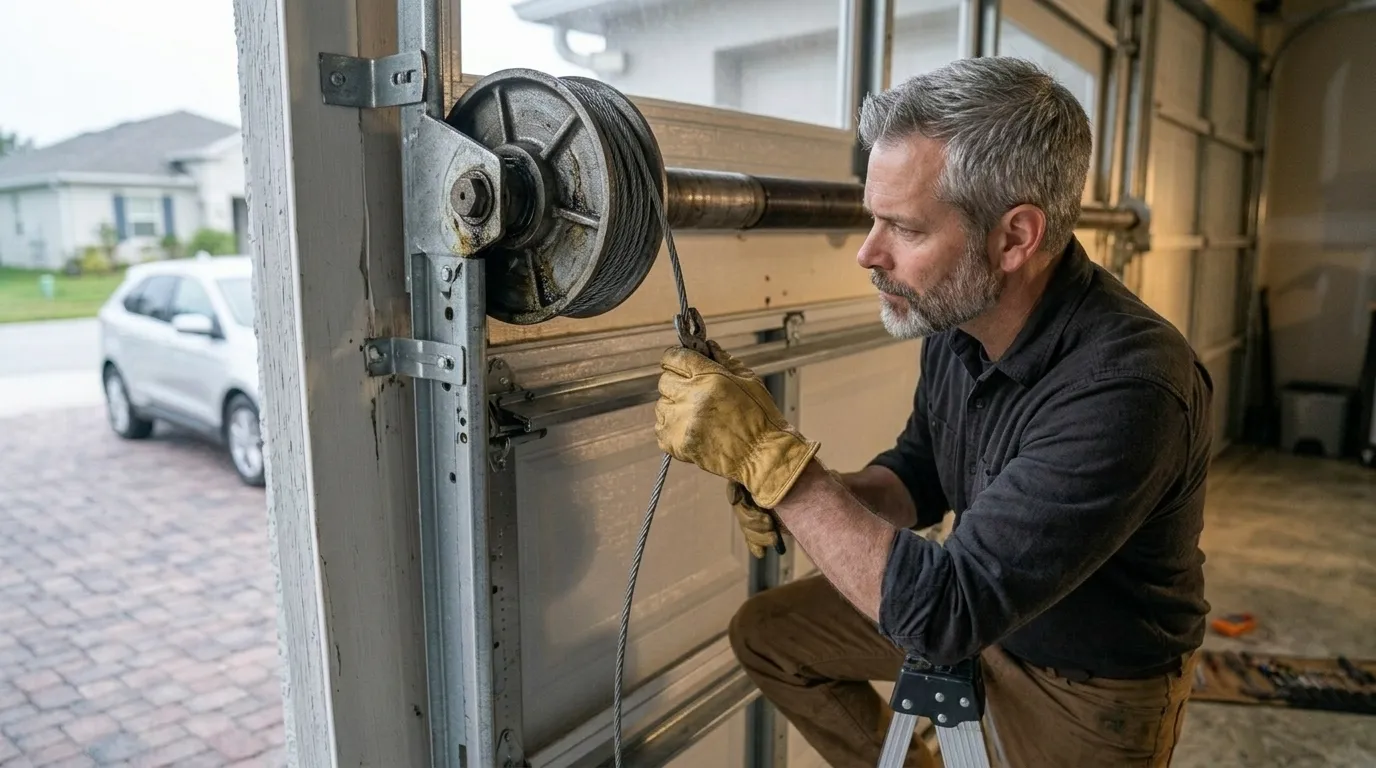
Leavenworth's housing stock centers on 1980, a touch newer than the 1977 median across the wider service area, which usually means steel sectional doors instead of the older wood panel doors you'd find on some earlier builds. Newer doesn't mean maintenance-free. A door installed around 1980 is still 40-plus years old, and the springs, cables, and rollers on it have been cycling through a cold moderate climate band the entire time. Cold snaps stiffen the lubricant on hinges and rollers, and steel contracts, which puts more strain on a torsion spring that's already near the end of its rated cycle count. With 1,183 households in Leavenworth, most sitting on that same era of door, the failure pattern repeats house to house: it's not corrosion from moisture, it's fatigue from decades of temperature swings on hardware nobody's touched since installation.
What It Costs
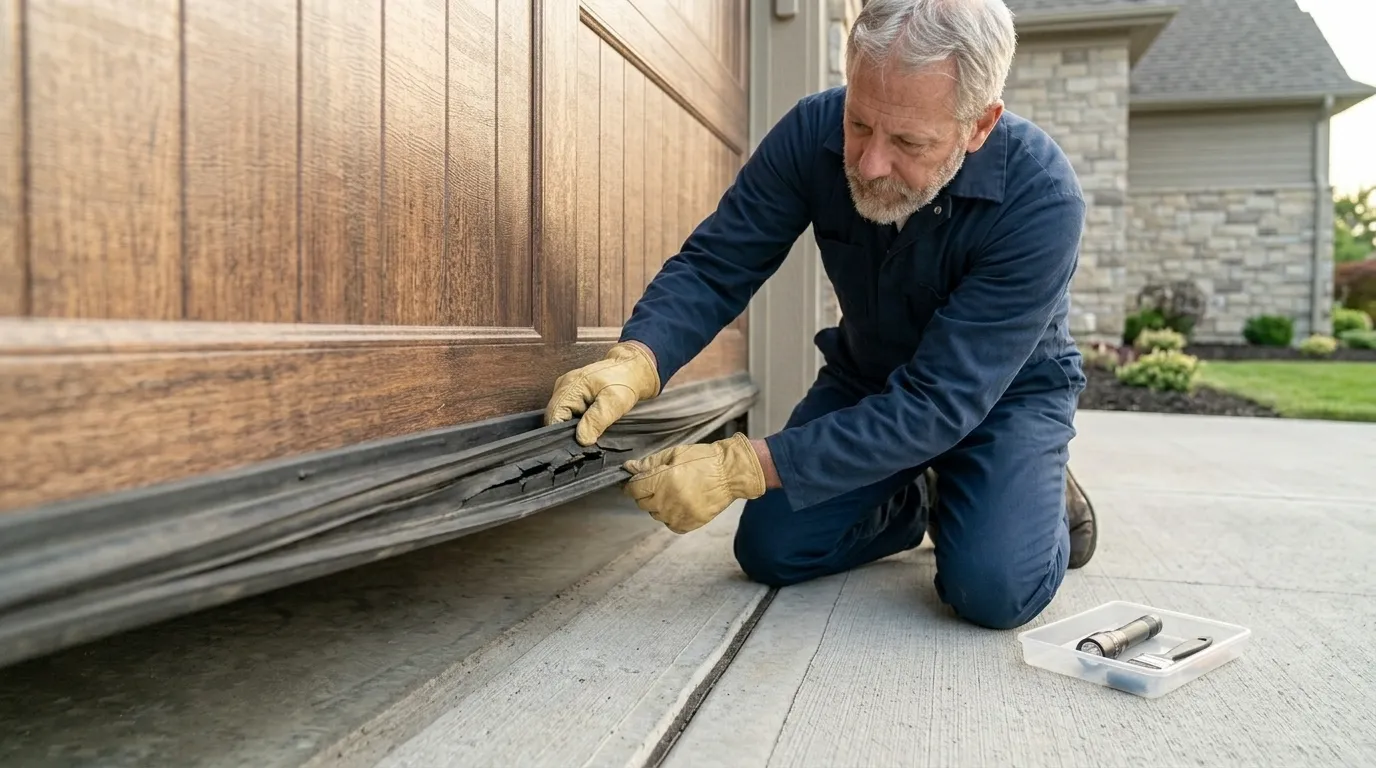
We don't have a set number to hand you for Leavenworth specifically, and rather than guess, we'll say plainly what we can and can't tell you here. What we can say is that maintenance visits on doors from this build era tend to involve real parts, not just adjustment - a spring, a cable, a set of rollers - because the originals have simply run their course. What we can't do is quote you a flat rate without seeing the door, since a 1980-era door with the original hardware needs different work than one that's already had a partial replacement. If a technician tells you a repair is close to the cost of replacing the whole door, that's not upselling - on a door this old, it's often true, and we'll say so.
What Is on the Truck
Because the drive to Leavenworth is the longer end of our service area at 19 miles, we load the truck with the parts that match what this town's housing actually needs before we head out - torsion springs sized for steel sectional doors from the late 1970s and early 1980s, standard rollers and hinges, lubricant rated for the cold moderate climate band rather than a general-purpose grease that stiffens up in winter. We carry common opener parts - drive gears, sensor brackets, remotes - but not every proprietary part for every opener brand ever installed on a door built around 1980. If your opener is an older or less common model, we may need to order a specific part rather than carry it as standard stock, and we'll tell you that up front instead of after the visit.