Why This Fails Locally
Most houses in this service area were built between 1944 and 1993, with the median landing around 1977. That means a lot of openers out there are second or third replacements on original wood-frame doors, mounted on brackets and rail supports that were never sized for today's heavier insulated panels. In the 1960s-70s tract sections that make up most of the seven named areas we work, chain-drive openers from the 80s and 90s are still limping along on worn gears, and homeowners don't notice the strain until the motor burns out mid-winter. The cold-moderate climate band here adds its own wear pattern: grease in an old gearbox stiffens up when temperatures drop, and a motor that's already tired has to fight harder to lift a door on a frozen morning. That extra load is what actually kills these units - not one big failure, but years of cold starts on hardware that was marginal to begin with. Houses built later in that 1944-1993 window sometimes have larger, heavier doors than the openers installed with them were rated for, which shortens the opener's working life regardless of how well it was maintained.
What the Fix Involves
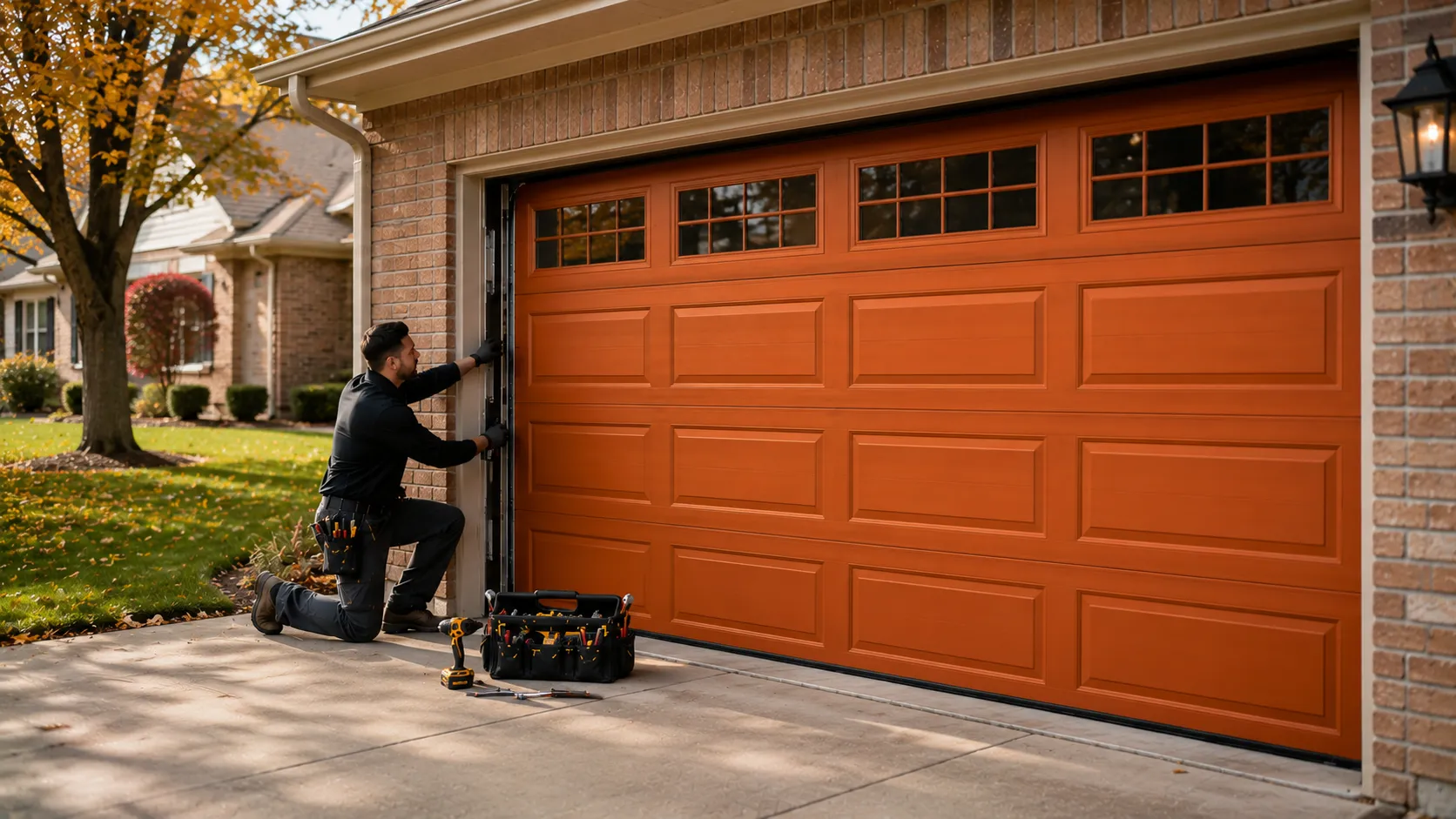
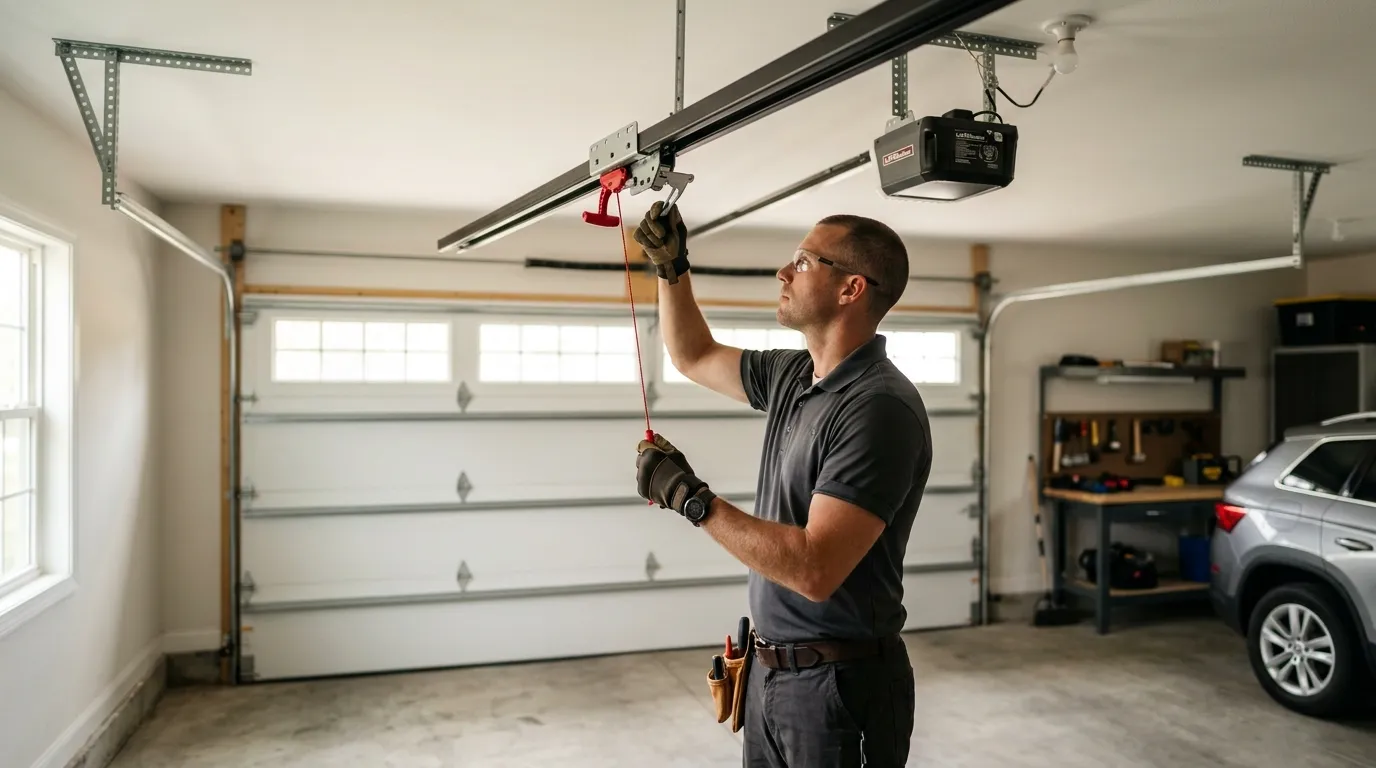
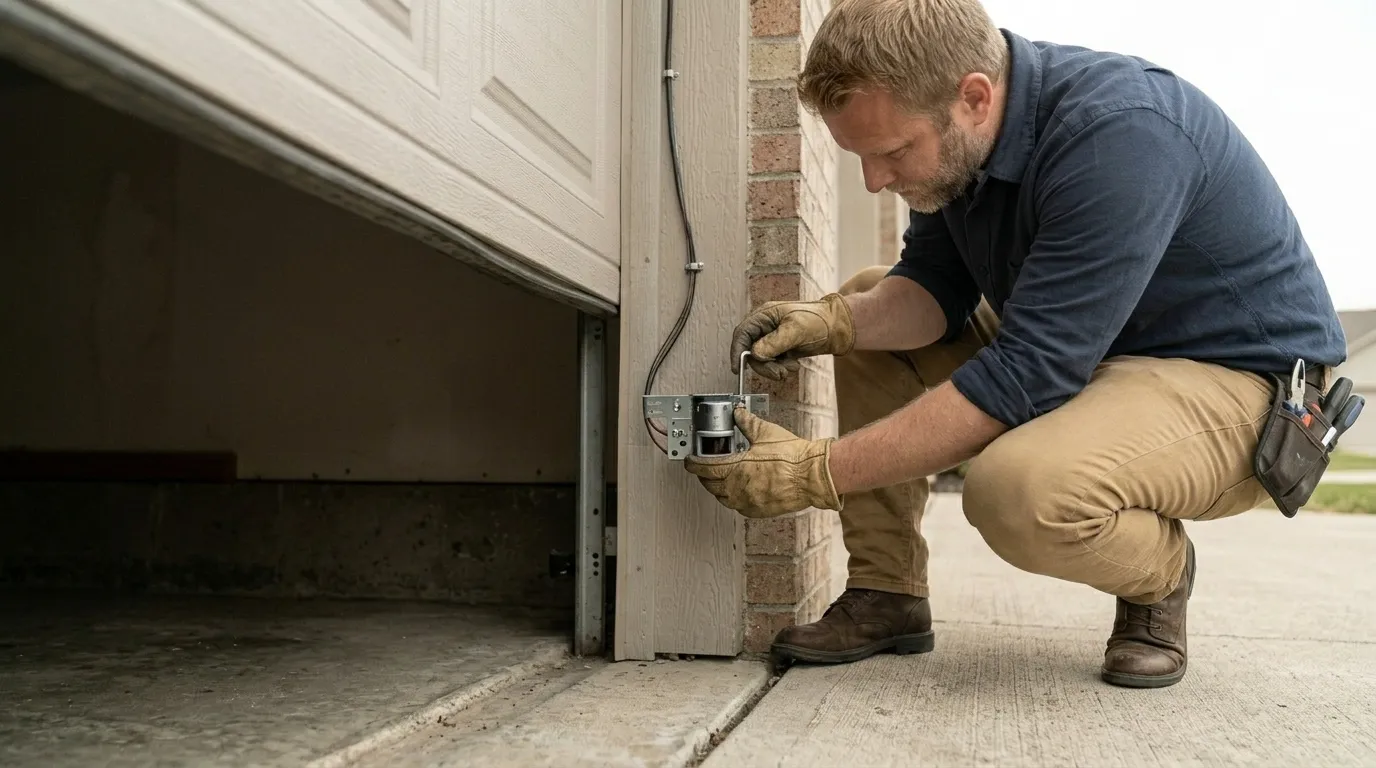
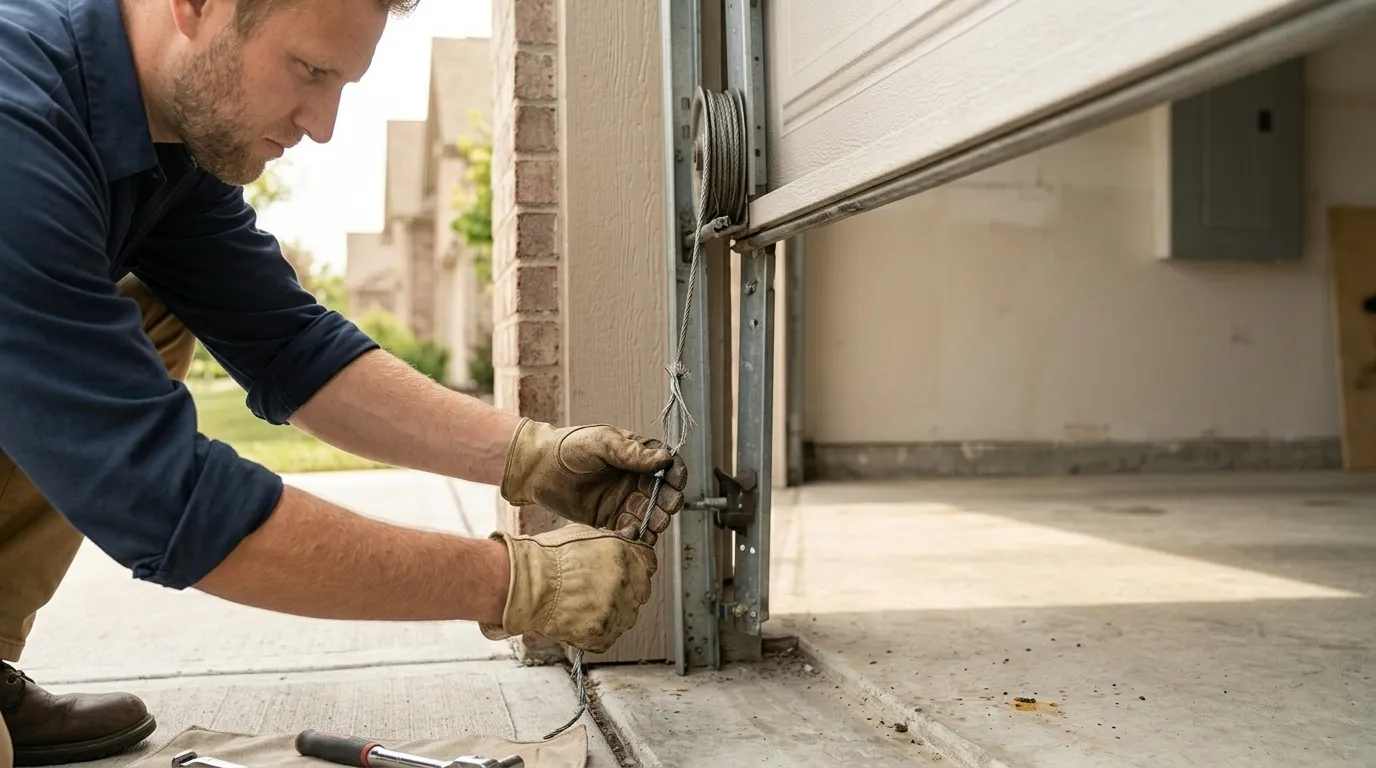
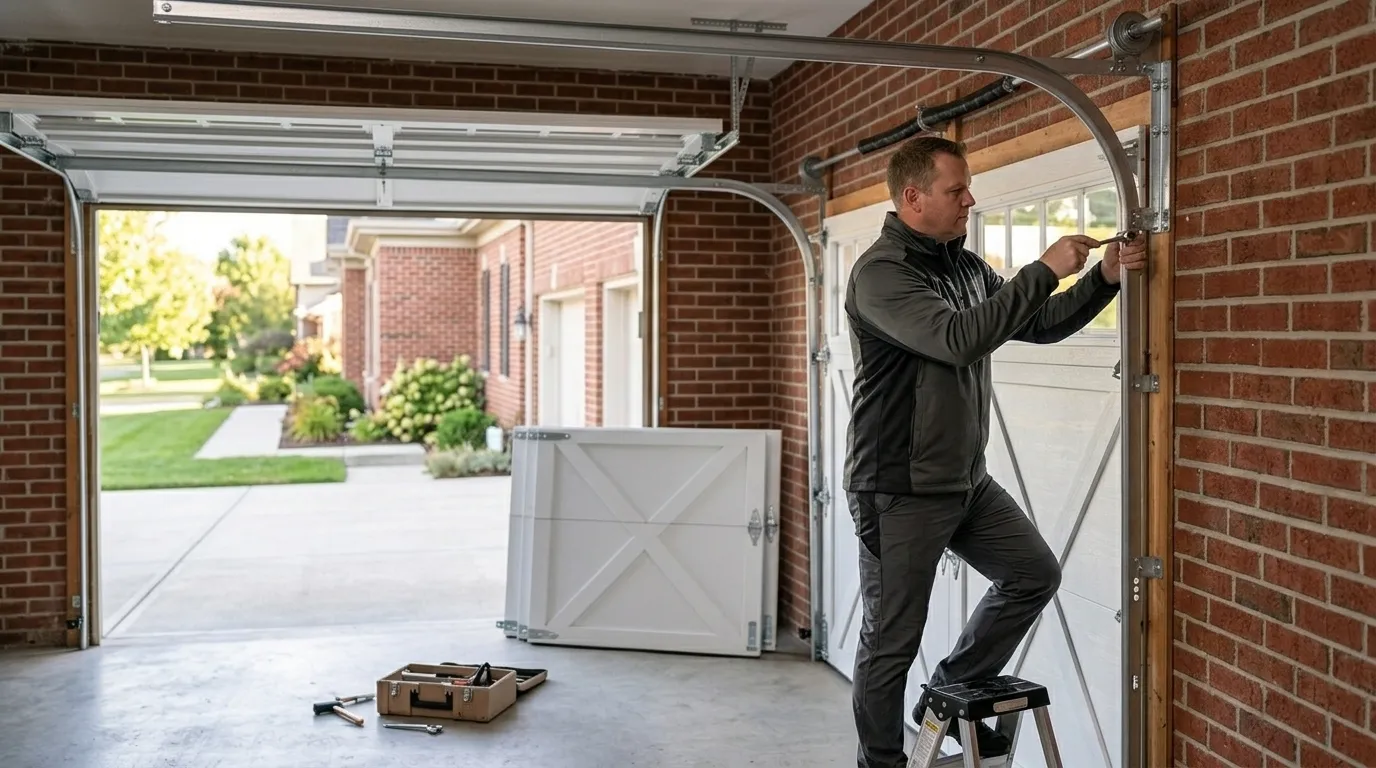
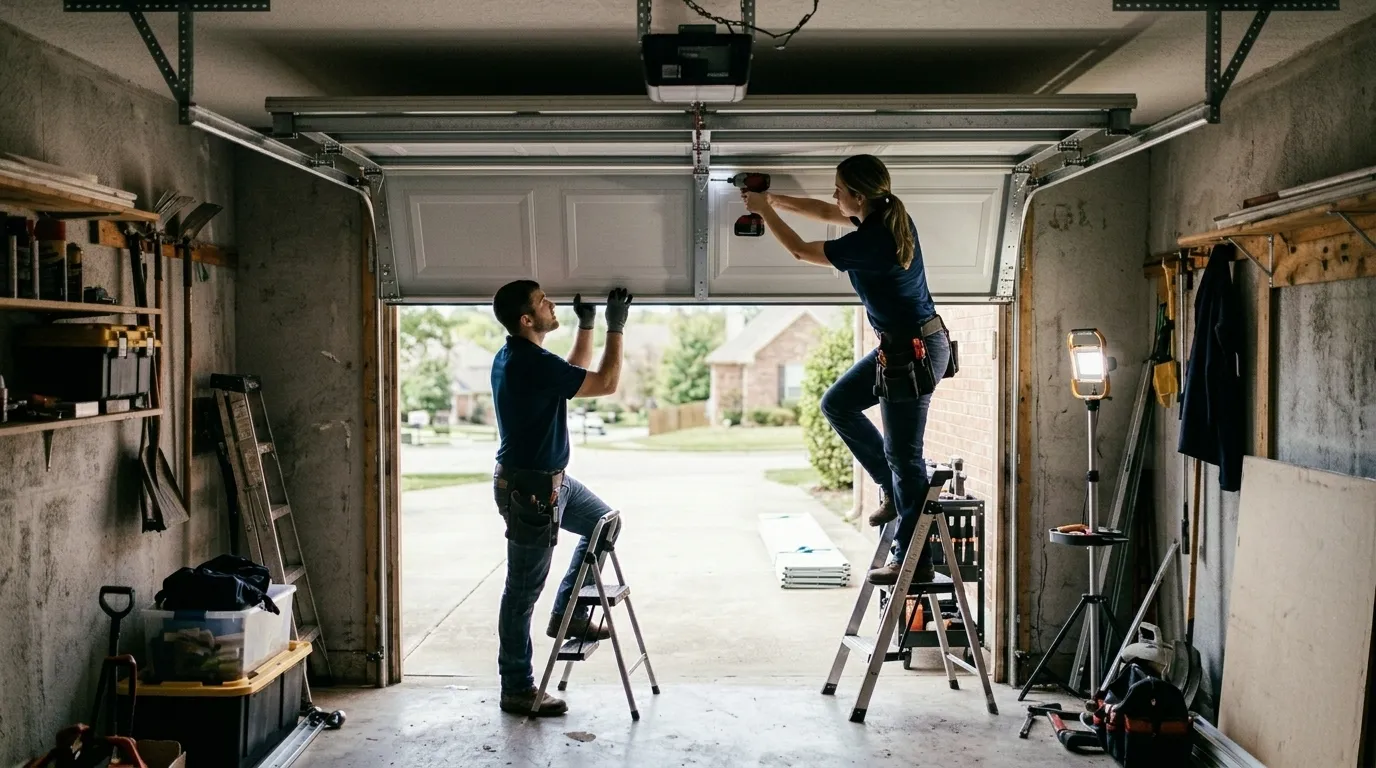
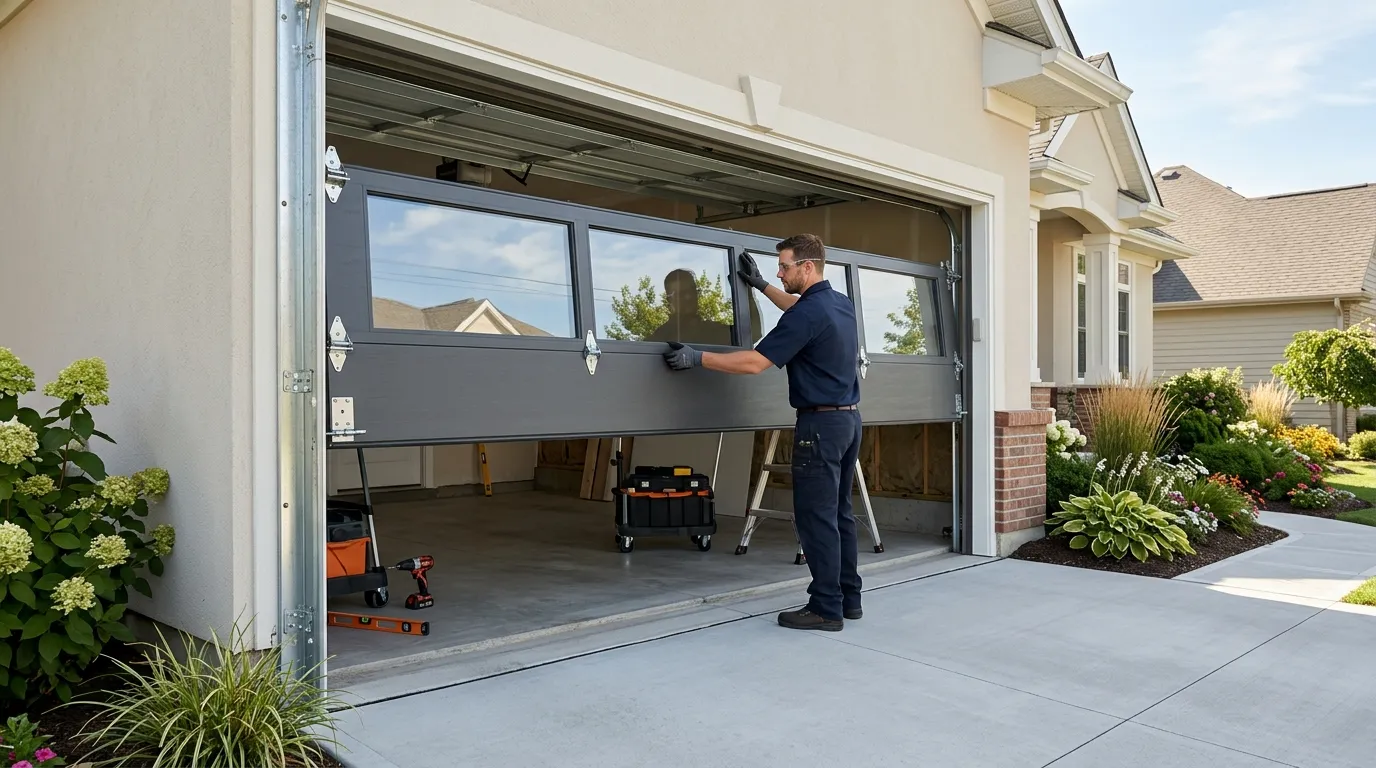
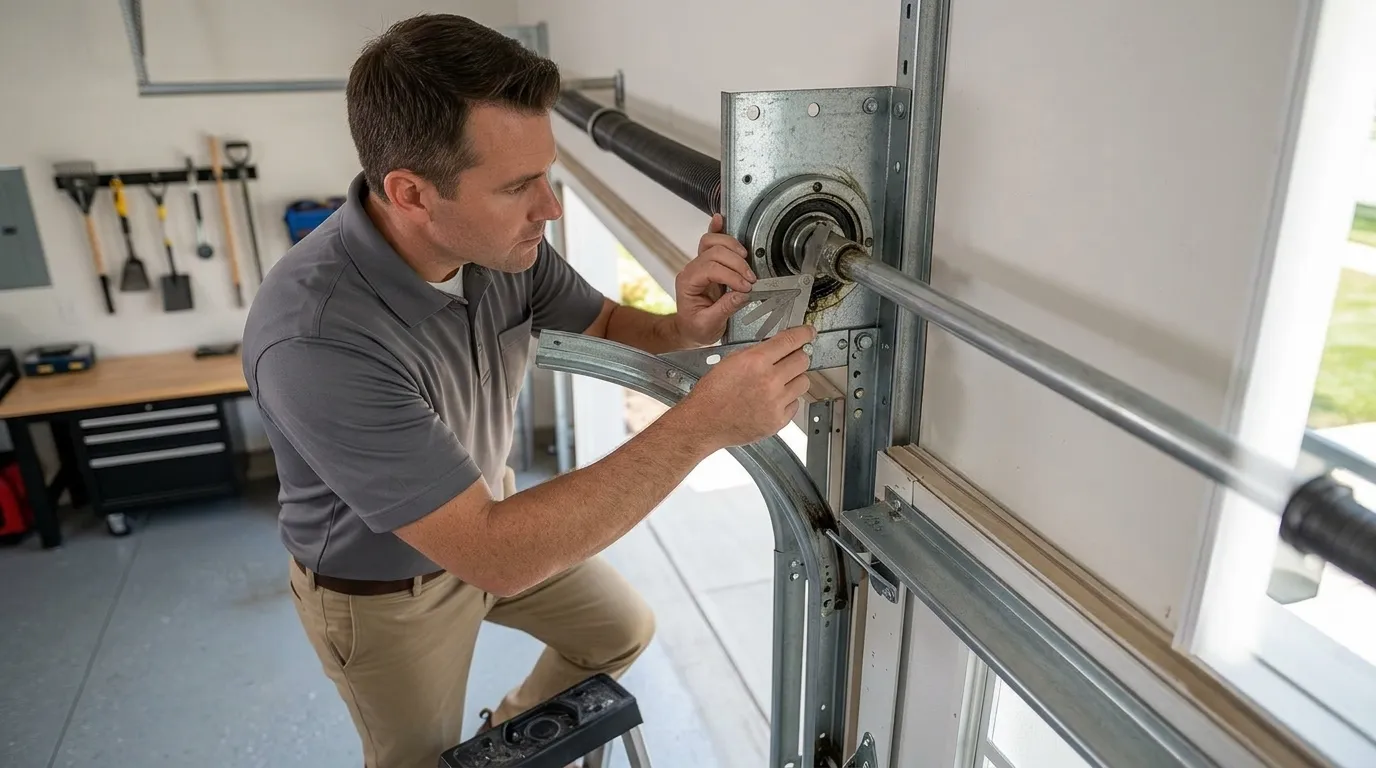
A proper opener install starts with checking the door itself, not just swapping the motor. On the older stock common across this area, that means confirming the header is solid enough to carry a new mounting bracket, checking that the track alignment hasn't drifted with the house settling over sixty-plus years, and making sure the springs are balanced before the new opener ever takes a lift. We size the unit to the door's actual weight and travel, not a generic middle-of-the-road model, because a cold-climate garage puts more load on a motor than a heated one. Wiring often needs attention too - houses from this era frequently have a single outlet or none at all near the header, so we run power properly instead of relying on an extension cord looped over the rafters. Safety sensors and the auto-reverse function get tested under real load, not just plugged in and left. On owner-occupied homes where the opener is original to a mid-century remodel, we also check whether the rail and drive system match the new motor's mounting pattern, since older track hardware doesn't always bolt straight onto a current unit.
How It Shows Up
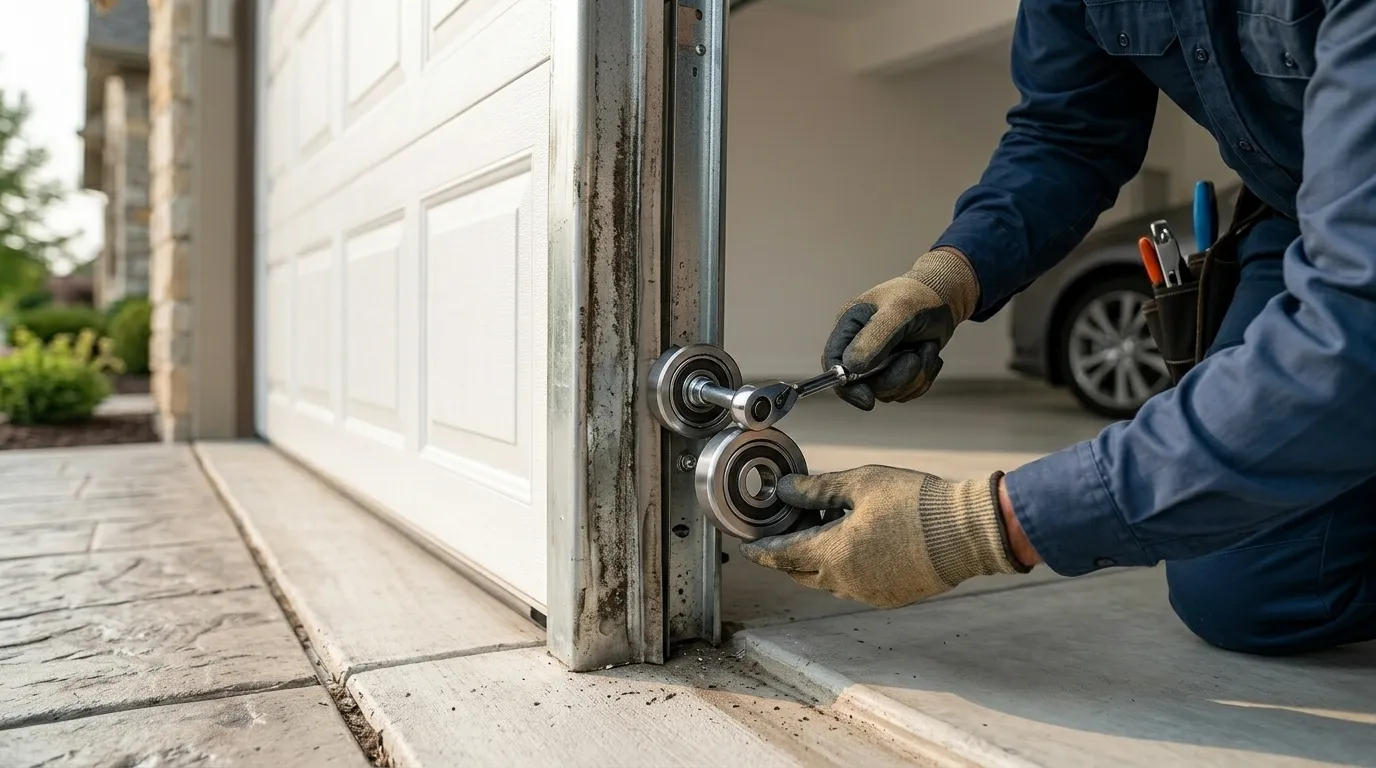
The complaint we hear most is a door that starts to lift, then stalls or reverses on its own - that's usually the motor sensing more resistance than it can push through, often worse on cold mornings. Grinding or a delayed start after you hit the button points to gear wear inside the unit, common on openers original to the 60s and 70s builds that still make up most of the housing stock across the seven areas we cover. Some owners notice the opener runs fine but the door drifts off-track partway up, which is a sign the rail or bracket has loosened over decades of use rather than a motor problem at all. Across a service area with close to 5,000 owner-occupied houses, we see the same handful of failure patterns repeat street after street, which is exactly why matching the new opener to the existing door and hardware - rather than installing a generic unit - matters more here than the brand name on the box.