Why This Fails Locally
Most of the houses we get roller calls from went up between 1944 and 1993, with the bulk of that stock dating to the 1960s and 70s across the seven areas we run trucks through. That generation of door came with steel rollers on tracks that were never adjusted after the original install. Steel rollers wear a groove into themselves over decades, and once that groove deepens, the roller stops rolling and starts dragging, chipping, or binding at the bend where the vertical track turns horizontal.
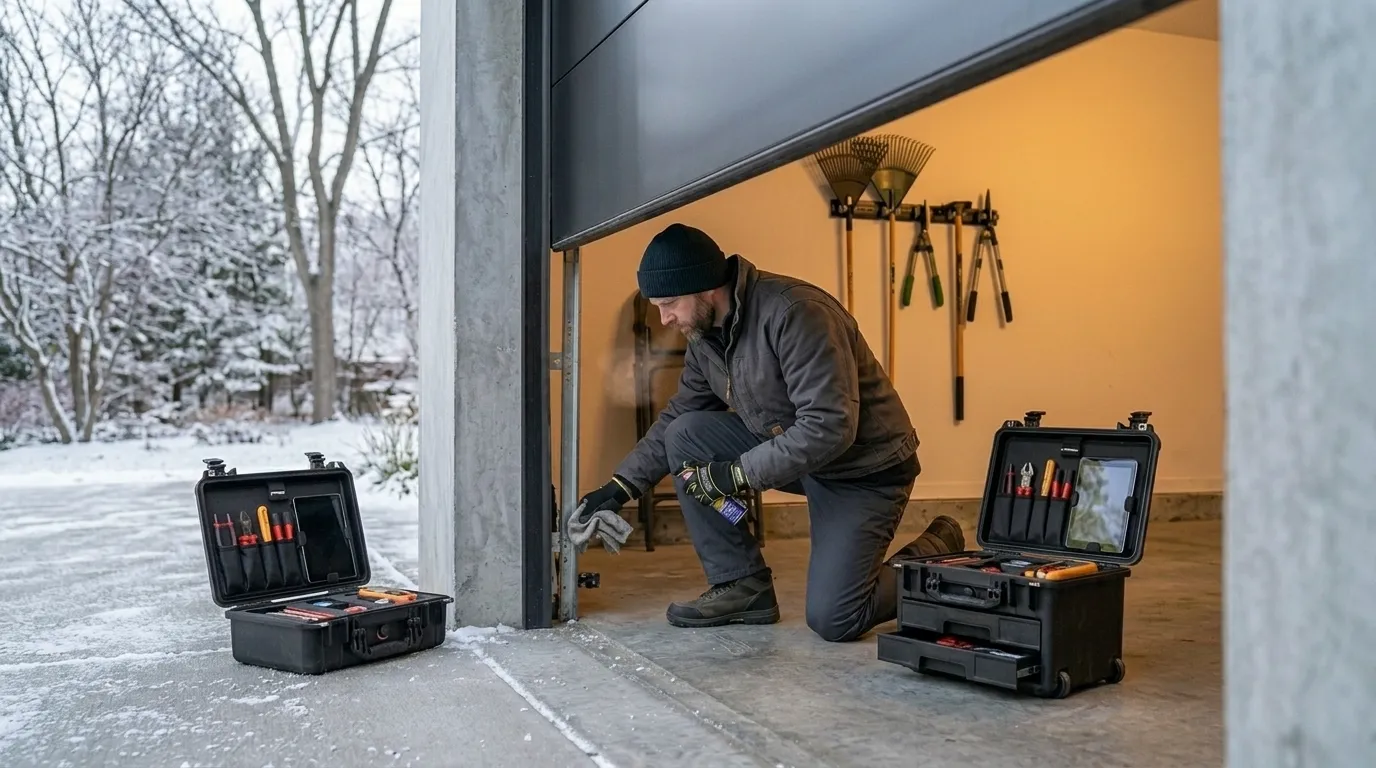
Wenatchee sits in a cold-moderate climate band, which means the grease in those old roller stems thickens up hard in winter and gets sticky-thin in summer heat. That swing is what actually kills a roller - not one bad day, but forty years of expansion and contraction on hardware nobody's touched. Houses built to the original 1960s-70s spec rarely got nylon rollers, so what we're pulling out is usually the factory steel, worn well past flat.
This is a service-area-wide pattern, not a one-house problem. Whether the call comes from the valley floor or higher ground, the roller wear we see tracks almost exactly with the age of the housing stock, not with any one street or subdivision.
What the Fix Involves
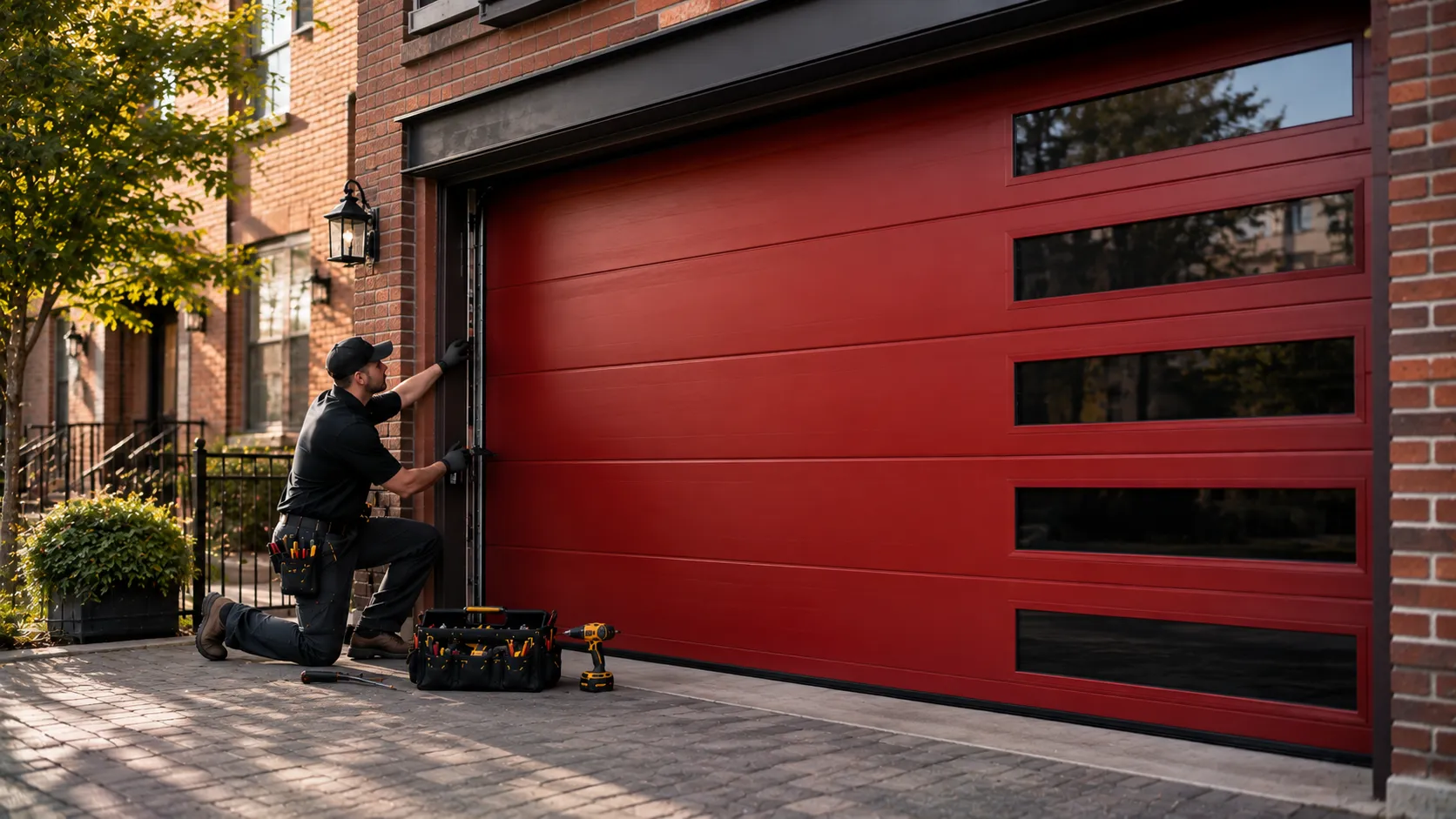
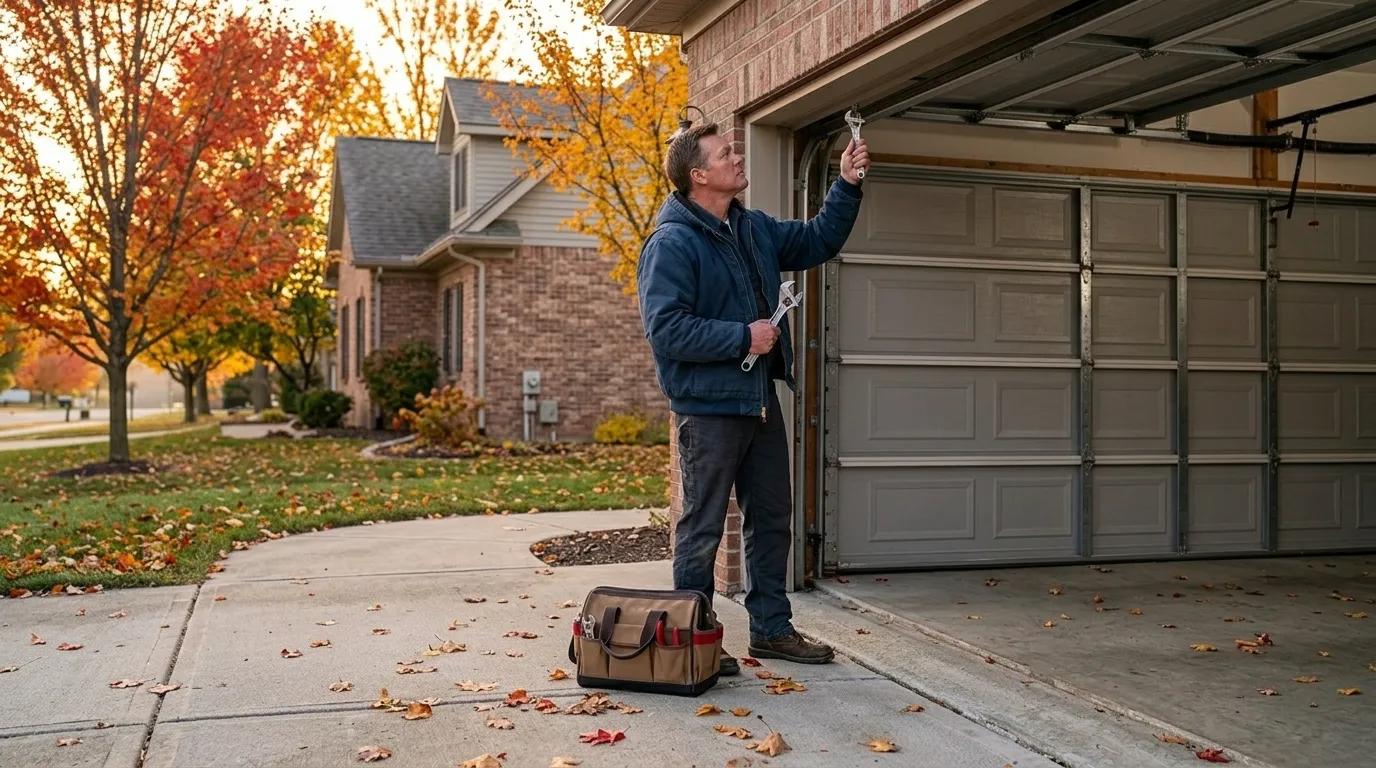
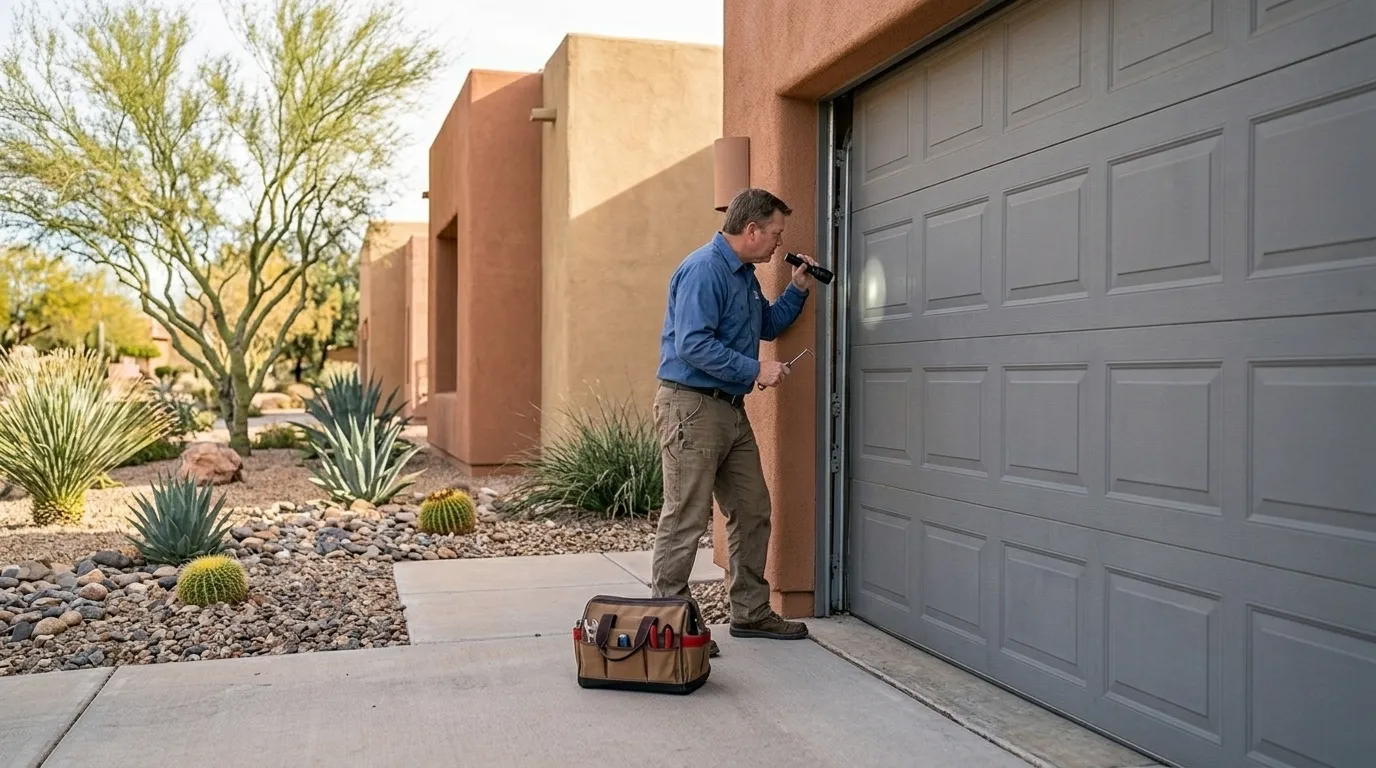
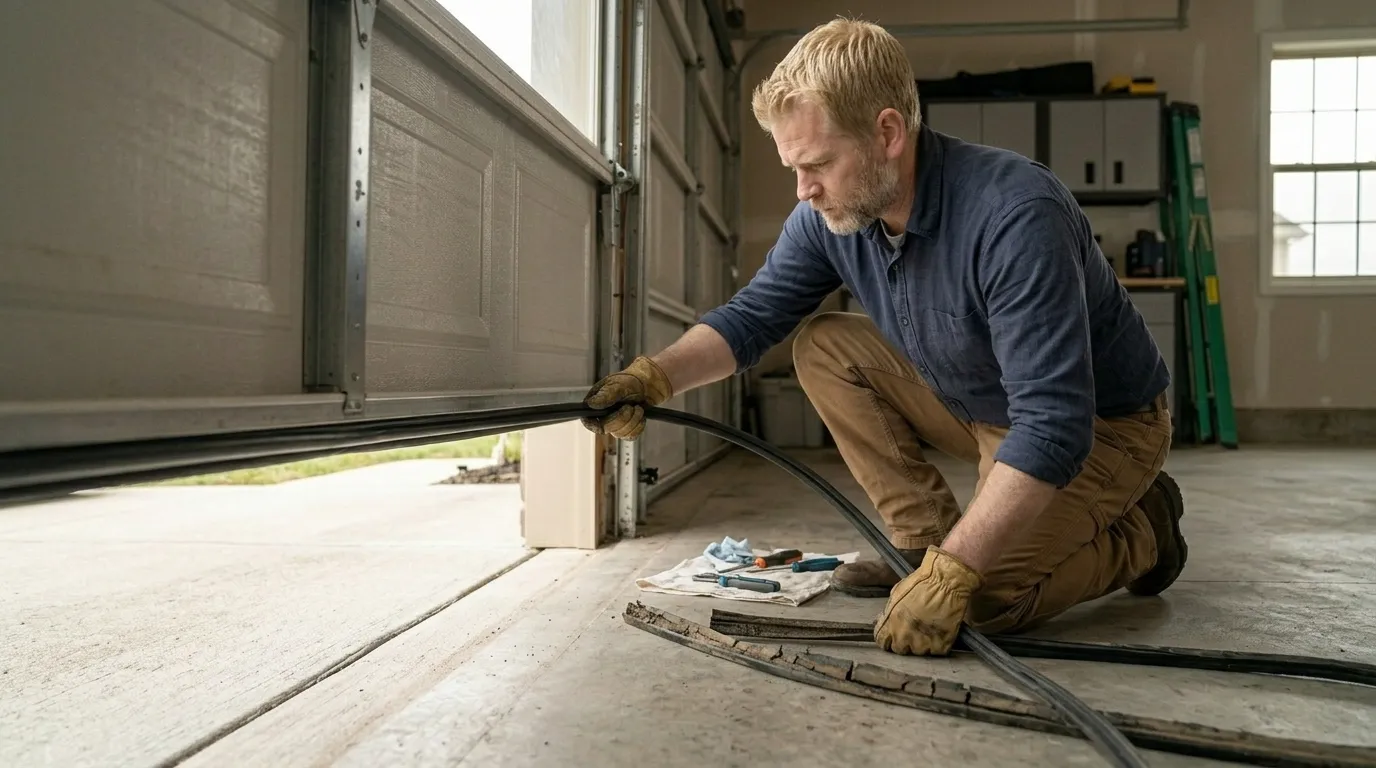
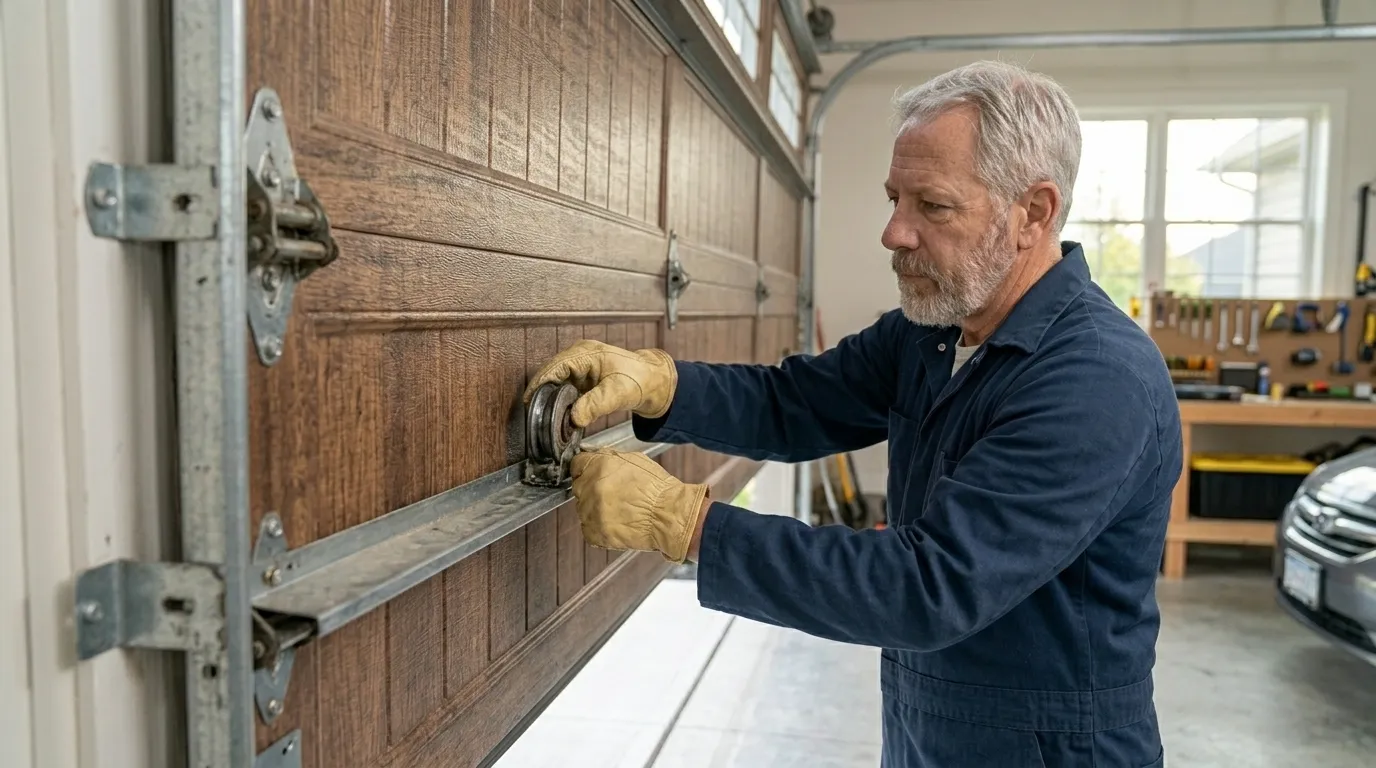
We start by running the door manually with the opener disconnected, watching the rollers move through the curve at the top of the track. A roller that's cracked, flat-spotted, or missing its bearing shows itself fast. We check the track brackets at the same time, because a bent bracket will chew through a brand-new roller just as fast as an old one.
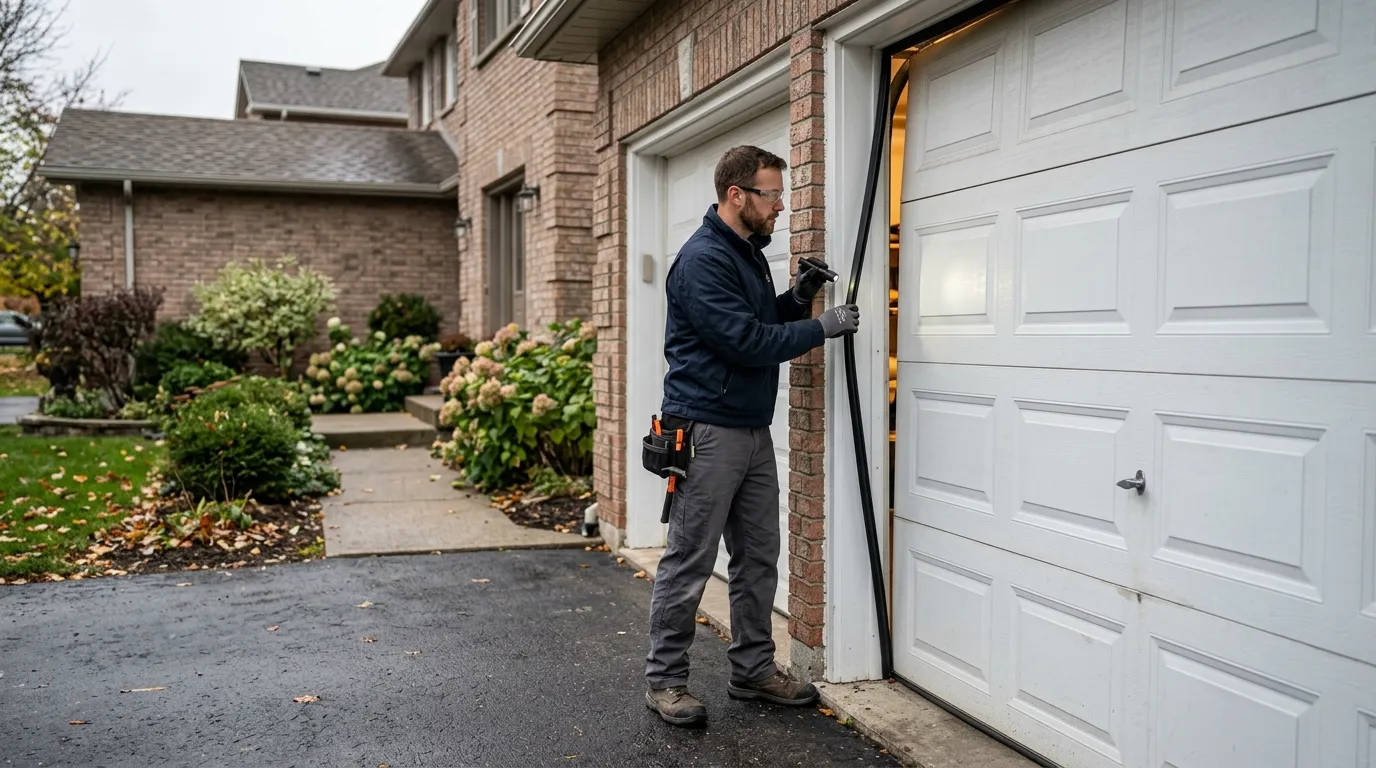
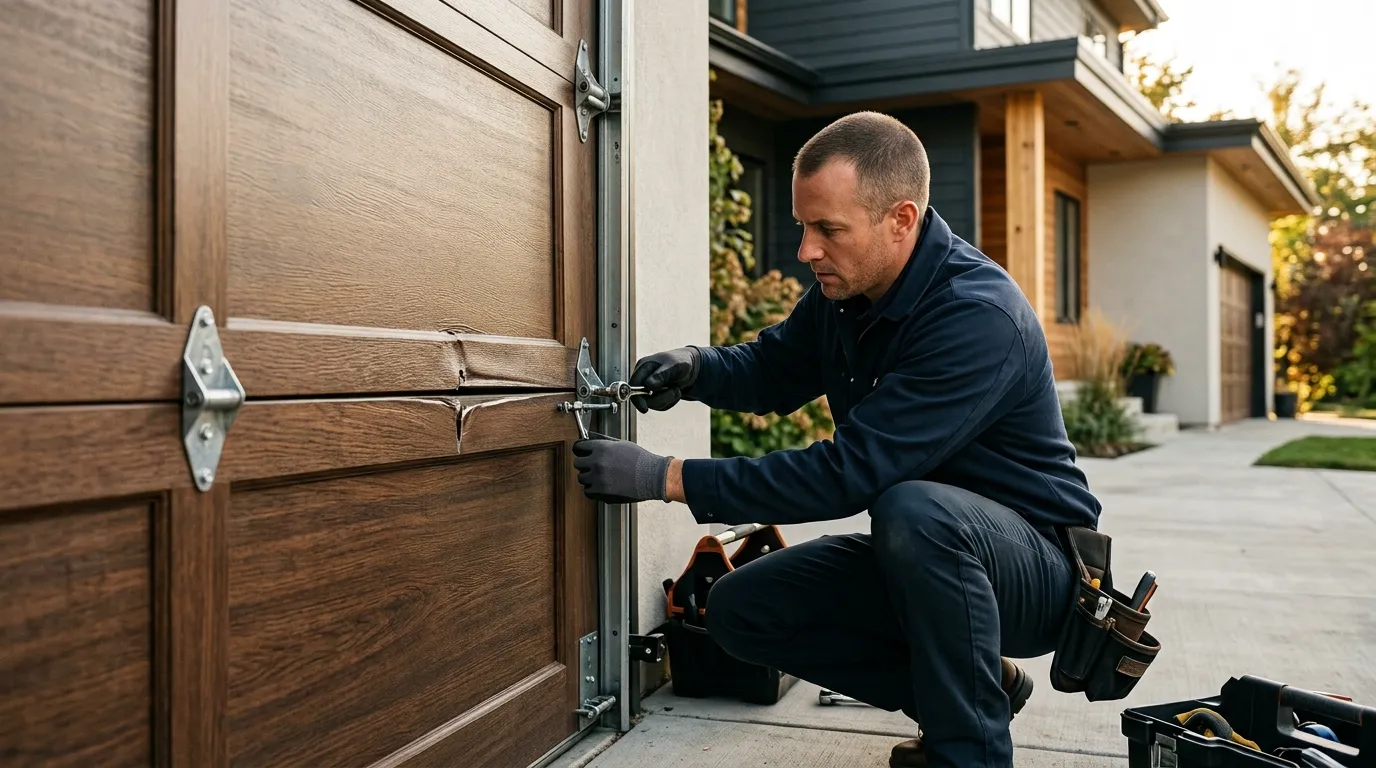
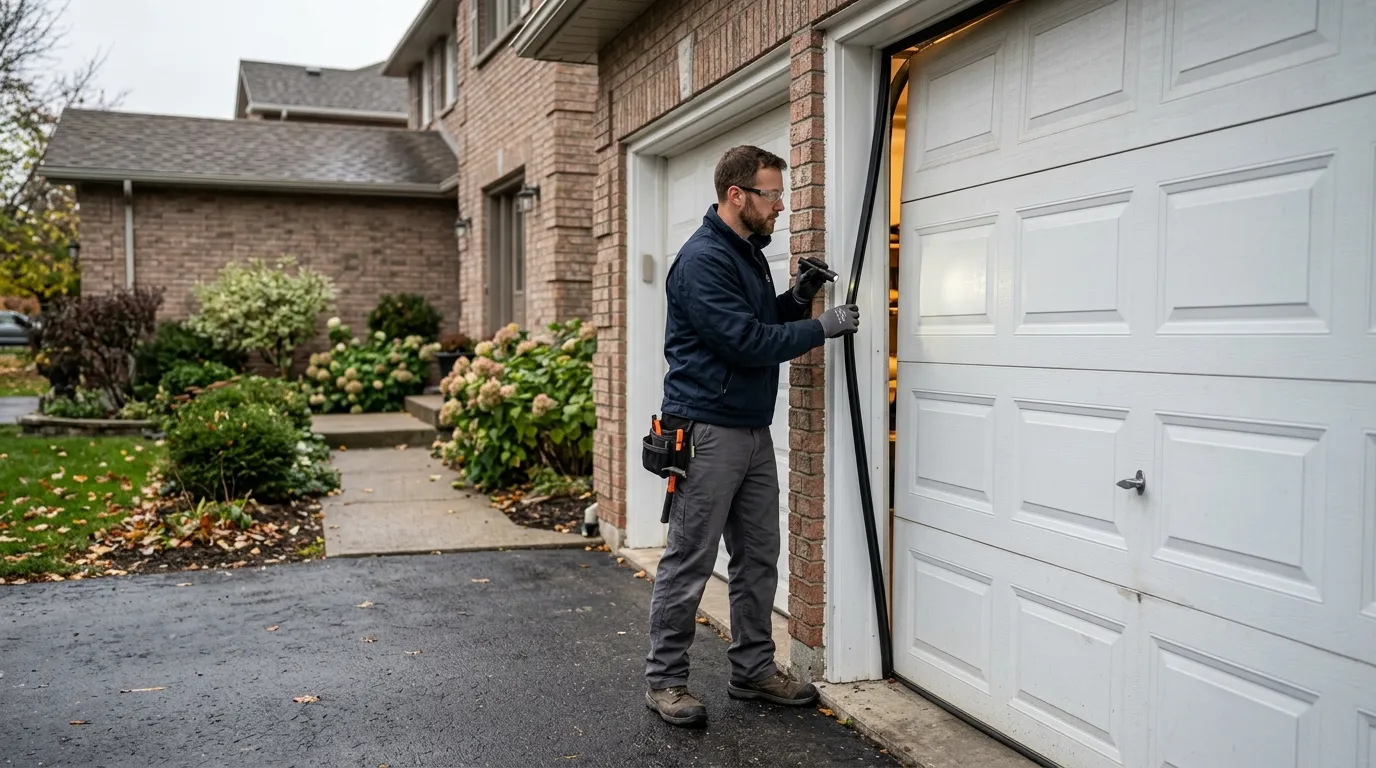
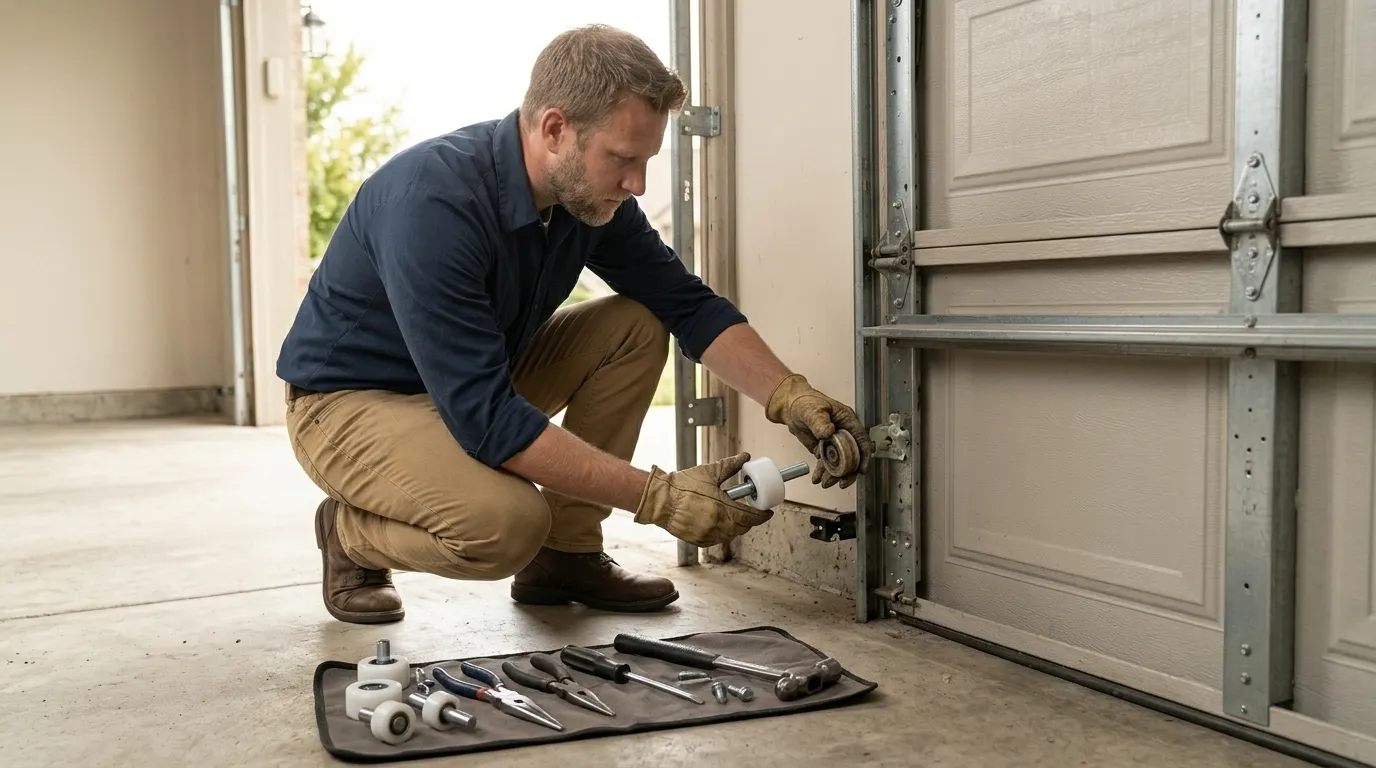
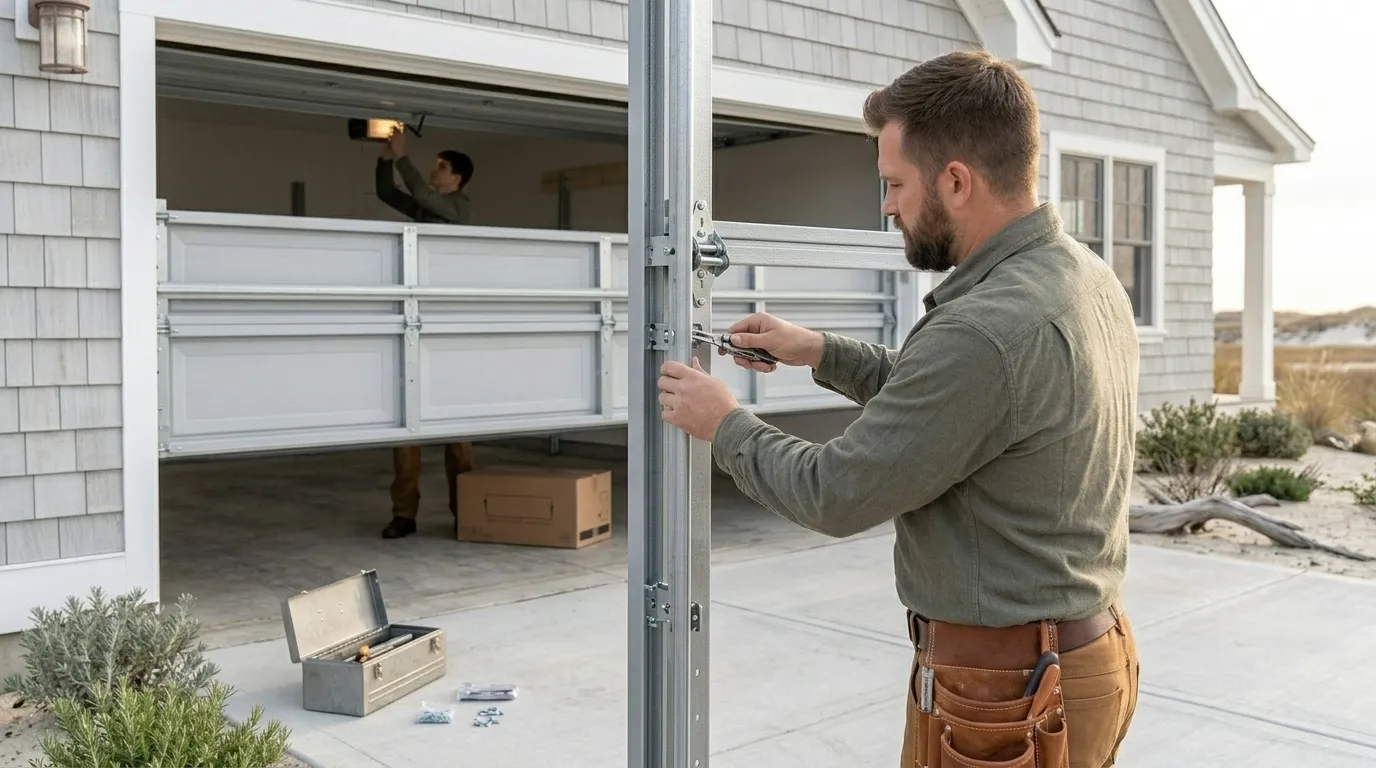
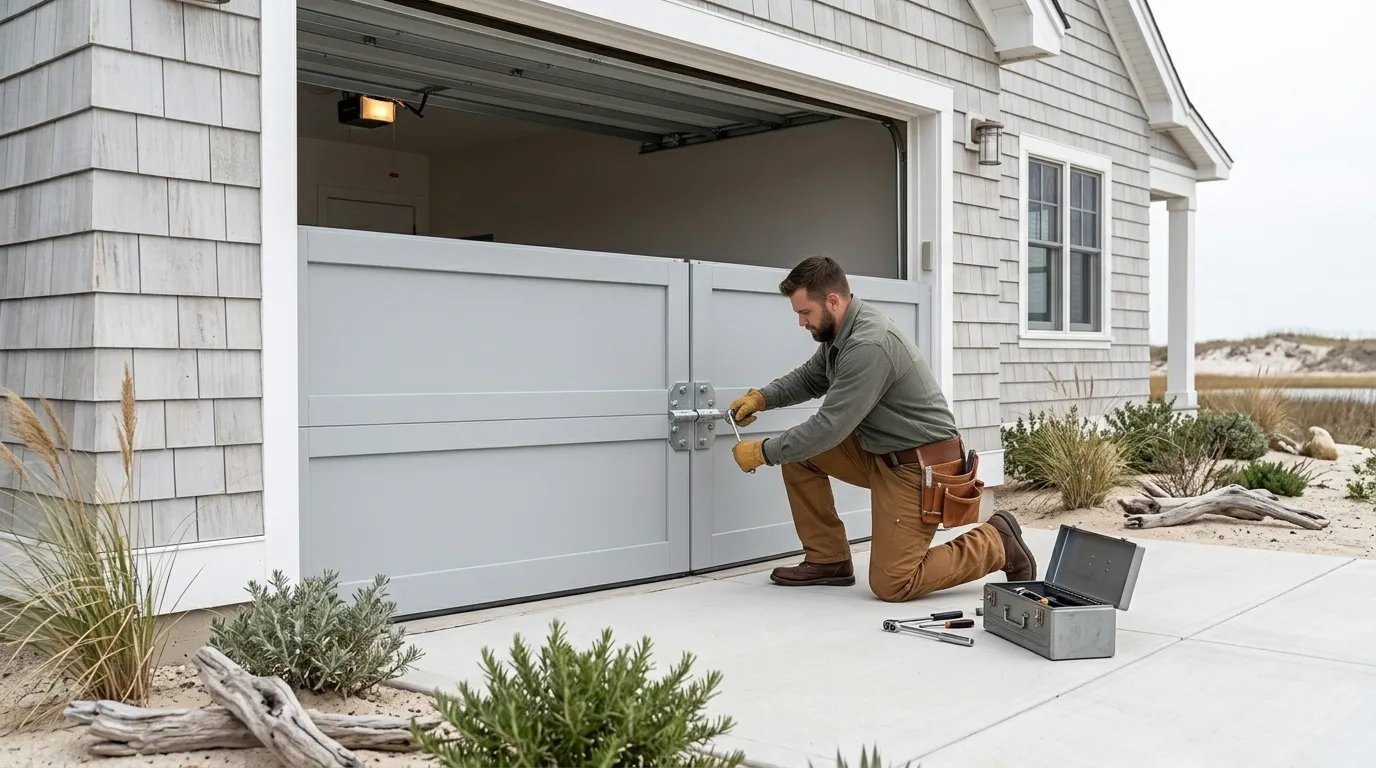
Replacement means pulling the roller stems out of the hinges one at a time, working end to end so the door stays supported on the remaining rollers. On older Wenatchee doors with the factory steel rollers, we're almost always swapping to sealed nylon - quieter, and they don't wear a groove the way steel does. If the track itself is worn from years of a bad roller riding sideways, we true it up or replace the section, since a new roller in a chewed-up track just fails again in a year.
One limitation worth saying plainly: if the panel hinges are also worn out from riding on collapsed rollers, roller replacement alone won't quiet the door down. We'll tell you that on site rather than sell you a fix that doesn't hold.
How It Shows Up
The earliest sign is sound - a rhythmic thunk or grind as the door travels, usually loudest right where the track curves. That curve is where a worn roller has to change direction, and a flat spot or a missing bearing shows up as a hitch you can feel through the wall.
Next comes visible wobble. Watch the door from the side as it opens: a healthy roller keeps the panel edge tracking straight, while a worn one lets the door rock side to side by a half inch or more. Left alone, that wobble transfers stress onto the next roller down the line, so one bad roller becomes three or four within a season, especially through a Wenatchee winter when the grease has stiffened up.
The last stage is a door that catches or jumps the track entirely, usually at the transition point. That's not an emergency in the way a snapped spring is, but it's also not something that fixes itself, and running the opener against a jumped roller can bend the track enough to turn a roller job into a track job.