Why This Fails Locally
Most of the houses we work on in this area went up between 1944 and 1993, with the bulk of that stock dating to the 1960s and 70s across the seven communities we cover - Wenatchee itself, East Wenatchee, South Wenatchee, Sunnyslope, Cashmere, Entiat, and Waterville and Leavenworth further out. Doors from that era were built with torsion springs sized for the original door weight, and thirty, forty, fifty years of cycling wears the coil until it loses tension unevenly or snaps outright.
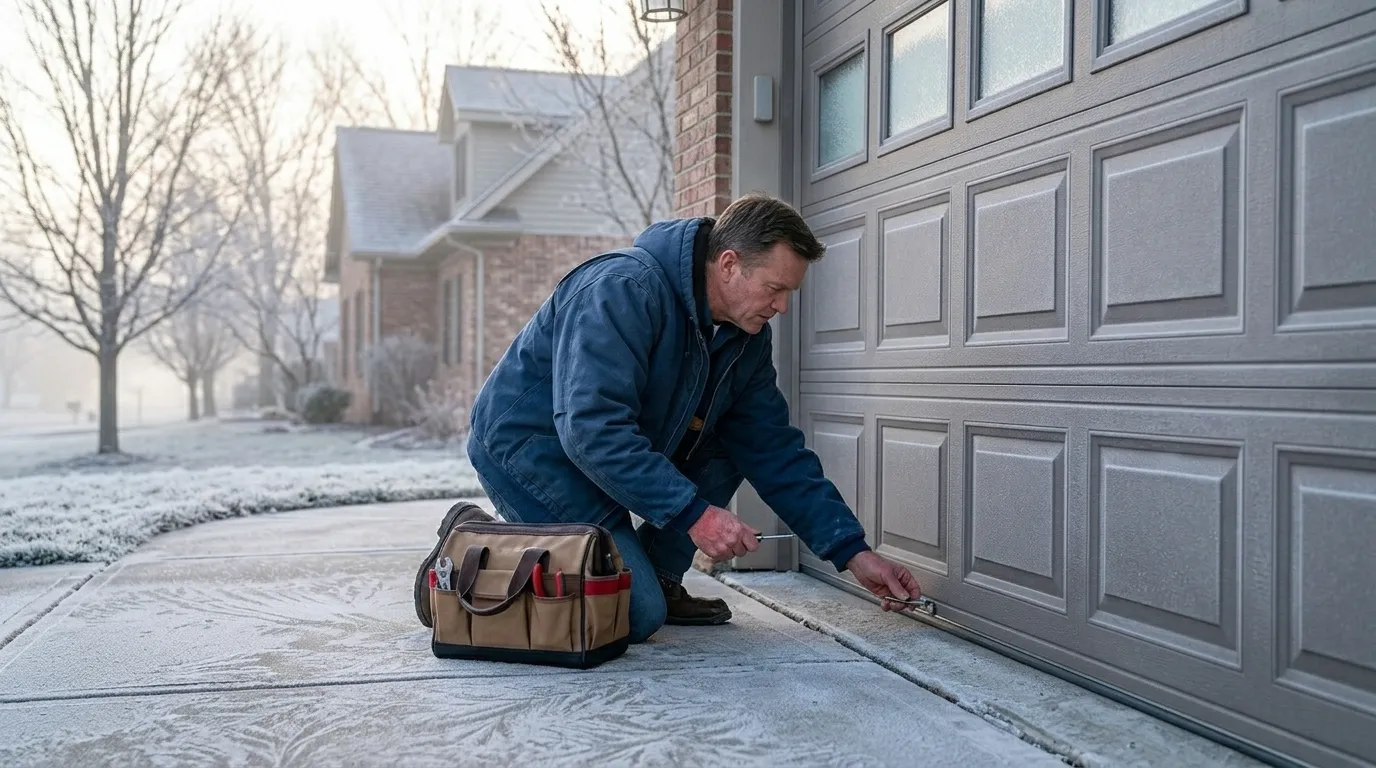
Cold winters make it worse. This region sits in a cold-moderate climate band, and steel spring wire stiffens and gets brittle when the garage sits unheated through a hard freeze. A spring that's been fraying for a year can go the first cold morning you open the door. That's not bad luck - it's a 50-60 year old coil meeting a 20-degree swing.
We also see original single springs on doors that were never upgraded to a dual-spring setup, which was more common on older single-car doors built to the lighter standards of that period. Those single-spring systems fail without warning far more often than a matched pair, because there's no second spring holding the door's weight when the first one goes.
What the Fix Involves
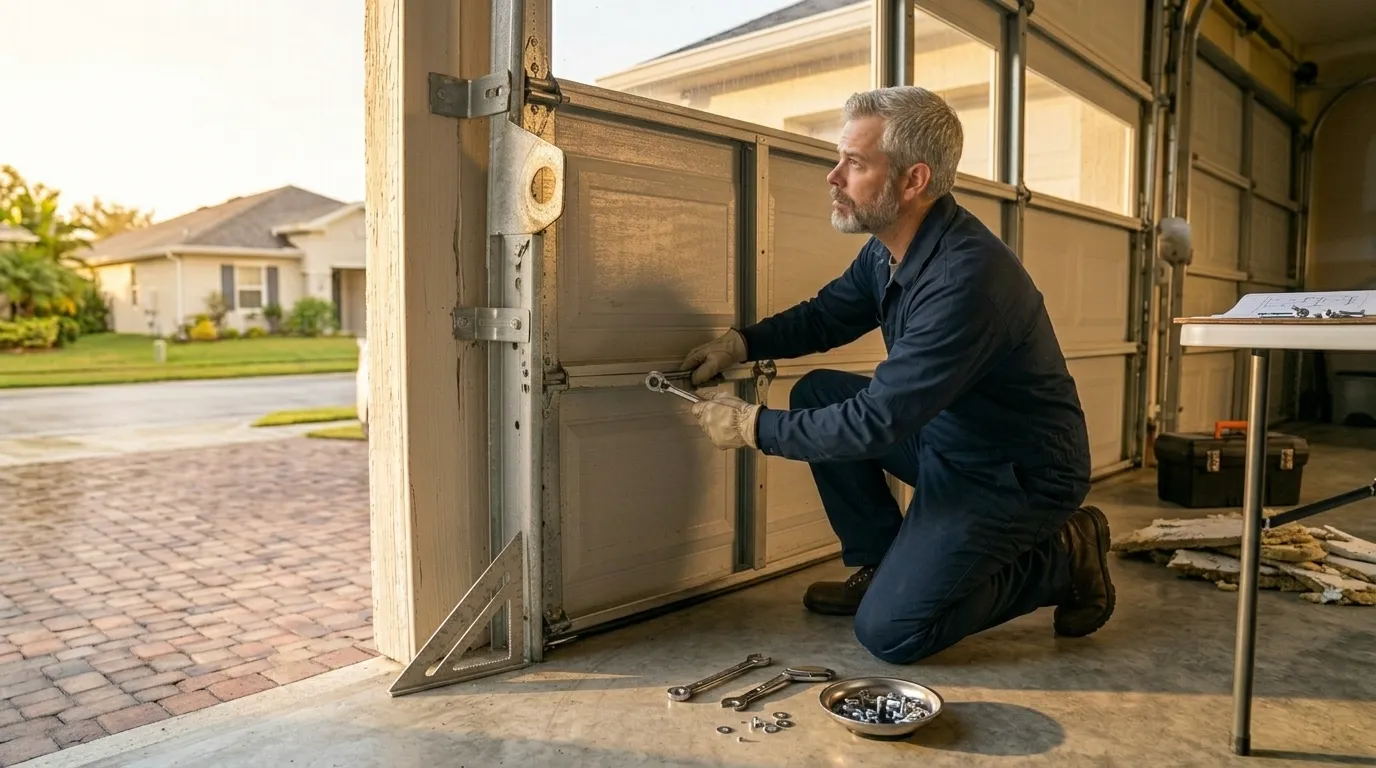
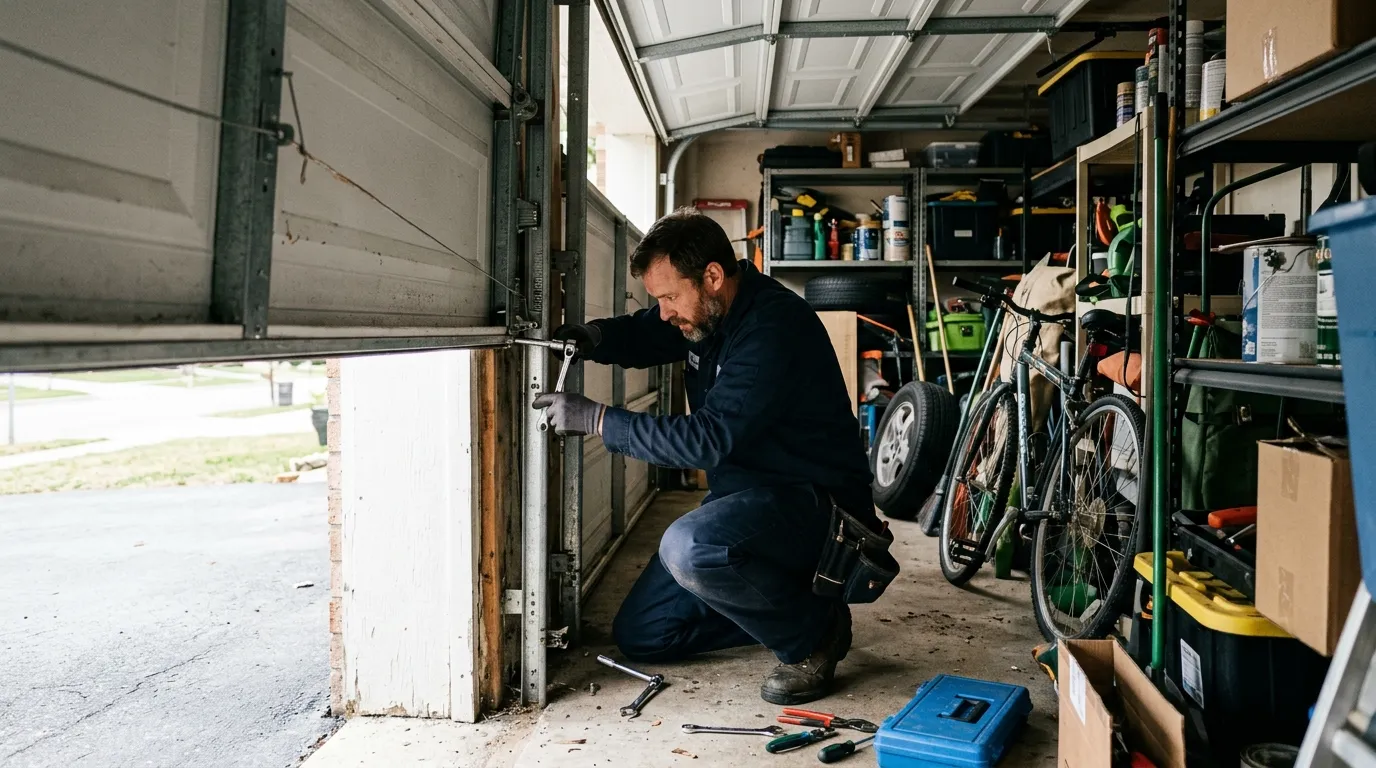
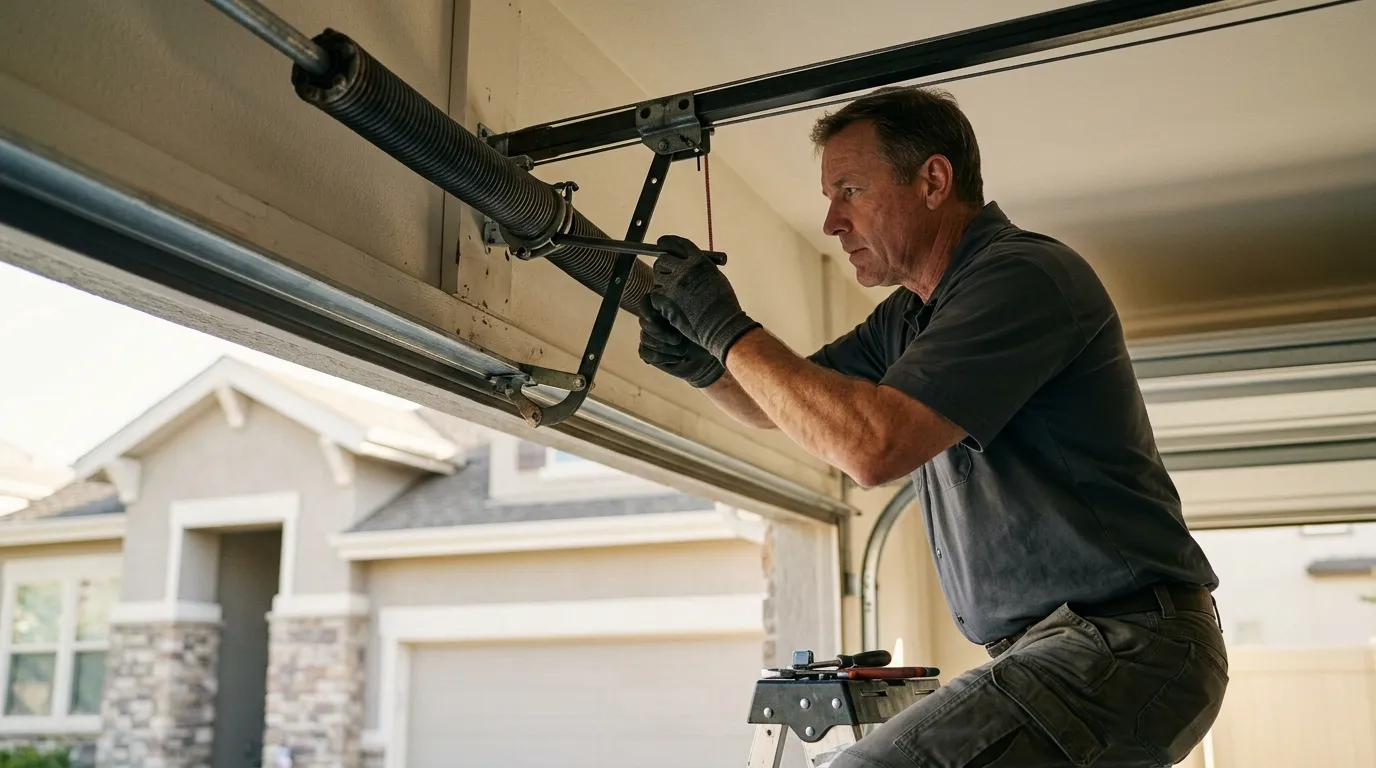
A spring repair starts with matching wire gauge, coil diameter, and length to the door you actually have - not a generic size. On the older stock common in this area, that often means special-ordering wire that isn't stocked new, because doors from the 1960s and 70s were built to specs manufacturers don't carry anymore. That's the honest limitation: if your door dates to that build era, expect a short wait on parts rather than a same-day swap in every case.
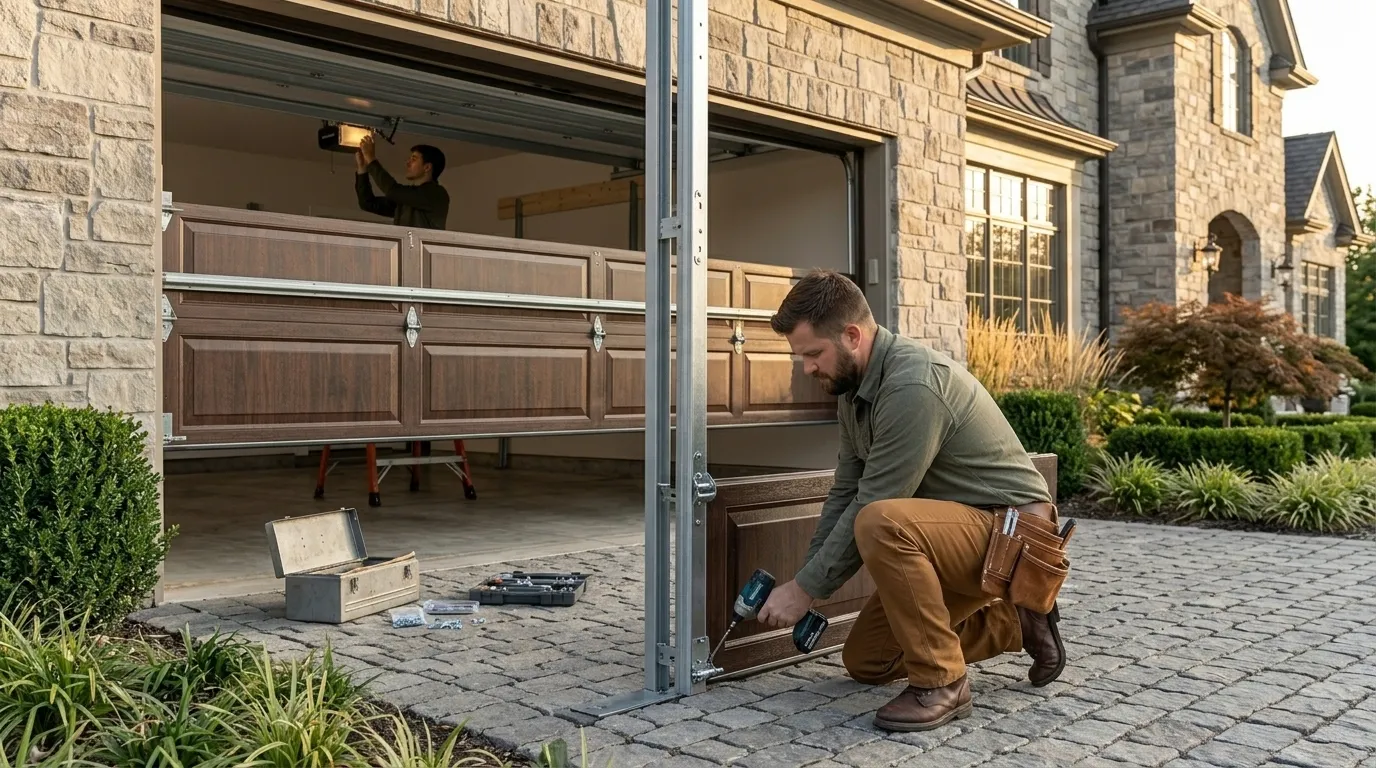
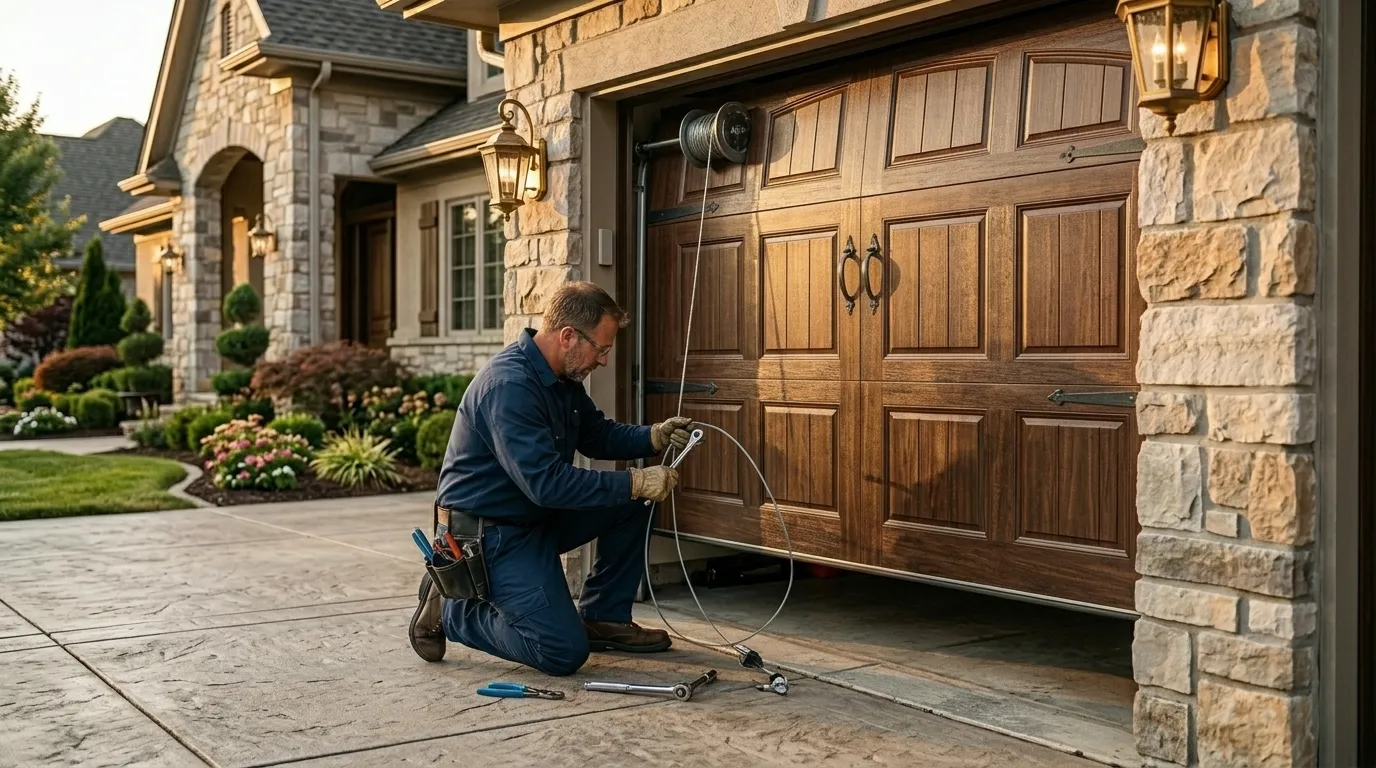
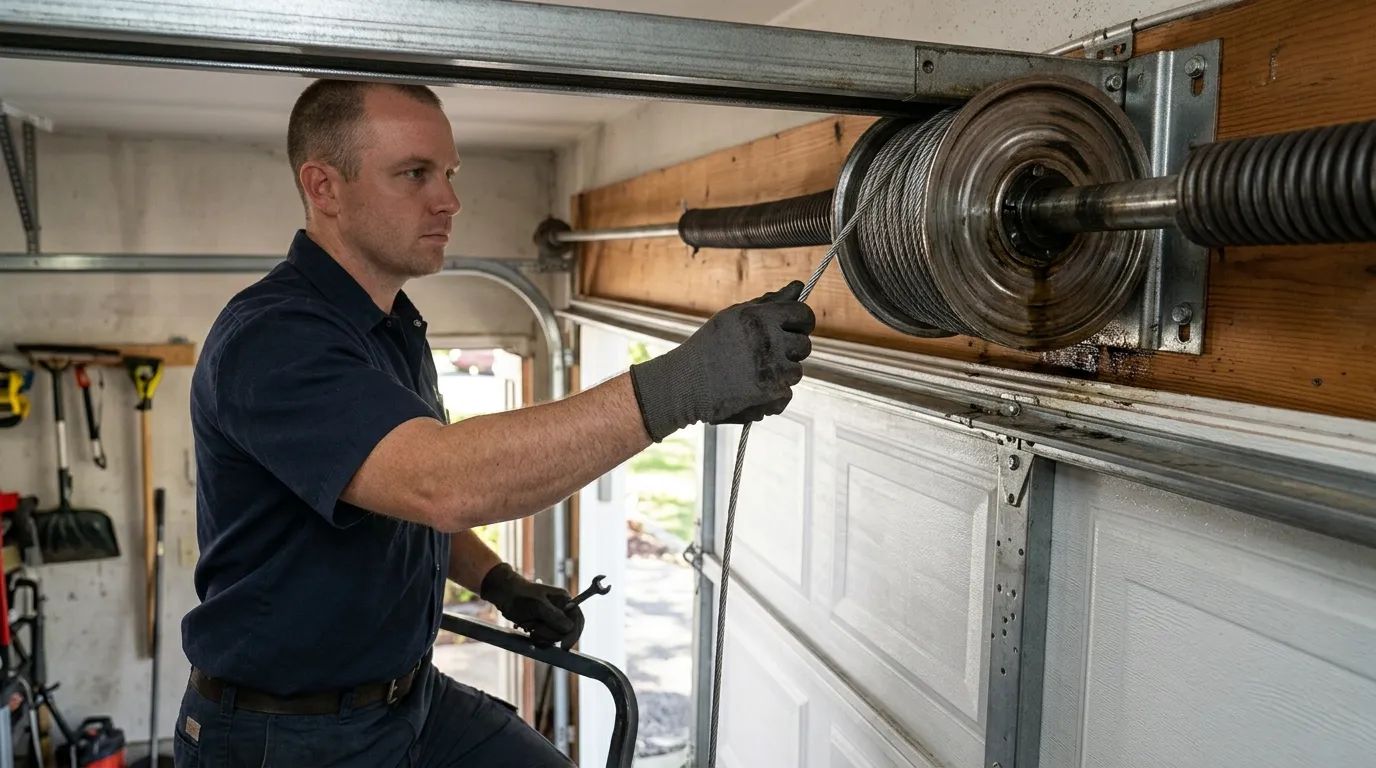
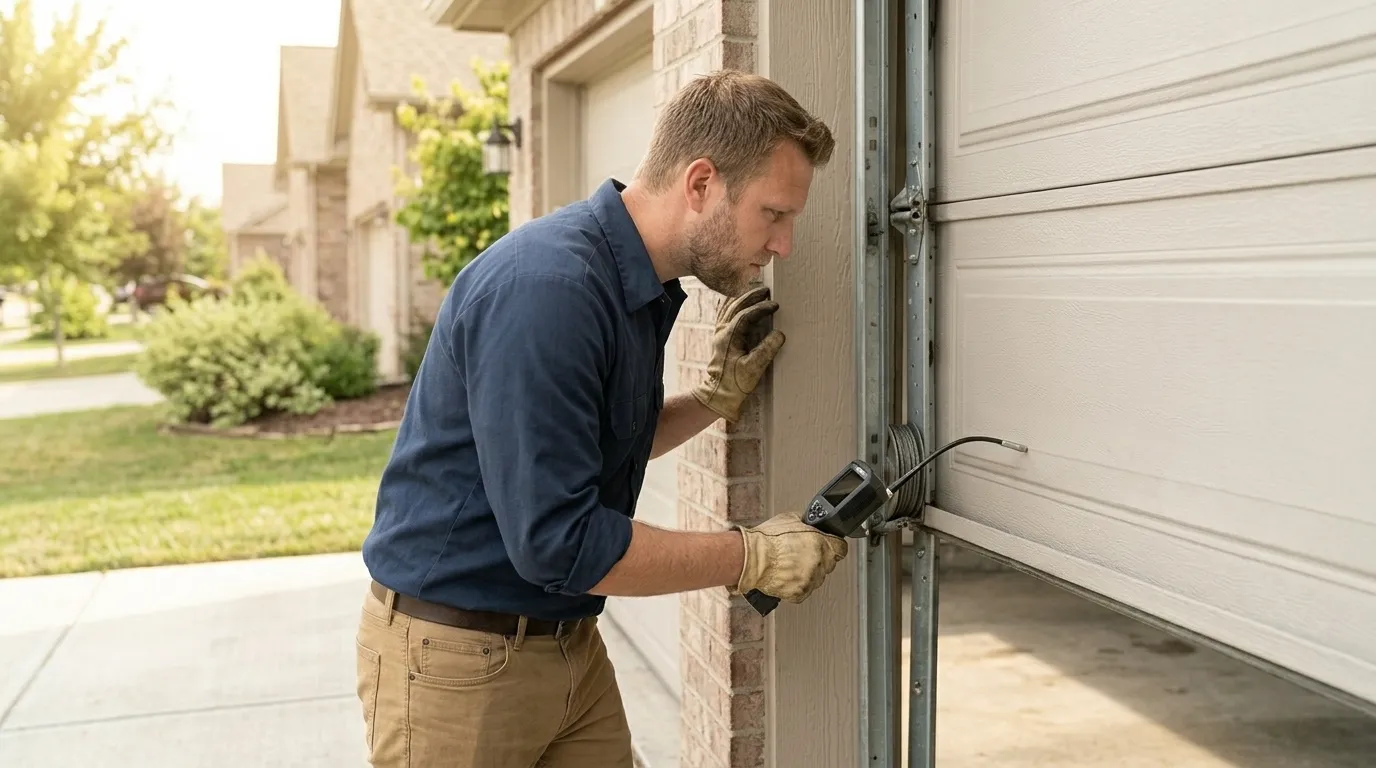
Once the spring's in hand, the job is winding it to the correct number of turns for your door's weight, checking the drums and cables for wear from the same decades of use, and testing balance before we call it done. A door that closes but isn't balanced right will just chew through the new spring faster.
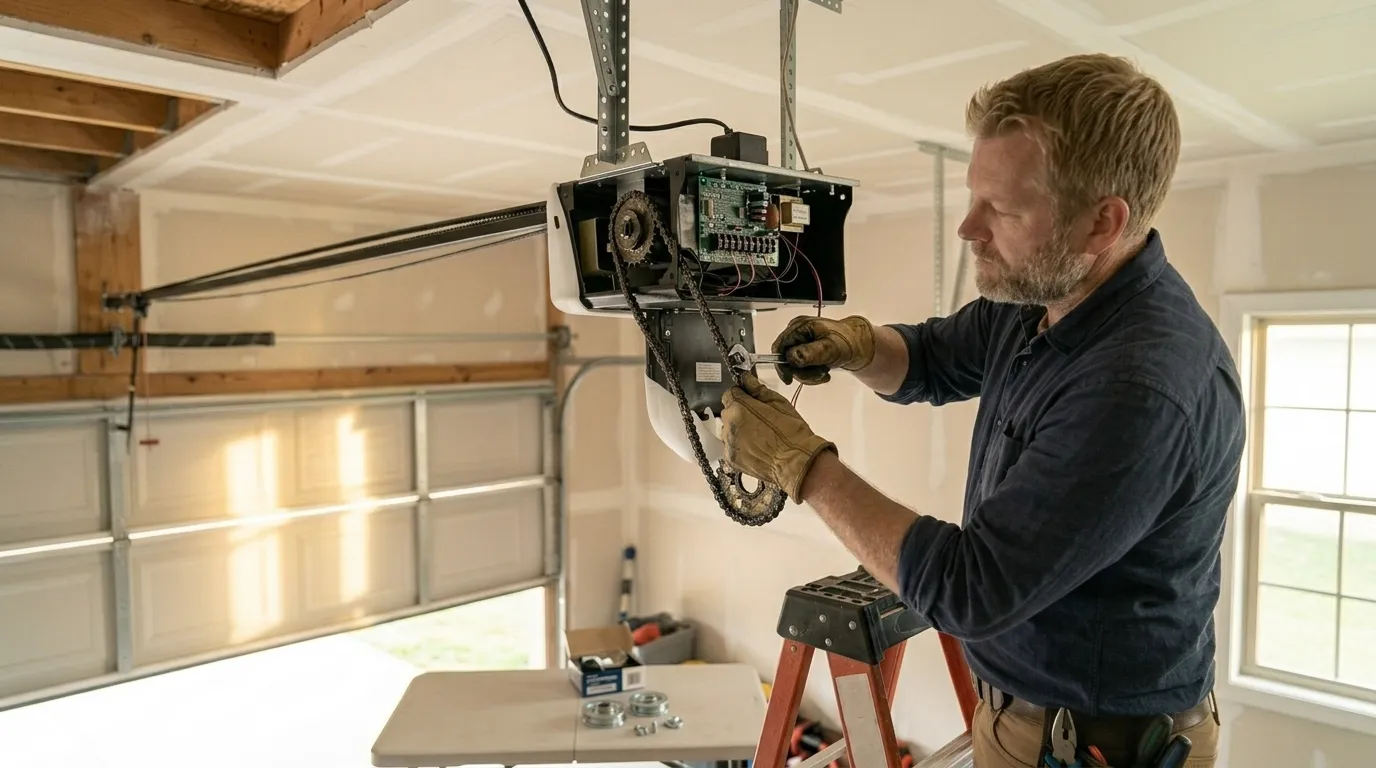
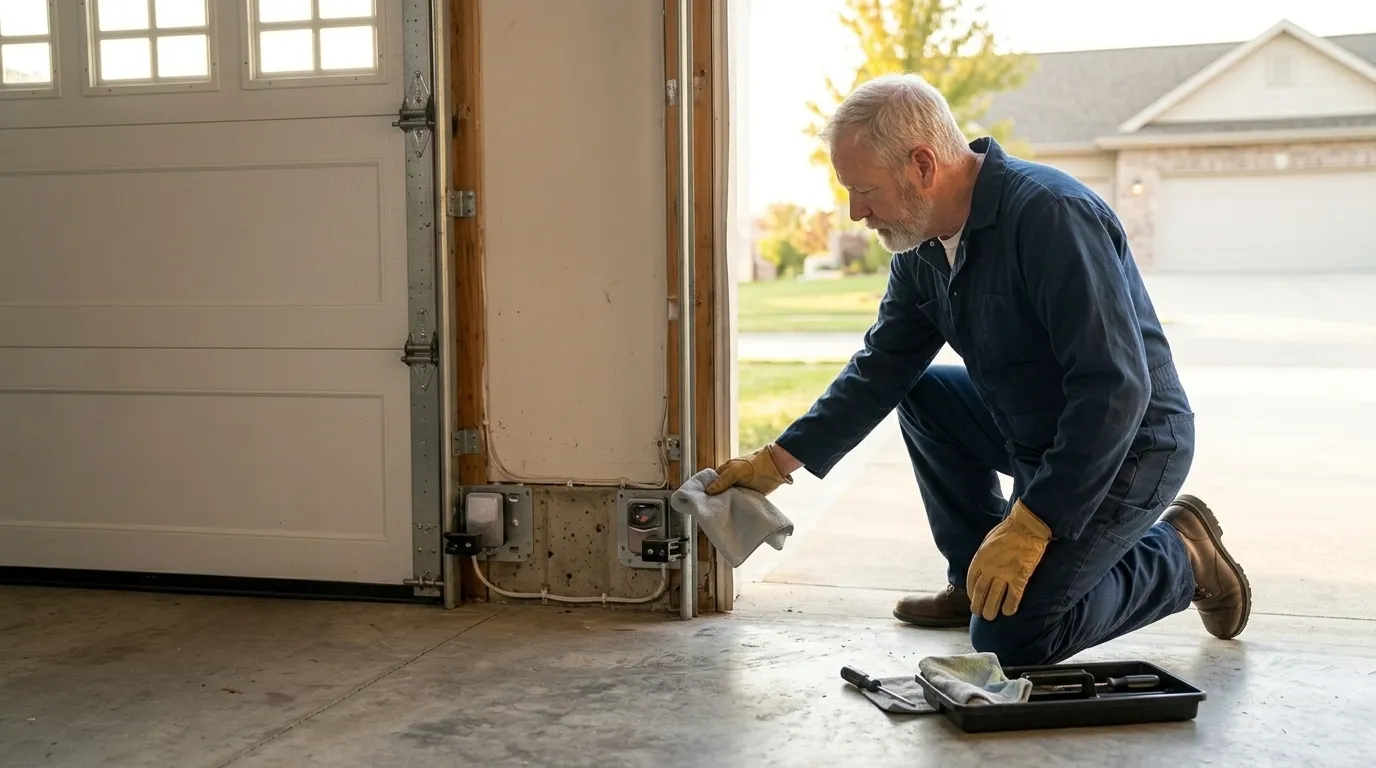
We also check the opener's force settings afterward. An opener straining against a worn spring for months often gets its force cranked up to compensate, and that setting needs to come back down once the new spring is doing its job - otherwise you're just trading one failure mode for another.
How It Shows Up
The clearest sign is a door that won't budge, or one that slams down fast instead of lowering under control - that's a spring that's lost its tension or snapped clean. You might hear a loud bang from the garage, often first thing in the morning when the metal's coldest and stiffest.
Before full failure, watch for a door that feels heavier than it used to when you lift it by hand with the opener disconnected, or an opener that strains and groans partway through the cycle. On the older single-spring setups still found on some of the original doors in this area, there's often no warning at all - one side just goes.
If you see a visible gap in the coil, or the spring looks stretched out of shape, don't run the opener again. Stop and call it in before a cable or drum takes the extra load and fails too.