How It Shows Up
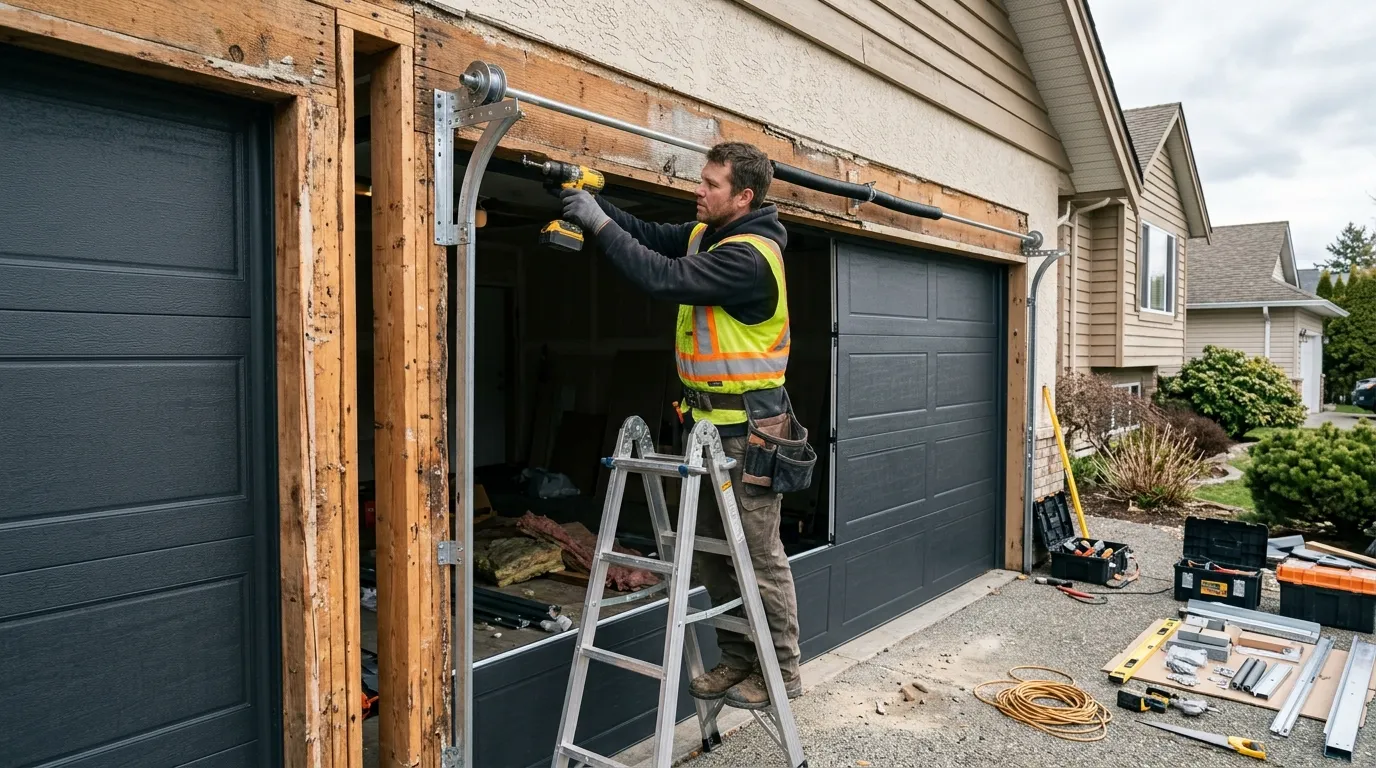
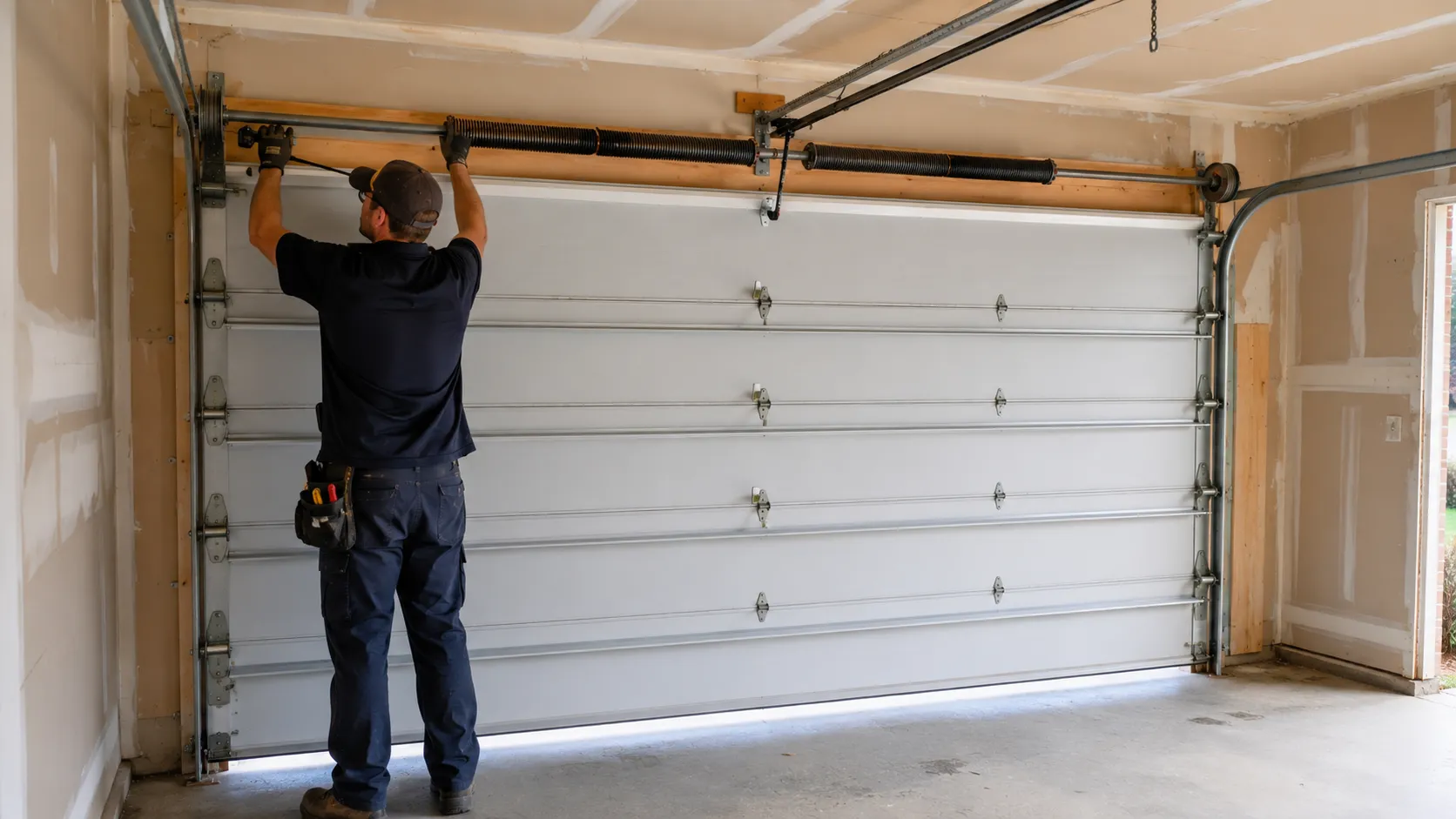
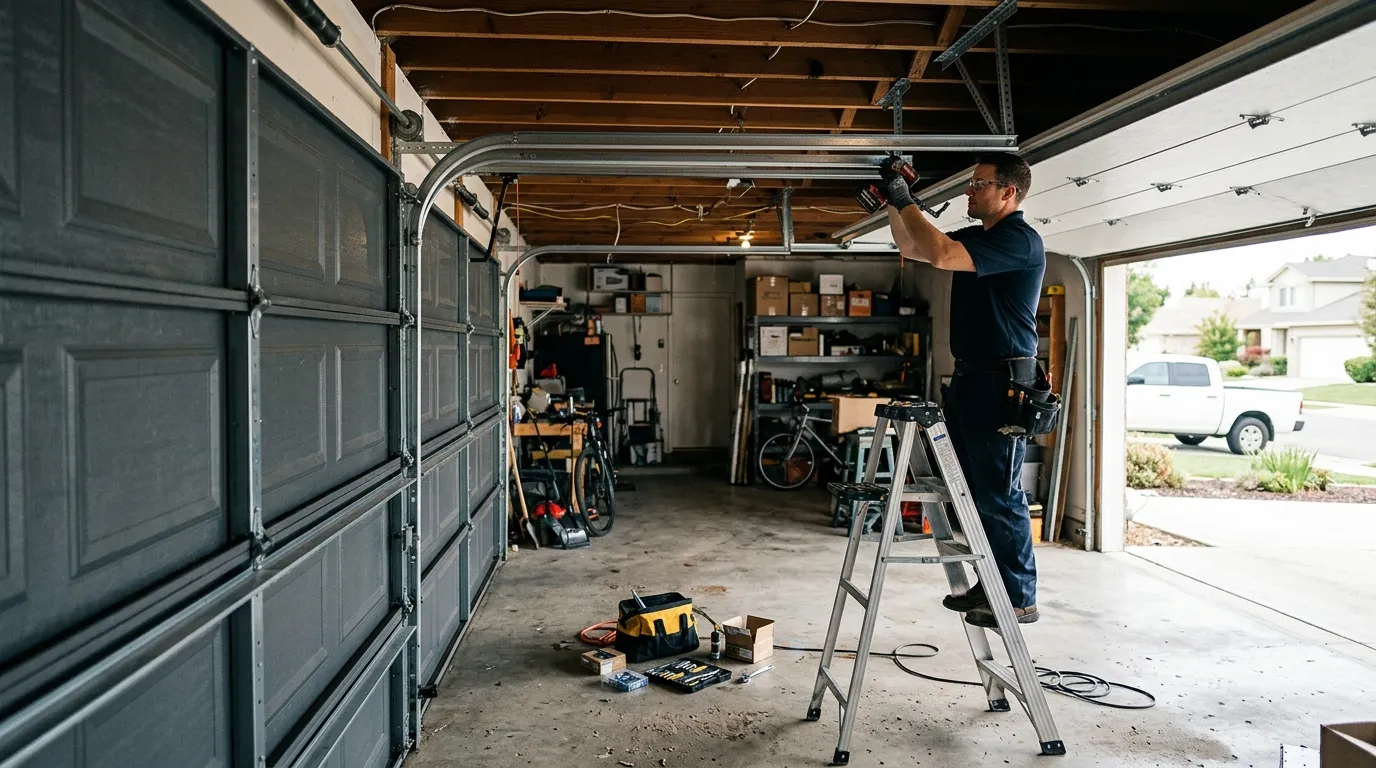
When we get a call for a new door in East Wenatchee, the house is usually built somewhere close to 1977 - that's the median build year for this side of the river, and a lot of the stock around it never got a second look at the garage. The original door might still be on the original torsion hardware, or on an extension-spring setup that predates the safety-cable requirement added to the code decades back. Owners usually notice the problem before they think about the door itself: it's heavier to lift than it used to be, it sags at the bottom corner, or the panels have gone soft where the steel skin separated from the frame. That's not a sign the opener is failing. It's a sign the door itself is at the end of its run, and thirty-plus year old hardware isn't something we'd want to reuse under a new door anyway. We treat the age of the house as the starting point for the estimate, not an afterthought once we're standing in the driveway.
Booking a Visit
We're based in Wenatchee, and East Wenatchee is about 2 miles across the river, so getting a truck out to look at your door isn't a long haul for us - but we want to be clear we don't run a branch or drop-in office on your side. Every visit is scheduled out of Wenatchee. When you call, tell us the age of the house if you know it and whether the door has ever been replaced; for a build from the 1977 era, that answer changes what we bring. We'll ask about the opening width and whether it's a single or double door, since that decides spring size and whether we're quoting one door or two. We don't do same-day walk-up quotes without a call first - we'd rather show up with the right torsion bar length than guess.
Why This Fails Locally
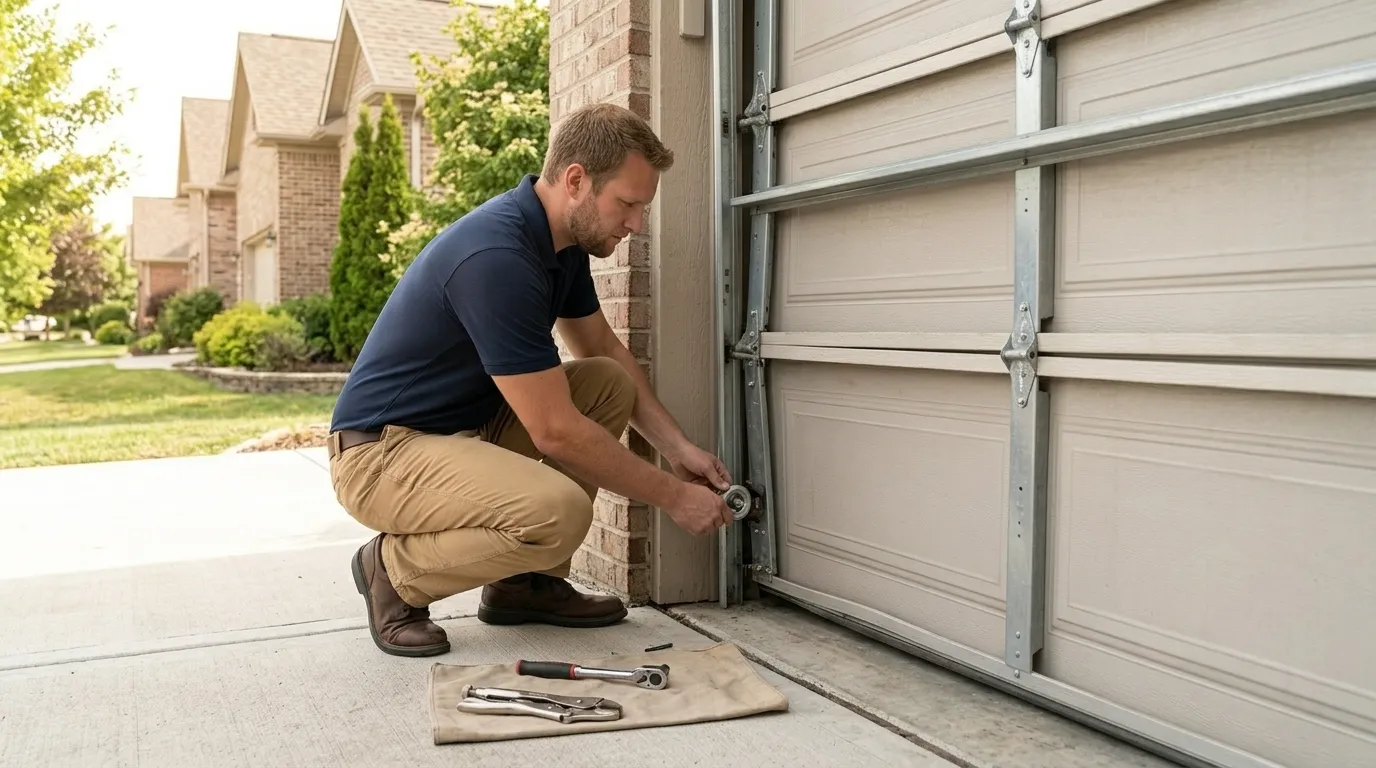
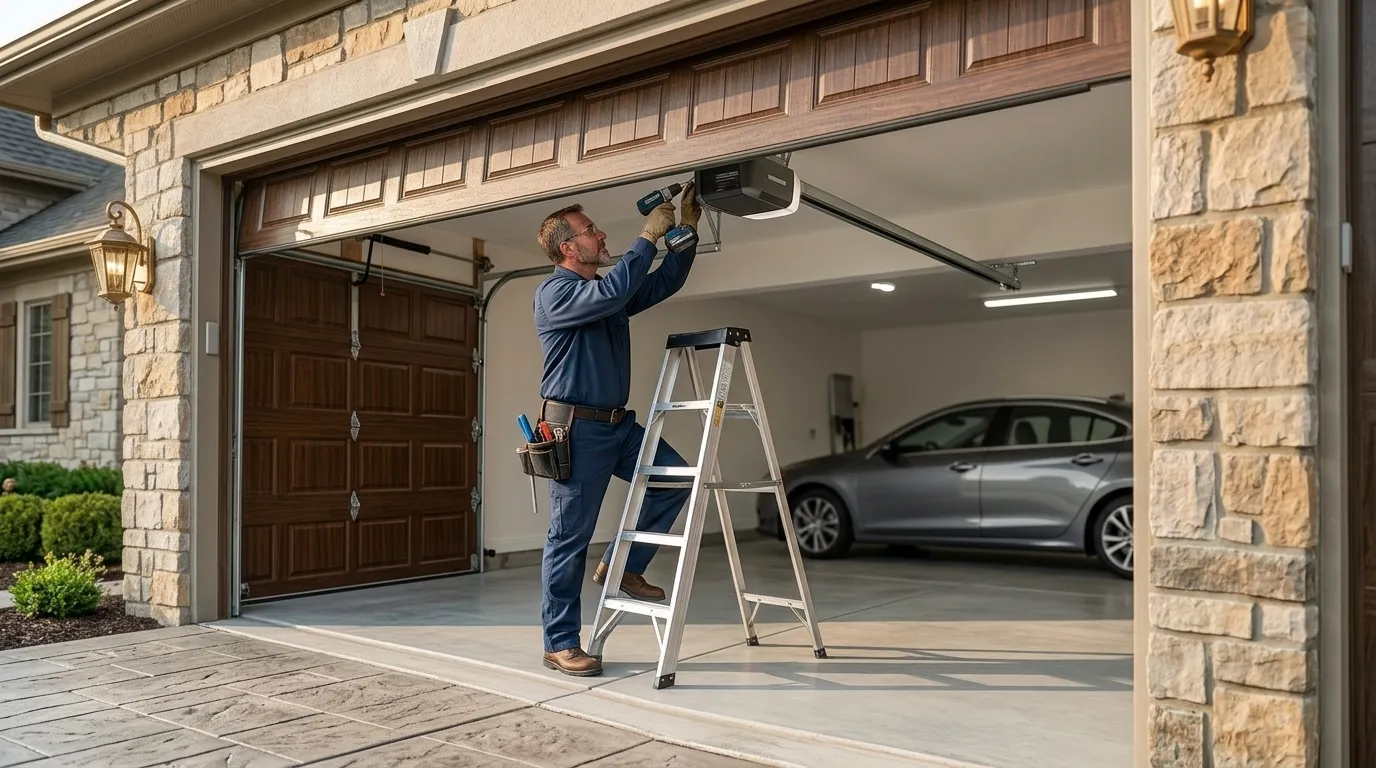
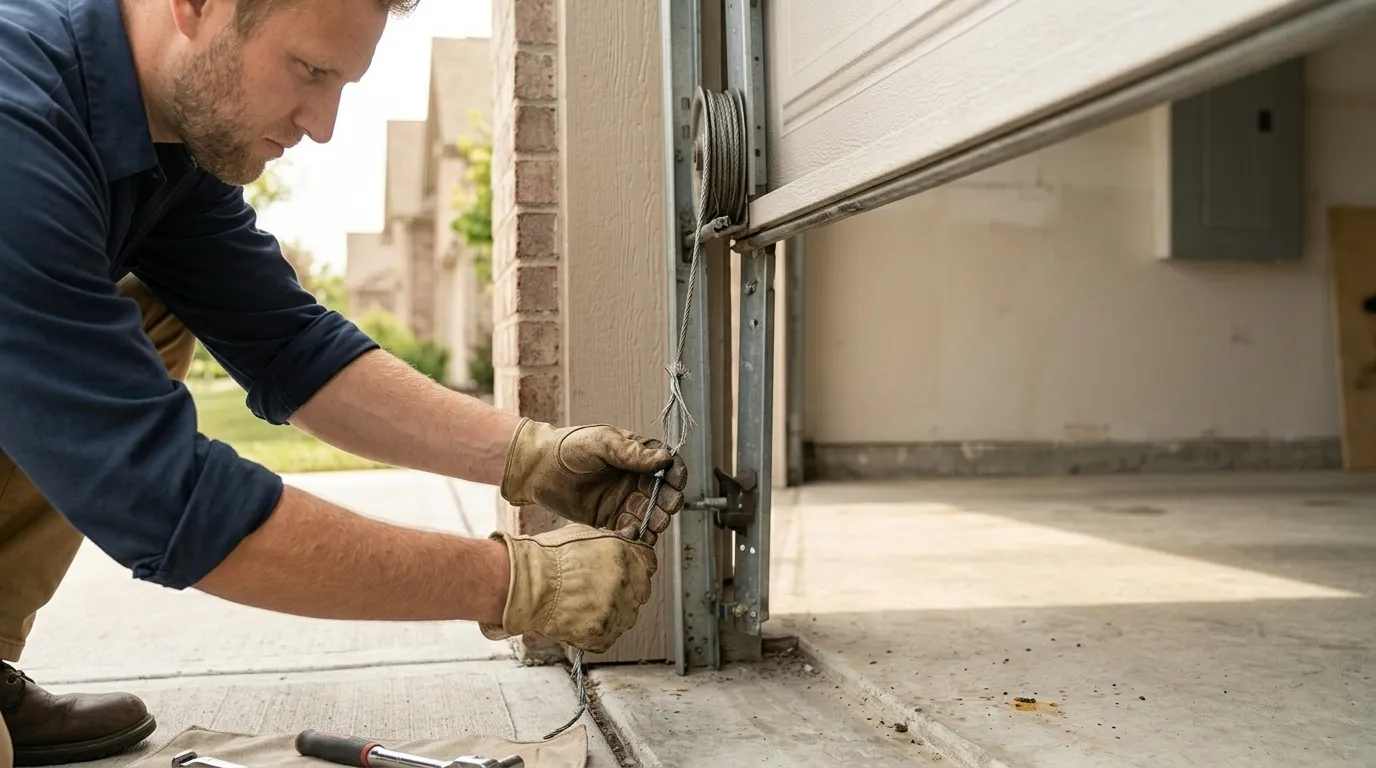
A door built around 1977 was engineered to a lighter-duty spec than what's sold today, and after four and five decades the steel fatigues at the hinge points even if it looks fine from the driveway. Pair that with original springs rated for the old door's weight, and swapping in a heavier insulated replacement without upgrading the spring size is how you get a door that slams down instead of lowering evenly. We also see openers from that era still bolted to track that's bent from years of a door binding on worn rollers - the opener strains, trips the breaker, and the owner assumes the motor's dying when the real fault is the track underneath it. None of this is unique to any one house; it's what you'd expect from hardware this old, run through a winter climate that puts real stress on steel and springs every year.
How Long It Takes
A single-door replacement on a standard opening, once we're on site with the right door and spring set, typically runs a few hours from teardown to a working door and opener. Doubles take longer, and anything needing a special-order width because of an odd or older opening size adds the lead time for that door to arrive before we can schedule the install. We won't give you a same-day promise on a house we haven't inspected first, since a 1977-era opening sometimes needs minor frame work before a new door will seat square - that's not something we can spot over the phone.