How It Shows Up
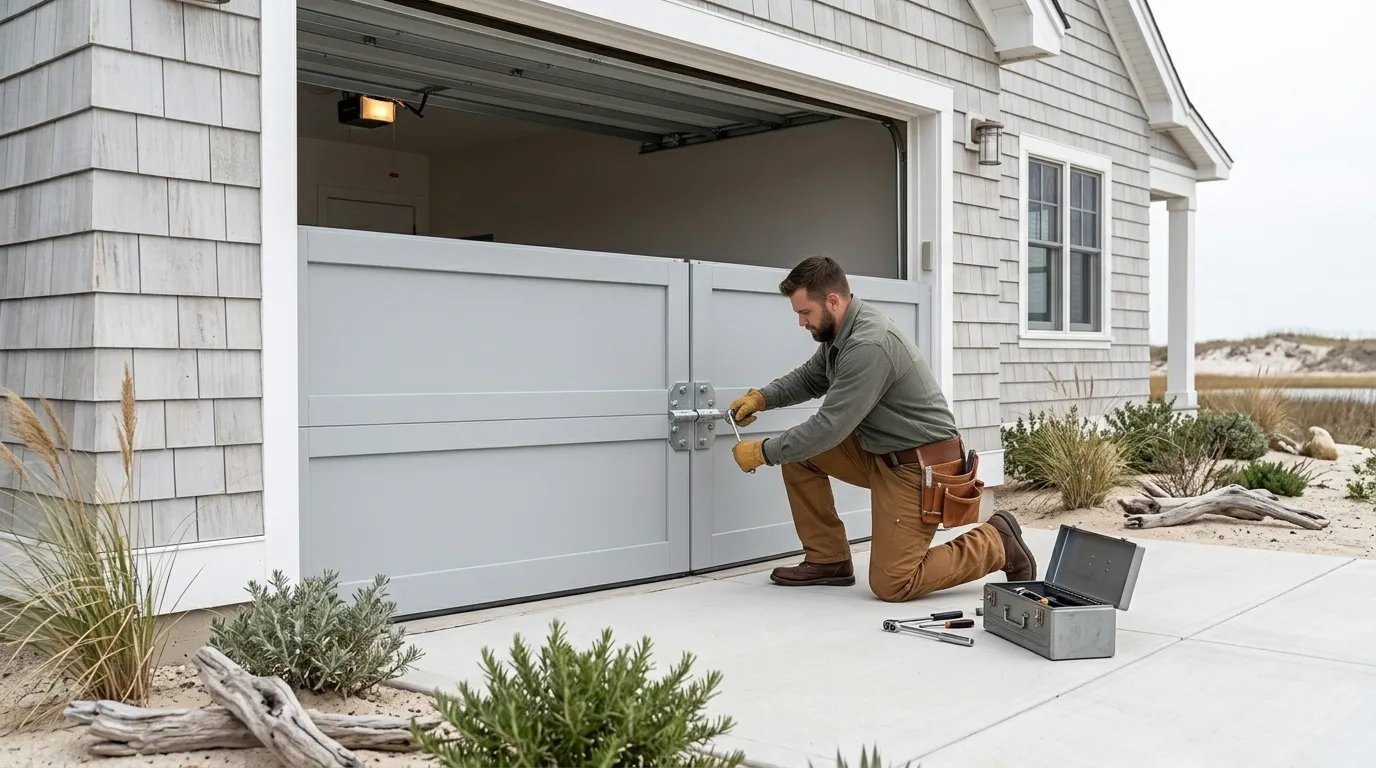
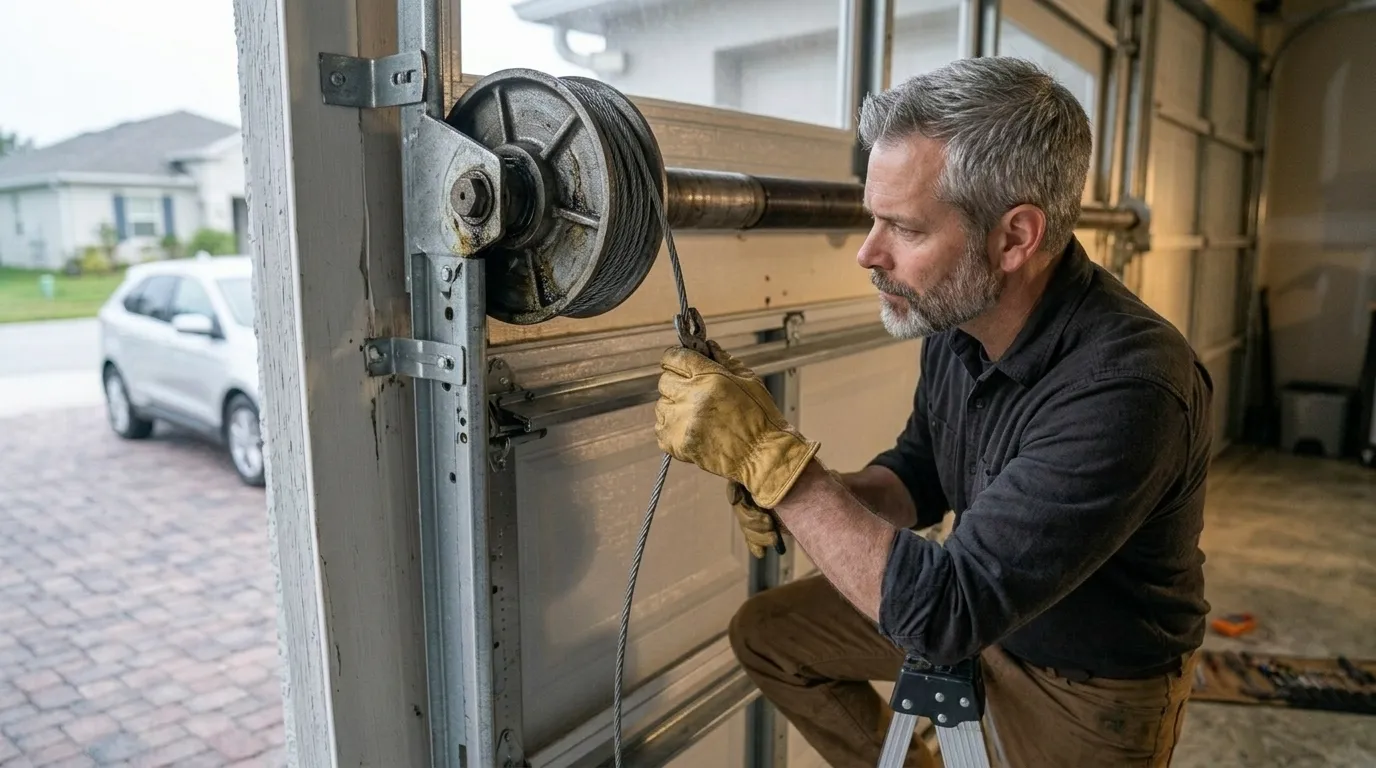
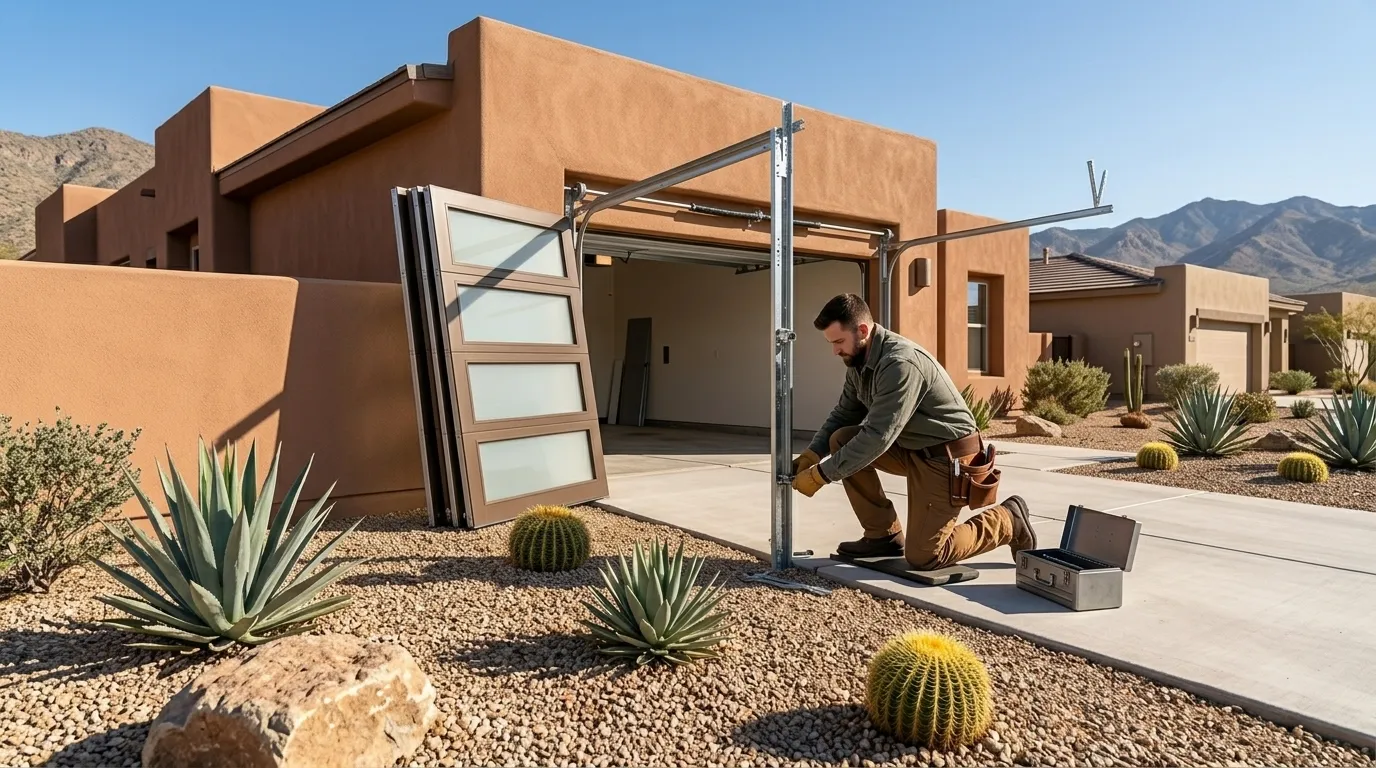
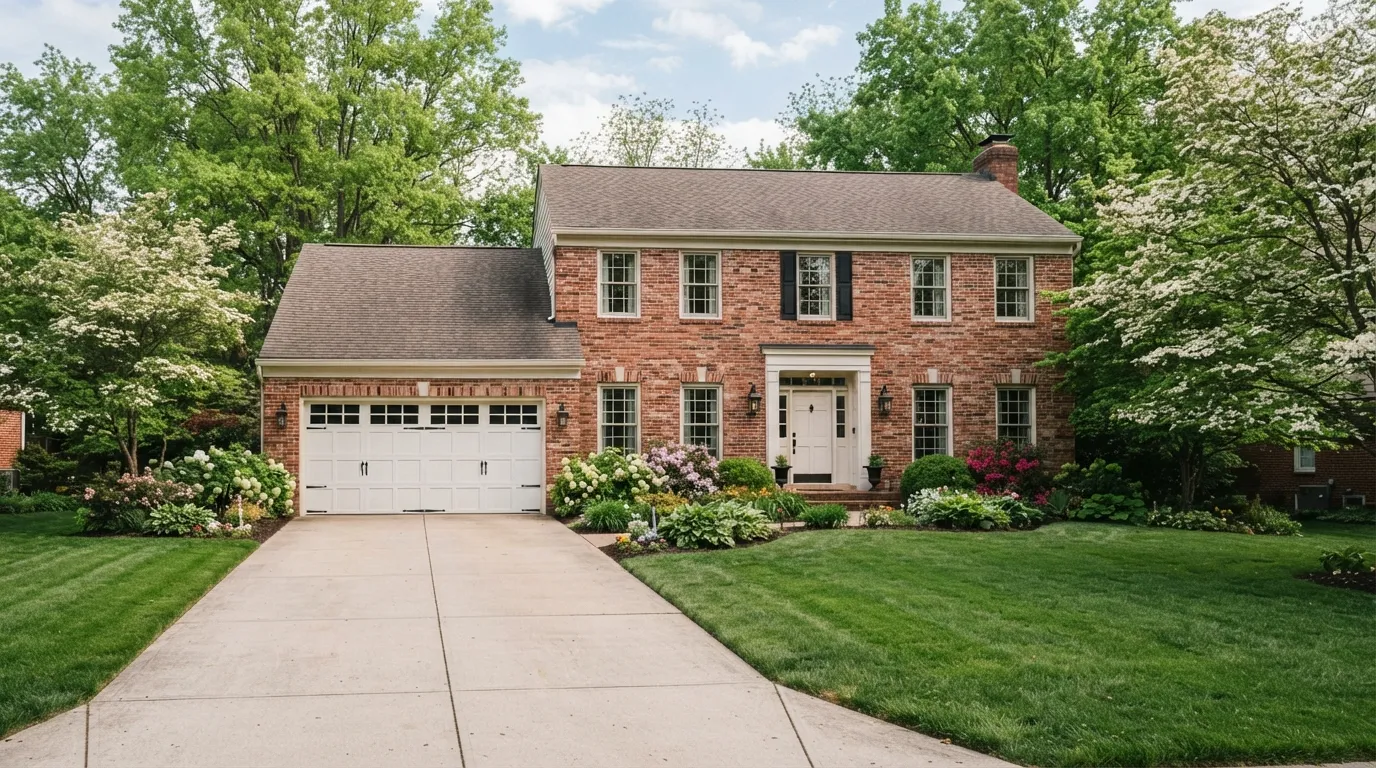
East Wenatchee isn't a sprawling suburb - it's about 5,111 households packed onto the bench above the river, most of them built around a median year of 1977. That size and that era matter for roller work. You don't get the mixed bag of a bigger city where a third of the calls are brand-new tract-home doors with plastic rollers already failing under warranty. Here the calls cluster: original steel rollers, on original track, on doors that have been going up and down for close to fifty years. The complaint sounds the same house to house - a grinding or a hop right as the door clears the bottom bracket, worse on cold mornings before the track has warmed up. Owners usually notice it in the sound before they notice it in the movement, because a worn steel roller announces itself long before it seizes. Because the housing stock skews toward one era instead of three or four, the roller problem here is less varied and more predictable than in a mixed-age service area - which is useful, because it means a tech can usually tell you what's wrong from the sound alone, before ever opening the door.
Booking a Visit
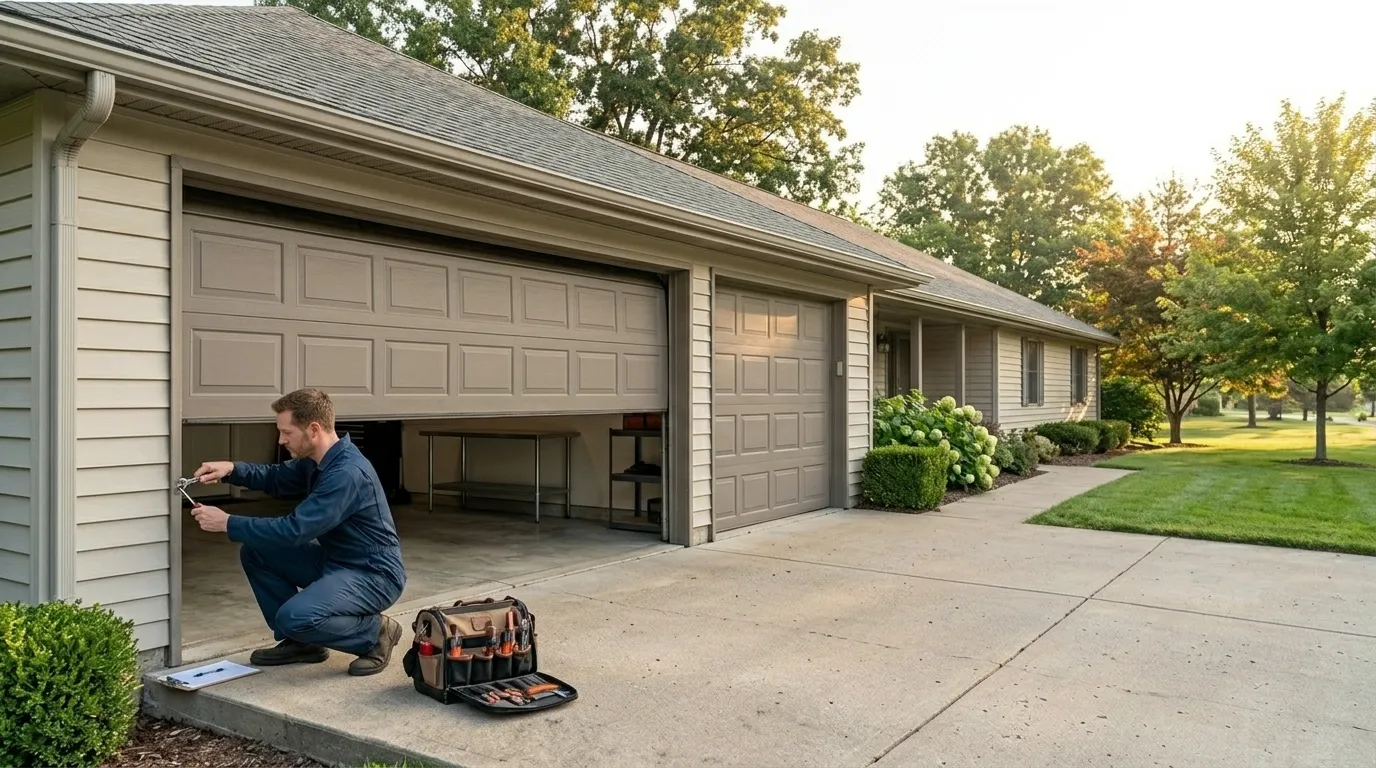
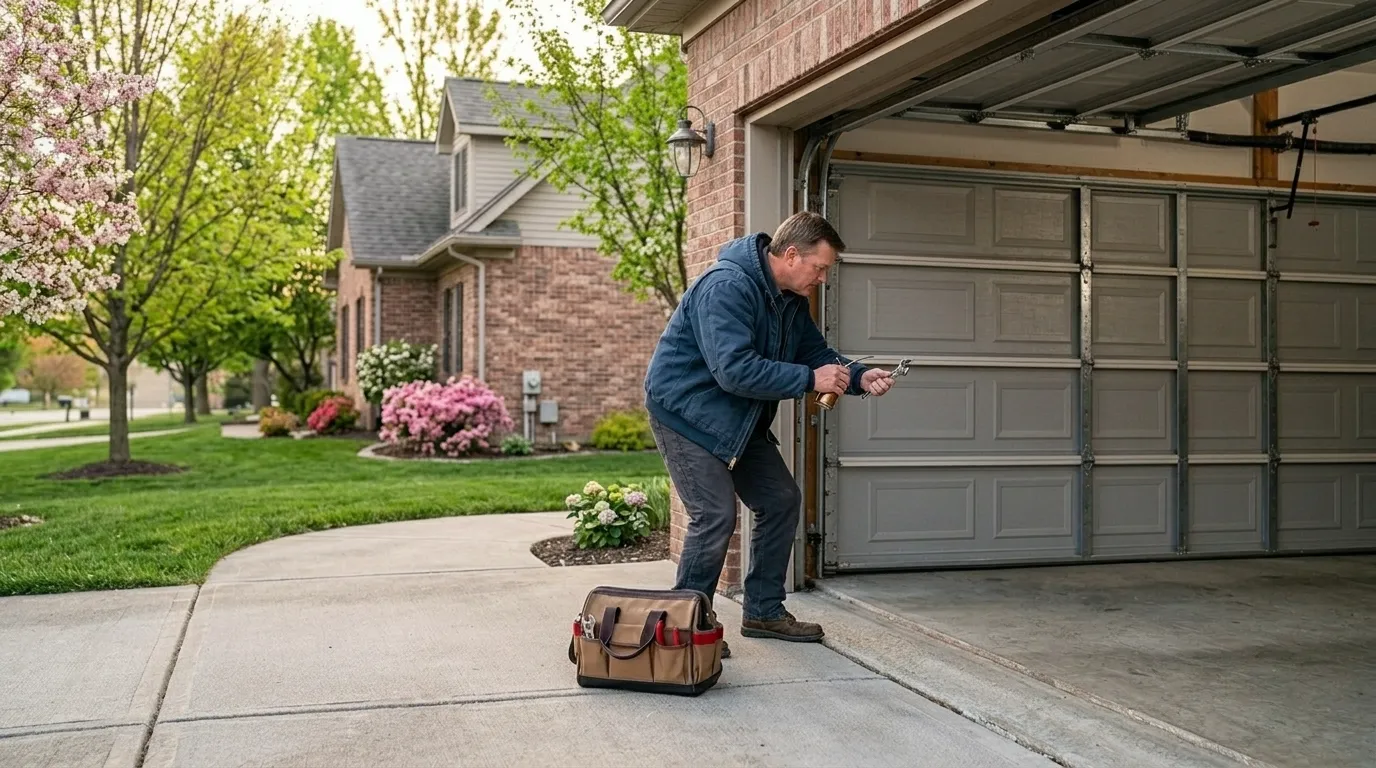
There's no East Wenatchee branch - the crew works out of Wenatchee and crosses the river to get here, a two-mile trip that's closer than the drive to some Wenatchee neighborhoods on the far side of town. That's worth knowing if you're comparing this to a company with a storefront on your side of the water: there isn't one, and there's no local depot to visit or call ahead to. Booking works the same as it does for the rest of the service area - a call, a description of what the door's doing, and a visit scheduled around the route the truck is already running that day. If you're near Sunnyslope or South Wenatchee, you may end up on the same run, since both sit within a few miles in the same direction. That's a scheduling note, not a promise of same-day arrival - nothing here states a response time, because none of that has been verified for this town specifically.
Why This Fails Locally
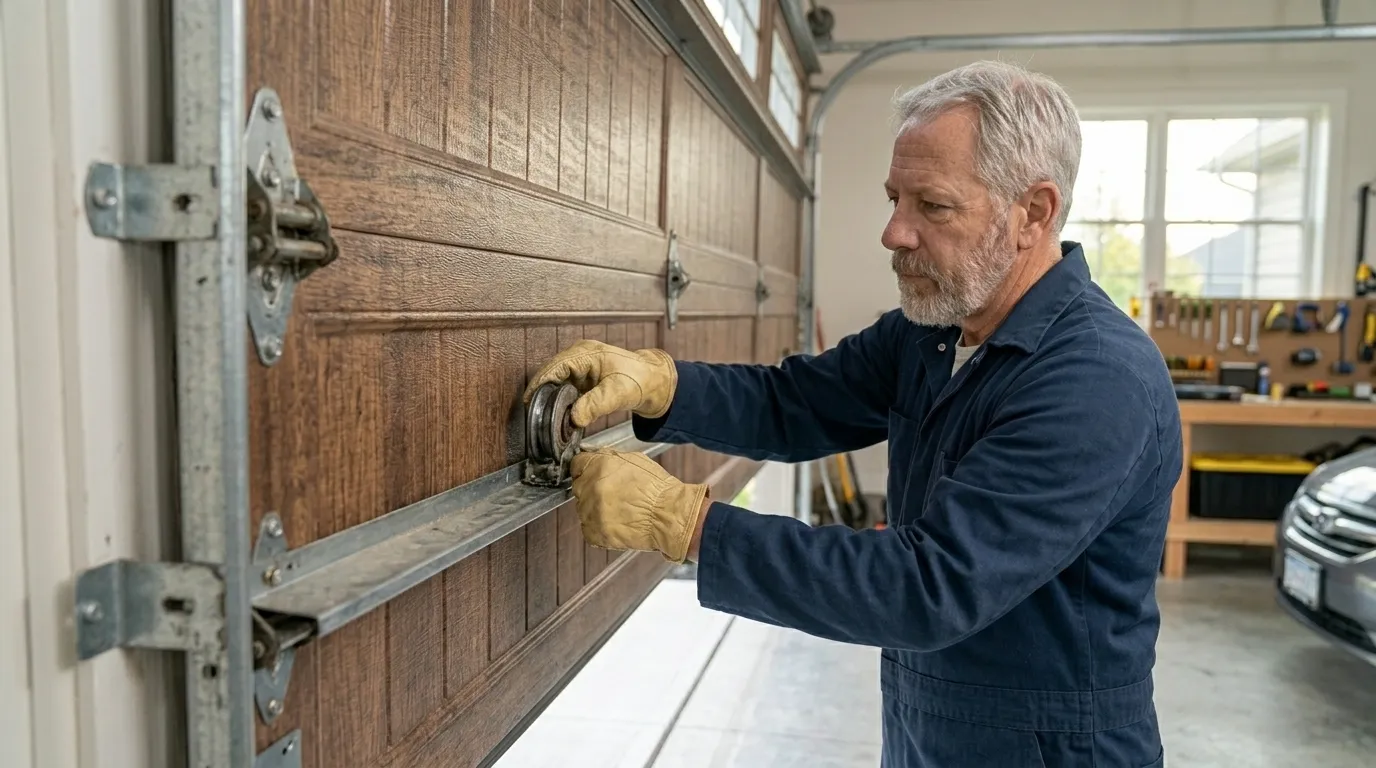
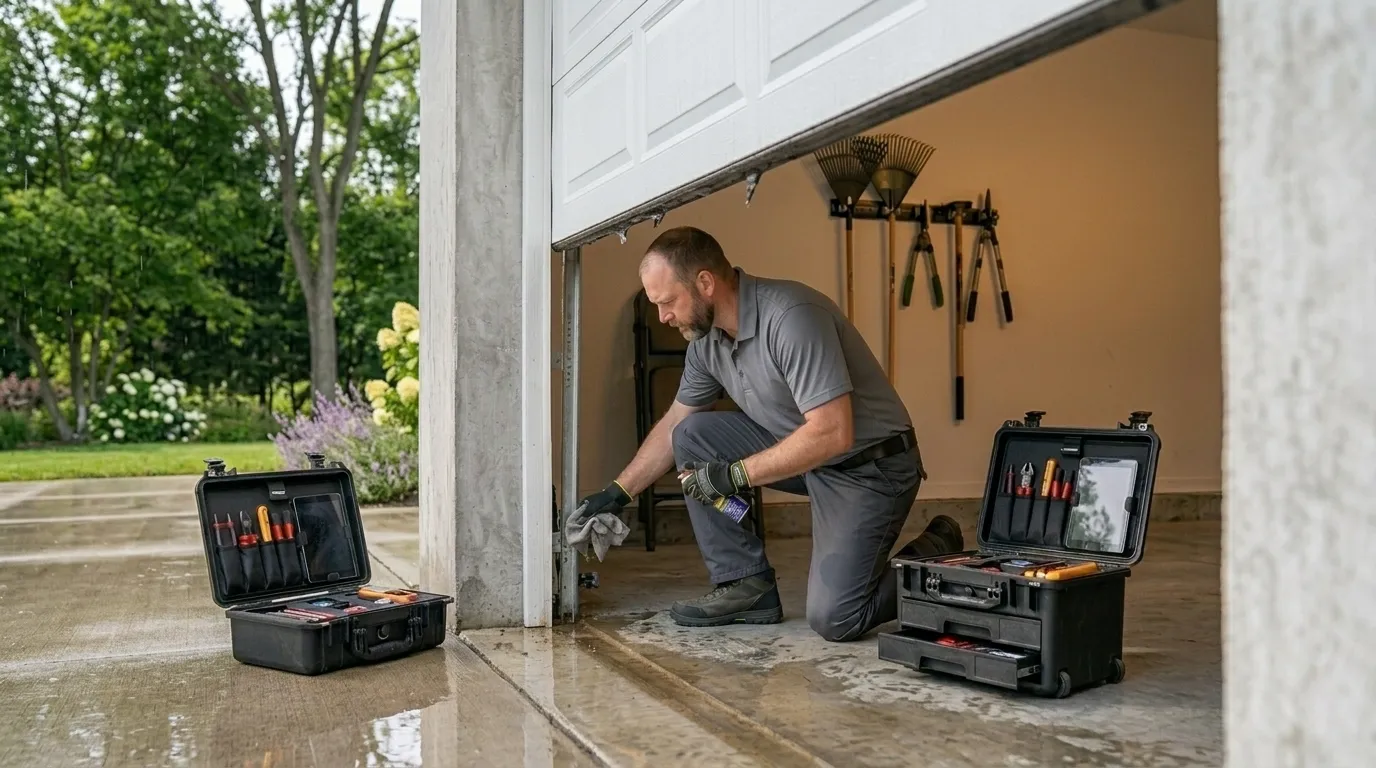
The area sits in a cold, moderate climate band, and that combination is harder on steel rollers than either a mild coastal winter or a true deep-freeze would be on its own. The cycle is freeze, thaw, freeze again - moisture gets into the roller bearing on a warmer afternoon, then locks up overnight, and the steel starts to pit from the inside. On a nylon roller that same cycle just means stiffer movement until the door warms up. On the original steel rollers common to East Wenatchee's 1970s-era doors, it means a roller that's visibly rusted and grooved well before it's officially at the end of its service life. None of this is exotic weather - it's the ordinary swing of a moderate cold climate working on hardware that was never built to handle fifty winters of it.
How Long It Takes
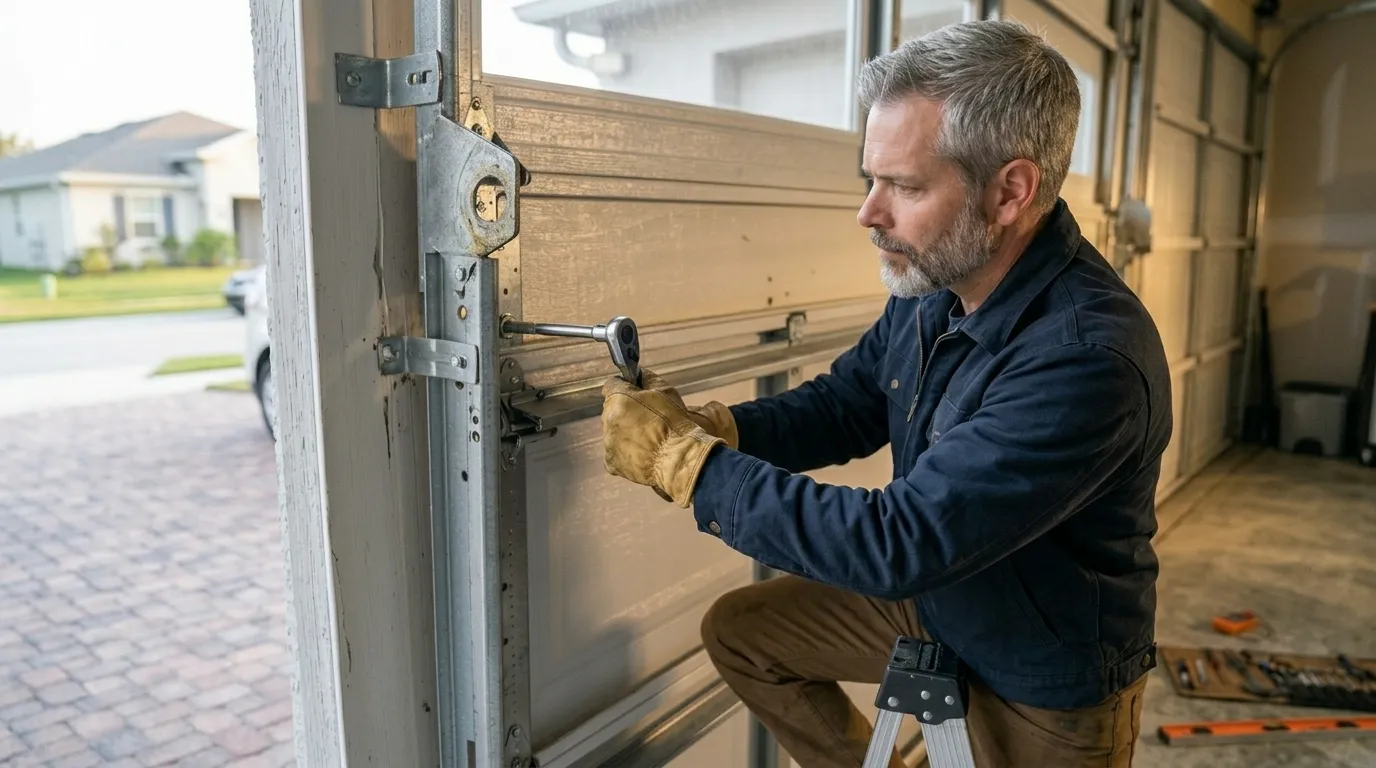
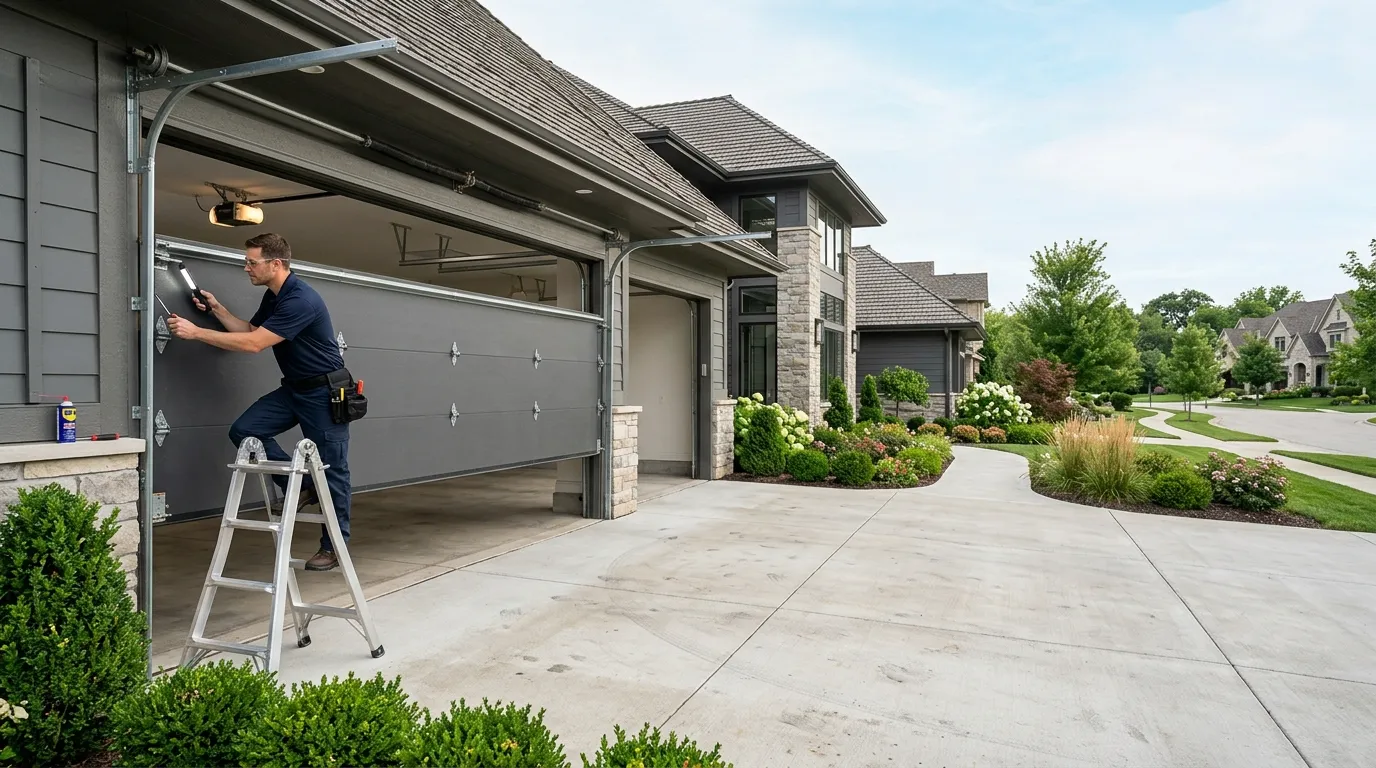
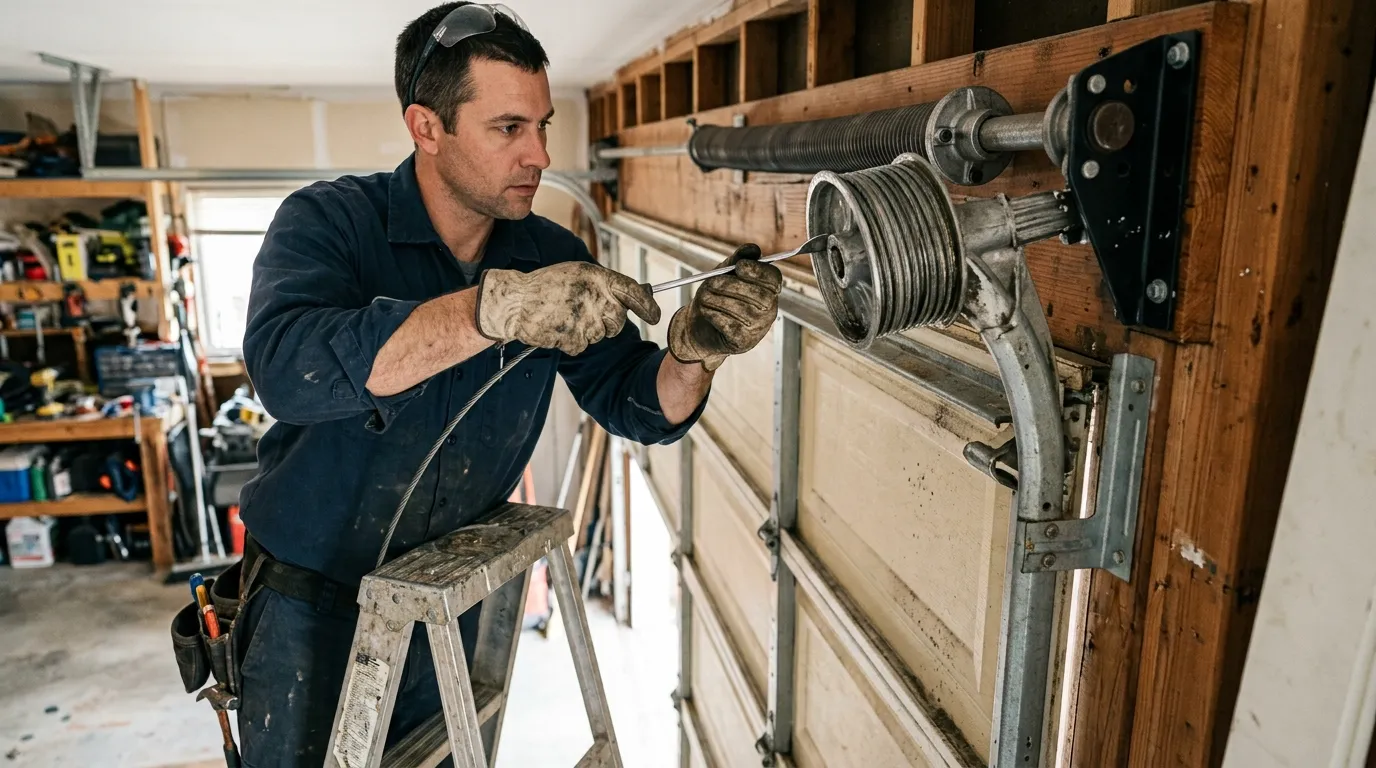
A roller swap is one of the shorter jobs a tech does, and on a door with accessible track and no bent sections, most of the time on site goes to removing the old hardware carefully rather than installing the new. Doors from this era complicate that slightly - after decades of use, the roller stems can be seized into the hinge, and freeing one without bending the bracket takes more care than pulling a newer roller that's only been in a few years. If the track has worn oval or the hinges are rusted through, the job runs longer, because at that point it isn't a roller swap anymore, it's a roller-and-hardware job. Nothing here states an exact number of minutes, because that number depends on what the tech finds once the door's open, not on the neighborhood.