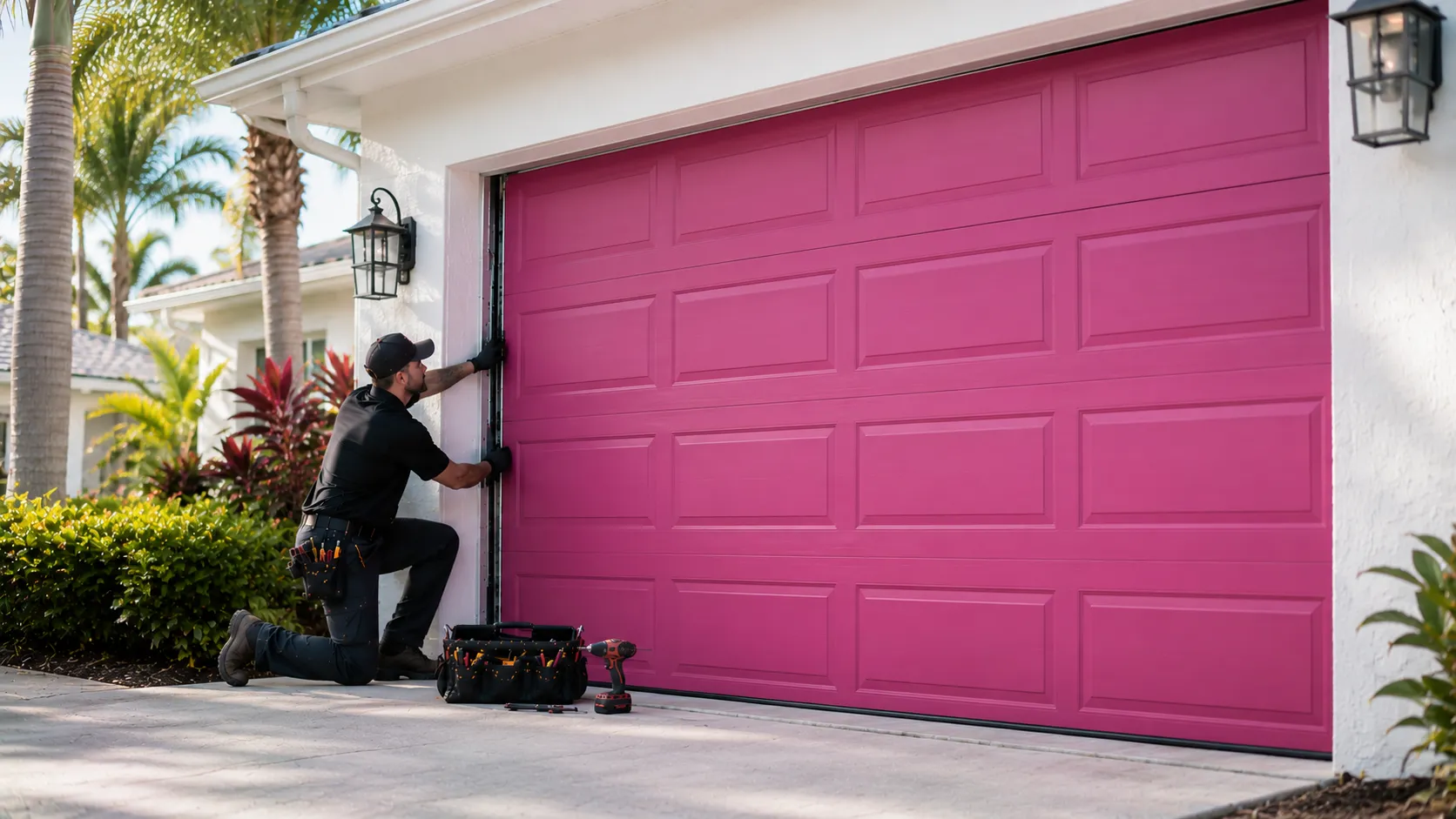
Booking a Visit
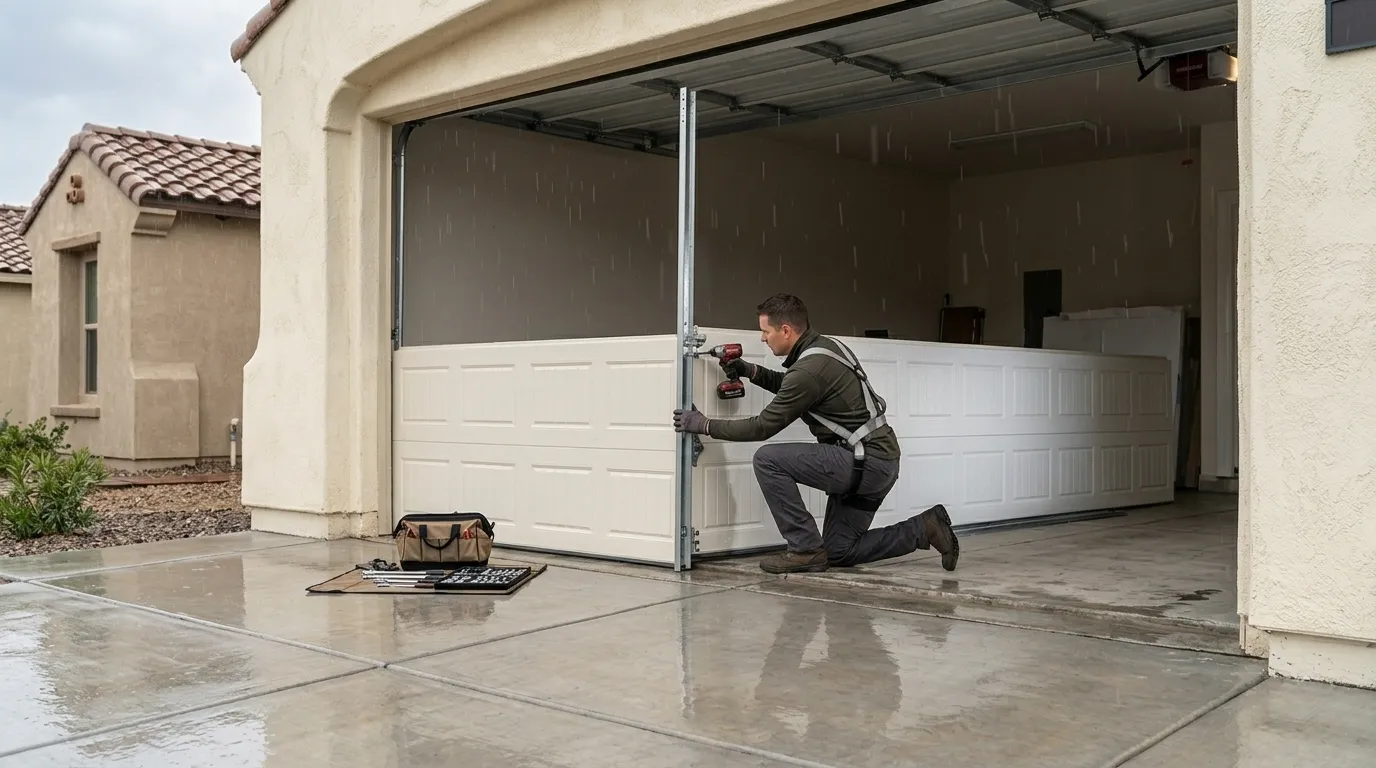
Waterville sits about 19 miles from our shop in Wenatchee, so a call here isn't a quick add-on to a route - it's a dedicated trip. We don't keep a branch or a truck stationed in town, which means we can't promise the same arrival window we might quote closer in. What we can do is ask the right questions up front: age of the door, whether it's ever been serviced, what it sounds like when it moves. That lets us load the right spring size and hardware before we leave Wenatchee instead of guessing on-site.
Because the trip is longer, we try to bundle diagnosis and repair into one visit rather than a look-and-return. If you can send a photo of the springs and the track mount when you call, it saves a second trip almost every time. With a town this size - 483 households - we're not chasing volume out here, we're trying to get it right the first time we're on your street.
How It Shows Up
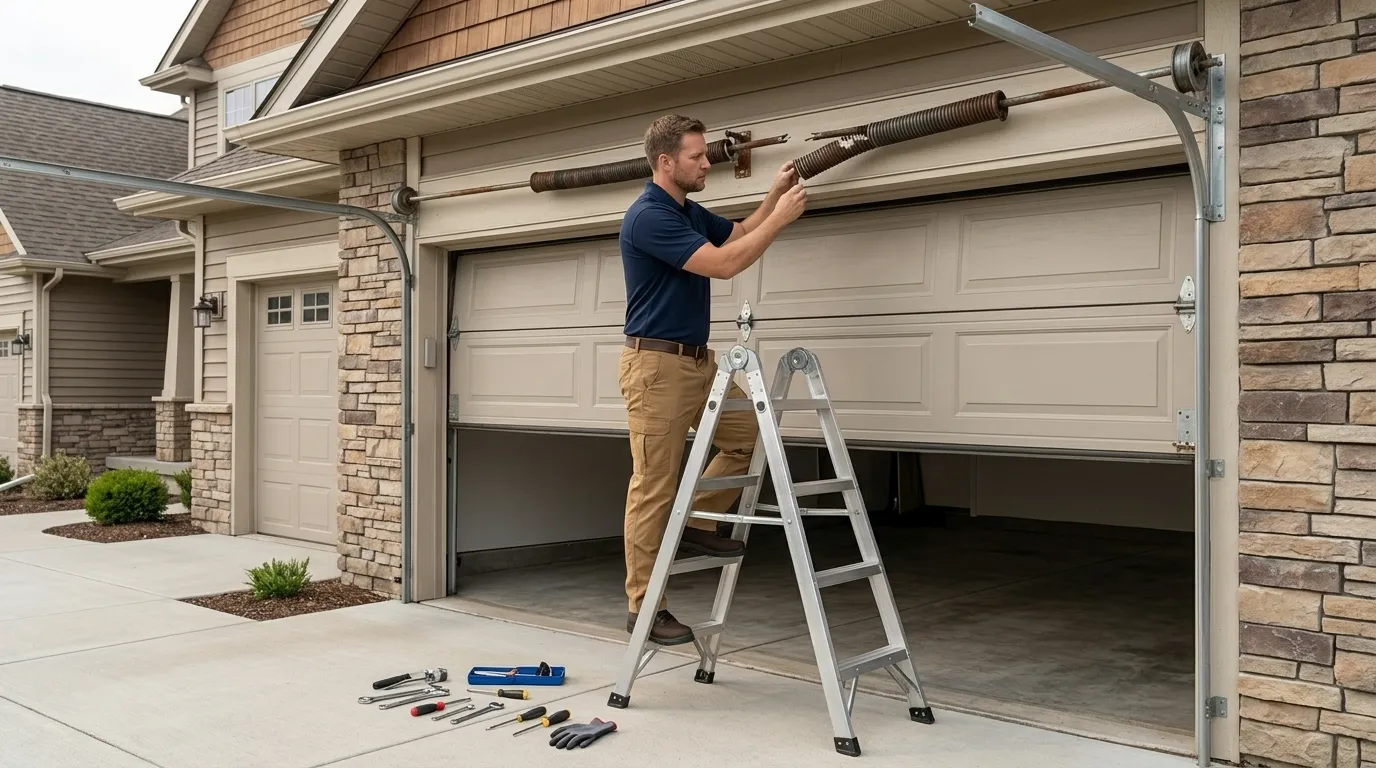
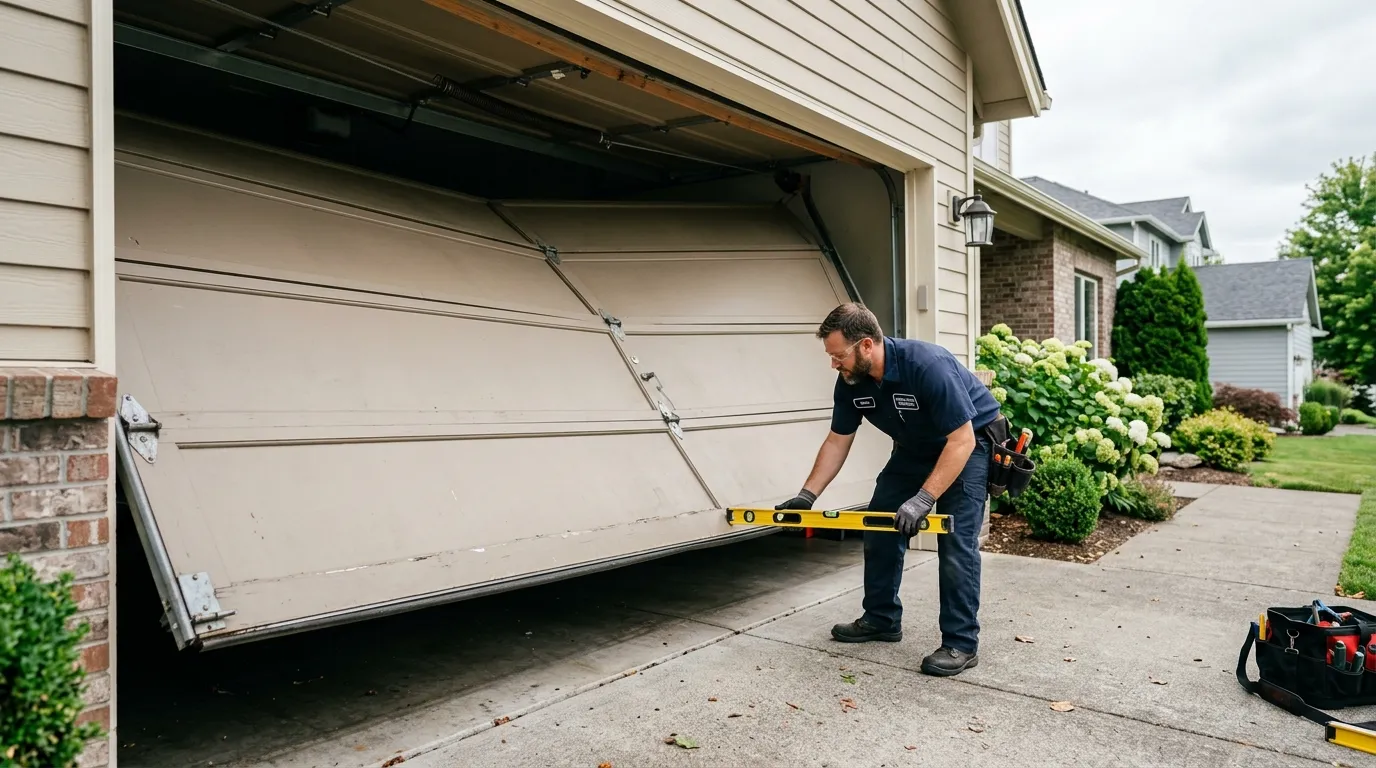
The tell in Waterville isn't the same as the newer subdivisions closer to Wenatchee. This town's housing runs old - median build year 1944, which puts a lot of doors and openers well past any reasonable service life even where the door itself has been swapped out once already. What shows up first is usually a groan or a hard catch partway up, not a full failure. That catch is often a torsion spring that's lost tension unevenly, which happens faster in houses that never had the spring re-tensioned after the original install decades back.
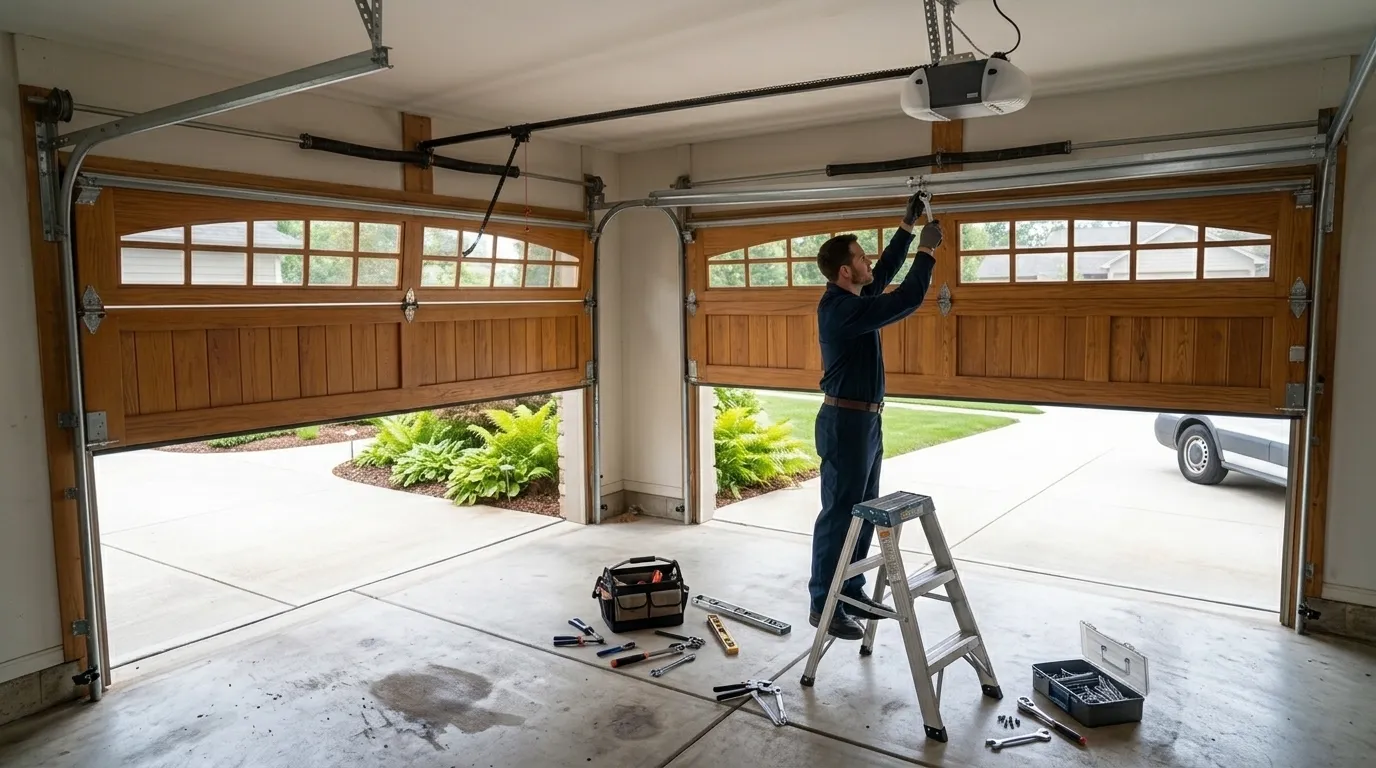
You'll also hear it in the opener. Older openers paired with heavier original doors work harder than they were built for, so a motor that hums but doesn't lift, or lifts on the second try, is common here. In this climate band - cold winters, not extreme, but real cold - steel expands and contracts enough over 70-plus years that hardware fatigues sooner than the door's paint job would suggest.
Can You Do This Yourself
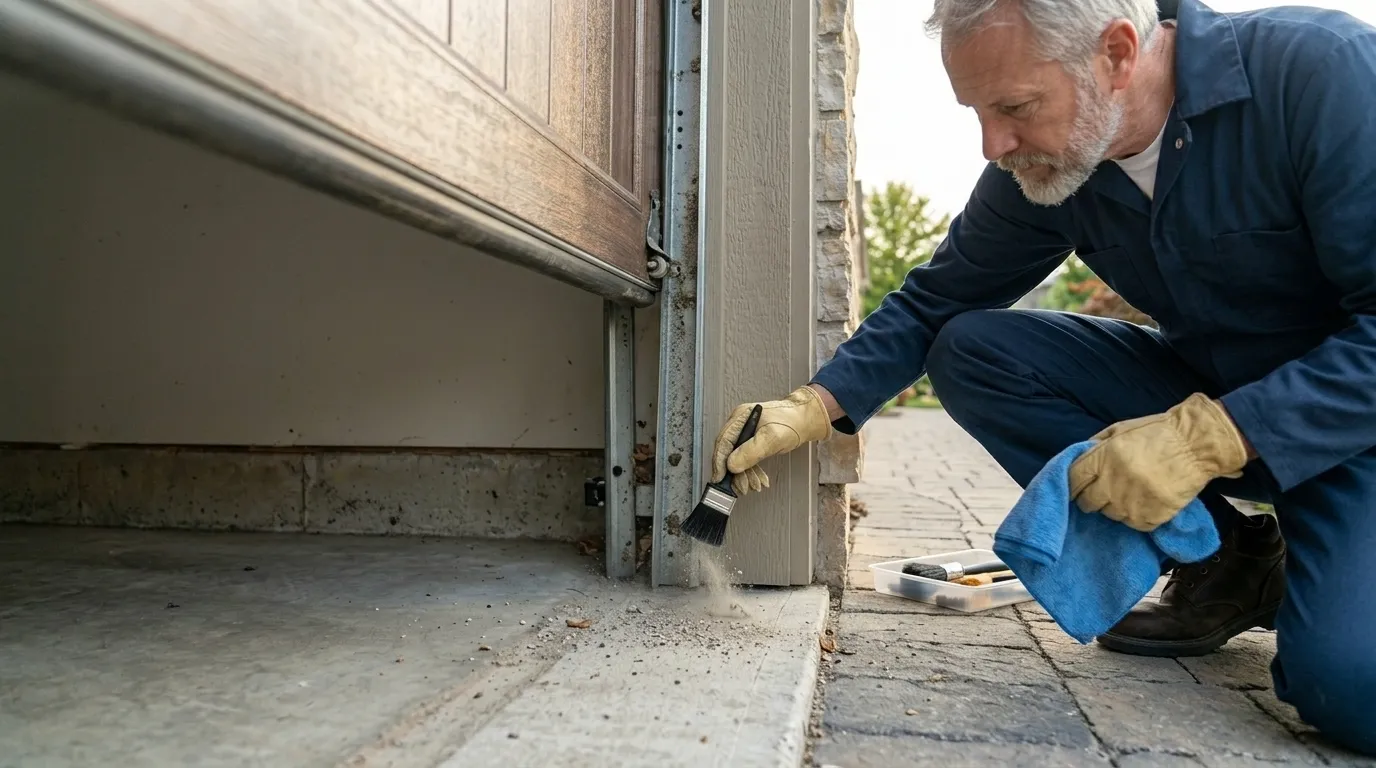
Some of this is fair to handle on your own. Tightening loose hinge bolts, lubricating rollers and hinges, clearing debris from the track - that's regular maintenance, not repair, and doing it yourself saves you a call. Testing the auto-reverse safety feature is also something every homeowner should know how to do, and it takes two minutes.
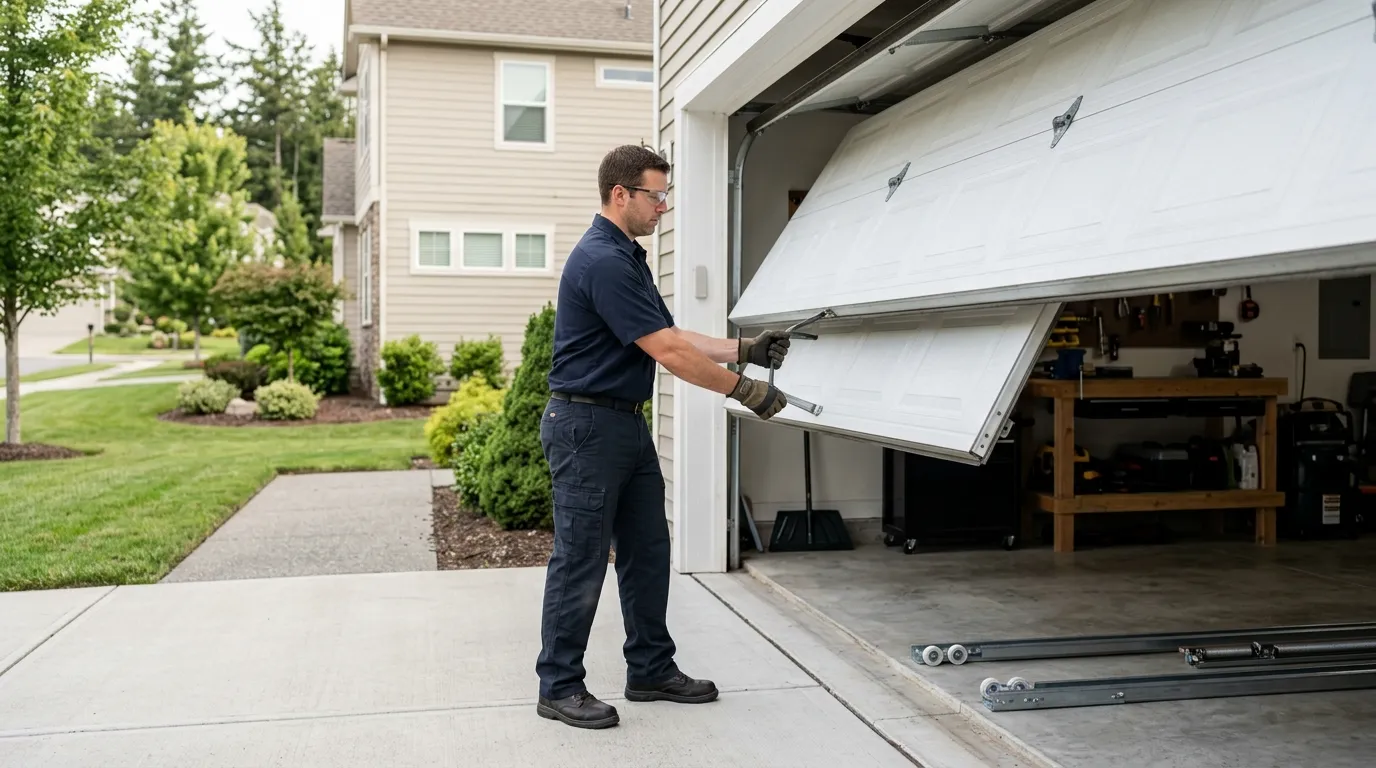
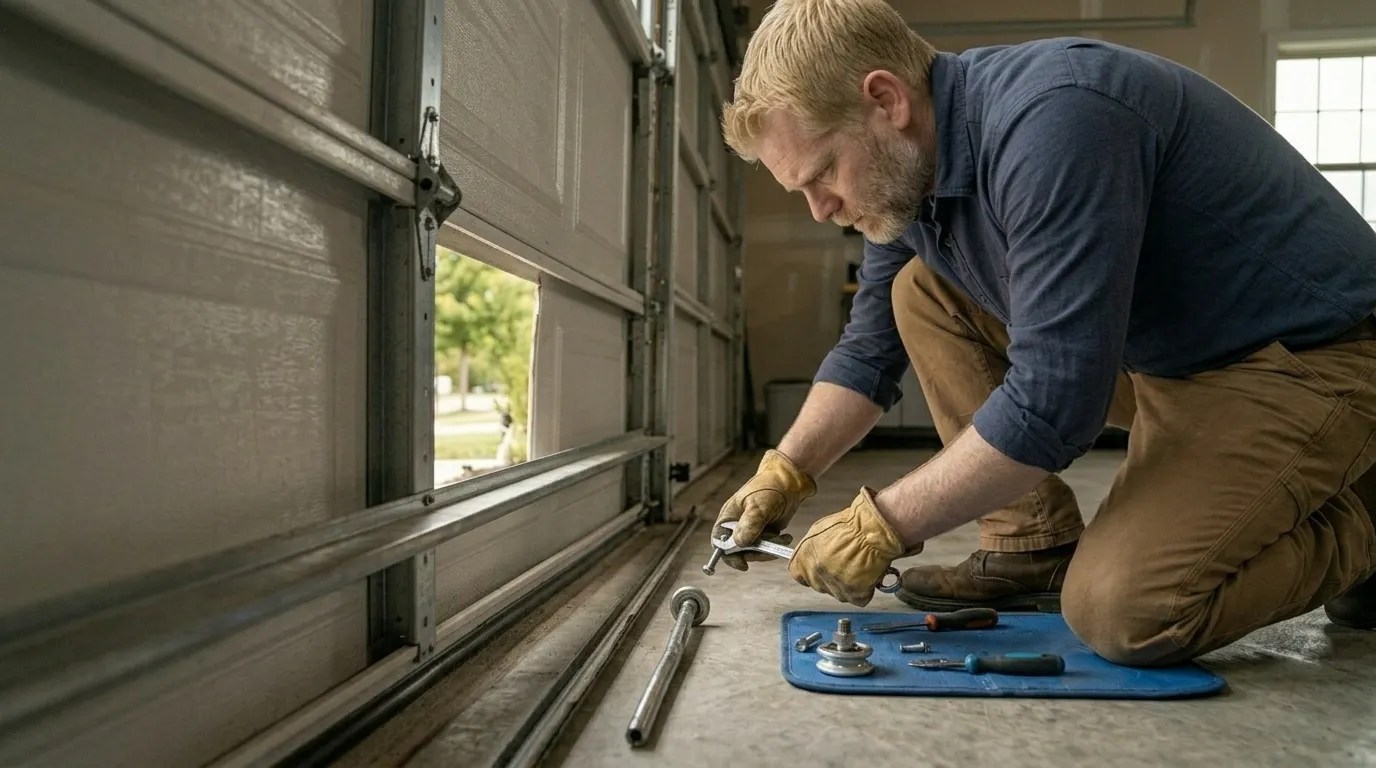
What we don't recommend doing yourself, especially on a house this old: touching the torsion spring. On original 1940s hardware, spring tension can be higher than what you'd find on a modern door, and the winding cones aren't always the standard size a newer tool kit expects. Given the drive out here, we'd rather you call before you're partway into a spring job with the wrong tools than have us drive 19 miles to finish something that went sideways.