Booking a Visit
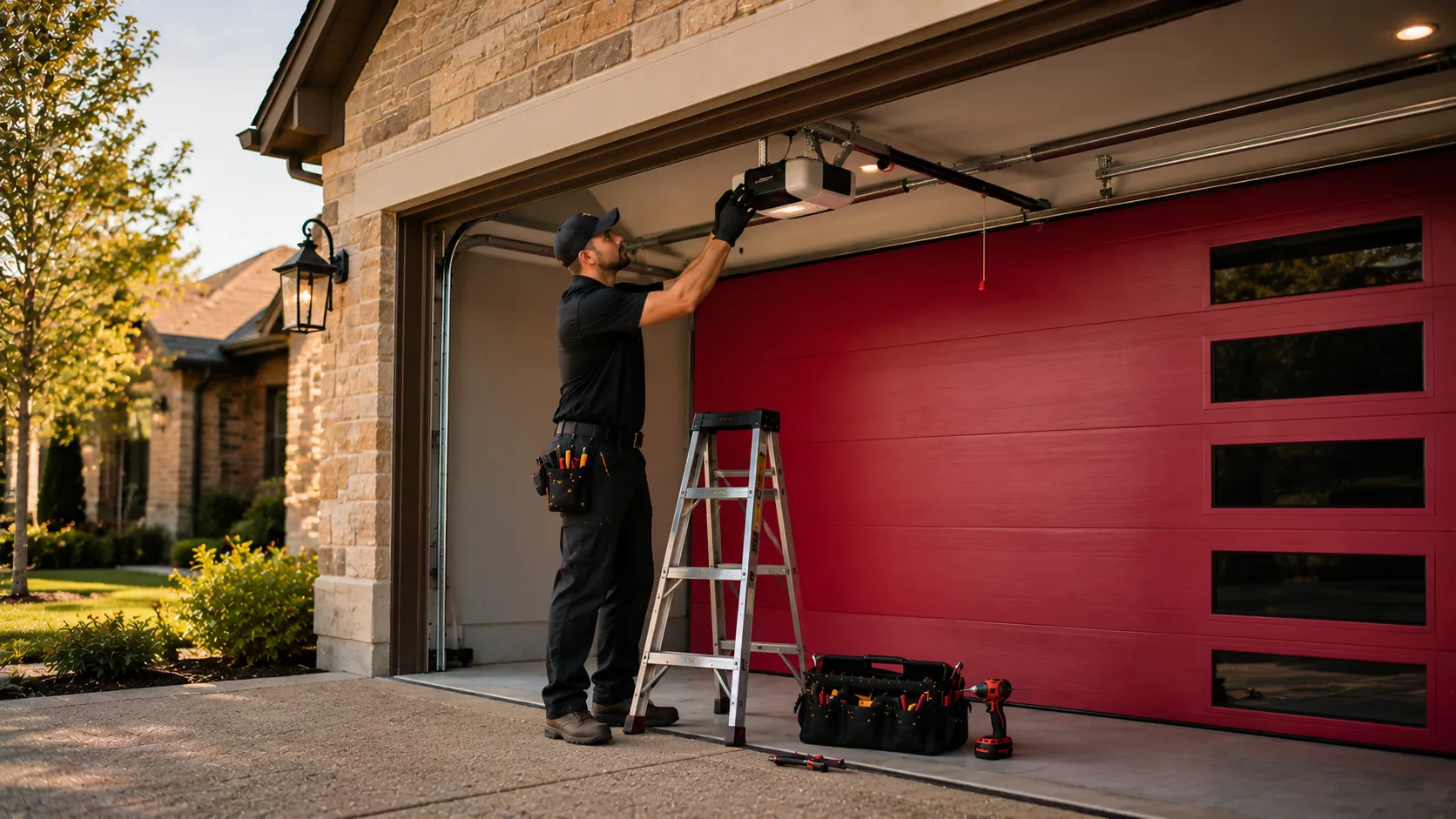
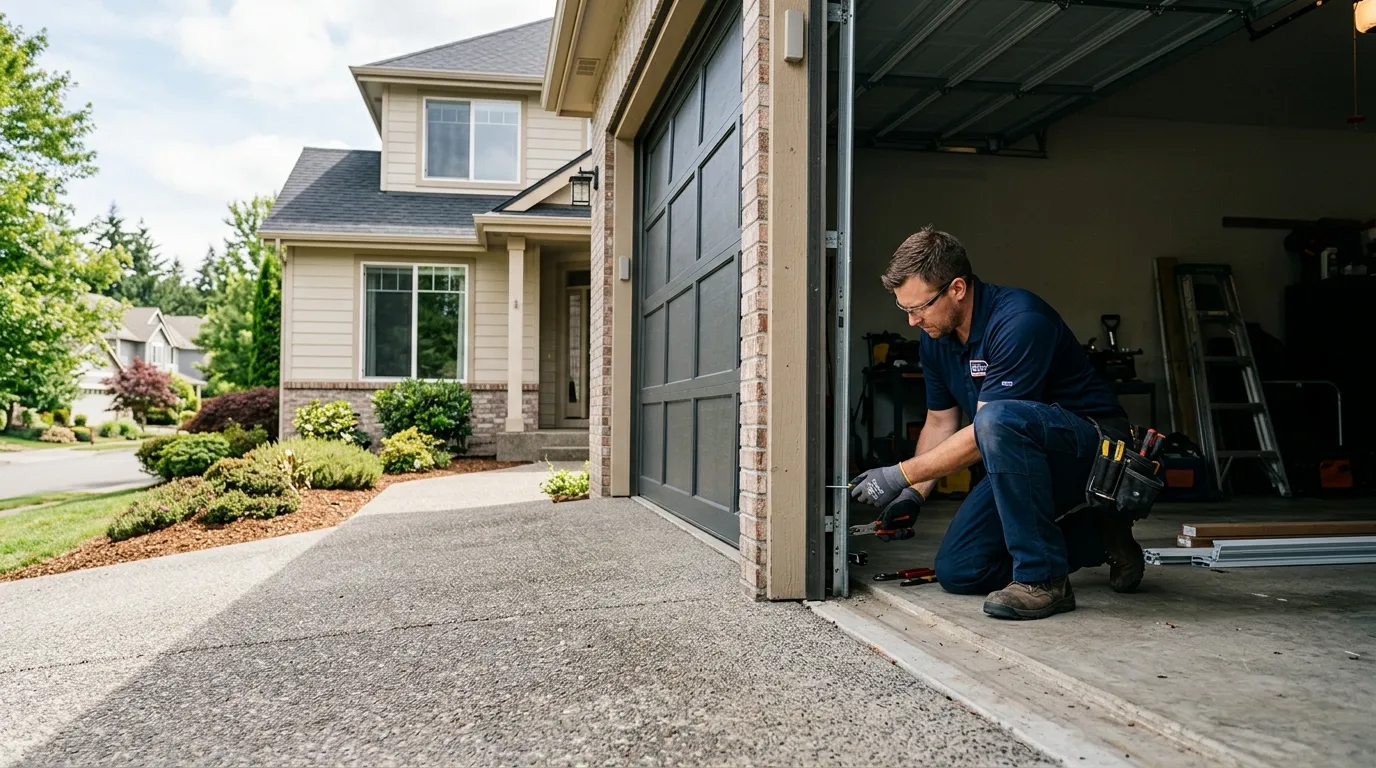
Waterville sits 19 miles out from Wenatchee, and that's the drive our truck makes for every call out here - there's no branch or depot in town, so a visit means booking ahead rather than a same-hour walk-in. That's the honest trade-off of a small, spread-out service area: we cover it, but we plan the day around it.
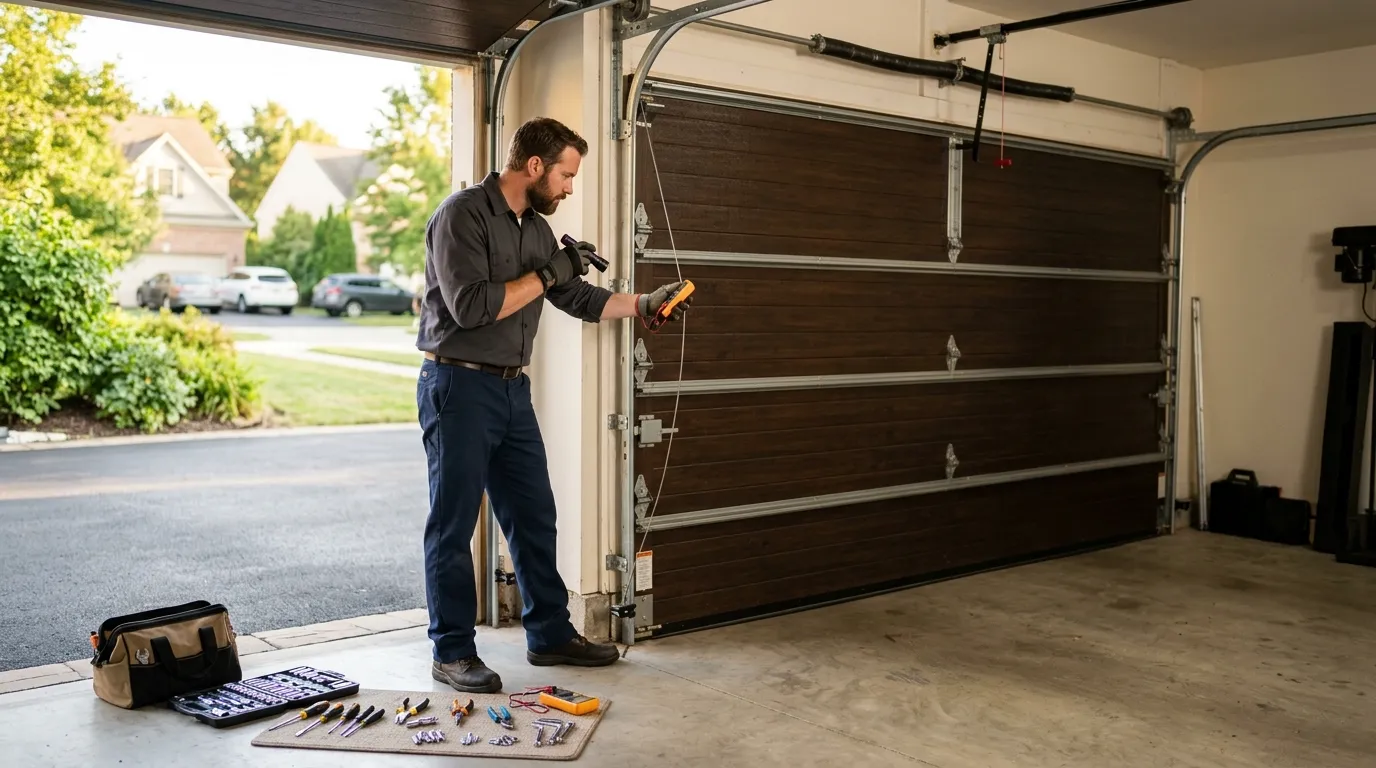
With a median household income of $75,854 in the wider area, a lot of Waterville owners are weighing a $150 roller job against a $600 track-and-hardware job, and that's a conversation worth having before we load the truck, not after. Tell us what you're hearing and seeing - grinding on the way up, a door that jumps in the track, one side dragging - and we can often tell you over the phone whether this is a roller call or something bigger.
If you're not sure which page you need, our general page for the town covers the full range of door work we do out here: /waterville/garage-door-service/. If you're comparing against what a roller job runs closer to the shop, that's laid out on /garage-door-roller-replacement-wenatchee-wa.
How It Shows Up
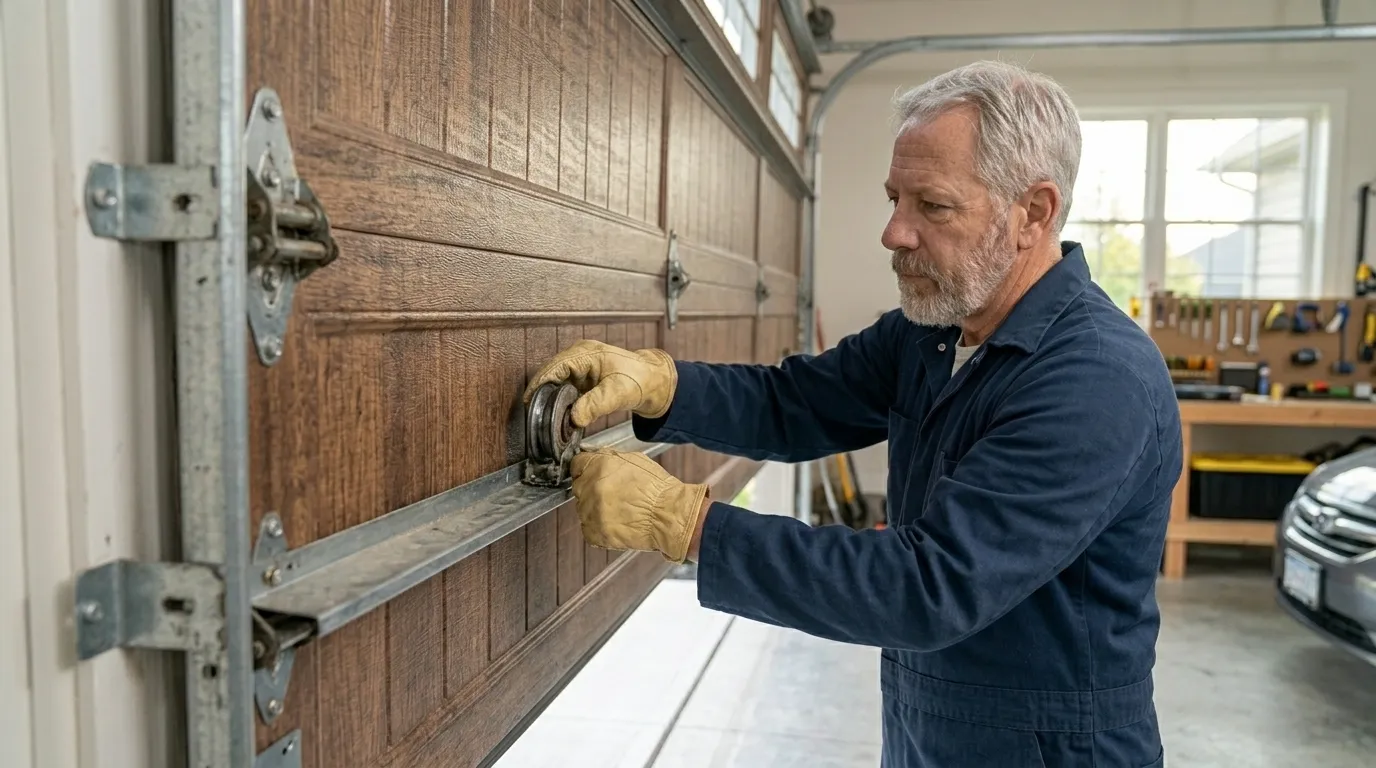
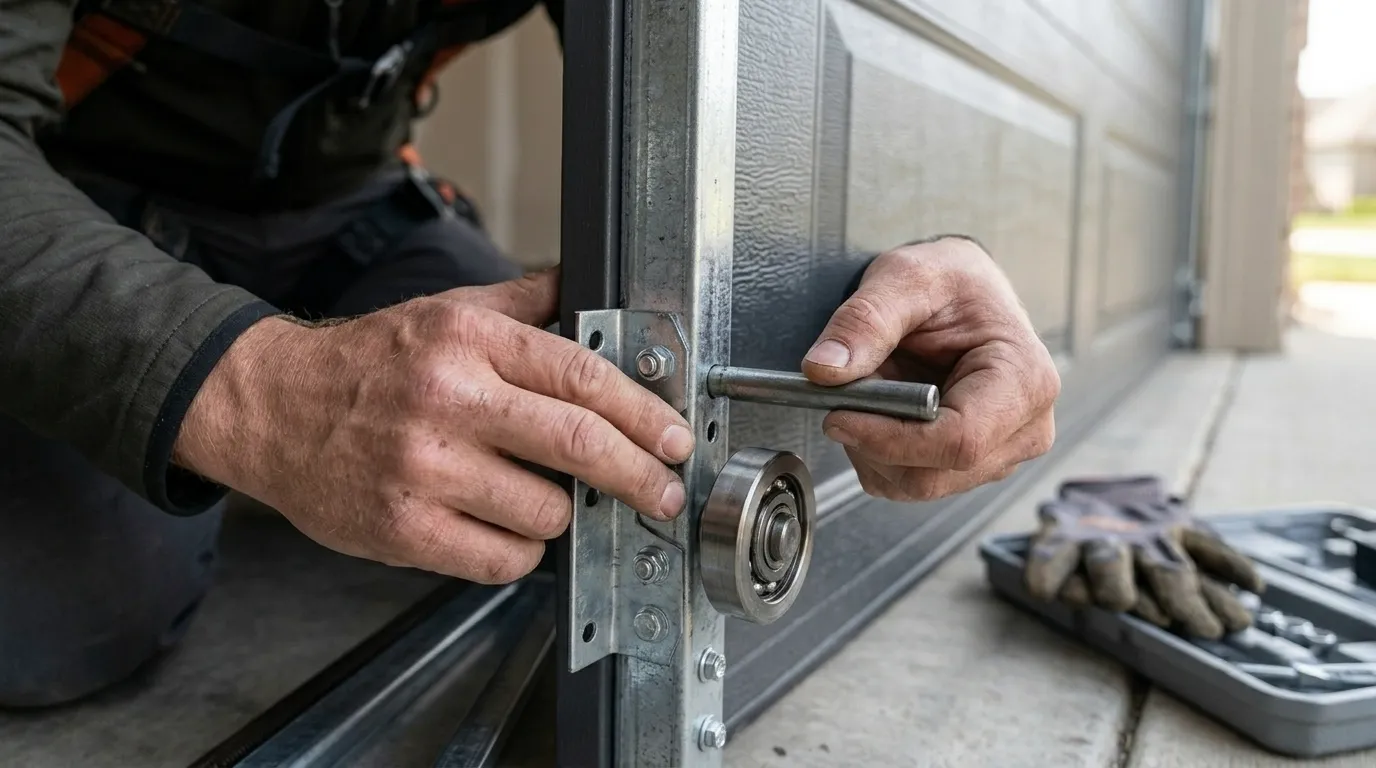
Waterville's housing runs older than most of the rest of the service area - a median year built around 1944, well ahead of the 1977 median across the broader Wenatchee footprint. Houses built in that window were fitted with steel rollers on steel tracks as a matter of course, because nylon rollers weren't standard equipment yet. Eighty years on, a lot of those original steel rollers are still in the tracks, just worn down to a point where the door rattles going up and grinds coming down.
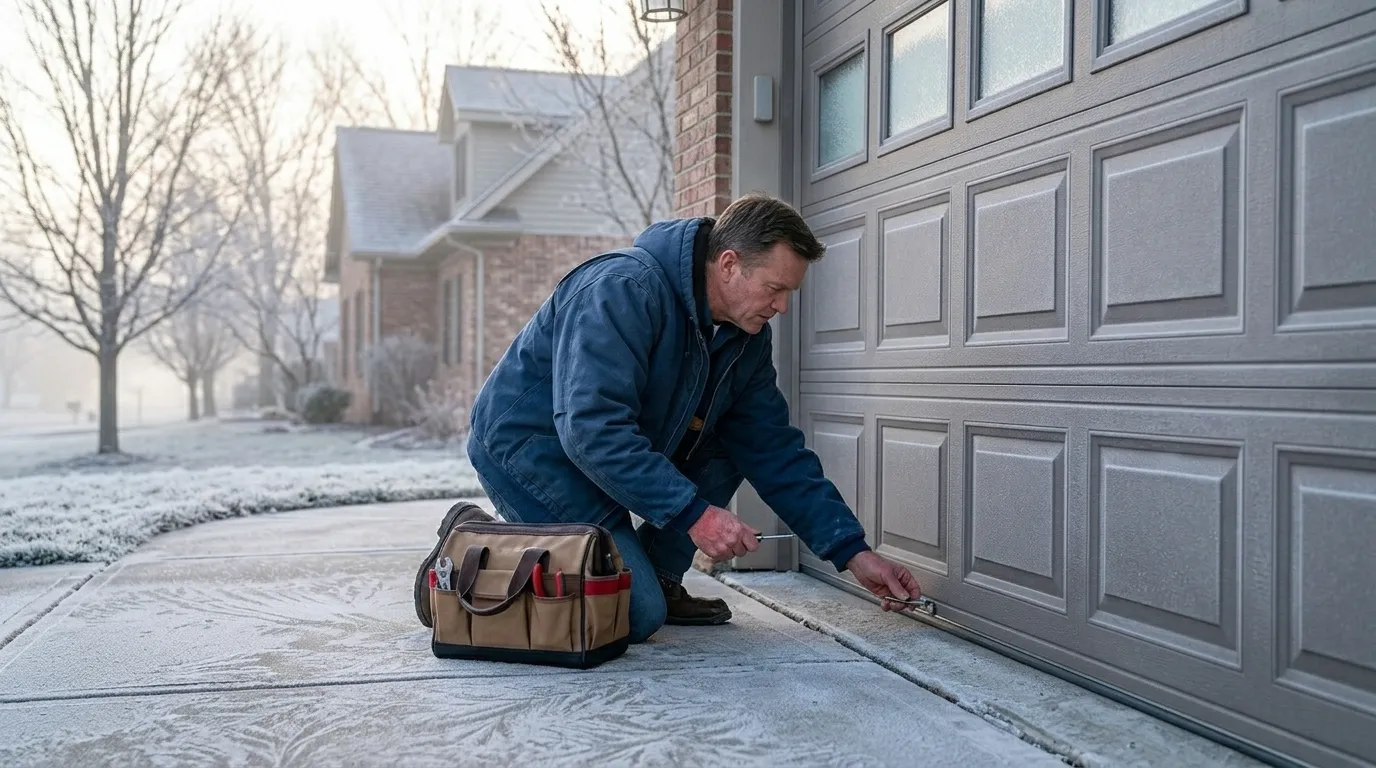
The cold winters here don't help. Steel-on-steel rollers stiffen up in low temperatures, and the grease that used to quiet them has usually gone gummy or dried out entirely by now. You'll hear it before you see it: a low, grinding squeal on the second or third panel up, worse on the first cold morning after a hard freeze.
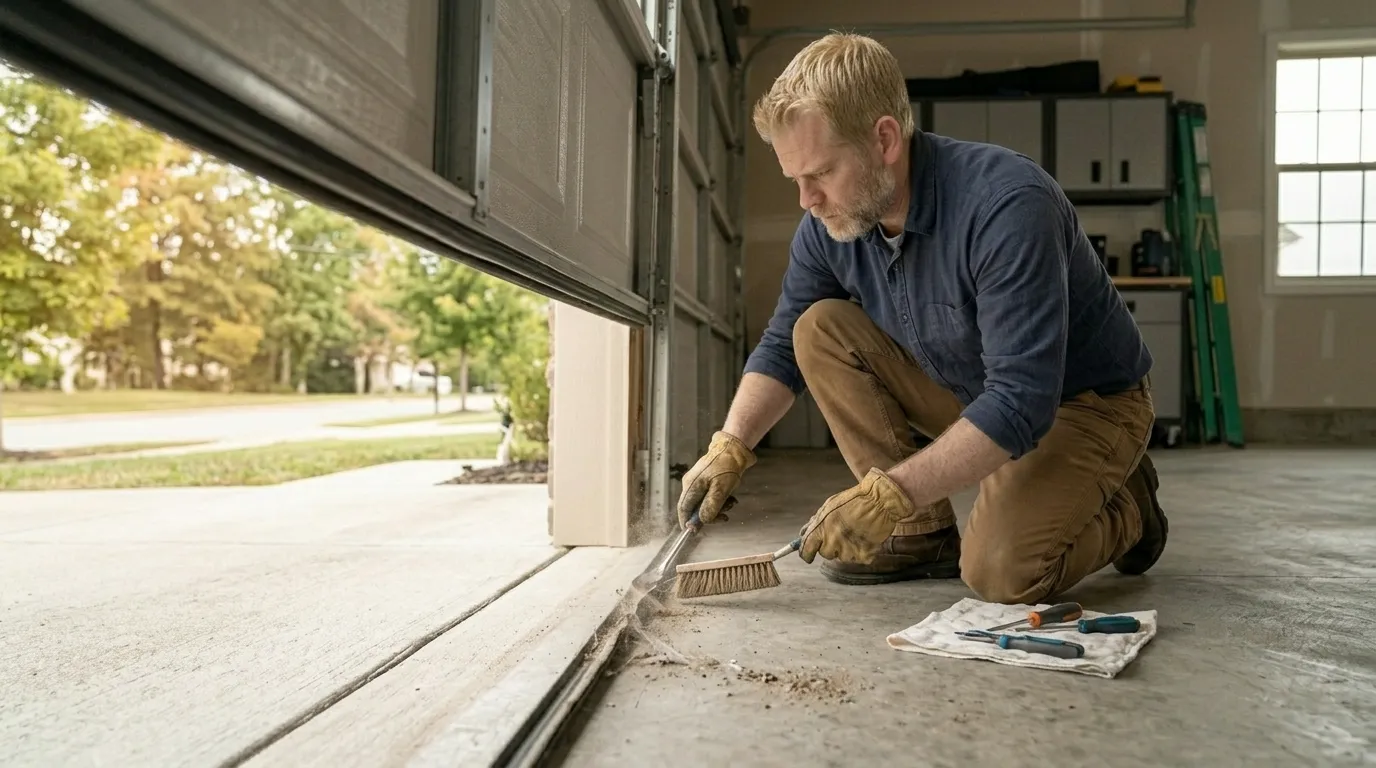
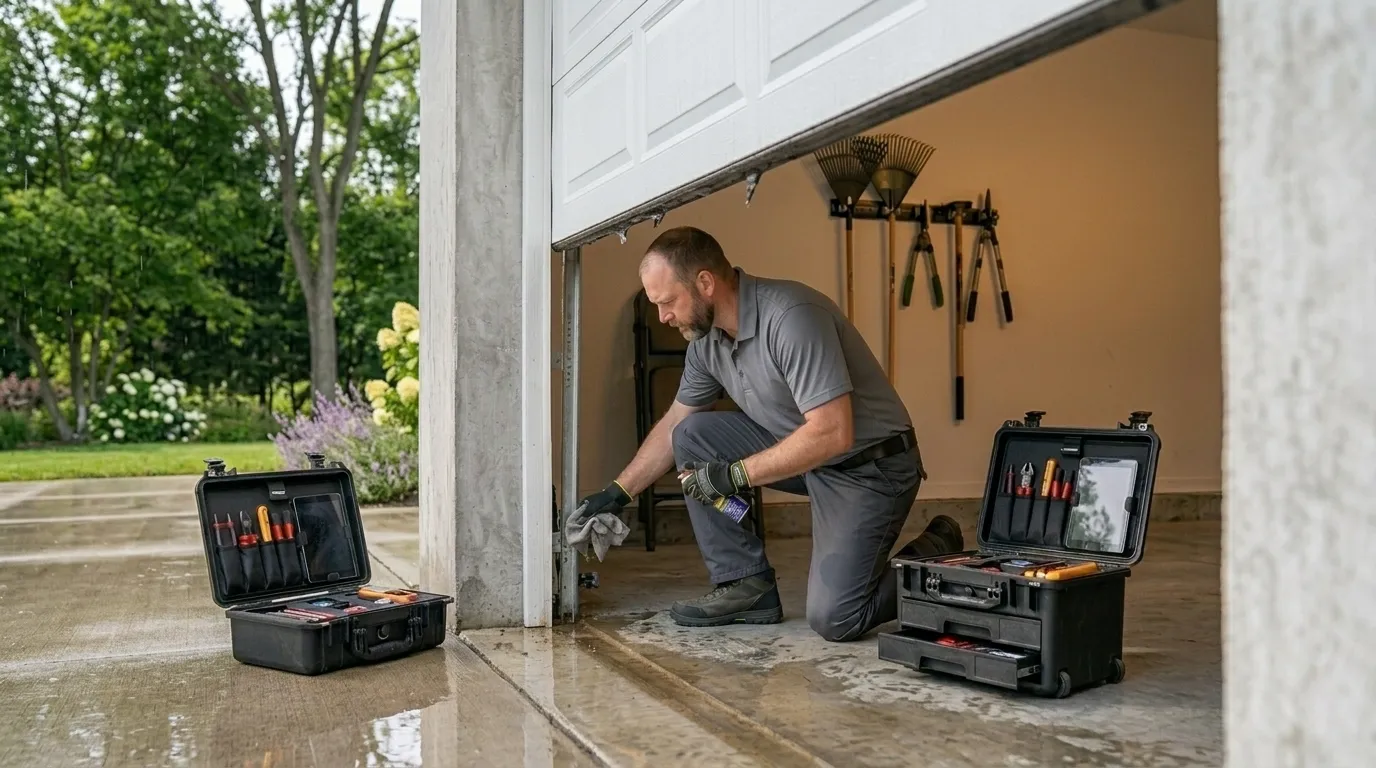
On a door that old, the roller itself is rarely the only worn part. The track it rides in has often warped slightly from decades of that same rough contact, and the stems on steel rollers can bend enough that the wheel no longer sits square. A straight roller swap doesn't fix a track that's taken the wear.
Can You Do This Yourself
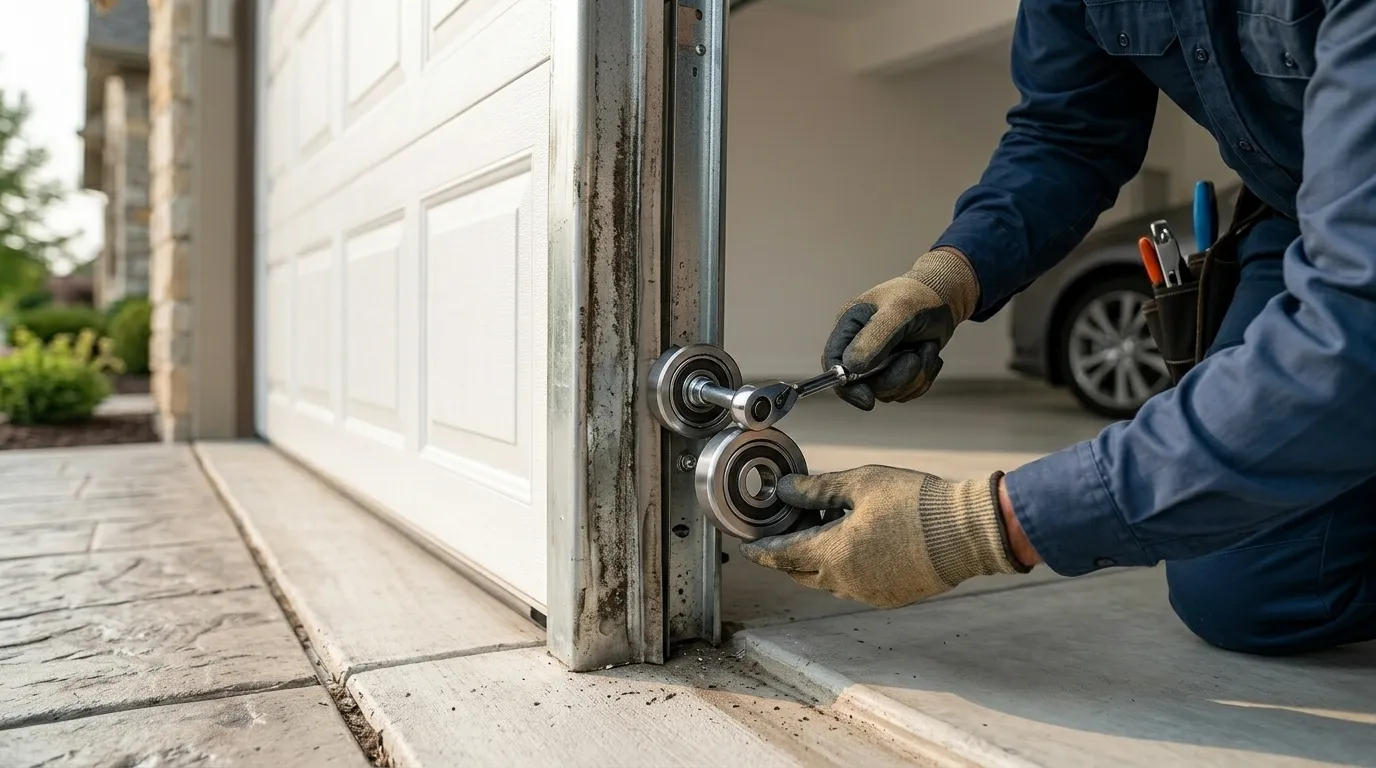
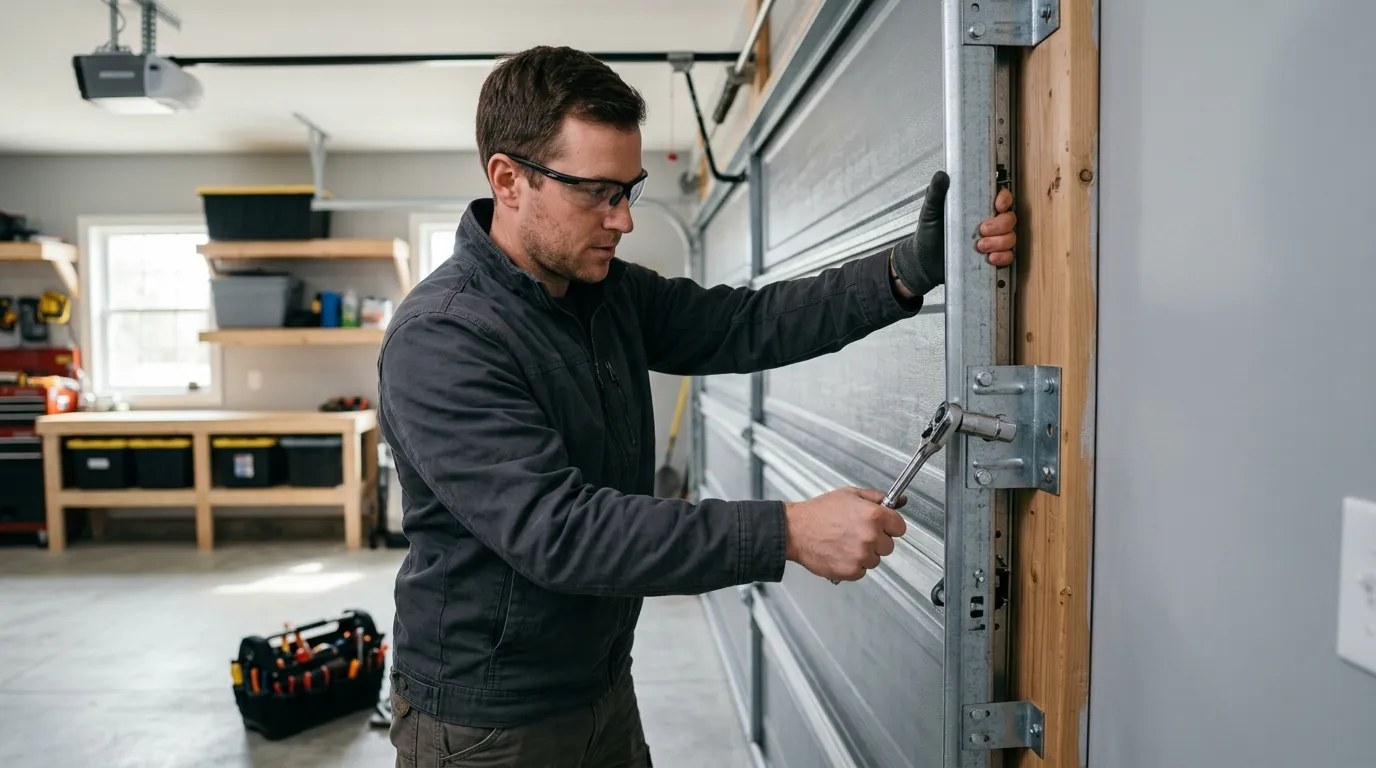
Swapping a single nylon roller on a door with no cables under tension is within reach for a lot of owners - it's a matter of releasing the retaining bracket and sliding the old roller and stem out. Where it gets past DIY territory is the bottom two rollers on either side, because those sit near the cables that carry spring tension, and pulling the wrong bracket there can let a cable snap loose under load.
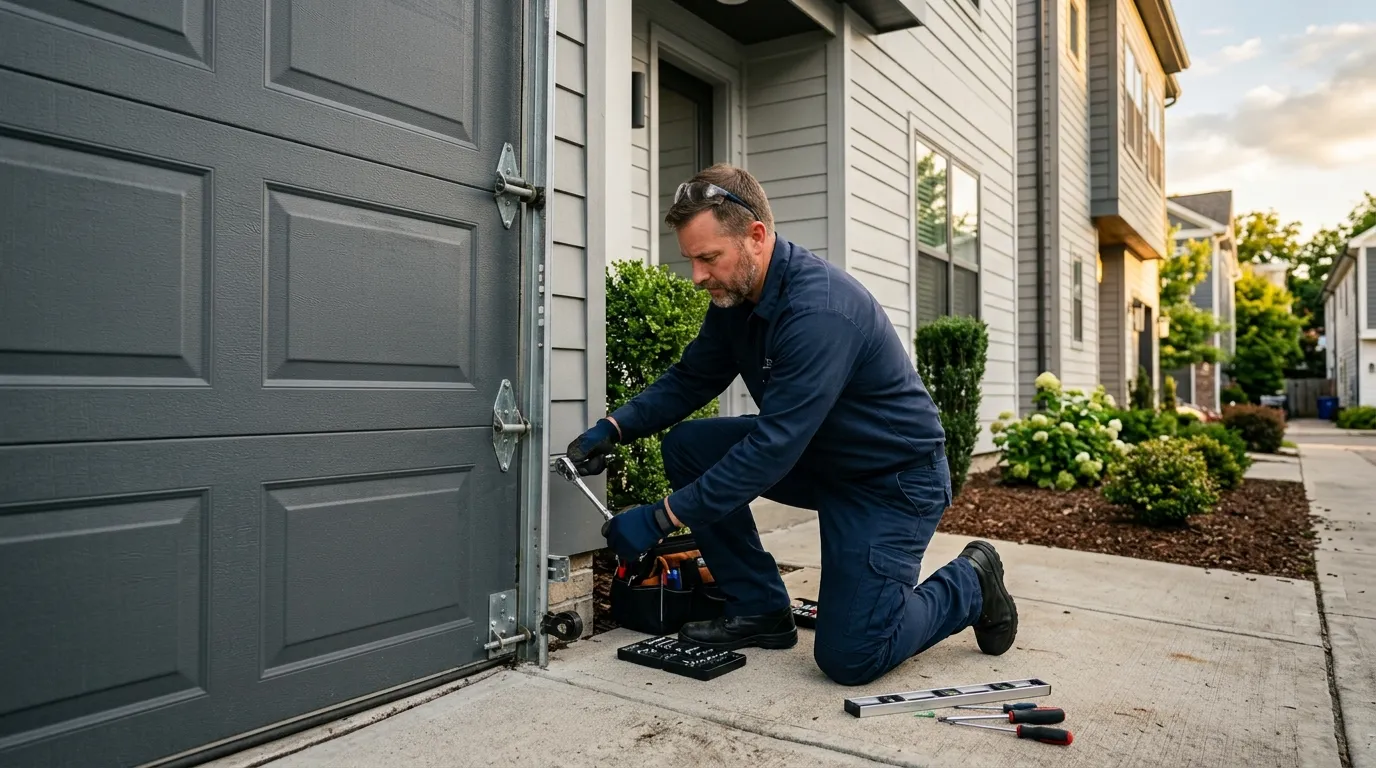
On Waterville's steel-track doors specifically, we'd say leave it to a call. Steel rollers seat differently than nylon, the stems are often bent enough that they won't slide out clean, and if the track has flared from wear, no amount of careful roller work fixes that on its own. That's a job that needs the track checked with a level, not just the roller swapped and hoped for.
Our honest limit here: if you call and the door is original steel track with rollers this worn, we're probably not quoting a ten-minute roller swap. We'll tell you straight whether it's a roller job or a track-and-roller job, because pretending it's the cheaper one doesn't hold up past the first cold snap.