Booking a Visit
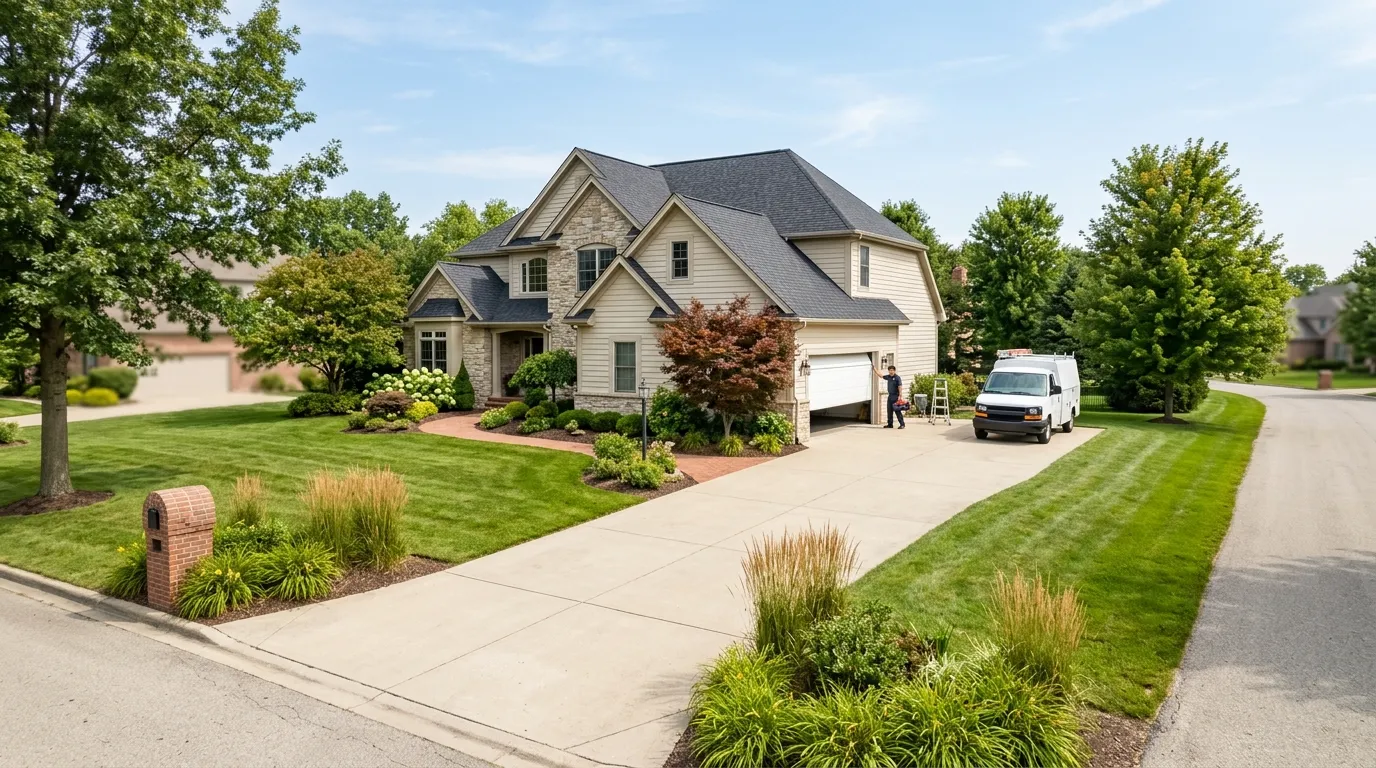
Waterville sits 19 miles out from Wenatchee, farther than East Wenatchee, South Wenatchee, or Sunnyslope, and about on par with the drive out to Cashmere. We don't keep a branch or a depot in town, so every job here is a truck coming from Wenatchee, and we're upfront about that rather than pretending otherwise. What we can tell you before we load the truck: the year your house went up matters more here than almost anywhere else we cover, because Waterville's housing stock centers on 1944, a good three decades ahead of the service area's overall median of 1977. That means when you call about a spring, we're already thinking about which era of hardware we're likely to find, and we bring parts for both torsion and older extension setups rather than assuming one. Tell us the approximate age of the house and whether the door has ever been replaced - that one detail saves a wasted trip for the wrong spring size.
How It Shows Up
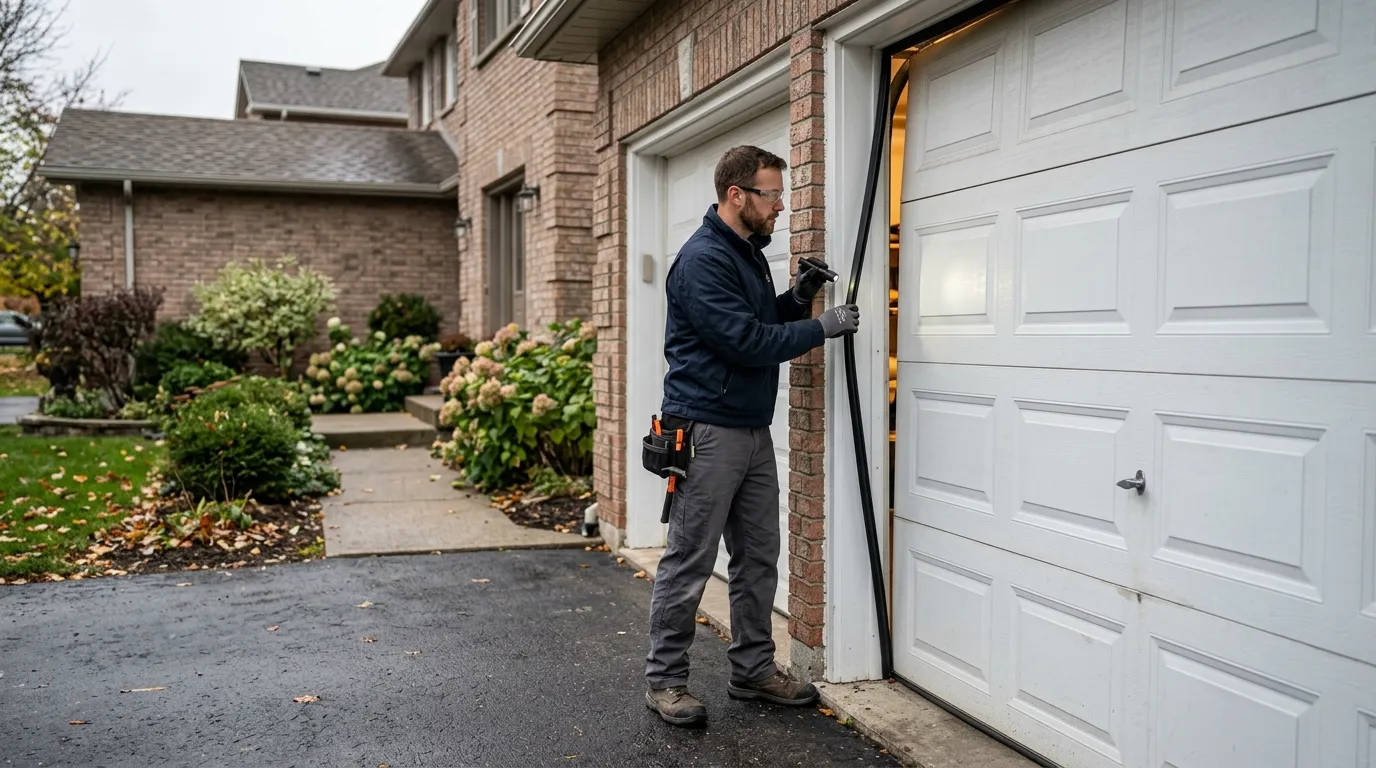
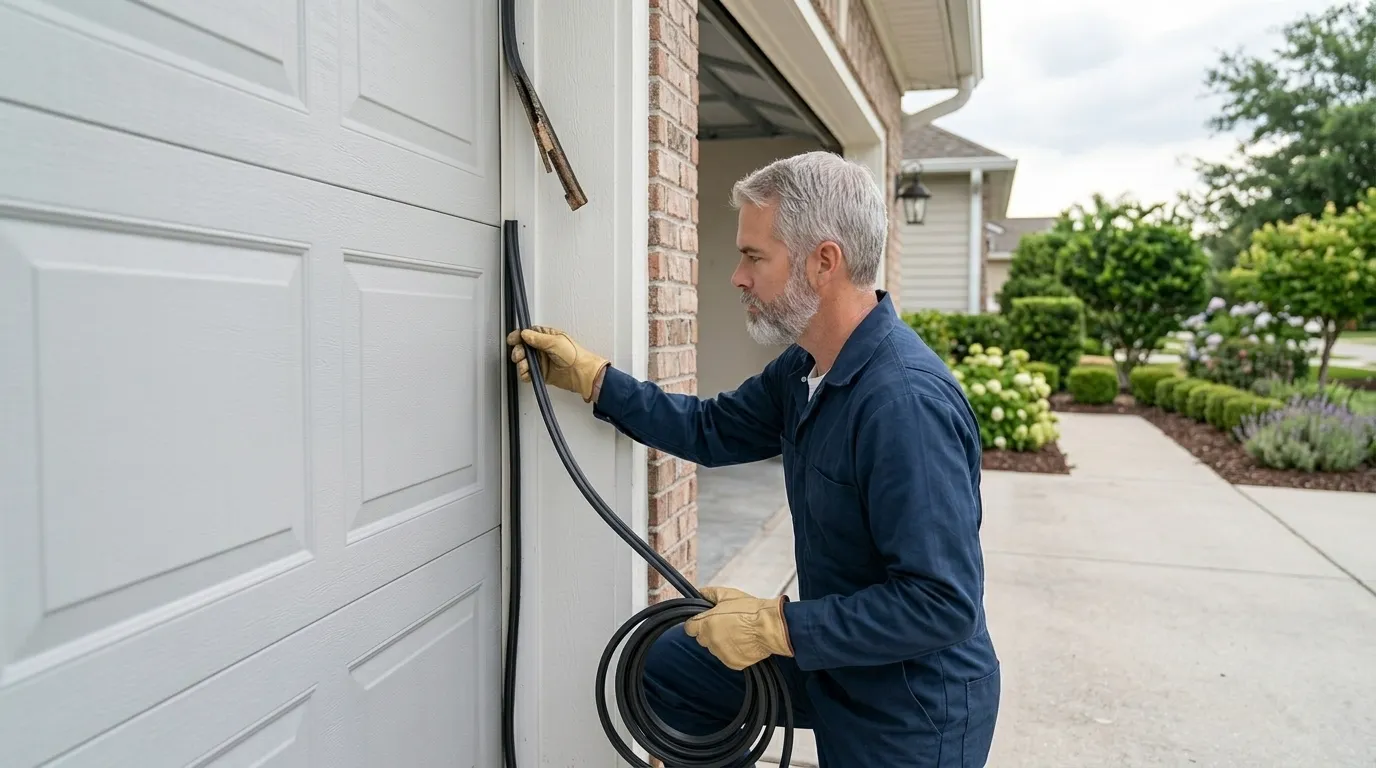
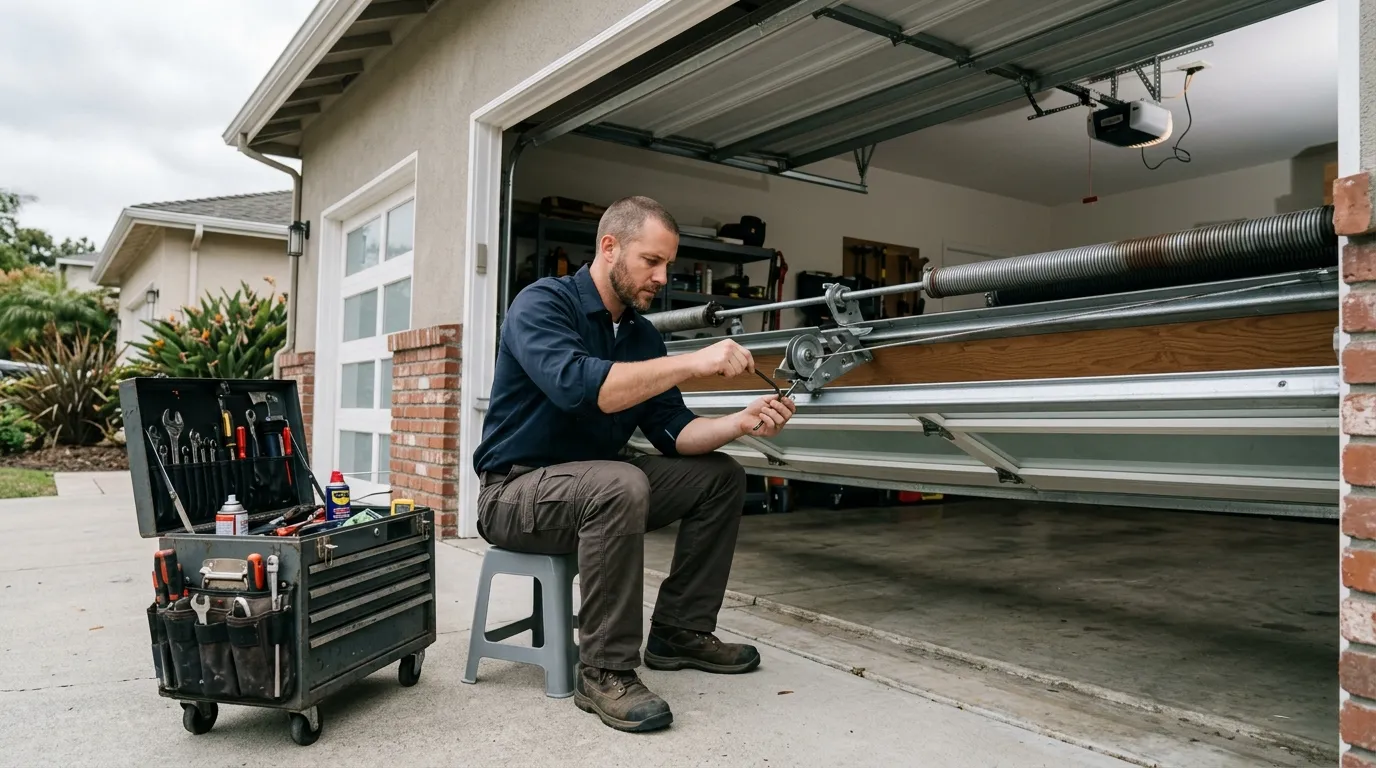
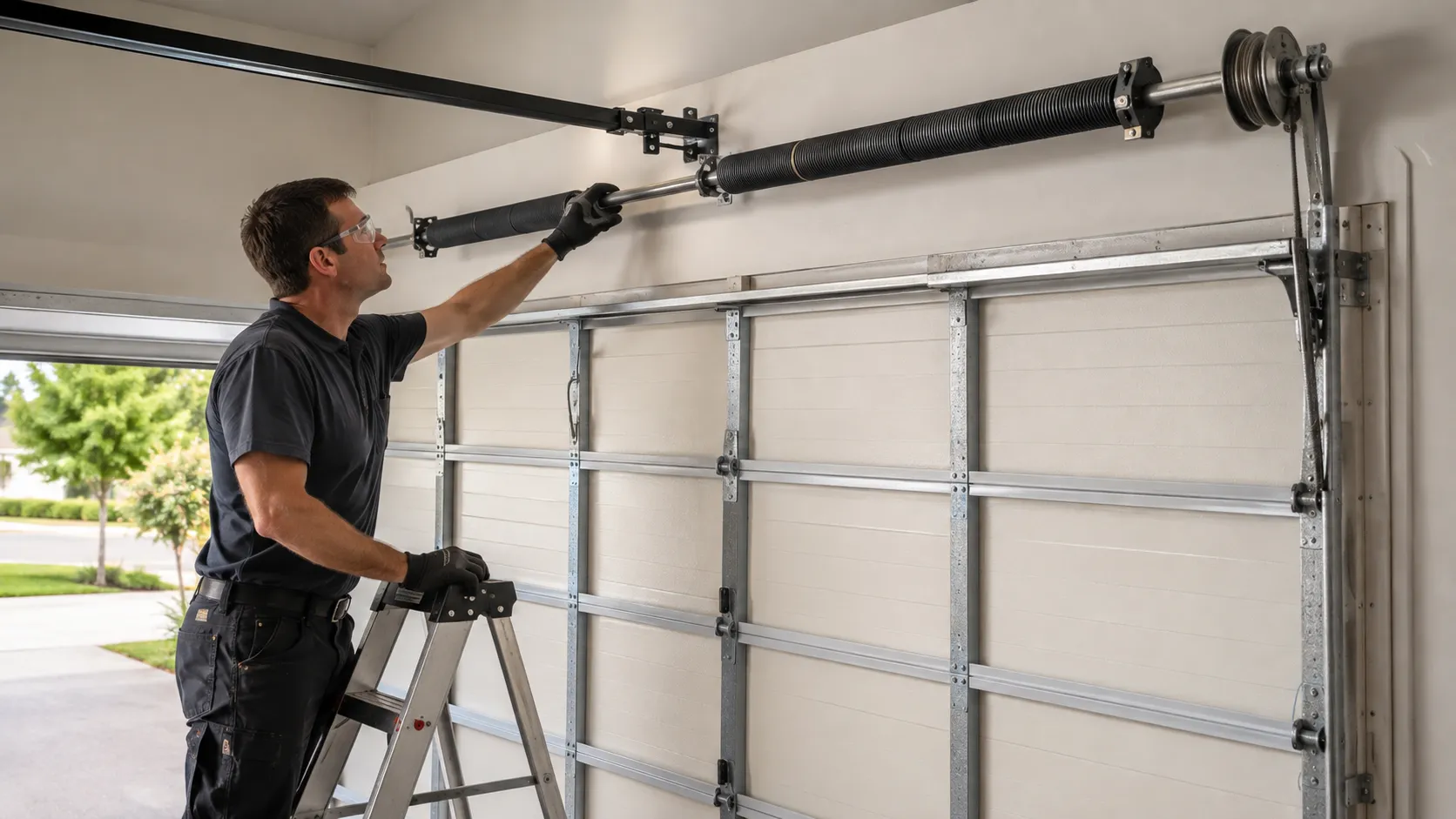
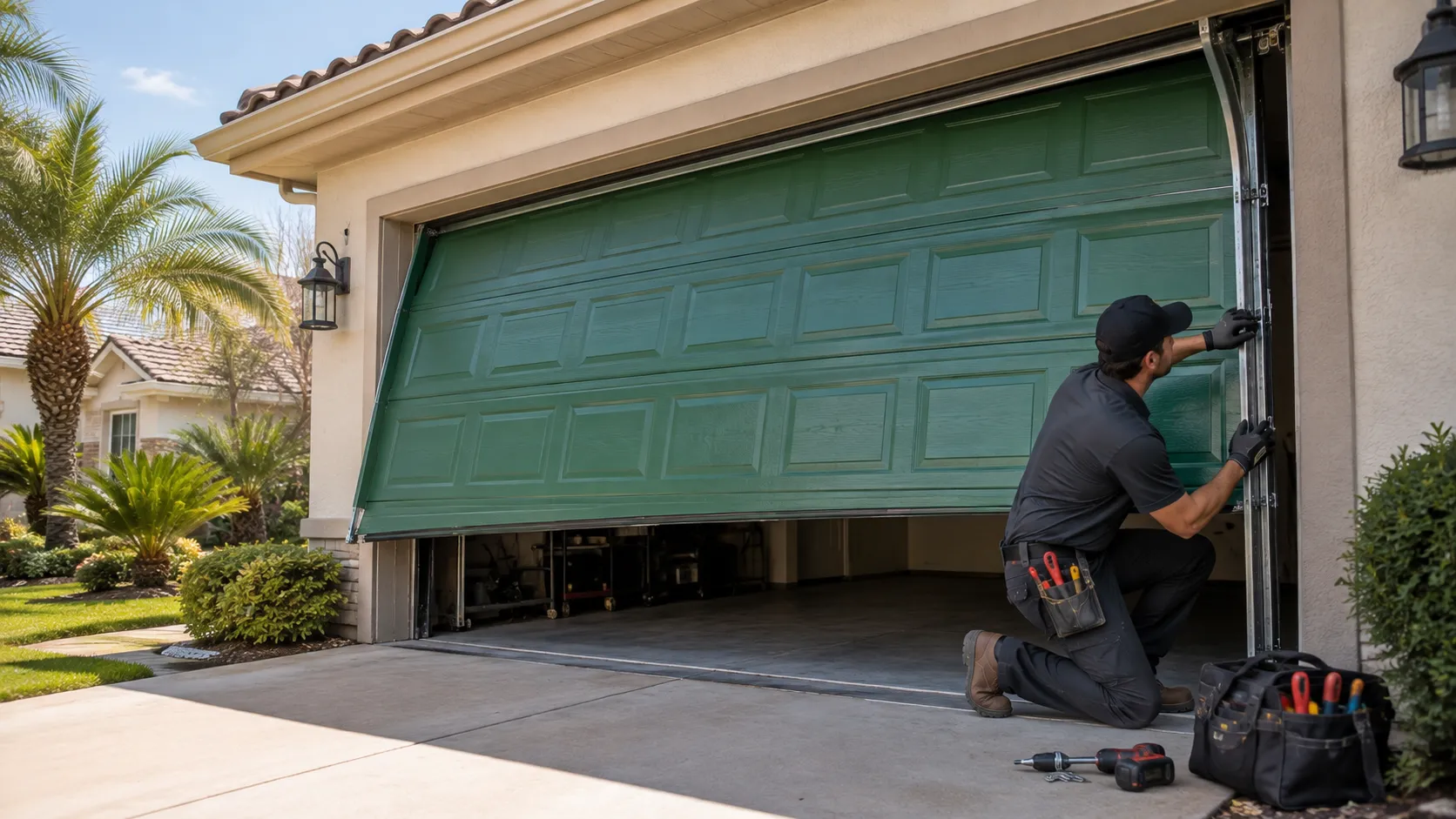
A spring going bad in Waterville often looks different than it does on a house built in the 1970s. On a 1944-era door, you're more likely dealing with extension springs strung above the horizontal track rather than a torsion bar over the opening. When one of those extension springs fails, the door doesn't just refuse to lift - it can drop unevenly, catching hard on one side because the surviving spring is doing all the work. On newer torsion setups elsewhere in the service area, failure tends to show up as a loud bang and a door that won't budge at all. Either way, the door feels heavier than it should the moment a spring goes, because the opener or your own arms are now lifting the full weight of the panel with no assist. Our climate here runs cold and moderate through the winter months, and cold steel loses some flex - a spring that was already worn can snap on the first hard-cold morning of the season rather than failing gradually.
Can You Do This Yourself
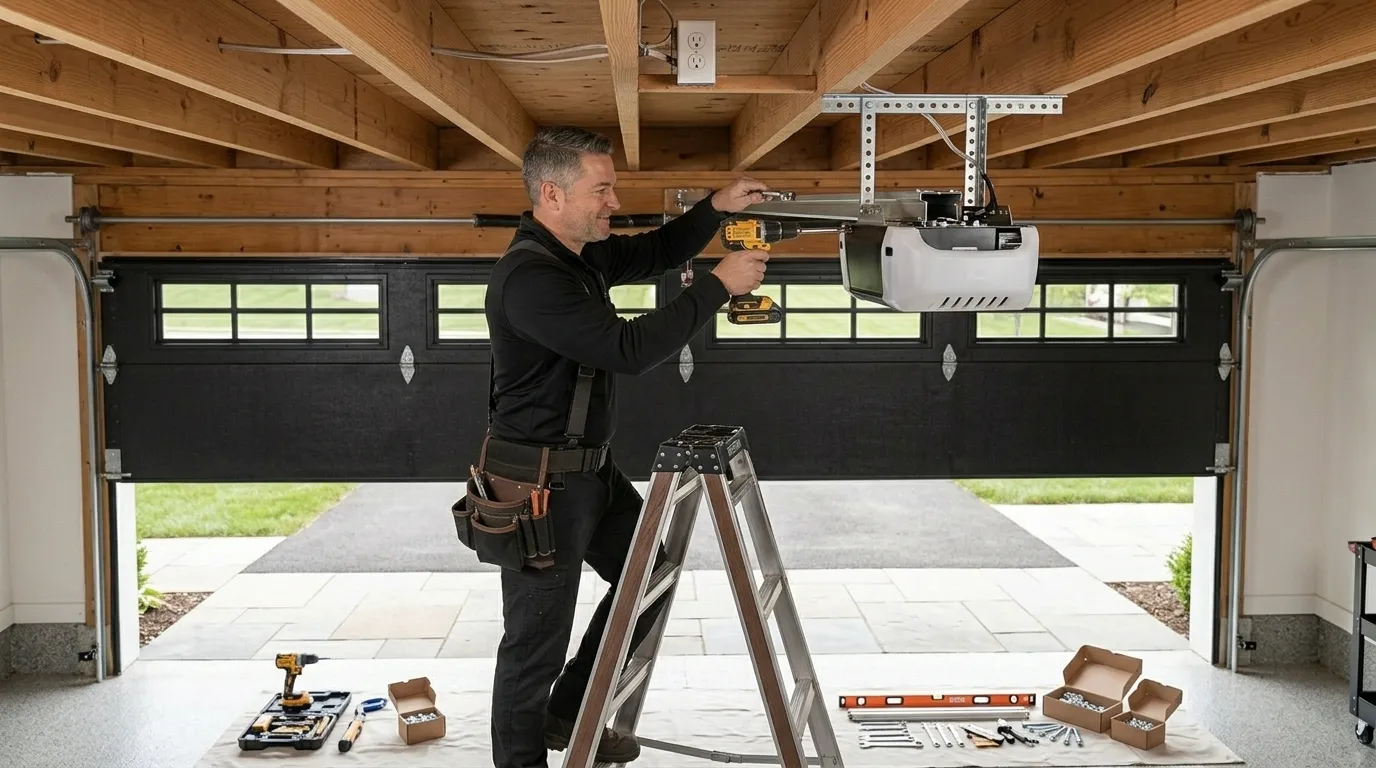
Extension springs are lower tension than torsion springs, which is why some owners assume they're safer to handle solo. They still store enough energy to whip a cable across a garage bay if you unhook the wrong end first, and on a door this old you can't always tell by looking whether the mounting hardware is sound enough to take that load safely. We'd rather you call than guess on this one. What you can reasonably check yourself: whether the door drops unevenly on one side, whether you hear scraping from the pulleys when it moves, and whether there's a visible gap or stretch in either spring compared to the other. Photograph what you see and have that ready when you call - it helps us bring the right length spring on the first trip instead of a second one.