When to Call Someone
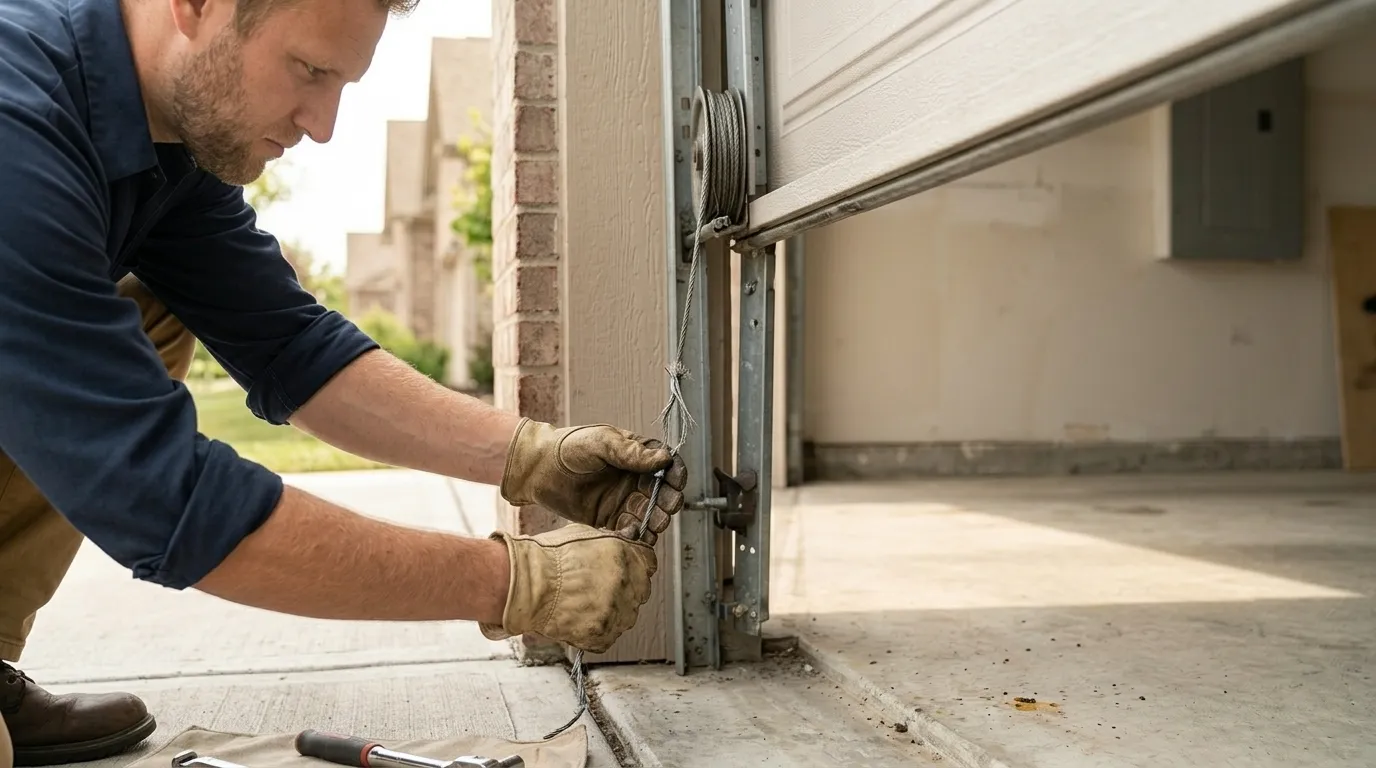
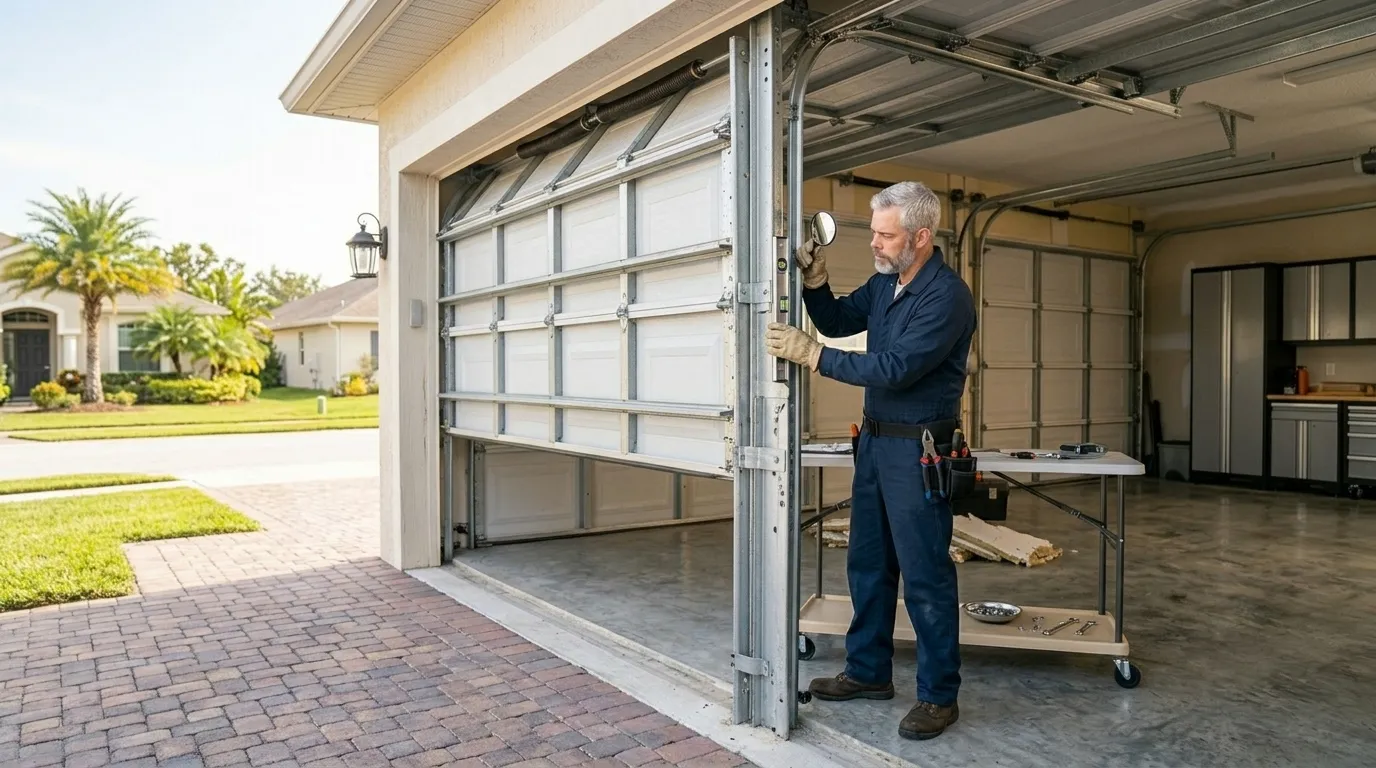
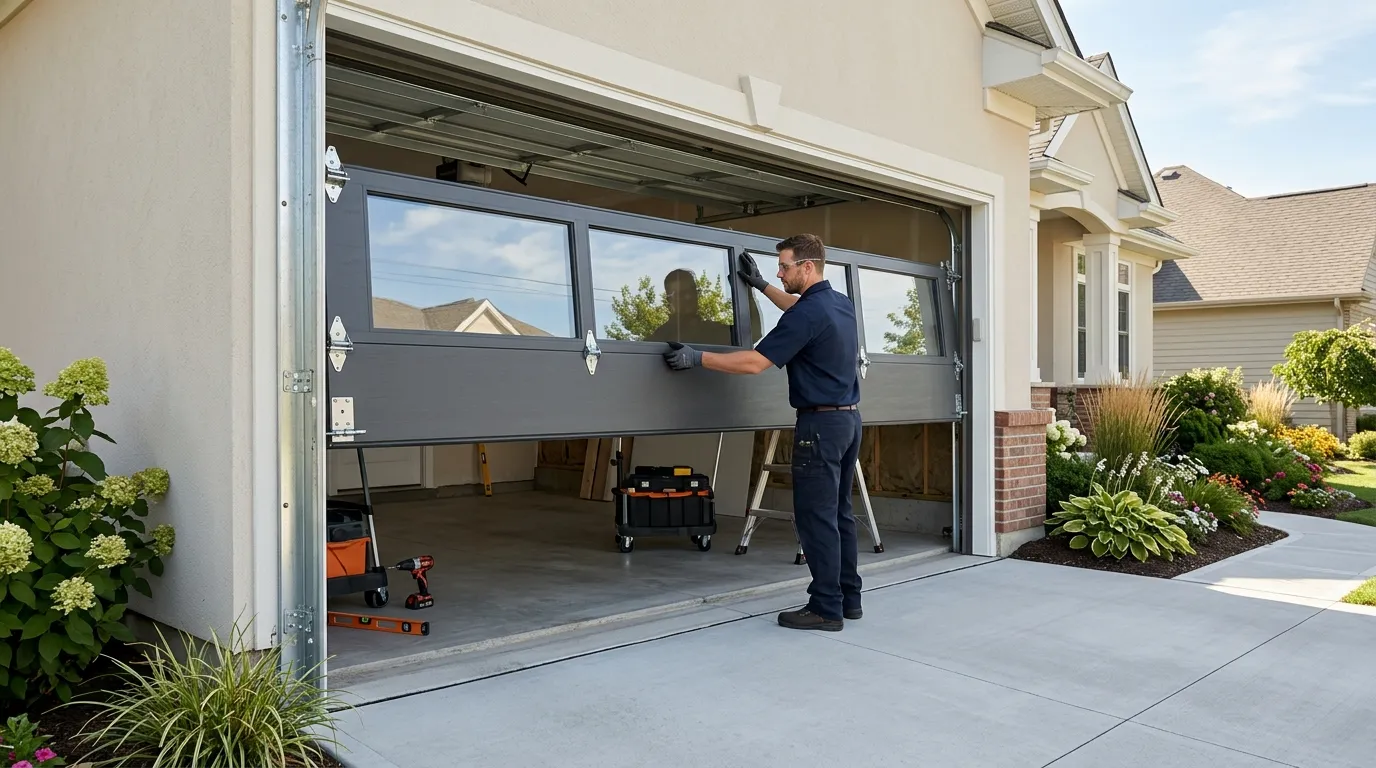
If the door won't budge and the opener is straining or clicking without movement, stop pulling the cord and call. That's almost always a broken spring, and on a double door the second spring is usually close behind - trying to force it through with the opener just burns out the motor. A door that's slammed down on one side, or a cable hanging loose off the drum, is also a same-day call, not a weekend project. Houses in Wenatchee's service area went up between 1944 and 1993, with most of the stock dating to the 1960s and 70s, so a lot of what's hanging in these garages is original torsion or extension hardware nobody has serviced since it was installed. That's not a knock on the homeowner - it's just old steel doing old-steel things. One honest limitation: if a spring has already snapped and the door is a single-layer steel panel from that era, sometimes the smarter move is pricing a new door instead of matching obsolete hardware, and a call can tell you which situation you're in before you spend on either.
What Is Going On
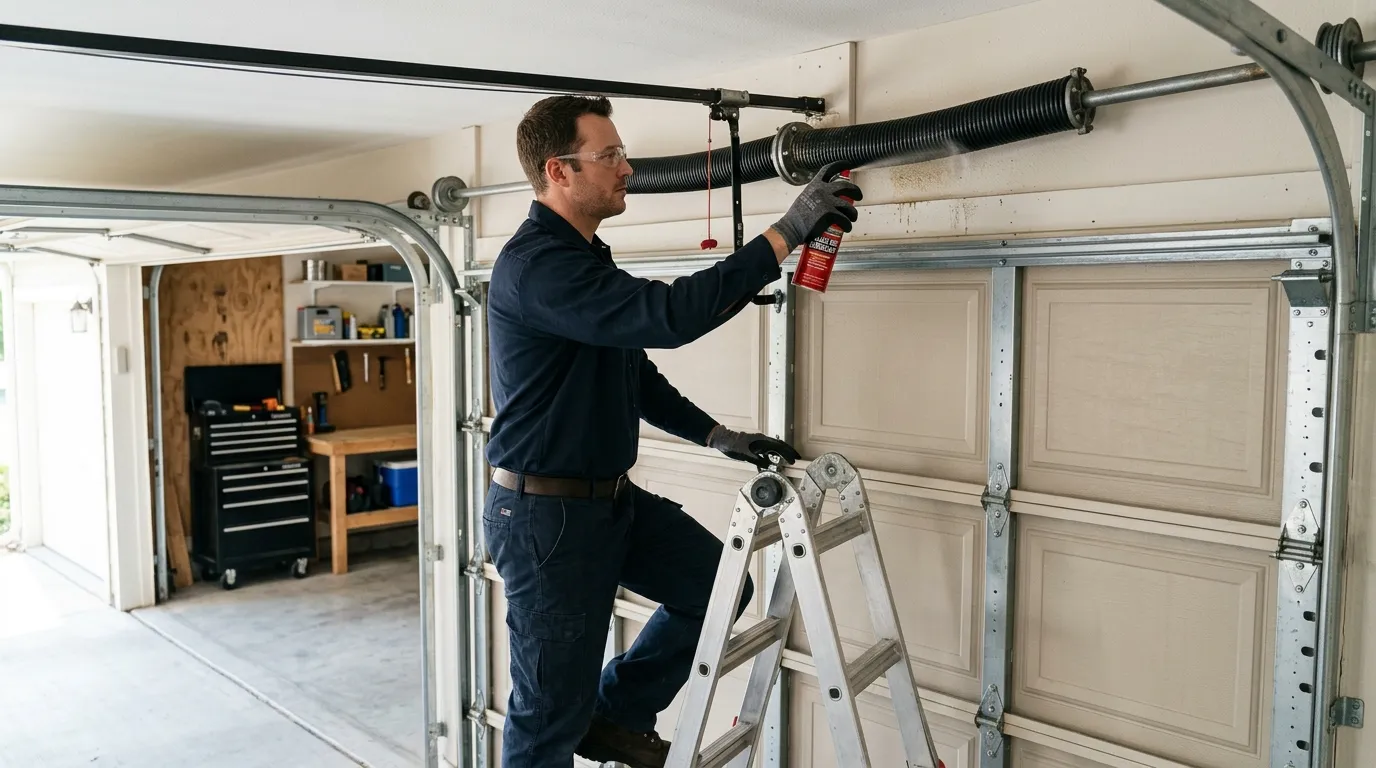
Most of what goes wrong here traces back to age and cold, not bad luck. A torsion spring is rated for a number of open-close cycles, and once a door has been through that many winters, the wire fatigues and lets go, usually without warning. Rollers on original hardware were often plain steel or early nylon, and after decades of Wenatchee's cold moderate climate swings, they've worn oval instead of round, which is why the door sounds like it's grinding gravel on the way up. Extension spring setups from the older end of that 1944-1993 build range frequently don't have a safety cable running through the coil - a code addition that came later - so if one of those springs breaks, it can whip instead of just going slack. Openers from the 1970s and 80s stock common in this area also tend to run on worn drive gears or belts that have gone dry, which shows up as a grinding or slipping sound before the belt fails outright. None of this means every old door is a ticking clock. It means the failure patterns here are tied to what actually got built and when, not a generic checklist that would apply anywhere.
How Local Conditions Play In
Wenatchee sits in a cold moderate climate band, which means grease inside an original opener gearbox thickens every winter and thins every summer - that cycle is part of why doors here feel stiffer in January than in July, even with nothing broken. Across East Wenatchee, South Wenatchee, Sunnyslope, and the other named areas within a few miles, house ages track close to the same 1944-1993 range, so the hardware questions are similar even where the streets look different. With 4,894 owner-occupied houses across the service area, most of them built before 1993, a sizable share are still running the springs and cables that came with the house, or a first replacement set installed decades ago. Median household income here is $75,854, which is enough to cover a spring replacement without much hesitation, but not necessarily a full door swap on short notice - which is part of why matching failing hardware to the door's actual age, rather than assuming it needs full replacement, matters here more than it would on newer stock. None of the 10,166 households in the wider service area are dealing with identical wear, but the climate and the build years give a pretty tight range of what tends to go first.