Why This Fails Locally
Most of the houses we get called to in Wenatchee went up somewhere between 1944 and 1993, with the bulk of that stock dating to the 1960s and 70s across the neighborhoods on this side of town. That matters because a door installed in that window is almost certainly running on its original torsion spring and shaft, or a replacement spring sized to match old hardware rather than today's heavier insulated panels. Springs are rated for a set number of cycles, and a 40 to 50 year old shaft has usually seen every one of them.
On top of that, this area sits in a cold, moderate climate band. Winter cold thickens grease on rollers and hinges, and steel contracts slightly in a cold garage, which is enough to tighten tolerances on a track that was already a little bent from age. We see it as a pattern: older torsion springs that finally let go on the first hard cold snap of the season, and rollers that were fine in September binding by December. It's not that the door is broken in some dramatic way. It's a 50-year-old system meeting a cold morning.
What the Fix Involves
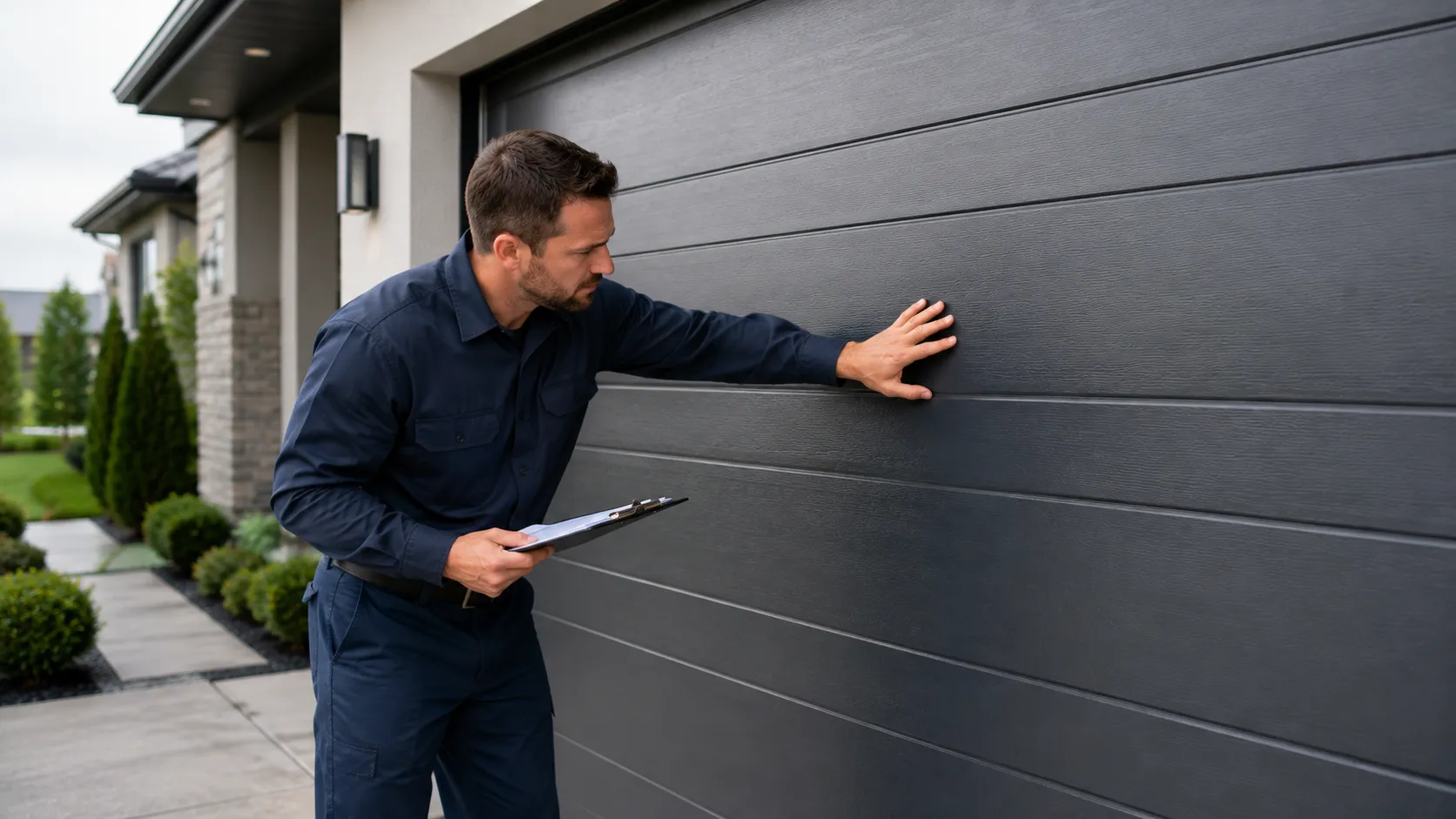
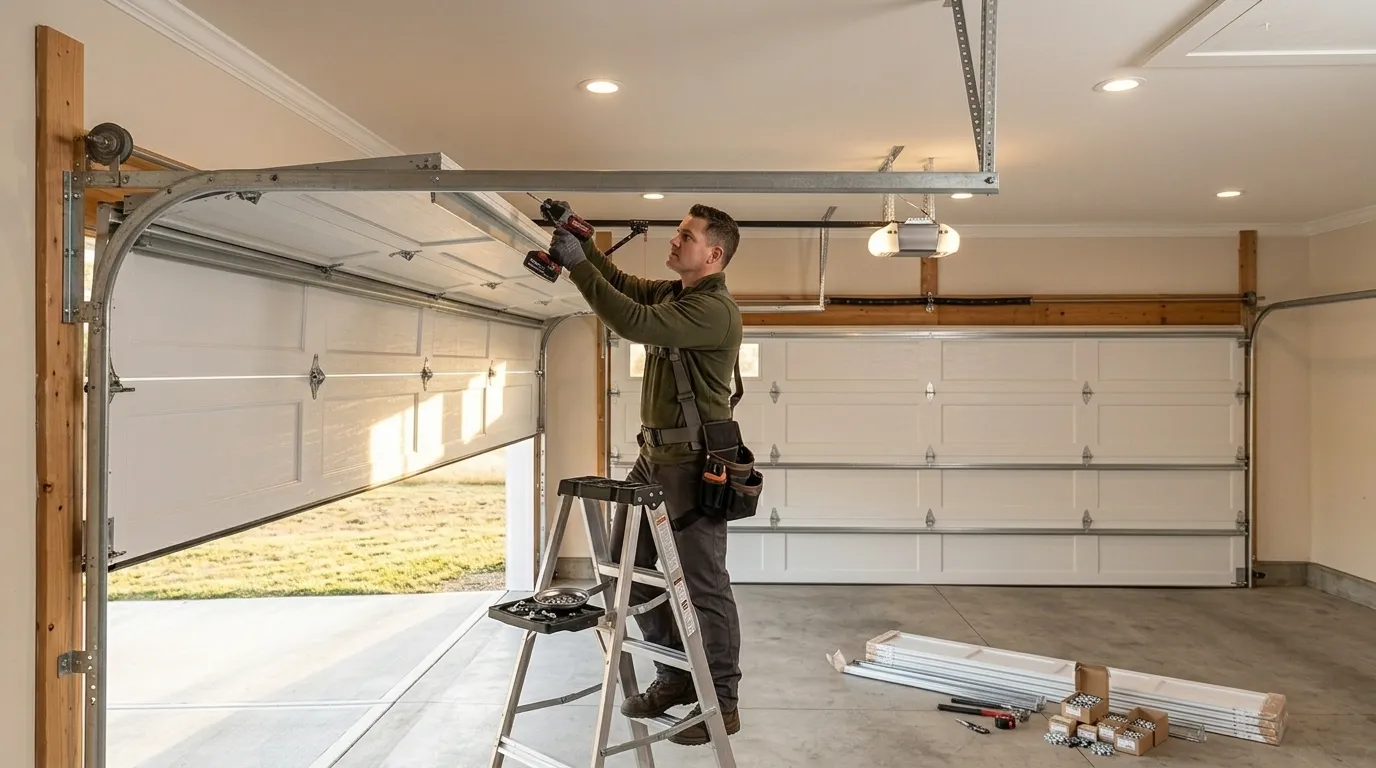
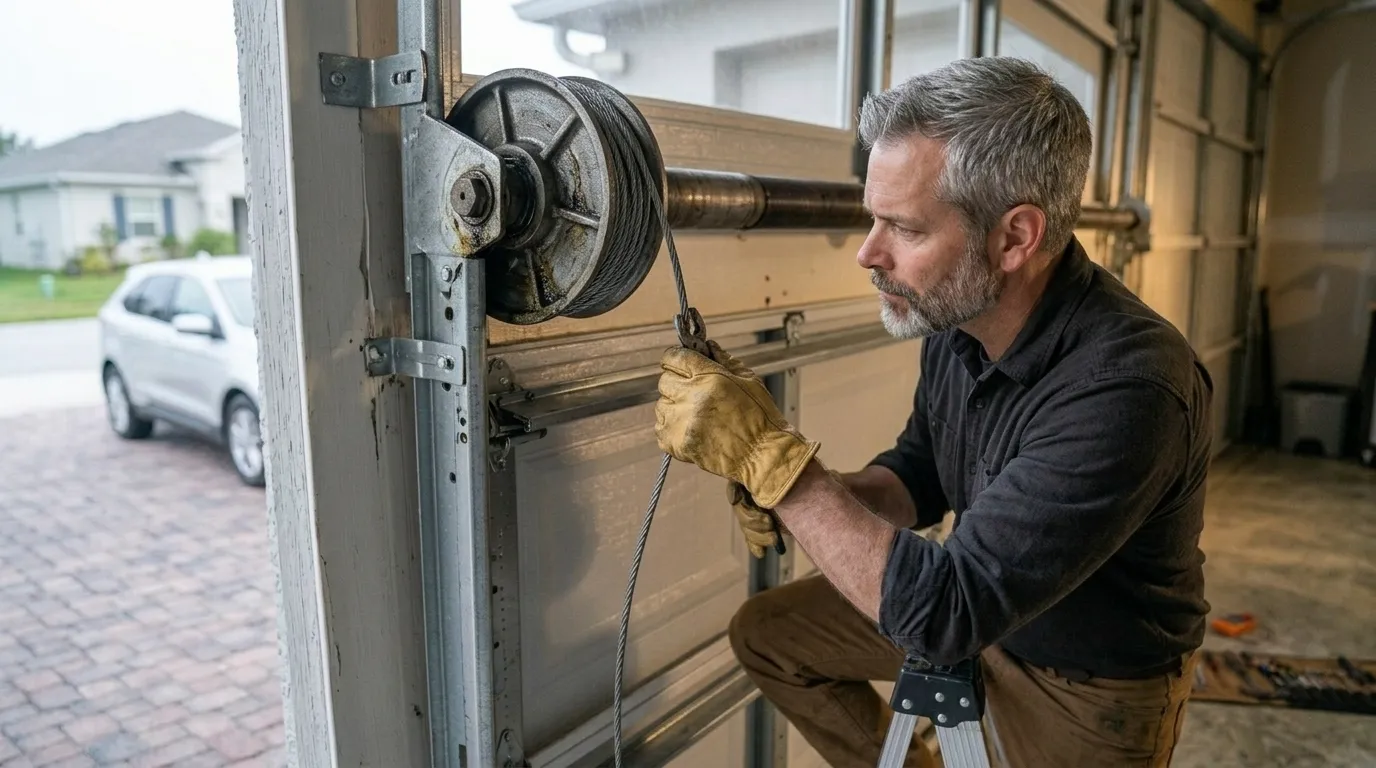
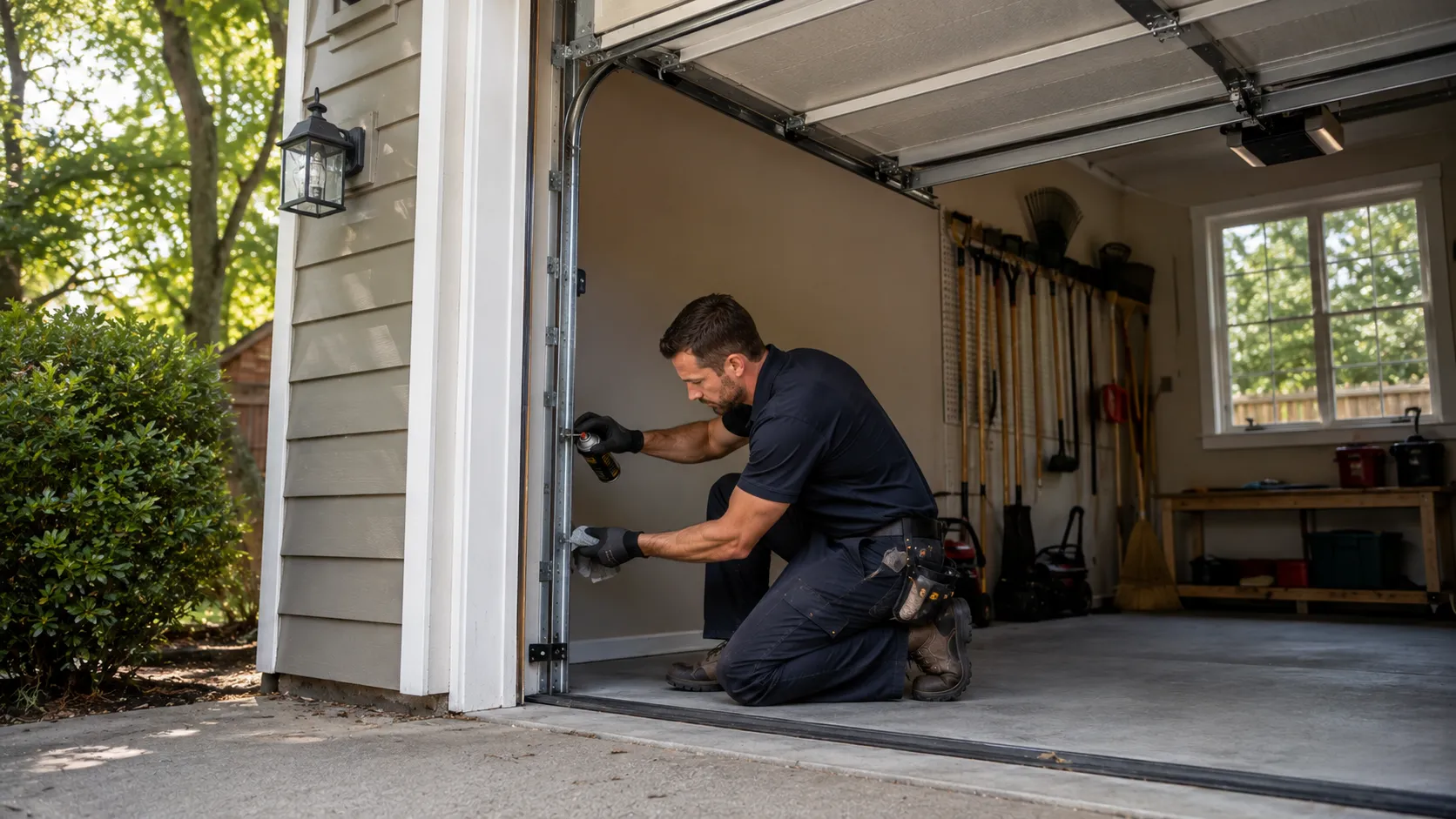
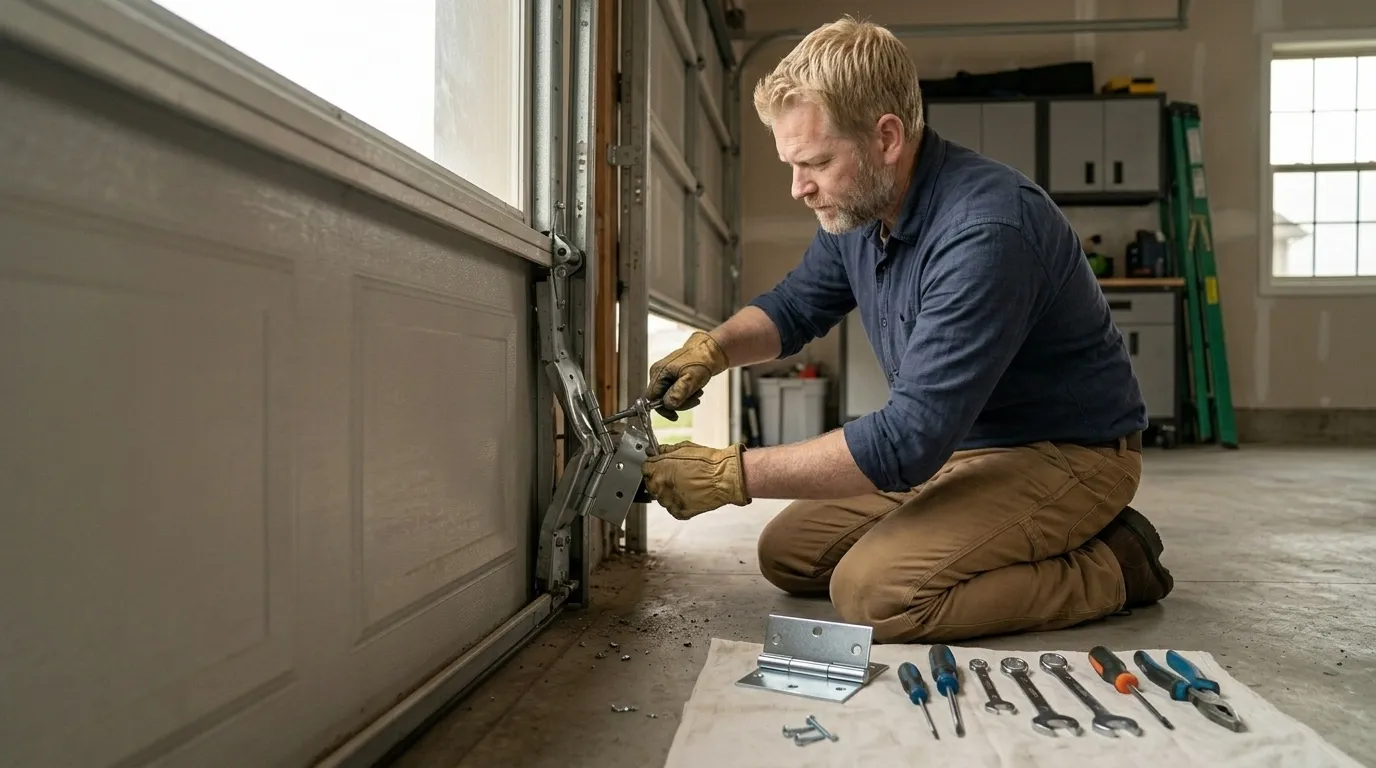
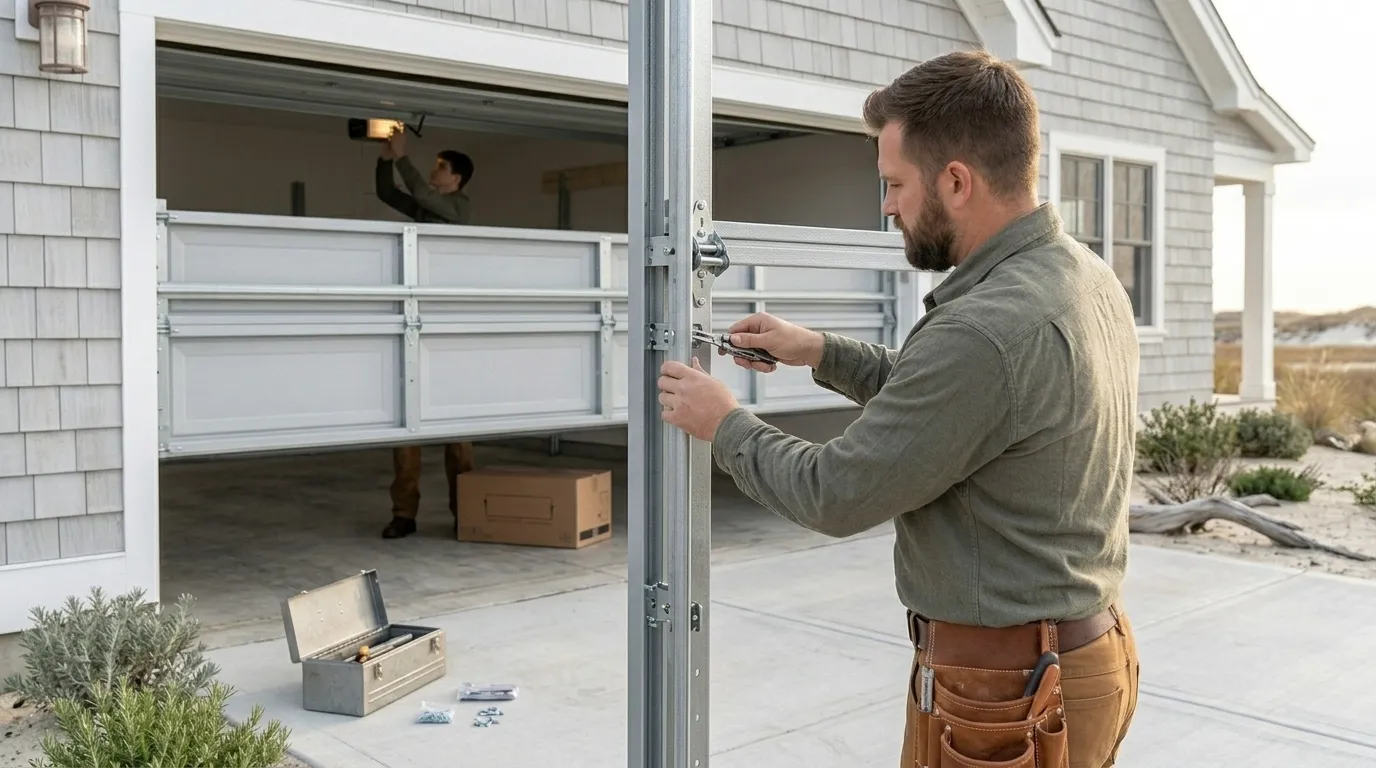
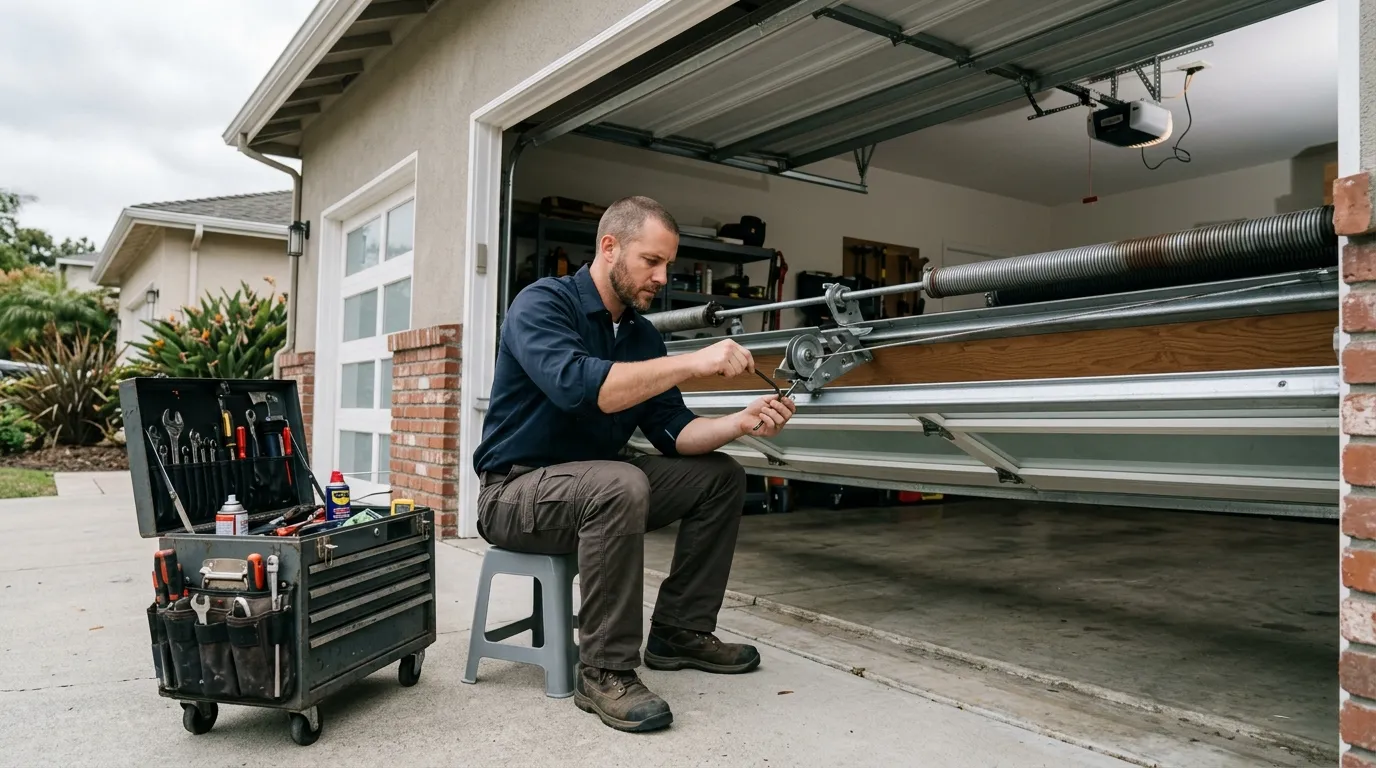
First thing we do is figure out whether the spring, the cable, or the track is actually the problem, because they present the same way to an owner - the door won't budge, or it sounds wrong going up. On a house from the 1960s or 70s stock common in Wenatchee, the torsion spring is usually the part carrying the wear, especially if nobody's touched it since the house was built.
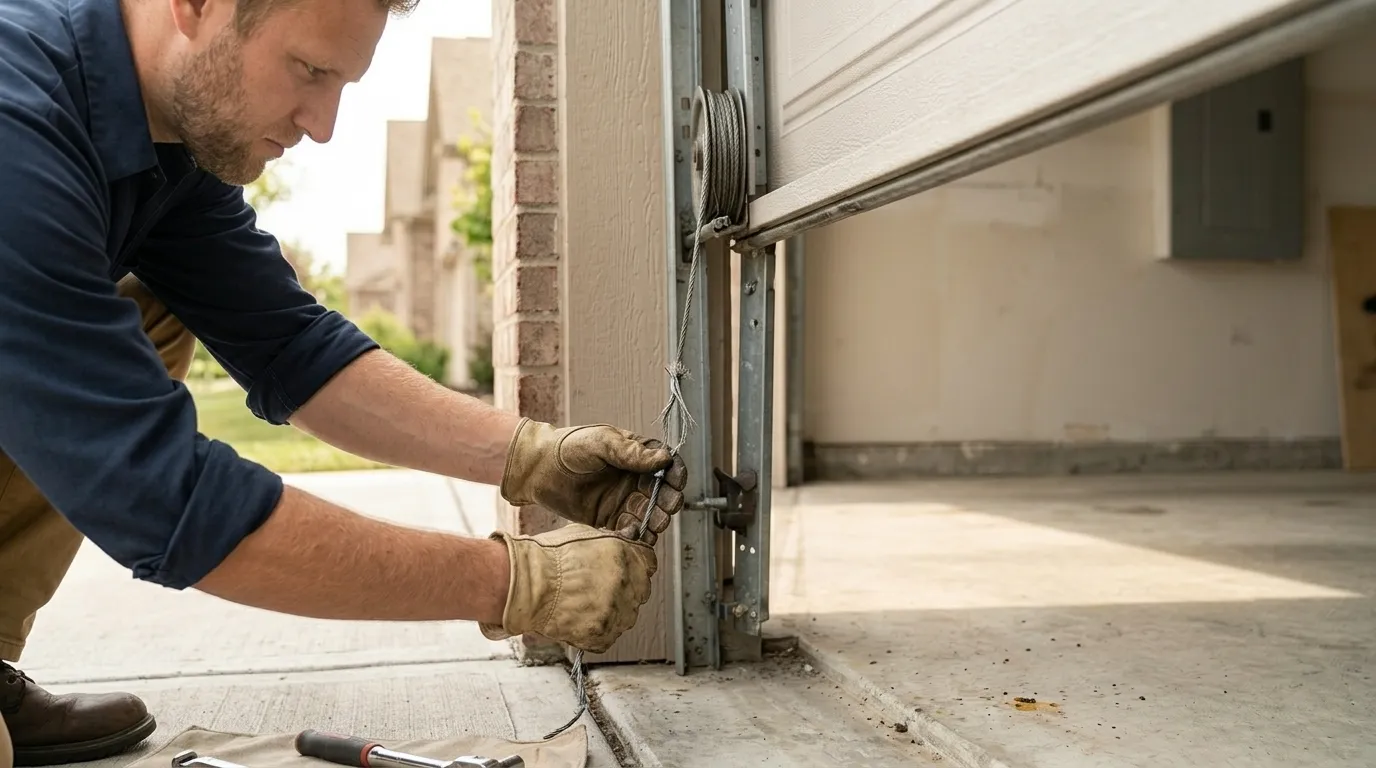
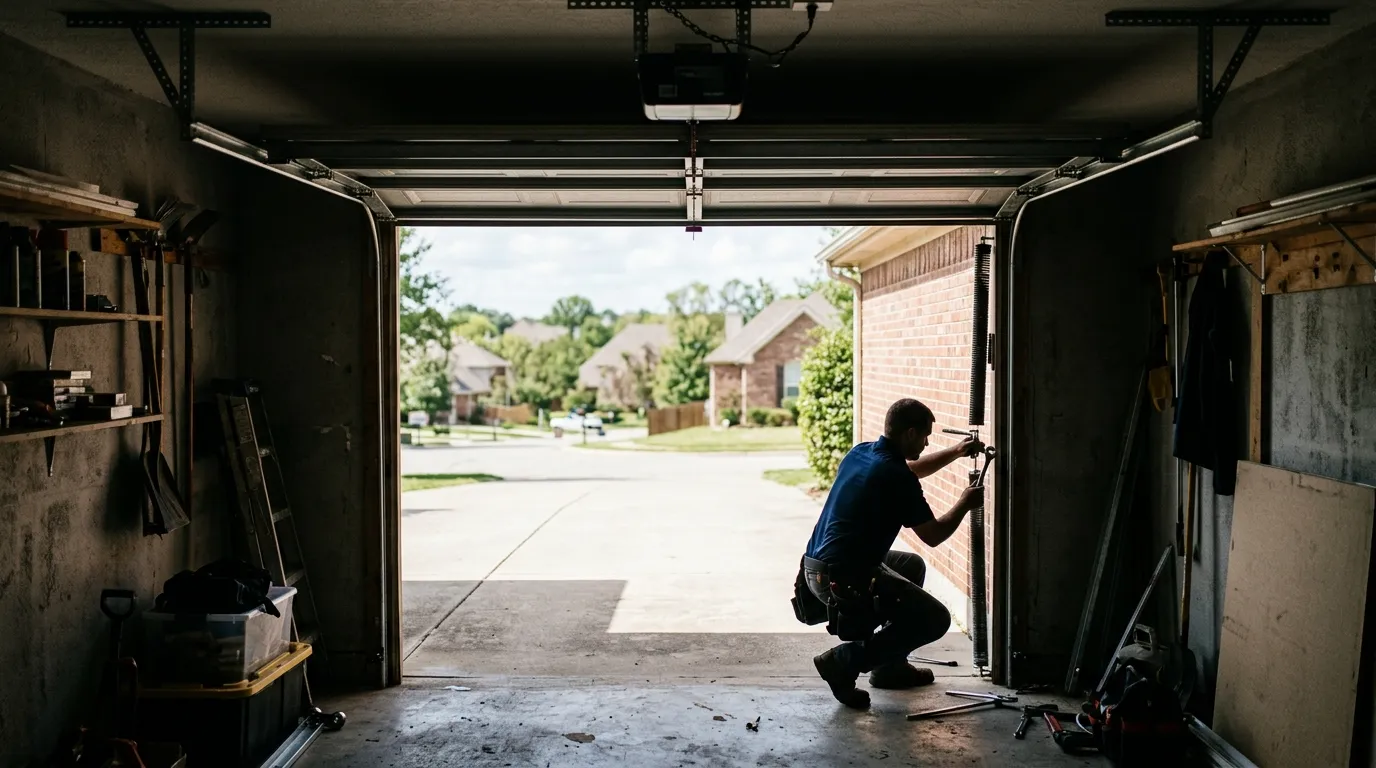
Spring replacement means matching the wire size and wind to what the door actually weighs now, not just swapping in whatever's on the shelf - a lot of doors around here have had a heavier insulated replacement panel put in at some point without the spring being resized to match. If the shaft or bearings are pitted from age, those get replaced too rather than reused, since a worn bearing will just take out the new spring early.
One honest limitation: if the track is bent badly enough, or the door itself has warped, a repair sometimes costs more than it's worth compared to a new door. We'll tell you straight if that's the case instead of patching something that'll be back in your driveway in six months.
How It Shows Up
The door slams the last foot instead of settling, or it takes two tries on the opener before it'll close - both signs the spring is losing tension, not the opener failing. A door that feels heavier than it used to when you lift it manually, with the opener disconnected, is telling you the same thing.
We cover Wenatchee and the surrounding area, including East Wenatchee about 2 miles out, South Wenatchee around 3 miles, and Sunnyslope roughly 5 miles away, plus Cashmere, Entiat, Waterville, and Leavenworth further out. Across roughly 10,166 households and around 4,894 owner-occupied houses in this service area, the pattern holds pretty consistently: older torsion hardware, a cold-weather trigger, and a door that was fine until one morning it wasn't.