How That Shows Up in the Door
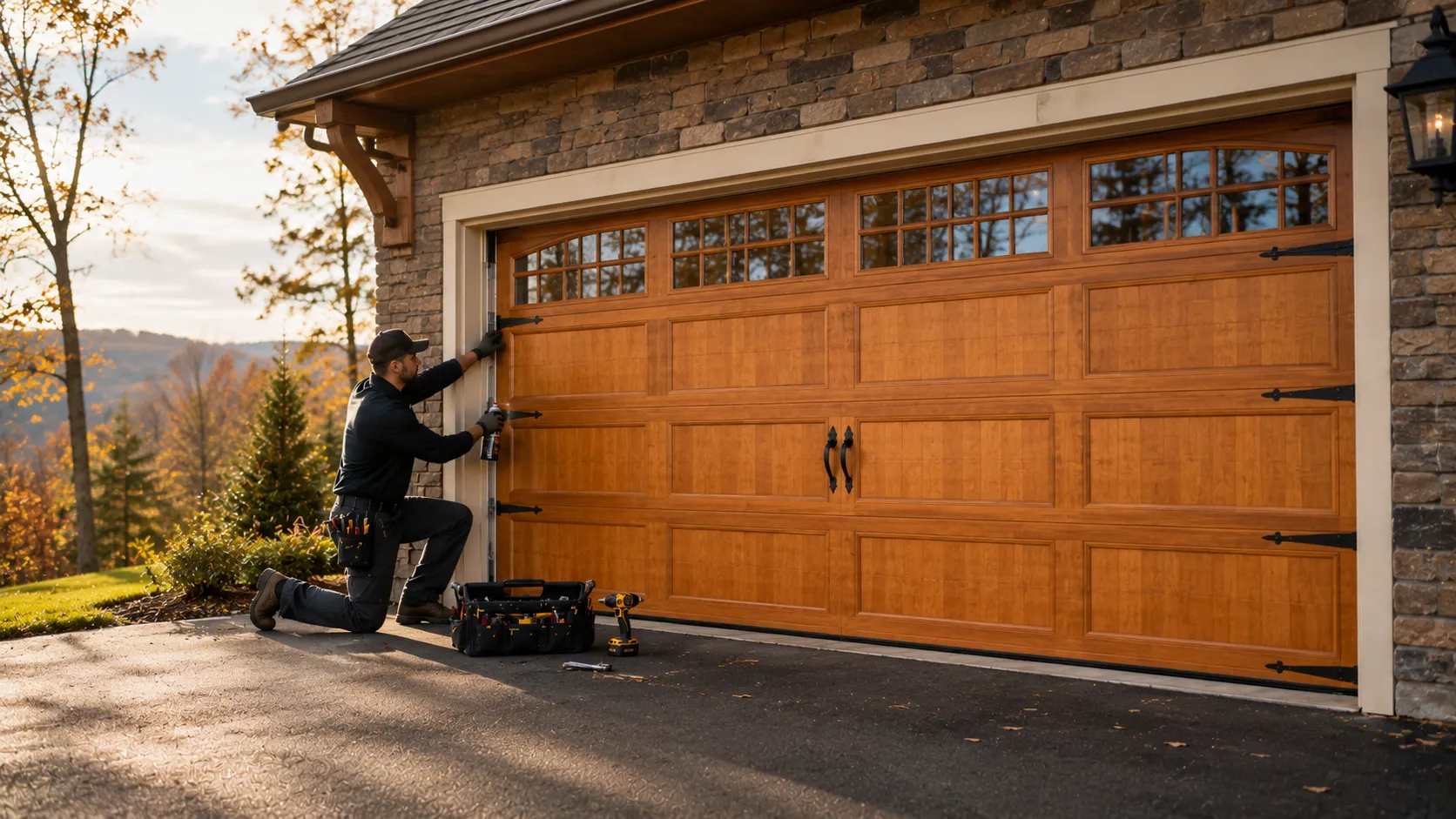
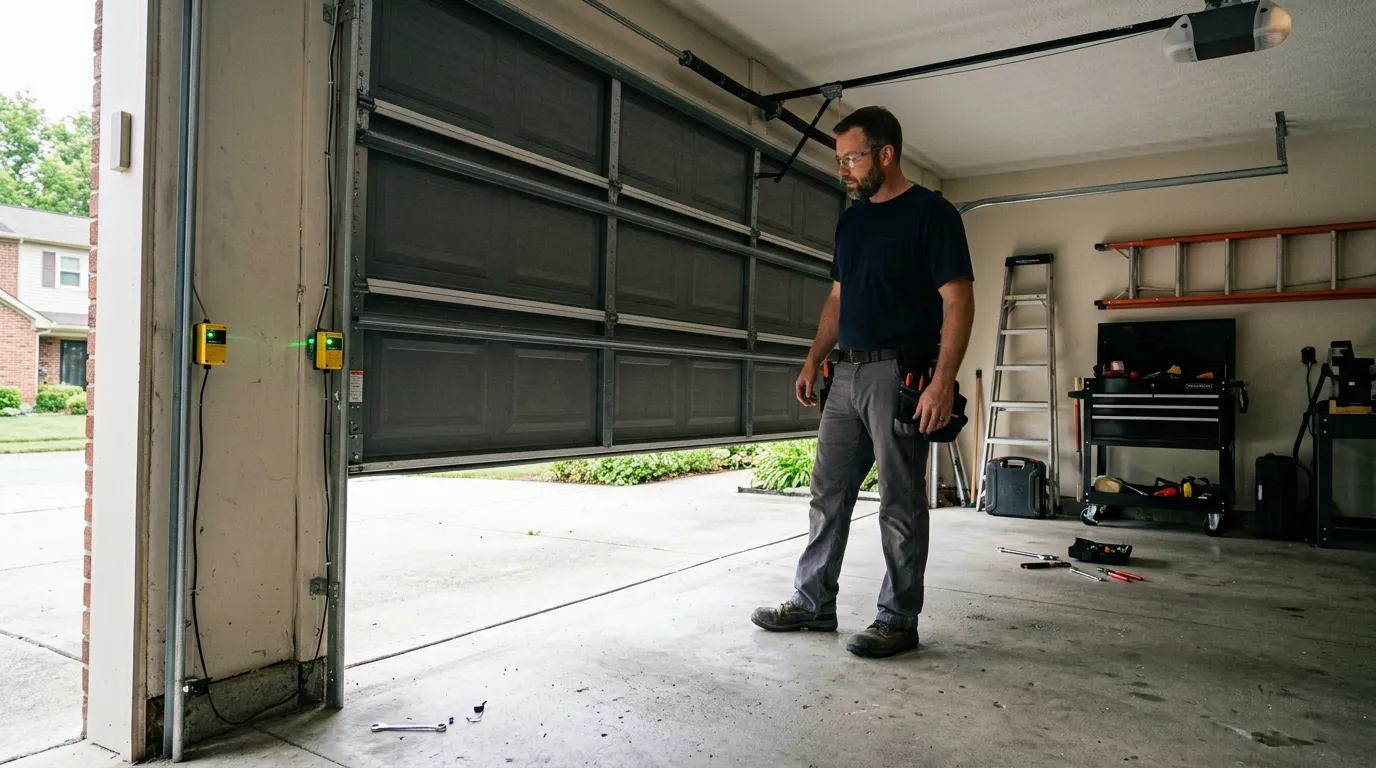
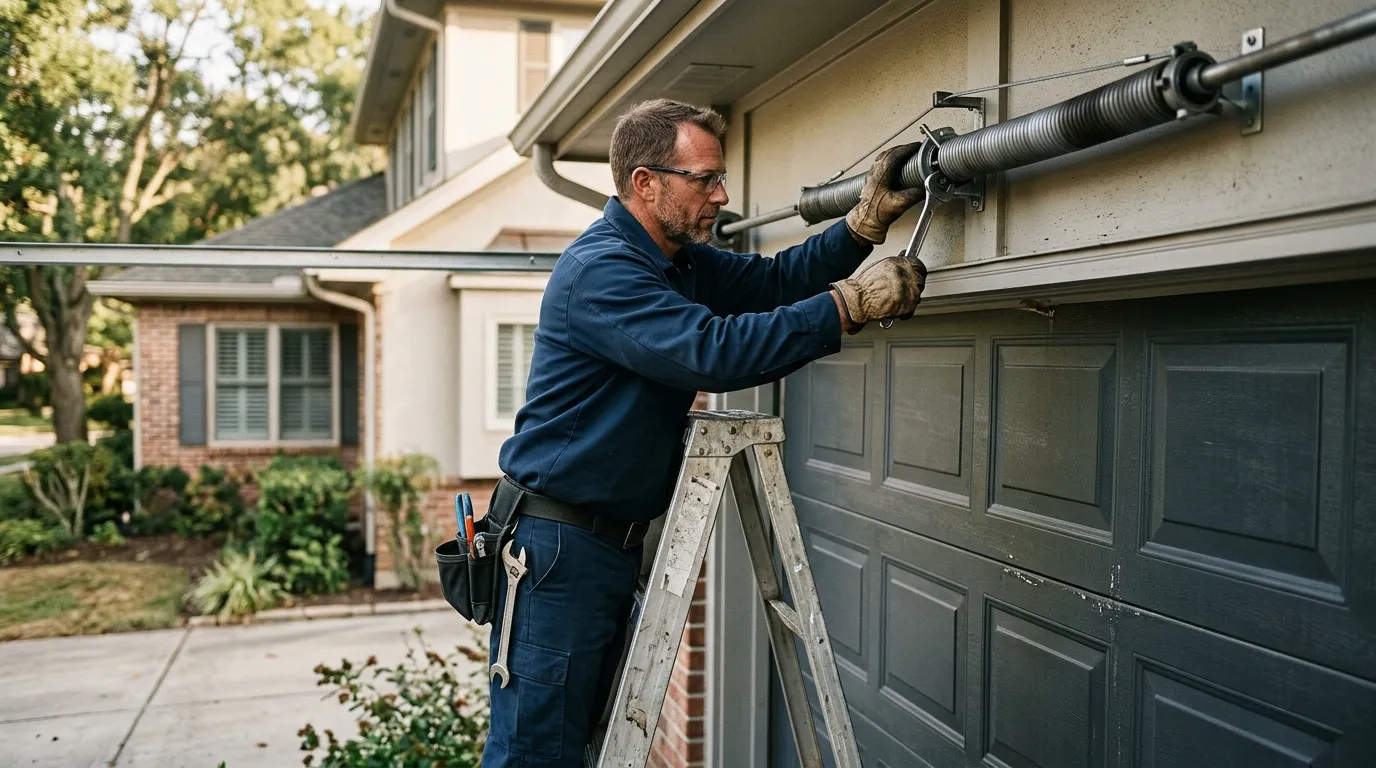
South Wenatchee's housing stock centers on 1959, which puts it ahead of the wider Wenatchee service area's median build year of 1977. That gap of nearly two decades matters more than it sounds. Doors installed on homes from this era were often built for lighter panel materials and used extension springs mounted along the horizontal tracks rather than the torsion setups that became standard later. Openers, if original, predate anything with rolling-code safety sensors. When a homeowner here calls about a door that won't reverse or a remote that stopped working years ago, it's usually because the whole assembly is original or close to it.
We also see a fair number of doors that were replaced once, sometime in the 80s or 90s, on hardware that was never upgraded to match. That mismatch - a newer door on an old track, or a new opener bolted to an old rail - is its own category of failure. It's not that the parts are bad, it's that they were never meant to work together, and eventually something binds or slips.
None of this is unique to one house. It's a pattern across a neighborhood built in a tight window, which is exactly why knowing the build year up front changes the diagnosis before a truck even leaves Wenatchee.
What Neighbours Usually Call About
The calls we get from this part of town skew toward extension springs snapping, not torsion springs - a direct result of the era these houses were built in. Extension springs stretch along the track and wear differently than the torsion springs used on newer doors, and when one goes, the door usually drops crooked on one side rather than staying level.
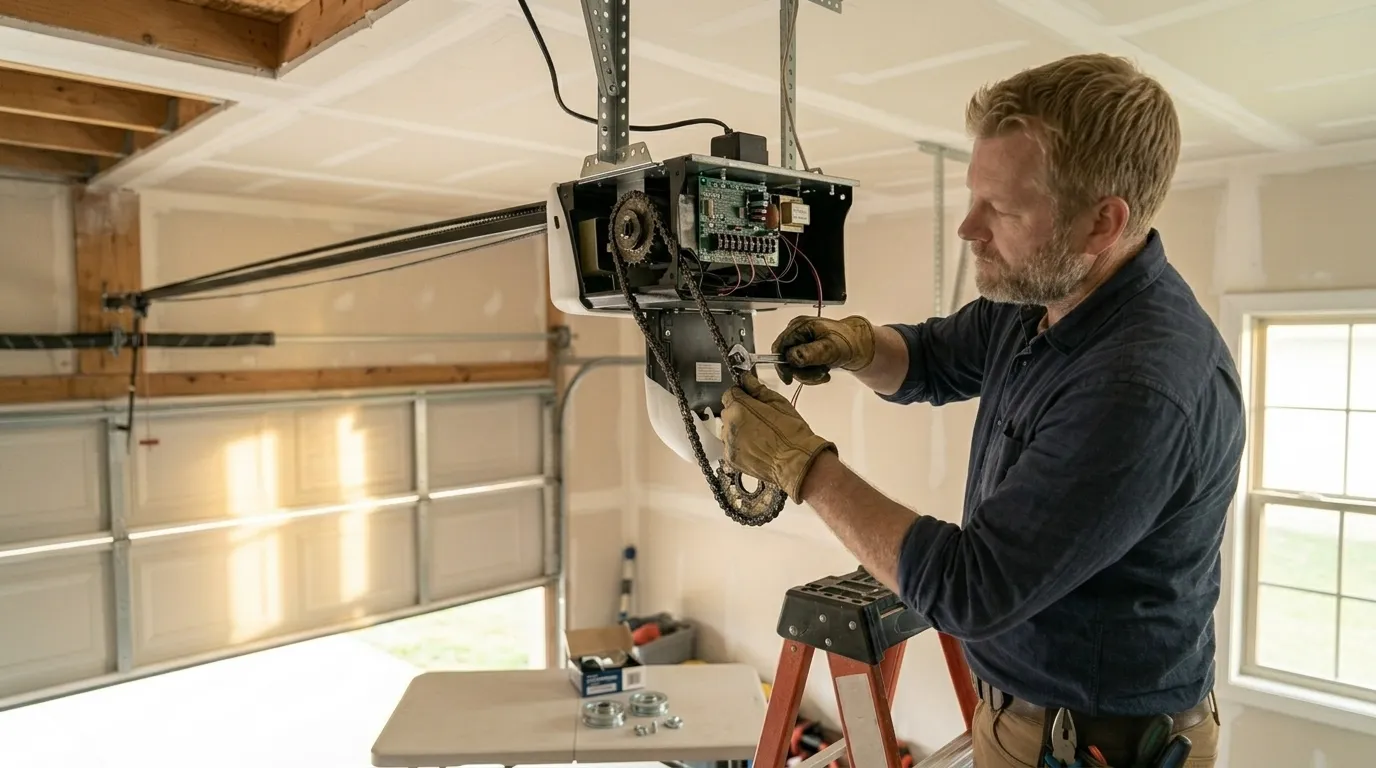
We also hear a lot about openers that grind, hesitate, or stop responding to remotes entirely. On a house built around 1959, that opener has likely been replaced at least once already, but the replacement is often a mismatch for the original track width or door weight, which shortens its life.
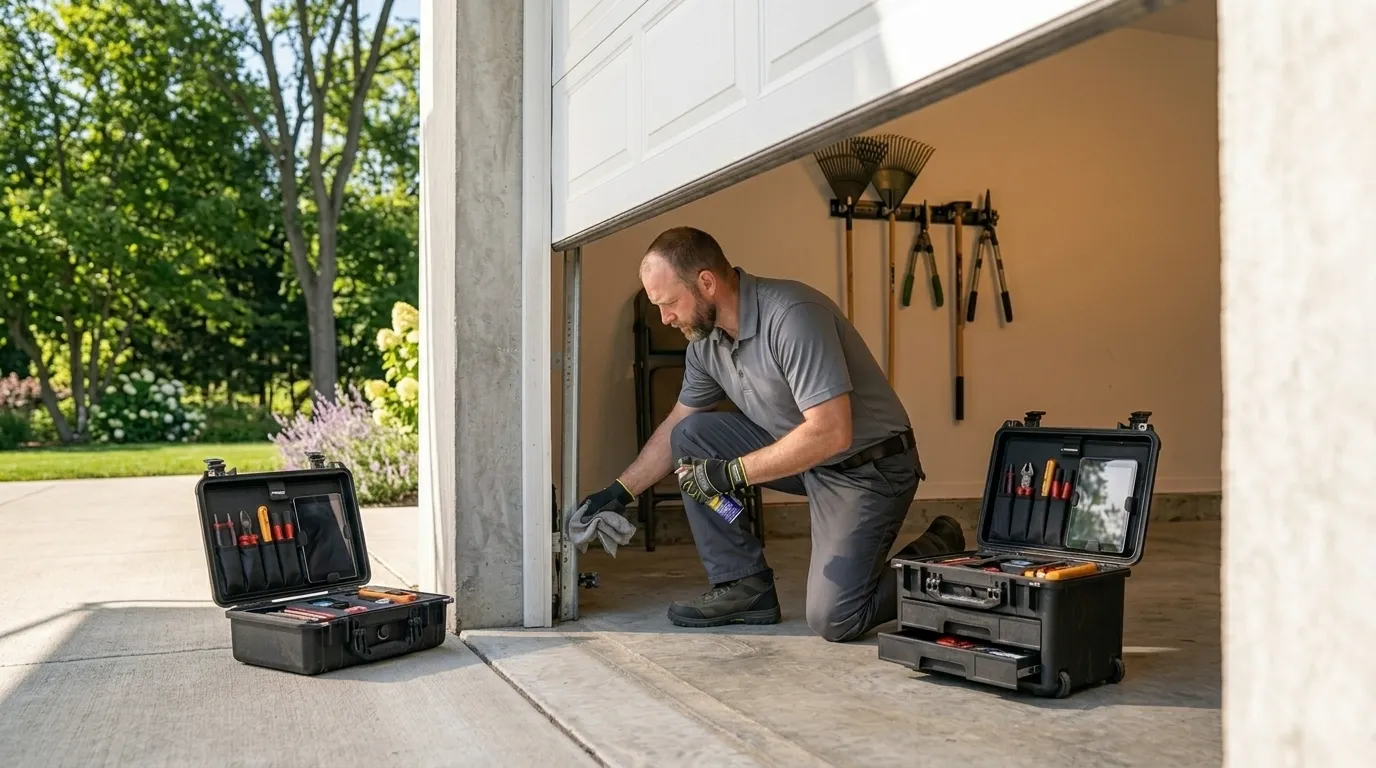
Cold-weather calls follow the same pattern you'd expect in this part of the state - moderate cold climate conditions mean grease stiffens, cables lose a little flex, and anything already worn tends to fail on the first hard freeze rather than gradually. It's rarely one dramatic thing. It's small wear compounding until a morning it just doesn't open.
This Area's Housing
South Wenatchee counts 431 households, a modest slice next to the roughly 10,166 households across the full service area. Median household income here runs $61,959, below the area-wide median of $75,854, and that gap shows up in how people approach repairs - more requests for a fix that extends a door's life a few more years, fewer for a full teardown-and-replace unless the door has genuinely failed.
With a median build year of 1959, this pocket sits well ahead of the broader stock, which mostly dates to the 1960s and 70s across the seven named areas Wenatchee Garage Door Pros covers. That earlier build year is the single biggest reason hardware here doesn't match what we see three miles away in newer sections of town. It's worth knowing before a quote gets written, because the right fix on a 1959 door isn't always the same fix that works two decades newer.