When to Call Someone
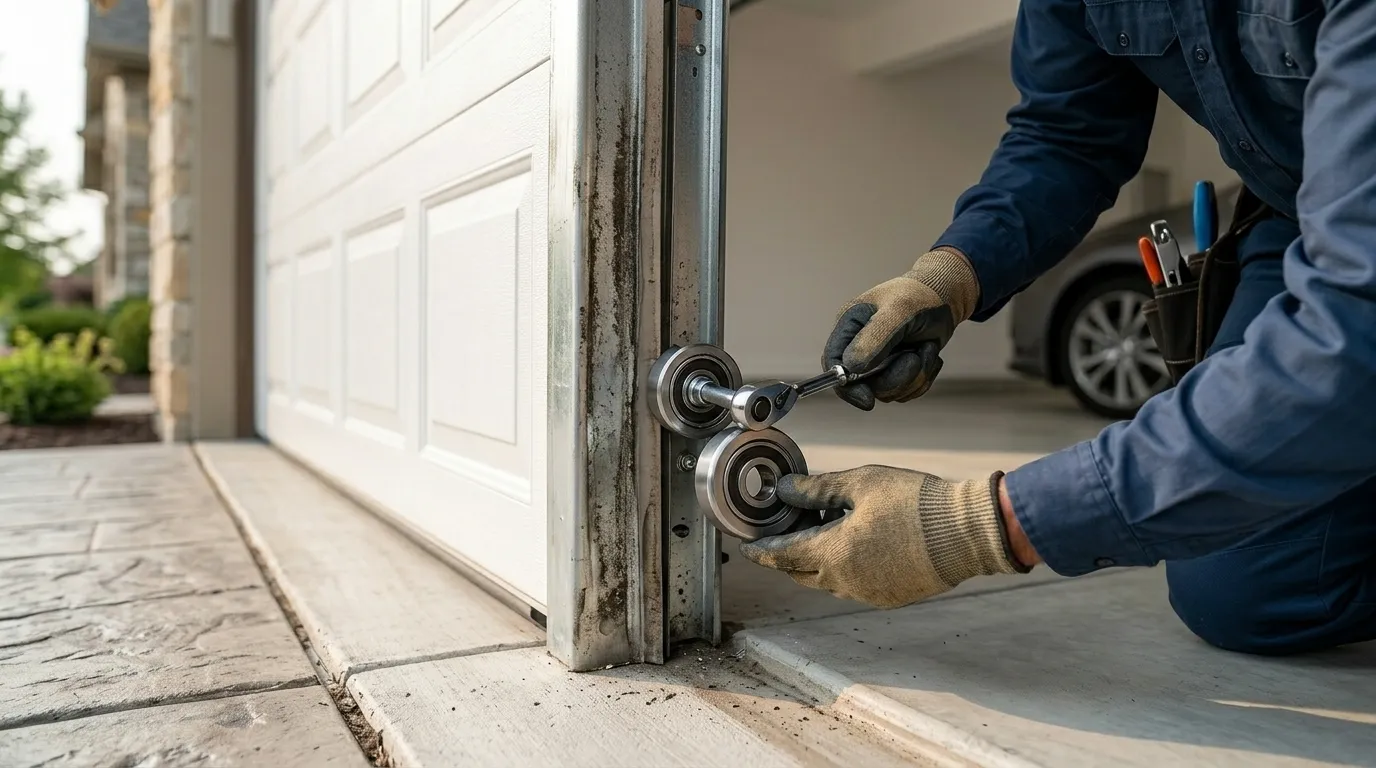
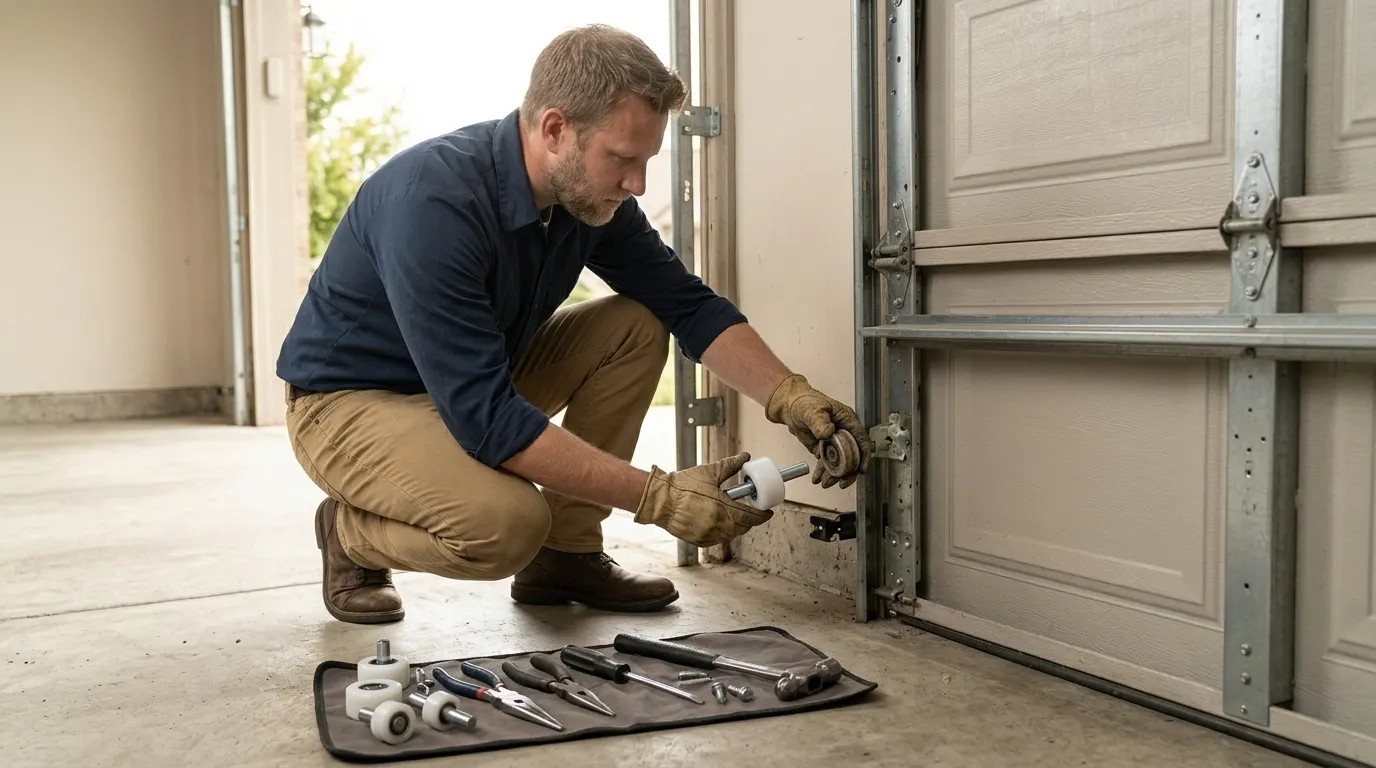
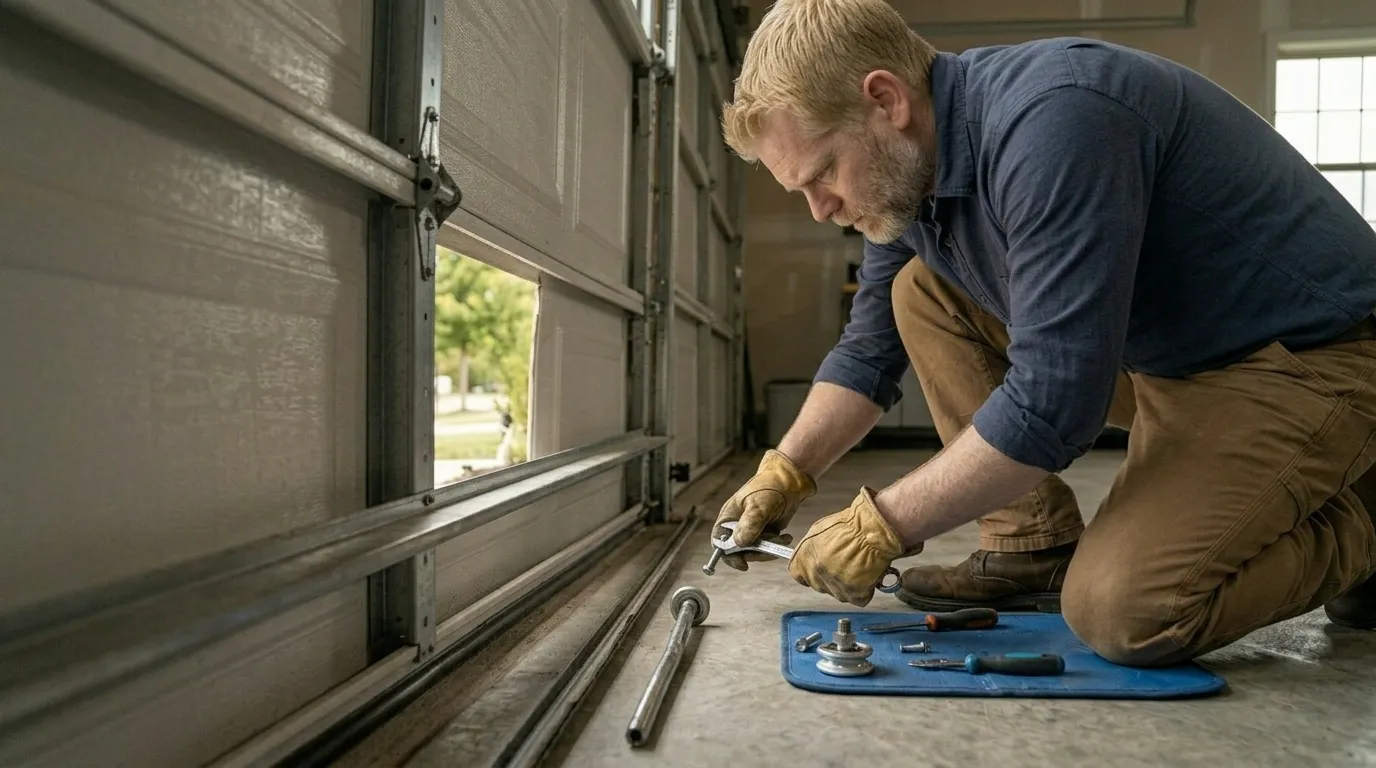
If your garage door groans, sags on one side, or the opener strains and reverses before it closes, that's not a lubrication problem - call someone. Homes across the Wenatchee area were mostly built between 1944 and 1993, with the median landing around 1977, which means a lot of the torsion springs and cable drums still in service are original or close to it. A spring rated for a certain number of open-close cycles doesn't fail gracefully; it goes quiet for years and then breaks on a random Tuesday, sometimes taking a cable with it. If you hear a bang from the garage, or the door drops fast partway down, stop using it and call. Don't try to force it open by hand - a broken torsion spring under tension is the single most common way people get hurt working on garage doors themselves. We also get calls for doors that still open fine but sound rougher every month; that's usually rollers or bearings wearing out under the same age pressure. One honest note: if the opener is original to a 1970s install and the logic board is failing, we're not chasing a part number that hasn't been made in decades - at that point replacement is the call, not a repair quote.
What Is Going On
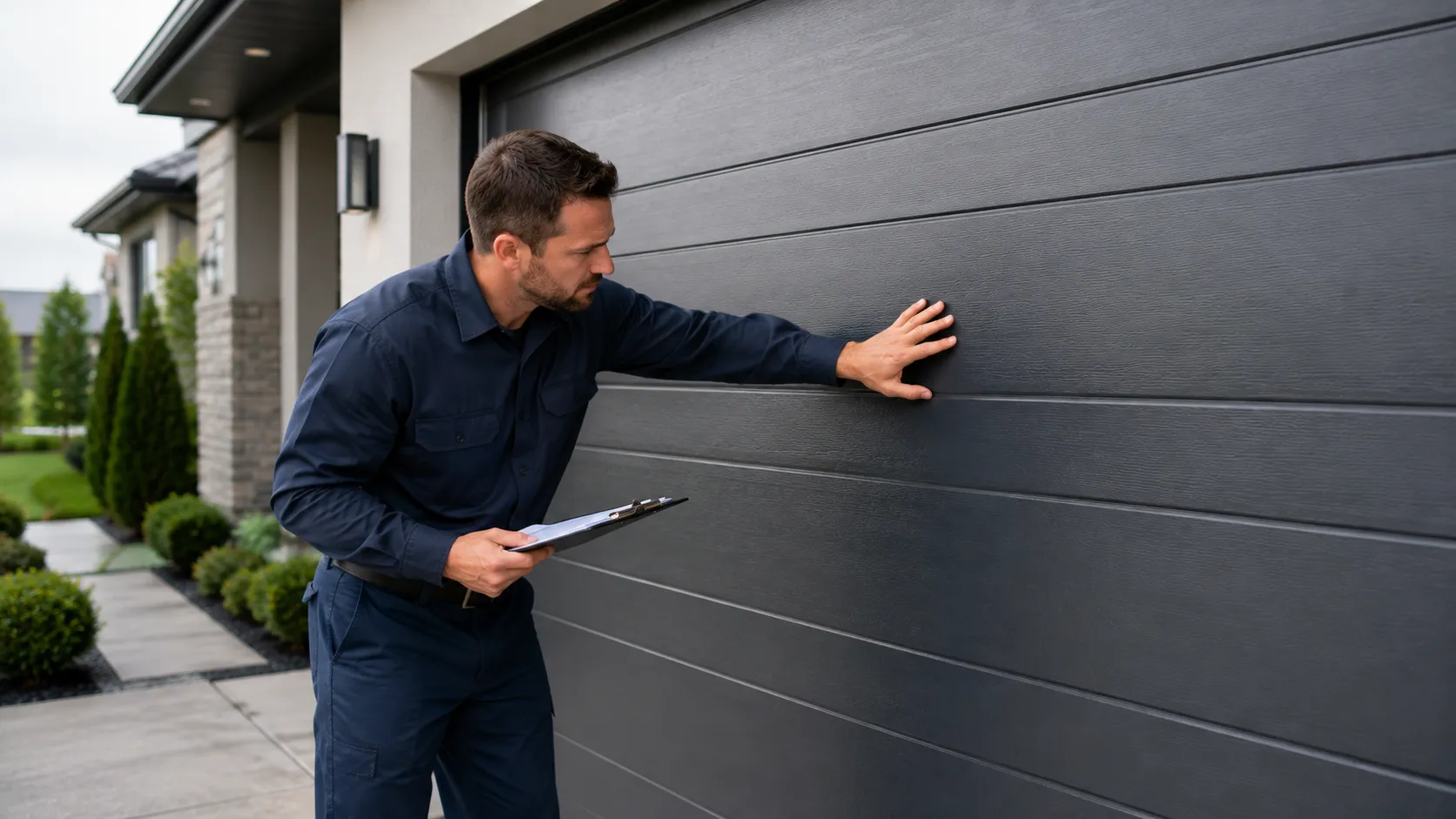
Most of the housing stock in this area - across East Wenatchee, South Wenatchee, Sunnyslope, Cashmere, Entiat, Waterville, and Leavenworth as much as in Wenatchee proper - dates to the 1960s and 70s. Garage doors and openers installed during that build-out are now well past the design life most manufacturers rate their springs and hardware for. Galvanized torsion springs from that era typically weren't rated for the cycle counts modern springs are, and after forty or fifty winters of expansion and contraction, the coil fatigues even if it never looked rusted. Wood panel doors common to that period also swell and shrink with moisture and cold, which loosens hinge screws and throws the door out of square over time - you'll notice it as a door that binds on one side of the track but not the other. Steel doors from the same period usually have thinner gauge panels than what's sold now, so dents don't pop back out and a bent panel edge tends to bind the rollers instead of just looking bad. None of this means every older door needs to go. It means the failure you're looking at usually has an age-and-material explanation, not a mystery one, and that explanation is what decides whether a repair is worth doing or whether you're throwing a new cable at a door that's on its way out anyway.
How Local Conditions Play In
This area sits in a cold, moderate climate band, and that matters more for garage doors than people expect. Steel contracts in cold weather, which tightens tolerances on tracks and rollers that were already worn from decades of use - a door that runs fine in August can start binding or grinding in January on the same worn roller. Lubricant thickens in cold temperatures too, so a roller that was quietly under-lubricated all summer suddenly sounds a lot worse the first cold snap. Across the roughly 4,894 owner-occupied houses in this service area, most built in that same 1944-to-1993 window, we see this pattern repeat: the door was fine until the seasonal temperature swing found the weak point. Openers suffer a version of the same thing - older chain-drive units built before more recent cold-weather-rated components can get sluggish extending or retracting in the cold, which reads to homeowners as a dying opener when it's really a strained one. None of this is unique to any one street or neighborhood; it's a function of when the house was built and what the winters here do to that specific vintage of hardware. If your door started acting up right after the first hard freeze, that timing is a clue, not a coincidence.