When to Call Someone
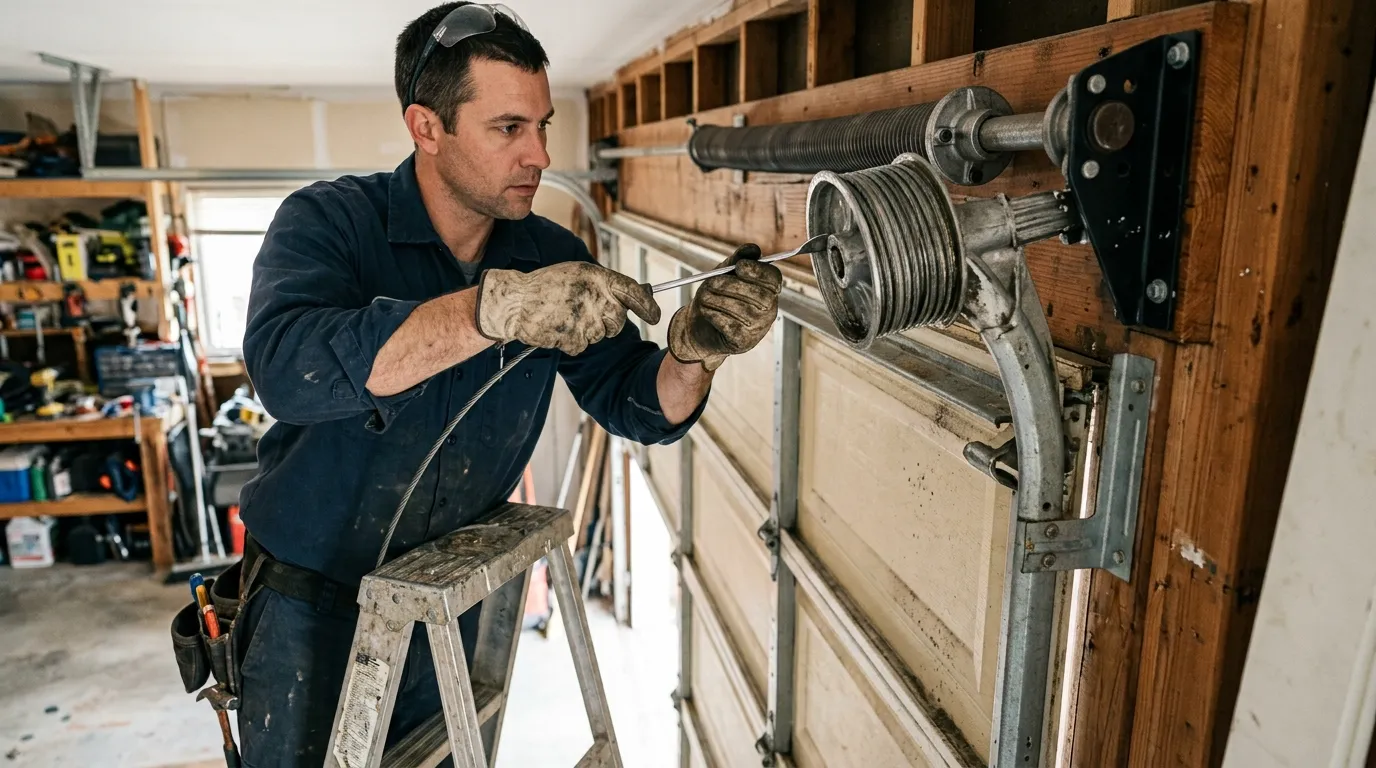
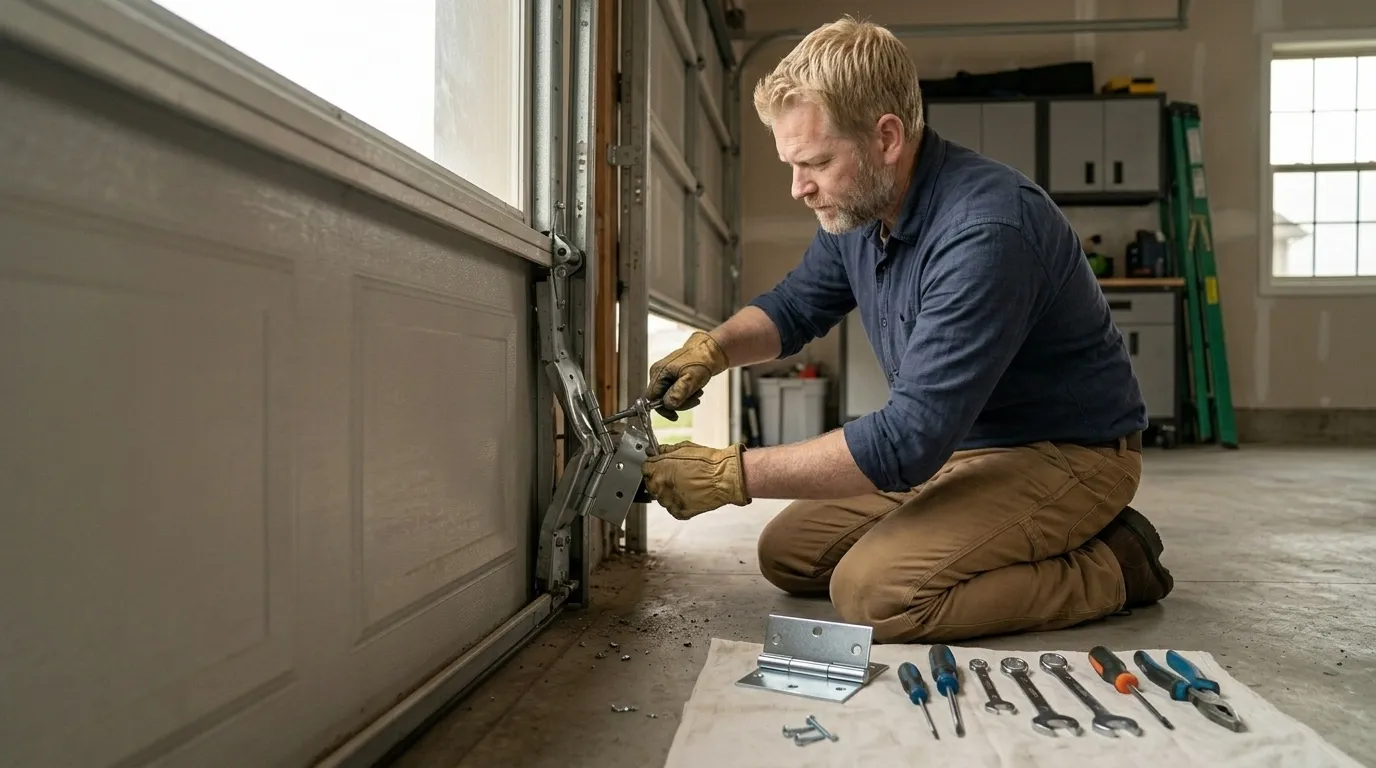
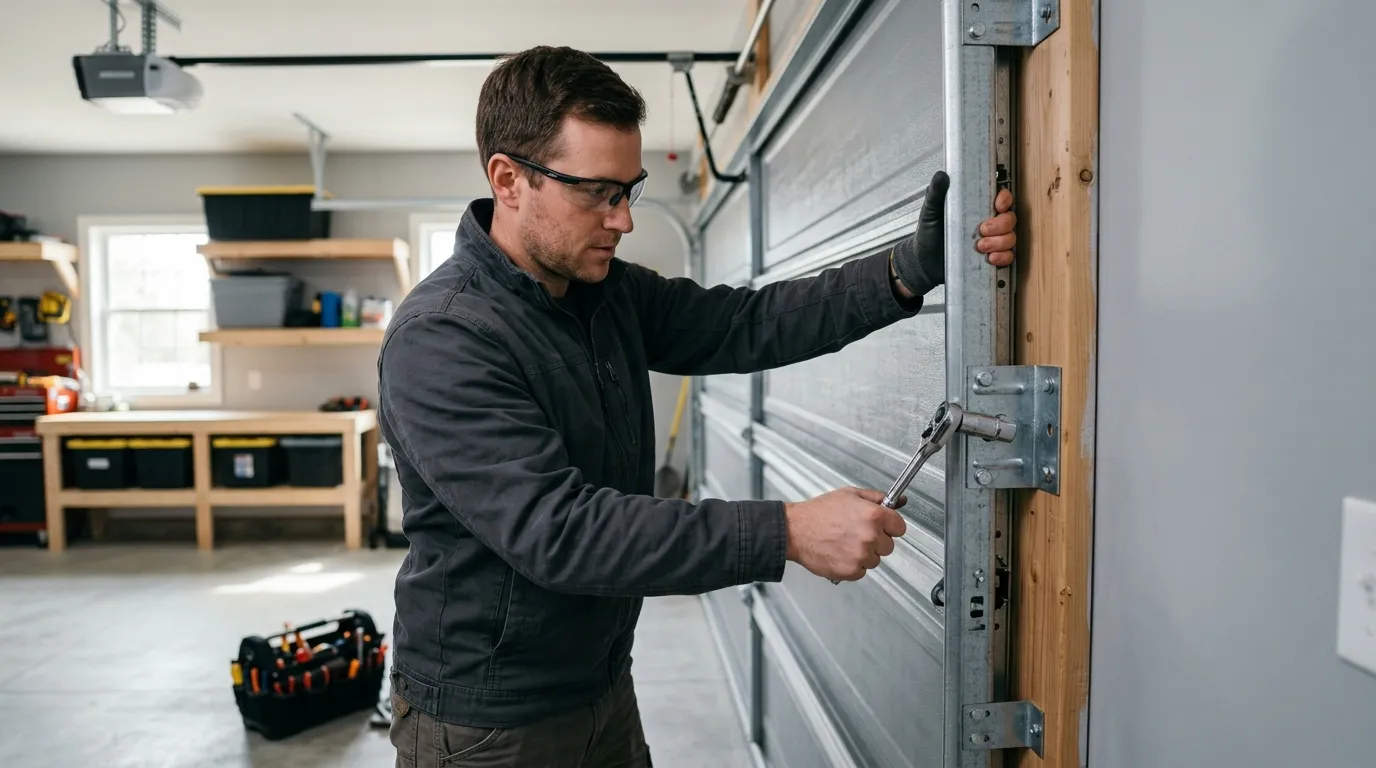
If the power comes back on and your opener won't respond at all - no light, no hum, nothing - that's usually past what you should try to fix yourself. Most of the houses in this part of Wenatchee went up between 1944 and 1993, with the bulk of that stock built in the 1960s and 70s, and a lot of those garages are still running the opener that came with the house or the one that replaced it decades ago. Those units don't have the diagnostic lights newer models do, so a dead opener after an outage could be the circuit, the opener's control board, or the wall switch, and there's no way to tell from the driveway. Call someone if the opener runs but the door won't move, if you smell anything burning near the unit, or if the motor hums but the door doesn't budge - that last one is often a capacitor or a stripped gear, not a wiring problem, and running it repeatedly can wreck the motor. If you've already pulled the manual release and the door still won't move by hand, stop there. That's a spring or track problem, not a power problem, and it needs a second set of hands.
What Is Going On
A power cut itself rarely breaks anything in the opener. What it does is knock out the memory on units built before rolling codes and battery backup were standard - which describes a good share of openers still in service on houses from that 1944-1993 window. When the power drops and comes back, the remote programming can wipe, the wall control can go dark, and on some older chain-drive units the travel limits reset on their own, so the door stops short or reverses before it hits the floor. None of that means the opener is dying. It usually means it needs to be reprogrammed the same way it was the day it was installed. The other common scenario: the outage trips a breaker rather than just cutting power, and the opener outlet on that circuit doesn't come back until you reset the panel. If your opener has a battery backup unit built in, it may have kept running through the outage but is now sitting on a drained battery - those don't recharge instantly, and the door may run slower than normal for the next day or two while it tops off.
How Local Conditions Play In
Wenatchee sits in a cold, moderate climate band, and that matters more for openers than people expect. Cold doesn't just make metal parts stiff - it thickens the grease on an older chain or belt drive, which makes the motor work harder every time it starts, and that extra draw is exactly what pushes a marginal circuit or an aging capacitor past its limit during an outage or a cold-morning restart. A median household income of $75,854 across this area means a lot of owners are running the opener that came with the house rather than a newer smart unit with its own battery backup, so when the grid blinks, that older motor takes the full hit with no buffer. Across the roughly 10,166 households in the service area, about 4,894 are owner-occupied houses, and a large share sit in that same 1960s-70s build window - East Wenatchee two miles off, South Wenatchee three, Sunnyslope five, all built out in that era. If your opener is original to a house that age, a cold-weather power cut is often the thing that finally shows its age.