How That Shows Up in the Door
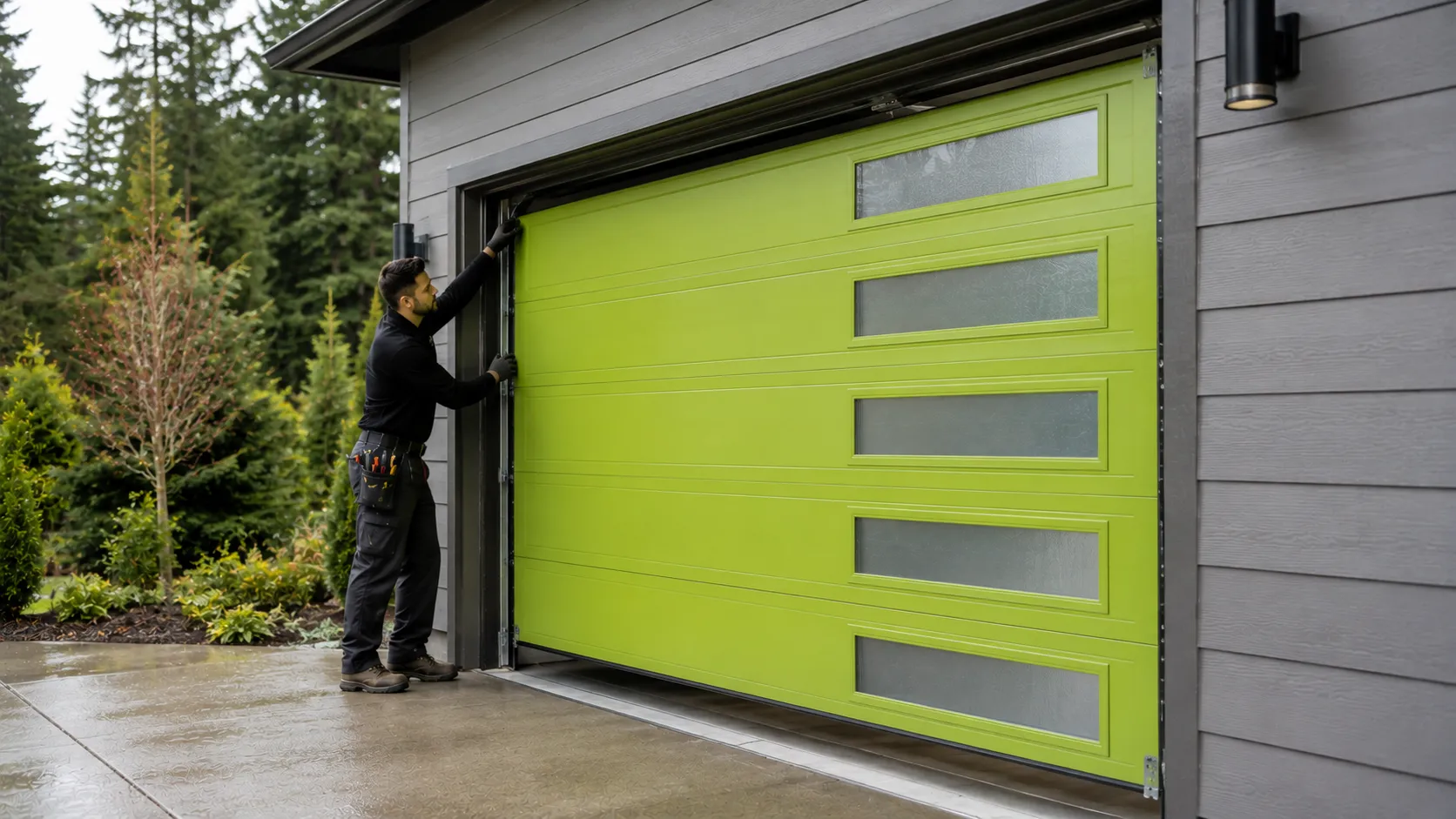
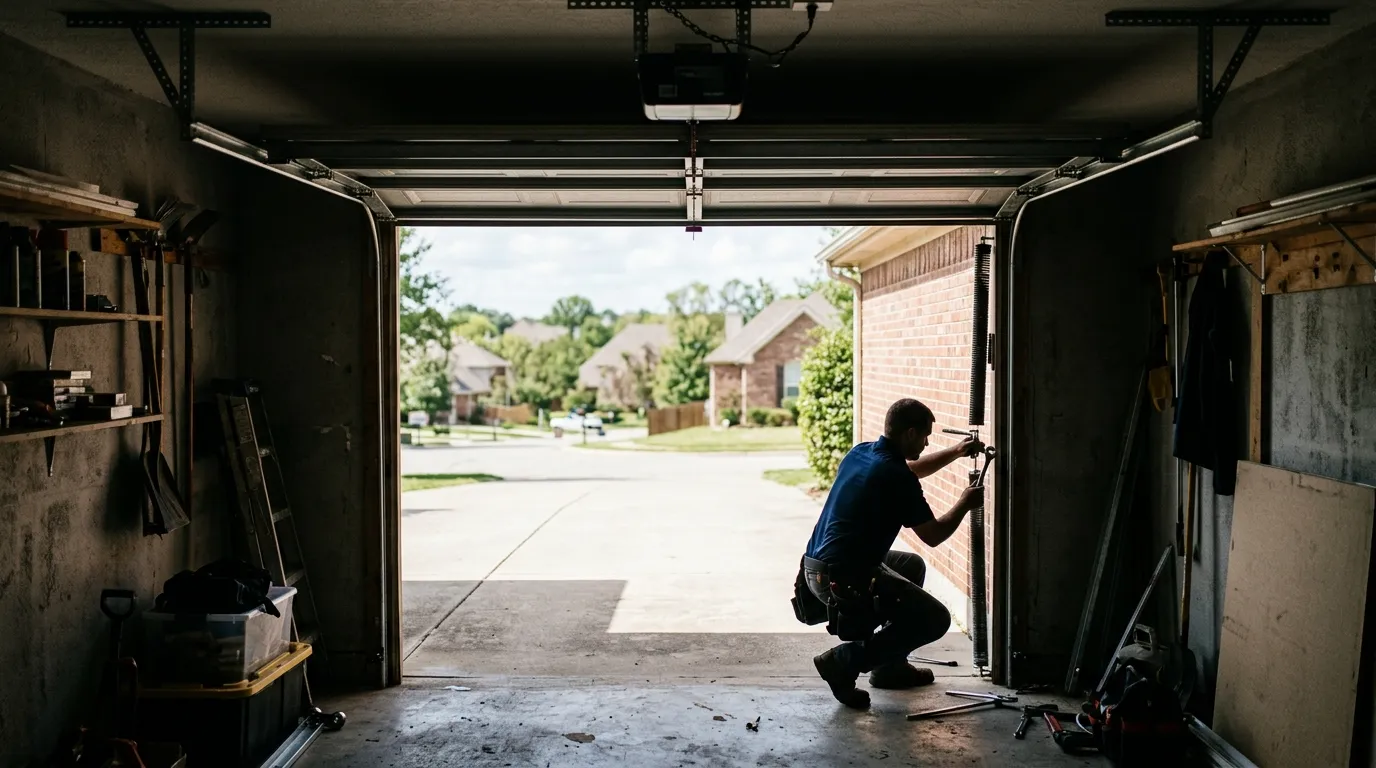
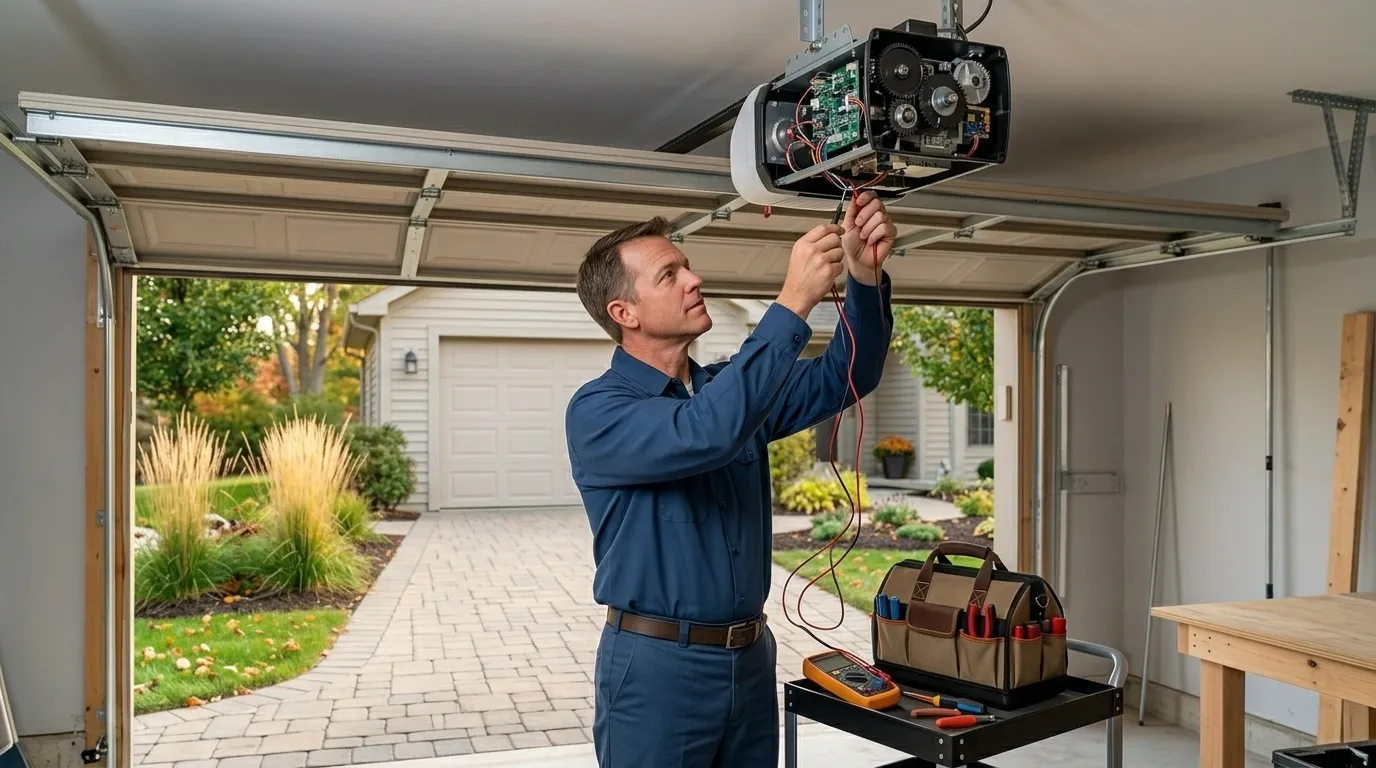
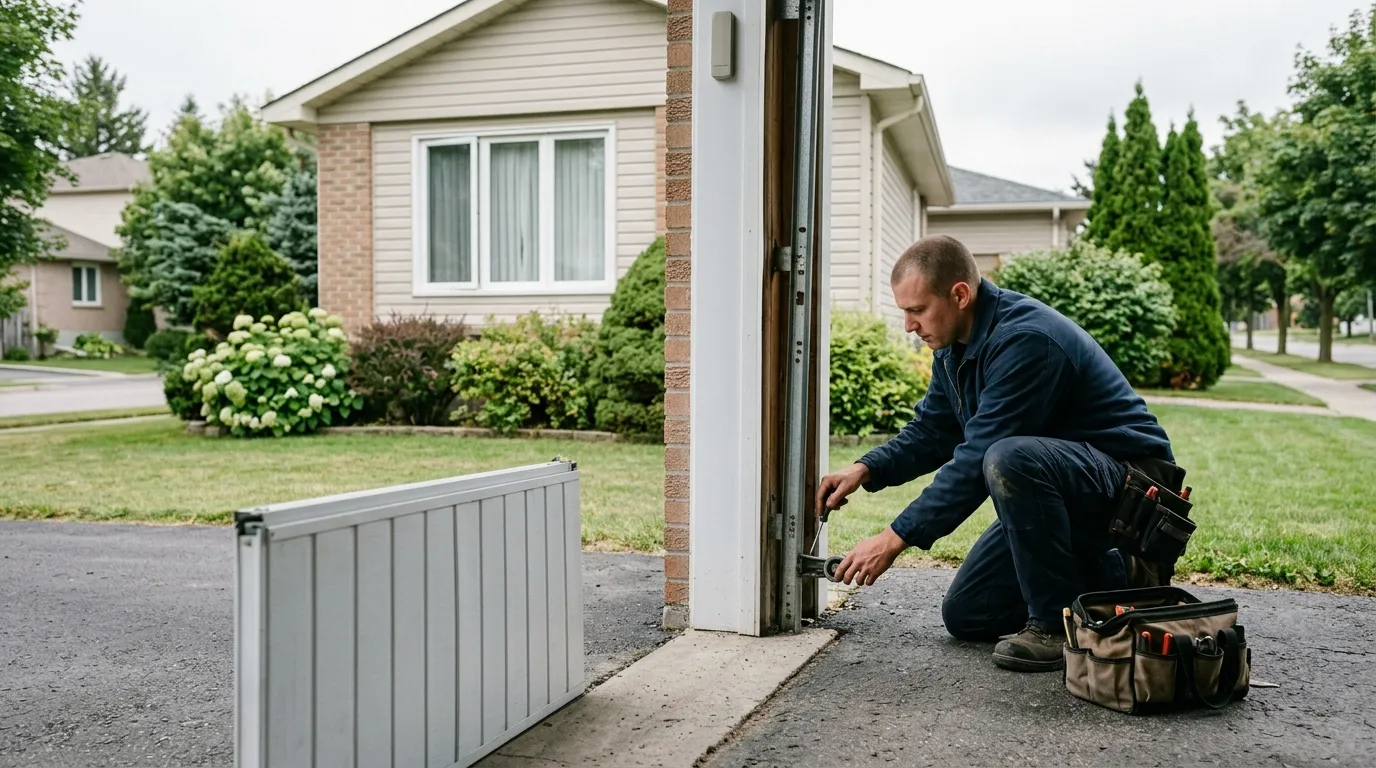
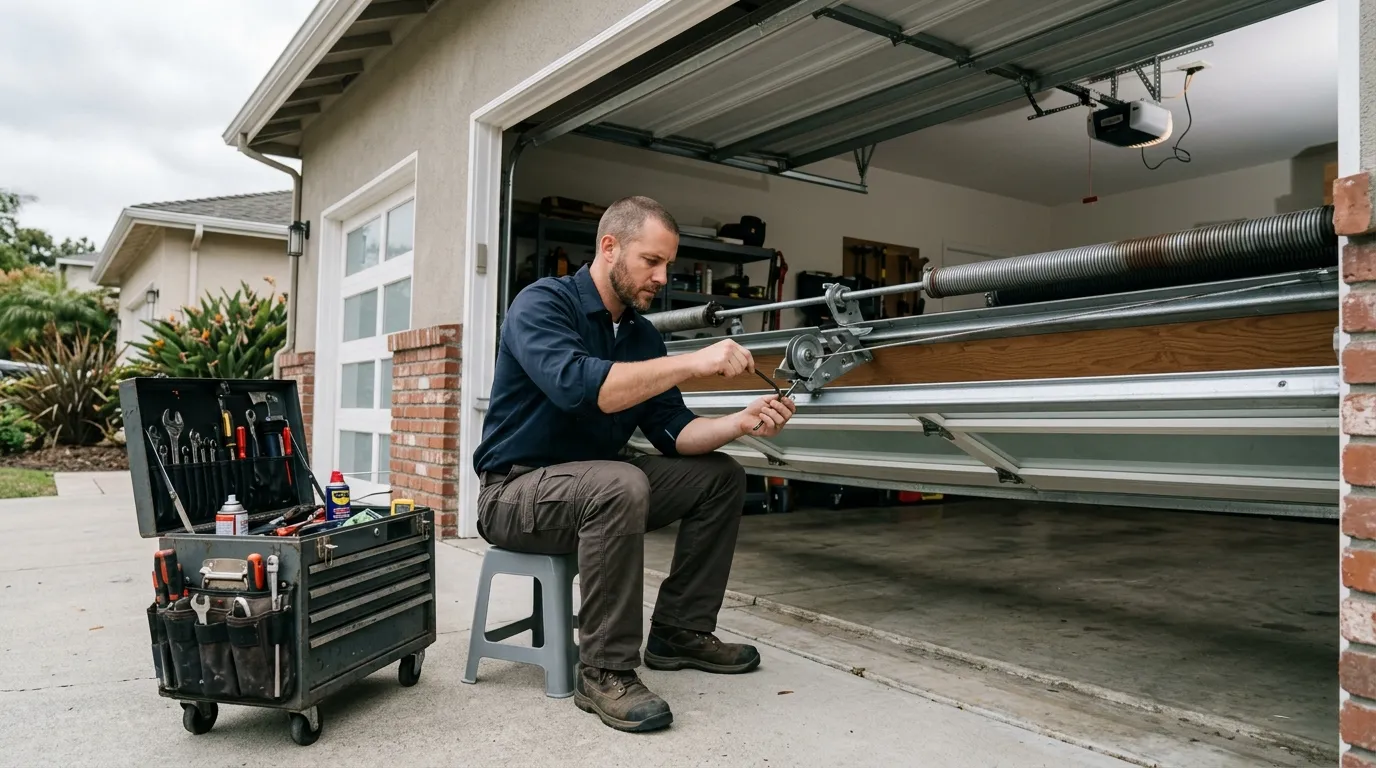
Waterville's homes skew older than most of the towns we cover. The typical house here dates to around 1944, a good three decades before the median build year across the wider Wenatchee service area. That gap matters more than it sounds like it should. A door installed in the 1940s or 50s was often built to a narrower or shorter opening than what became standard later, and it was almost always hung with a single torsion spring rather than the paired setup you'd expect on a newer double-wide door. If your opener was added later, as is common, it was likely retrofitted onto hardware it was never designed to lift, which means the strain shows up as slow travel, a motor that runs hot, or a chain that jumps under load. We see this pattern often enough in older housing stock that it's the first thing we check, not the opener itself, before assuming the motor is the problem.
What Neighbours Usually Call About
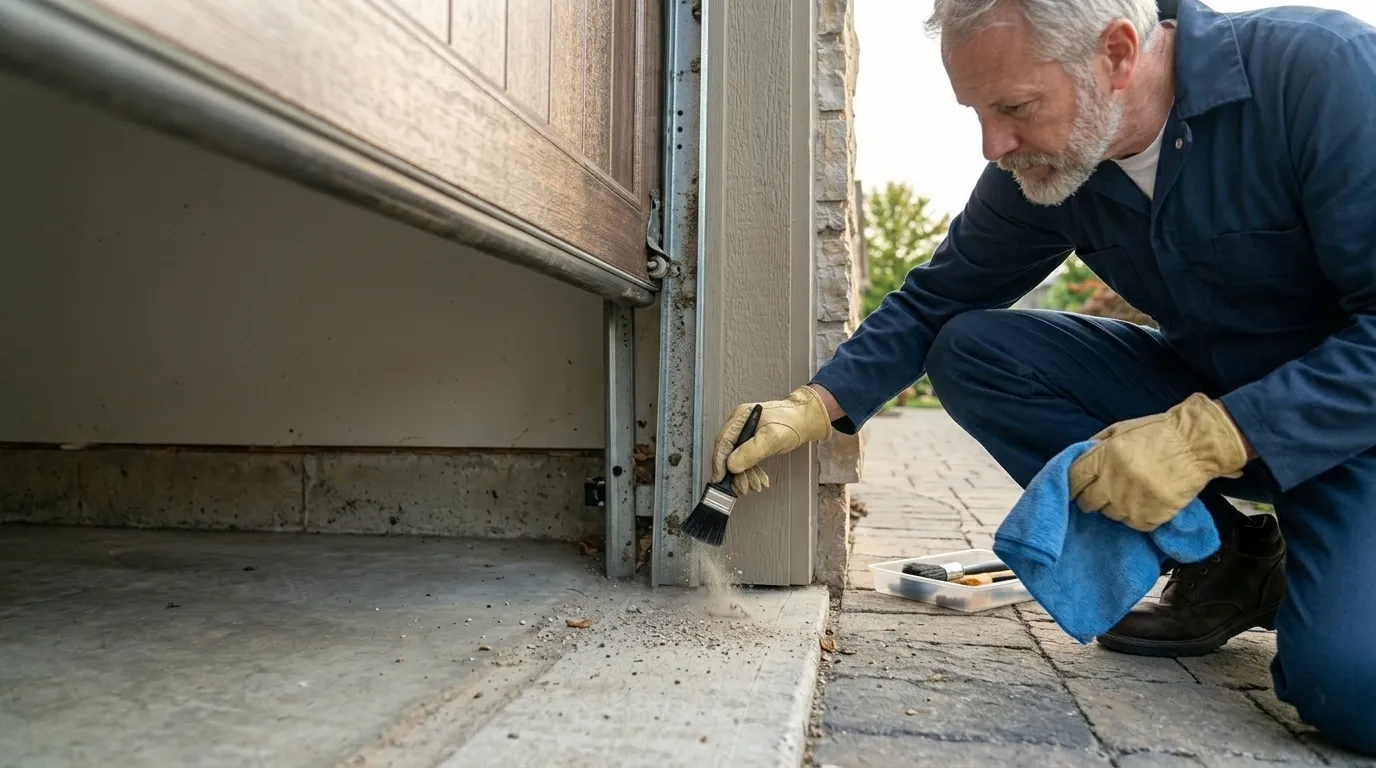
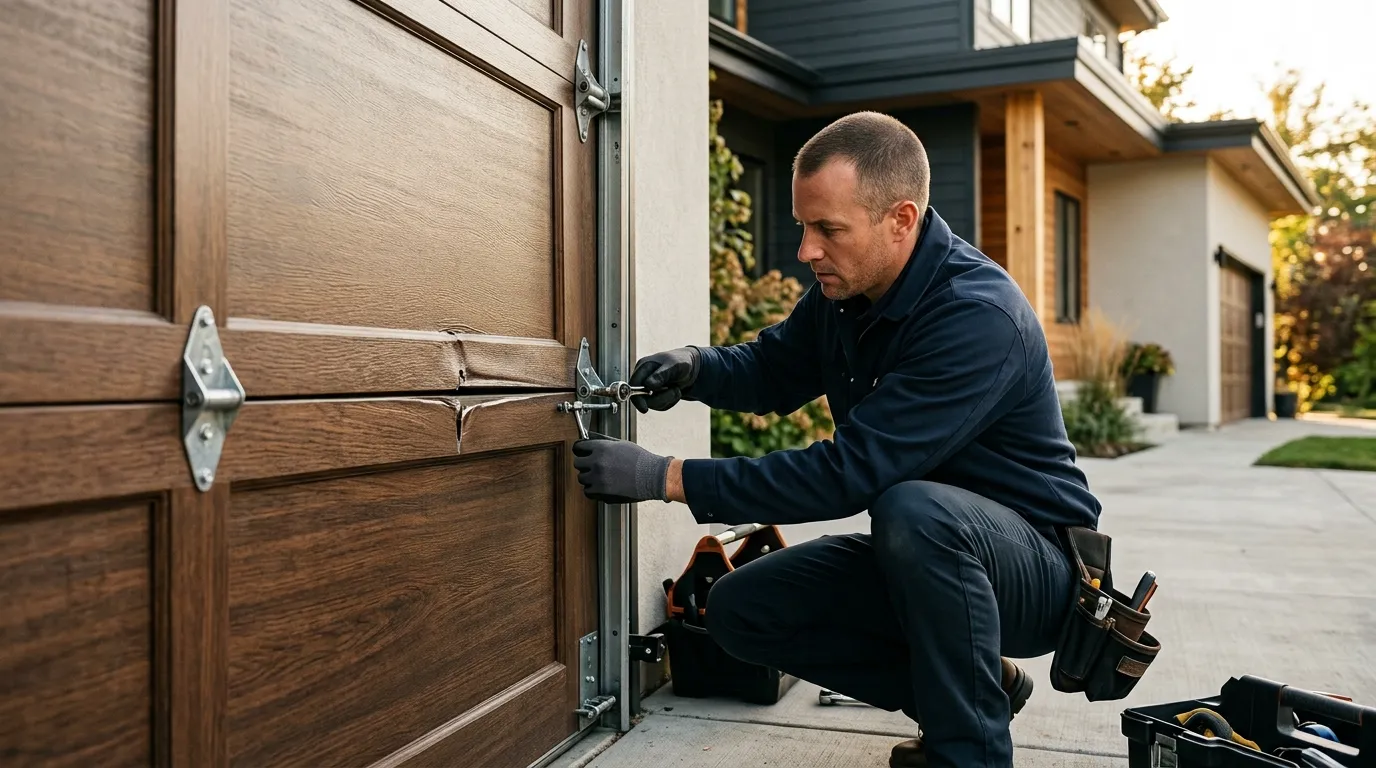
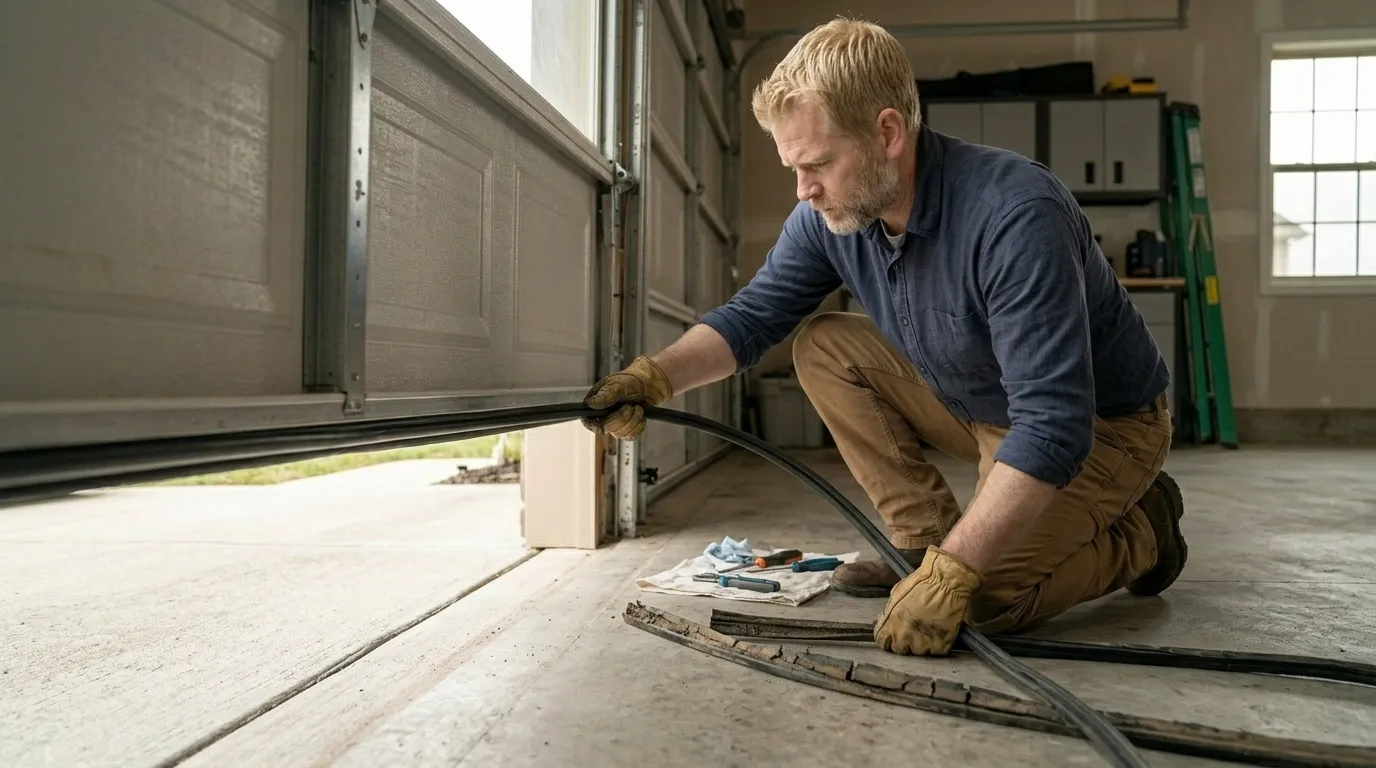
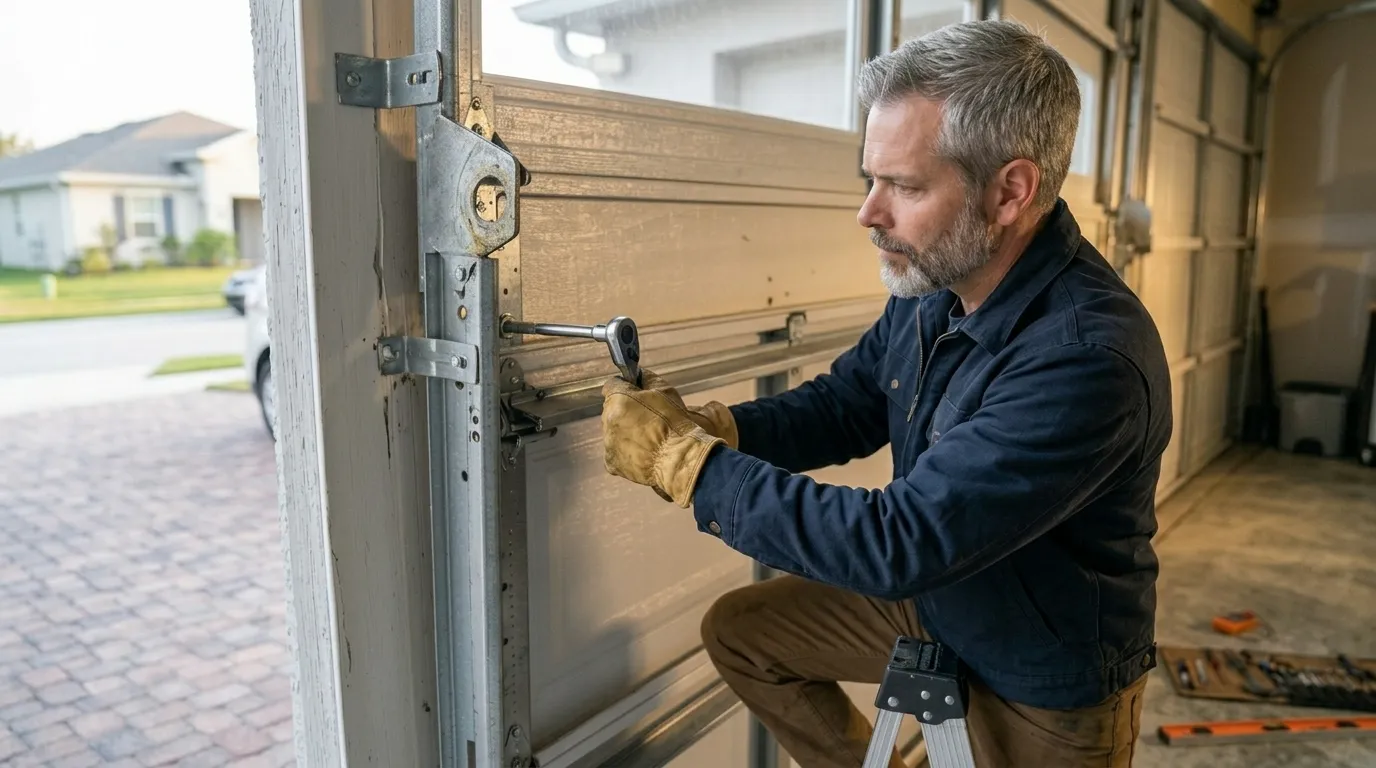
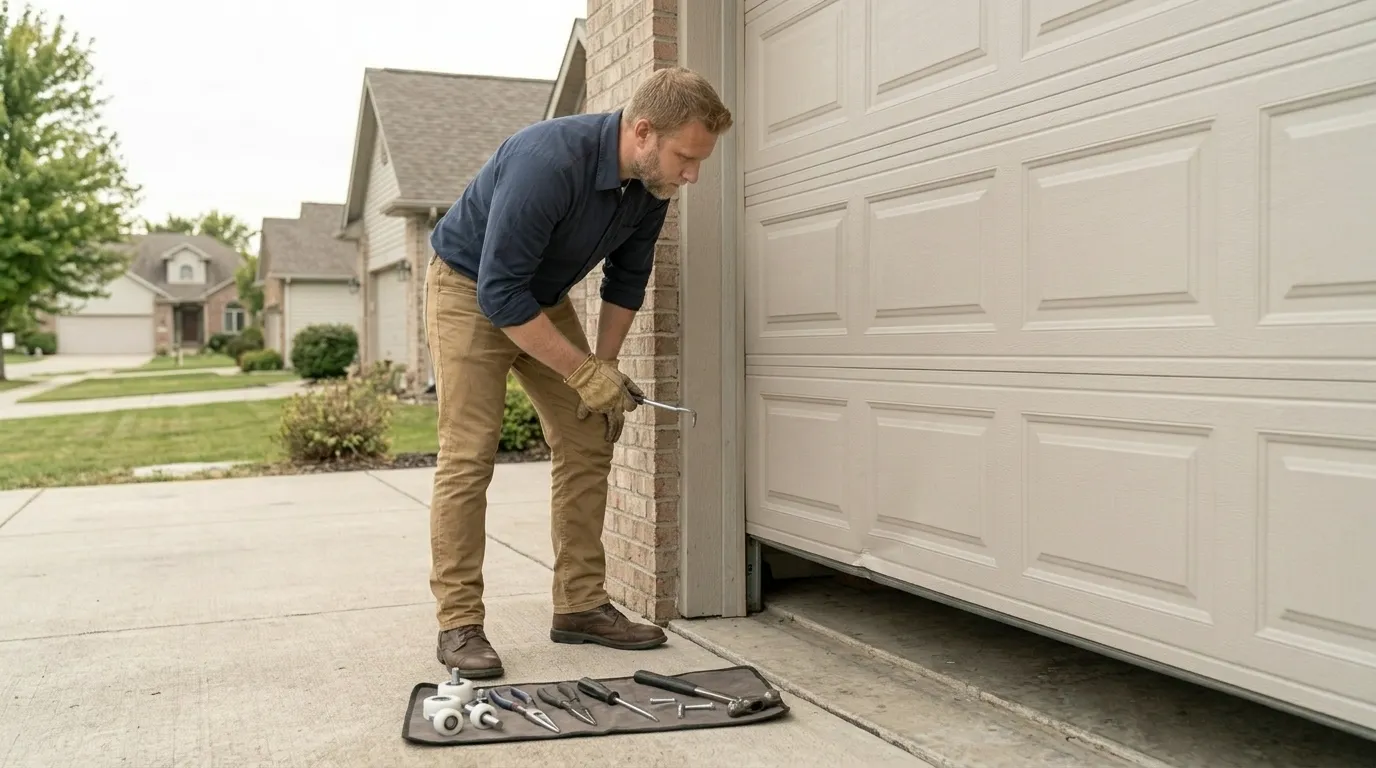
The calls we get from Waterville lean toward wear rather than sudden failure. Original one-piece doors on older tracks tend to bind as the wood swells and shrinks with the season, and the rollers on those older setups are usually steel, not nylon, so they're loud and they wear the track grooves unevenly over the years. Springs on a 1940s-era door have often already been replaced once or twice, but the cable drums underneath sometimes weren't touched at the same time, so a spring that looks fine can still leave you with a door that hangs crooked. With the cold moderate winters this part of the state gets, cold-stiffened lubricant on old hardware is a recurring reason doors feel heavy to lift by hand in January that felt normal in August.
This Area's Housing
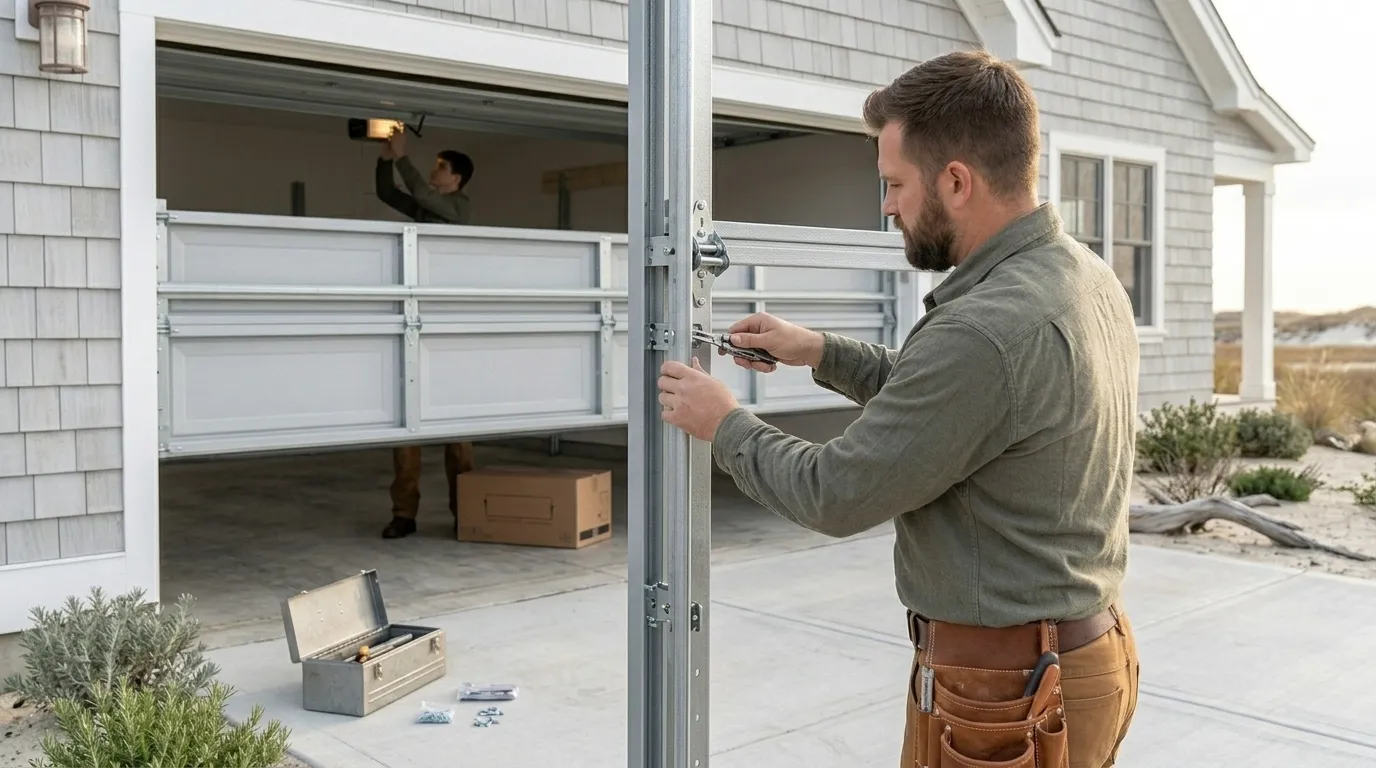
With roughly 483 households in Waterville, this isn't a place where every third house shares the same builder's floor plan, which is part of why the door hardware here is more mixed than in newer subdivisions elsewhere in the valley. Median household income sits at $75,854, in line with the broader area, and that shows up less in what people can afford and more in what they choose to spend it on - a fair number of these older doors get a full hardware overhaul rather than a patch repair, because the owners plan to stay. The region overall was mostly built between 1944 and 1993, but Waterville sits at the early end of that range, which is exactly why the fixes here skew toward original torsion setups and steel rollers rather than the newer extension-spring, nylon-roller doors common in later Wenatchee-area construction.