Why This Fails Locally
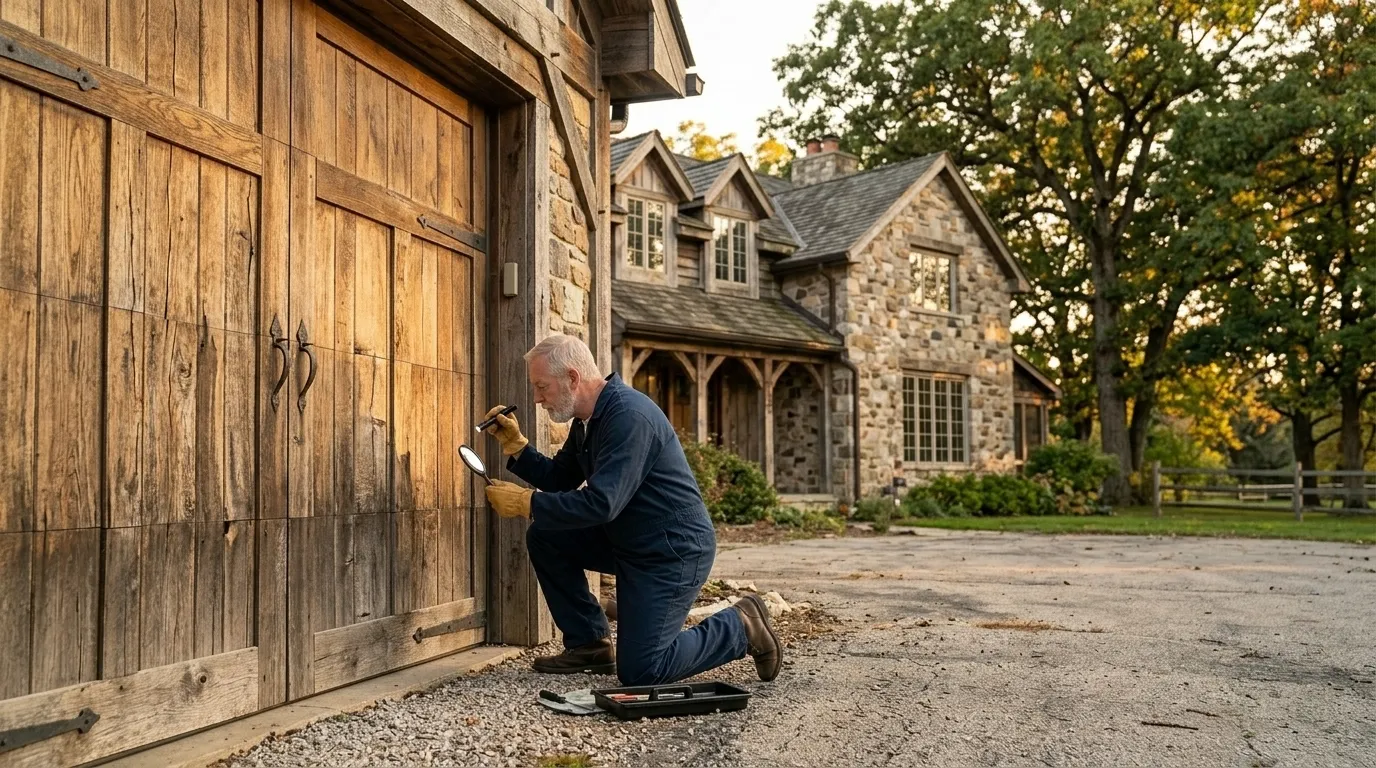
Sunnyslope's housing stock centers on 1993, a good fifteen years newer than the typical house across the rest of the Wenatchee service area. That matters because a door installed in the early 1990s was likely fitted right around the time federal safety-reversal rules for openers were tightening up. A lot of these garages still have their first opener, or a straight swap-in replacement that kept the same original torsion spring and the same steel track from the day the house was framed. Nobody's pulled that hardware out to look at it since. Torsion springs are rated for a number of open-close cycles, not years, but thirty-plus years of daily use gets most springs to the end of that count regardless. When one snaps, it's usually the original, and it usually takes the cable or the bottom bracket with it. On a door this age, a call that starts as "the door won't open" is often really a spring that gave out under a track and drum that have never been serviced.
What the Fix Involves
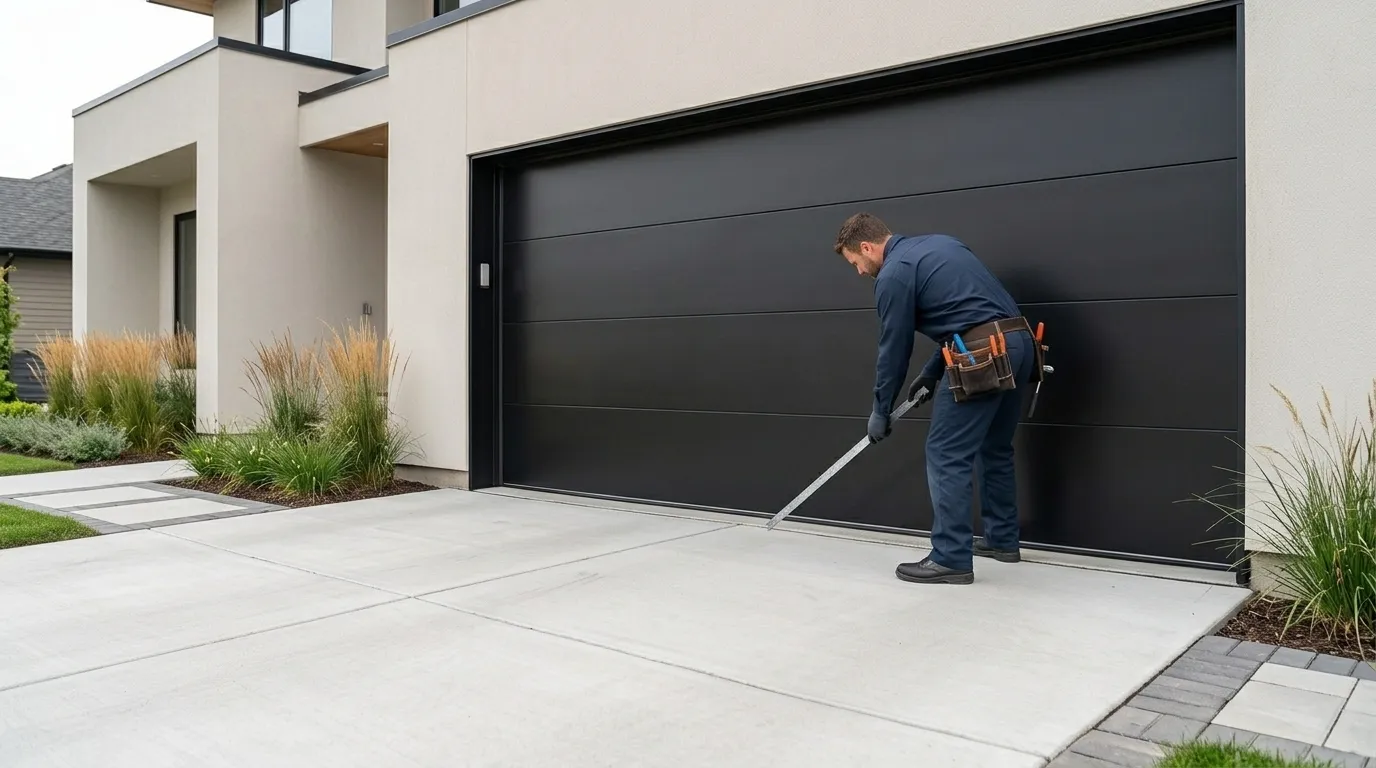
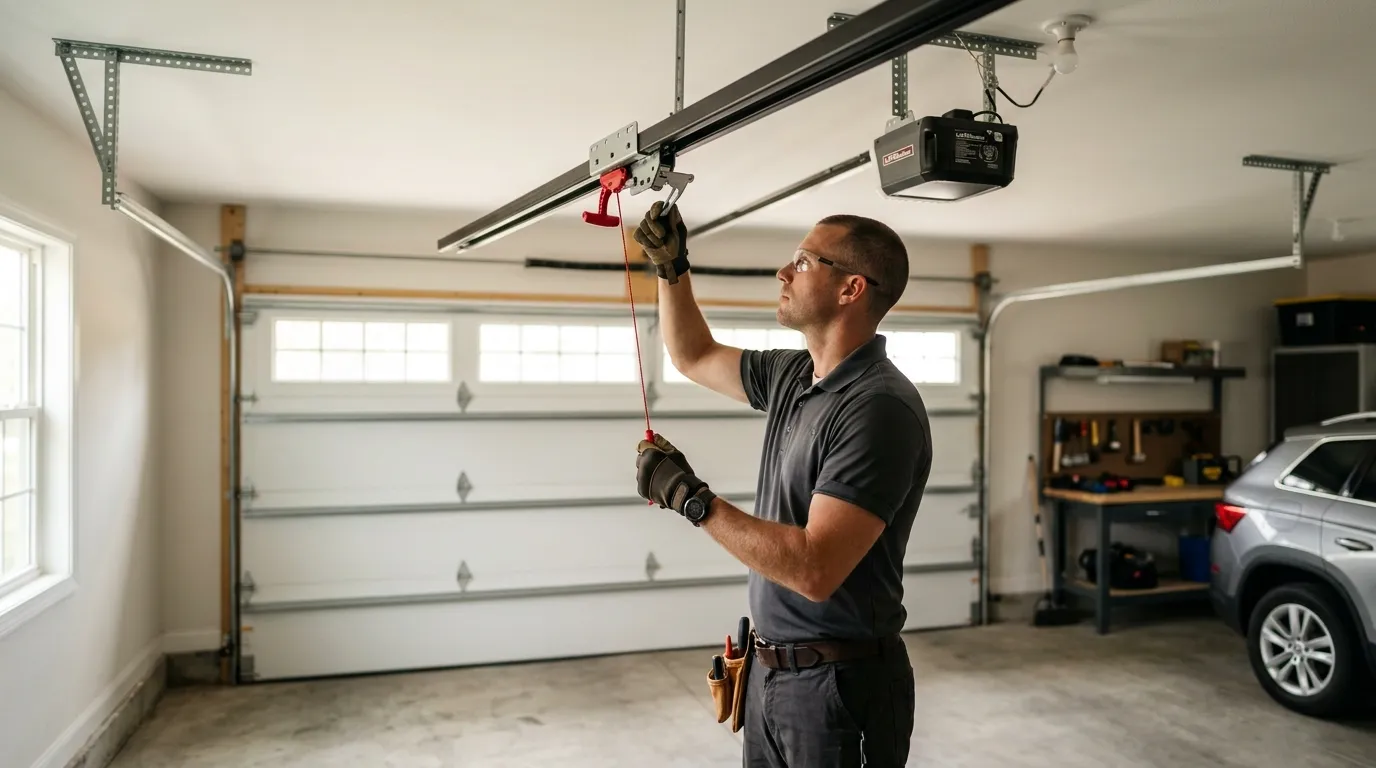
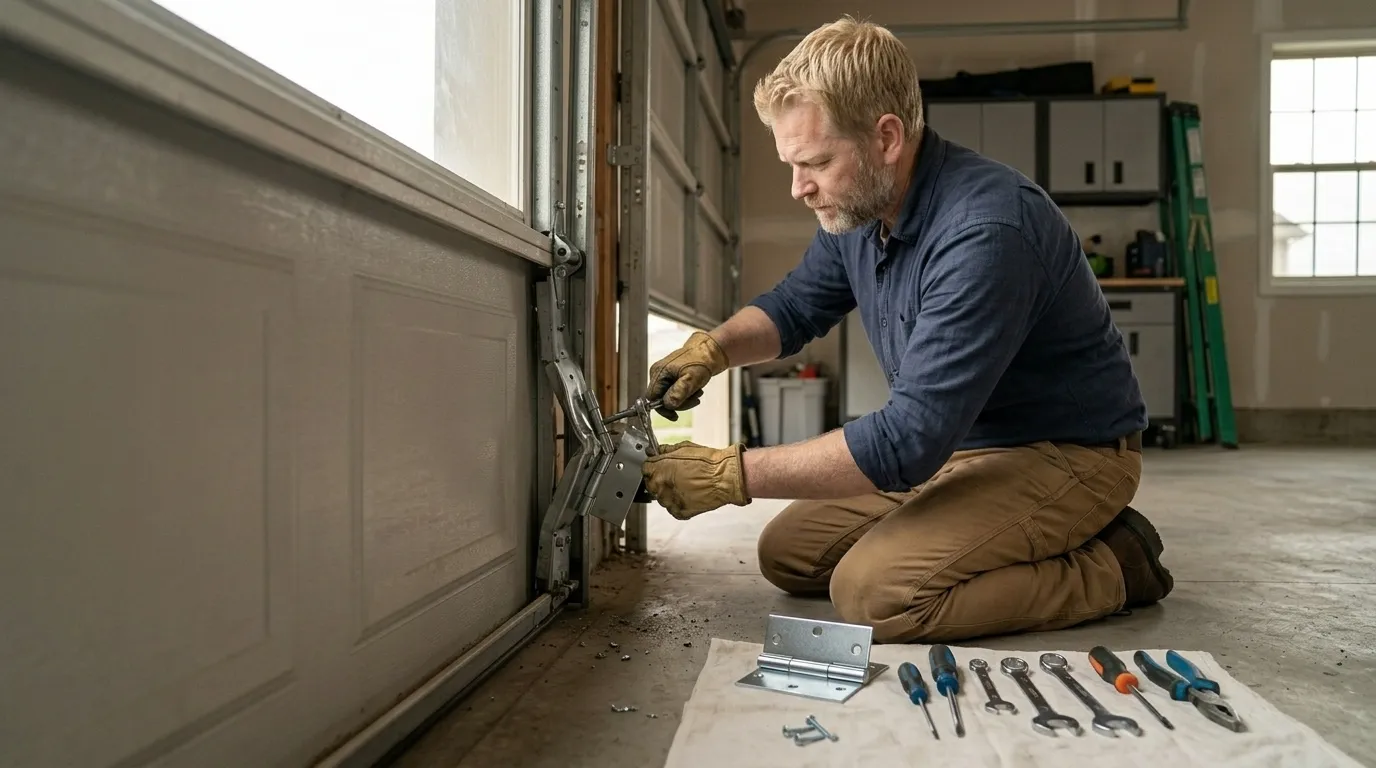
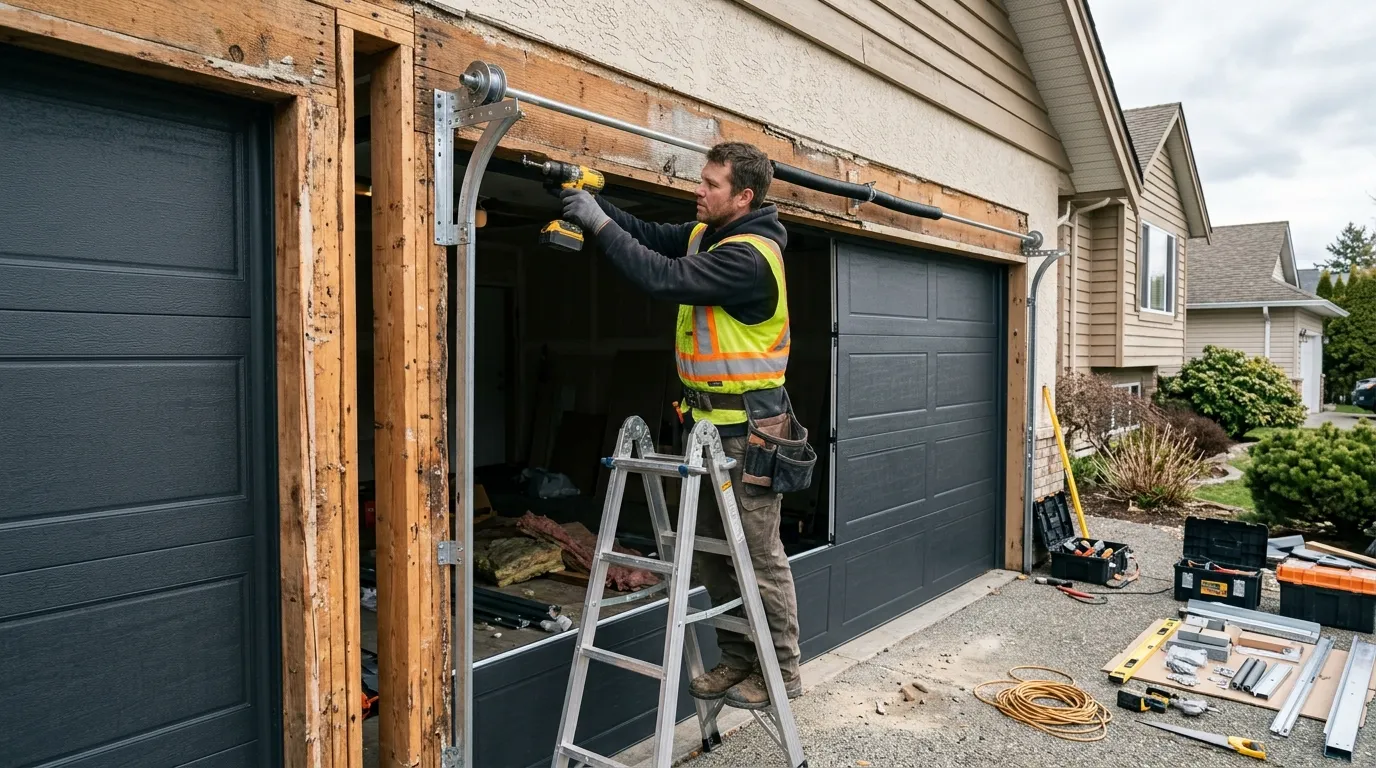
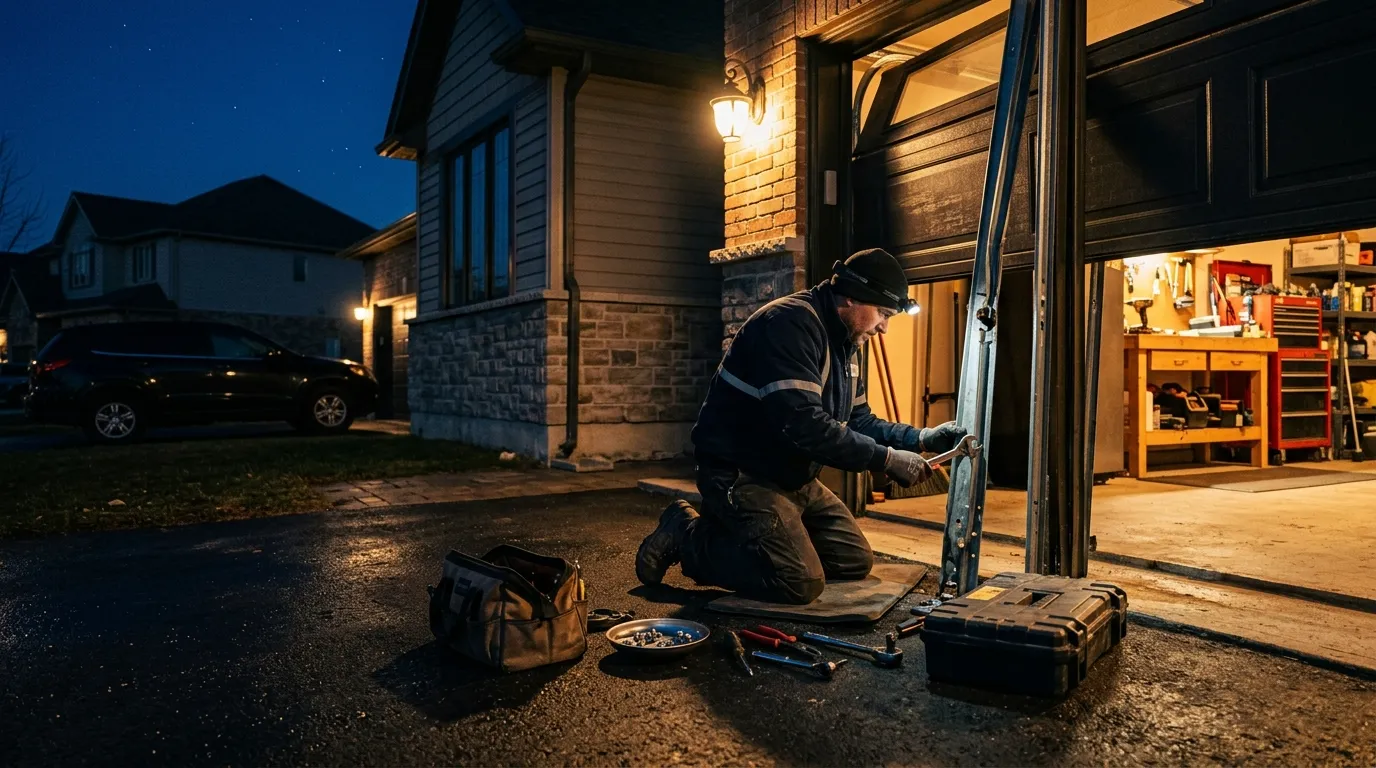
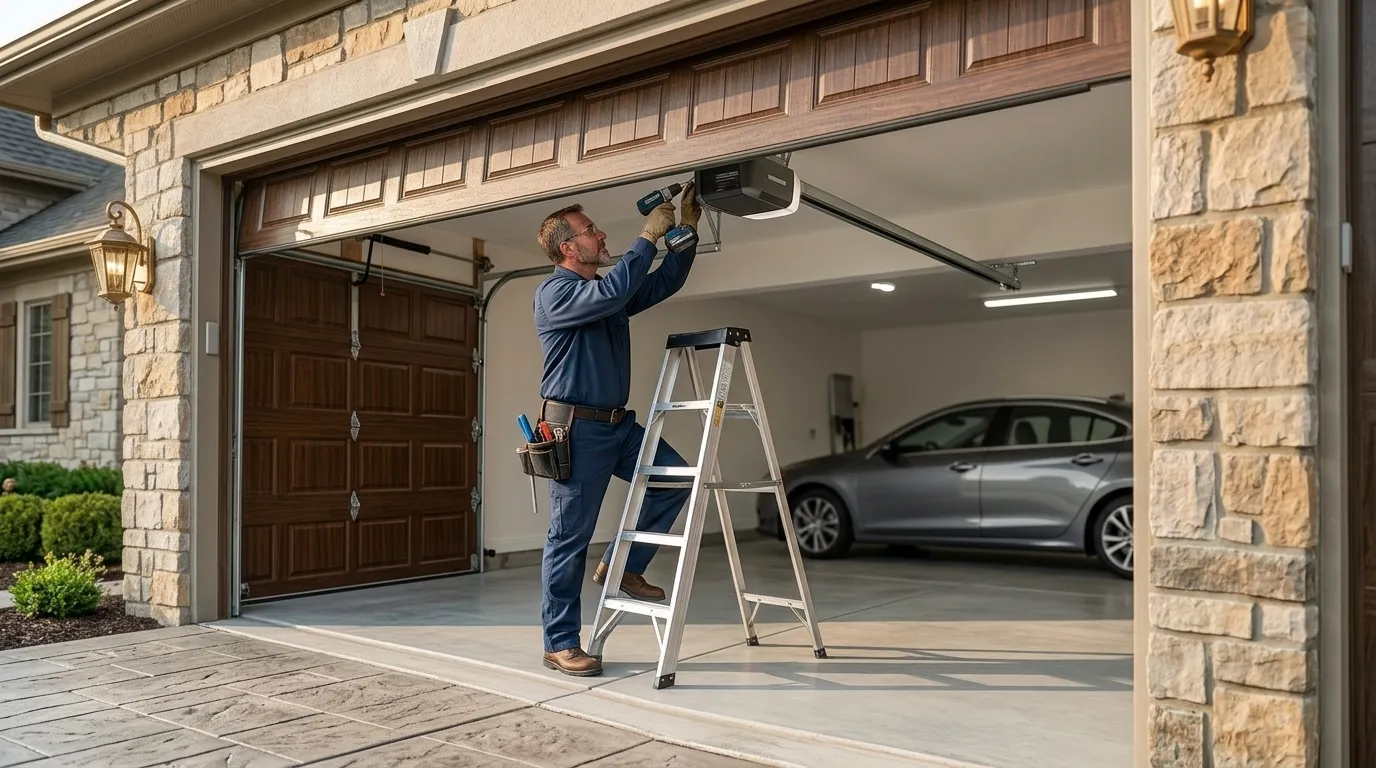
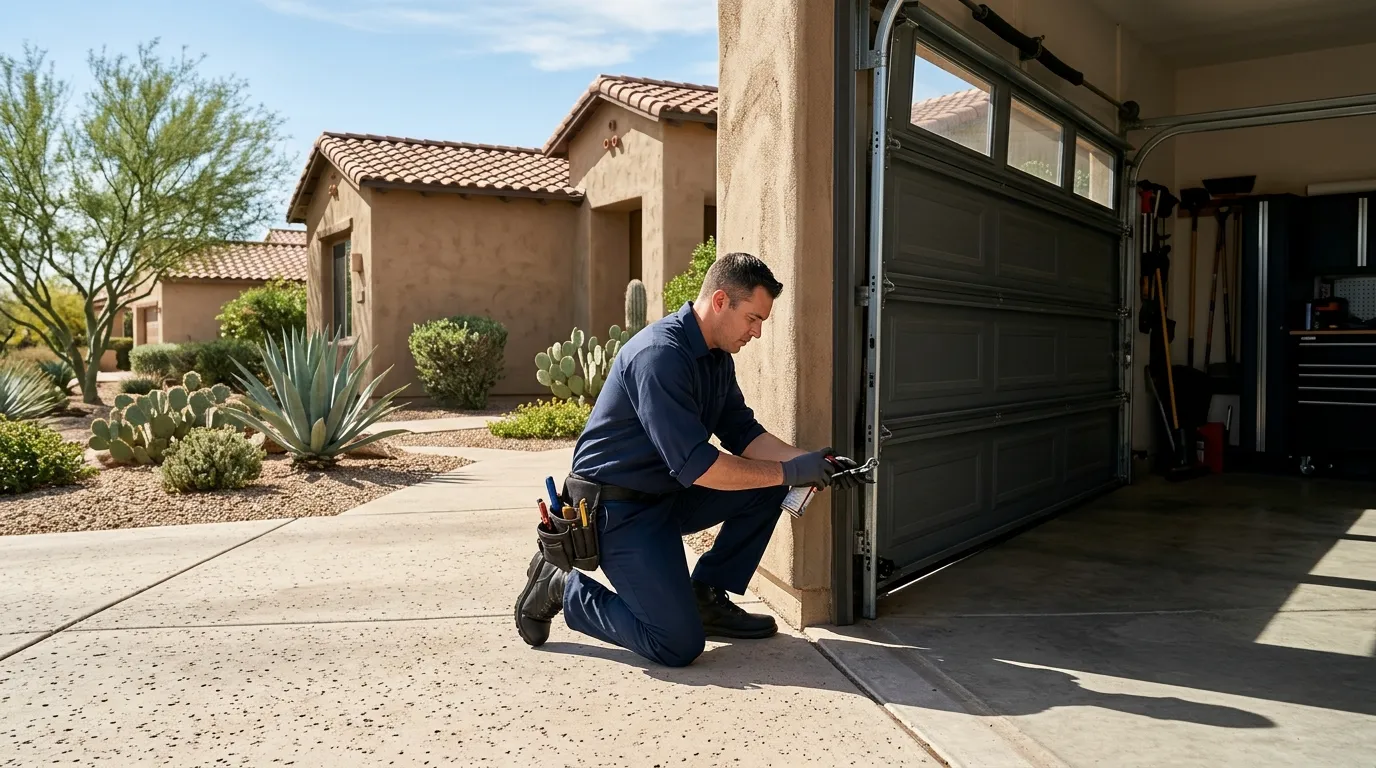
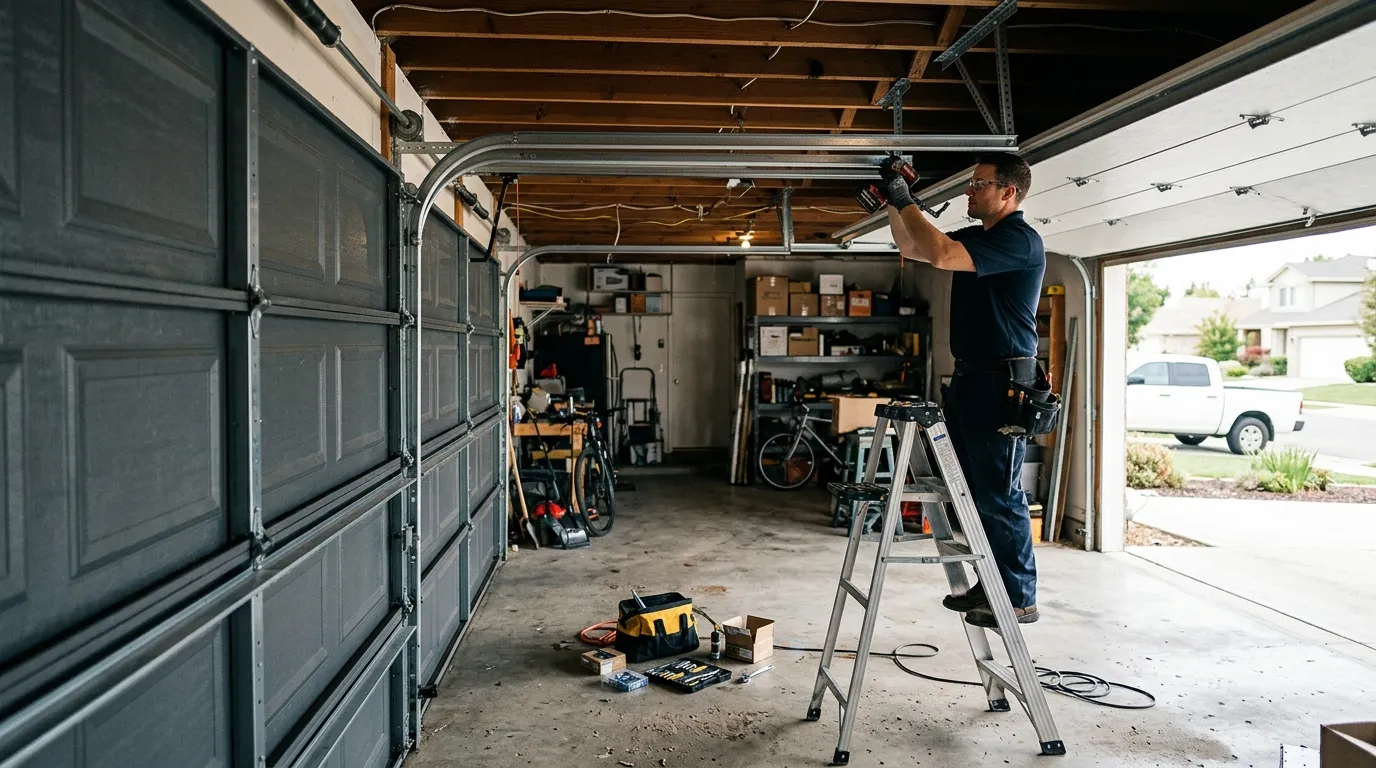
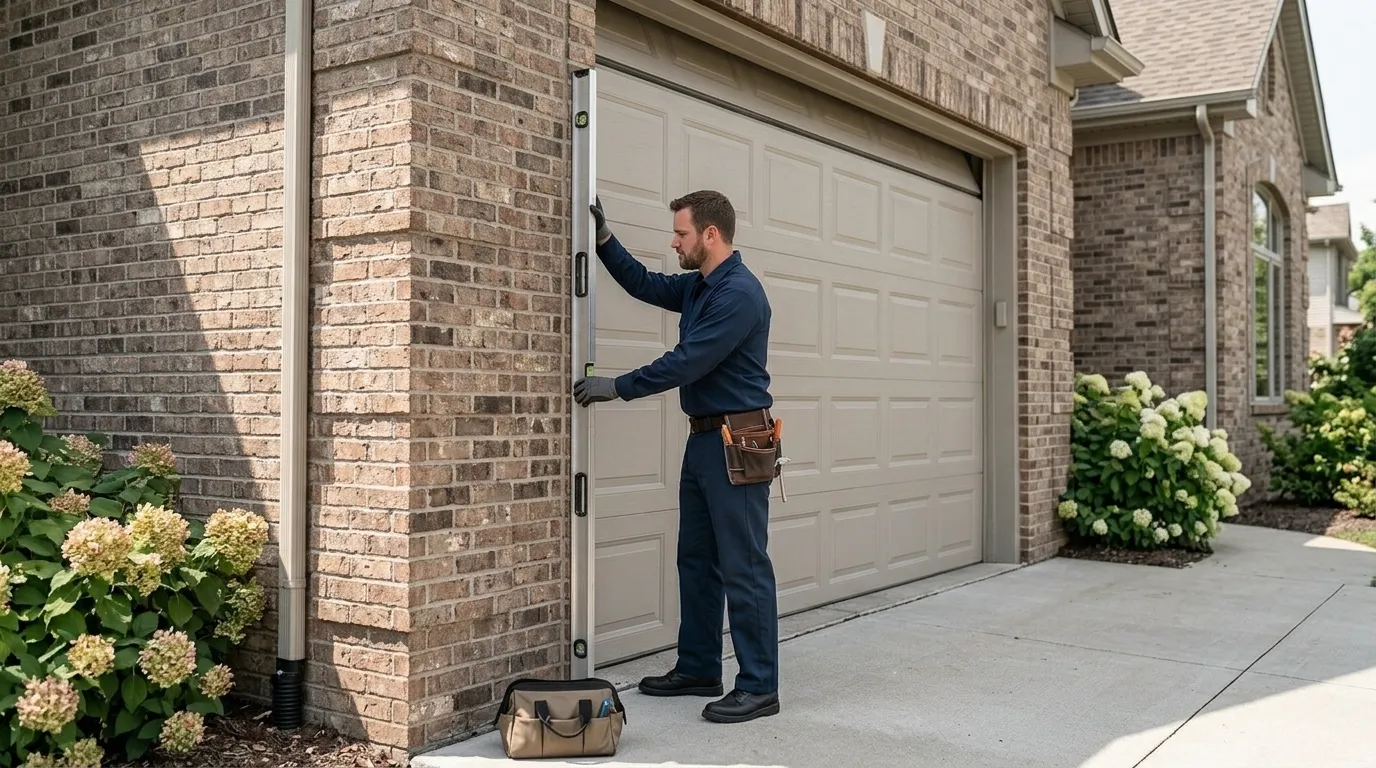
First step is figuring out what actually failed - a broken torsion spring, a snapped cable, a bent track, or an opener that's stopped reversing correctly. On a door this age, we're usually working with the original torsion hardware, so we check the drum, the shaft, and the bearing plates for wear before we touch the spring itself. If the spring's gone, we replace it as a matched pair sized to the door's weight, not a single spring rigged to work. If the opener is the early-1990s vintage still hanging in the garage, we test the safety-reversal function - on hardware this old, that mechanism can fail quietly, and it's not something to leave alone. We also check the bottom bracket and rollers, since a broken spring under load can warp or crack them on the way down. We put the door back into balance so the opener isn't doing the spring's job for it, which is what wears an opener out early.
What Can Go Wrong
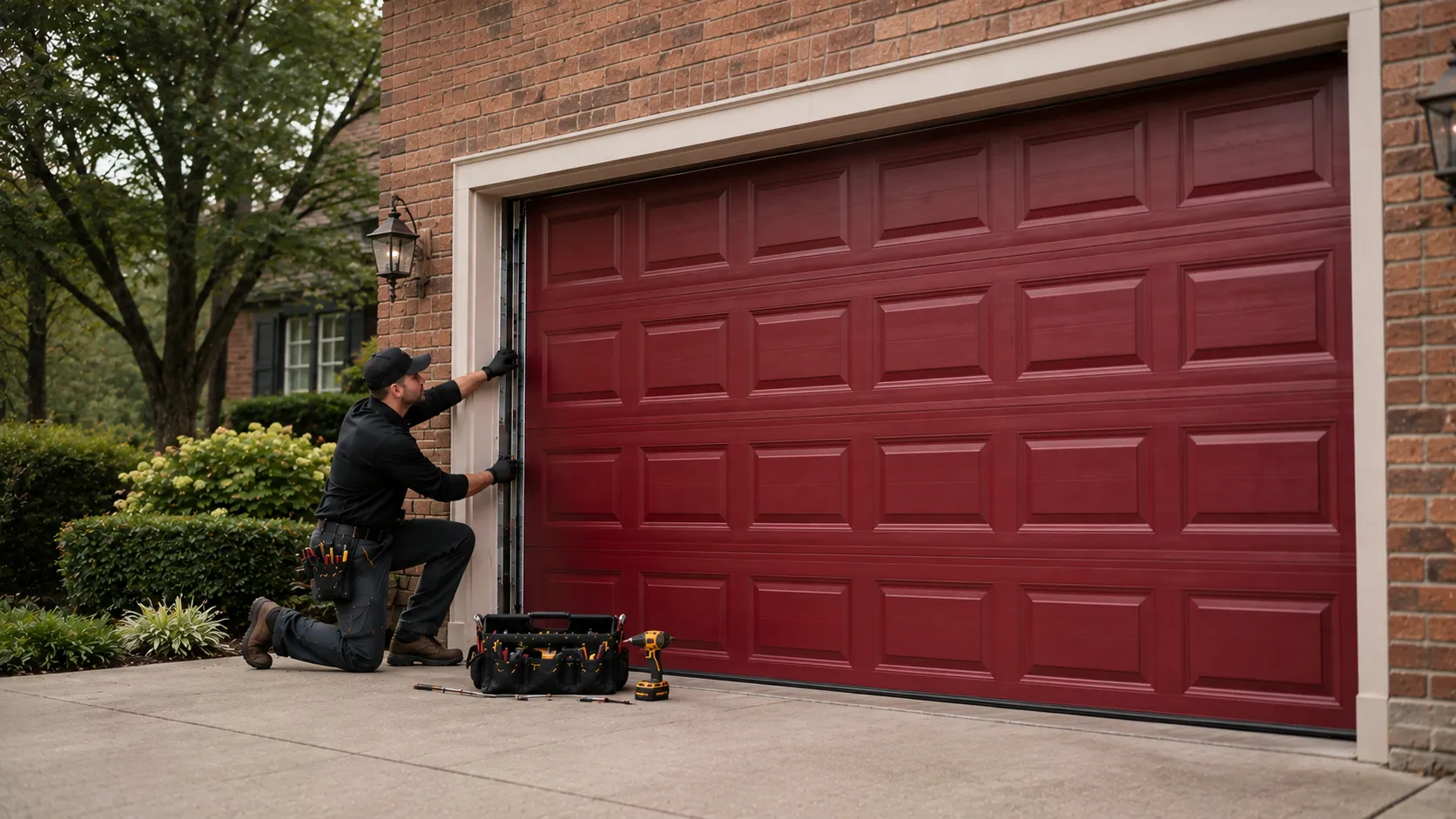
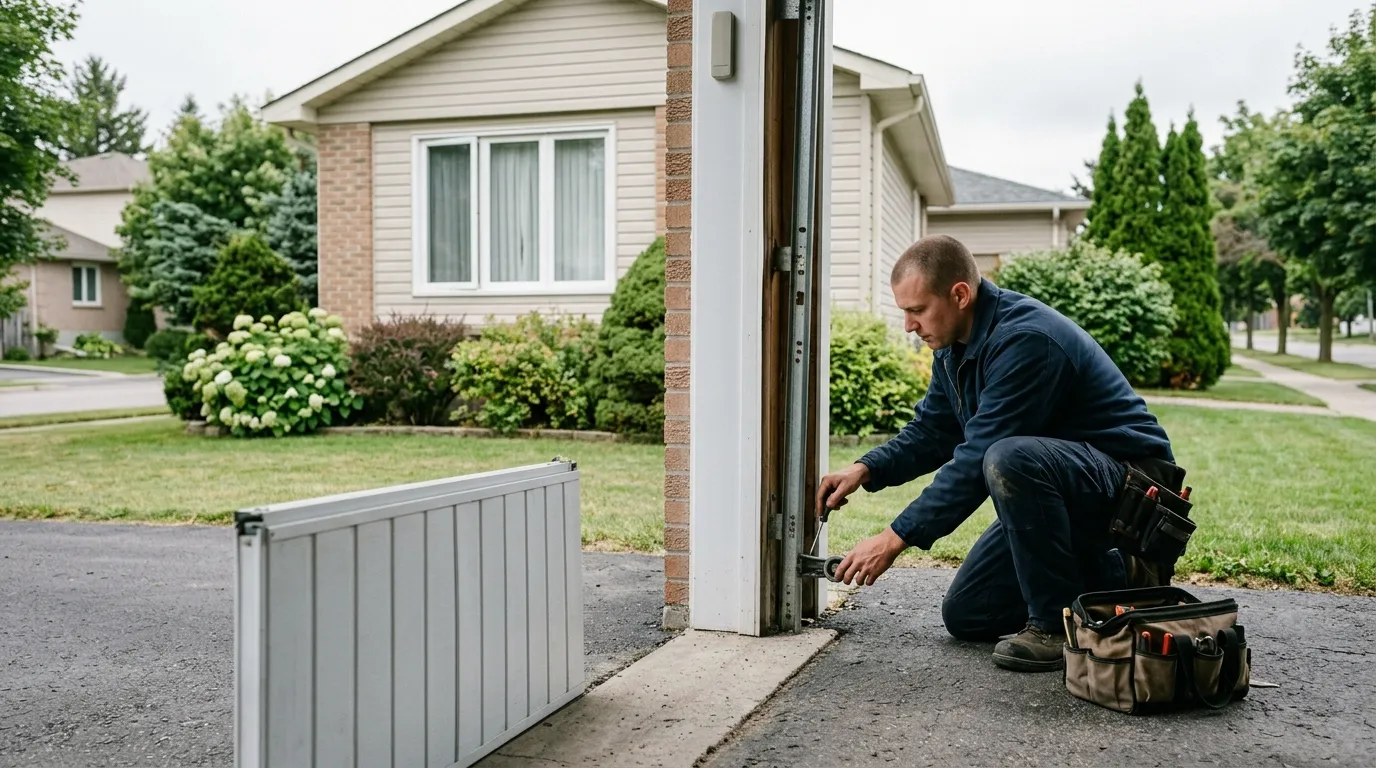
The failure that turns a simple call into a bigger one is a door left down on a broken spring and forced open anyway, by hand or by an opener straining against it. That's how a bent track or a torn-loose bottom bracket happens. On original 1990s hardware, we also sometimes find a cable that's frayed for a while and finally lets go at the same time as the spring - two failures, one call. If the opener's original to the house, its safety-reversal sensor can degrade without any obvious symptom until the day it doesn't reverse at all, which is a real hazard, not a convenience issue. We'll flag it if we see it, even on a visit that was called in for something else.
What It Costs
We don't have a fixed number to quote you here without seeing the door - spring size, opener age, and whether the track or bracket got damaged all move the price. What we can tell you: Sunnyslope households have a higher median income than the wider Wenatchee service area, which tends to mean more insulated steel doors and heavier openers on file here, and heavier doors mean a heavier-duty spring, not the same size we'd quote on a lighter older door elsewhere in the area. We'll give you the actual number once we've looked at what's in the garage, before we start any work.