Why This Fails Locally
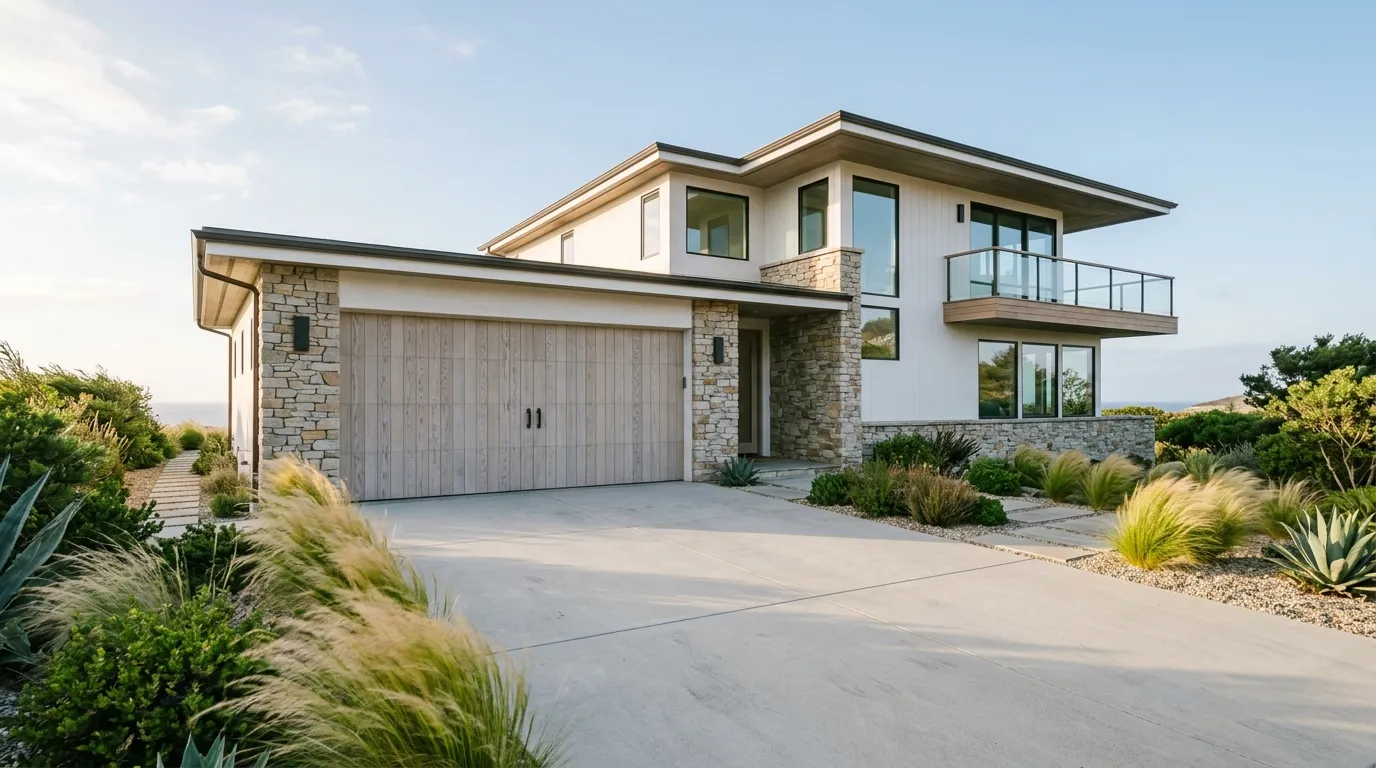
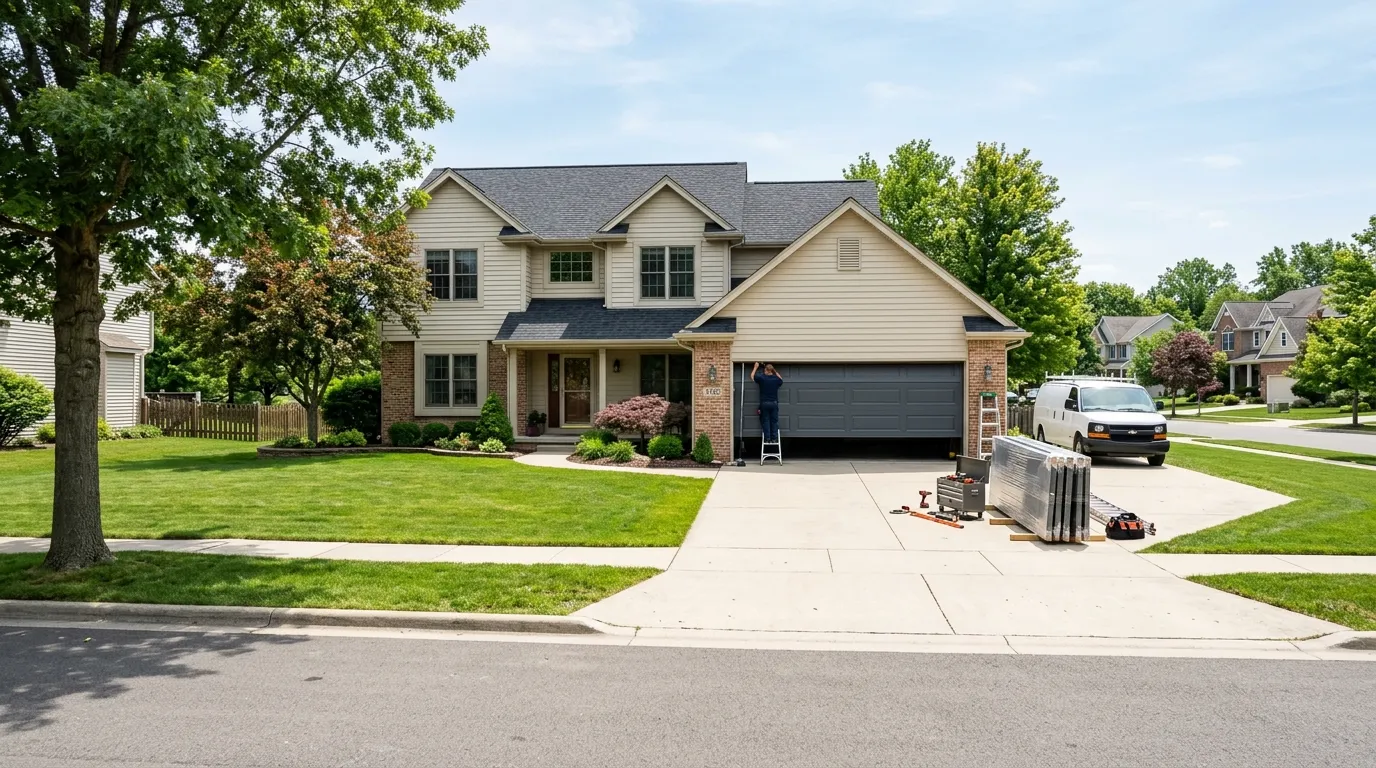
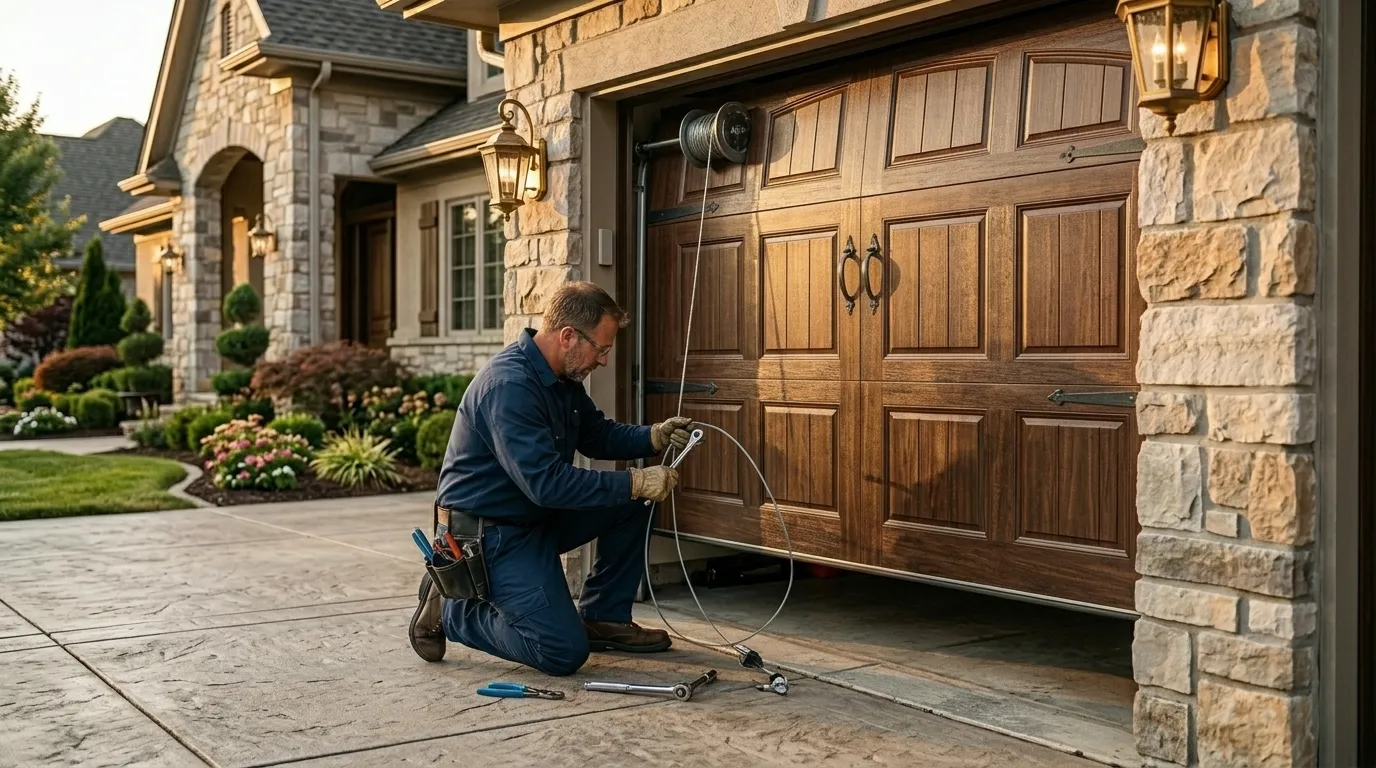
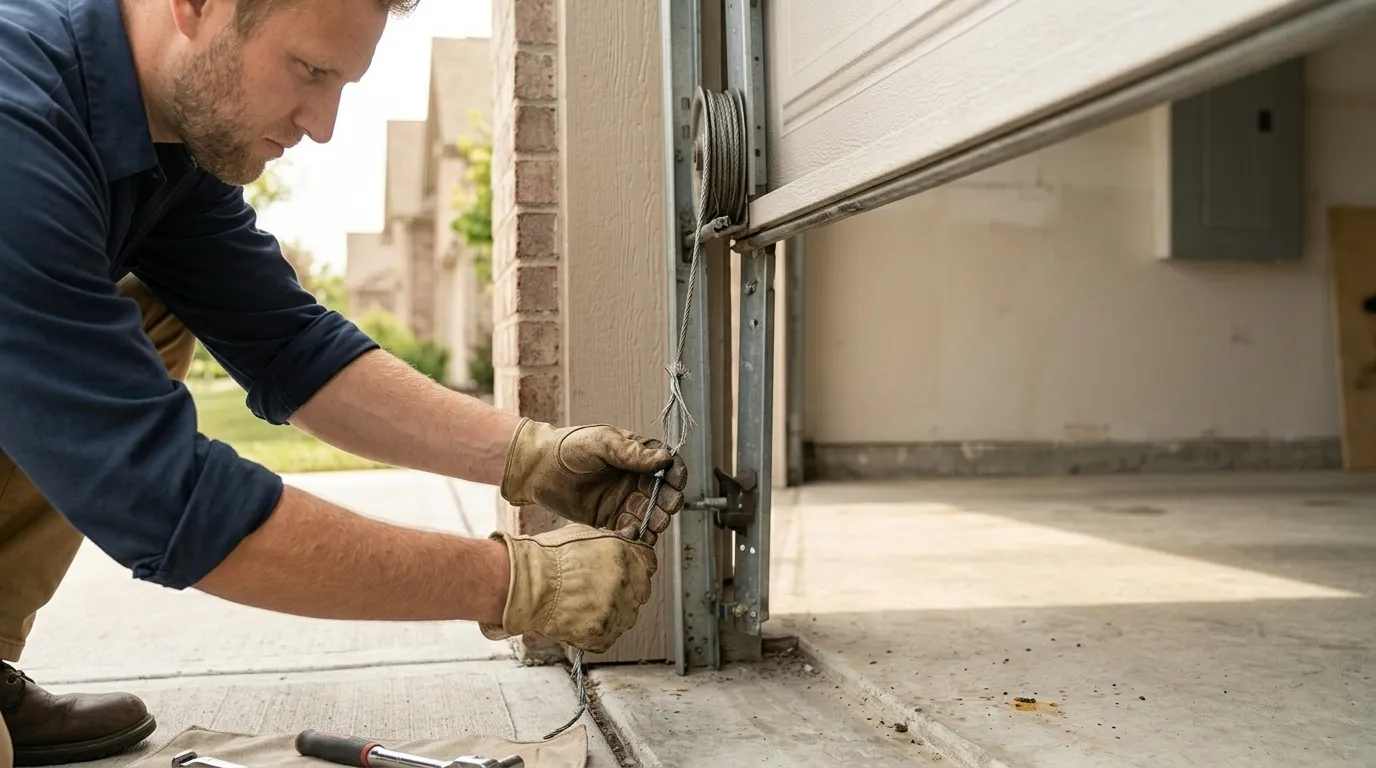
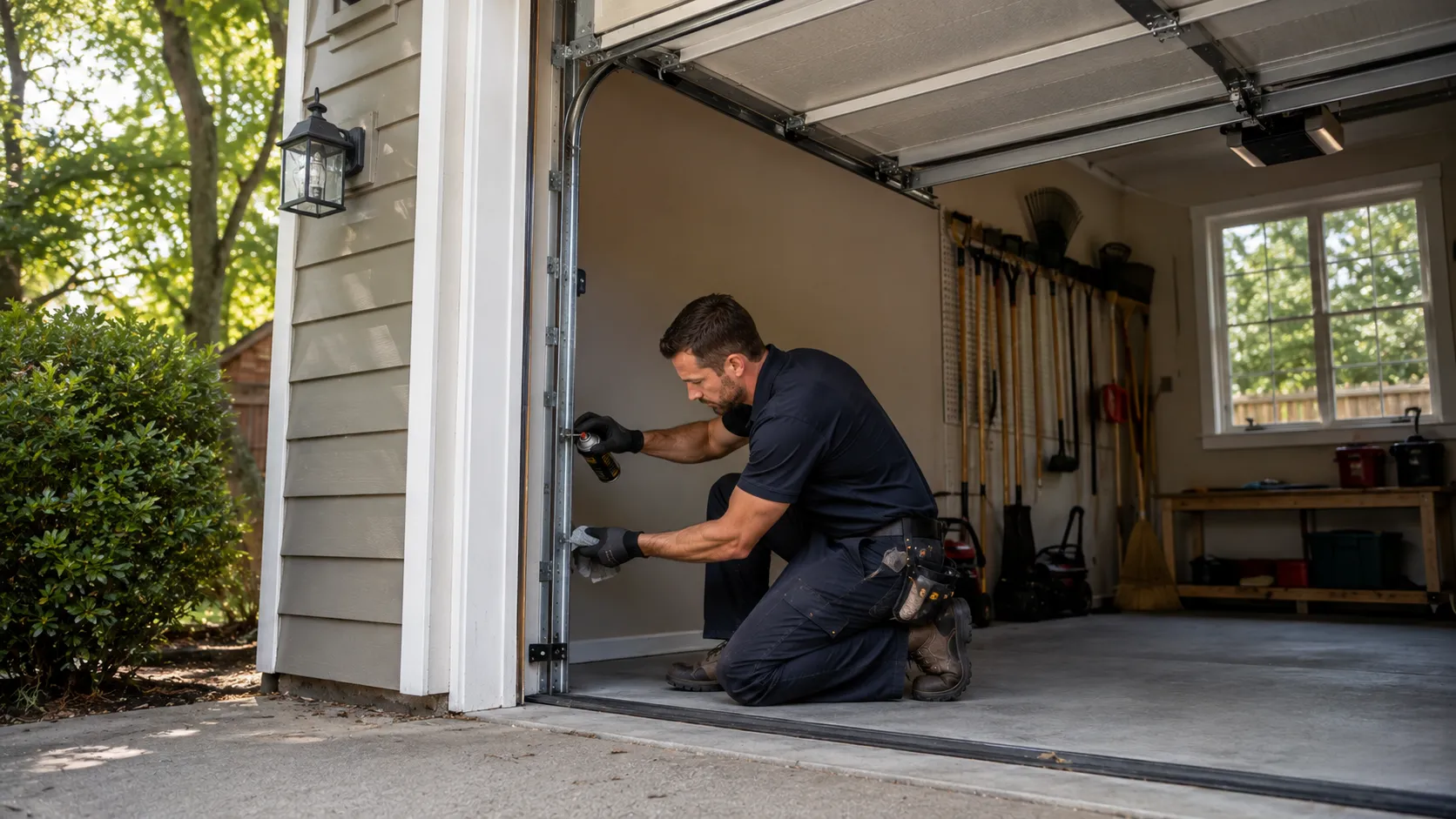
The failure pattern here is different from what you'll find closer to old Wenatchee. Sunnyslope's housing stock runs newer than the rest of the service area - most homes here went up around 1993, three decades after the 1977 median for the wider Wenatchee footprint we cover. That means you're not usually pulling out a warped one-piece door on side-mounted hardware. You're dealing with a factory sectional door and torsion spring setup that's simply aging out - nylon rollers worn to the core, an opener motor from the original build finally giving up, or a spring that's done its ~10,000 cycles and is now on borrowed time.
Across the wider area, F1 and F2 tell us most stock dates 1944-1993 with a 1960s-70s concentration in seven named areas - Sunnyslope sits at the newer end of that range. The upside is you're rarely fighting non-standard framing or a door opening cut for hardware nobody makes anymore. The downside is owners here tend to assume 'newer house, newer door' and skip inspection until the spring lets go without warning - which on a heavier insulated door built to hold up in this climate band is a harder failure than on an old lightweight panel.
What the Fix Involves
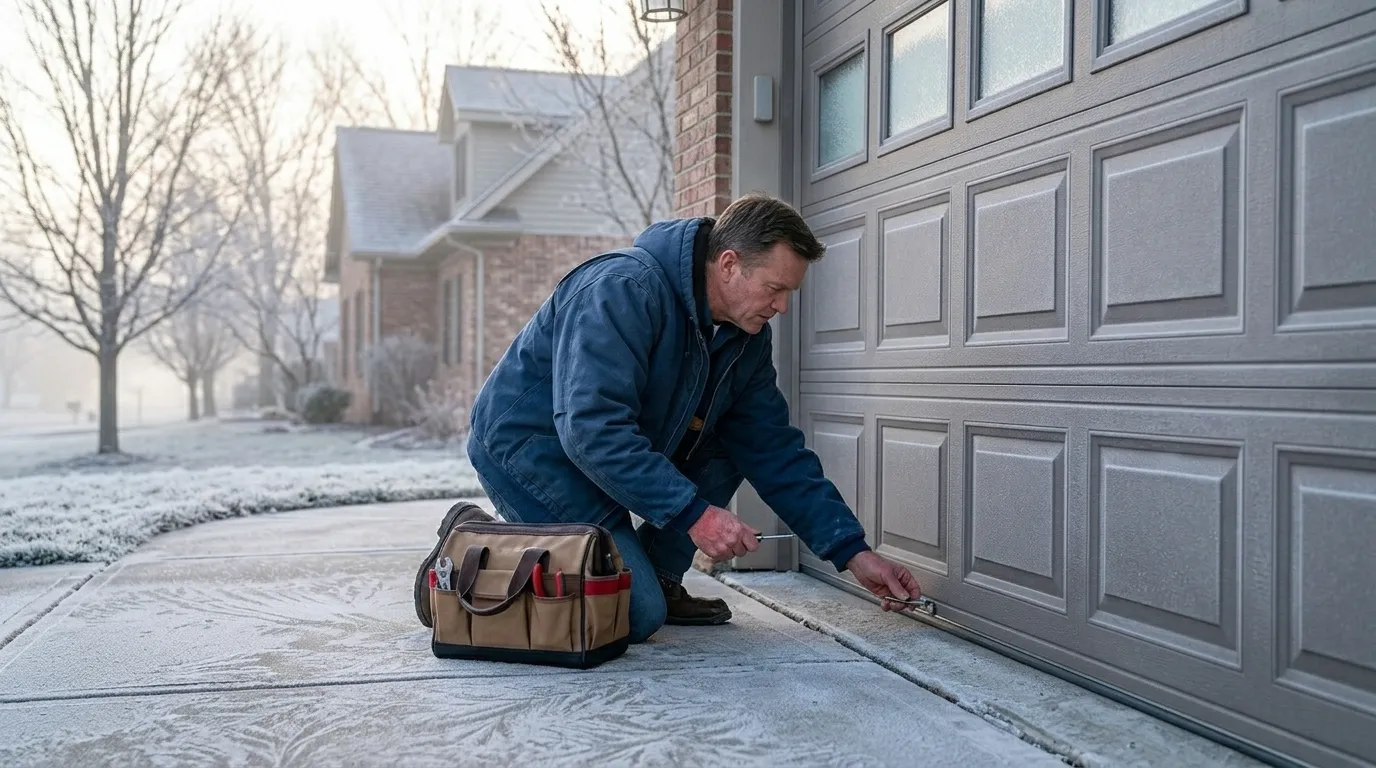
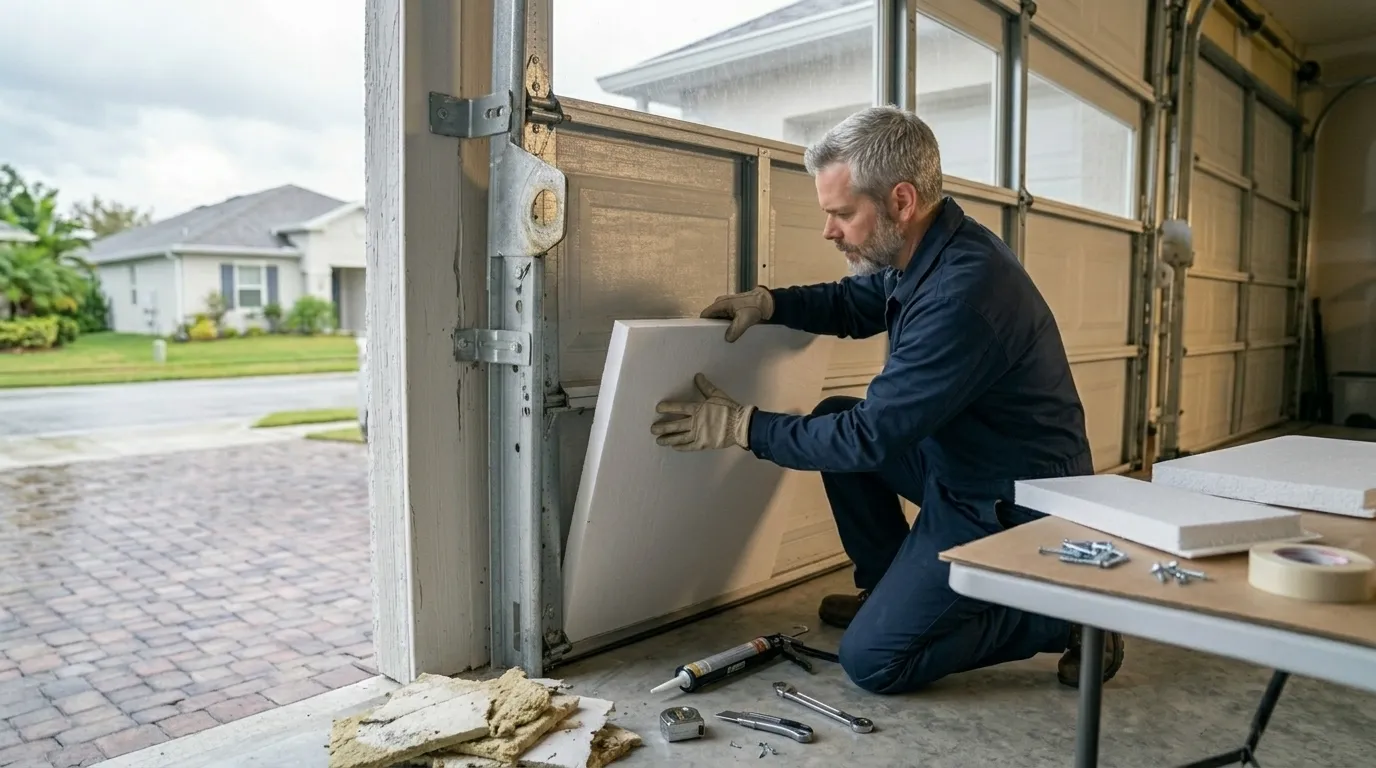
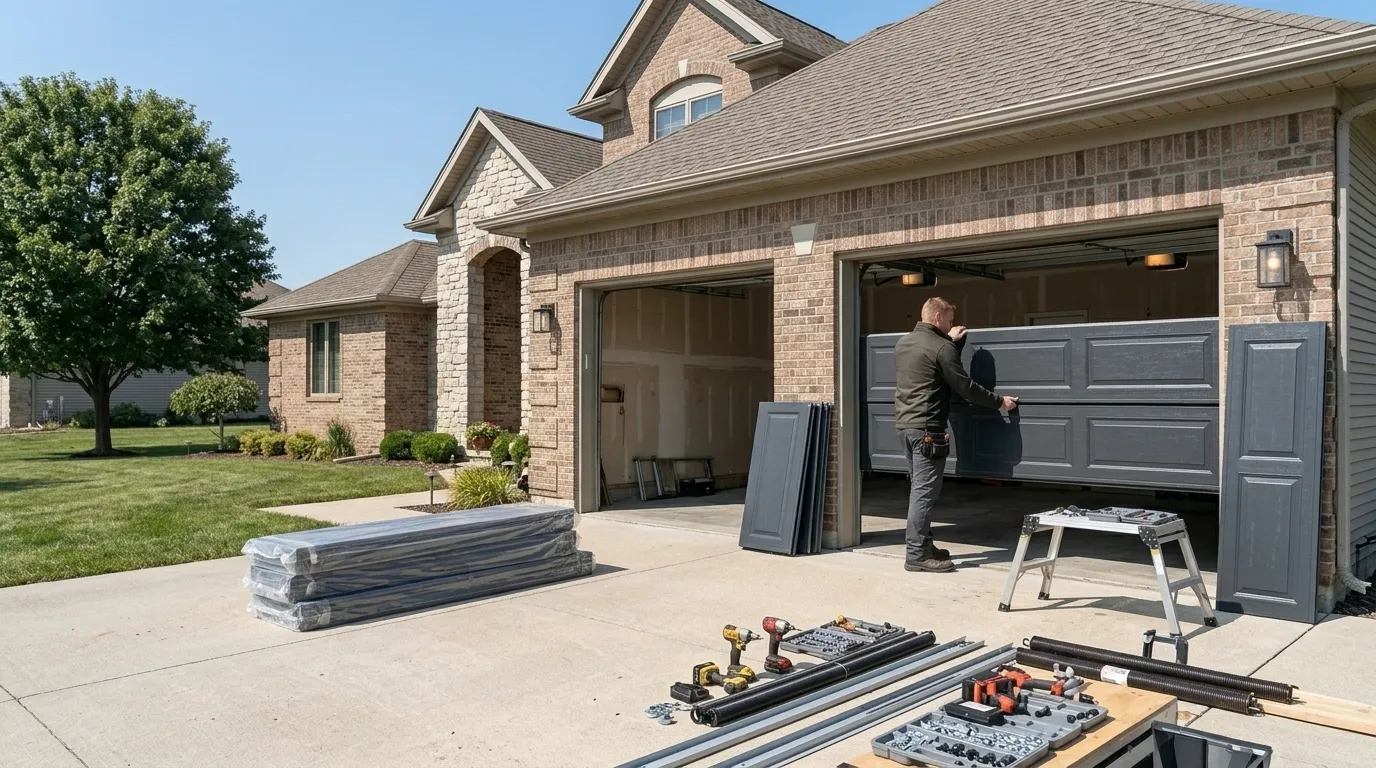
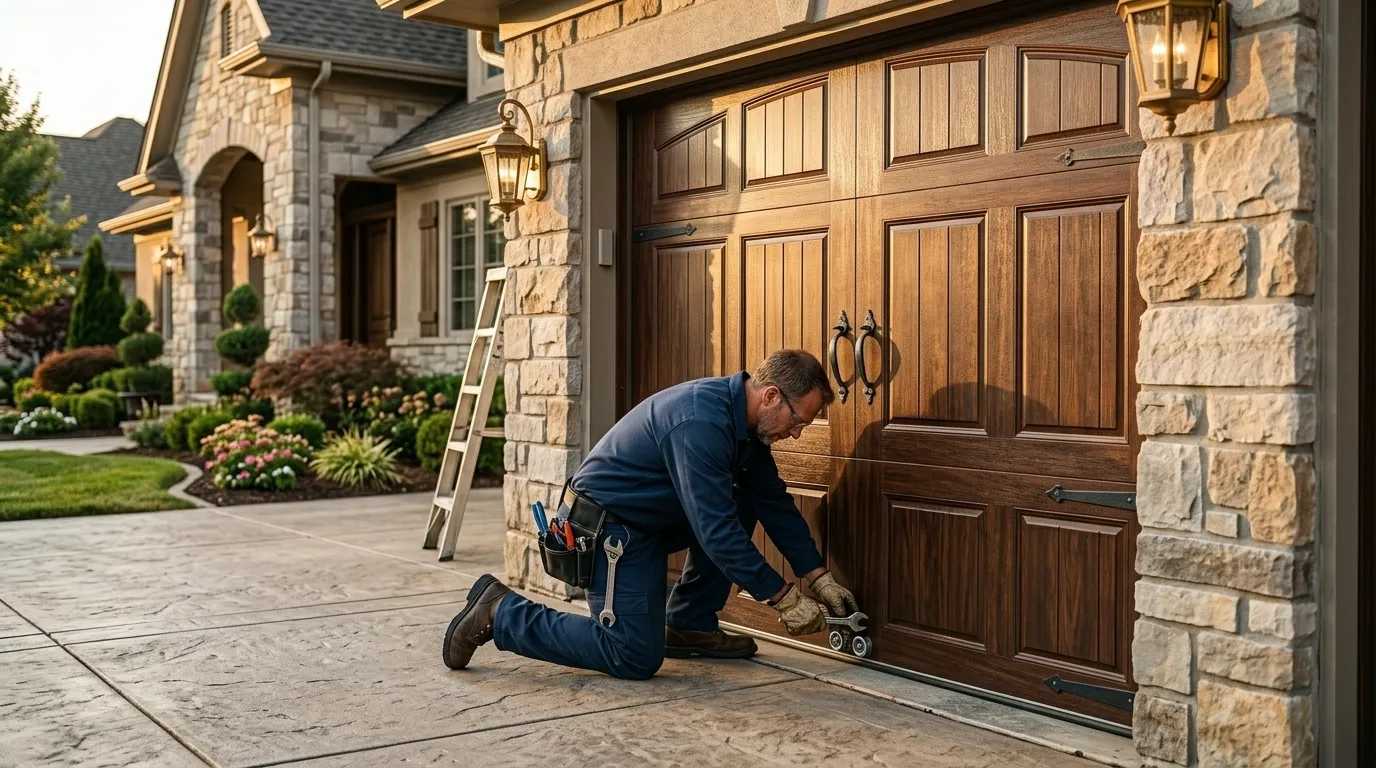
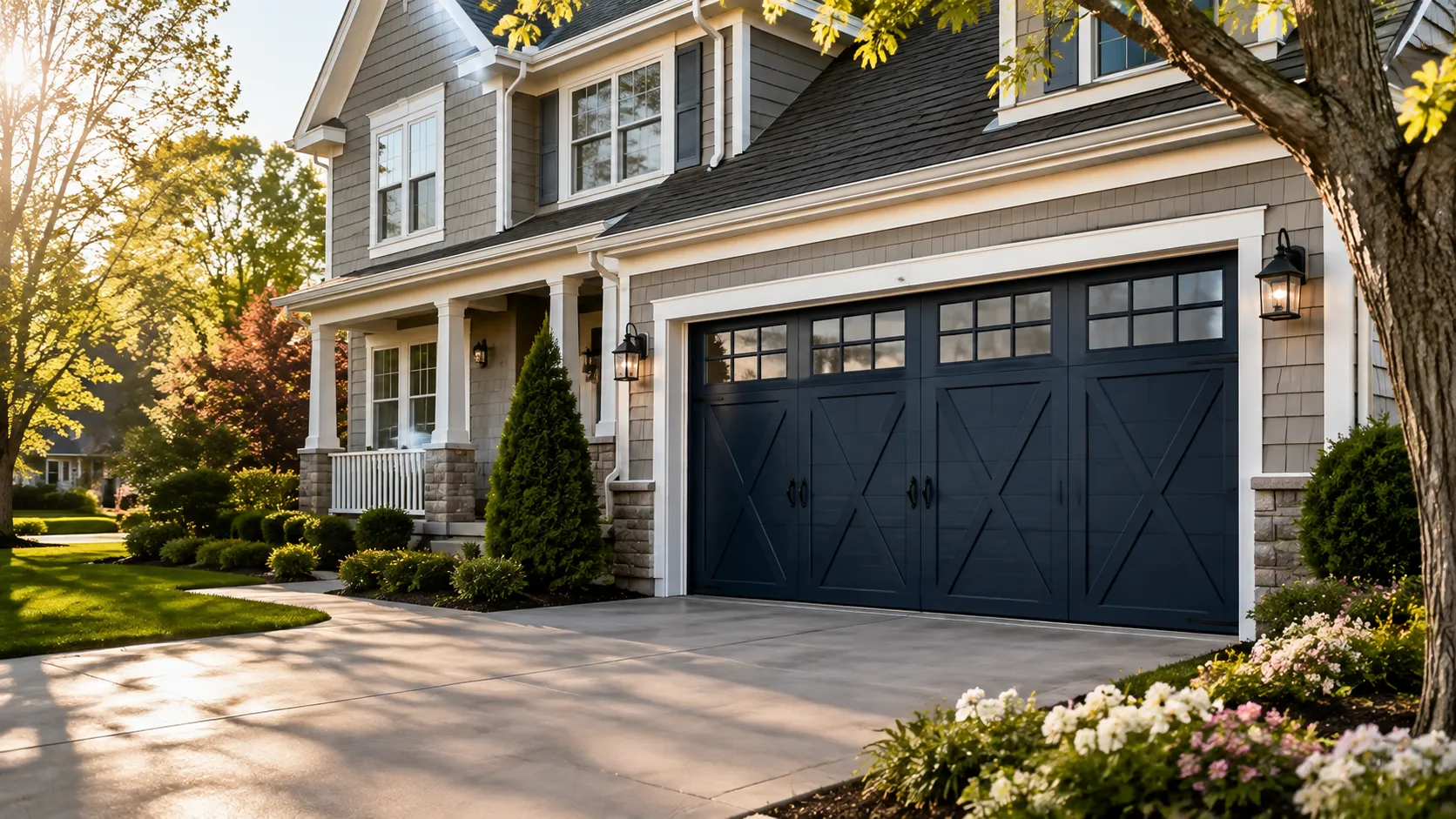
A straight replacement starts with pulling the old door, track, and springs, then checking the opening for square before anything new goes in. On a 1990s-built home the framing is usually true, which speeds this step up. You're choosing a door style, panel material, and insulation level - and given the cold-moderate climate band this area sits in, most owners here upgrade to an insulated steel or composite door rather than replacing single-layer with single-layer.
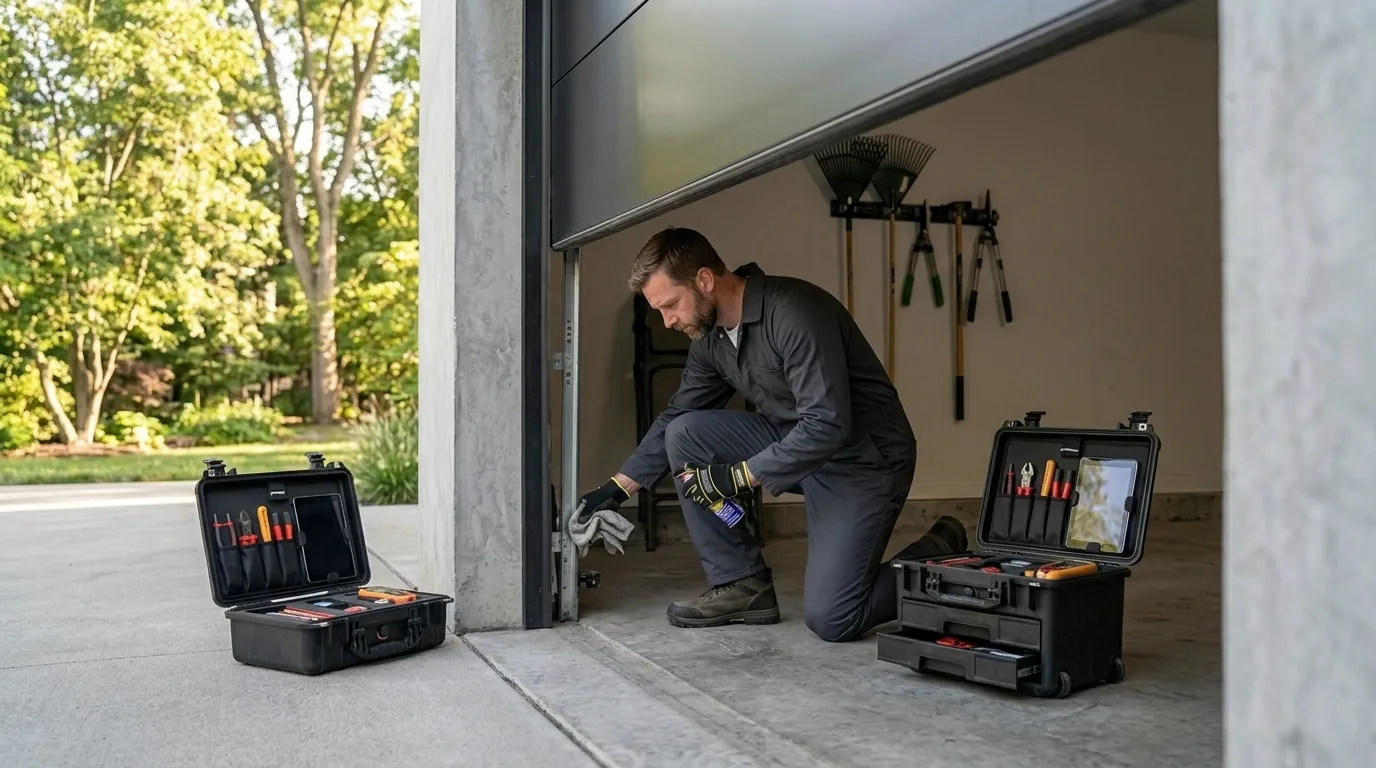
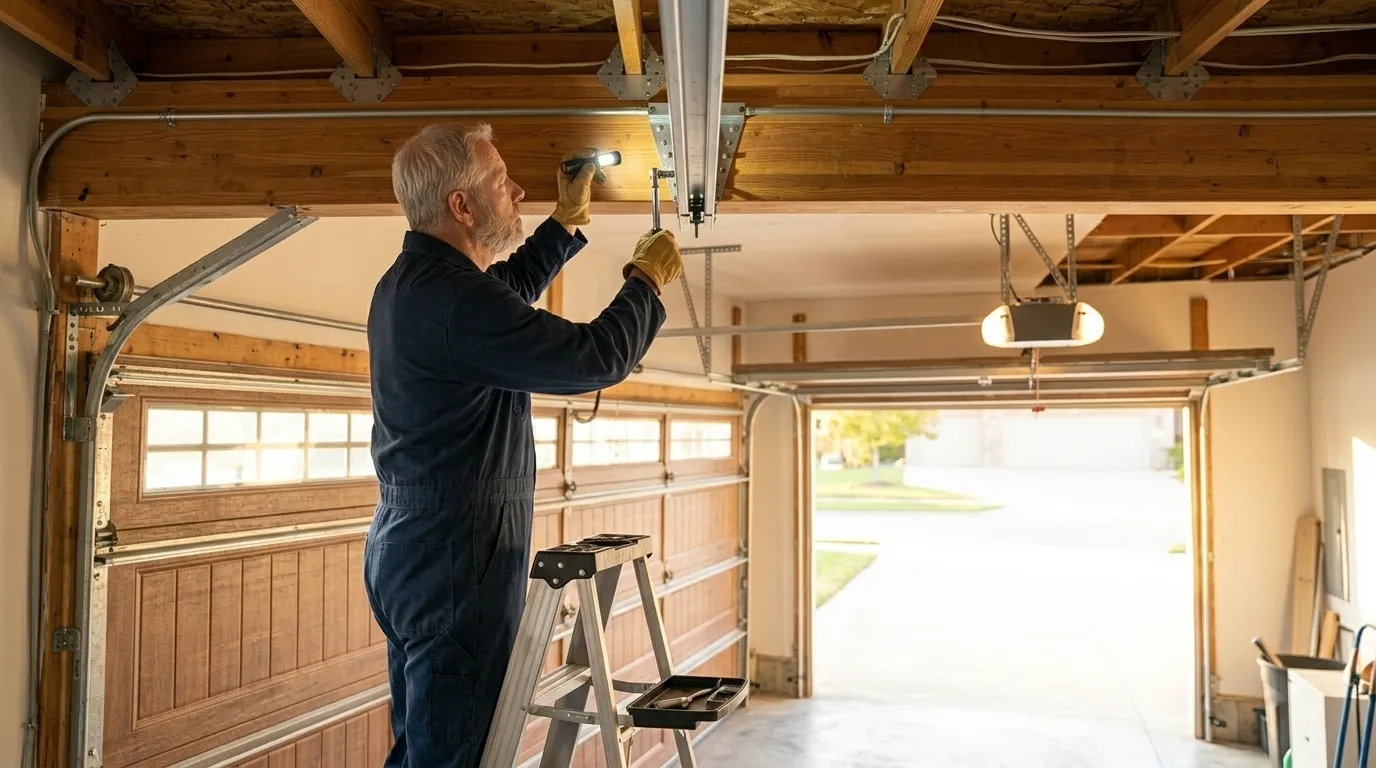
New track gets set and leveled, springs are sized to the door's actual weight (not guessed), and the opener is either reused if it's in good shape or swapped if it's original to a 1990s build and near end of life. We test balance, travel limits, and auto-reverse before we call it done. We don't sub in the old opener without checking it against the new door's weight - a mismatched spring-to-opener pairing is one of the more common comeback calls in this kind of work, and it's avoidable at install time.
What Can Go Wrong
The most common issue on newer stock like Sunnyslope's isn't structural - it's mismatched hardware. An opener rated for the old door's weight can strain or fail against a heavier insulated replacement if nobody rechecks the math. A second issue: openings that were framed slightly out of square in the original 1990s build show up only once the old door and track are stripped out, and that adds time to true things up before the new track goes on.
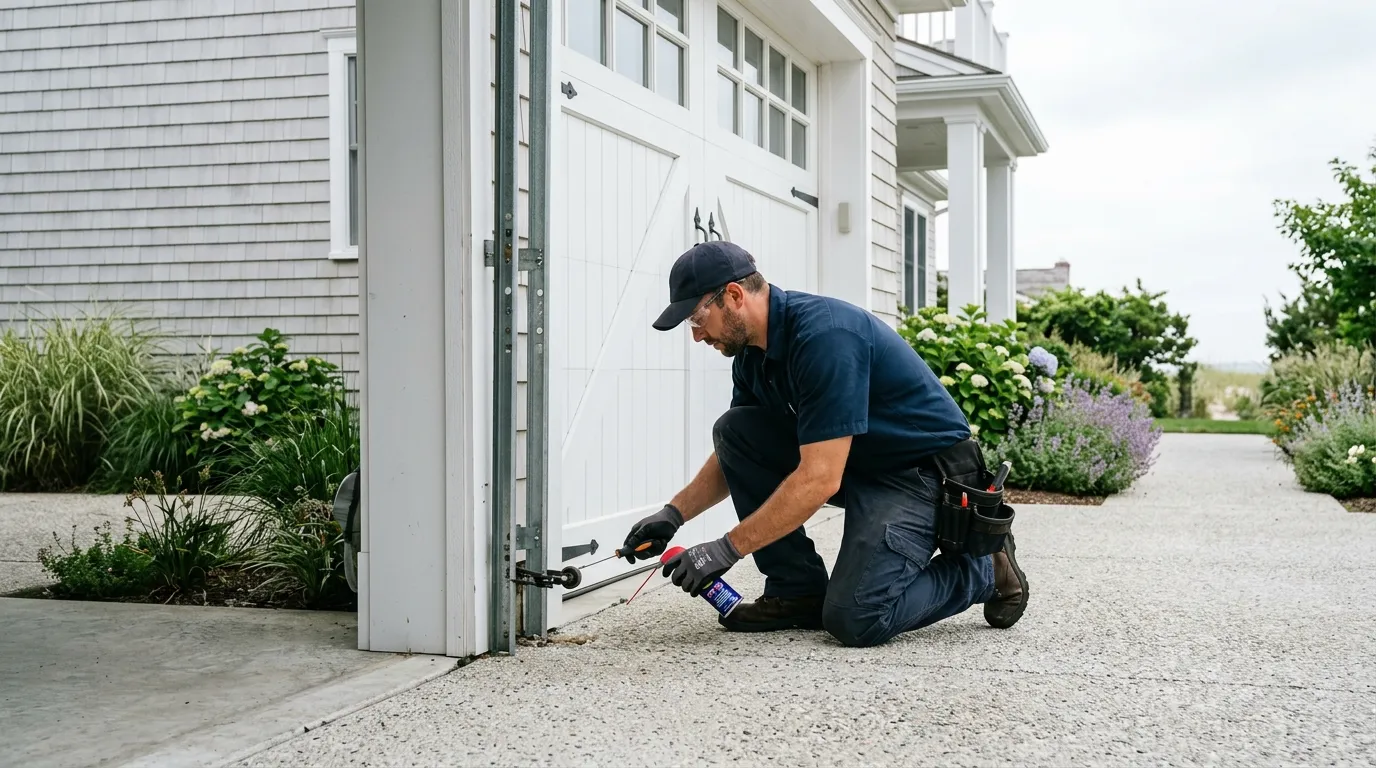
We've also seen owners try to reuse a spring system with a new door on the assumption that 'newer house means it's all fine.' It usually isn't - the spring has to match the door in front of it, not the age of the house behind it. One limitation worth saying plainly: if the opening itself needs structural work - a rotted jamb or a header that's not sound - that's outside a straight door install and needs to be handled first.
What It Costs
We don't have a published price list to quote here, and giving a number without seeing the opening, the door style, and the insulation package would be a guess dressed up as a fact. What we can say is that Sunnyslope's income profile - a median household income of $131,250 here - tends to push choices toward insulated steel and composite doors rather than the base single-layer option, since the price difference is smaller relative to the household budget than it is elsewhere in the service area.
Across the 1,355 households in Sunnyslope, most garage doors are original to construction and are only now hitting 30 years old, so this is a real wave of first replacements, not repeat work - which also means most quotes here are for a full door and opener, not a patch job. For an actual number, we'd need to look at your opening.