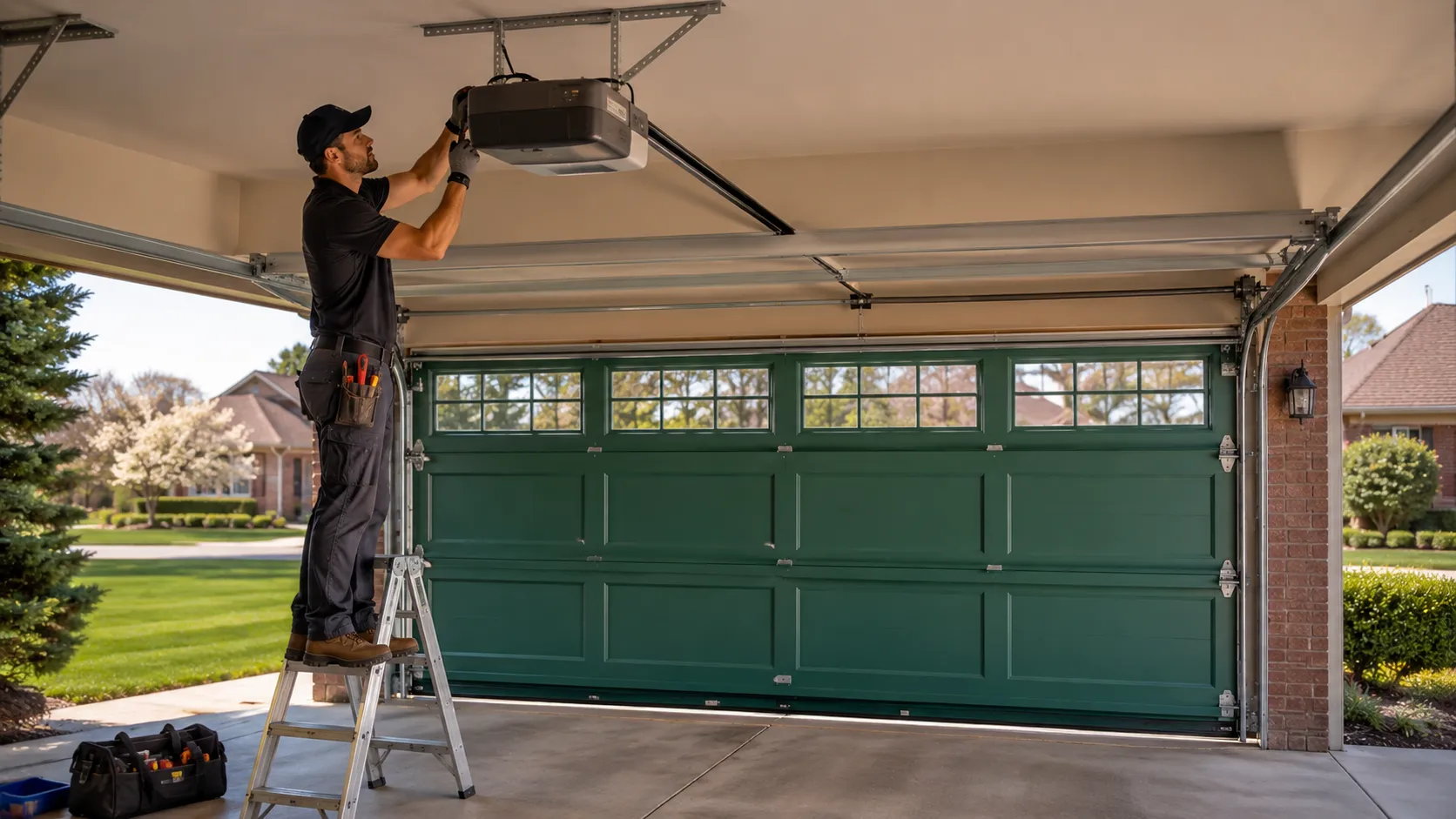
Why This Fails Locally
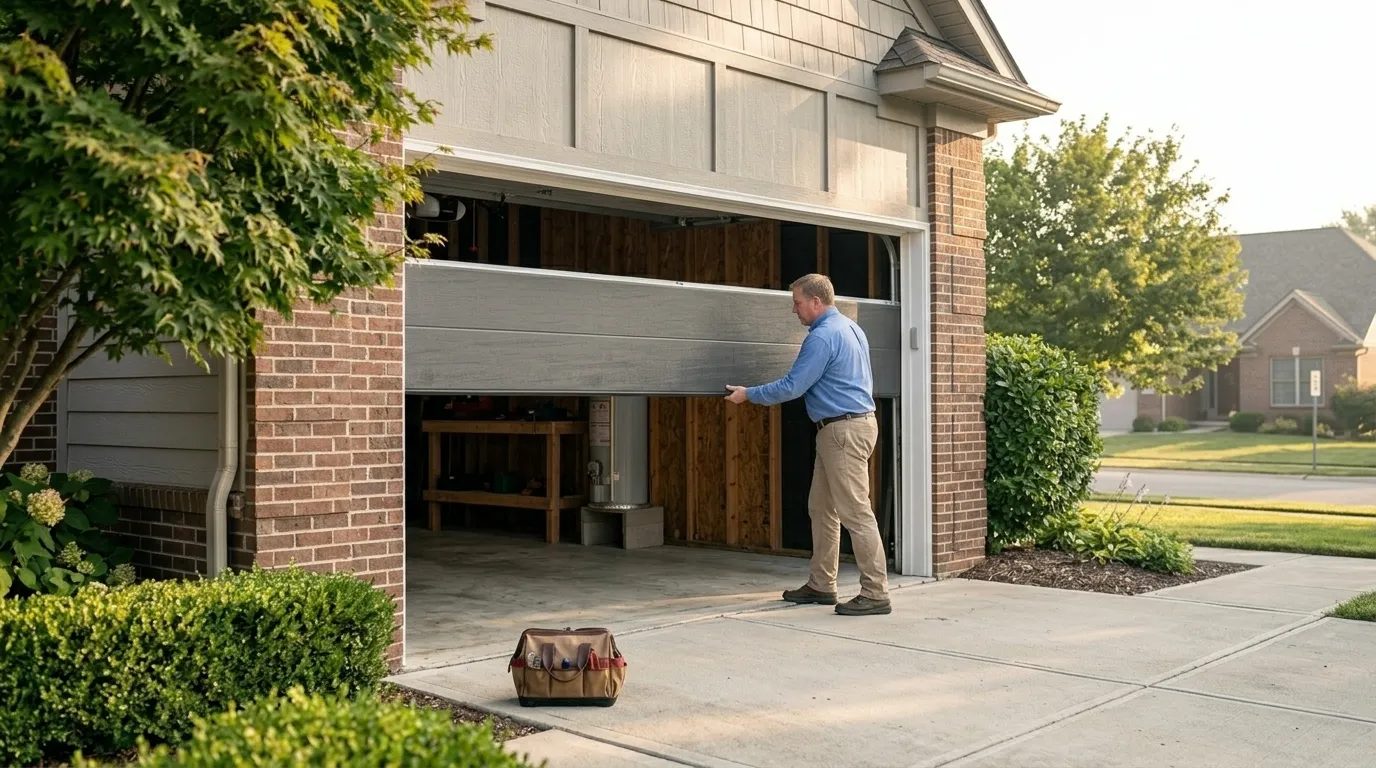
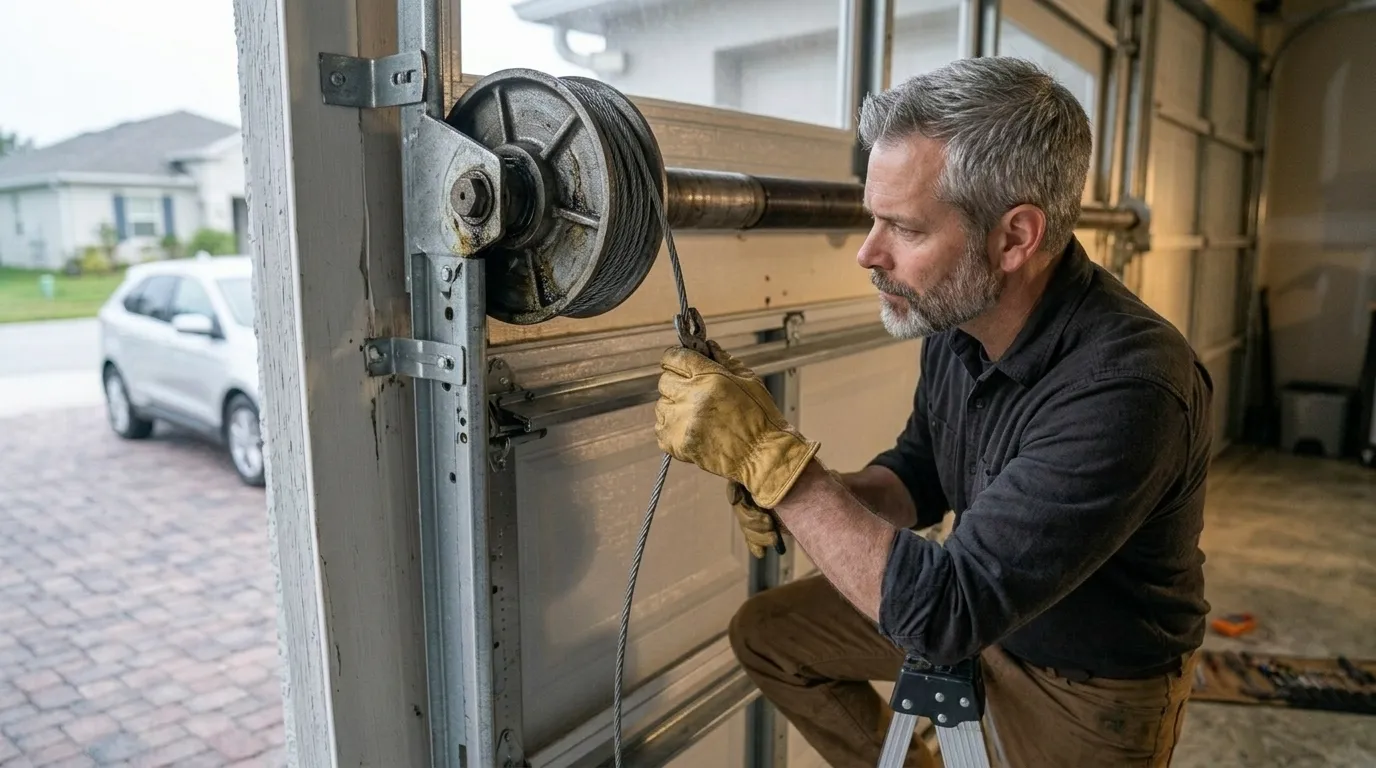
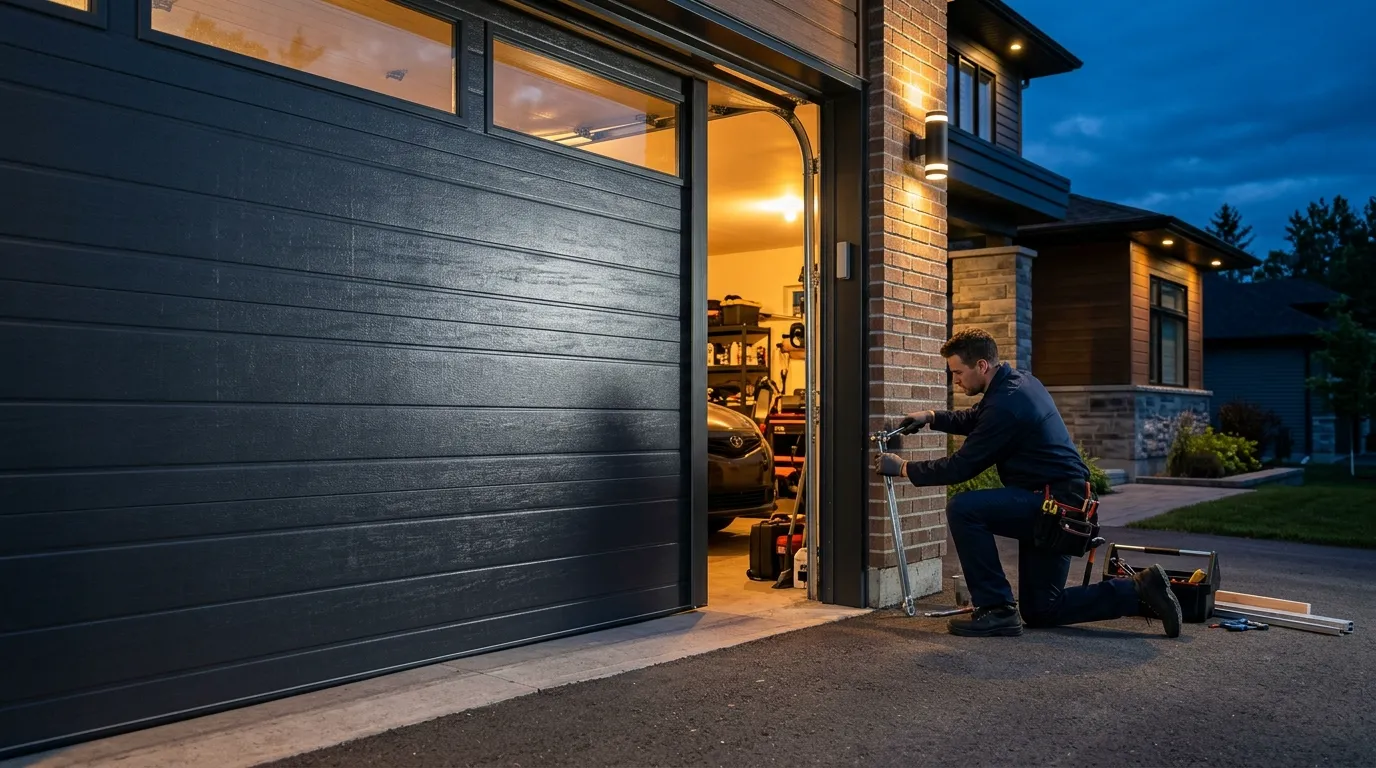
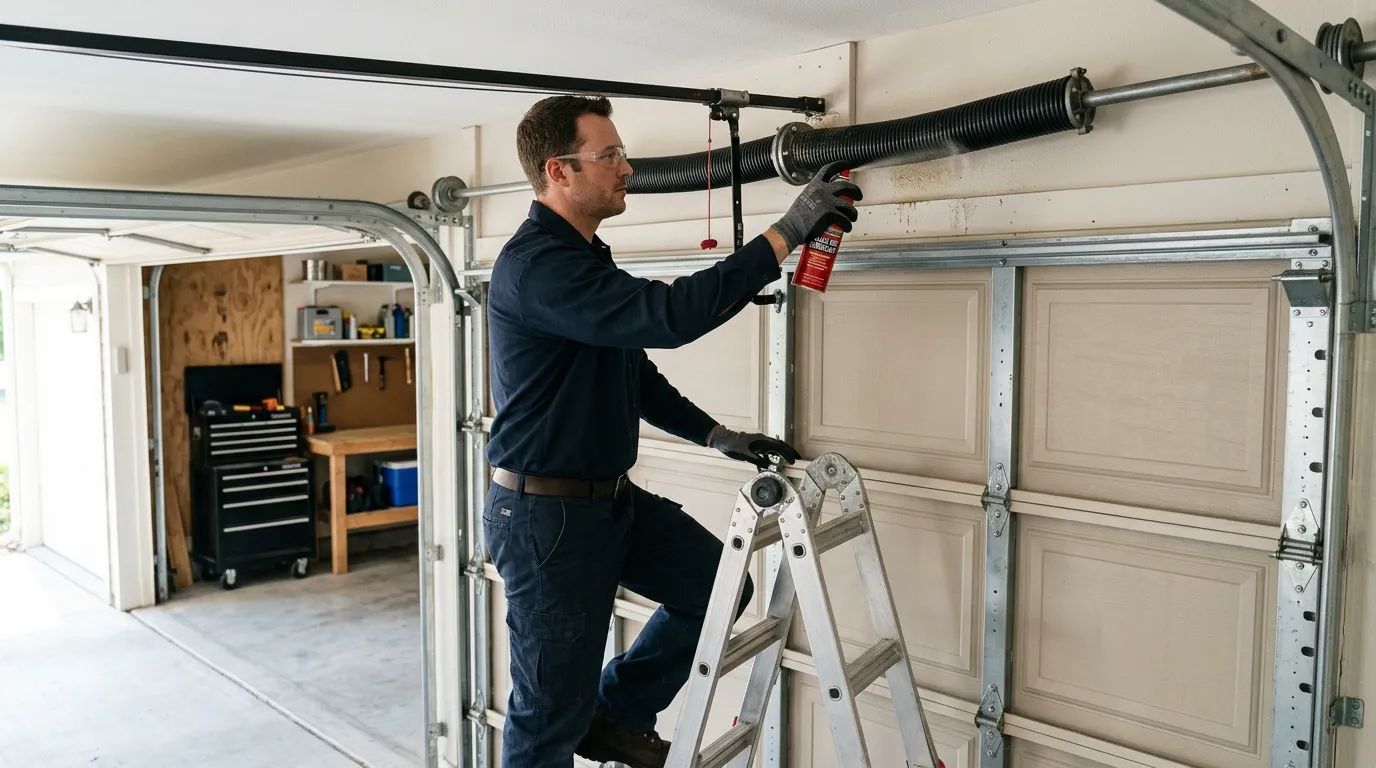
Most of the garage doors in Sunnyslope went up around 1993, which puts this pocket a full generation newer than the older neighborhoods closer to town where doors were often built in the 1960s and 70s. That matters because a door from the early 90s is almost always a steel sectional panel on a standard-lift torsion system, not the single-piece or older extension-spring setups you still find in older sections of the service area. The steel panels here are lighter than the old wood slabs but they dent and rust at the seams if the weatherstrip fails, and the torsion springs on a 90s-era 16x7 double door were wound for a specific door weight that doesn't always match what's hanging on it now if a panel's been swapped. The fault that shows up first isn't usually a broken spring - it's a hardened lubricant on rollers and hinges that were serviced once at install and never again. Given the cold band this area sits in, that stiff grease turns brittle in winter and starts pulling screws loose from the track brackets. It's a slower failure than a snapped cable, but it's the one we see most on doors this age.
What the Fix Involves
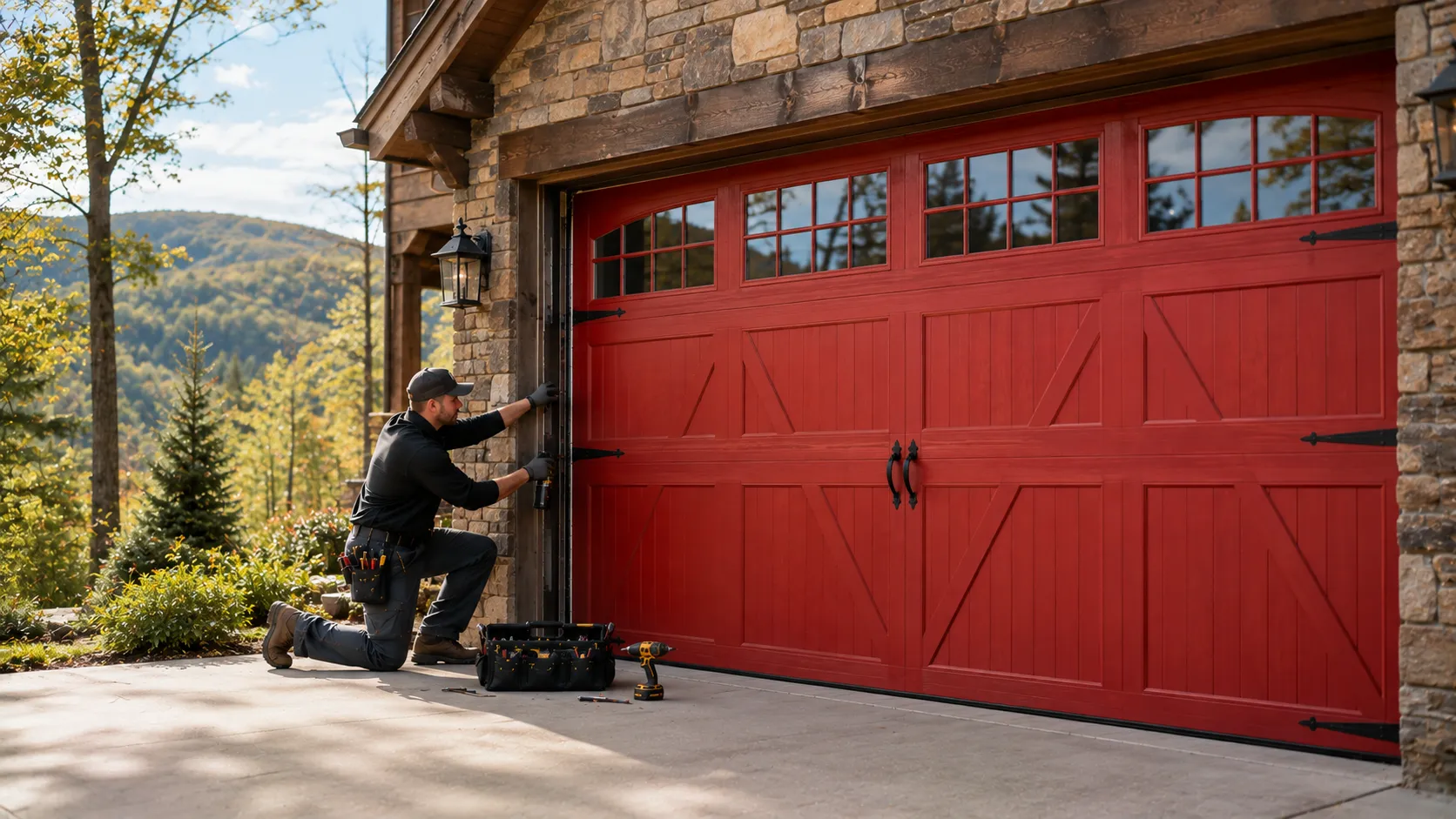
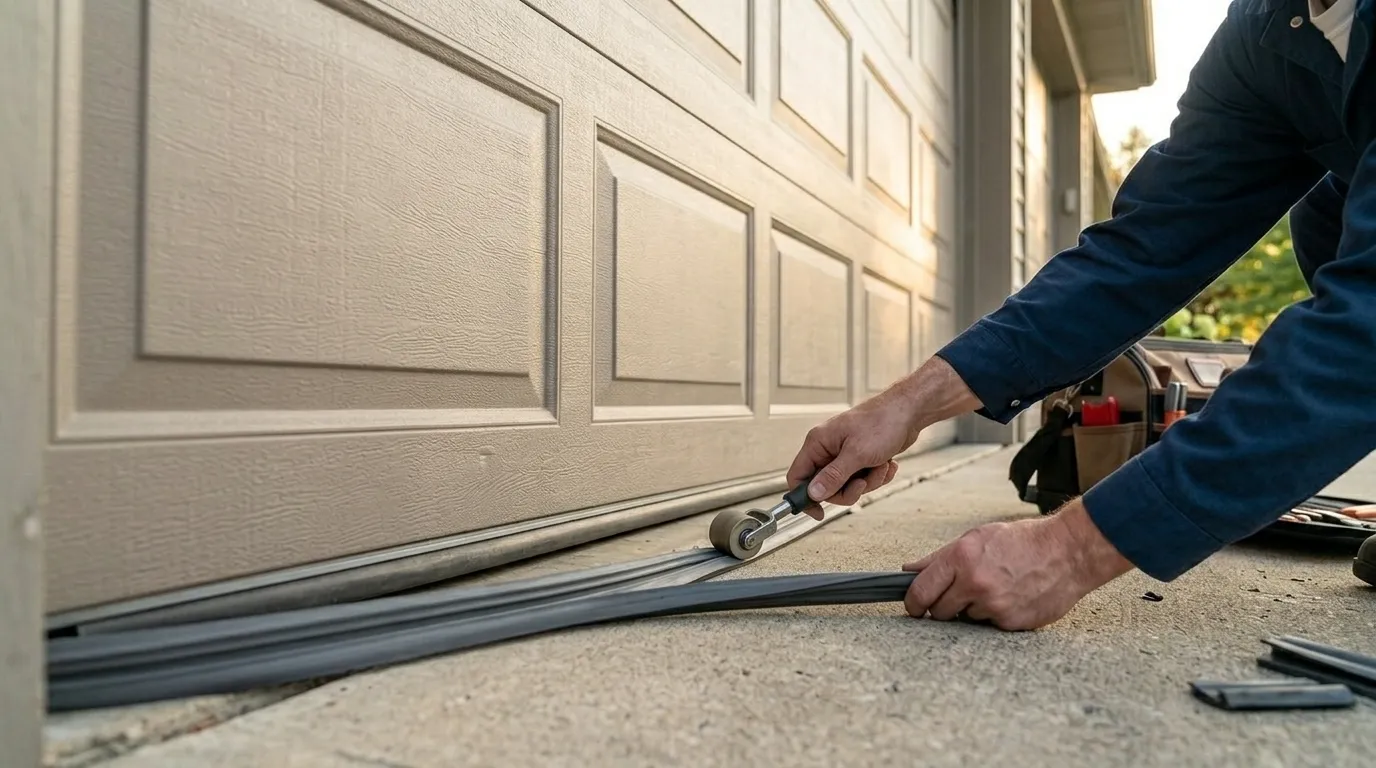
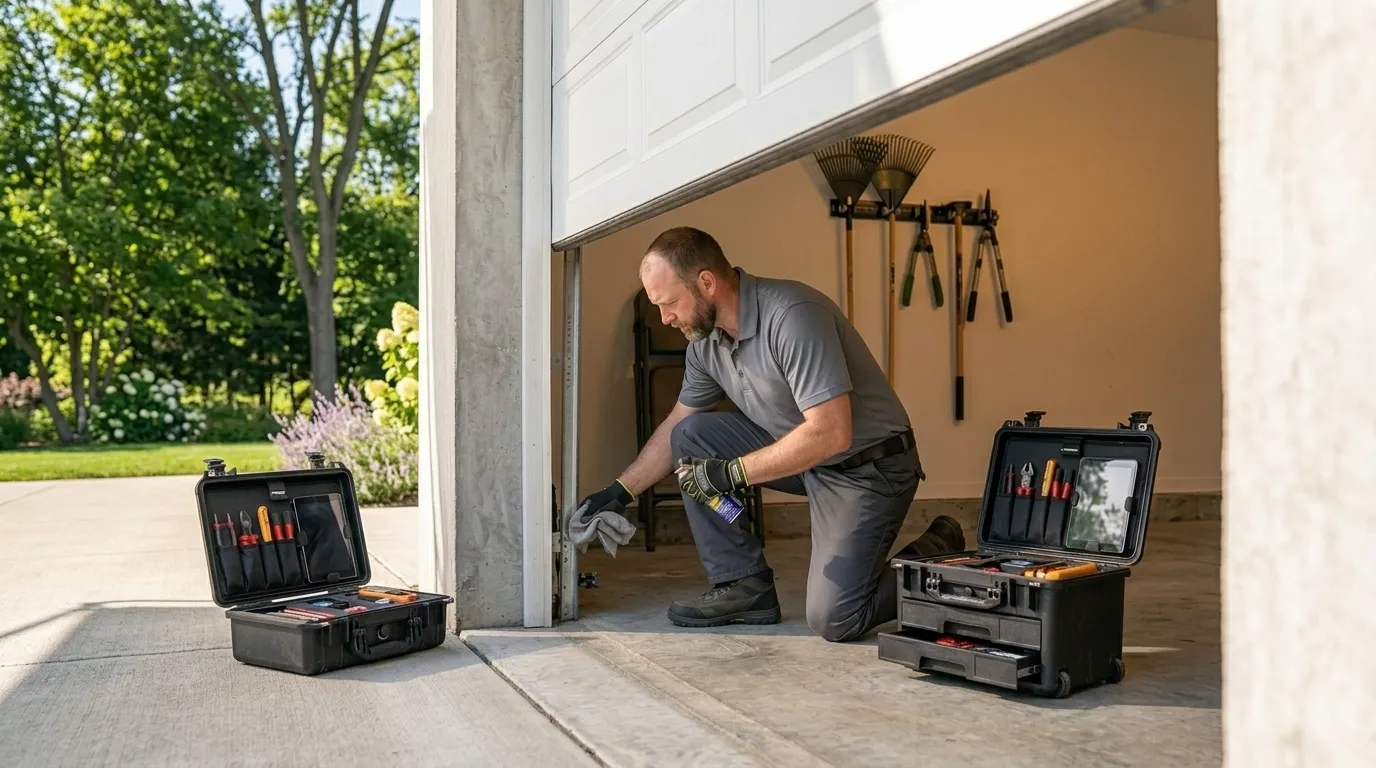
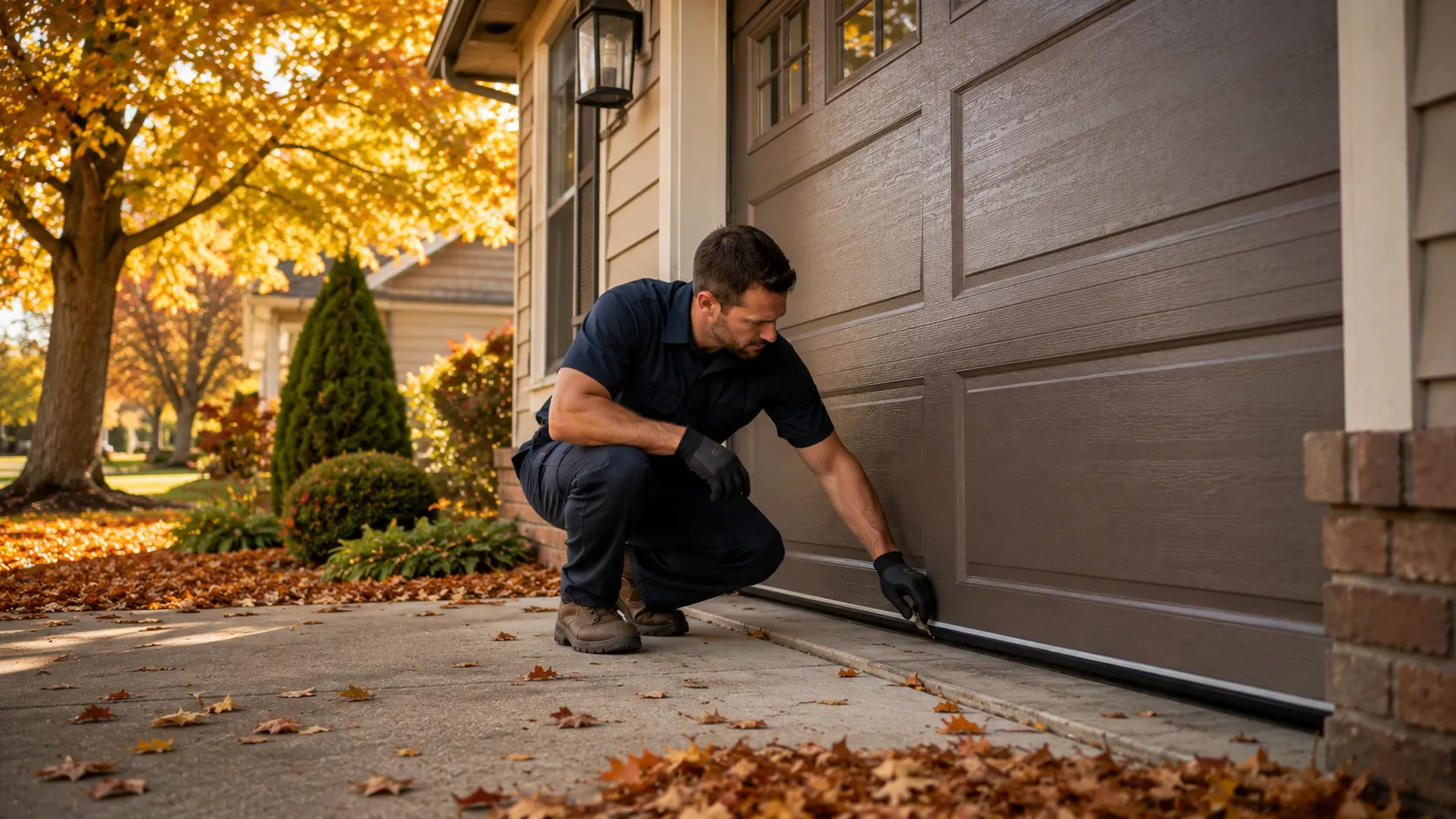
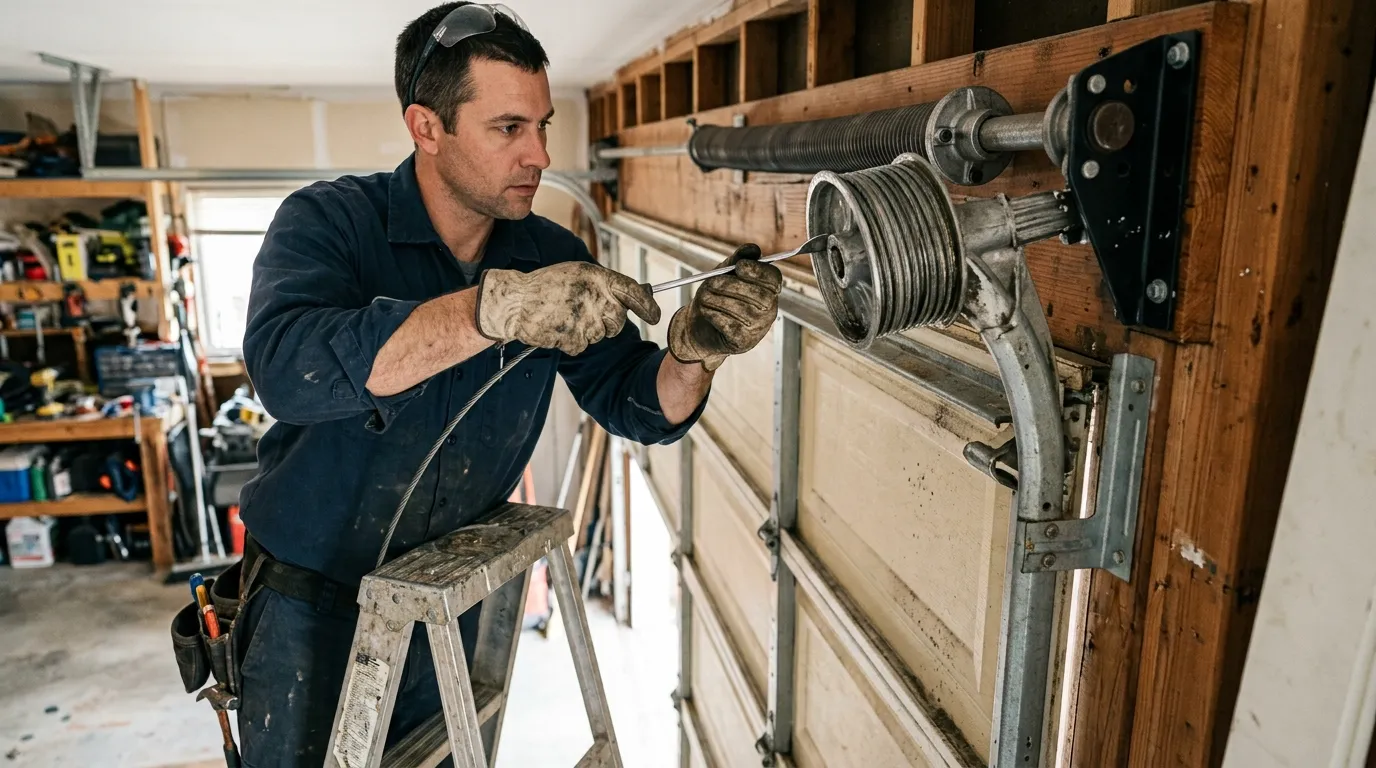
We start with the springs, since a torsion spring on a standard 90s double door has a duty cycle and this stock is old enough that some are past it even without a visible crack. We check wind tension against door weight, not just look for rust. From there it's rollers - nylon rollers from that era are usually original and glazed hard, so we pull and replace rather than just oil them. Track alignment gets checked next; steel sectional doors rack out of square more than people expect once a bracket screw backs out, and on a 32-year-old door that's had one or two openers bolted to it, the header bracket is worth a hard look too. We also check the bottom seal, since a failed seal on this era of door lets moisture into the steel panel seams and that's where the rust starts. We don't repaint or refinish panels - if the rust has gone through, that's a panel replacement conversation, not a maintenance one.
What Can Go Wrong
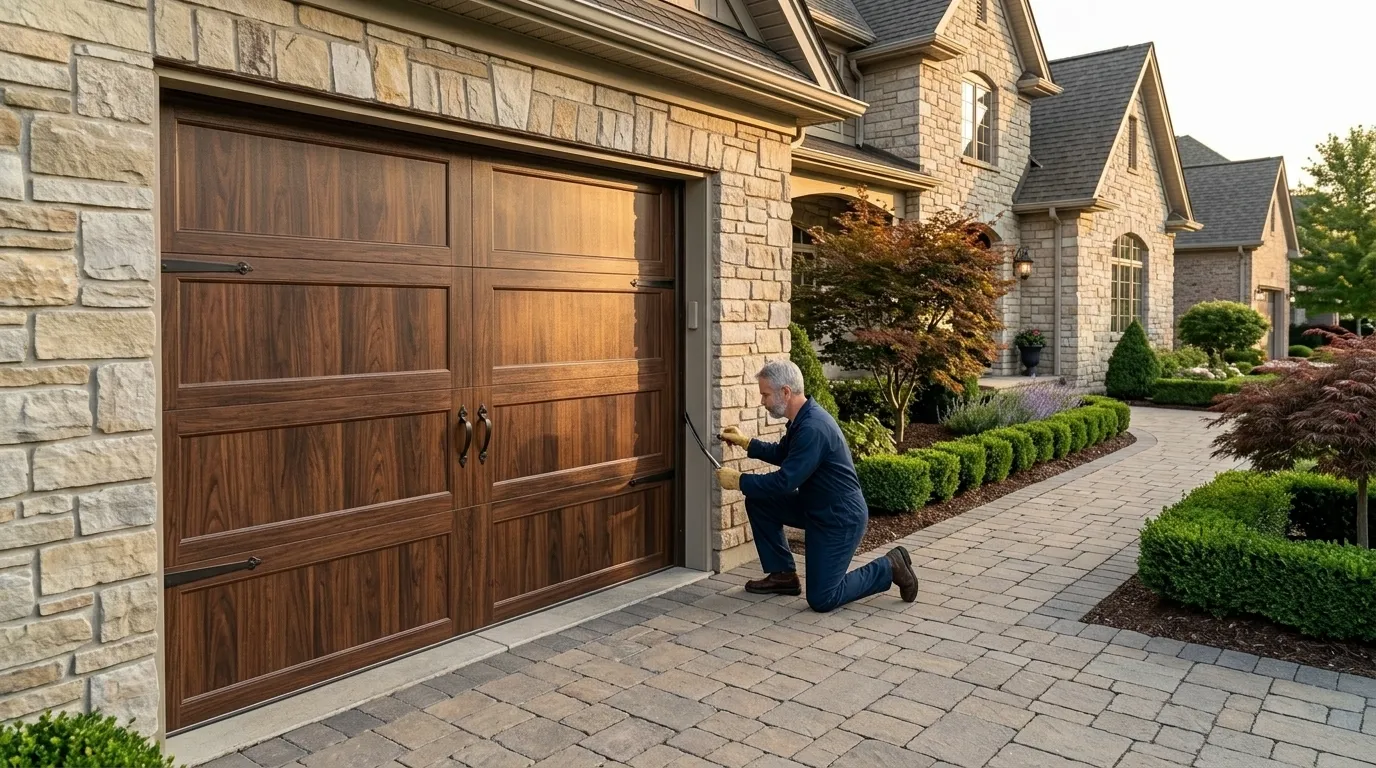
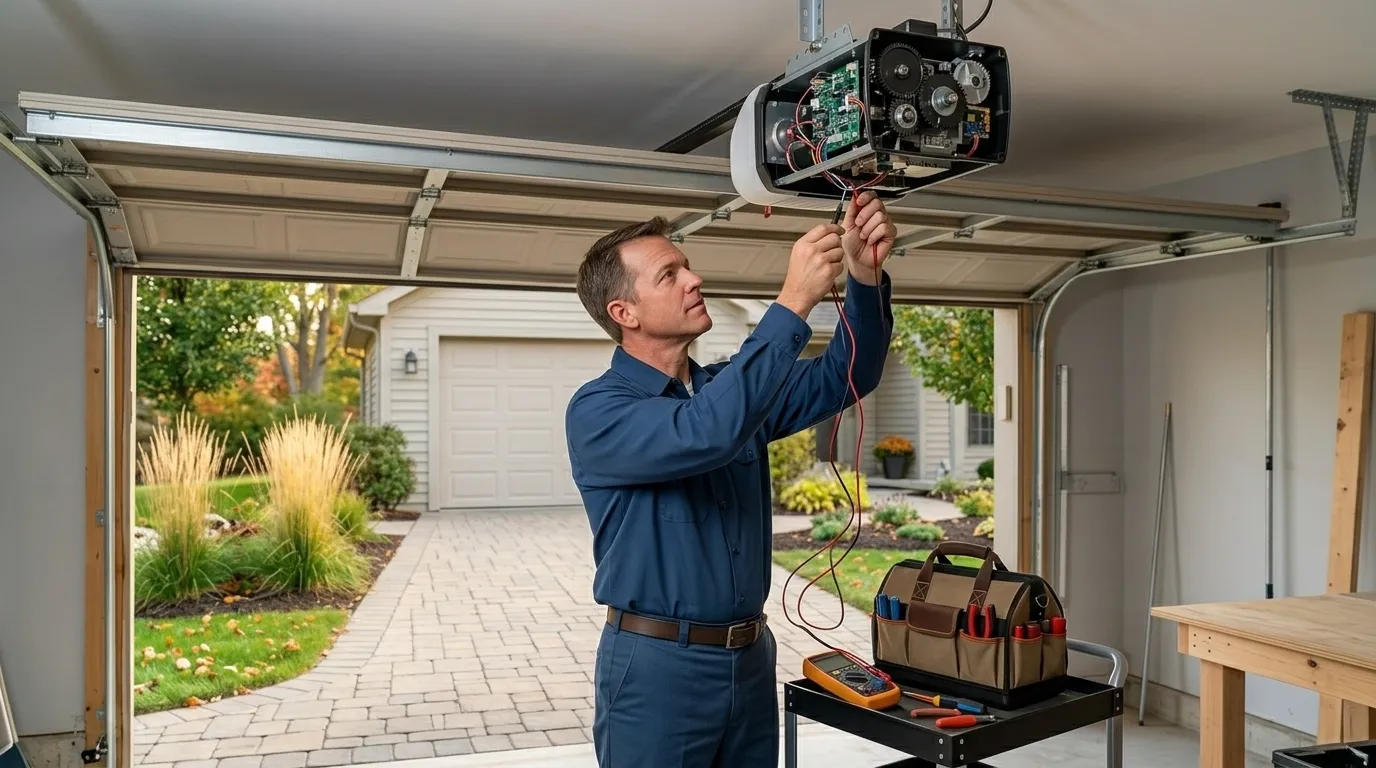
The biggest risk on a door this age is a spring that looks fine but is wound for a door weight the current panel setup no longer matches - if insulation's been added or a panel swapped without rebalancing, the opener starts doing work the spring should be doing, and that wears the drive and the cables faster than normal. Second is the header bracket: on some builds from this era it was screwed into a single stud rather than lagged into the framing, and thirty-plus years of door cycles works those screws loose. We check it every visit because a bracket failure under tension is not something you want to find out about the hard way. We also flag - and don't fix ourselves without a separate quote - any panel with rust through the steel skin, since patching it doesn't hold and a full panel replacement is a parts-order job, not a same-visit one.
What It Costs
We price maintenance on these doors the same as any standard double-car torsion setup, since the hardware and labor involved don't differ much once you're inside a 90s steel sectional door - the cost driver is what we find, not the neighborhood. If it's roller and lubrication service only, that's the lower end. If a bracket needs re-anchoring or a spring needs rewinding for a mismatched door weight, that adds time and parts. We give the number before we start any work beyond the initial inspection.