Why This Fails Locally
Sunnyslope's median household income runs $131,250, well above the wider service area's $75,854, and that number matters more than people think when a door starts acting up. At that income level, a repair bill under a few hundred dollars is an easy yes, and a full replacement isn't a financial stretch either - which changes the math on whether you fix a marginal spring or just swap the whole unit.
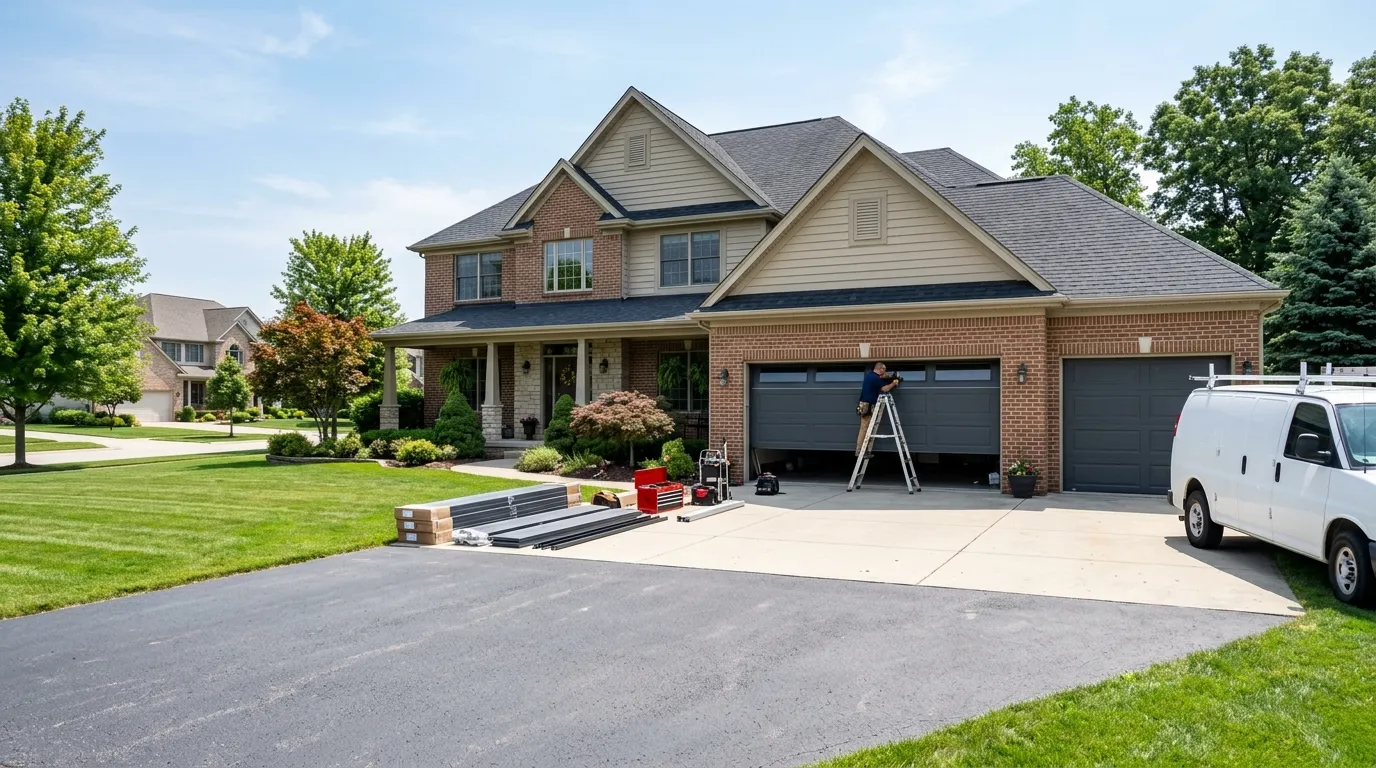
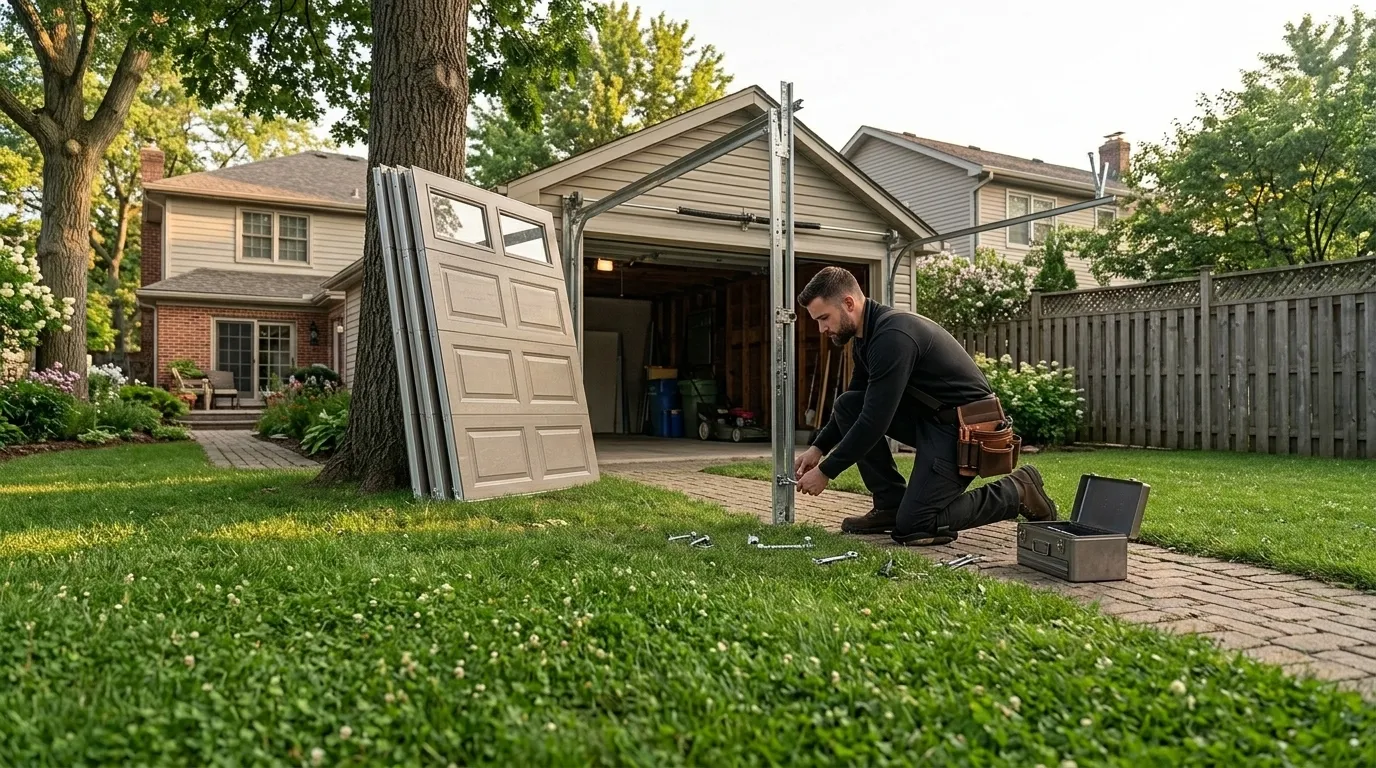
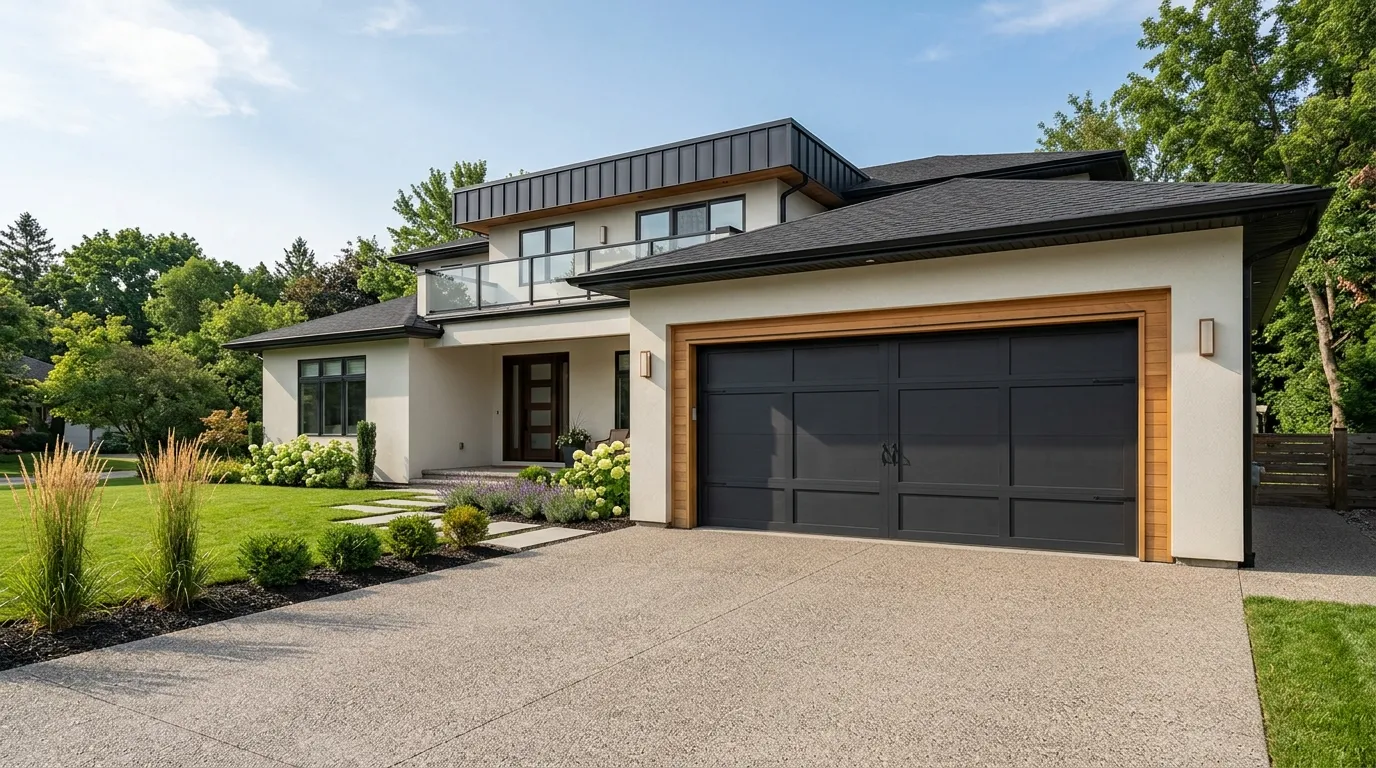
The houses themselves also skew newer than most of what we see closer to Wenatchee. Across the broader area, median year built sits around 1977, with a lot of stock from the 1960s and 70s. Sunnyslope's median is 1993 - sixteen years newer. That means fewer of the original one-piece doors on side-mounted torsion hardware that show up in the older neighborhoods, and more factory-installed steel sectional doors with photo-eye safety sensors, which became standard around that build era.
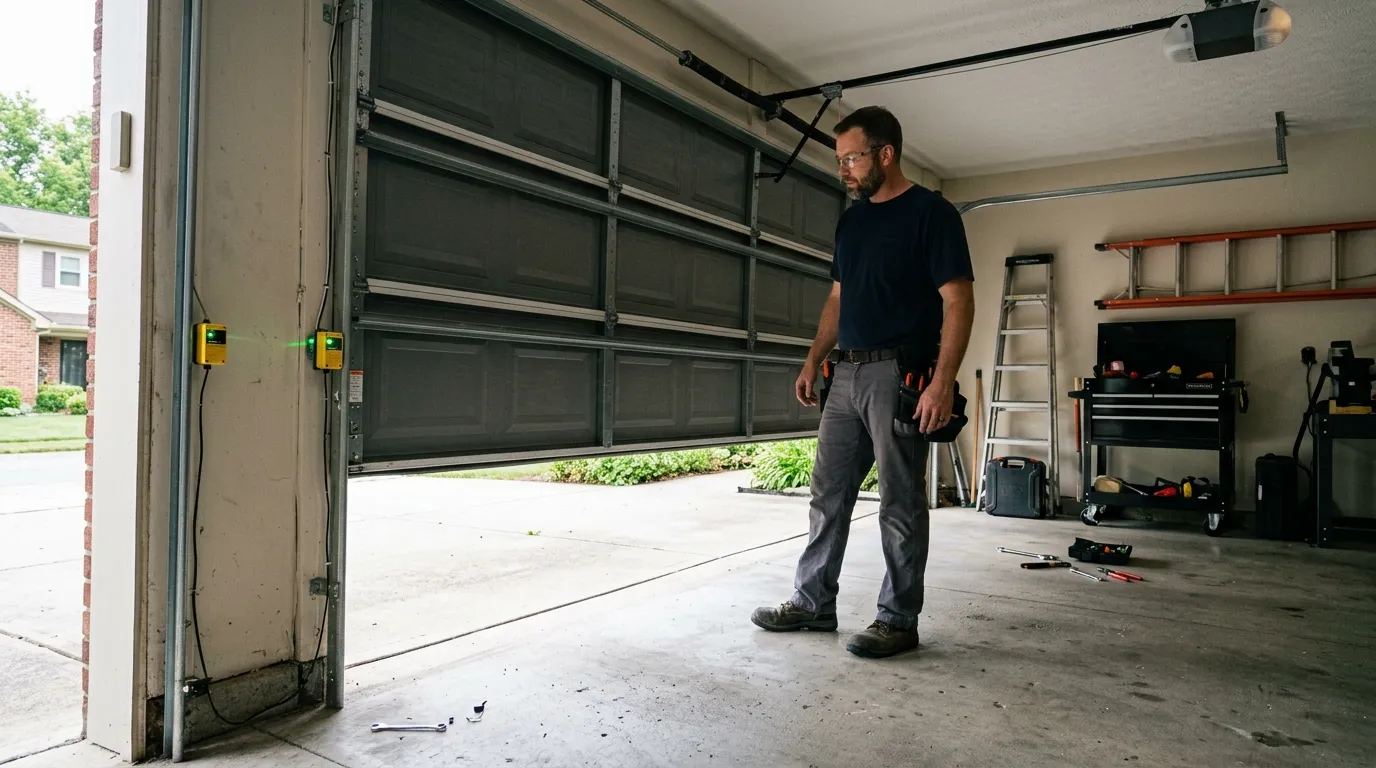
What still fails here: torsion springs losing tension after a decade-plus of cycles, openers with worn drive gears, and misaligned photo-eye sensors that throw a door back up mid-close. The failure mode is different from the older stock five miles over, even though the symptoms - door won't close, door reverses, door sounds rough - look the same on the phone.
What the Fix Involves
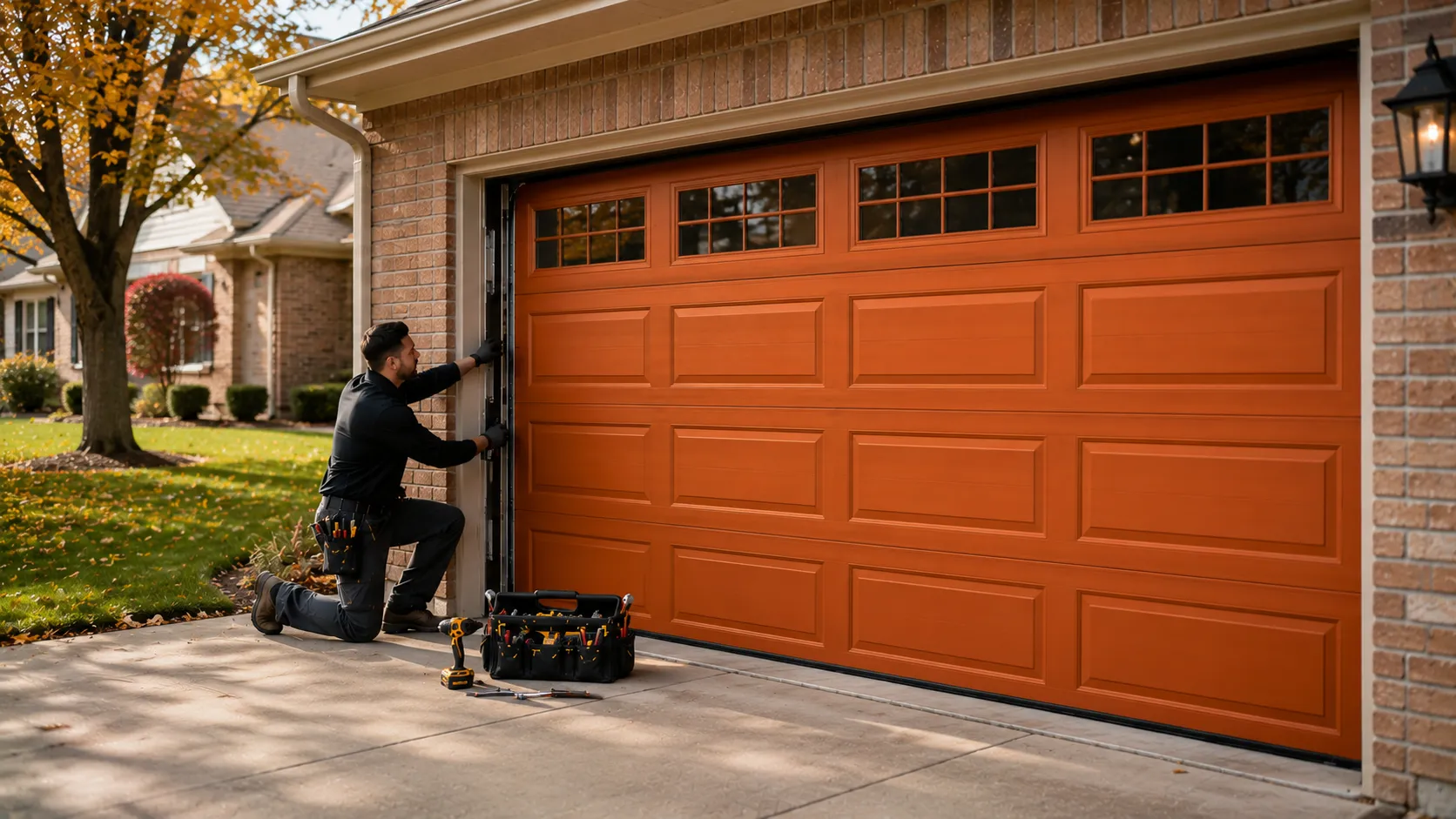
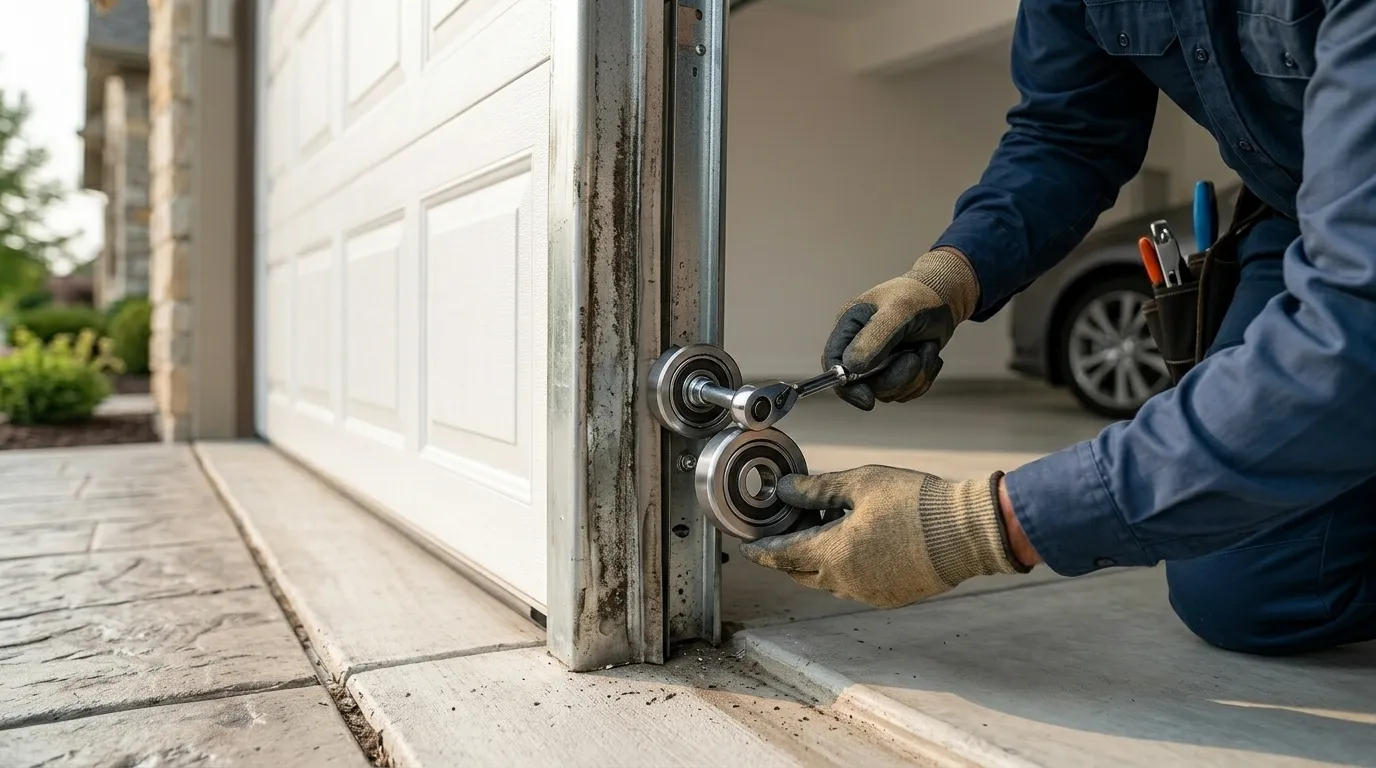
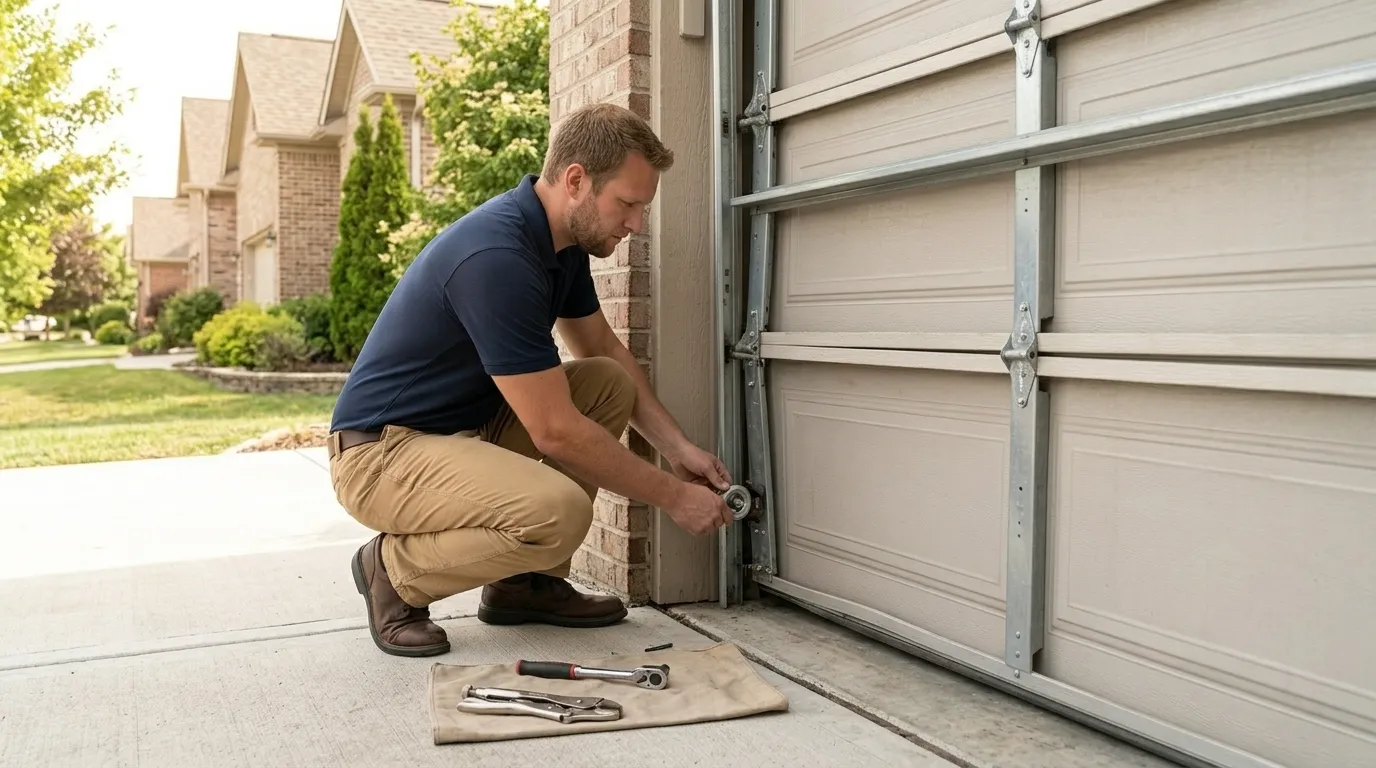
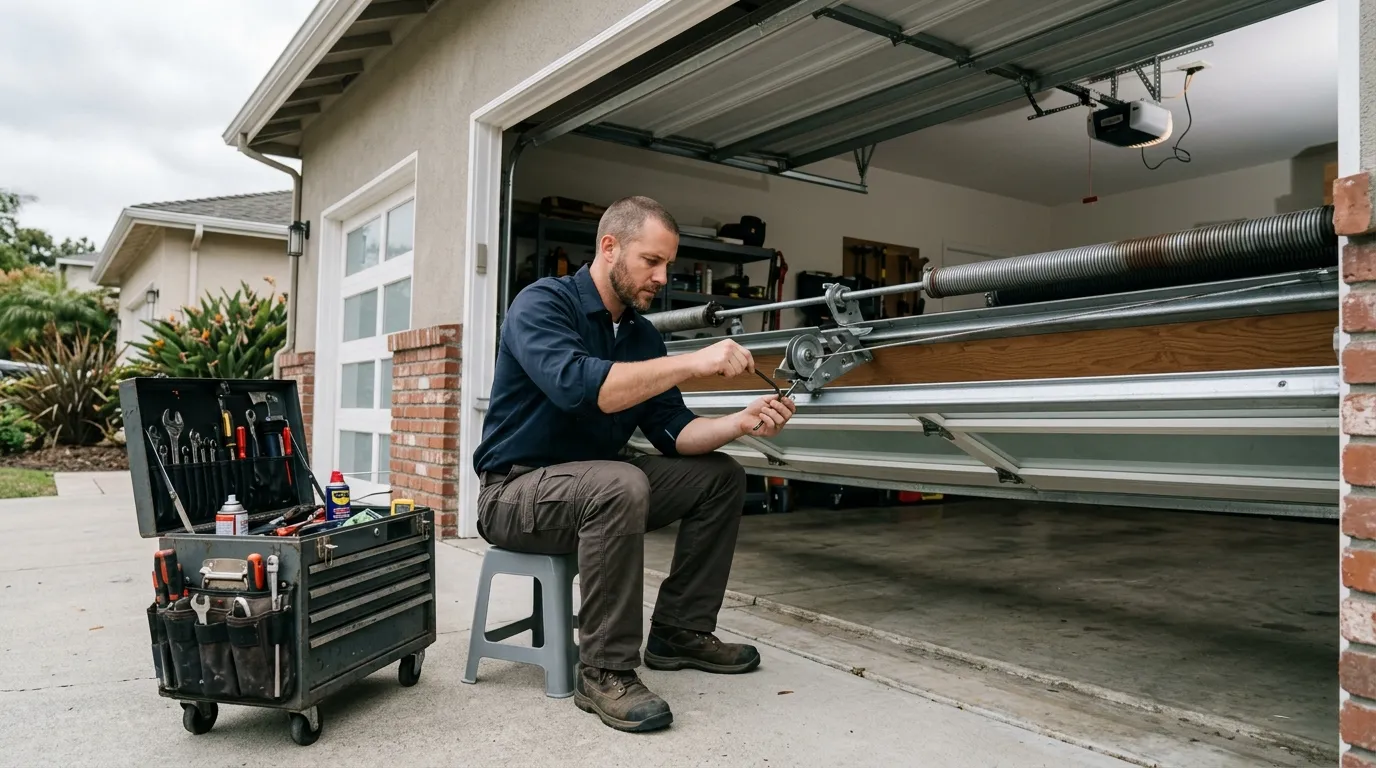
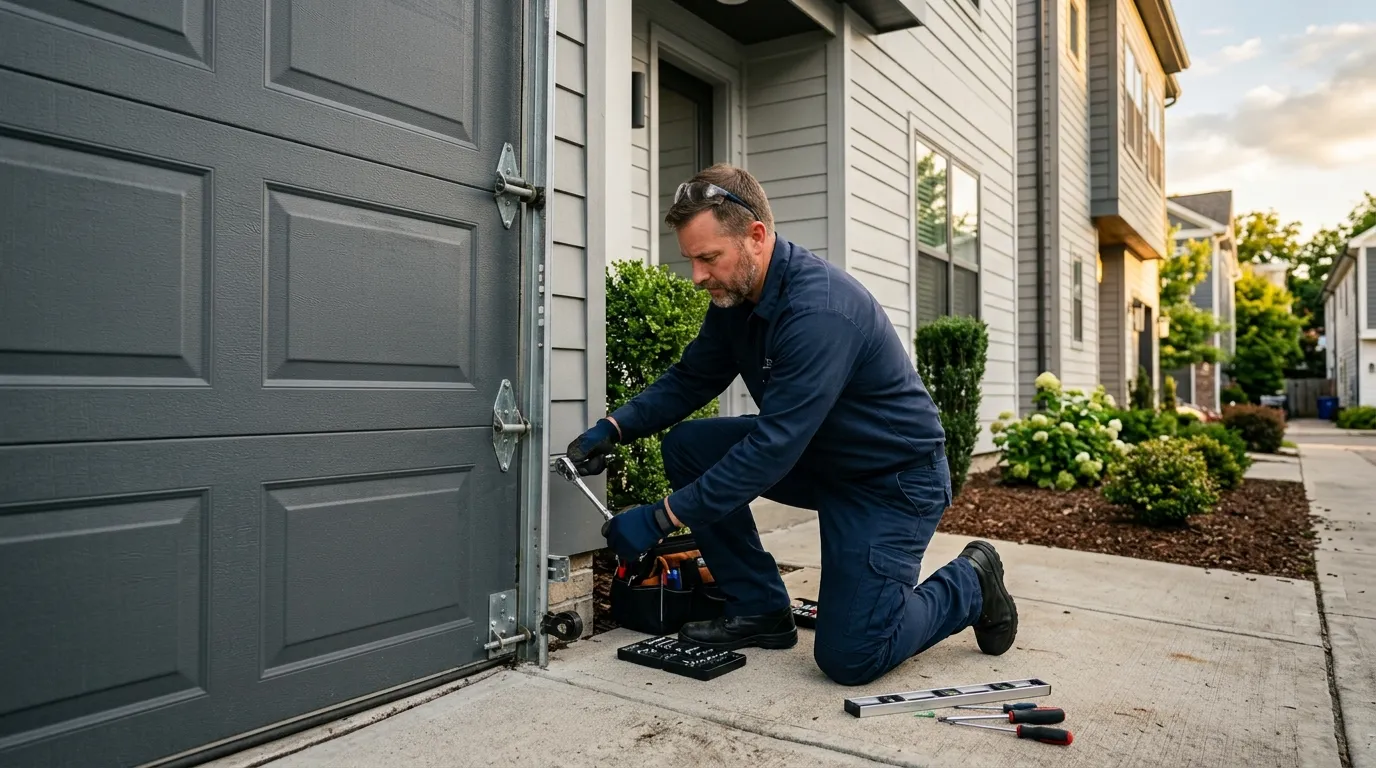
Most calls out to Sunnyslope start with a spring or sensor issue rather than a structural one, given how much of the housing here is newer construction. We check torsion spring tension first, since a door built in the early 90s or later is old enough now that the original springs are near or past their rated cycle count. If the springs are fine, we move to the opener - checking the drive gear, the limit settings, and the photo-eye alignment, since a bumped or dusty sensor is a common false alarm on doors this age.
We travel out from Wenatchee for every job, about 5 miles each way, so we bring the parts we expect to need based on what you tell us on the phone: spring size, opener brand if you know it, and whether the door is steel or has any insulation panel. If it turns out to be something we didn't anticipate - a bent track, a broken cable - we may need a second trip if the part isn't one we carry standard.
What Can Go Wrong
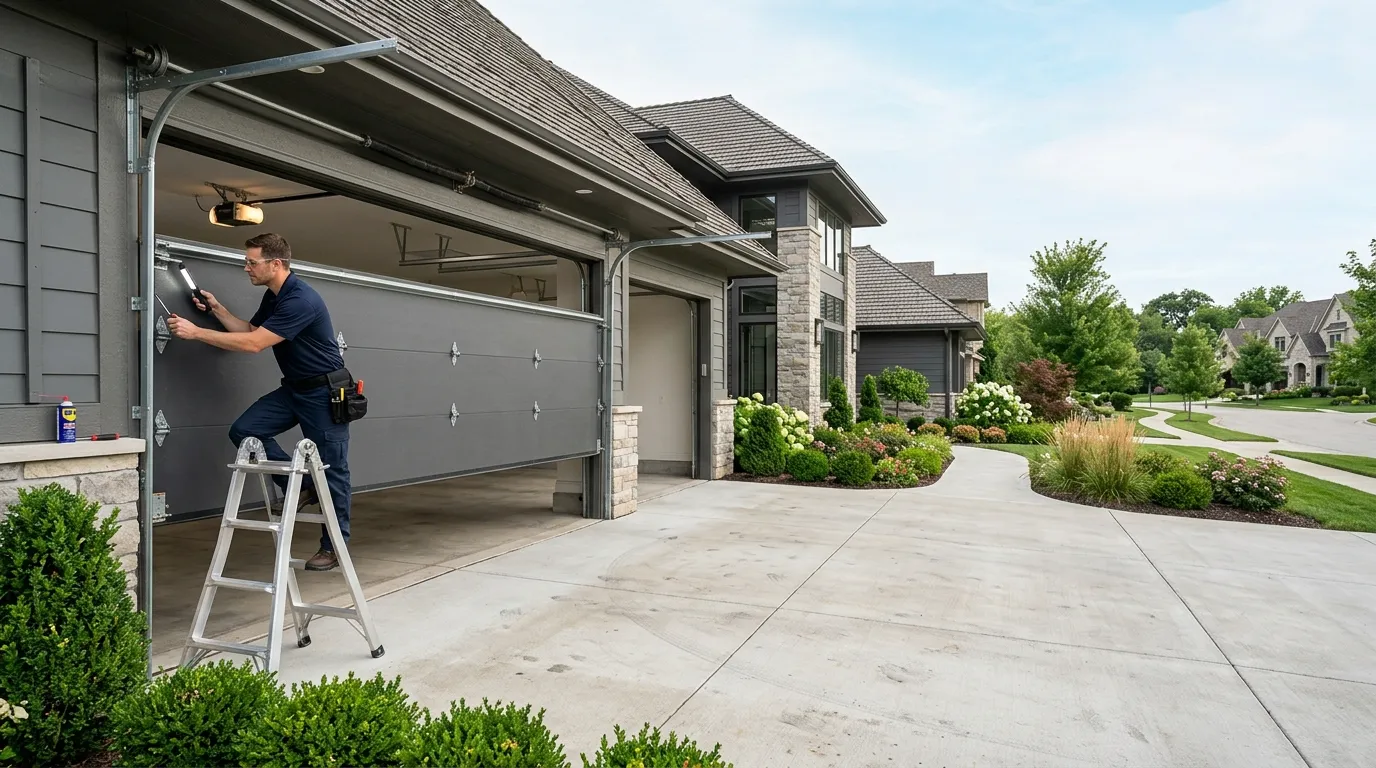
On newer doors like most of what's in Sunnyslope, the photo-eye sensor is the part most likely to cause a callback that isn't actually fixed the first time. Dust, a slight bump from a parked car, or sun glare can throw the sensors out of alignment again within weeks, and if we don't catch the root cause - a loose bracket, a cracked sensor housing - the same symptom comes back.
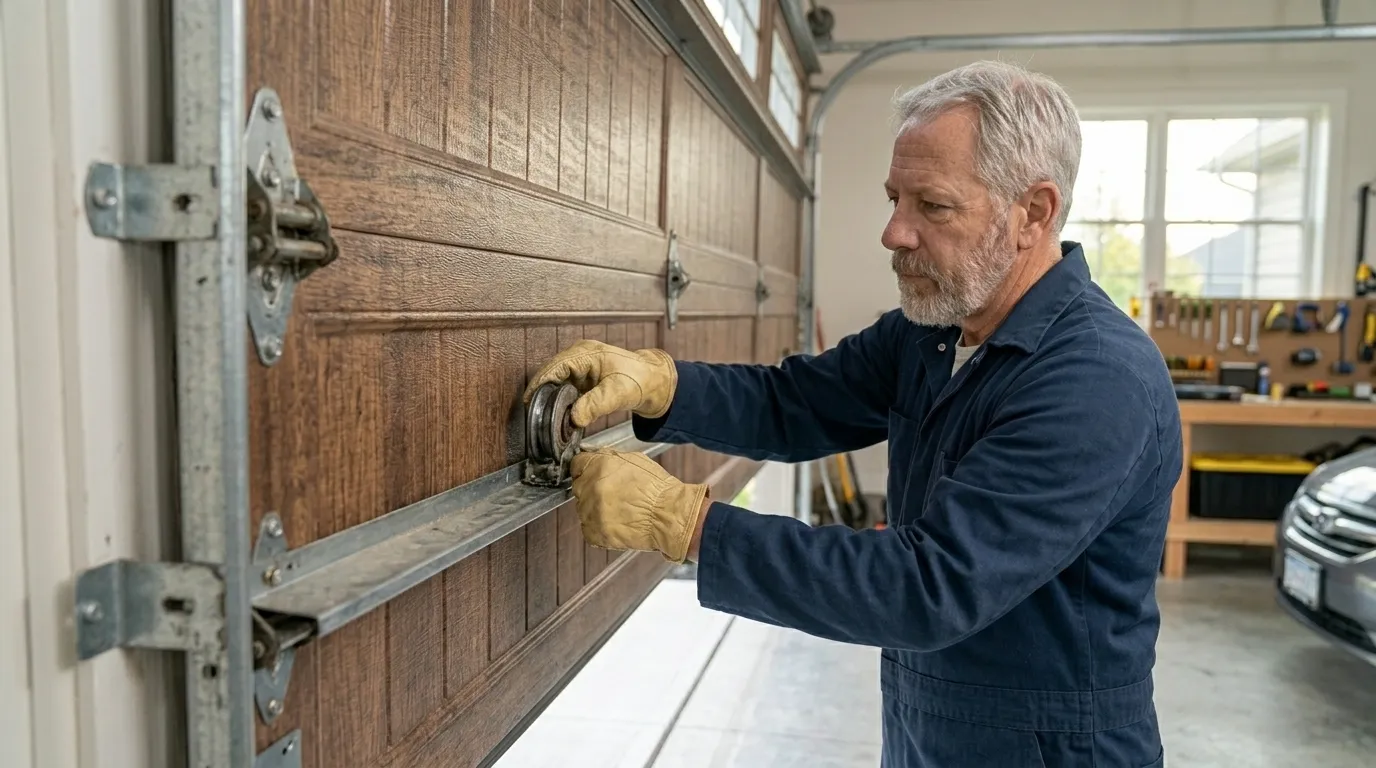
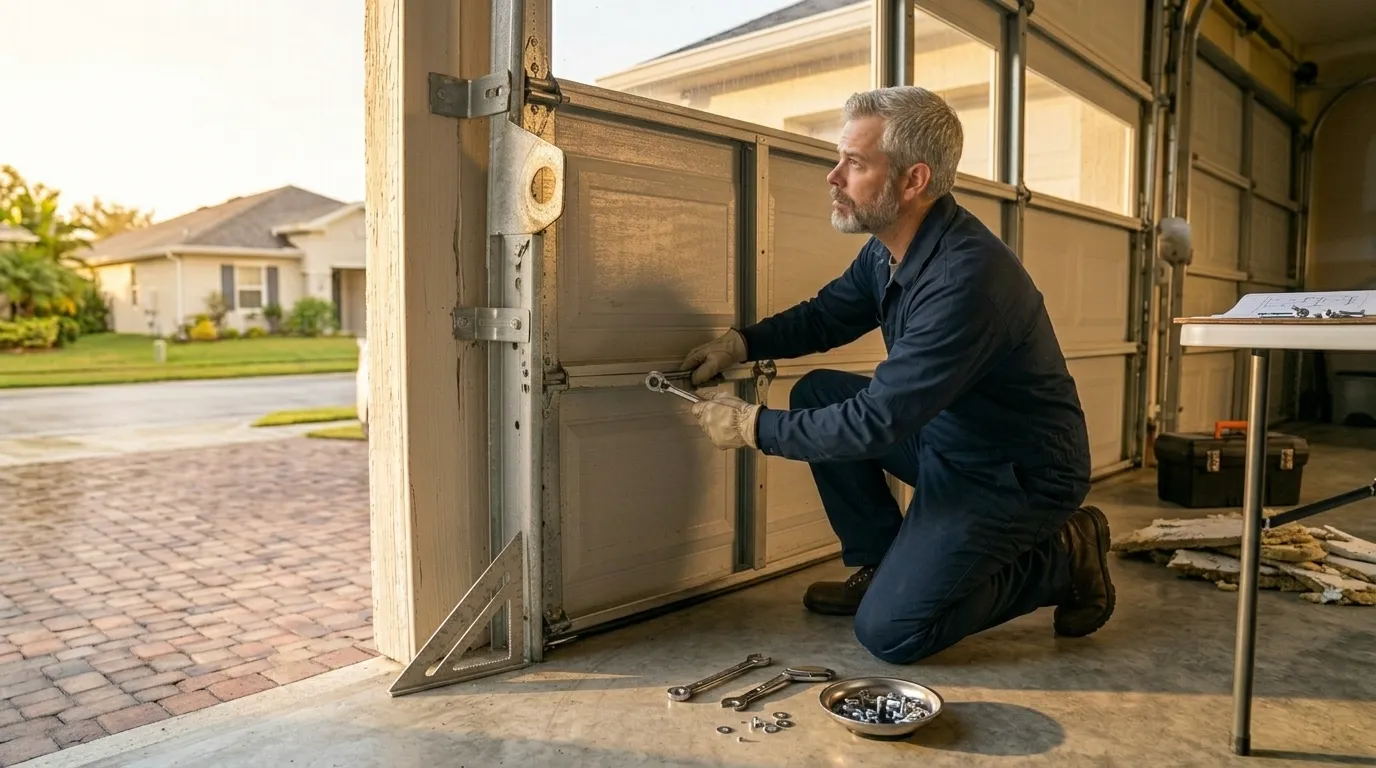
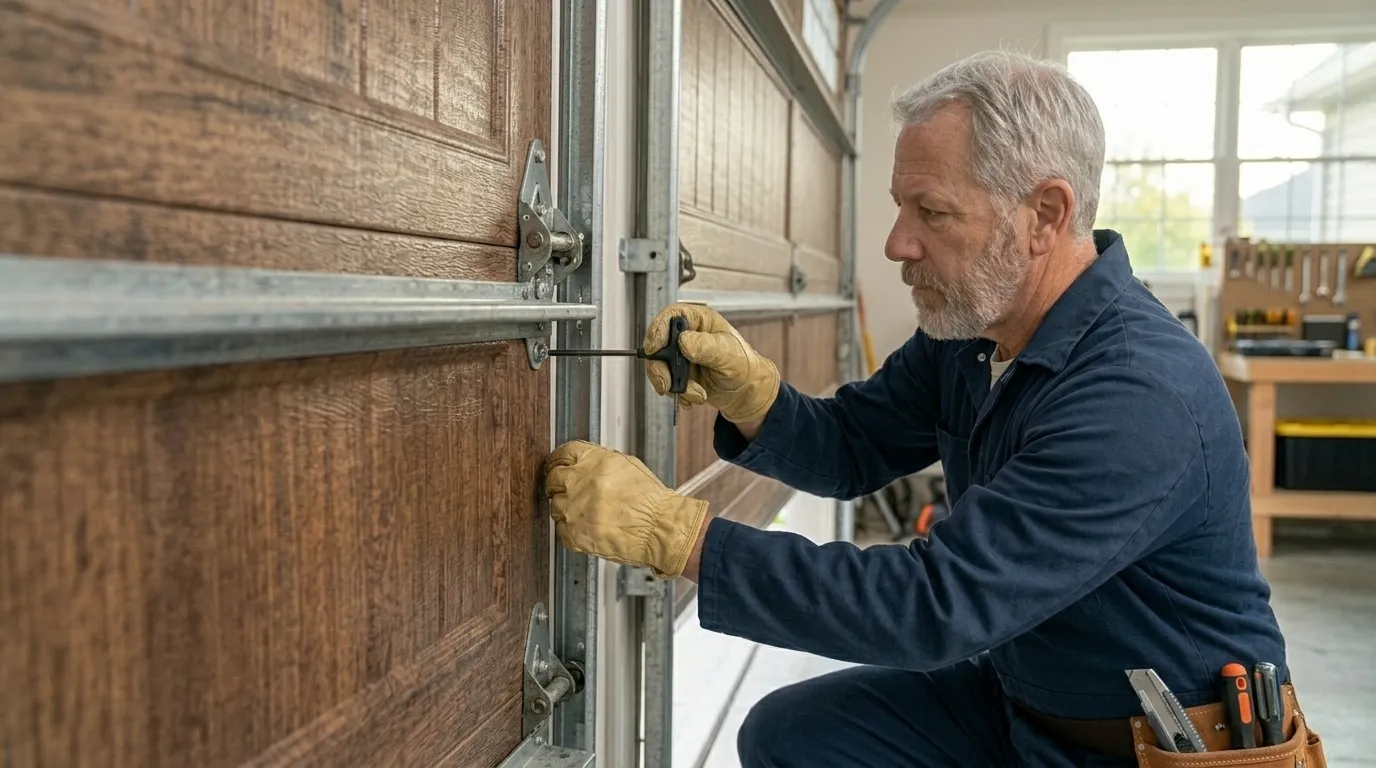
Spring replacement carries real risk if it's done wrong: a torsion spring under tension can cause serious injury, and this is the one repair on this list we don't recommend as a DIY job regardless of the door's age. On steel sectional doors from the 90s and later, we also sometimes find the drum or cable was mismatched to the door weight at install, which shows up as uneven travel - that's a fix, not just a spring swap.
What Costs
We don't publish a flat price here because the fix ranges from a $20 sensor realignment to an opener replacement, and quoting a number without seeing the door does homeowners no favors. What we can say: given Sunnyslope's median income of $131,250, most of the repairs we see here - spring, sensor, cable - are the kind of expense that makes sense to fix rather than defer. Full replacement only becomes the better call if the door itself is failing structurally, which is less common on stock built after 1993 than it is on the older doors closer to Wenatchee.
We'll give you a number on the phone once you describe the symptom and, if you know it, the door's age and opener brand.