Why This Fails Locally
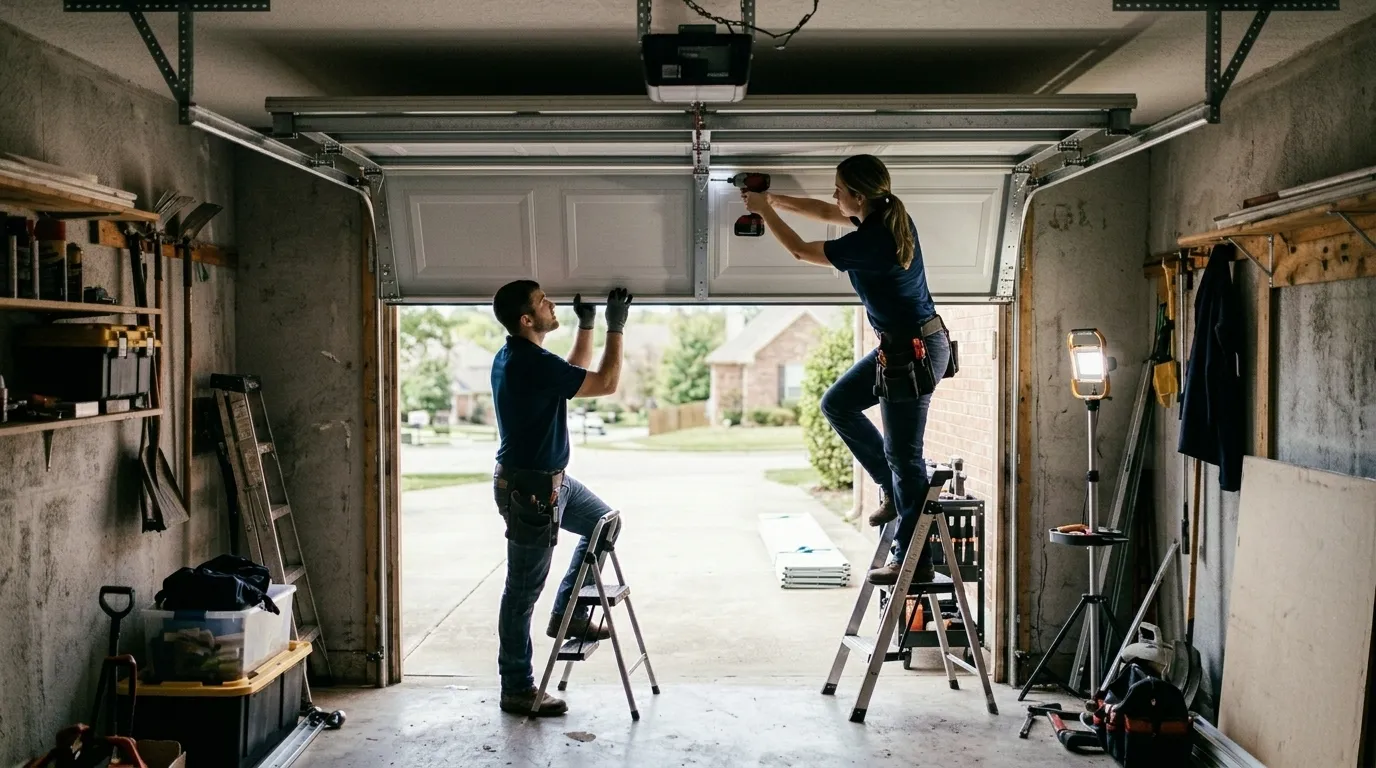
Sunnyslope sits about five miles from our shop in Wenatchee, and that drive matters more than it sounds like it should. It's a straight run, but it means a roller call here isn't a five-minute detour on the way to another job - it's a dedicated trip, so when we come out we come out ready to actually finish the repair, not just diagnose it and leave.
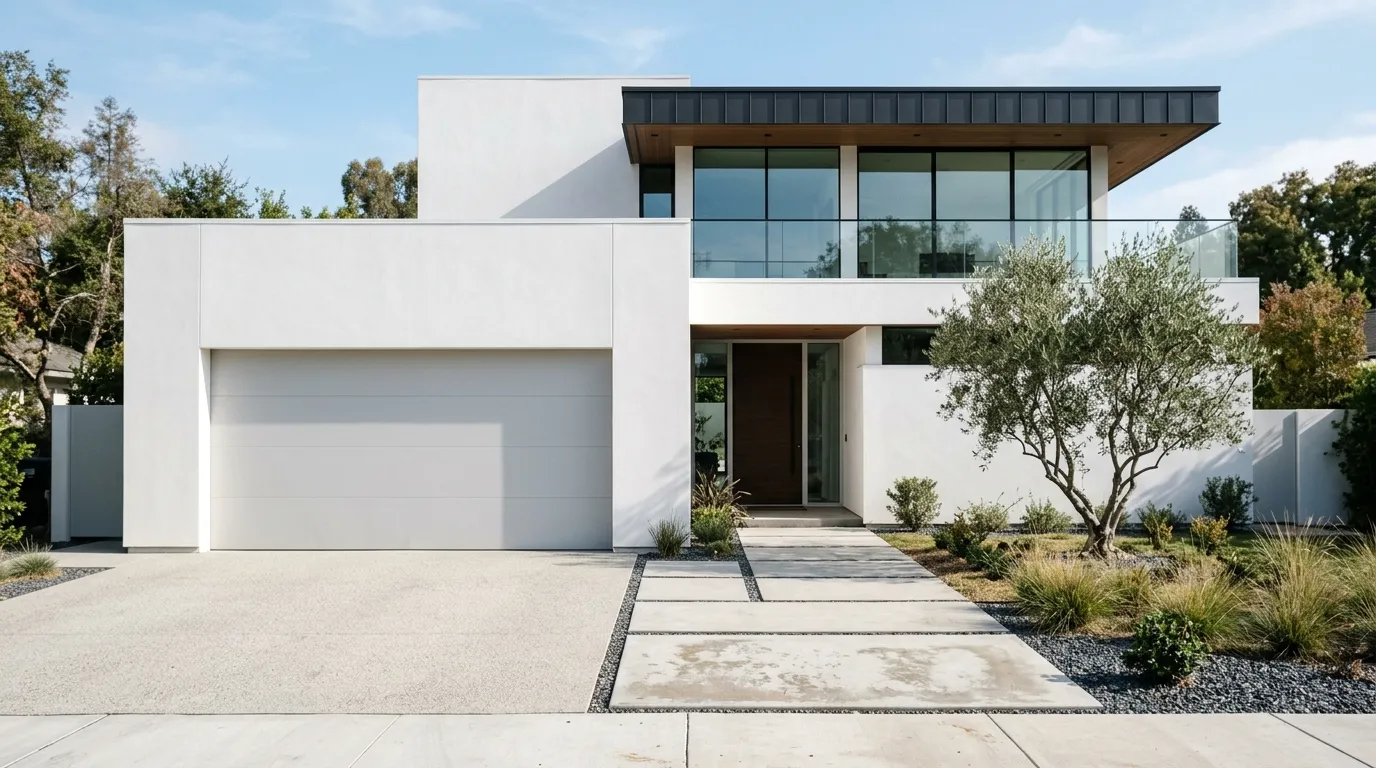
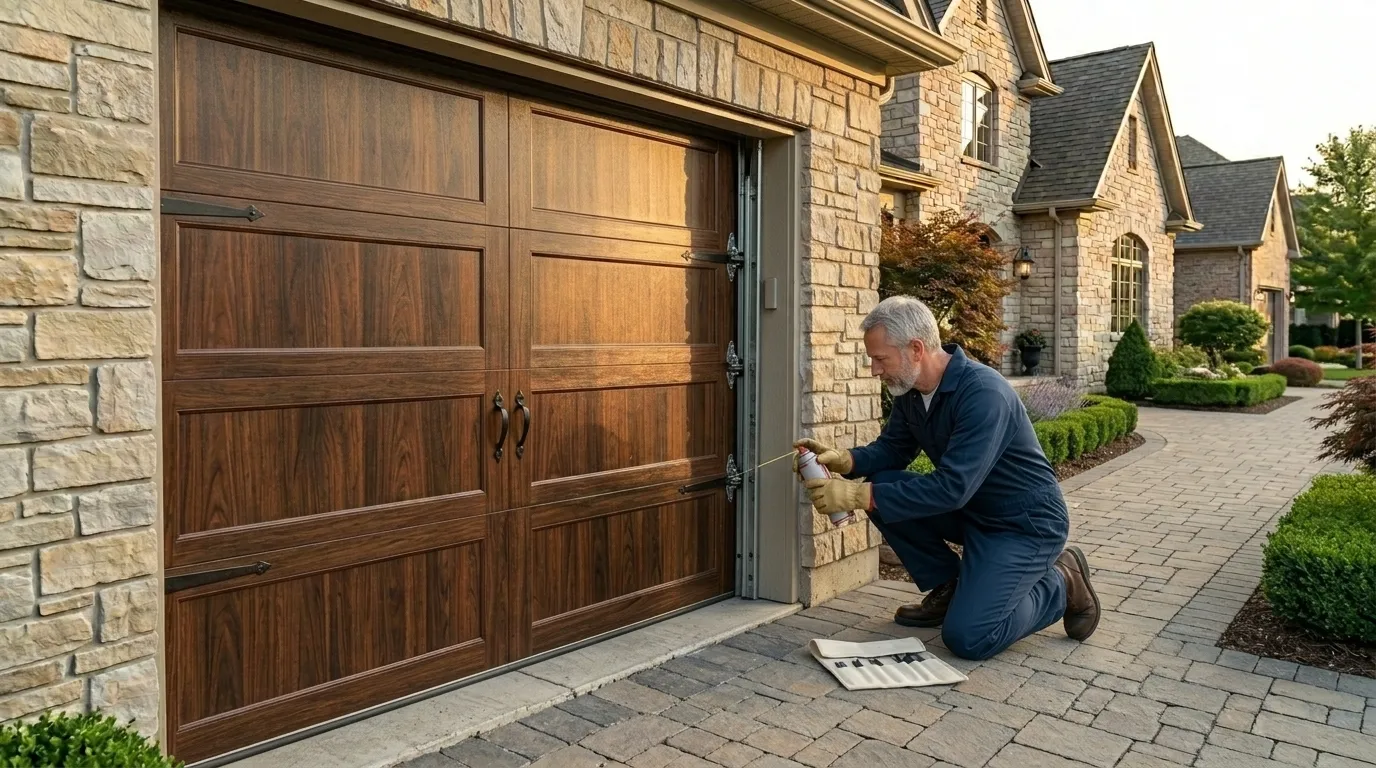
The houses themselves are newer than what we see in a lot of the valley. Median year built in this area runs around 1993, a good sixteen years newer than the typical house across the wider Wenatchee service area. That later construction window means most Sunnyslope garage doors are sectional steel doors on extension or torsion springs with factory rollers - usually plastic or basic steel, not the older single-piece slab doors with the worn-out hardware you'd find on 1970s stock. The failure pattern here is roller wear from years of use and, in a lot of cases, a track that's slightly out of alignment from a door that was never quite balanced right when it went in. Winters in this cold-moderate climate band add their own stress - contraction and expansion on the track rails can turn a stiff roller into a seized one faster than you'd expect.
What the Fix Involves
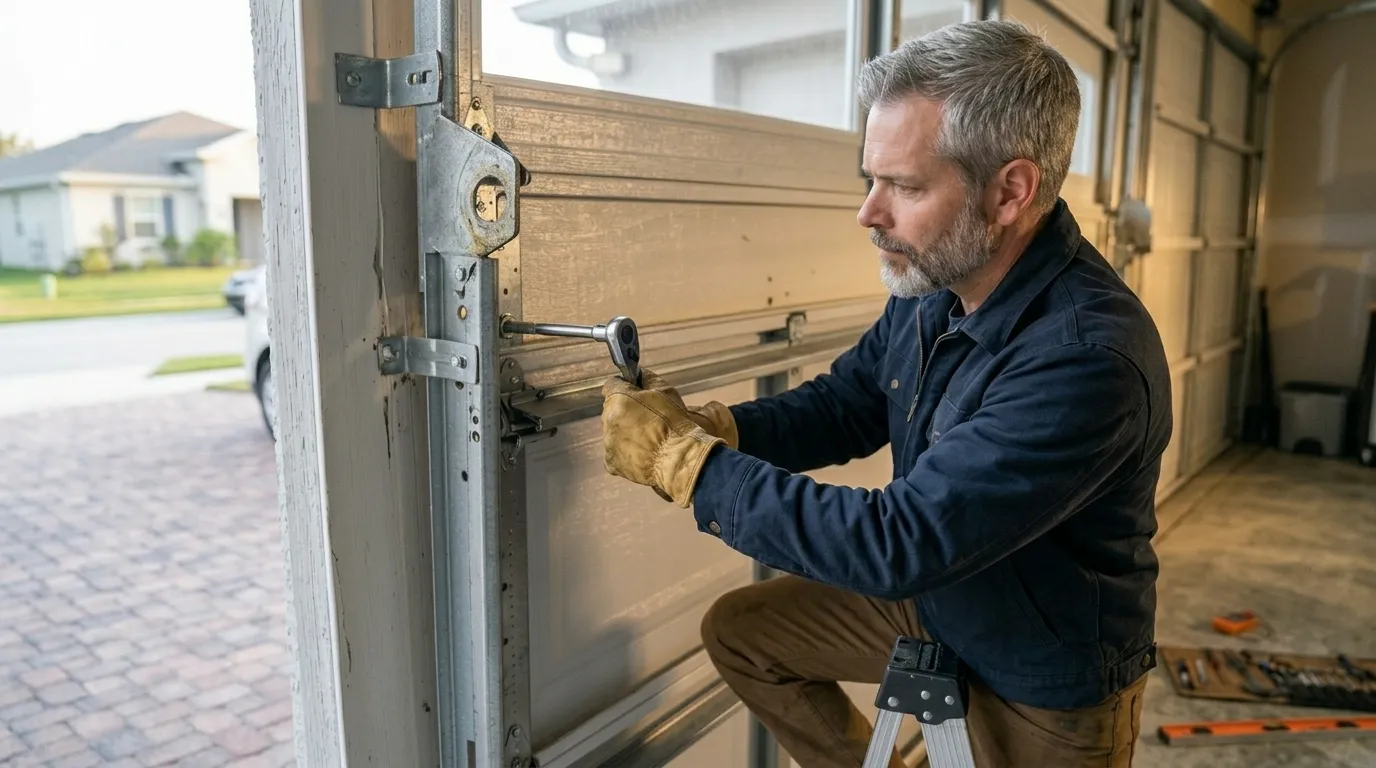
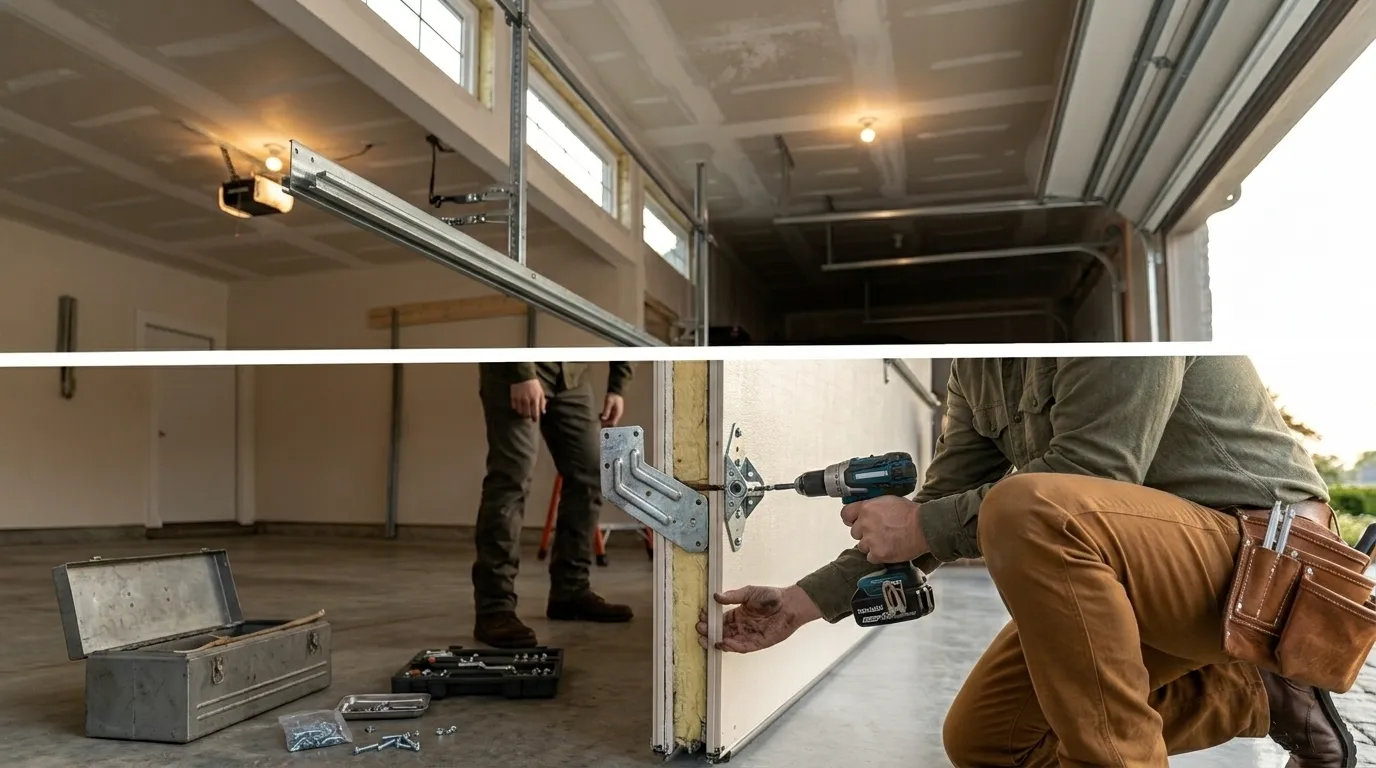
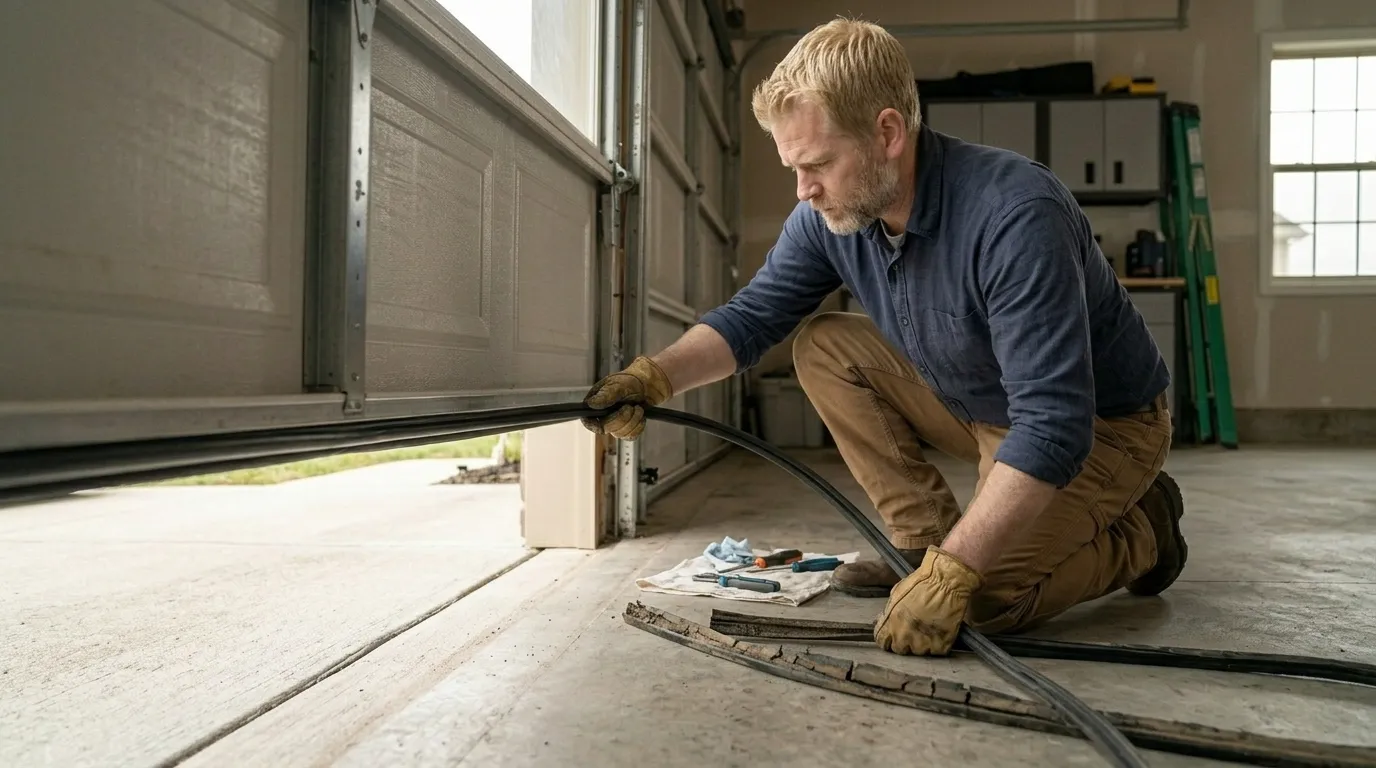
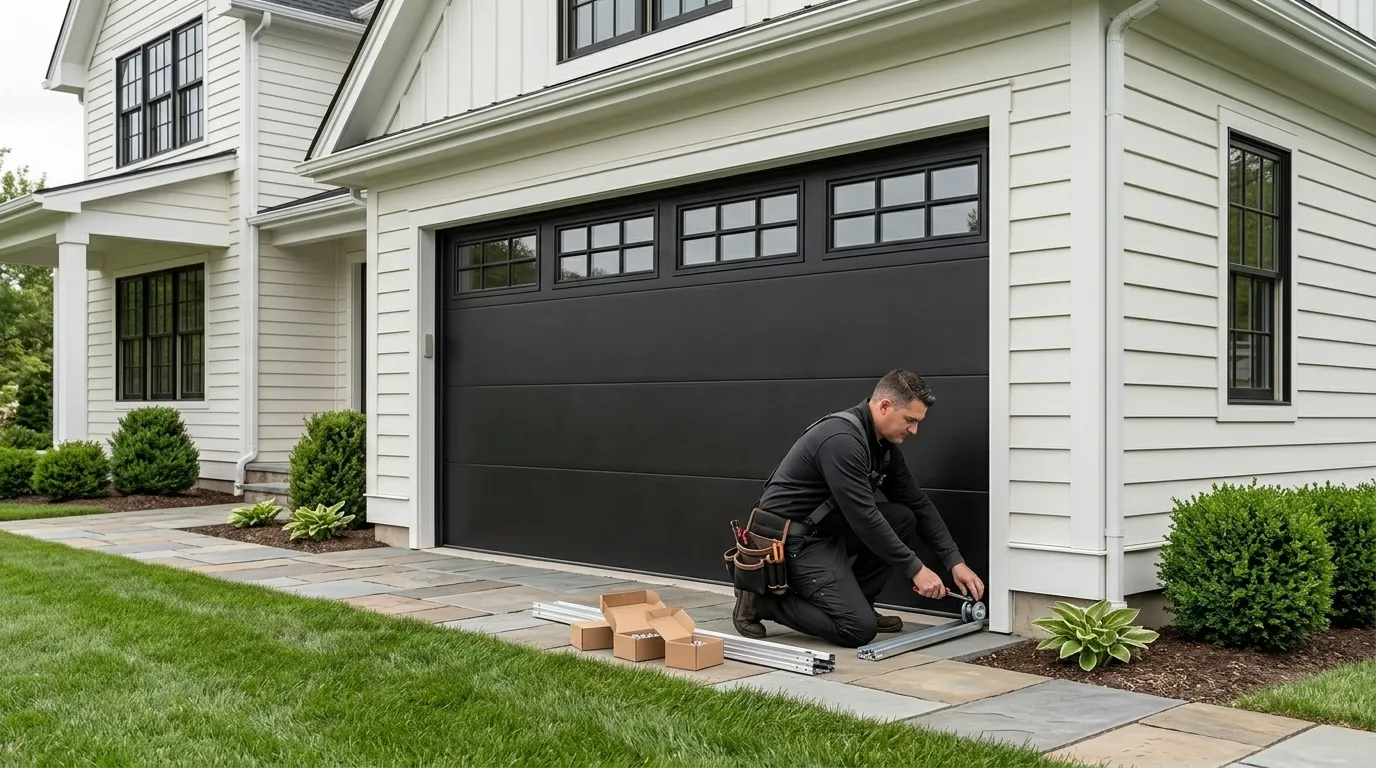
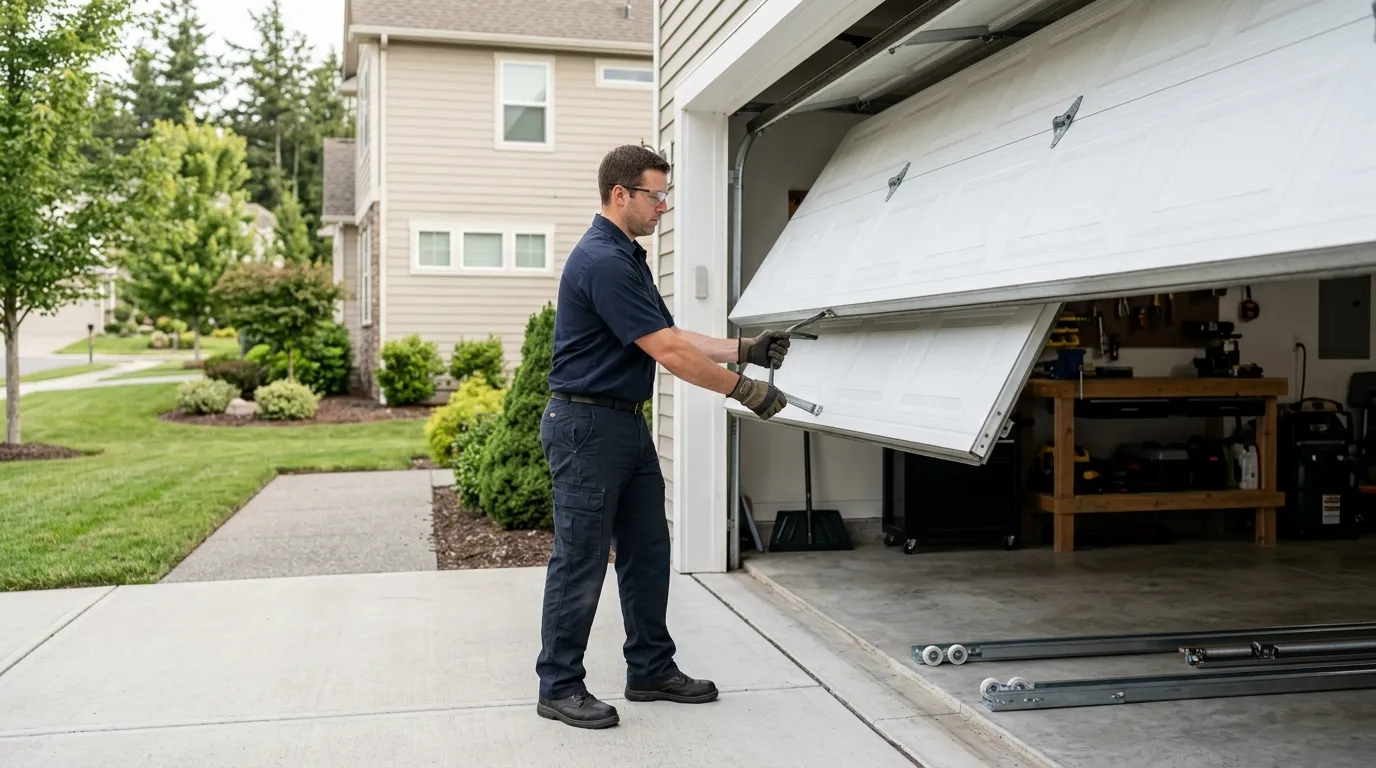
We pull the old rollers off the track one at a time, working the door down so nothing's under spring tension while we're at it. On a standard 16-foot double door that means ten rollers total, five per track. If the door's original stock came with plastic rollers - common on houses built in the 90s cost-value range - we usually swap to nylon rollers with sealed bearings, which run quieter and don't wear the track the way steel-on-steel does.
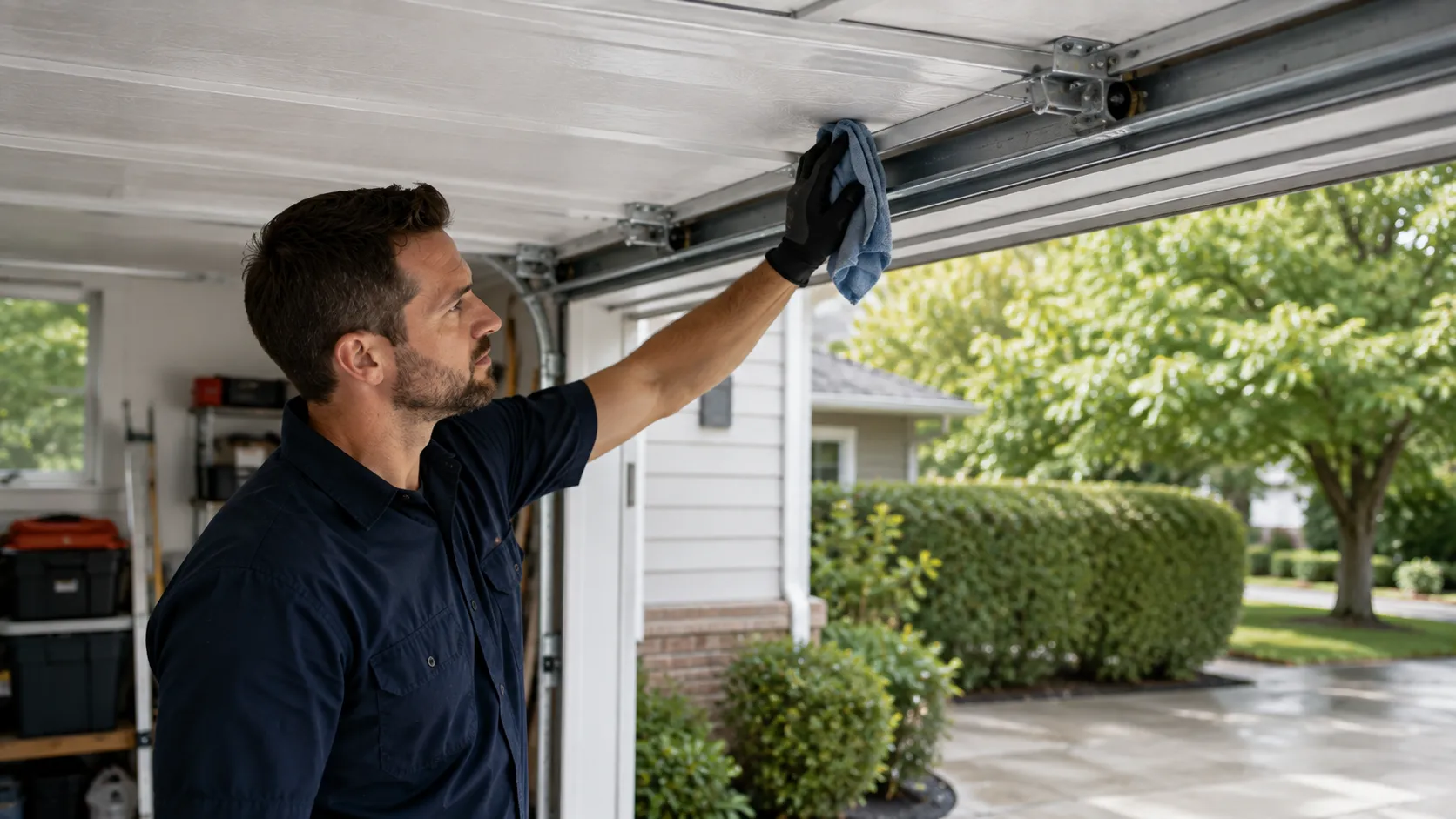
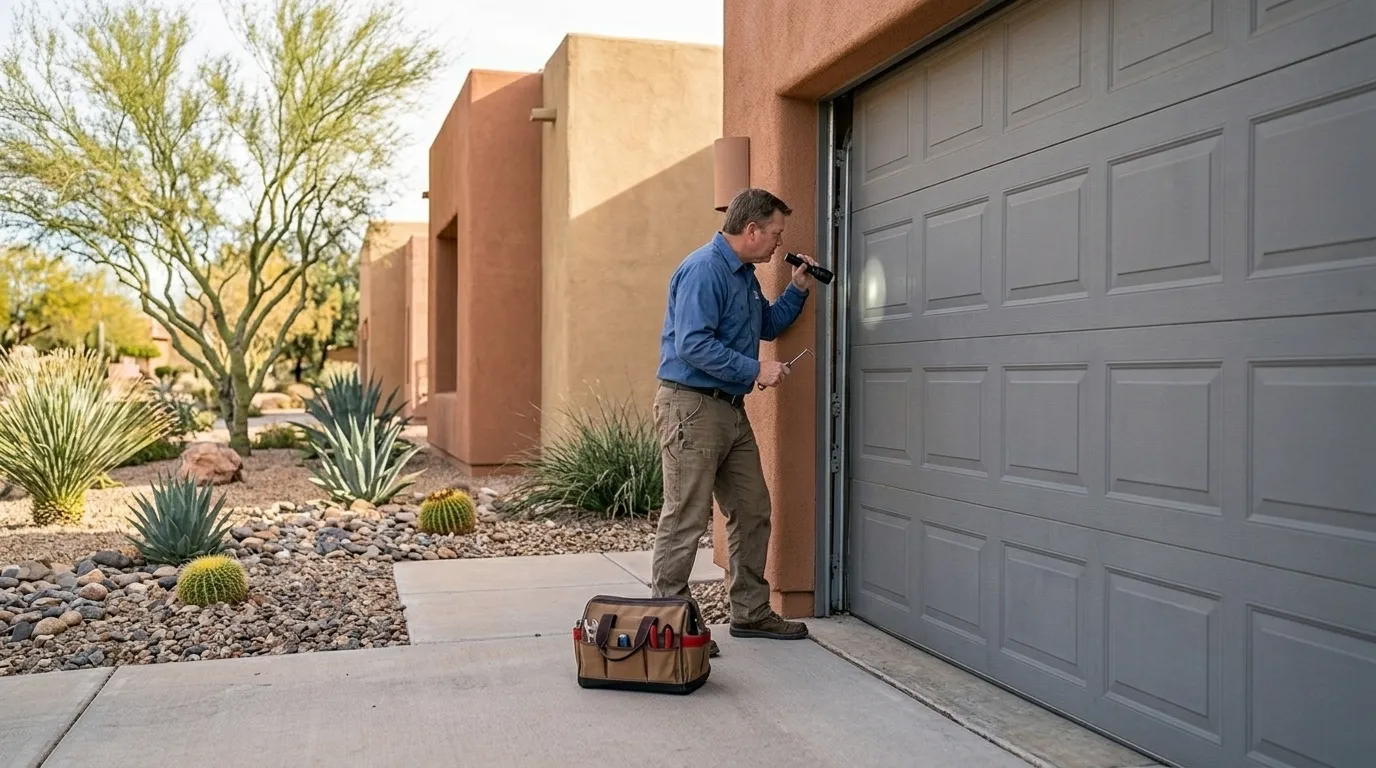
While we've got the door open we check the track alignment and the bottom bracket bolts, since a bent track is often what killed the rollers in the first place - replacing rollers into a bad track just repeats the problem in a year or two. We also check the cables for fraying, since a roller job is the easiest time to catch a cable that's about to go.
We don't replace springs or openers as part of a roller call unless something's clearly failing during the inspection - that's a separate job with its own parts and pricing, and we'll tell you straight if we see it.
What Can Go Wrong
The most common surprise is a track that's more bent than it looked from the ground. New rollers in a warped track will bind again within weeks, so if we find that, we'll flag it before finishing rather than send you off with a door that's going to act up again.
On houses in this area that are pushing toward the older end of the local range, we sometimes find a roller stem that's the wrong length for a newer bracket from a past partial repair - somebody swapped one roller years back and didn't match it. That means a slower fix while we source the right part, not a quick swap.
The other thing worth naming plainly: if the door is also fighting a weak spring or a worn cable at the same time as bad rollers, fixing rollers alone won't solve the noise or the sticking. We'll say so rather than replace rollers and let you think the job's done when it isn't.
What It Costs
We don't have a published price list to quote here, and giving you a number without seeing the door would be a guess dressed up as a fact. What we can tell you is what drives the cost: roller material (steel versus sealed nylon), whether it's a single or double door, and whether the track needs adjustment or replacement alongside the rollers. A straightforward nylon roller swap on one door is a smaller job than a double-door repair that turns into a track replacement.
Given the median household income in this part of the service area runs well above the wider Wenatchee area average, we get asked more often here for the sealed-bearing nylon upgrade over the cheaper steel rollers - it costs more up front but runs quieter and lasts longer, which tends to matter more to owners planning to stay put.