Why This Fails Locally
Sunnyslope's housing stock centers on 1993, a full generation newer than the 1977 median across the rest of the Wenatchee service area those same crews cover. That matters for openers specifically. Houses built in the mid-70s often got an opener added on later, bolted to whatever bracket a previous owner improvised. Houses built around 1993 came with the opener as part of the original build - a chain or screw drive unit sized to code standards of that decade, wired into a garage that was designed around it.
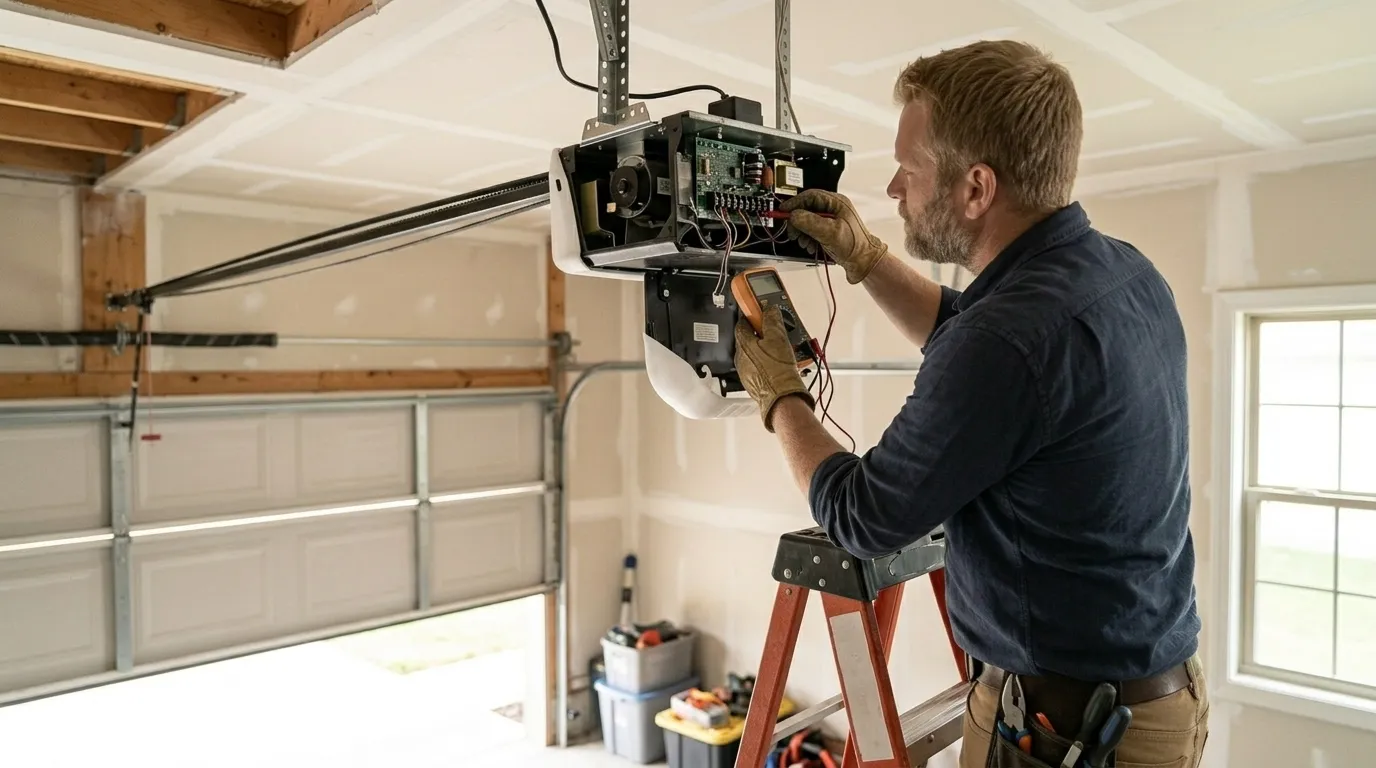
The failure pattern here isn't a mismatched retrofit. It's a factory-era opener finally hitting the end of its motor life - usually a worn drive gear, a failing capacitor, or logic boards that no longer talk to a remote reliably. In the cold moderate climate this stretch of the valley sits in, old chain-drive units also get louder and slower to respond once grease in the rail thickens on a cold morning, which is often the first sign an owner notices before the unit fails outright.
With 1,355 households in Sunnyslope, most sitting on that same build-year clock, a lot of these original units are aging out around the same window.
What the Fix Involves
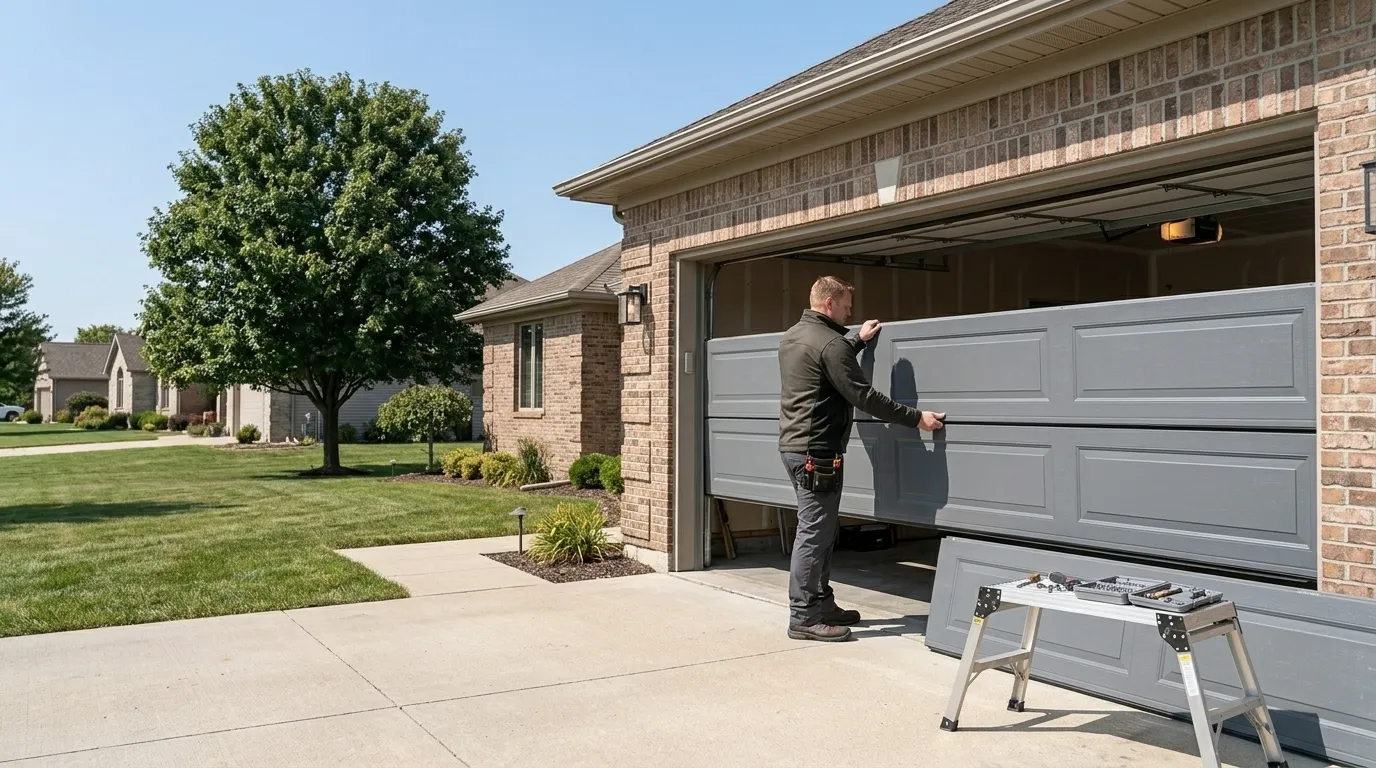
We start by measuring the door - weight, size, and whether it's a single or double, since that decides the horsepower and drive type that actually holds up rather than straining. For most Sunnyslope homes built in the early 90s, the rail bracket and header are already framed for a standard opener, so we're rarely cutting new mounting points into the structure.
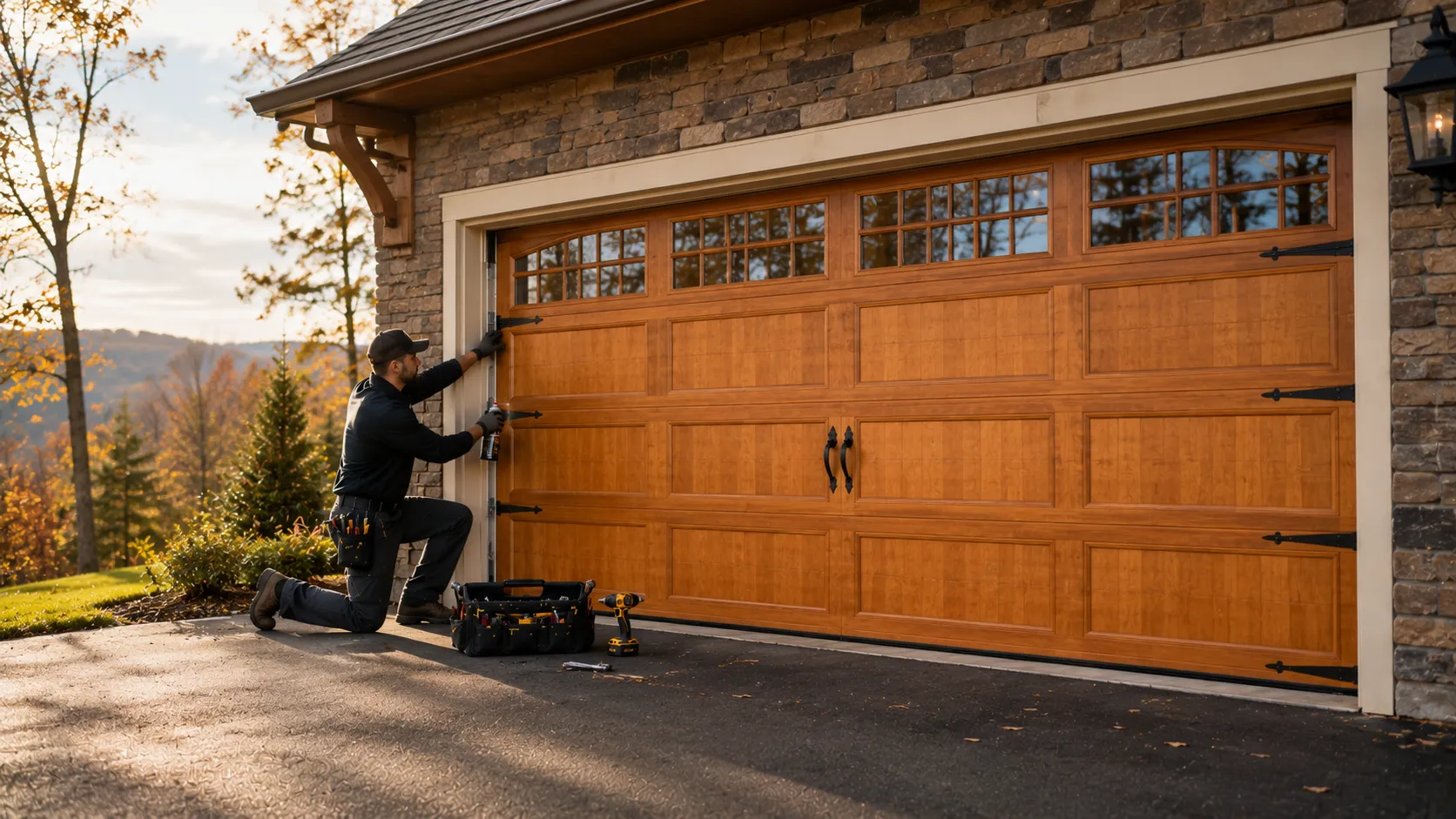
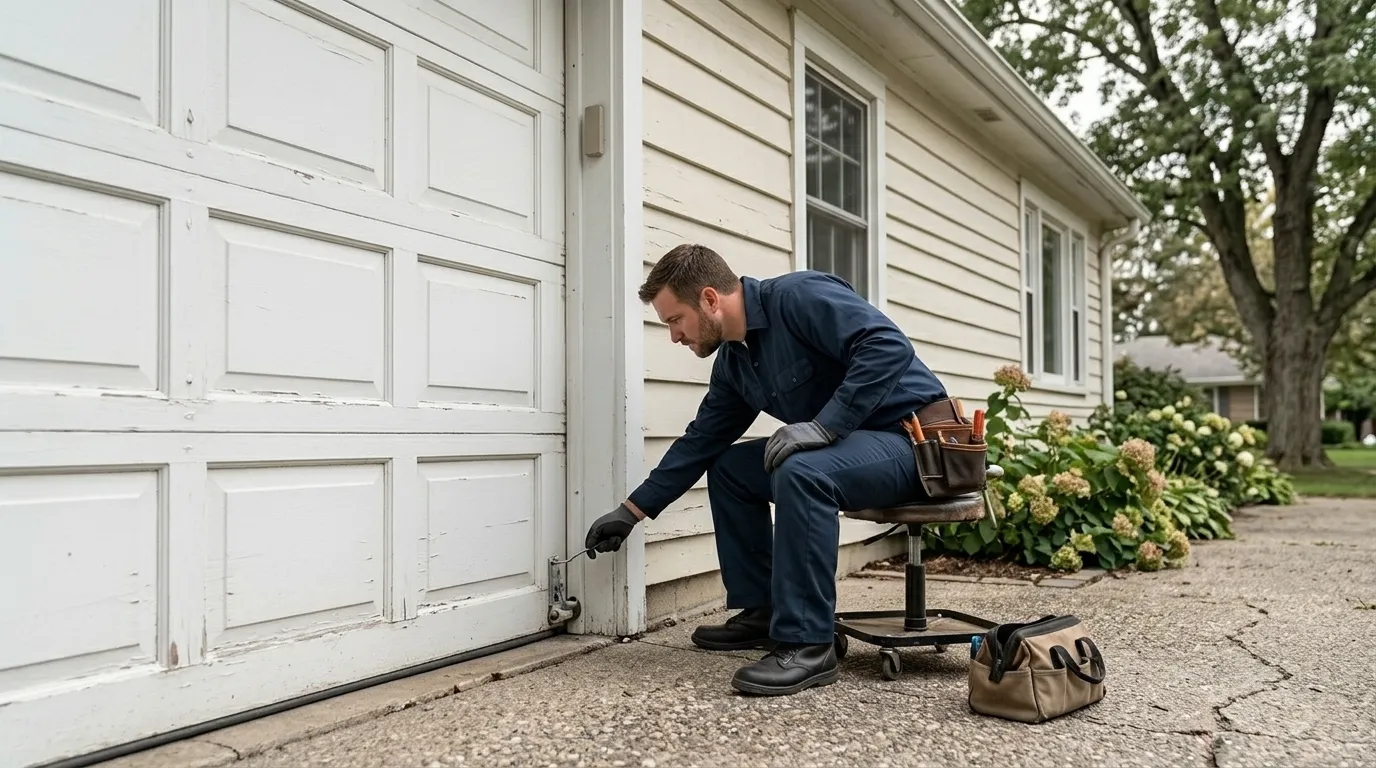
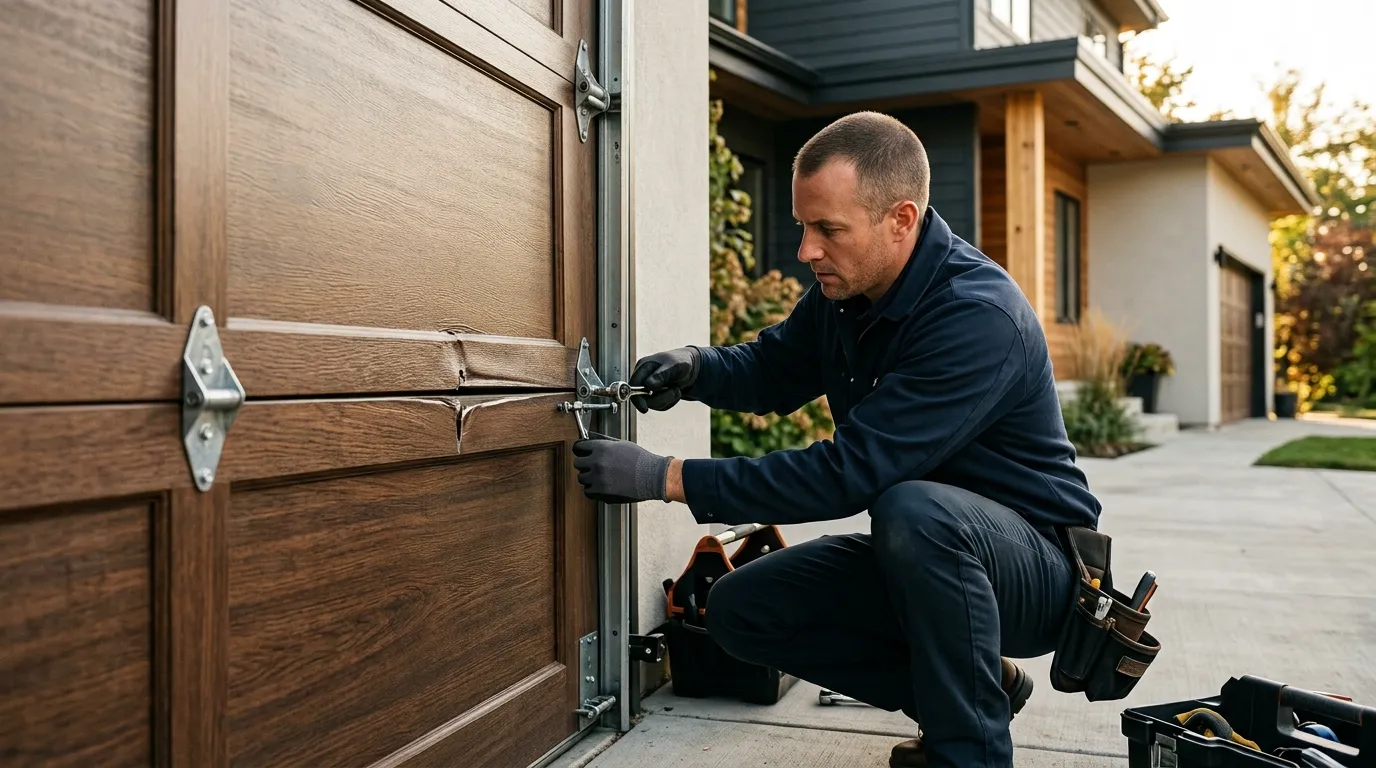
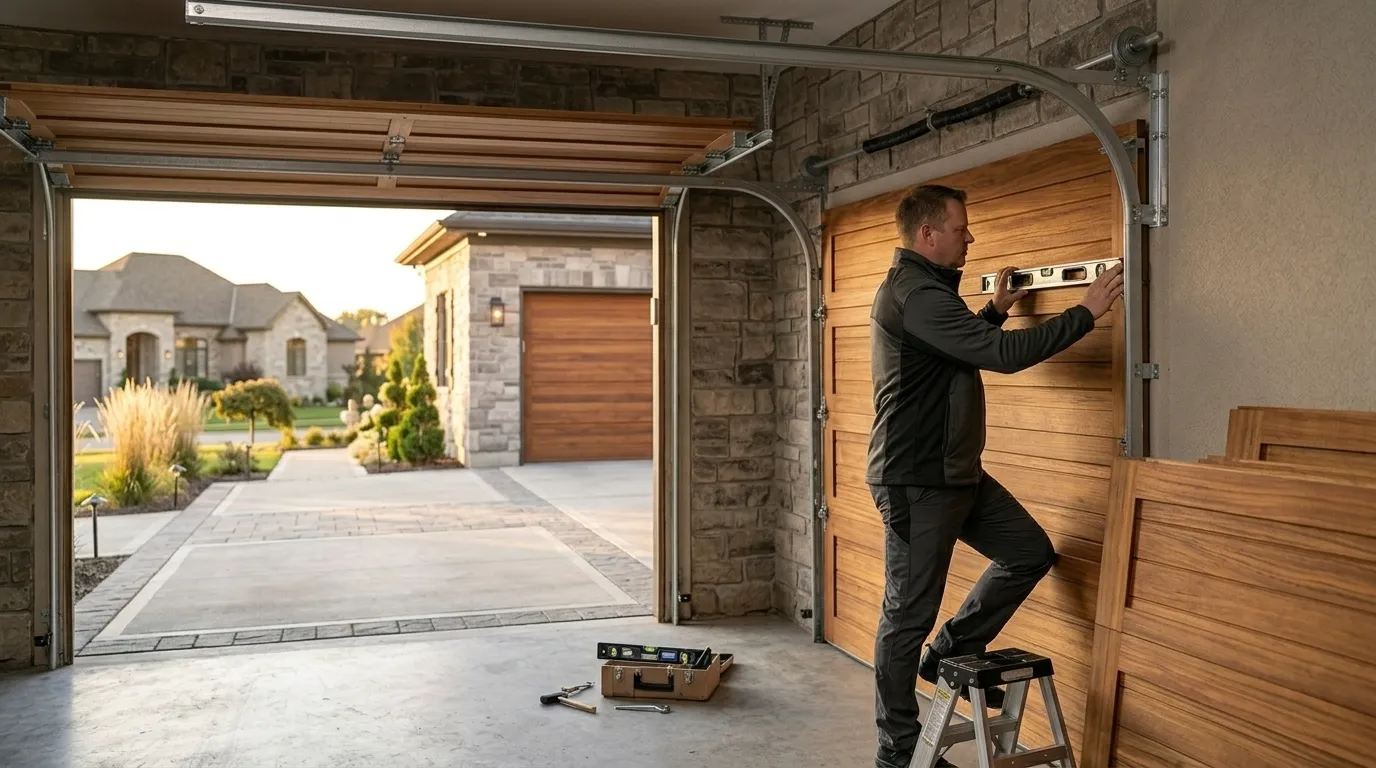
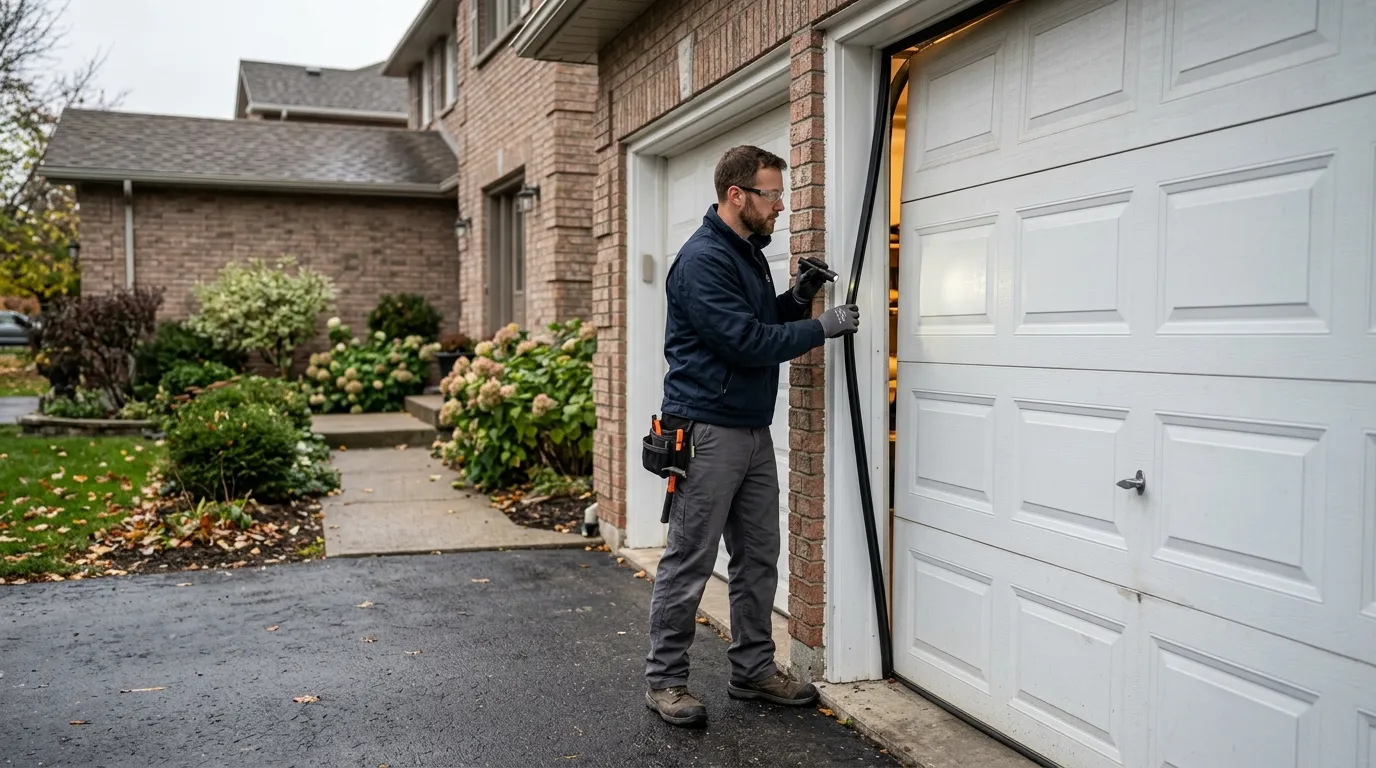
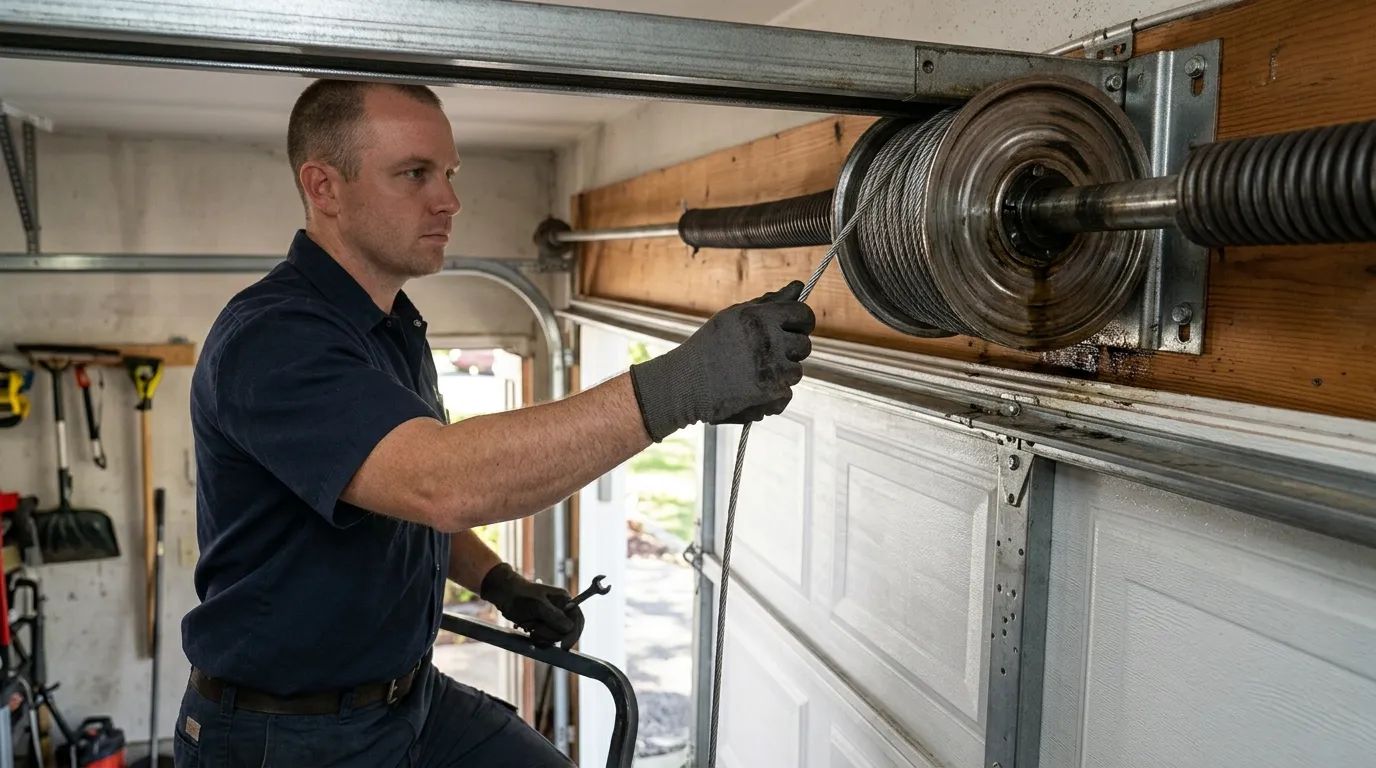
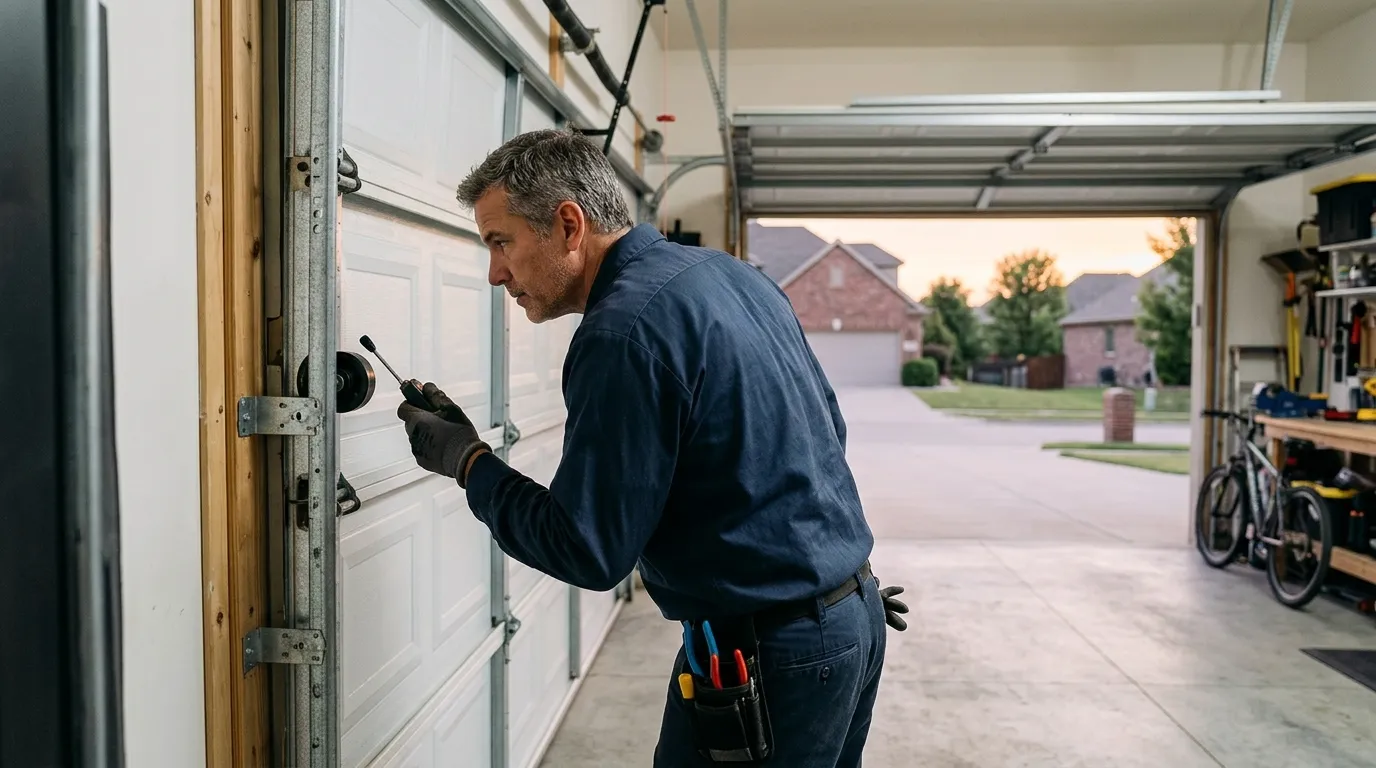
We pull the old unit, check the springs and cables while the door is open and unweighted - a good moment to catch a spring that's close to going, since an opener install with a bad spring underneath it is a repeat call waiting to happen. Then we mount the new opener, run the rail, set the travel limits, and wire in the safety sensors near the floor on both sides of the track. Battery backup is worth discussing here too, since it keeps the door usable during a power outage without you pulling the manual release.
What Can Go Wrong
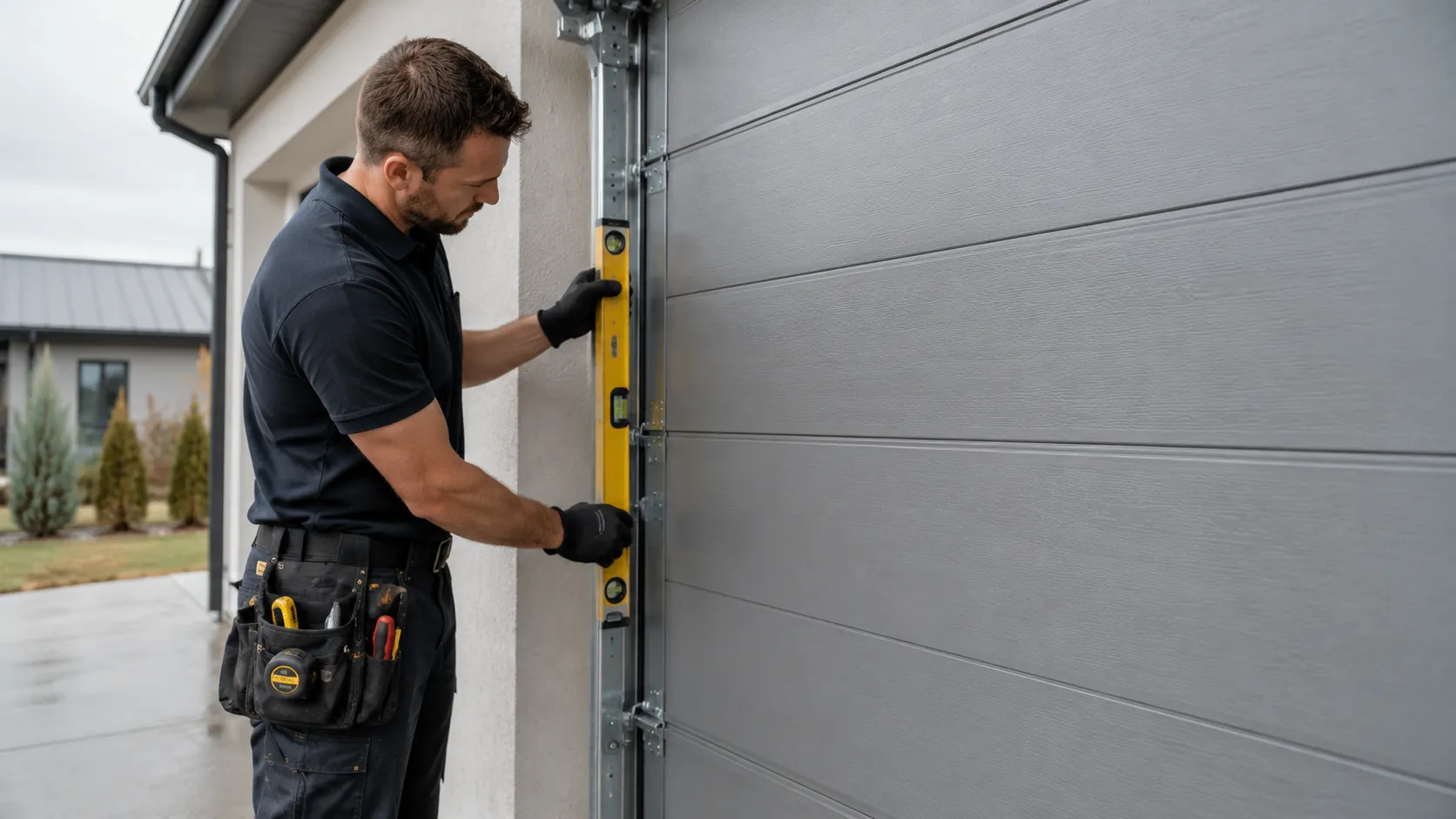
The most common mistake we see corrected on a second visit is horsepower mismatch - a 1/2 horsepower unit muscled onto a heavy insulated double door it was never built for. It'll run, for a while, then the gear strips early. Another is safety sensors mounted at slightly different heights, which some openers will still let you close on, right up until they don't and you're staring at a door that reverses every time.
Wiring is the third one. Homes from the early 90s sometimes have the original low-voltage wire run in a way that doesn't match a newer opener's connector without an adapter or a partial rerun. We check this before we quote the job, not after we're standing in the garage with the new unit unboxed.
What It Costs
We don't have a set number to publish here that would hold up across every door size, drive type, and wiring condition we run into - it depends on the opener, the horsepower needed for your door, and whether the rail or wiring needs work beyond the swap itself. We'll give you a real number after we see the door and the existing setup, not a range pulled from a website.