What the Fix Involves
Cashmere is a small town, about 1,149 households, and that size matters more than it sounds like it should. A place this compact doesn't generate the volume of calls a bigger suburb does, so when something breaks - a spring snaps, a cable jumps the drum, an opener gear strips - it's usually one household dealing with it alone, without a next-door neighbor who went through the same repair last month and can tell you what it cost.
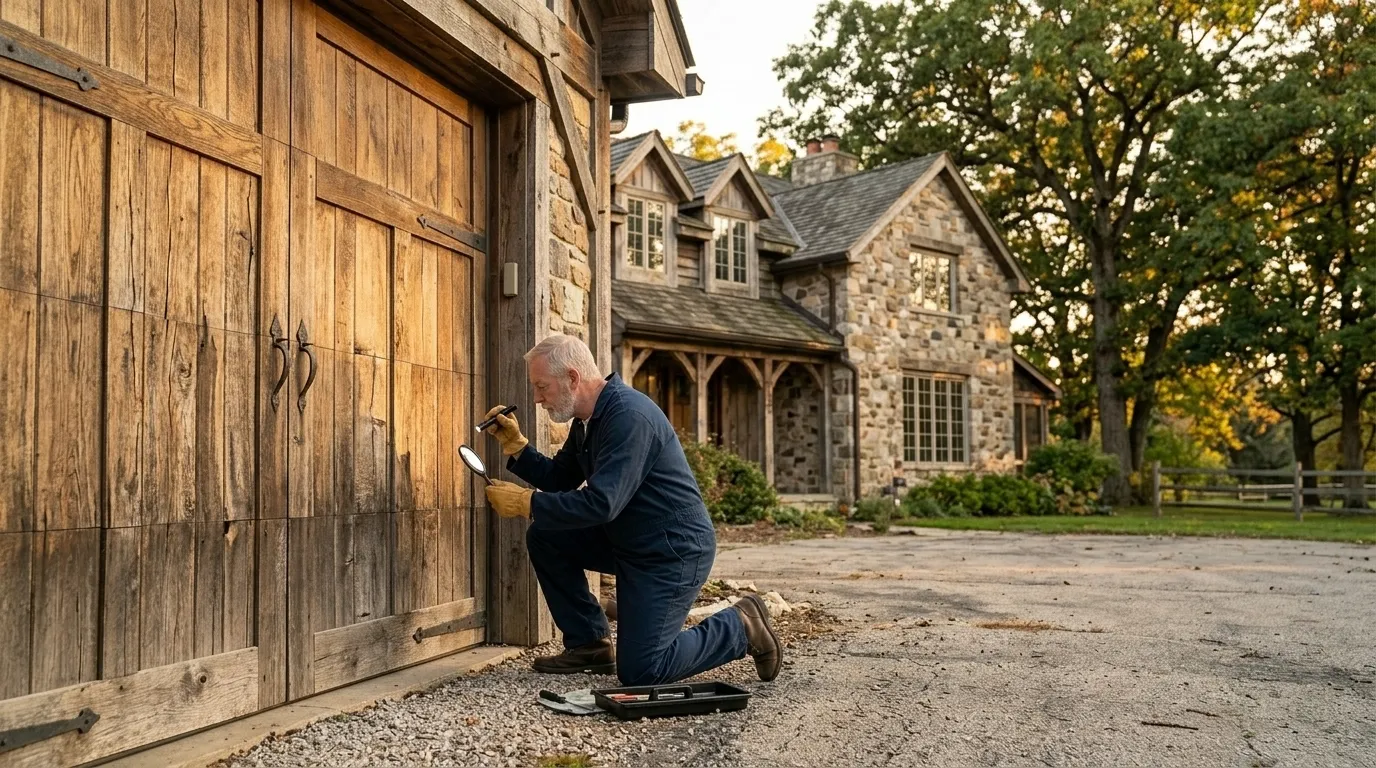
What we find on a Cashmere call depends on when the house went up. The town's median build year sits around 1963, noticeably older than the 1977 median across the wider Wenatchee service area we cover. That decade of difference means more of Cashmere's stock predates the double-track, heavier steel doors that became standard later, and predates a lot of the opener models we still carry parts for. A broken spring on an older single door isn't the same job as a broken spring on a modern insulated double, and pricing it as if it were is how estimates go wrong.
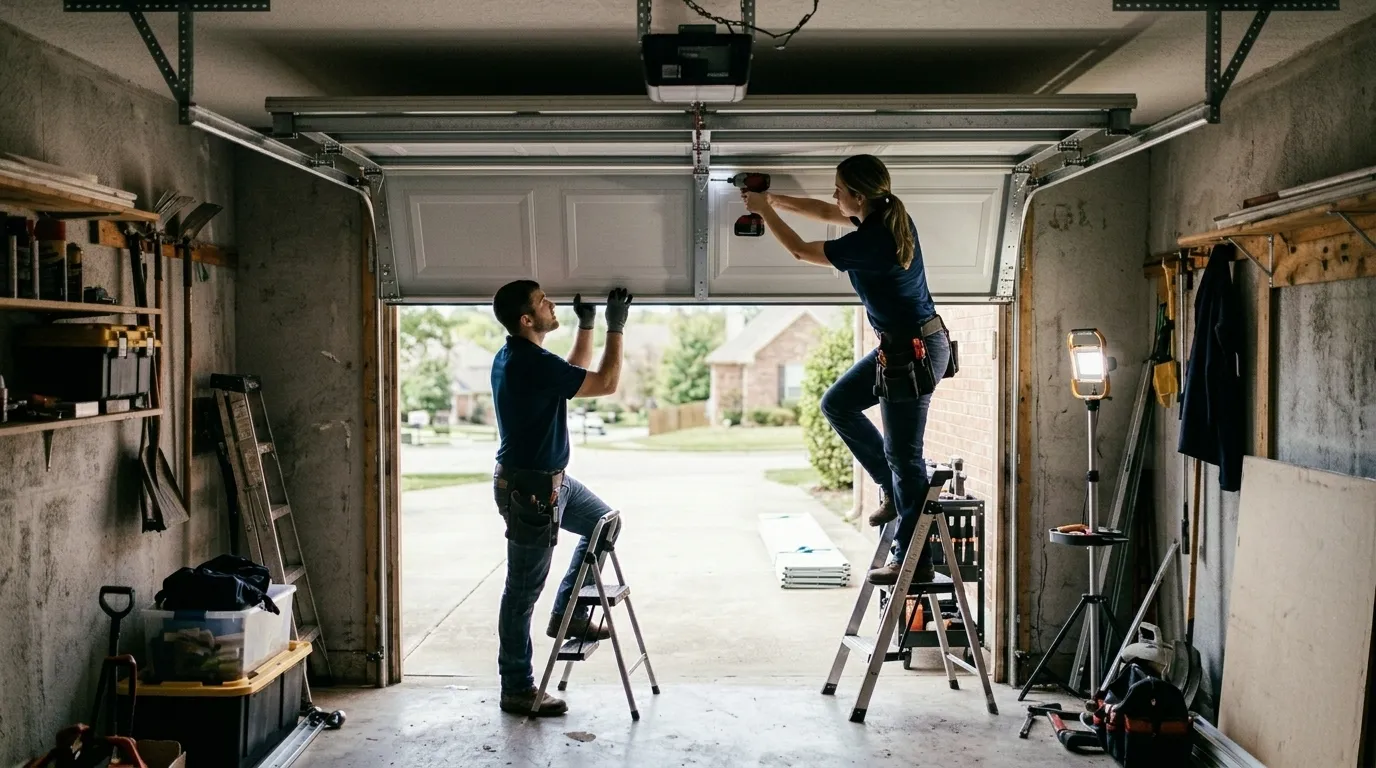
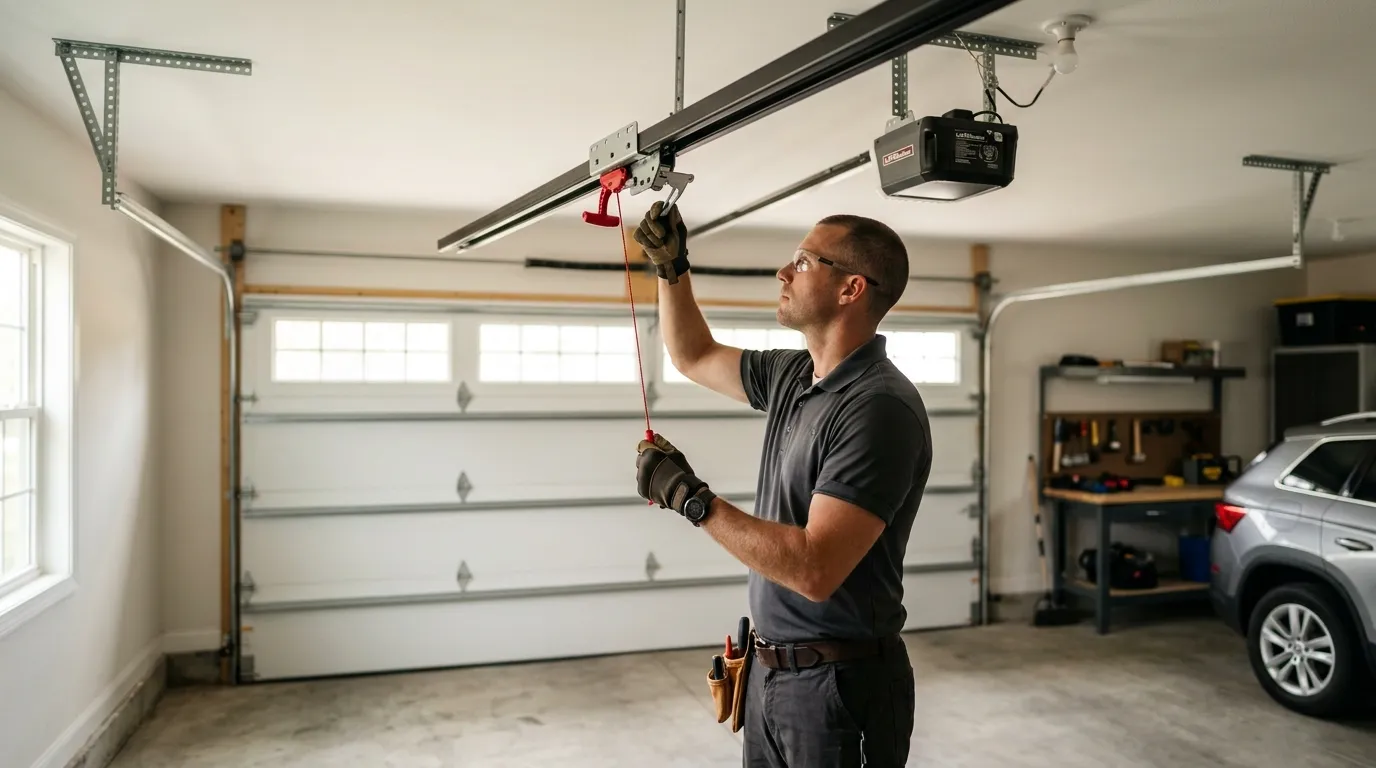
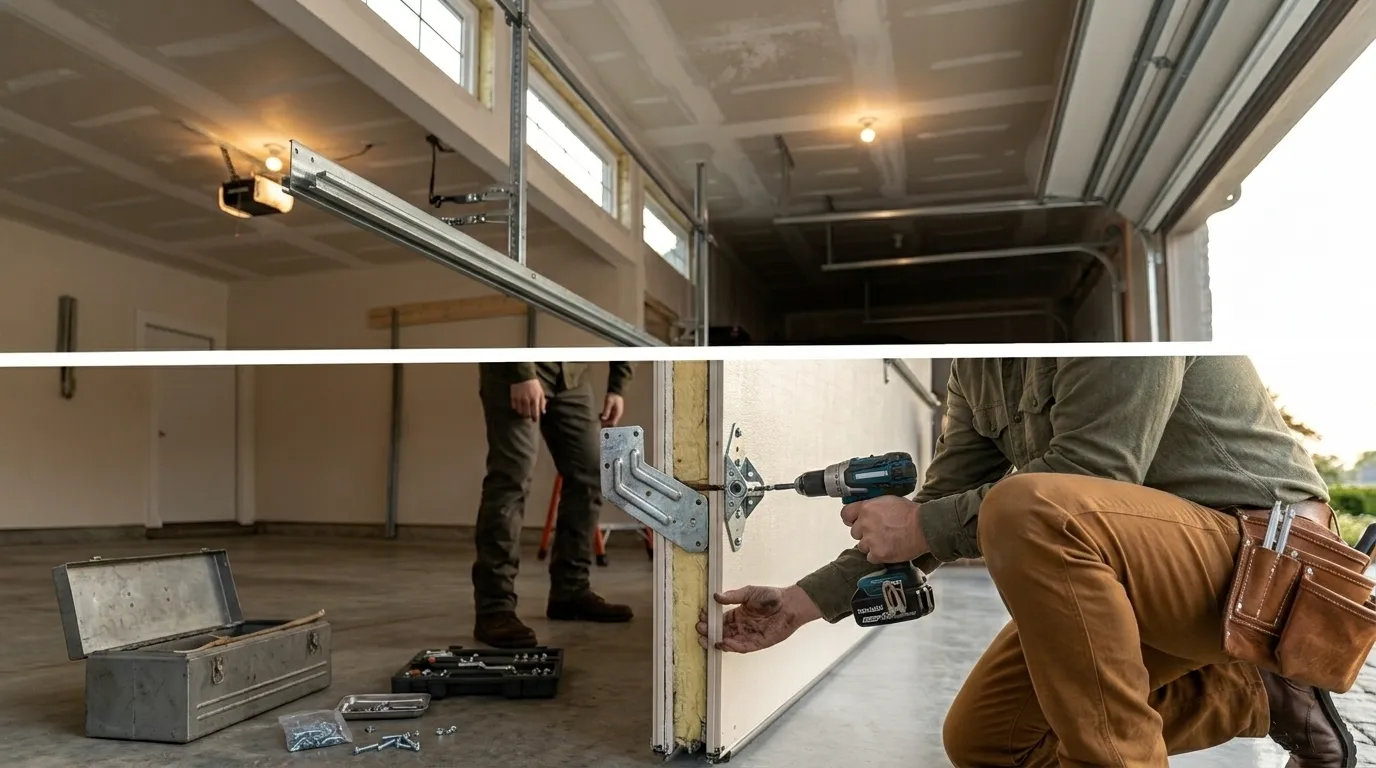
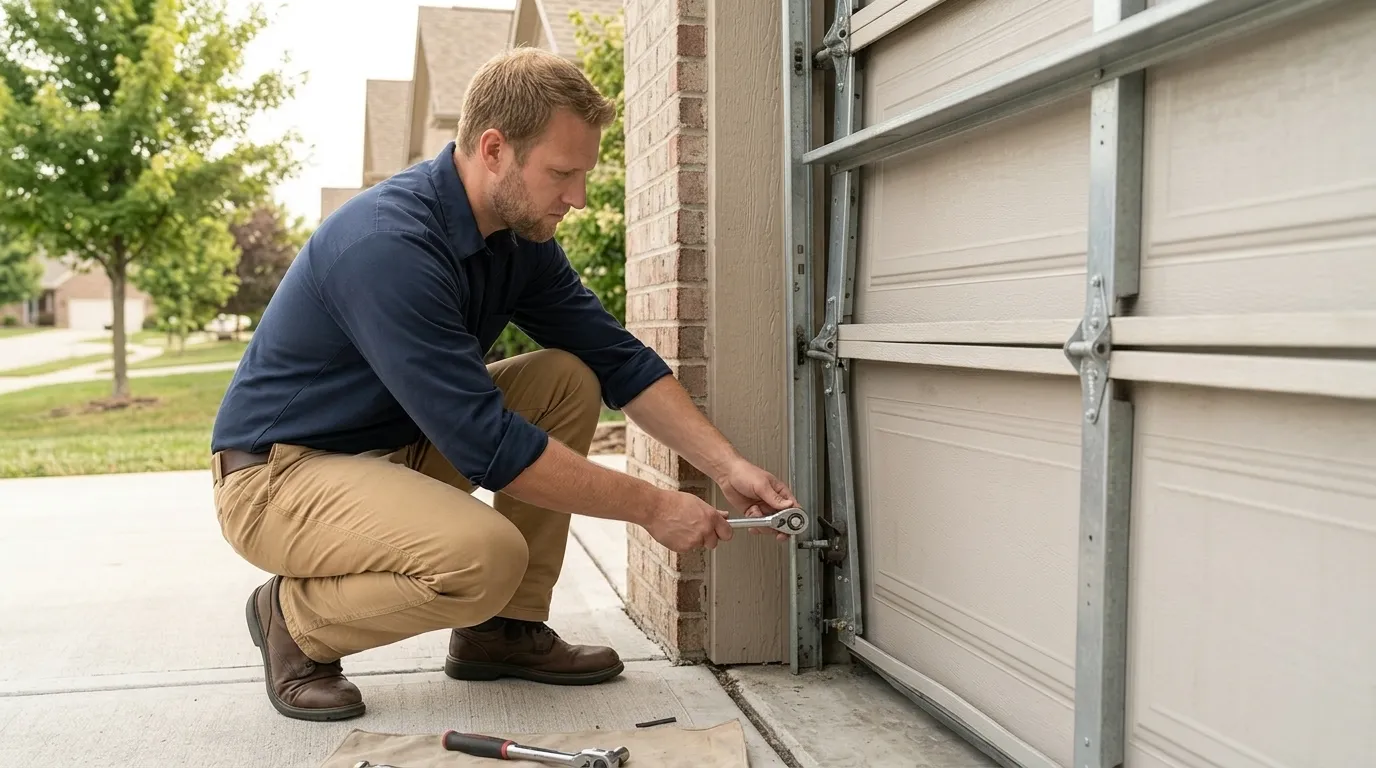
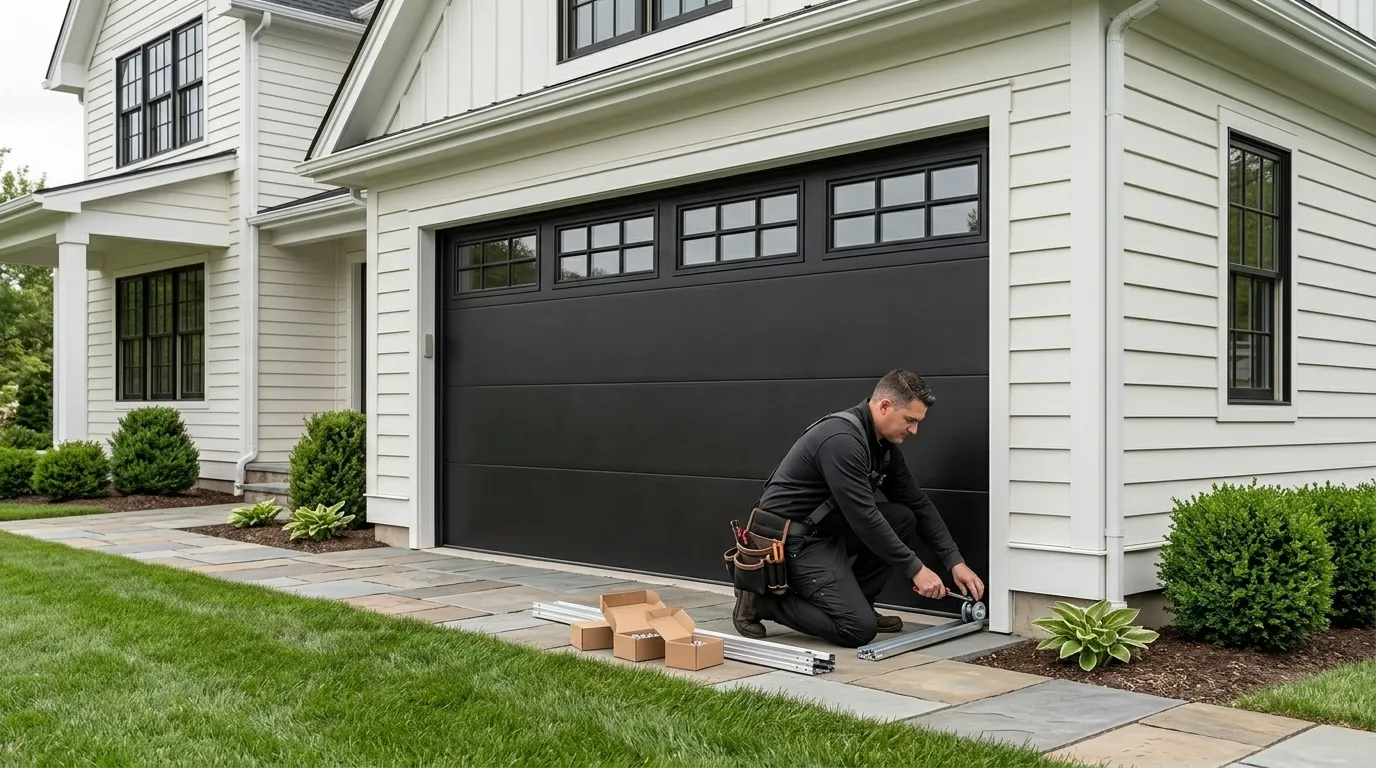
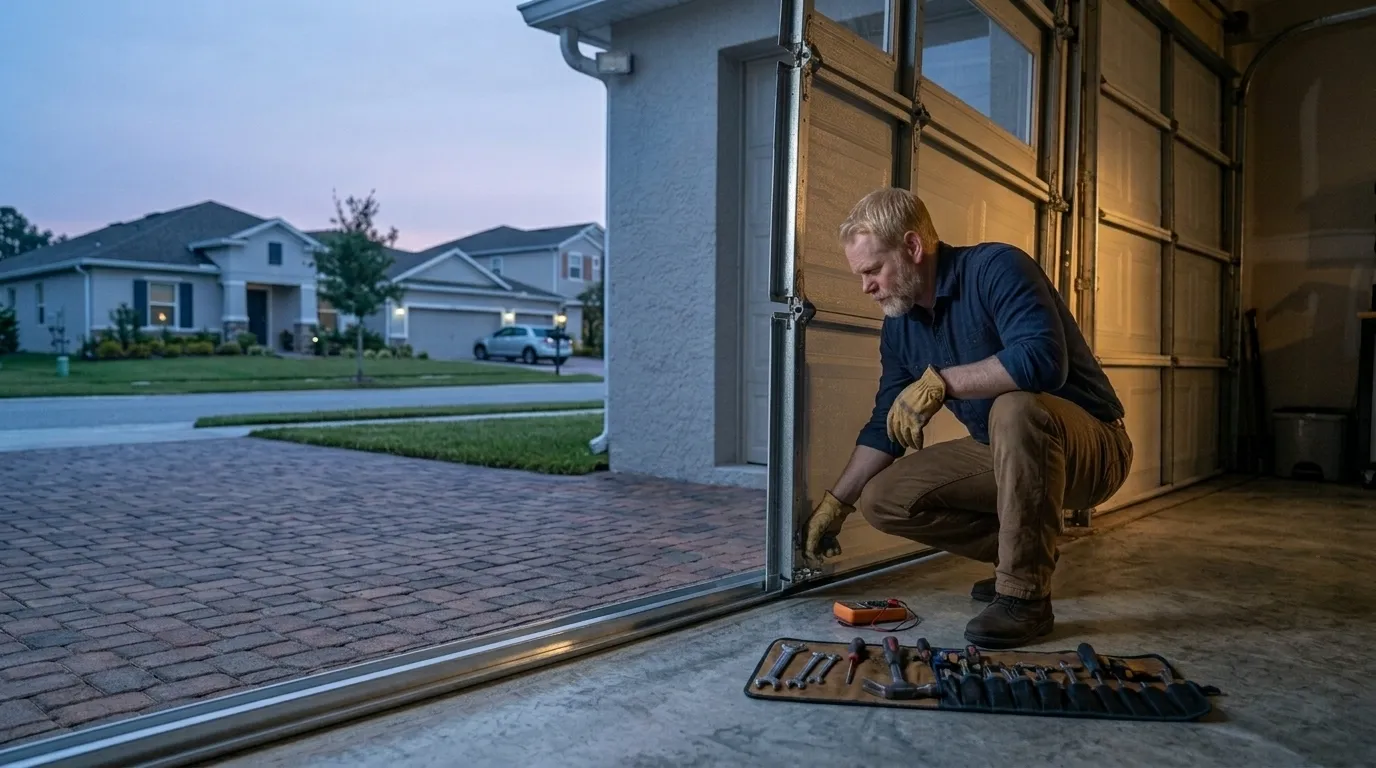
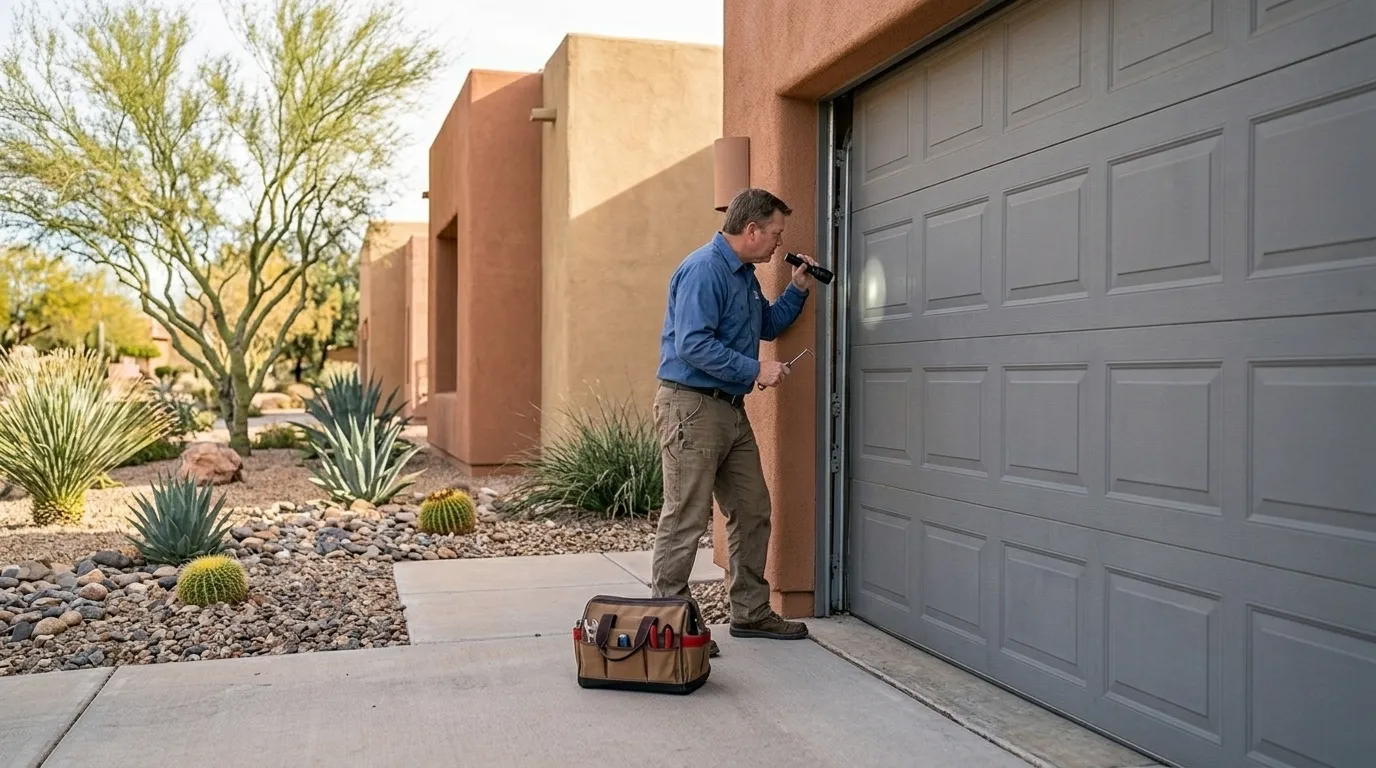
The fix itself is usually one of three things: spring replacement, cable/roller replacement, or opener logic board or gear failure. We diagnose on site before quoting, because guessing off a phone description on a house this age is a good way to under-quote.
What Is on the Truck
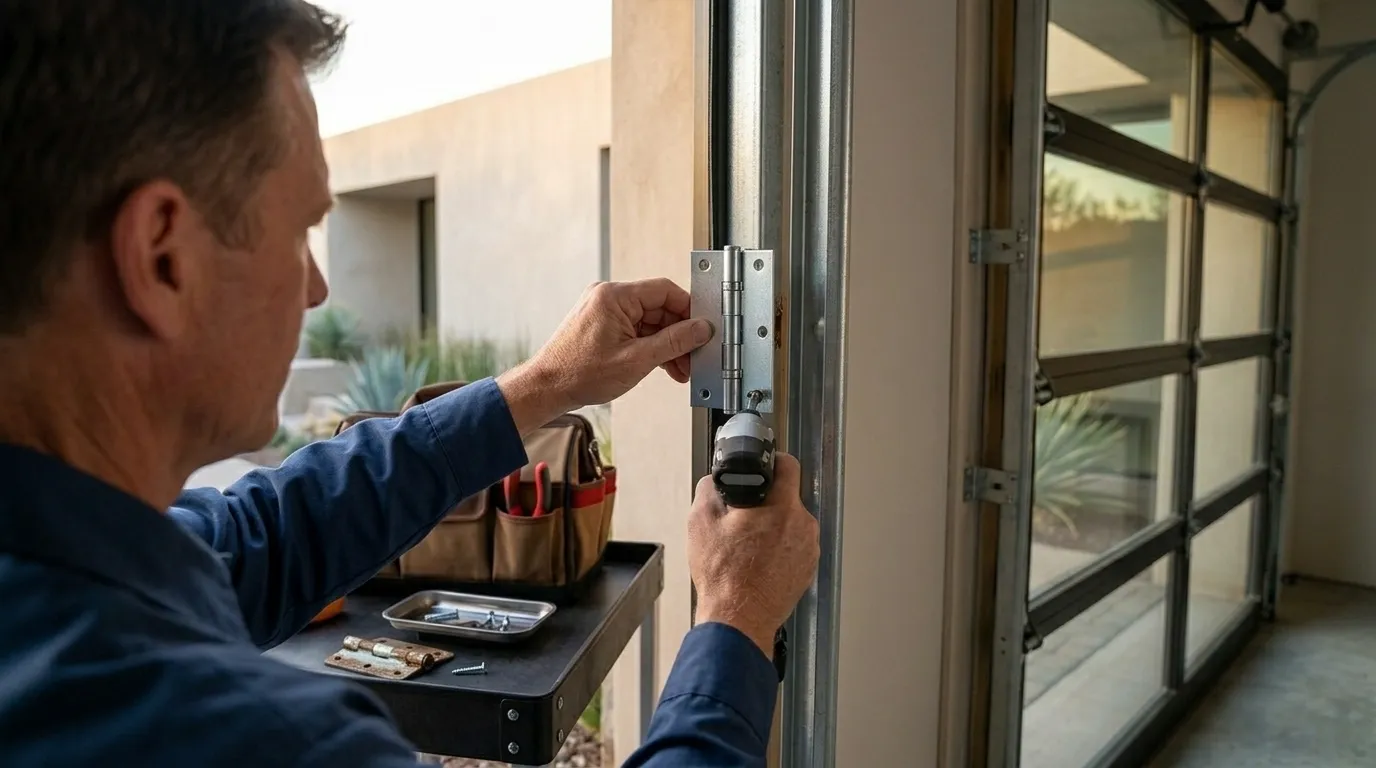
We stock torsion springs across the range of sizes that fit both the older doors common in Cashmere's 1960s-era stock and the newer doors on houses built later, plus standard cables, rollers, and hinges. Opener parts are trickier - if your opener is an older model original to a 1960s build, we may have the belt or gear on hand, or we may need to order it, which is the honest limitation here: parts lead time on a discontinued opener board can run past same-day, and we'll tell you that up front rather than promise a fix we can't deliver.
Because Cashmere sits about 9 miles from Wenatchee, every truck that comes out carries a full spring and cable kit rather than a light loadout - there's no quick return trip to swap something we forgot. That's a routing decision built around the distance, not a marketing line.
Can You Do This Yourself
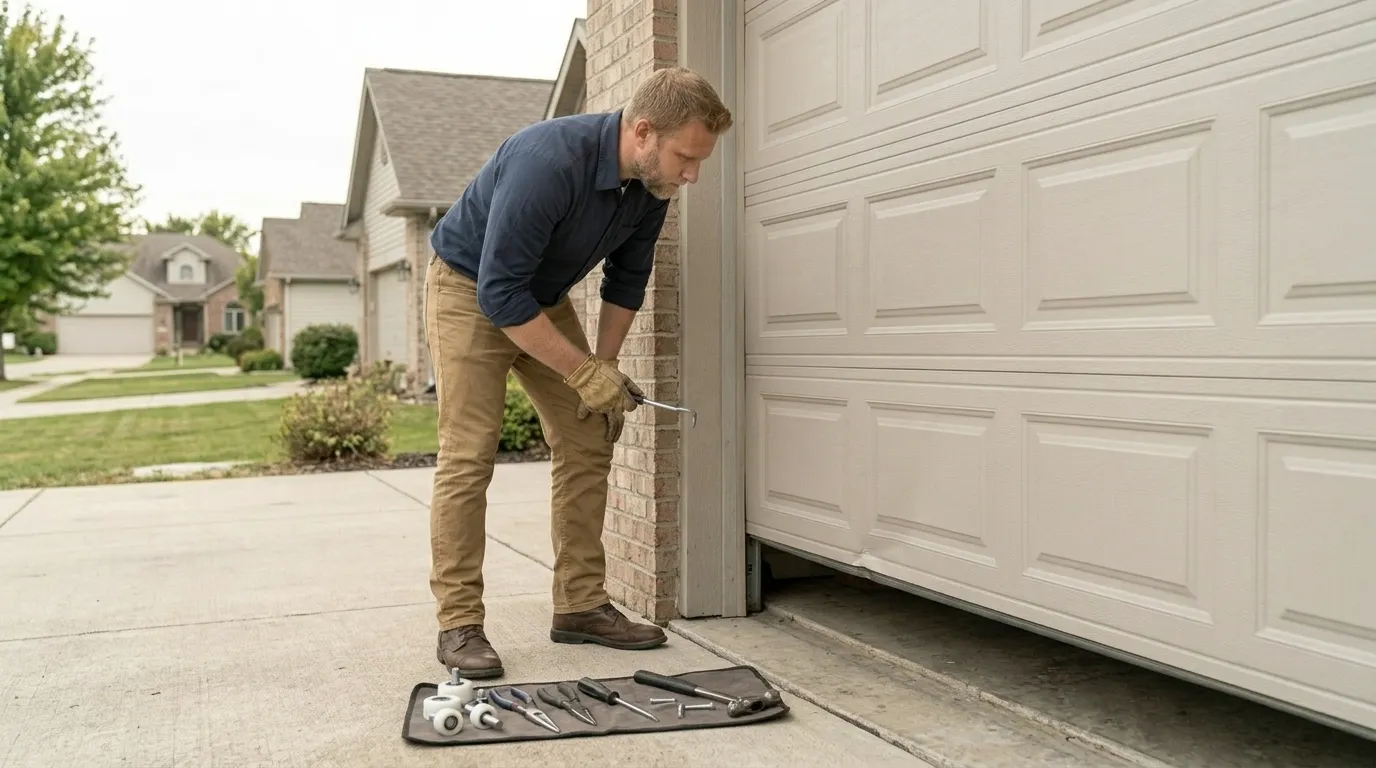
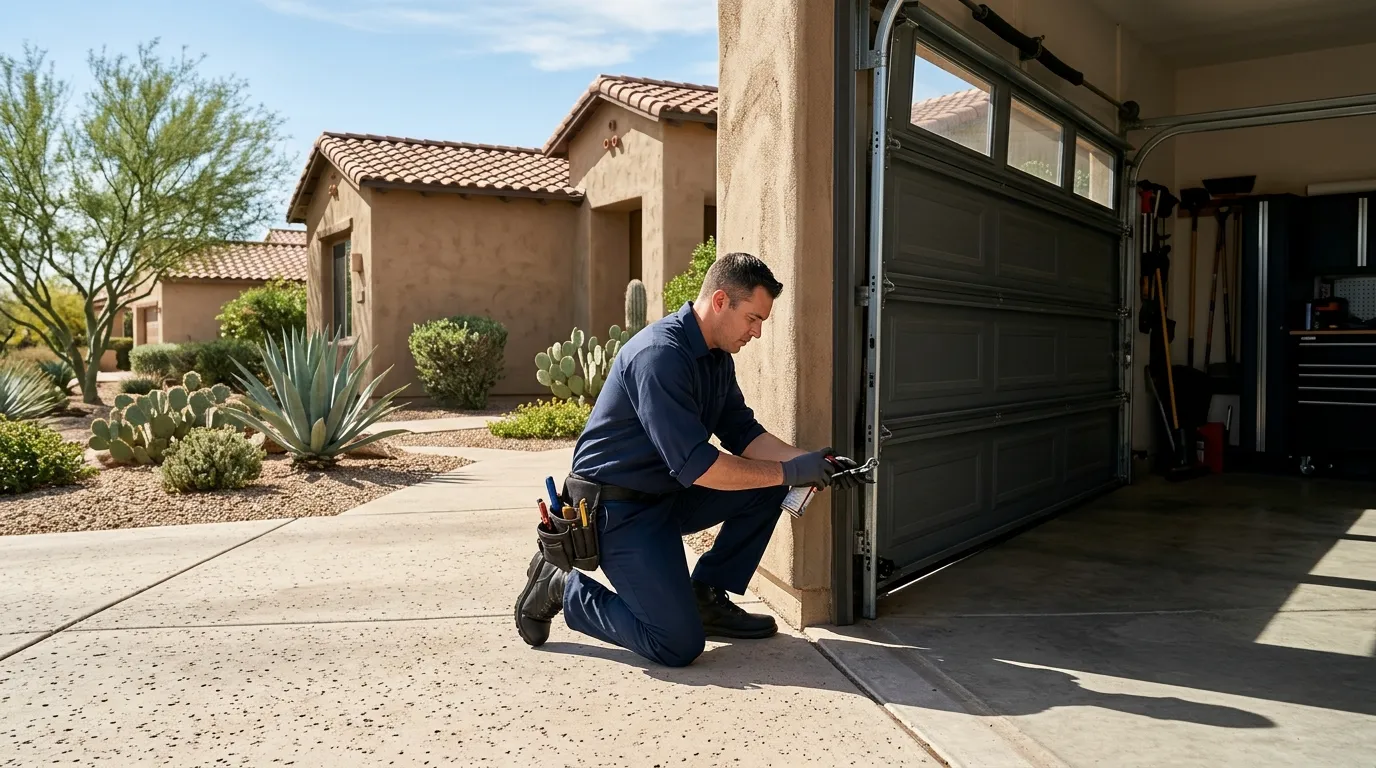
Some things are fine to try: tightening loose hardware, lubricating hinges and rollers, clearing the track of debris, checking that the photo-eye sensors are aligned if the door won't close. None of that needs a truck.
A broken torsion spring is not a DIY job. The spring is wound under enough tension to break bones or worse, and the tools to safely release and rewind it aren't things most homeowners own or should buy for a one-time repair. Cable replacement carries the same risk - the cable is under load from the spring system, not just holding the door's weight.
On a house from the 1963 era, there's an added wrinkle: older torsion hardware sometimes uses shaft and drum sizes that don't match what's sold at a hardware store today, so even a confident DIYer can buy the wrong part and make the job worse before we ever see it.
Why This Fails Locally
With a median household income of $63,825 in Cashmere - lower than the roughly $75,854 median across the broader service area - a full door replacement isn't a decision people make lightly, and it shouldn't be treated as the default answer to every broken spring. We repair what's repairable.
Where replacement does make sense is on the oldest doors tied to that 1963 median build year: single-layer steel with no insulation, original hardware, and an opener that's outlived its parts supply. Cold-moderate winter conditions in this area put steady stress on seals and hardware that are already past their expected life, and repeated repairs on a door that age start costing more, in parts and callouts, than swapping it out.
The honest read: if your door and opener both date to the house, and you're already on your second spring or cable failure, that's the point where repair stops being the cheaper option.