
What the Fix Involves
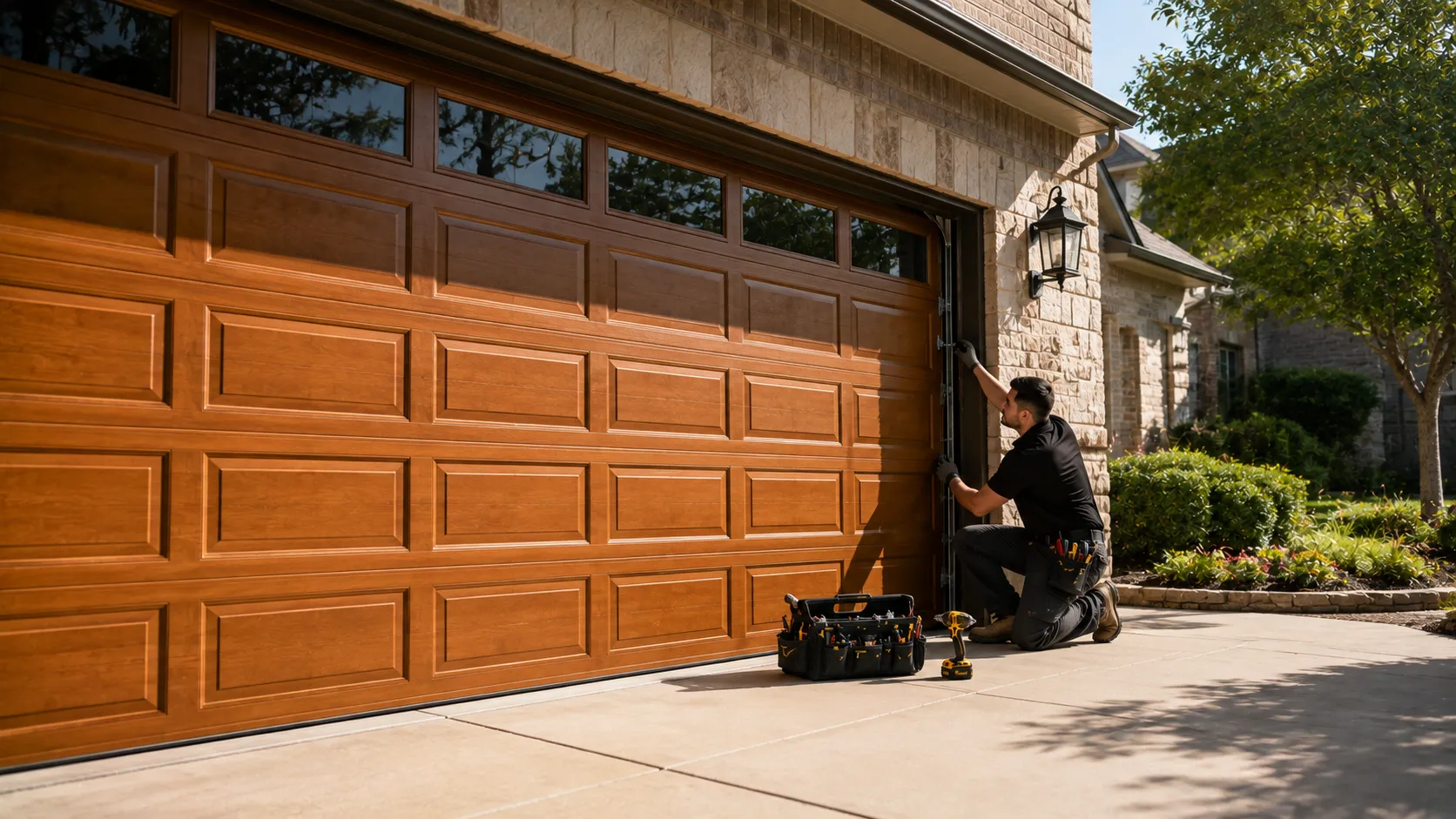
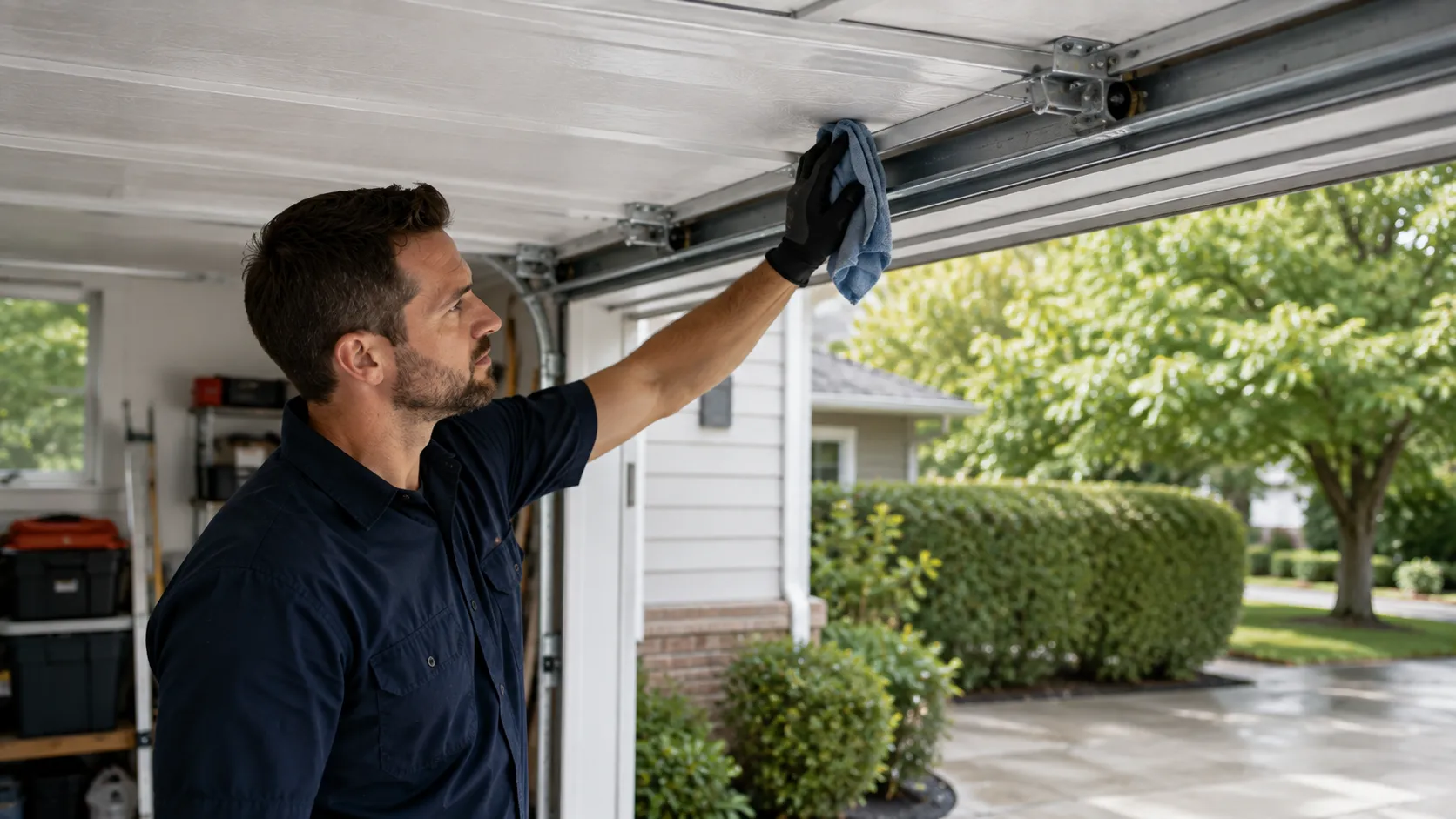
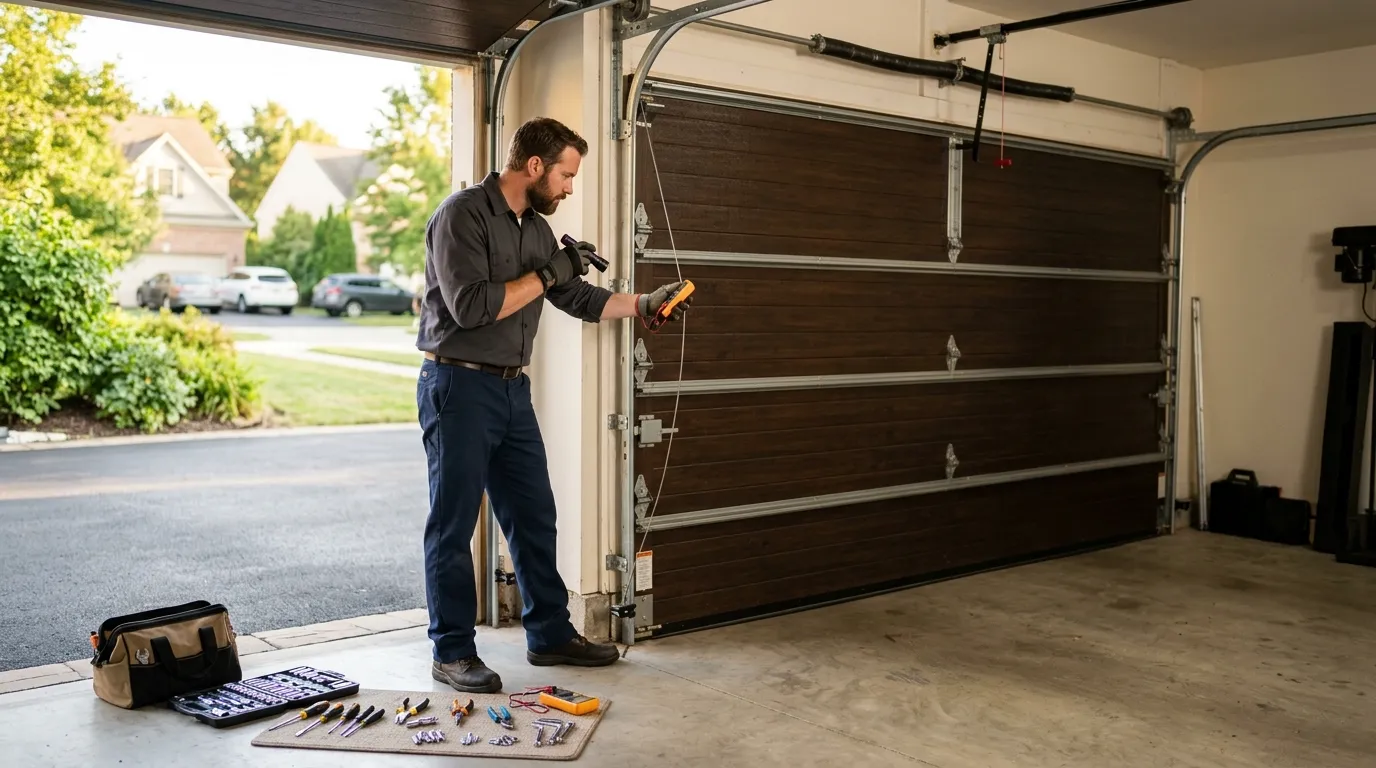
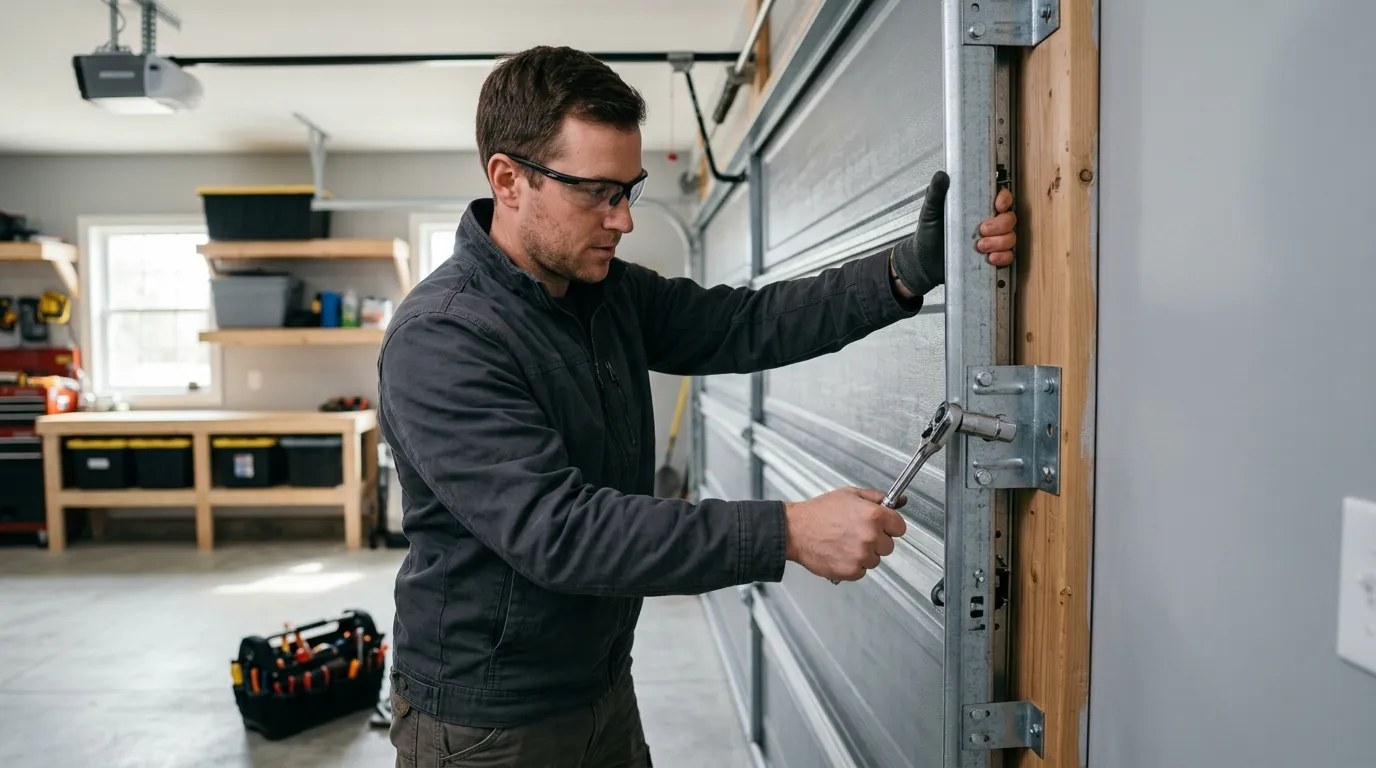
The fault we see most in Cashmere is a track that's gone loud on one side, with the door catching or jumping as it travels. That's usually steel rollers with dry or cracked bearings, riding on track that's picked up decades of dents from those same worn wheels. The fix is pulling the old rollers off the hinges, one at a time so the door stays supported, and setting nylon rollers with sealed bearings in their place. If a section of track has been chewed up by the bad rollers, we true it or swap that section too.
Cashmere's housing stock centers on 1963, right in the middle of the 1960s-70s wave that makes up most of the doors we work on across this area. Original hardware from that era was almost always steel rollers on narrow track, sized for the lighter doors of the time. That track wasn't built to run today's heavier insulated panels, so when a homeowner upgrades the door but keeps the old track and rollers, the wear speeds up. We see it a lot here because so much of the town's housing dates to that same build window.
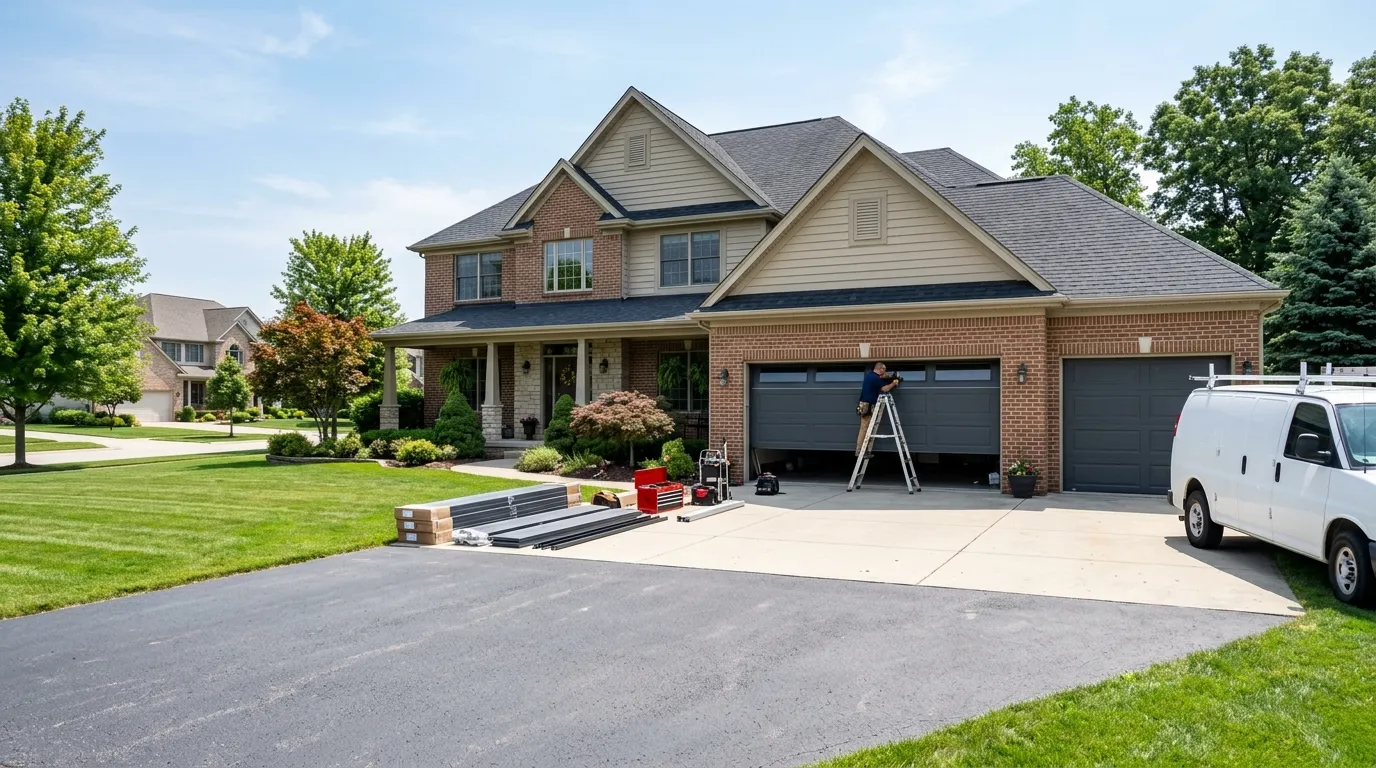
What Is on the Truck
For a roller job we carry nylon rollers in the common stem lengths and bearing sizes that fit 1960s-era track, plus a stock of the steel rollers some owners still ask for because they cost less and last fine on a door that isn't opened often. We keep sections of standard track on hand for the bent or gouged runs that show up on houses built the same year as most of Cashmere's, along with hinges, since a worn roller usually means a worn hinge hole right behind it.
What we don't carry is custom track for a nonstandard door width or an odd historic opening - that has to be special-ordered, and we'll tell you upfront if that's what your door needs rather than force a fix that won't hold.
Can You Do This Yourself
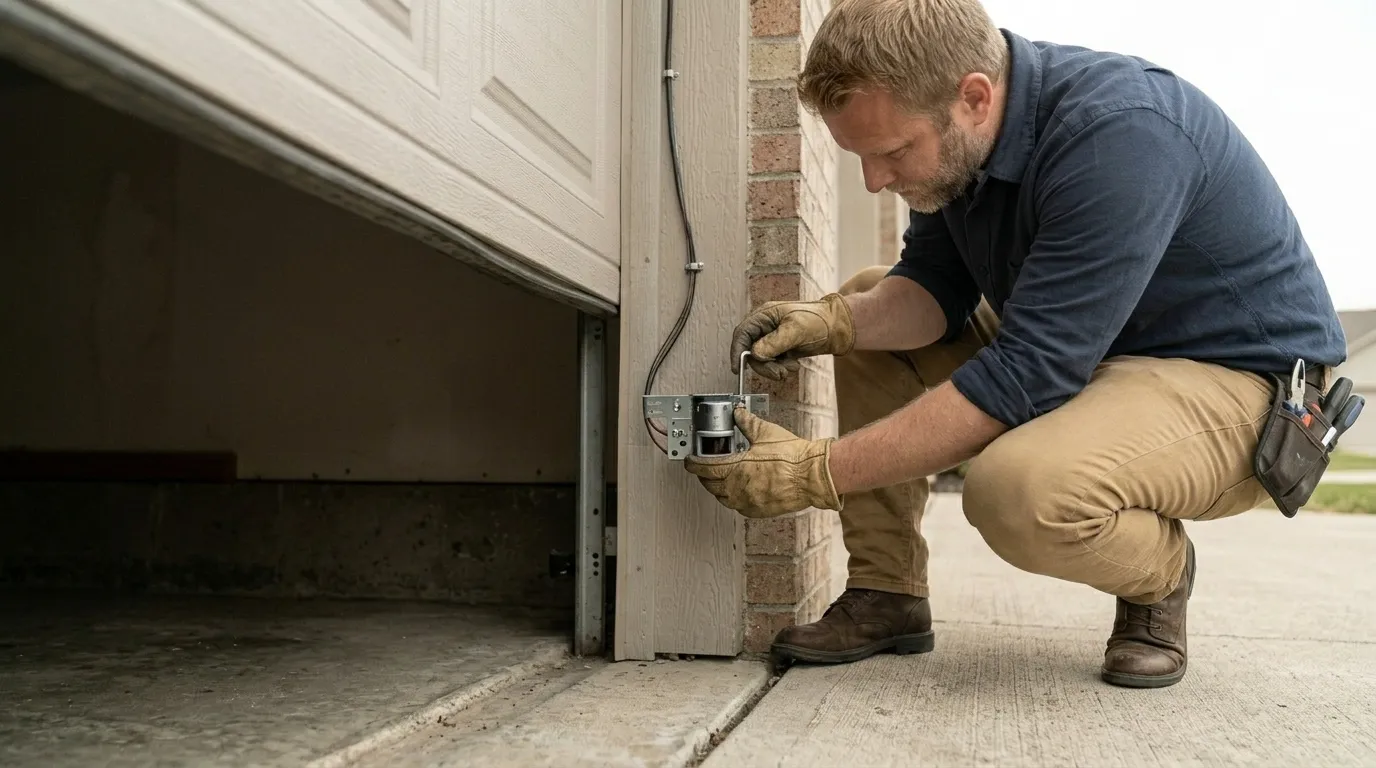
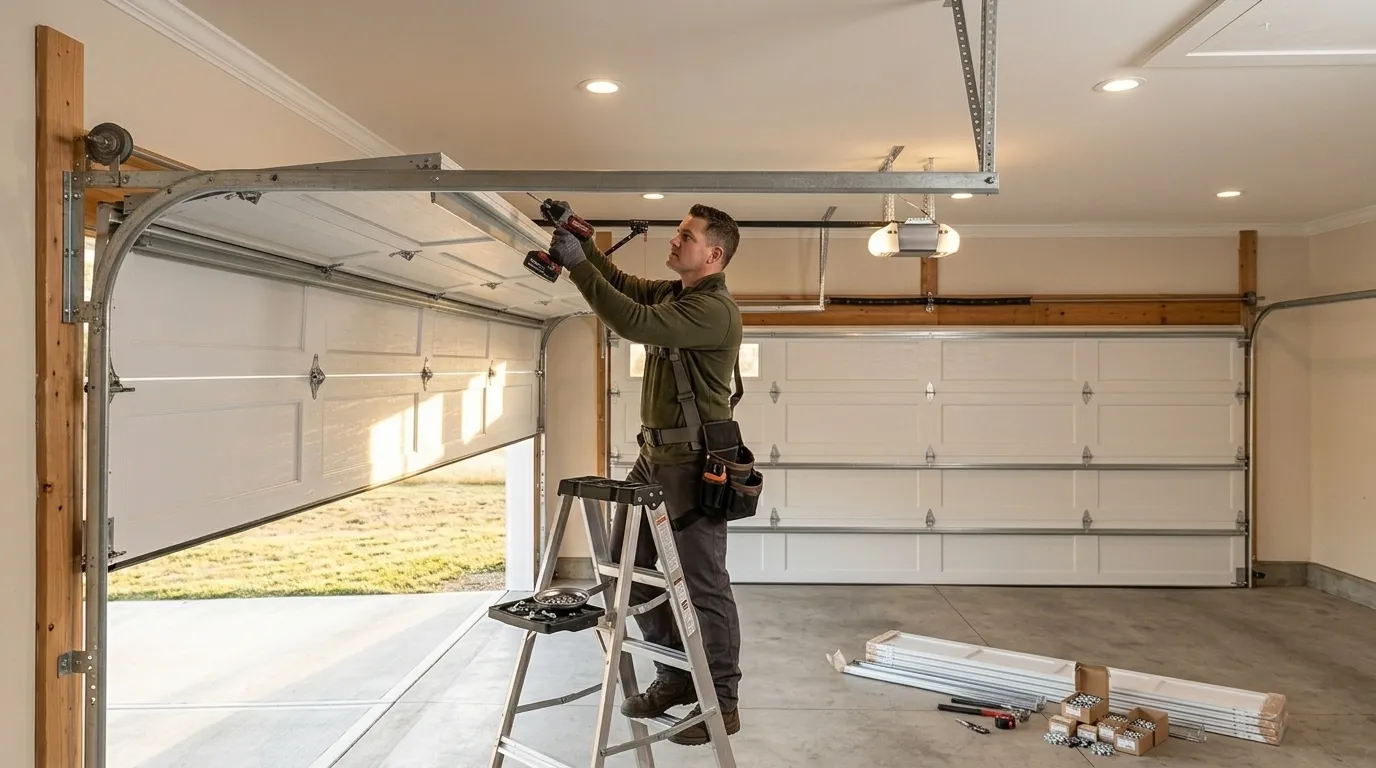
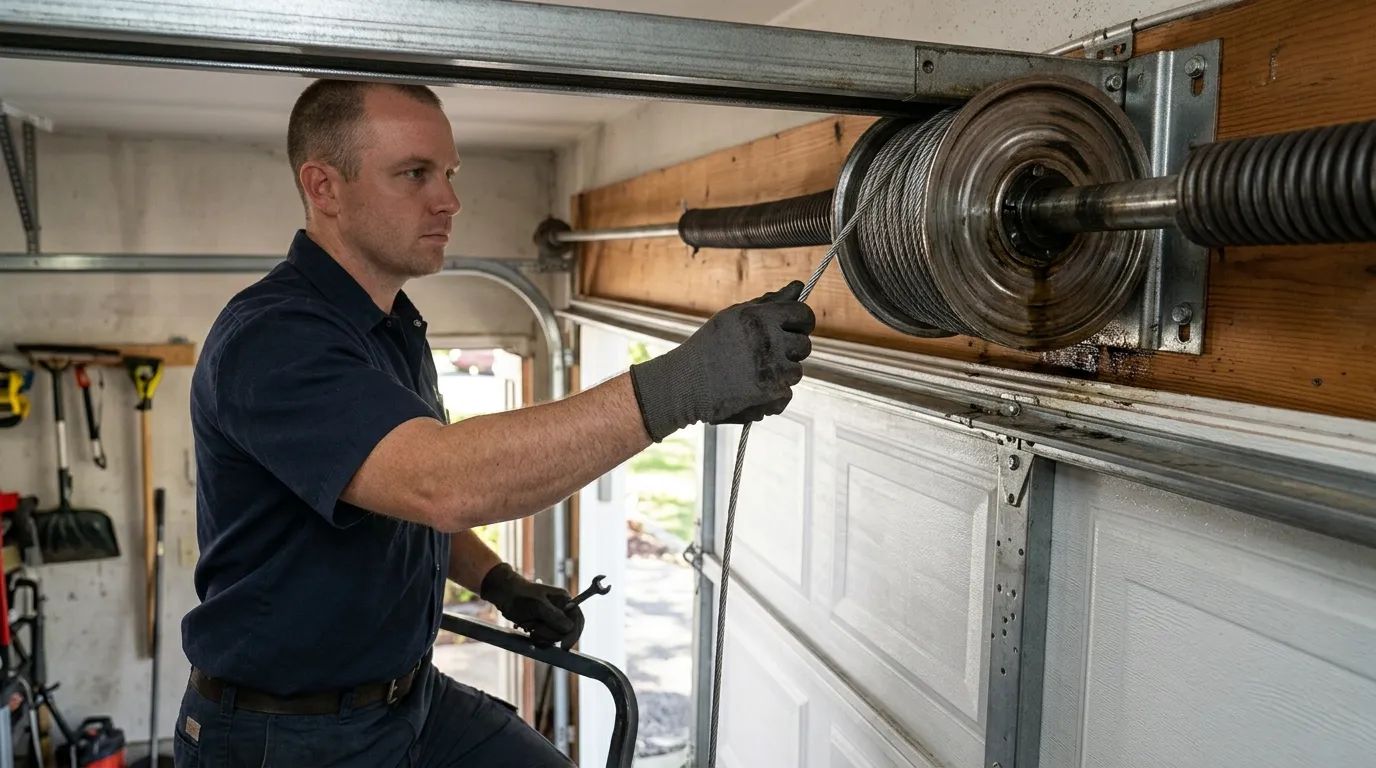
Rollers are one of the more DIY-friendly parts on a garage door if you're comfortable working near a door under spring tension - the bottom rollers especially, since they're not load-bearing the way the top ones near the springs are. Loosen the hinge bolt, slide the old roller out, slide the new one in, retighten. Where it goes wrong is the rollers next to the top brackets, close to a wound torsion spring, where a slip can put real force into your hand fast.
Our honest limitation: if your track is bent from the old rollers, straightening it right takes a level and an eye for how the door tracks against the frame, and a track that's off by even a little will chew through a new set of rollers just as fast as the old ones. That part we'd rather do in person than talk you through.
Why This Fails Locally
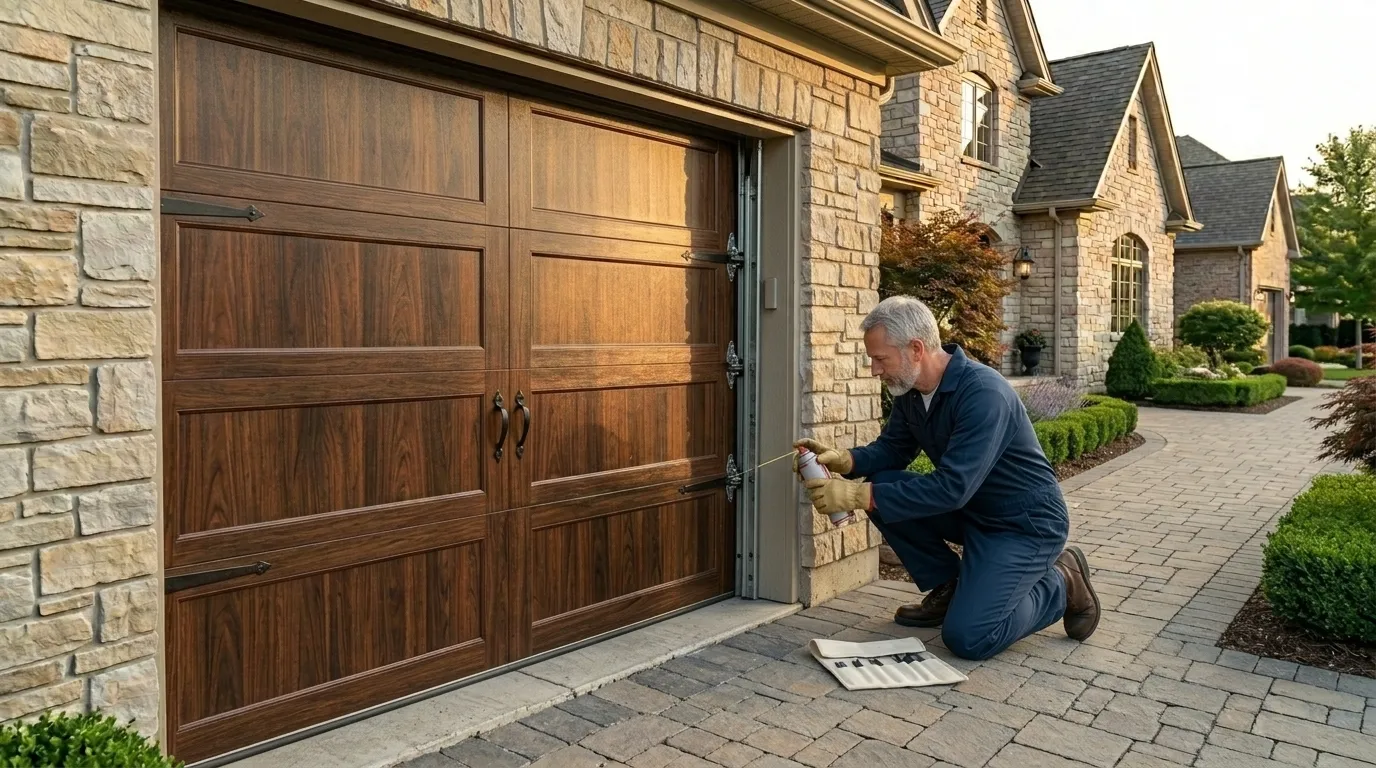
Cashmere sees the same cold, moderate climate swings as the rest of this stretch of the valley, and temperature cycling is hard on old grease and steel bearings that already have decades on them. Combine that with a median build year of 1963 and you get a lot of doors here running original or near-original hardware that was never meant to carry today's heavier panels or the freeze-thaw cycling this climate band puts on metal and lubricant alike.
At a household income of $63,825, we also see plenty of owners waiting until the roller failure takes out the track with it, which turns a $200 fix into a track replacement. Catching the noise early, before the roller seizes and starts dragging on the rail, is the difference between a short job and a long one.