What the Fix Involves
Most houses in Cashmere went up around 1963, and a lot of that original torsion hardware is still hanging over the door - never swapped, never upgraded. That's the number that matters more than anything else on this page: if your house is anywhere near that build year, the spring carrying your door right now was probably sized and installed before anyone alive today owned the place.
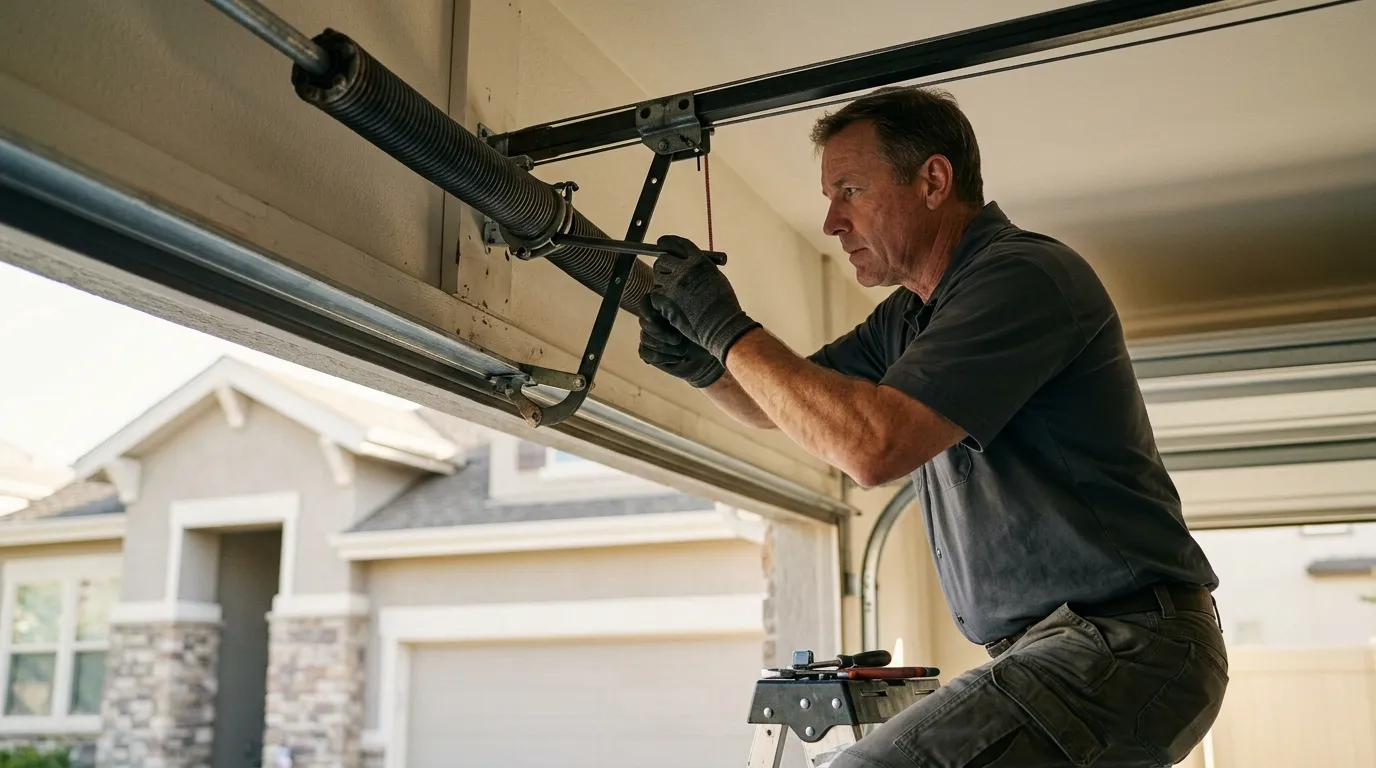
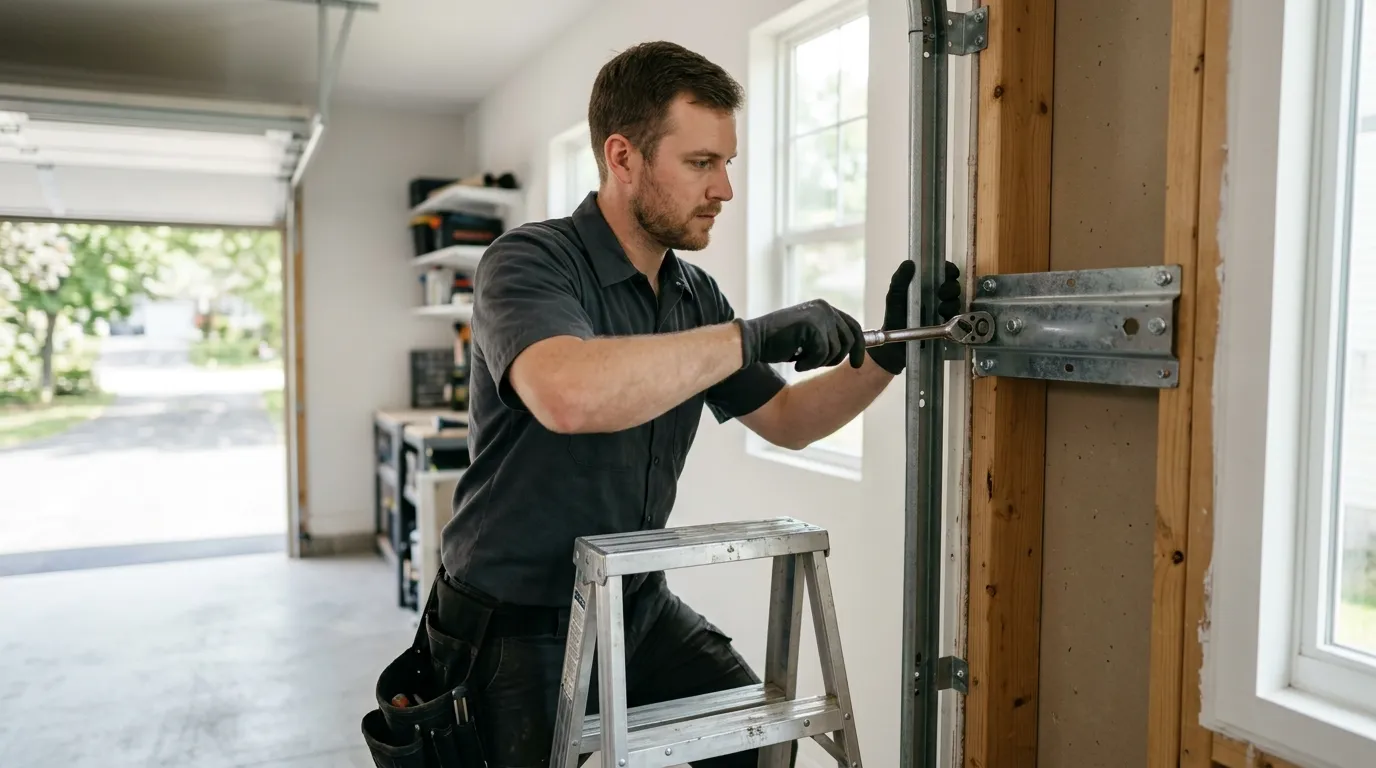
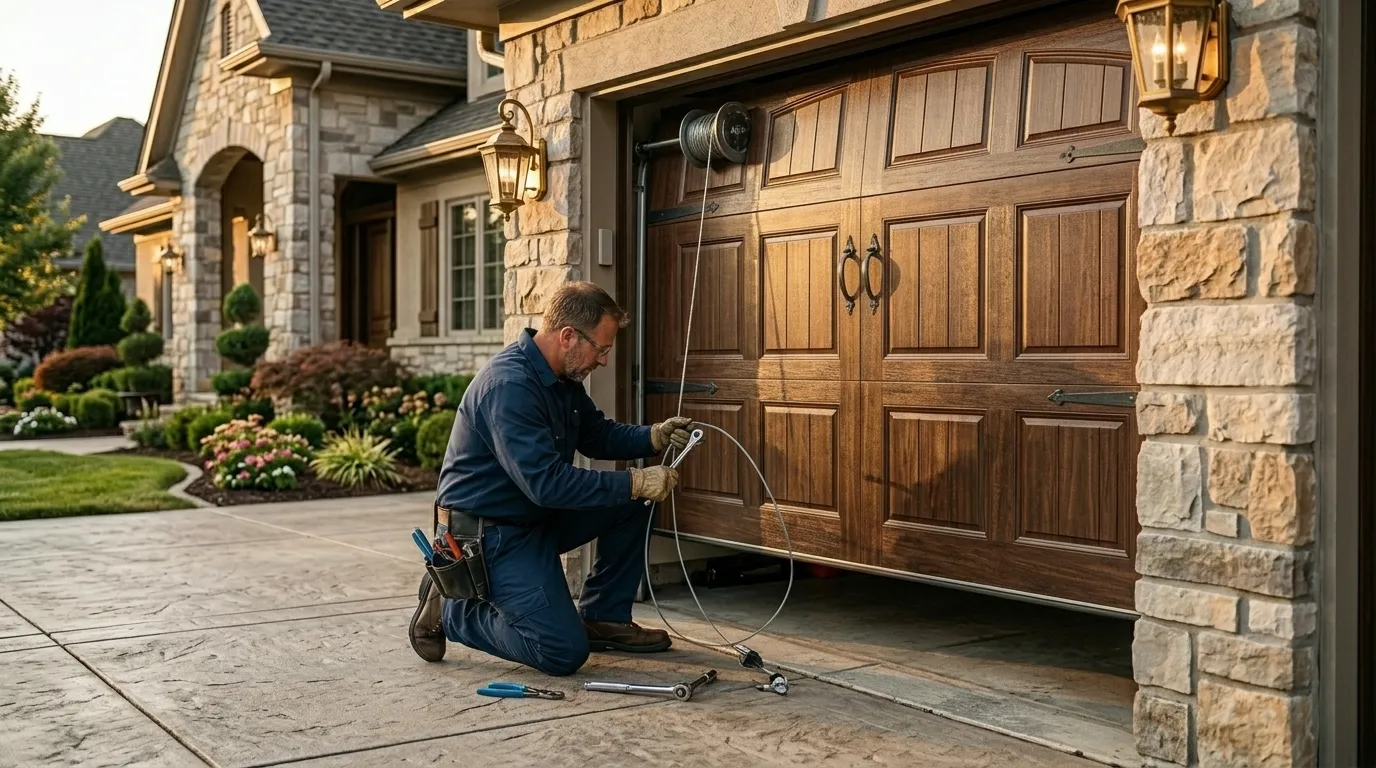
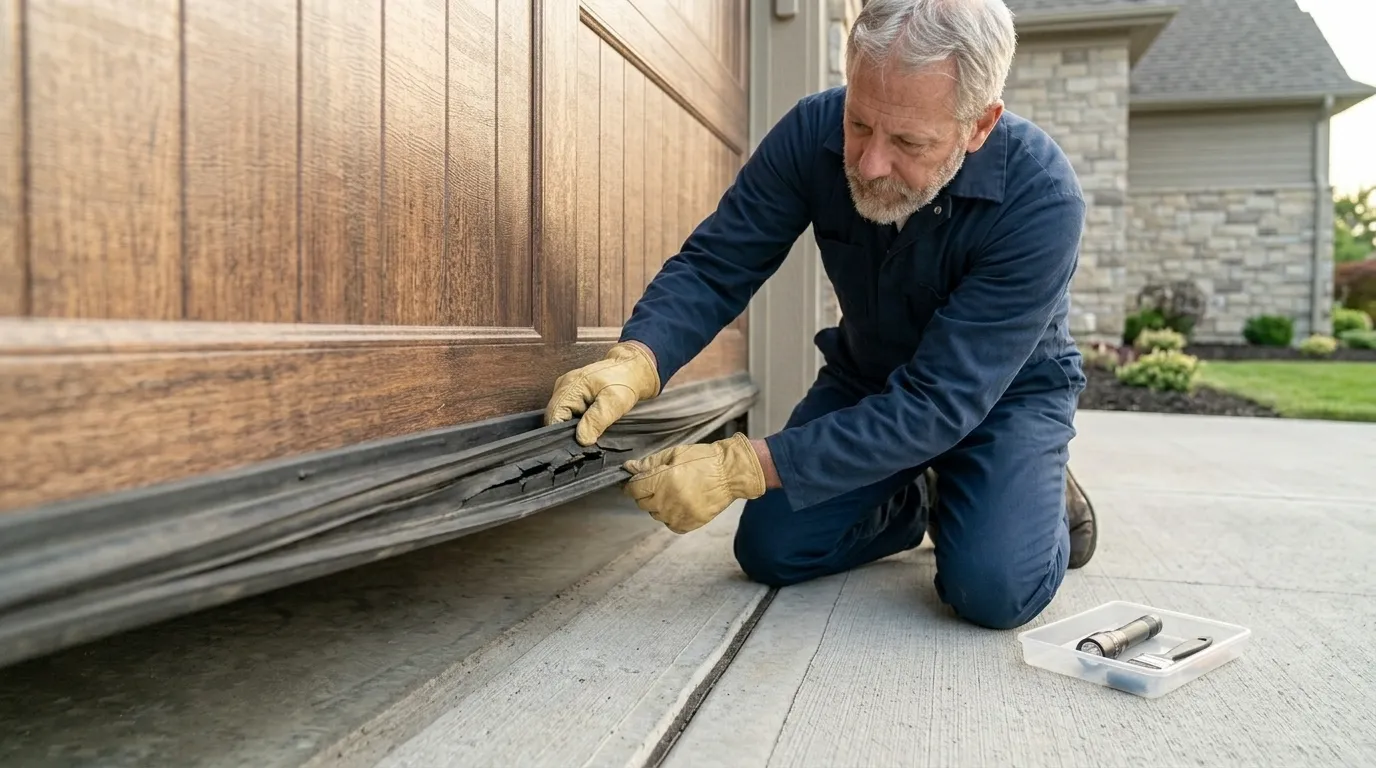
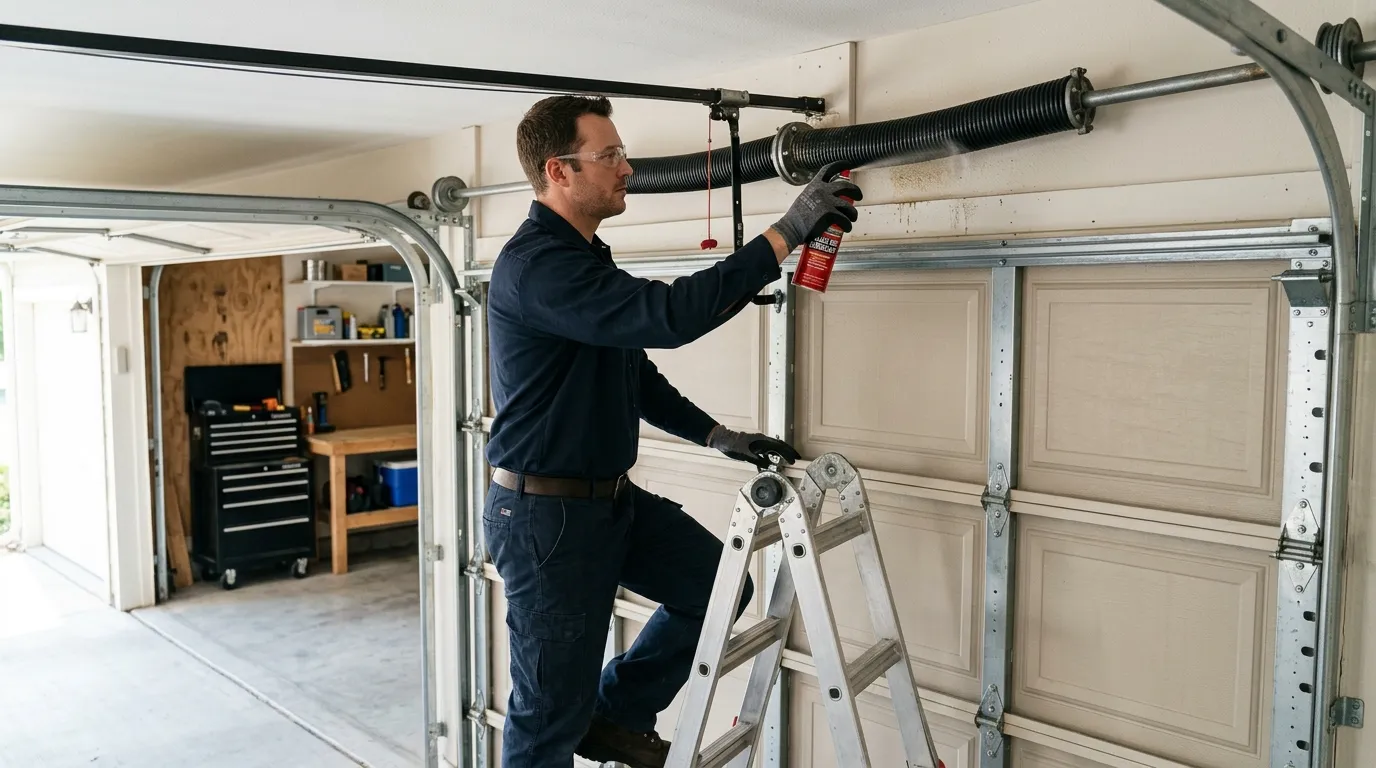
The fix itself is straightforward once we're on site: unwind and pull the broken torsion spring (or springs, on a double door), check the shaft, cable drums, and bearing plates for wear that decades of use put on them, and set a replacement spring matched to the door's weight and the drum size that's actually on your header - not a generic size off a shelf. On a lot of these older Cashmere setups, the cable drums or the center bearing are worn enough from age that they need swapping at the same time, not just the spring. We measure and match rather than guess, because a spring that's even a few turns off the correct wind either fails again in a year or lets the door slam.
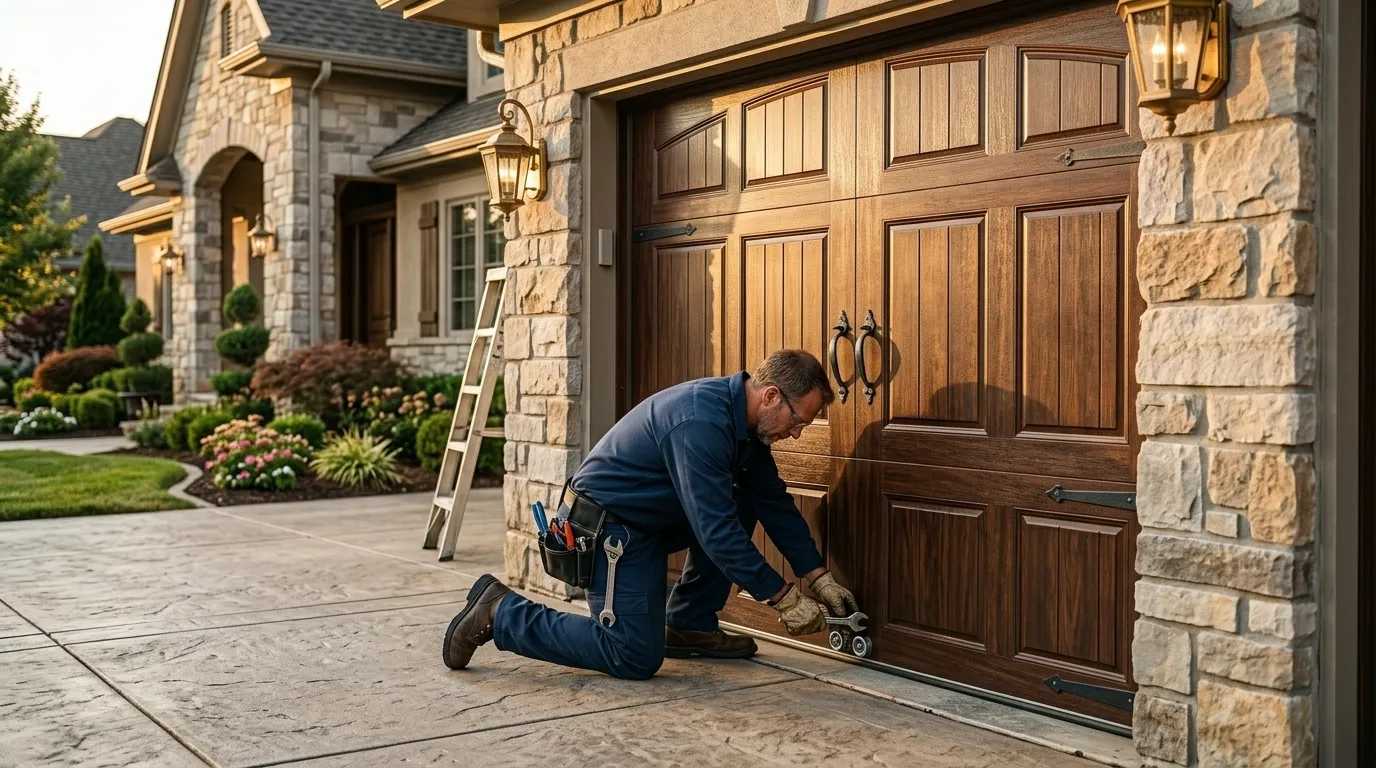
We also check the mounting hardware. On a house built in 1963, the header bracket has usually seen one repair already, sometimes with hardware that doesn't match what's there now.
What Is on the Truck
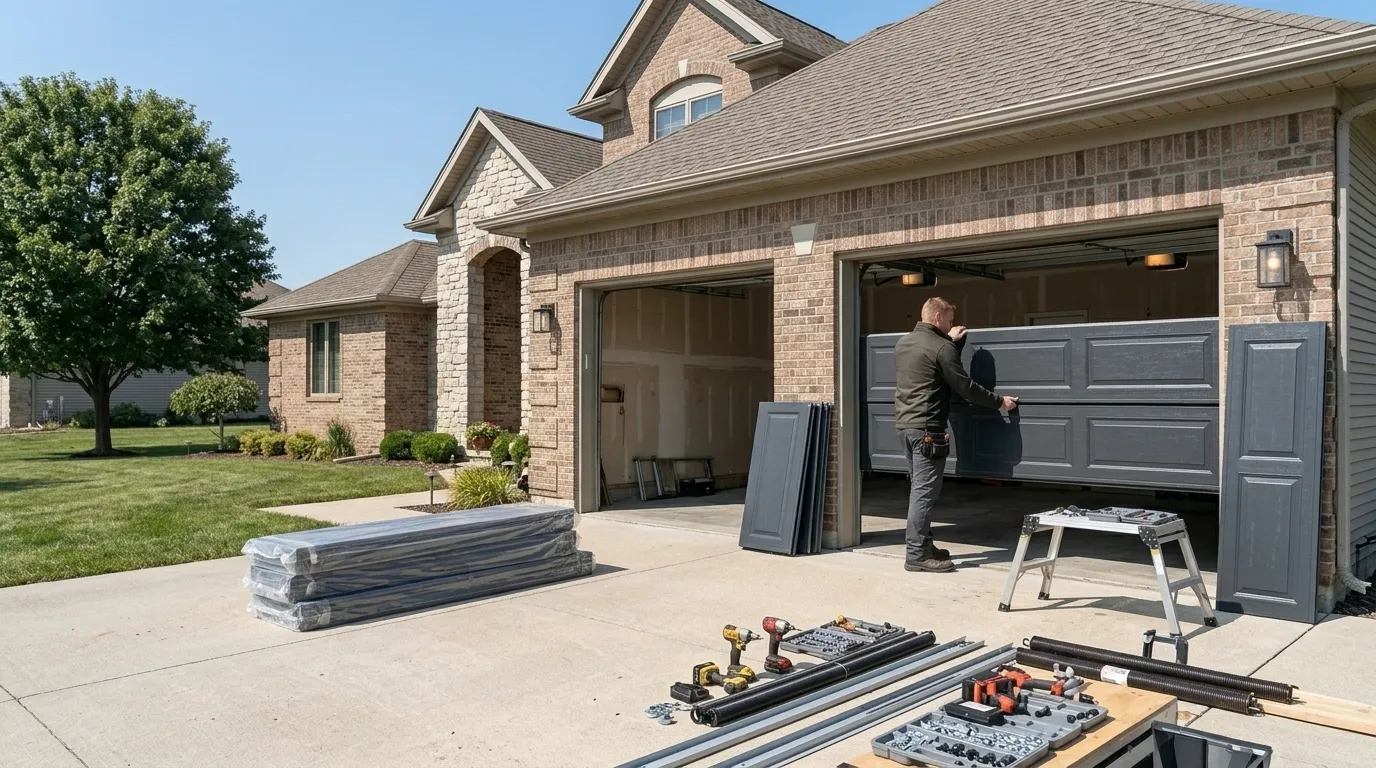
We stock torsion springs across the range of shaft and drum sizes that show up on the older stock common to this area - 1960s and 70s builds - plus the cable, drums, and bearing plates that tend to fail alongside a spring that old. That range covers what we see across the wider Wenatchee service area, which runs from newer 1990s construction down through housing built as early as the mid-1940s (median year across the area sits around 1977, but Cashmere runs older than that average).
What we don't carry on the truck is anything obsolete enough to need a special order - a handful of older extension spring setups or odd drum sizes fall into that category, and if your door has one of those we'll tell you on the spot rather than pretend otherwise. That's rare, but it happens more on older stock like Cashmere's than on newer builds closer to town.
Can You Do This Yourself
Don't. A wound torsion spring stores enough force to break bones or worse if it lets go while you're working on it, and that risk doesn't change with the age of the house. What does change with an older build like Cashmere's is that the hardware you're dealing with - shaft, drums, bearing plates - has usually never been touched since 1963, which means rust, wear, and mismatched replacement parts from whatever DIY fix happened years back. That combination makes an old spring job riskier to handle without the right winding bars and a clamp, not safer because it