What the Fix Involves
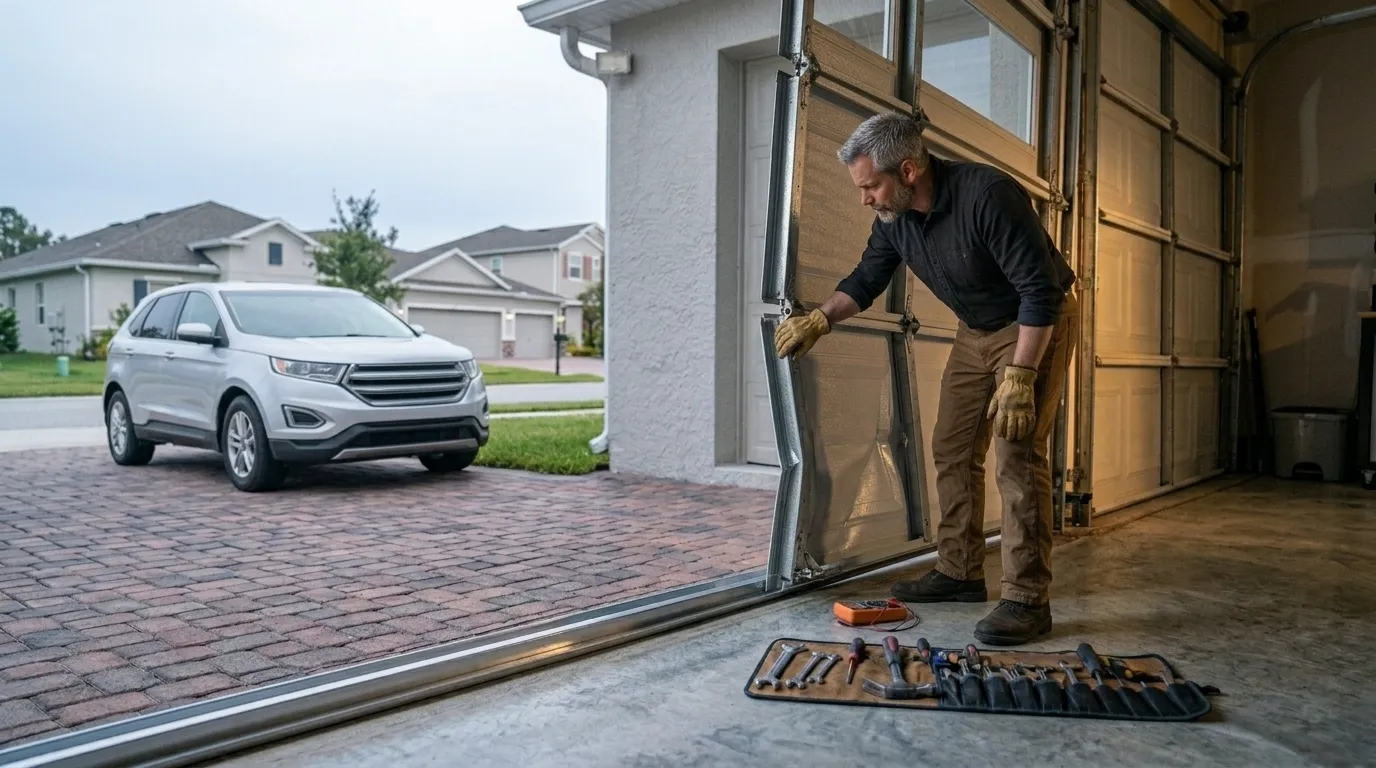
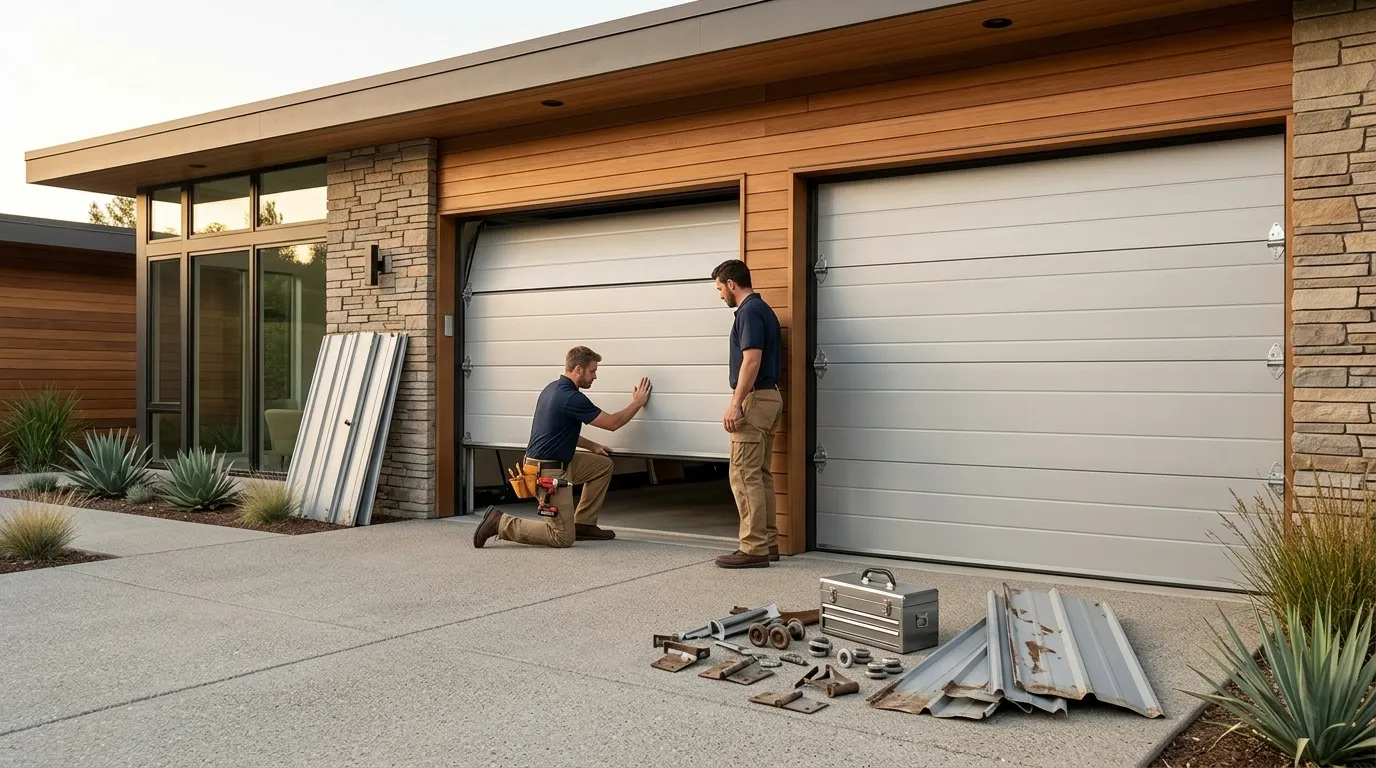
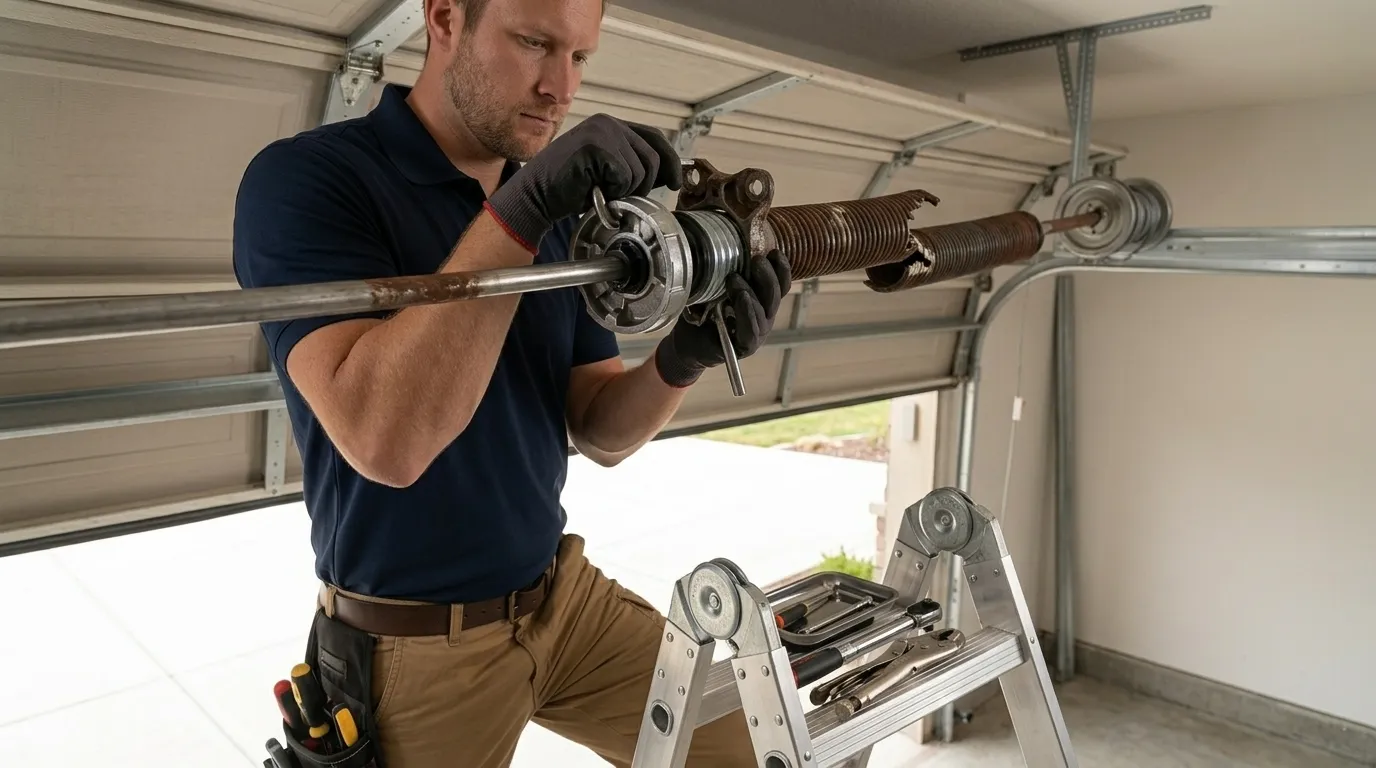
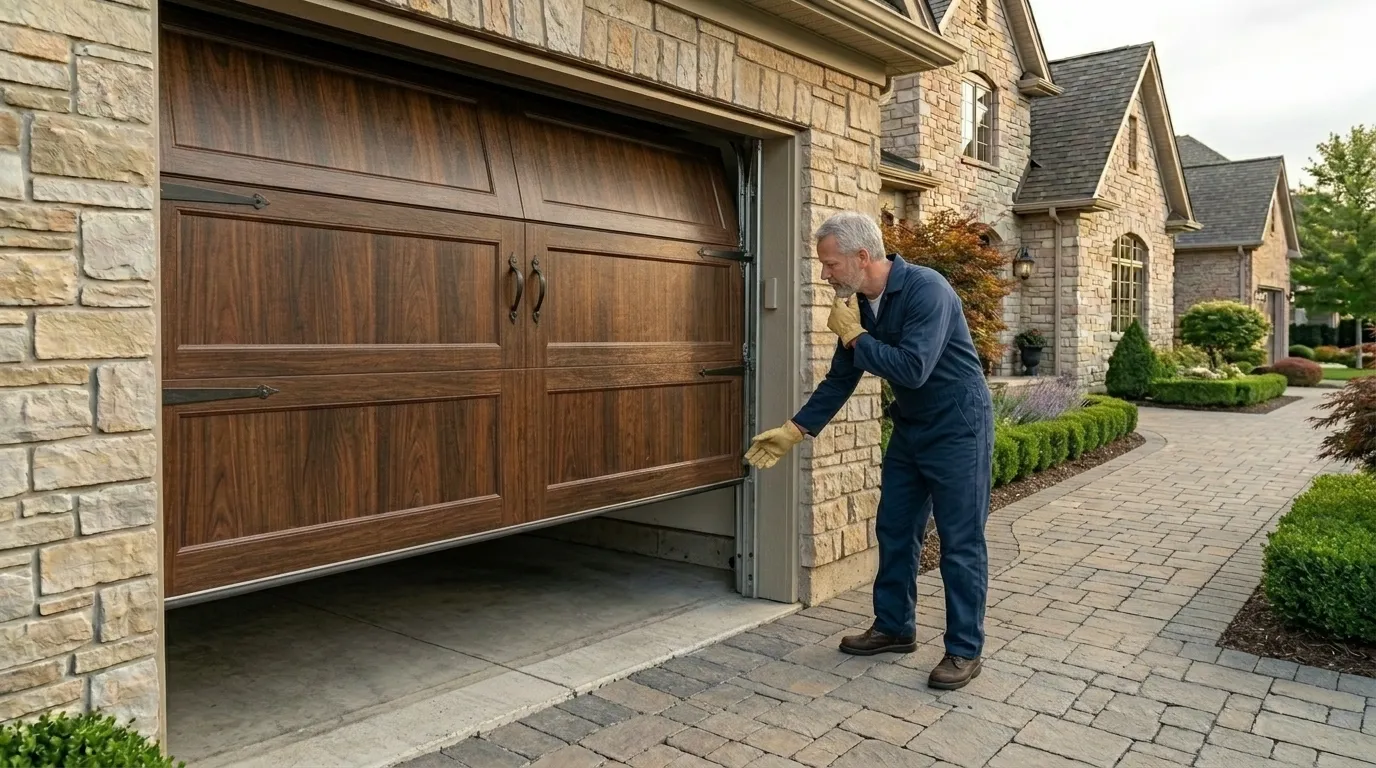
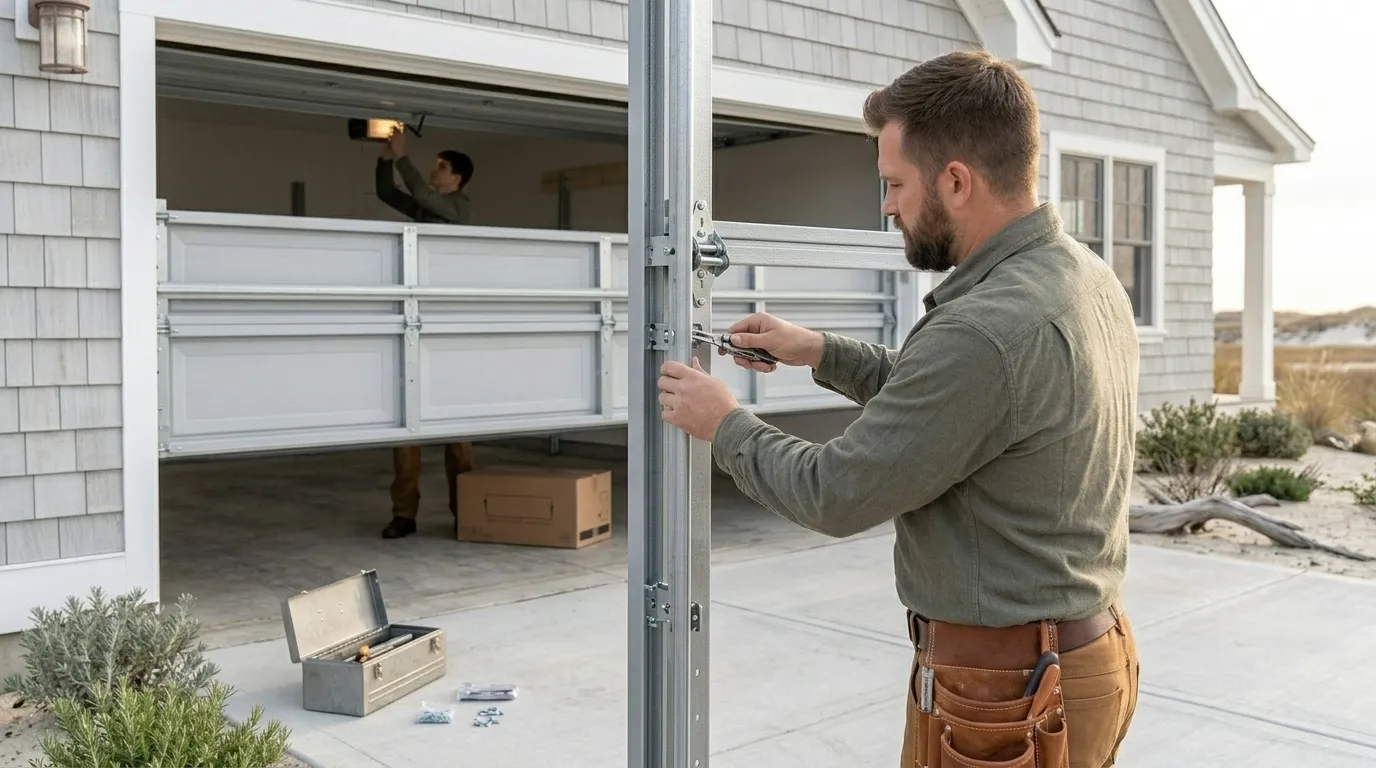
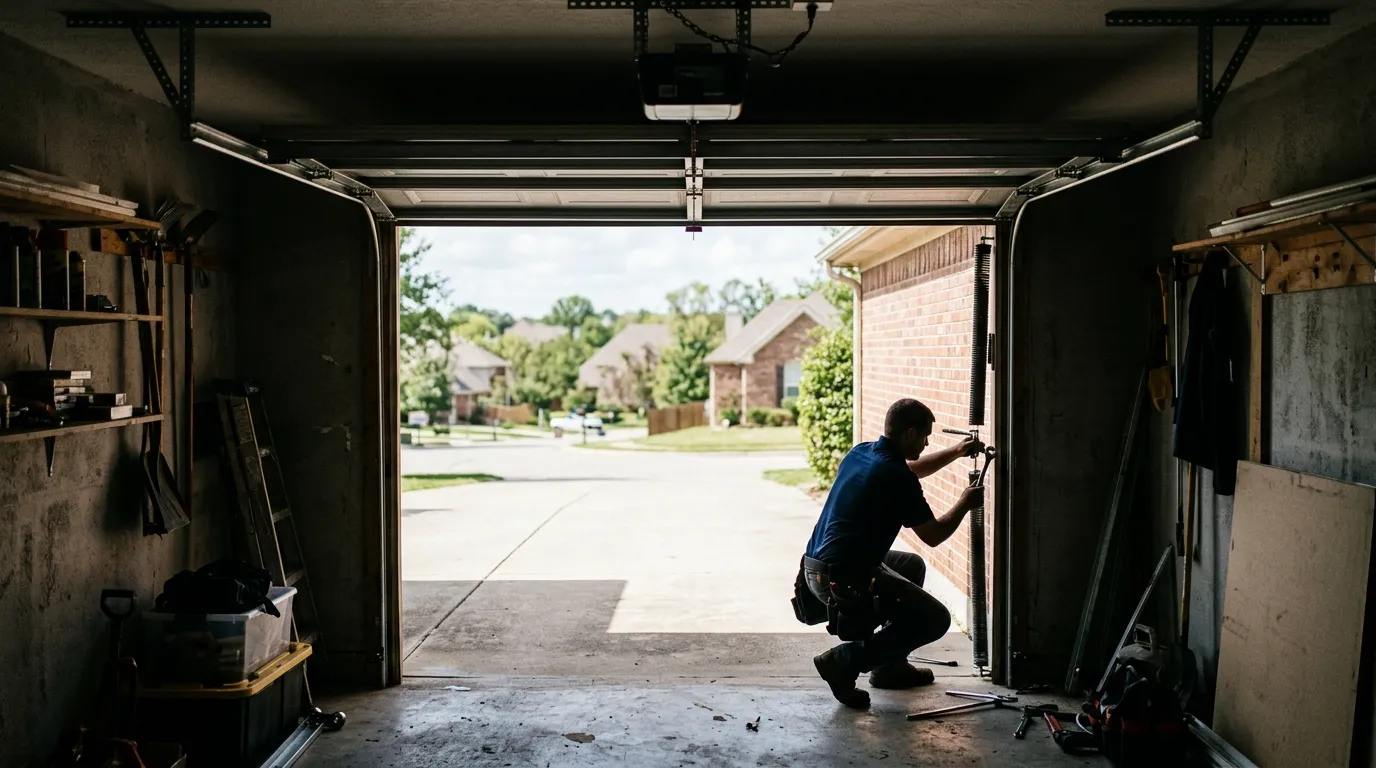
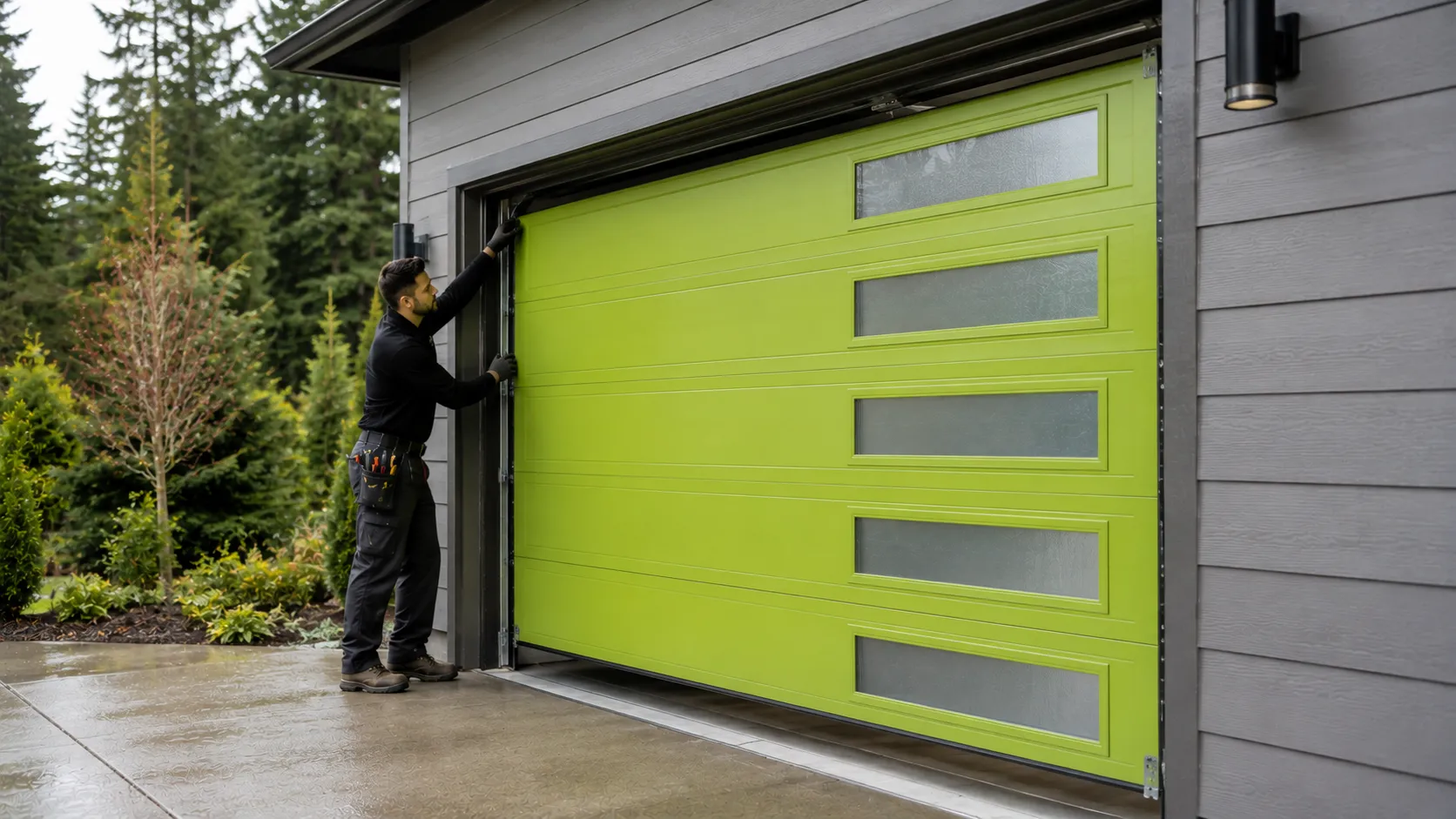
Cashmere's median house dates to 1963, which puts a lot of doors here a full generation older than what you'll find on newer streets around Wenatchee. Doors from that era were mostly hung on extension springs run along the horizontal track, not the torsion bar over the header that's been standard since the 1970s and 80s. That matters because extension spring setups fail differently: the spring stretches and fatigues instead of twisting, and when one lets go the door can drop unevenly on one side while the other cable still holds. The fix isn't just swapping a spring - it usually means checking the pulley, the safety cable (if one was ever added), and the track alignment, because a door that's been riding on a tired spring for years will have worn the rollers unevenly too. On some of these older doors the track itself has been re-hung or shimmed over the decades, so squaring it up again takes more than a wrench and a new spring.
What Is on the Truck
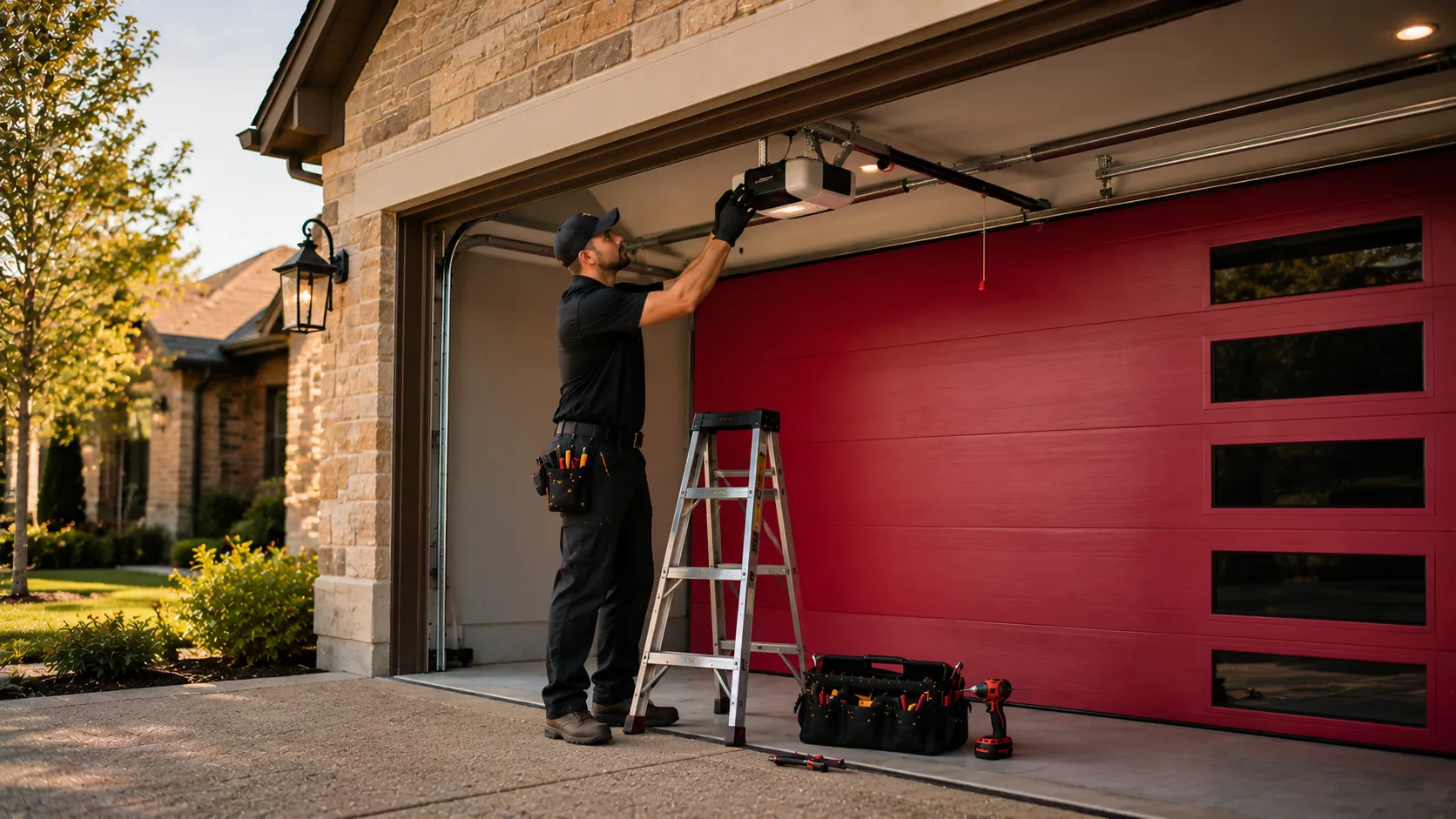
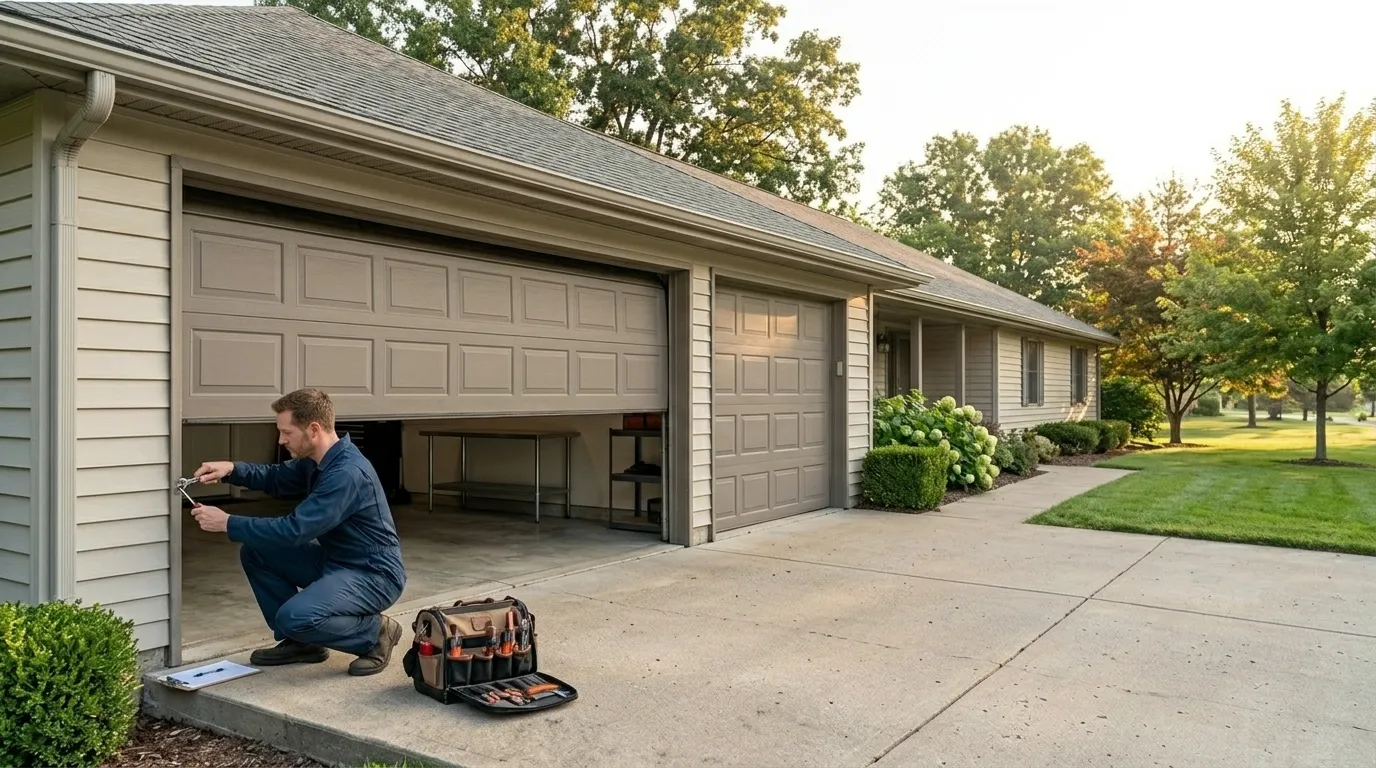
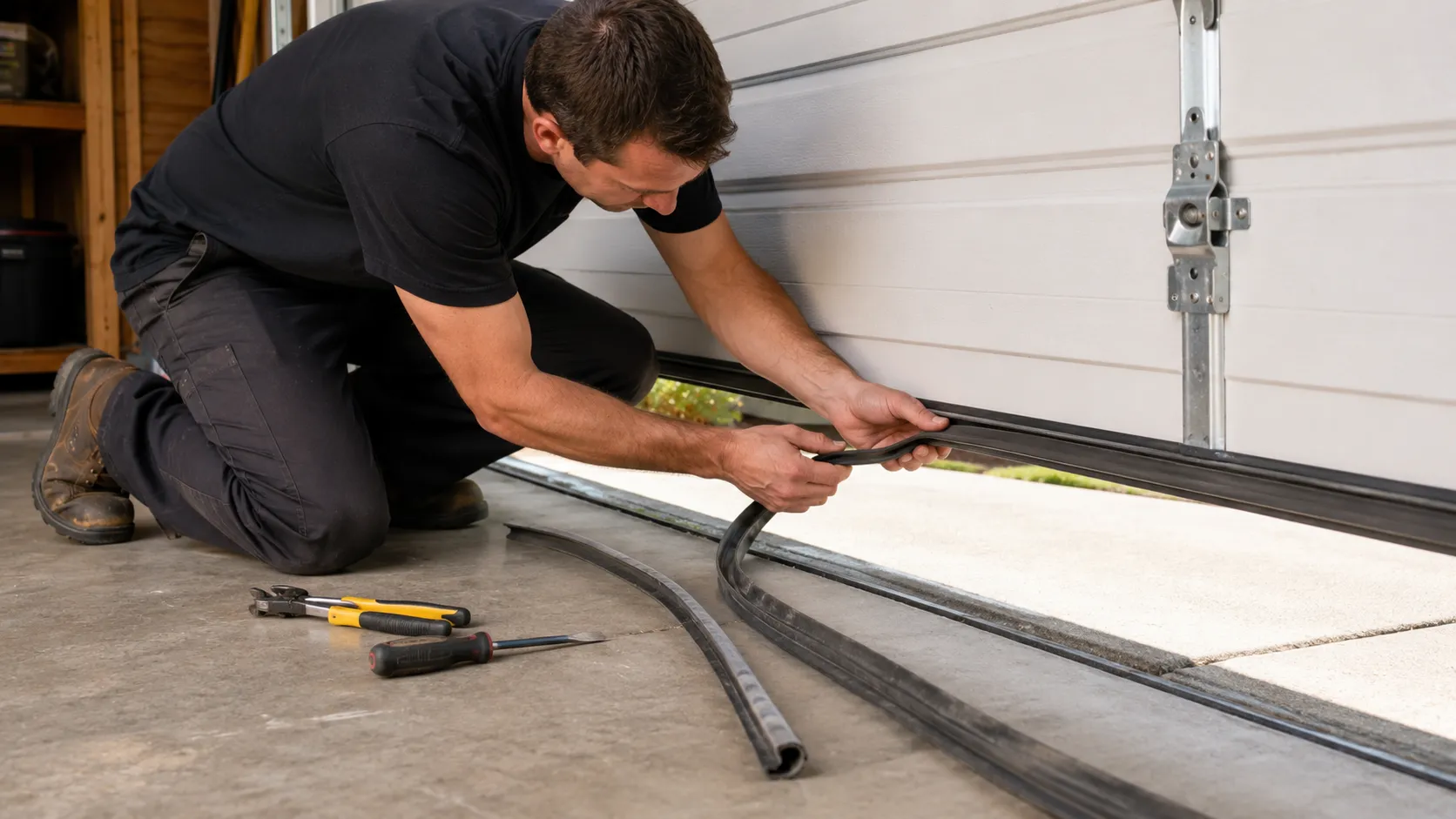
For a service call out to Cashmere we carry stock sized for what's actually out there - extension springs in the common lengths and wire gauges from that build era, along with torsion springs for the houses that have been upgraded since. We keep standard-lift cable, both styles of safety cable retrofit kits, and rollers in steel and nylon. Openers get less predictable: a house built in 1963 may still have its original chain-drive unit from a later retrofit, or something installed in the last ten years, so we bring circuit boards and drive gears for a working range rather than one specific model. One thing we don't carry on the truck is a wide stock of decorative or custom panel sizes - if a door needs a full section replaced and it's an older or oddball width, that part gets ordered, and we'll tell you the wait up front instead of guessing.
Can You Do This Yourself
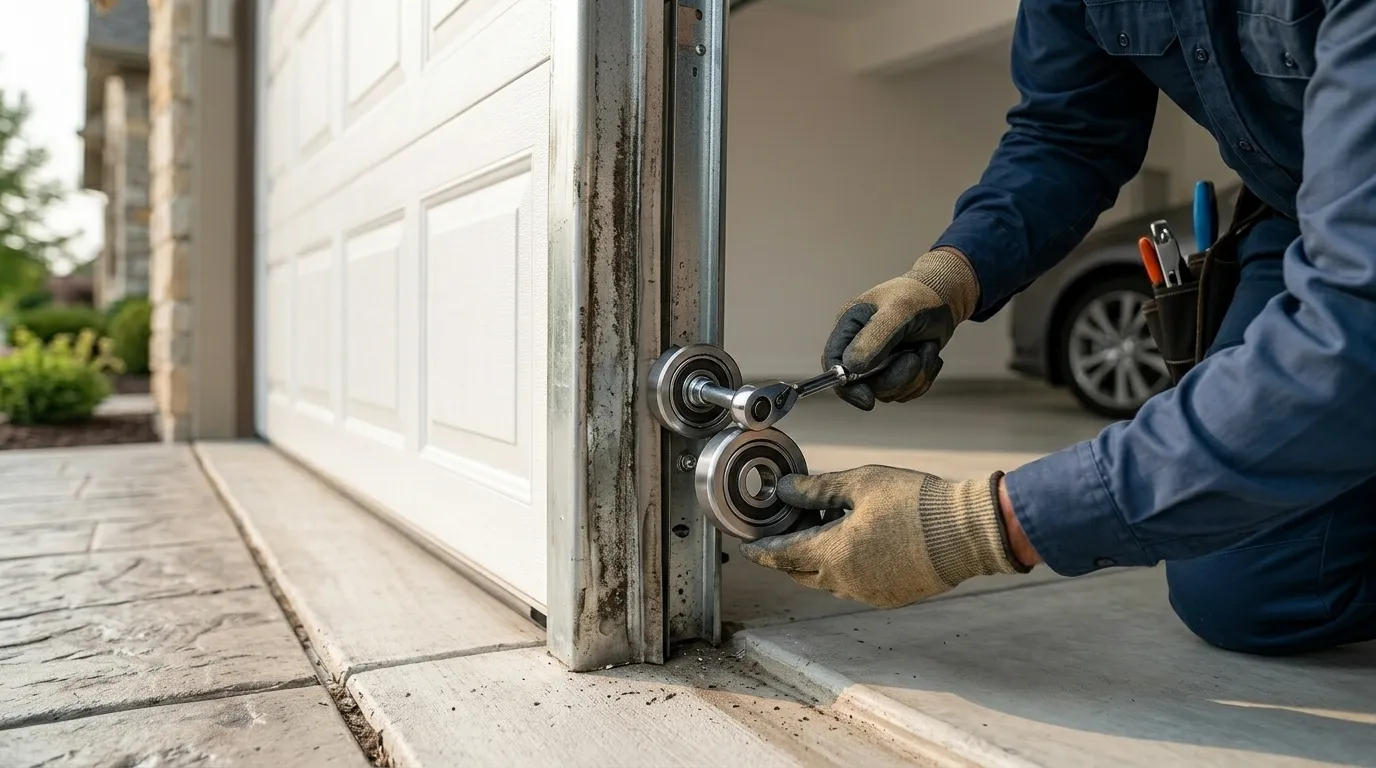
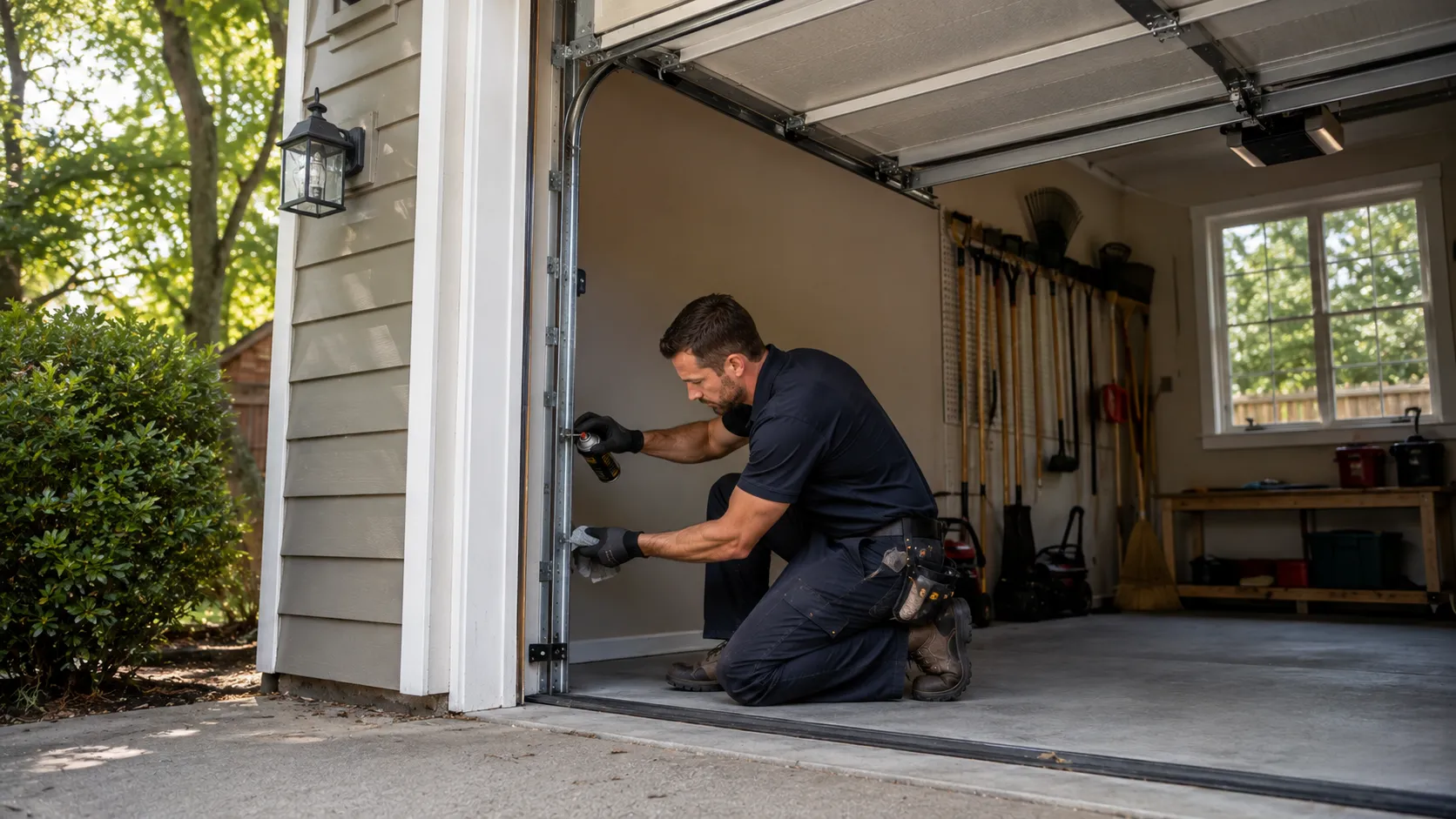
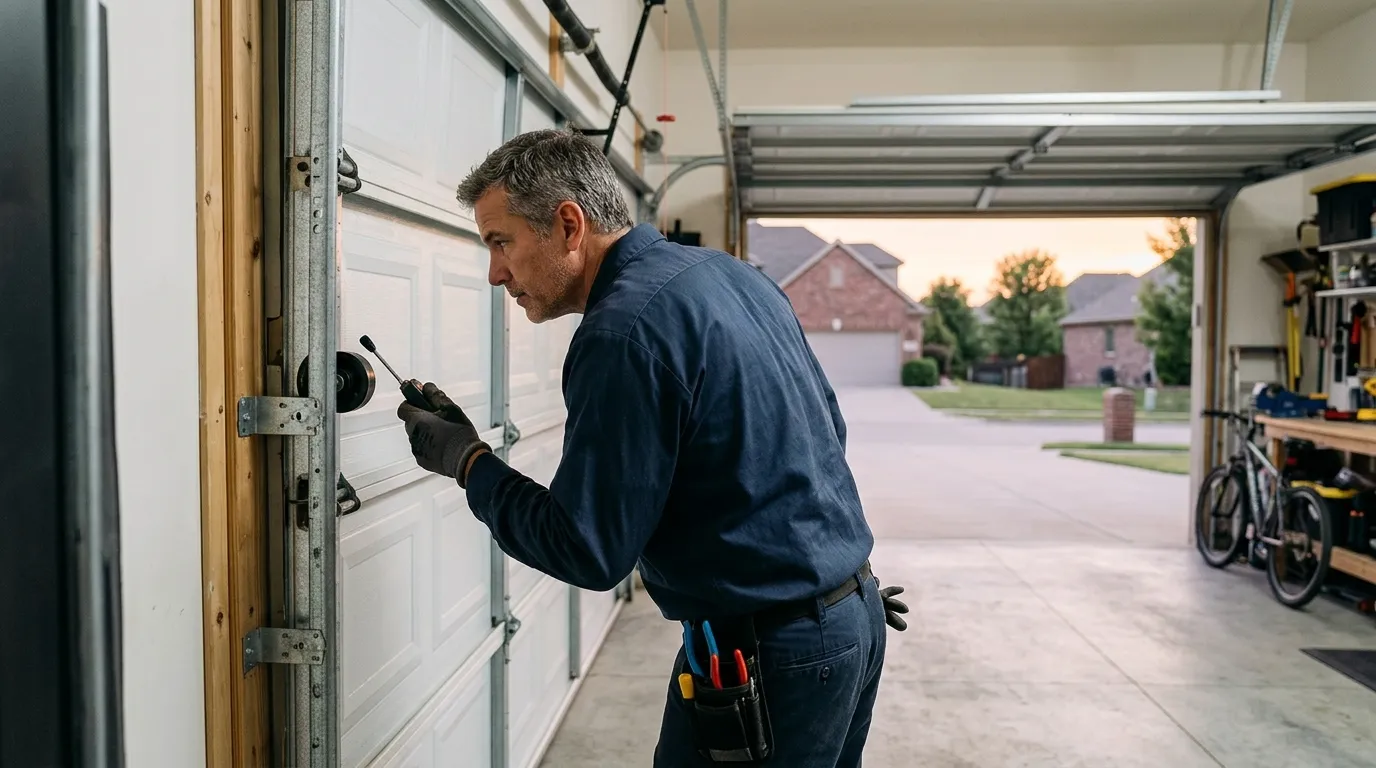
Extension springs look simple compared to torsion springs, and a lot of homeowners have swapped one out themselves. The part that catches people is the safety cable - houses from 1963 often never had one added, and running a door without it means a broken spring can send hardware across the garage instead of staying contained. If your door is one-piece and heavy, wrangling it off the track while under spring tension is also not a one-person job with hand tools. Where DIY genuinely works: replacing worn rollers, lubricating the track, tightening loose hinges. Where it doesn't: anything involving the spring itself or a track that's pulled away from the jamb, because both can put you under real load with no warning.
Why This Fails Locally
Winters here sit in the same cold-moderate band as the rest of the Wenatchee service area, and cold steel contracts - a spring that's already fatigued from age fails faster once temperatures drop, which is exactly the kind of hardware Cashmere's 1963-median housing stock still carries. Add in that median household income here runs $63,825, noticeably under the wider service area's $75,854, and a lot of homeowners are choosing to repair rather than replace a door that's still structurally sound but running on original springs. With 1,149 households in Cashmere, most of them on lots built in that same mid-century wave, this isn't a one-off - it's the standard call we expect here, and pricing decisions get made with that in mind rather than defaulting straight to full replacement.