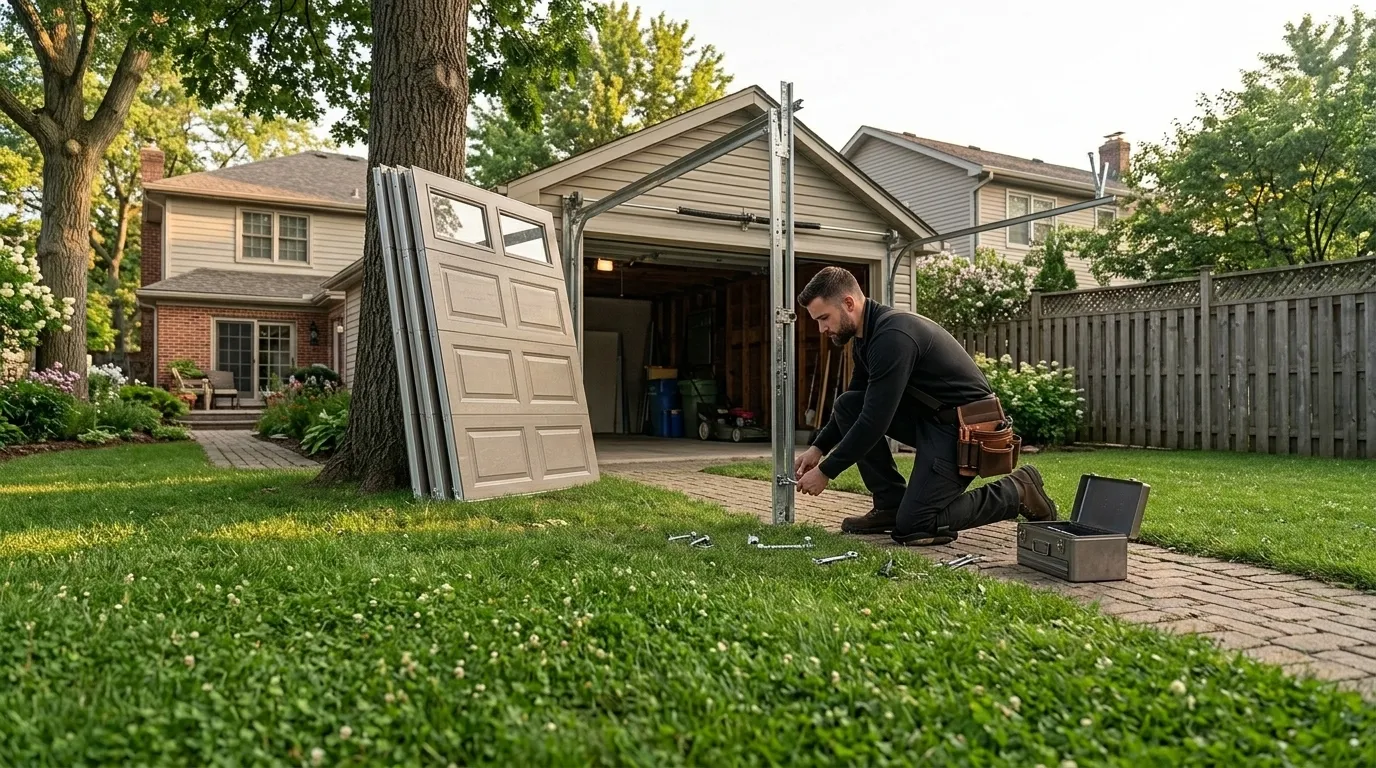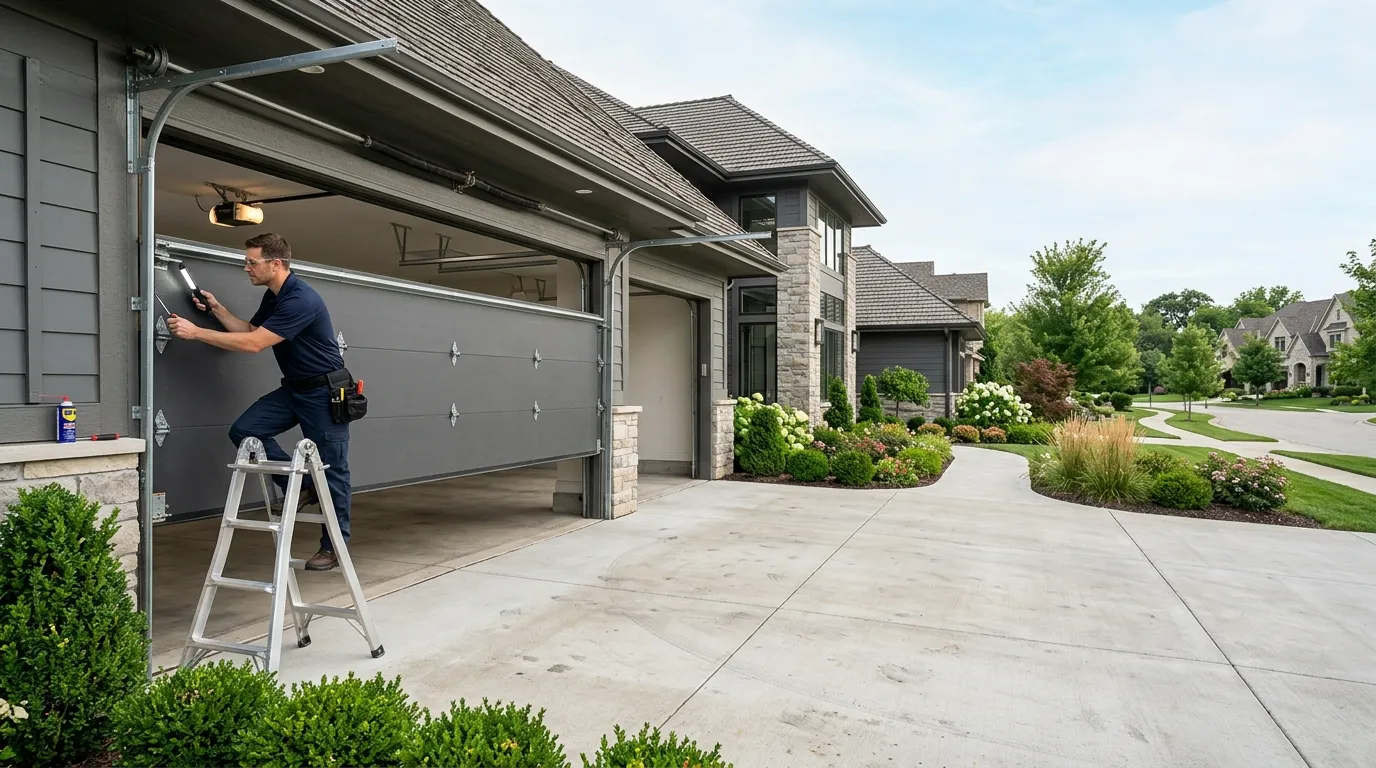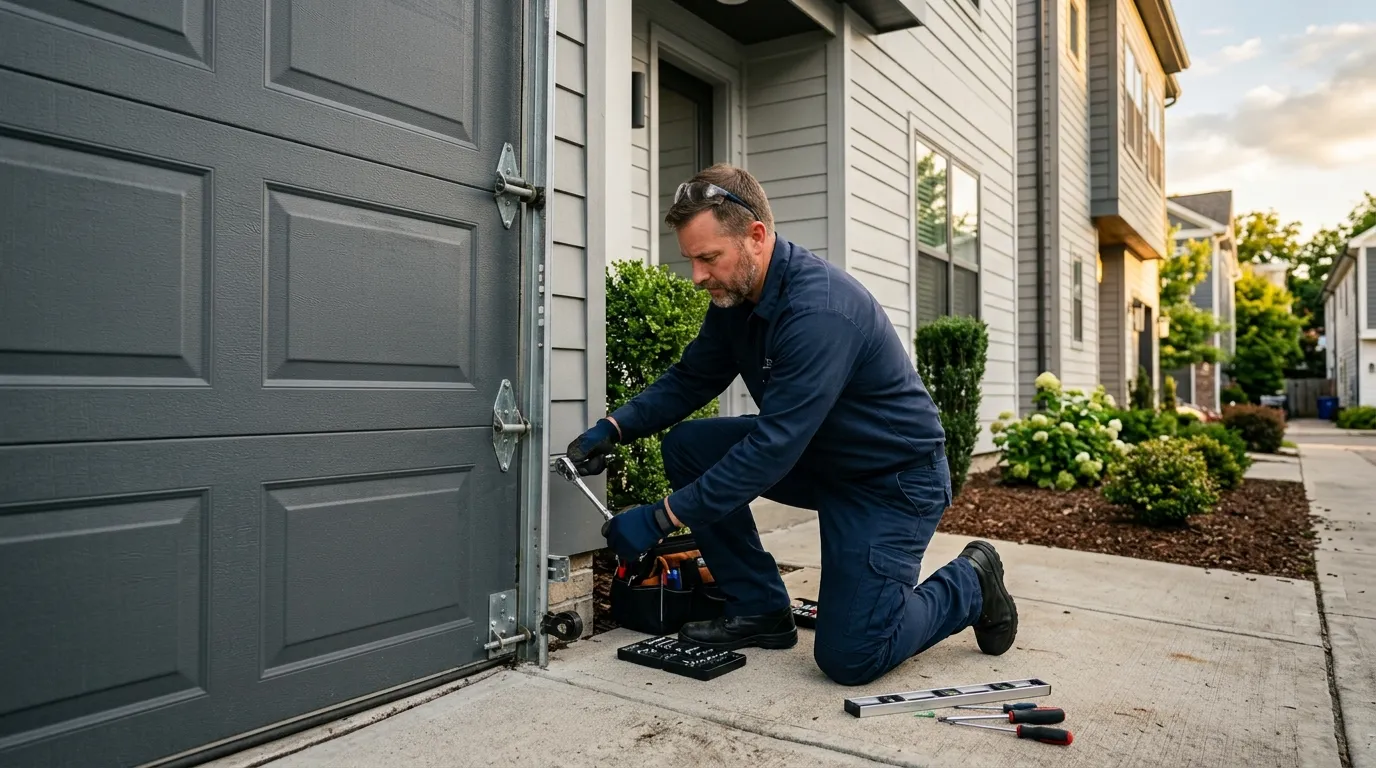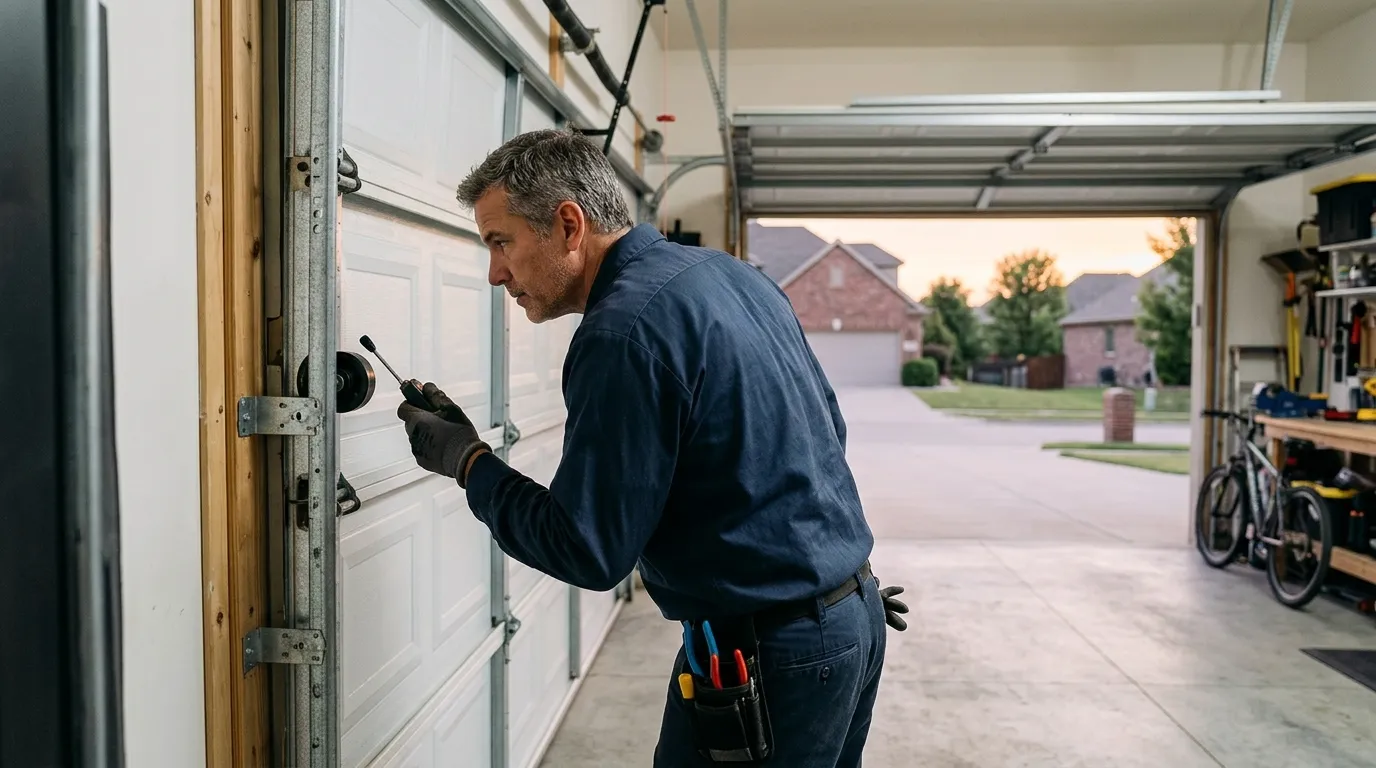
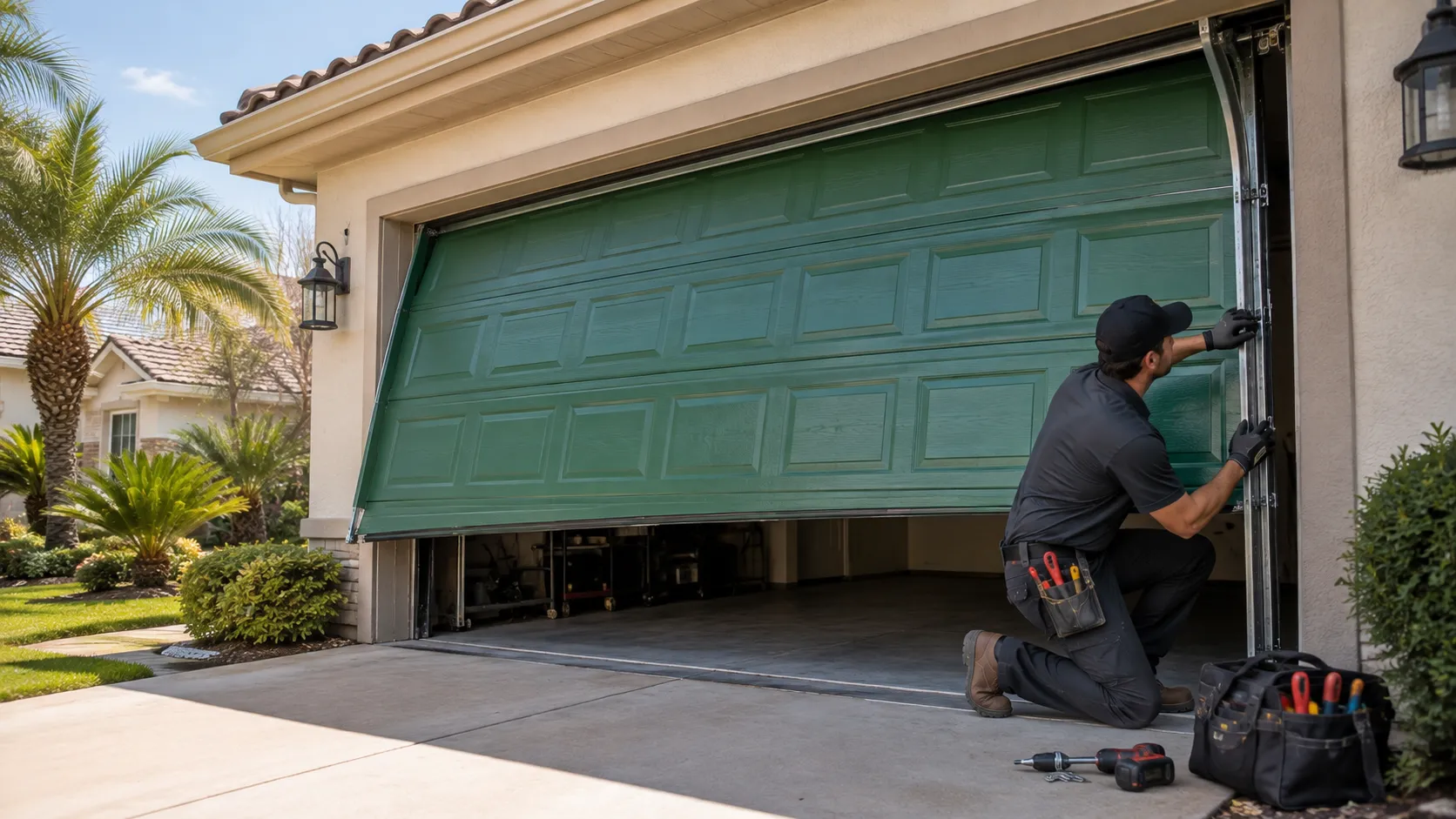
What the Fix Involves
Cashmere sits about 9 miles from Wenatchee, and the housing here runs older than the rest of the service area. The wider territory has a median build year of 1977, but Cashmere's own median is 1963 - a full decade earlier. That gap matters for opener work. A house built in the early 1960s was likely fitted with a chain-drive opener at some point in the last few decades, often bolted to framing that was never squared for it, with a header bracket that's seen forty-plus years of seasonal swelling and shrinking.
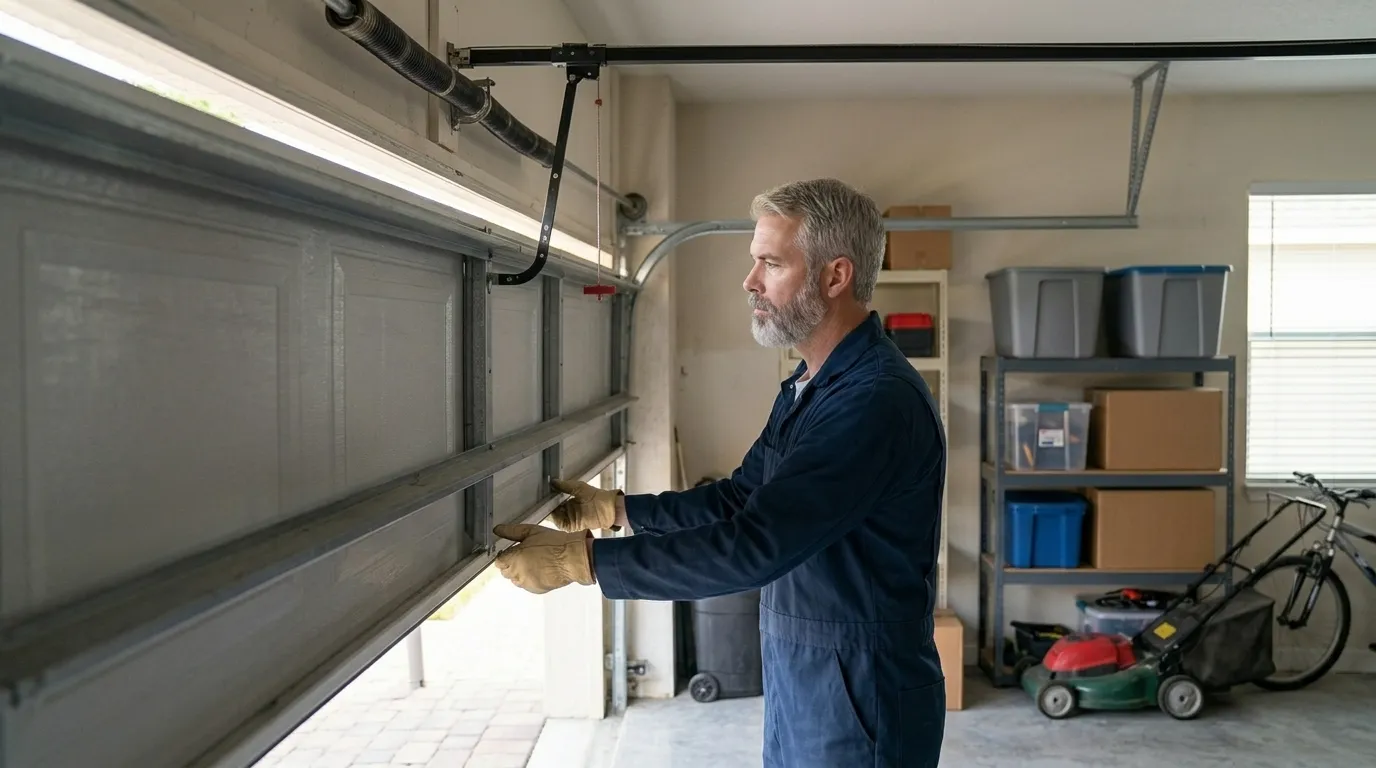
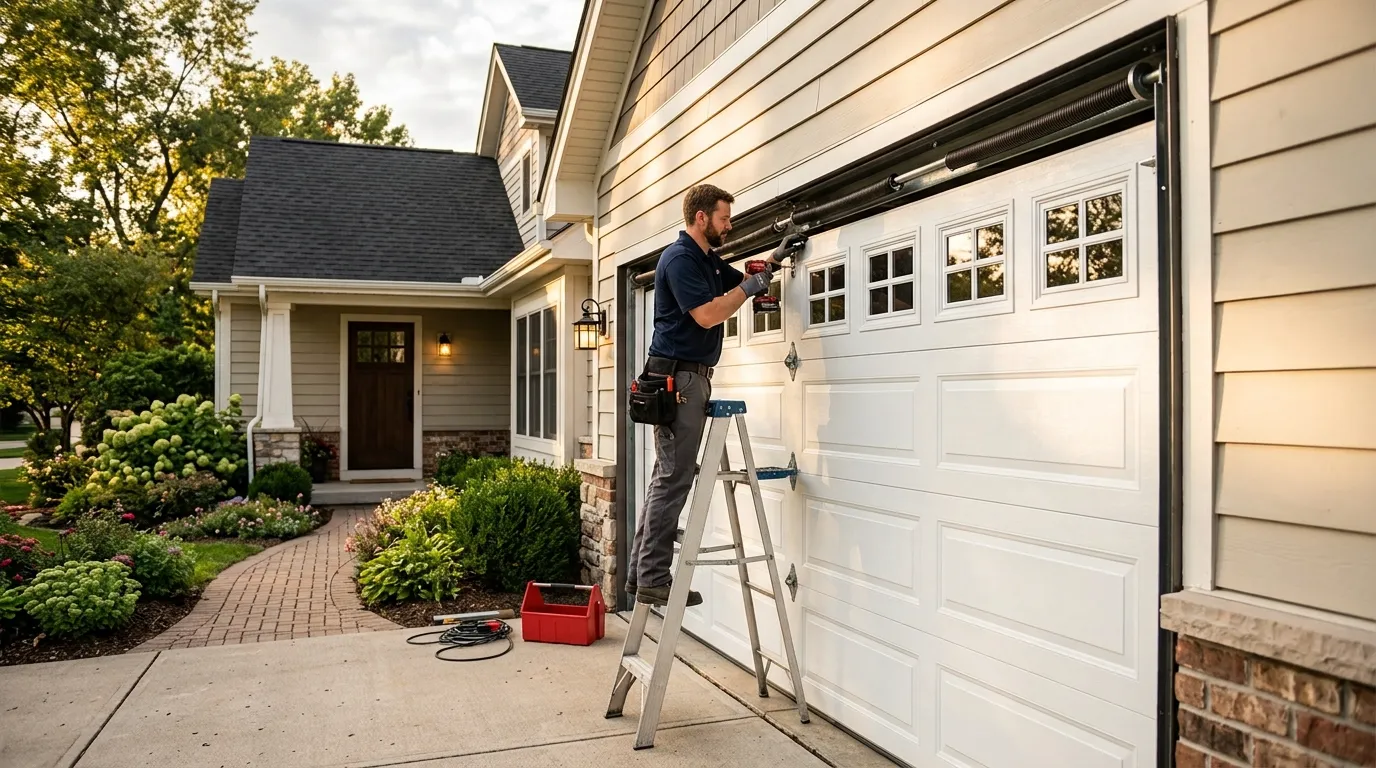
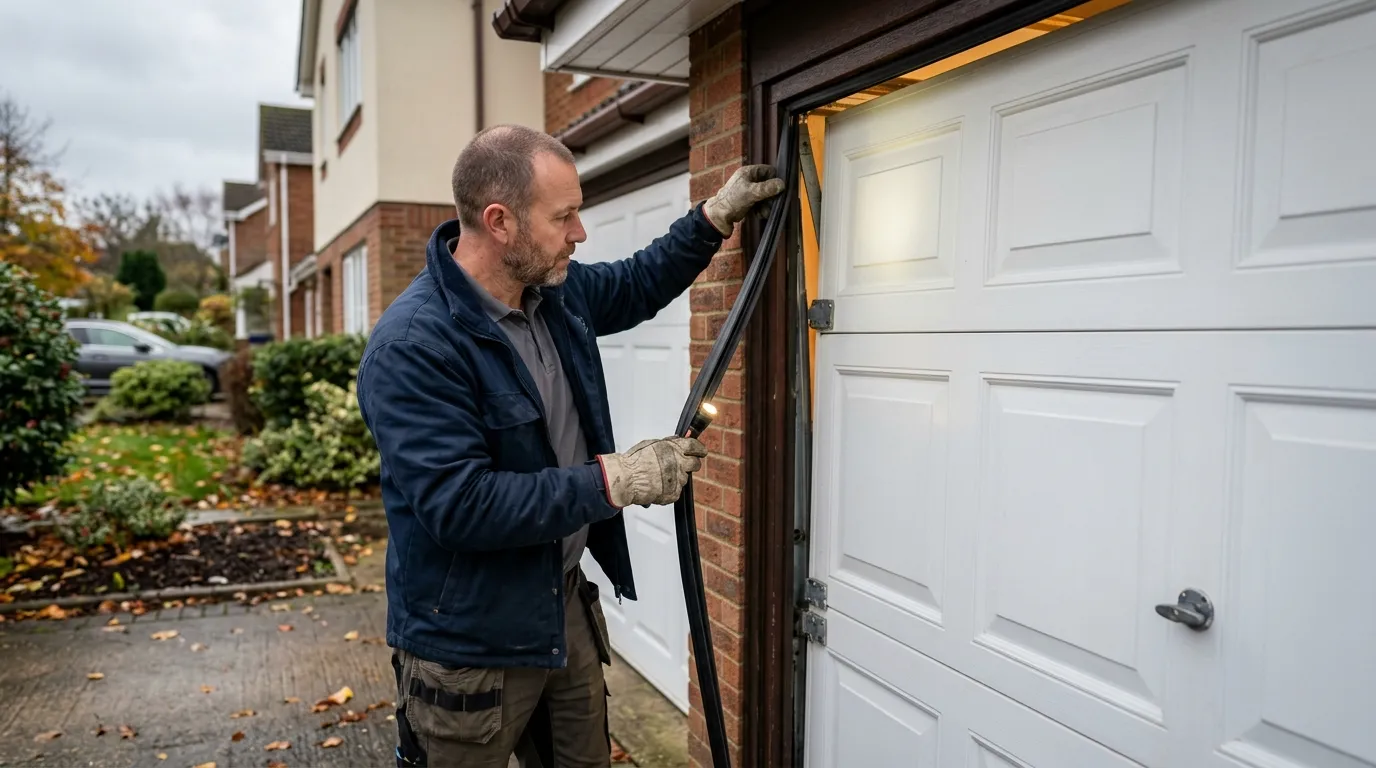
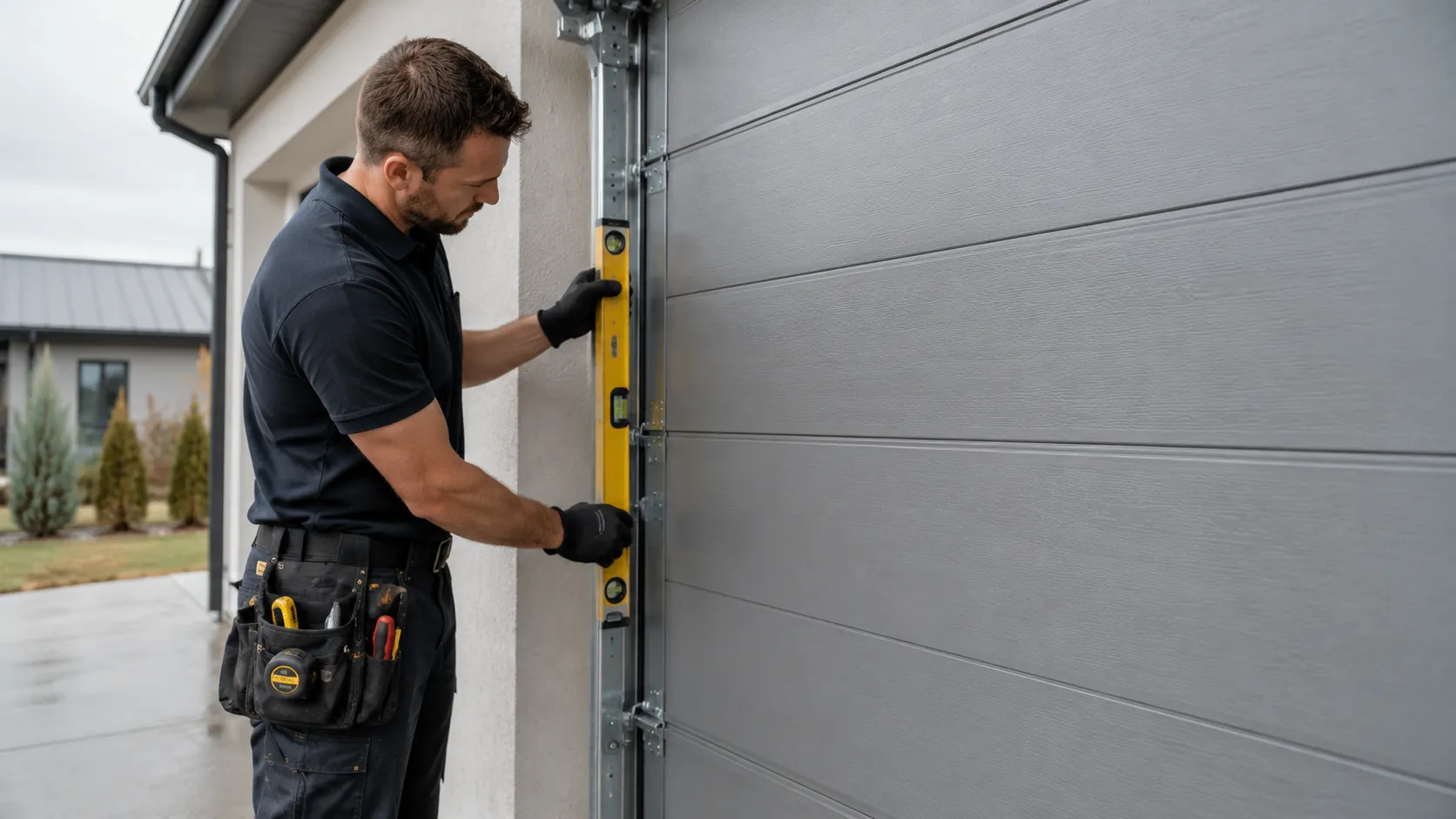
Installing a new opener here usually means more than swapping the motor unit. We check the header bracket for rot or old fastener pull-out, confirm the door itself can still take the spring tension a modern opener expects, and often replace worn hinges or a sagging track section before the opener ever goes up. On a door this old, skipping that step means the new opener works against bad geometry from day one and fails early.
We also update the safety reversal sensors to current standard, since a lot of these older setups either never had them or have sensors that quit working years ago. That's not optional - it's the difference between an opener that meets code and one that doesn't.
What Is on the Truck
For a Cashmere opener job we bring belt-drive and chain-drive units, both battery-backup and standard, along with the header brackets and mounting hardware sized for older stud spacing. We carry rail sections in a couple of lengths since ceiling height varies more on houses built before the 1980s than it does on newer construction.
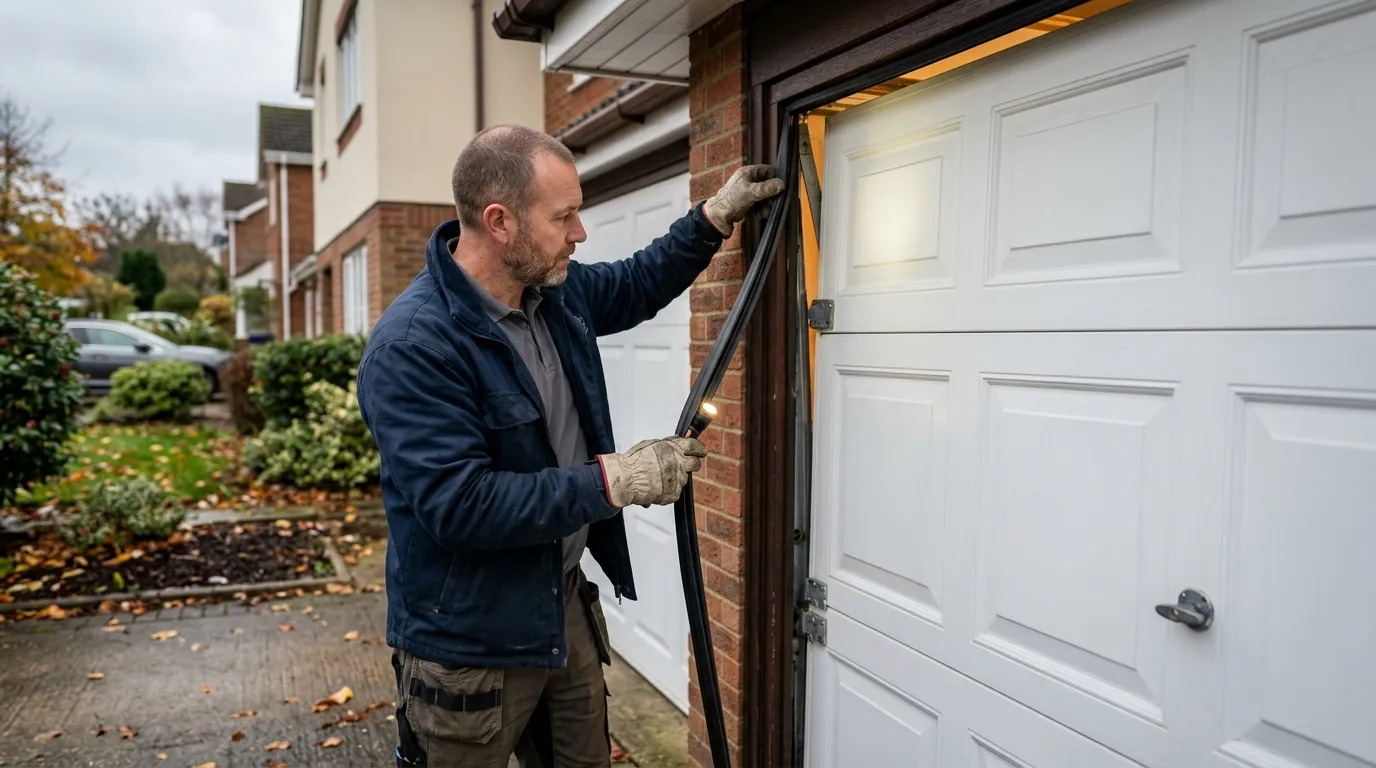
We also stock safety sensor kits, wall-console upgrades, and the wiring needed to run power to an opener where the original run was never installed for one. Because this area's climate band runs cold and moderate, we bring cold-rated lubricant and weatherstripping for the opener's exterior components rather than the standard-temperature stock. None of this is exotic - it's just matched to what an older Cashmere garage actually needs, not what a newer subdivision needs.
Can You Do This Yourself
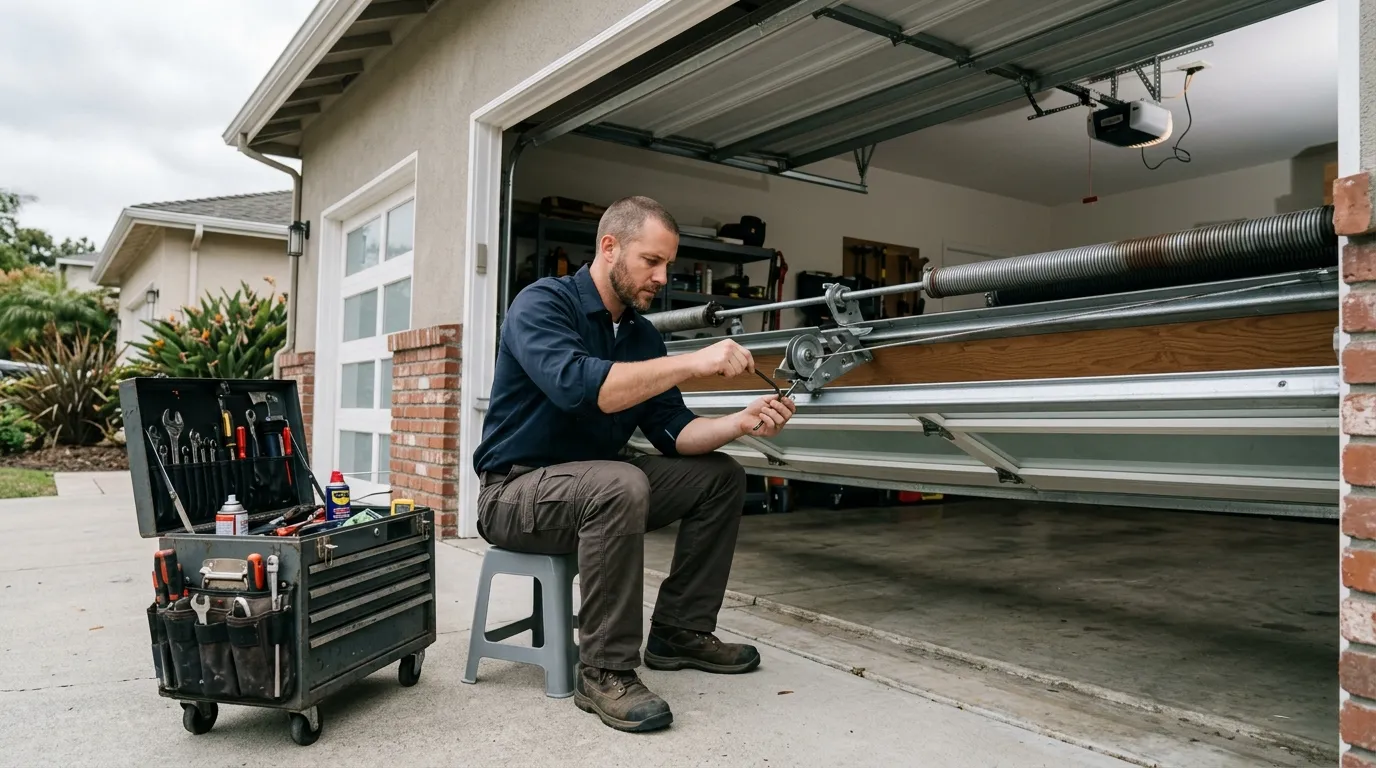
A homeowner comfortable with basic tools can mount a modern opener kit on a door that's structurally sound and already has working safety sensors. Where it gets risky is exactly the situation common in Cashmere: an older header that looks fine but has hidden rot, or a torsion spring that's been under tension since a decade before current safety standards existed.
We won't talk anyone out of doing their own bracket and rail work. What we'd flag is the spring and cable side of the job - that's where an older, unlabeled spring can let go with enough force to break bones, and it's the part we'd rather see done by someone who's replaced dozens of them, not one.
Why This Fails Locally
The failure pattern in Cashmere isn't the same as in newer parts of the service area. On a house built around the area's 1963 median, the most common call isn't a burnt-out opener motor - it's an opener straining against a door and track system that was never designed for the load a modern unit puts on it. The bracket pulls loose, the rail flexes, or the door binds partway up because the track was never realigned after decades of settling.
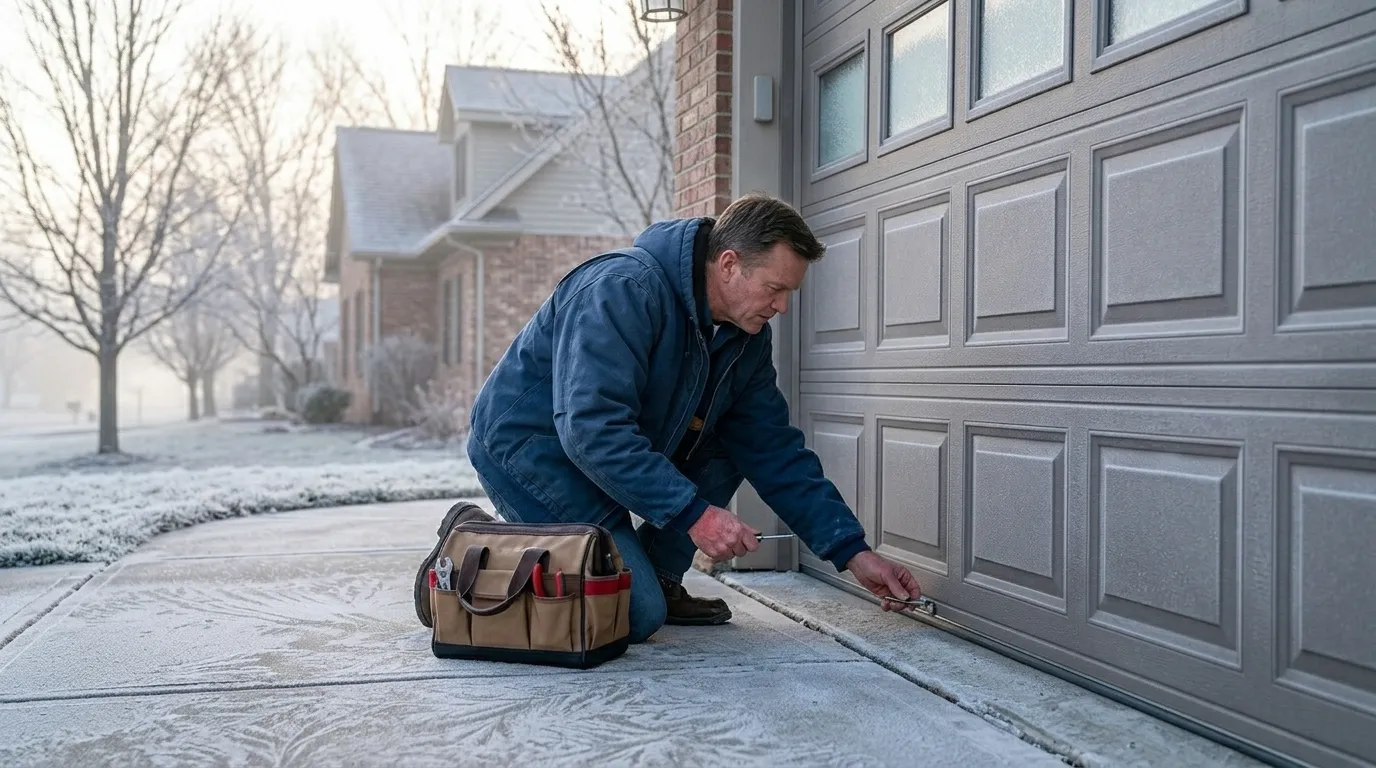
The area's cold-moderate climate band adds a seasonal layer: metal brackets and old fasteners contract in winter, and a marginal mount that held all summer can work loose the first hard cold spell. With around 1,149 households in Cashmere and a median income near $63,825, a lot of these houses are owner-occupied long-term - which means the opener installed today needs to hold up against hardware that's already decades into its service life, not against a blank slate.