What the Fix Involves
Cashmere's median household income sits at $63,825, noticeably below the $75,854 median across the wider service area. That gap matters here because it sets where the repair-or-replace line falls. On a lot of doors in this town, a $150-200 tune-up buys another five to eight years out of hardware that's already older than the homeowner writing the check. Replacing the whole door is the wrong call on those jobs, and we say so.
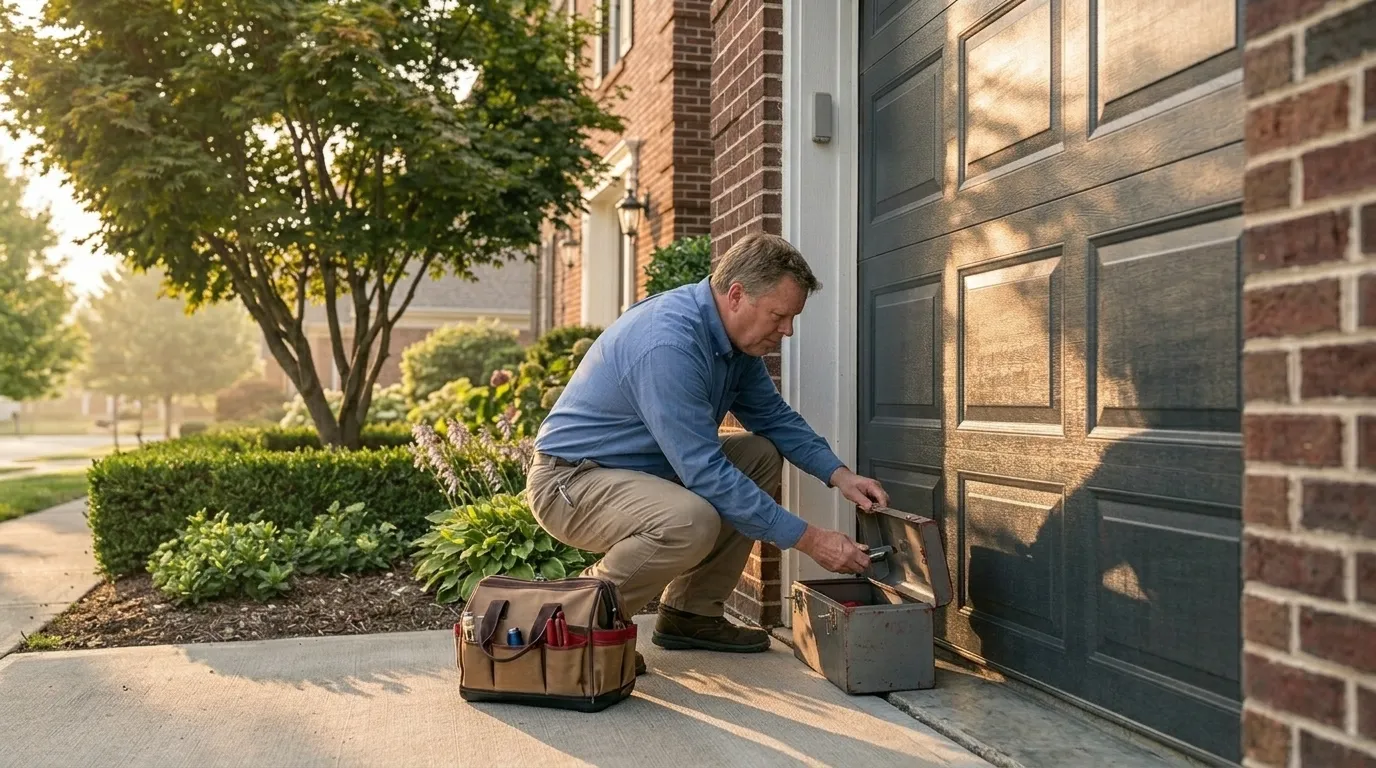
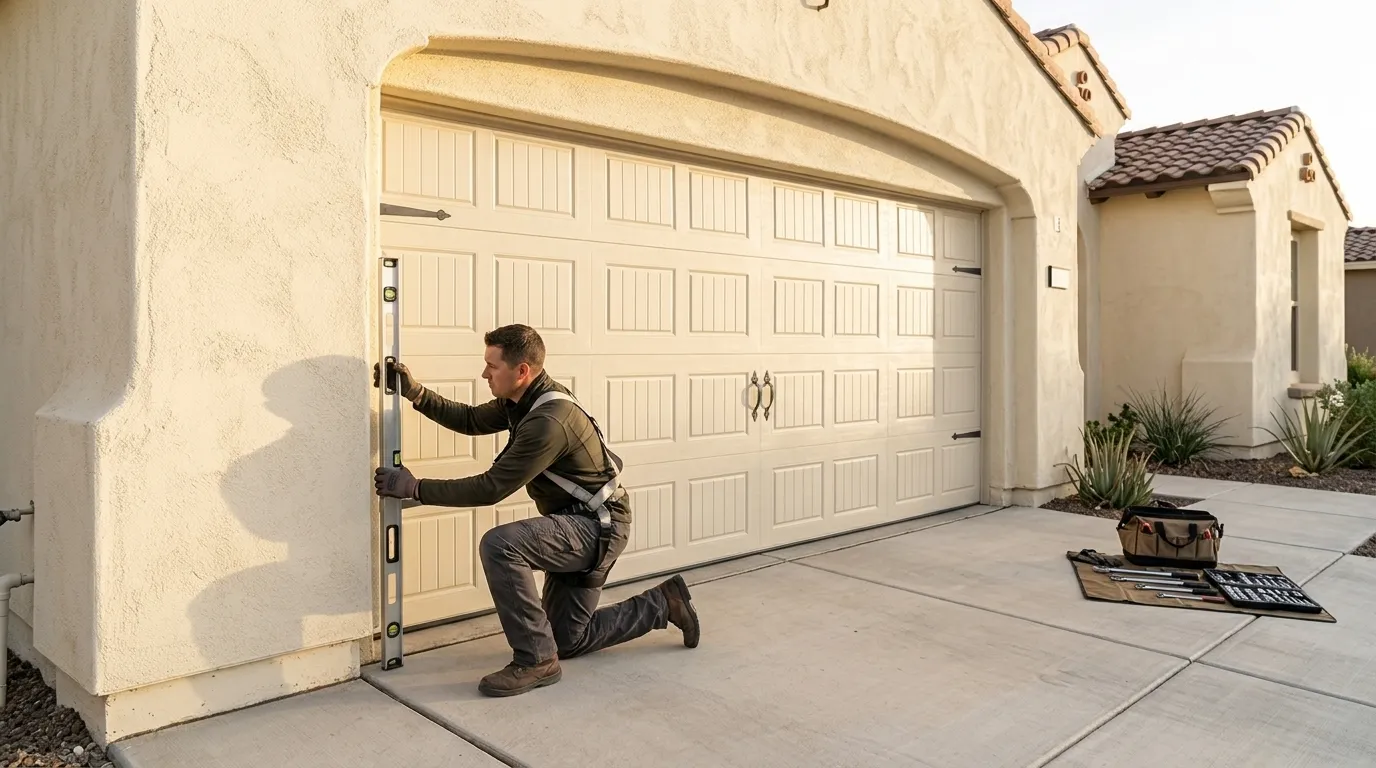
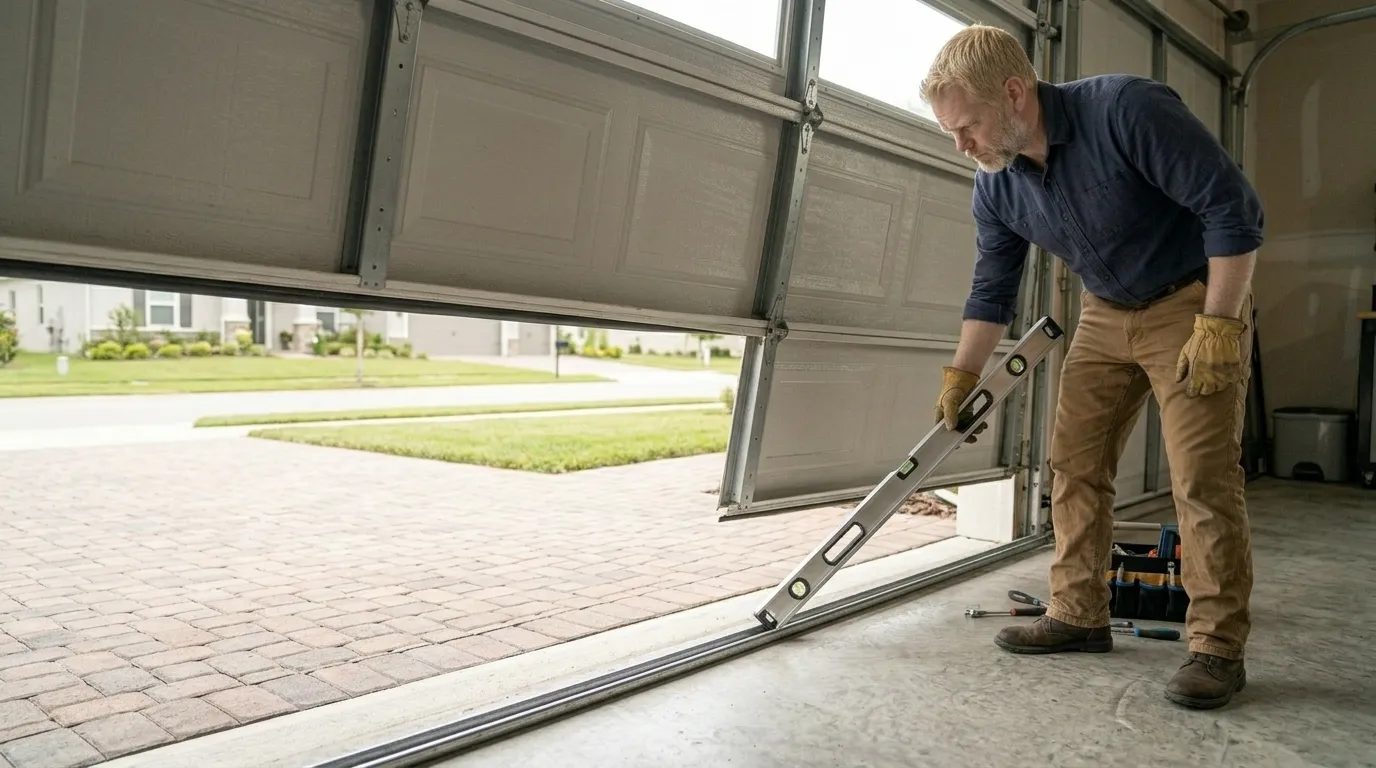
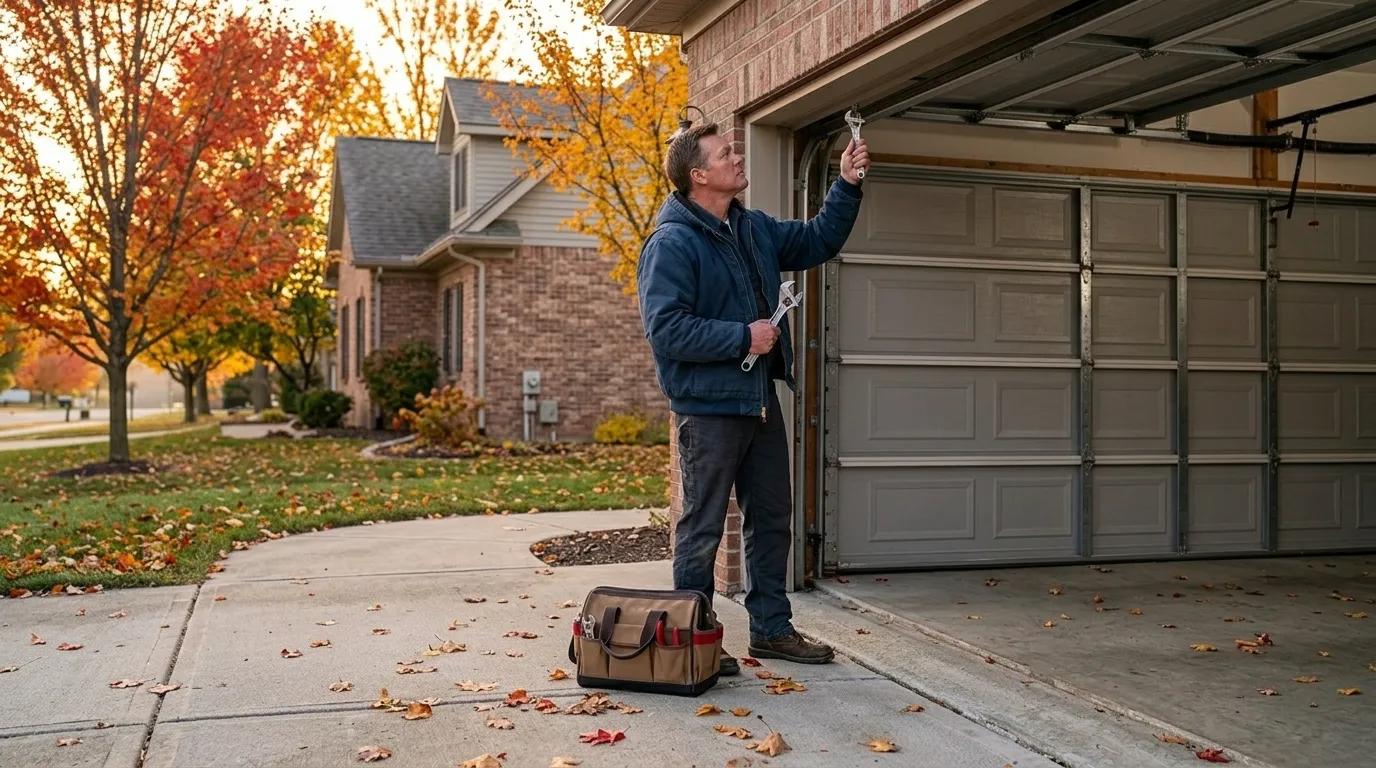
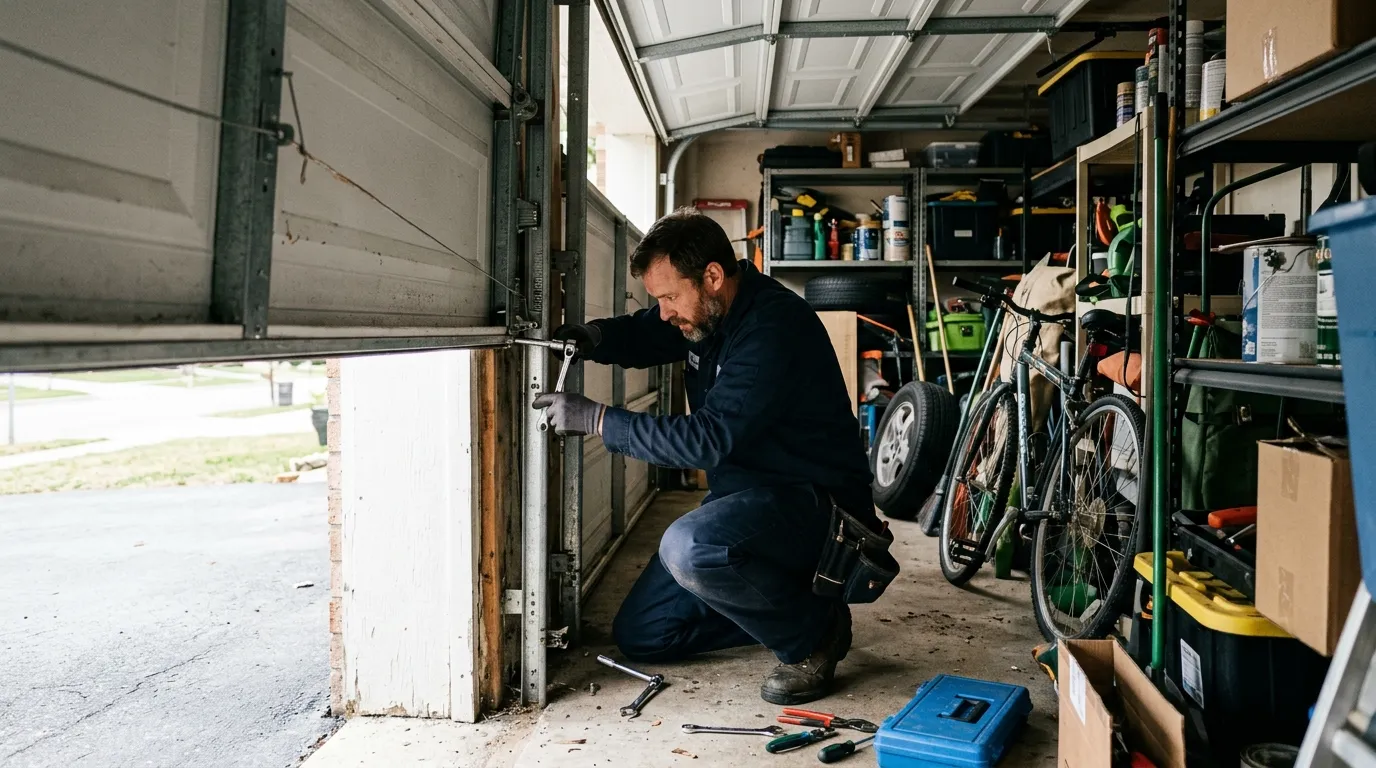
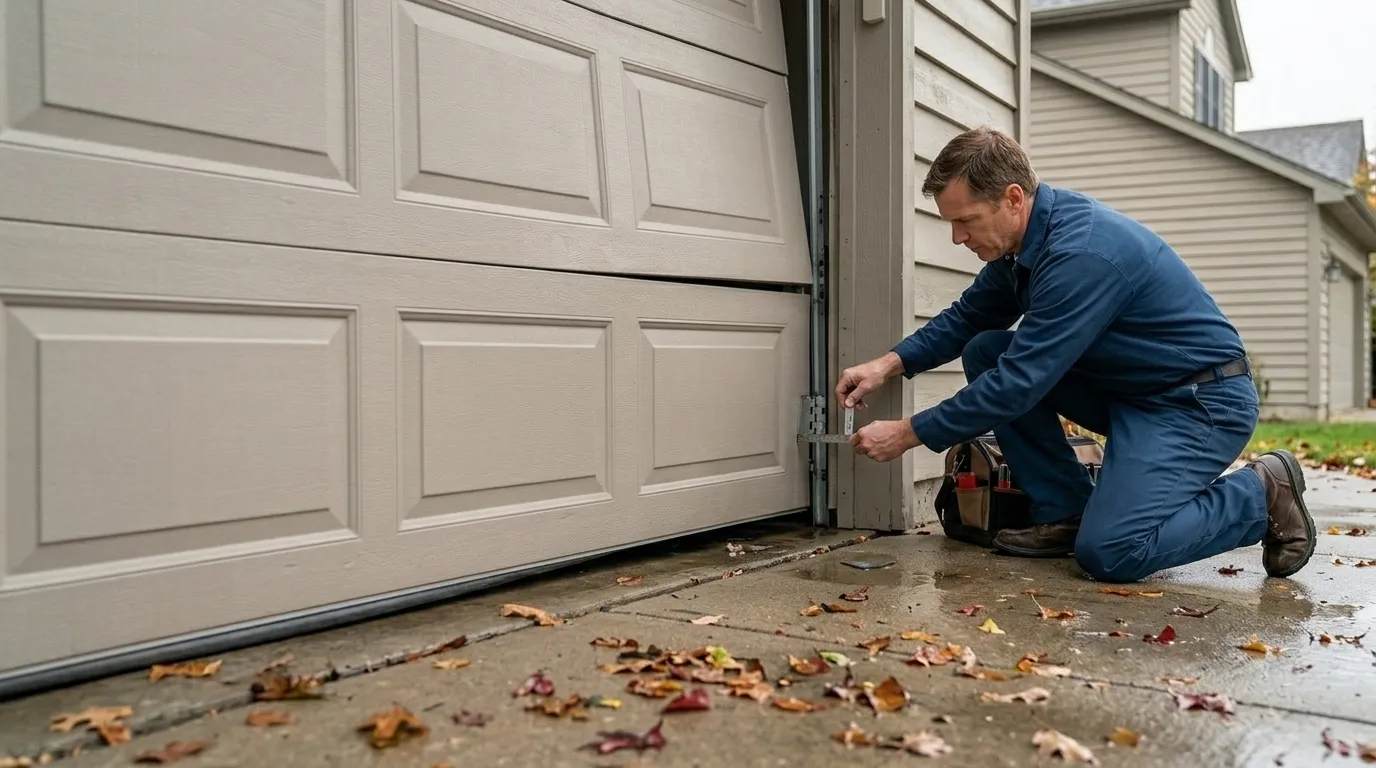
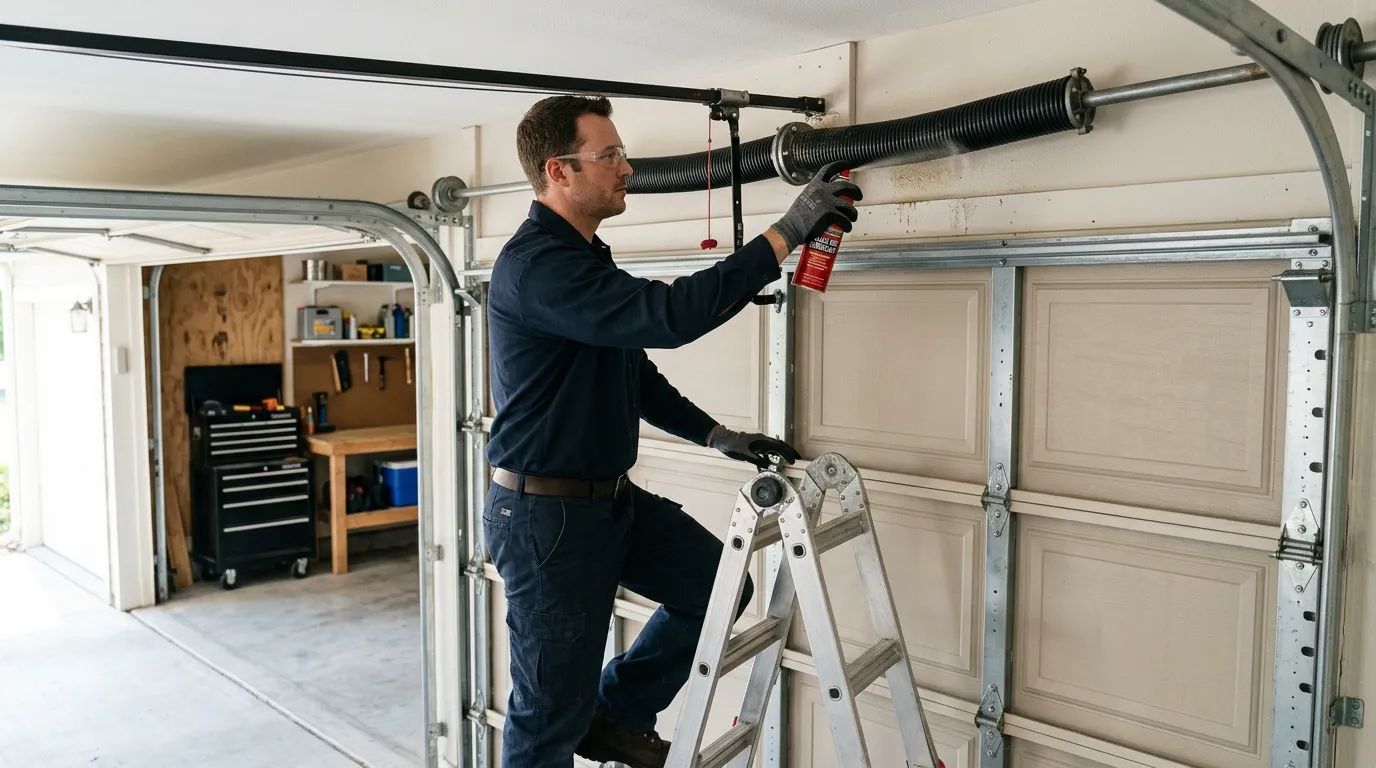
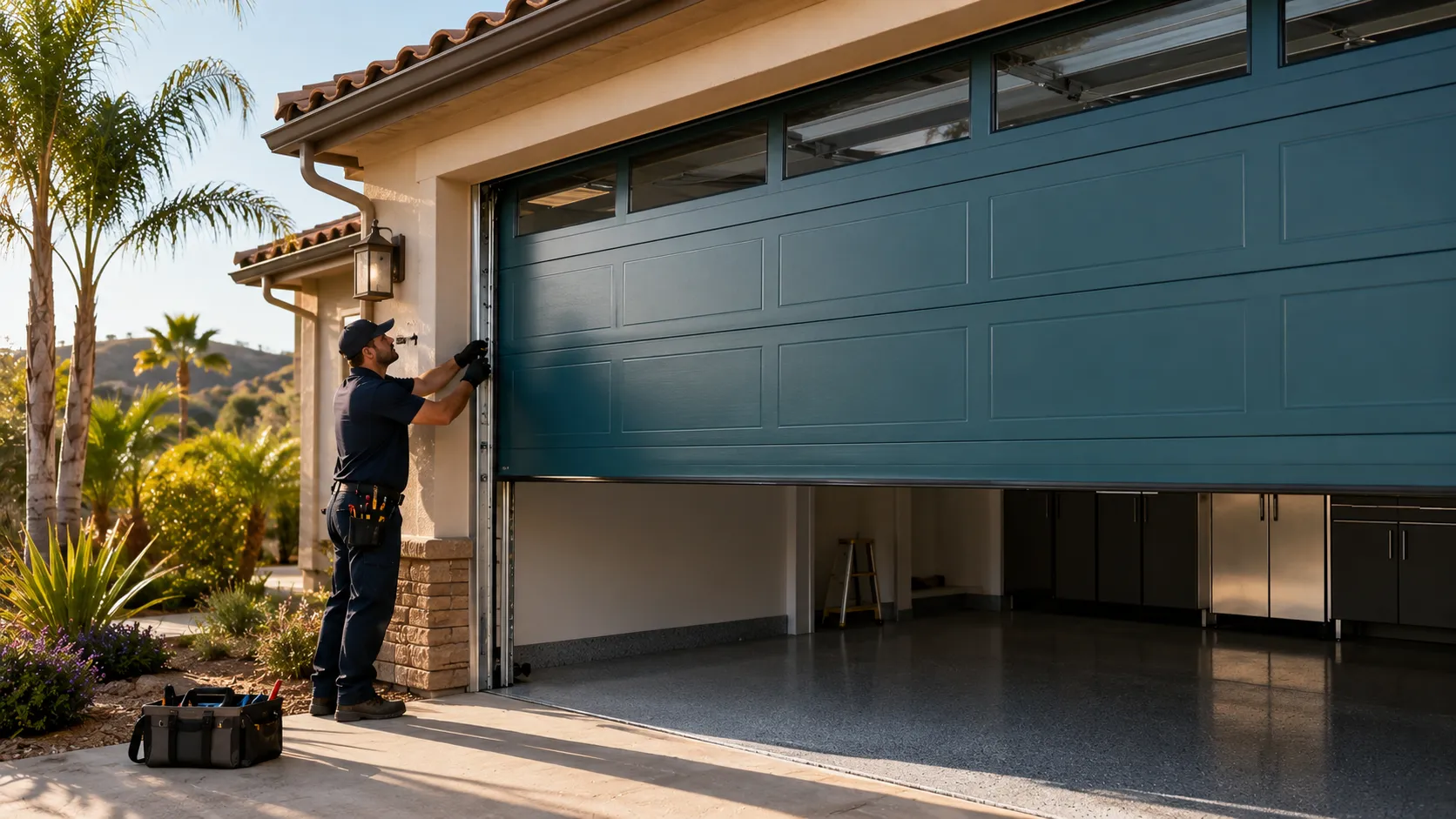
Maintenance on a Cashmere door usually means checking spring tension, lubricating rollers and hinges, tightening the track bolts that work loose over decades of use, and testing the auto-reverse safety on the opener. With a median build year around 1963, a lot of these doors are running original or first-replacement torsion springs and steel rollers that have long outlived what you'd find on newer construction closer to Wenatchee. The inspection has to account for metal fatigue you wouldn't expect to see yet on a door half that age.
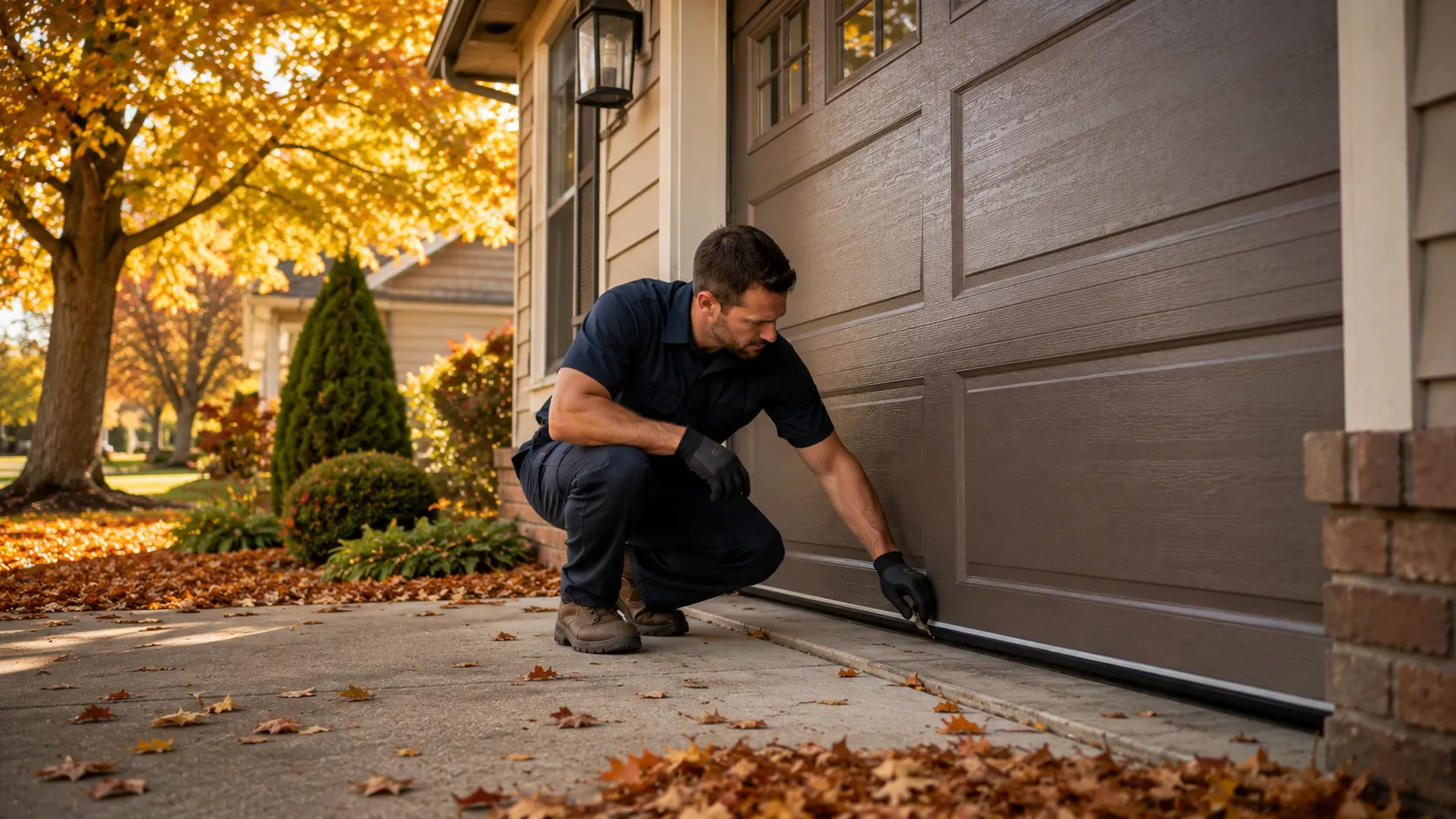
We also check for panel rust and seal wear, since older wood-composite panels common to this era don't hold up the way newer steel does. If a panel's gone soft, that's a repair item, not a full-door replacement, in most cases.
What Is on the Truck
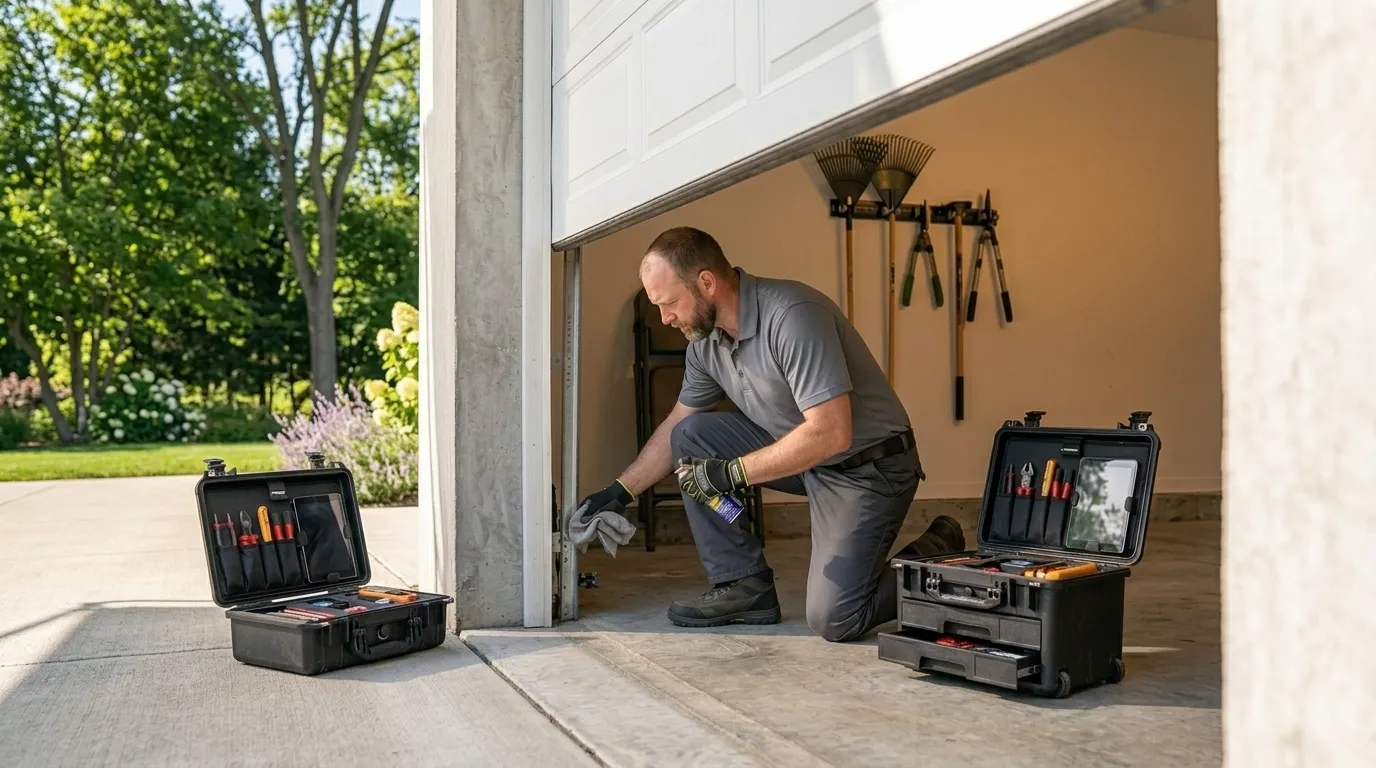
For a town where the housing stock centers on 1963, the truck stocks parts sized for older torsion setups, not just current standard hardware. That means galvanized cable in older gauge sizes, torsion springs wound for lower headroom clearances common in homes from that era, and both nylon and steel roller options since a lot of these doors were converted from steel to nylon somewhere along the way and now run a mismatched set.
We also carry weatherstrip and bottom seal stock sized for older track profiles. Cashmere sits in the same cold-moderate climate band as the rest of the area, so seal condition isn't cosmetic here - a gapped bottom seal lets in the kind of cold that stiffens grease and shortens spring life over a winter.
What we don't carry is every obsolete part. Some original hardware from doors this age is discontinued, and if a part isn't stocked and isn't common enough to order same-week, we'll say so on site rather than have you wait on a truck that isn't coming.
Can You Do This Yourself
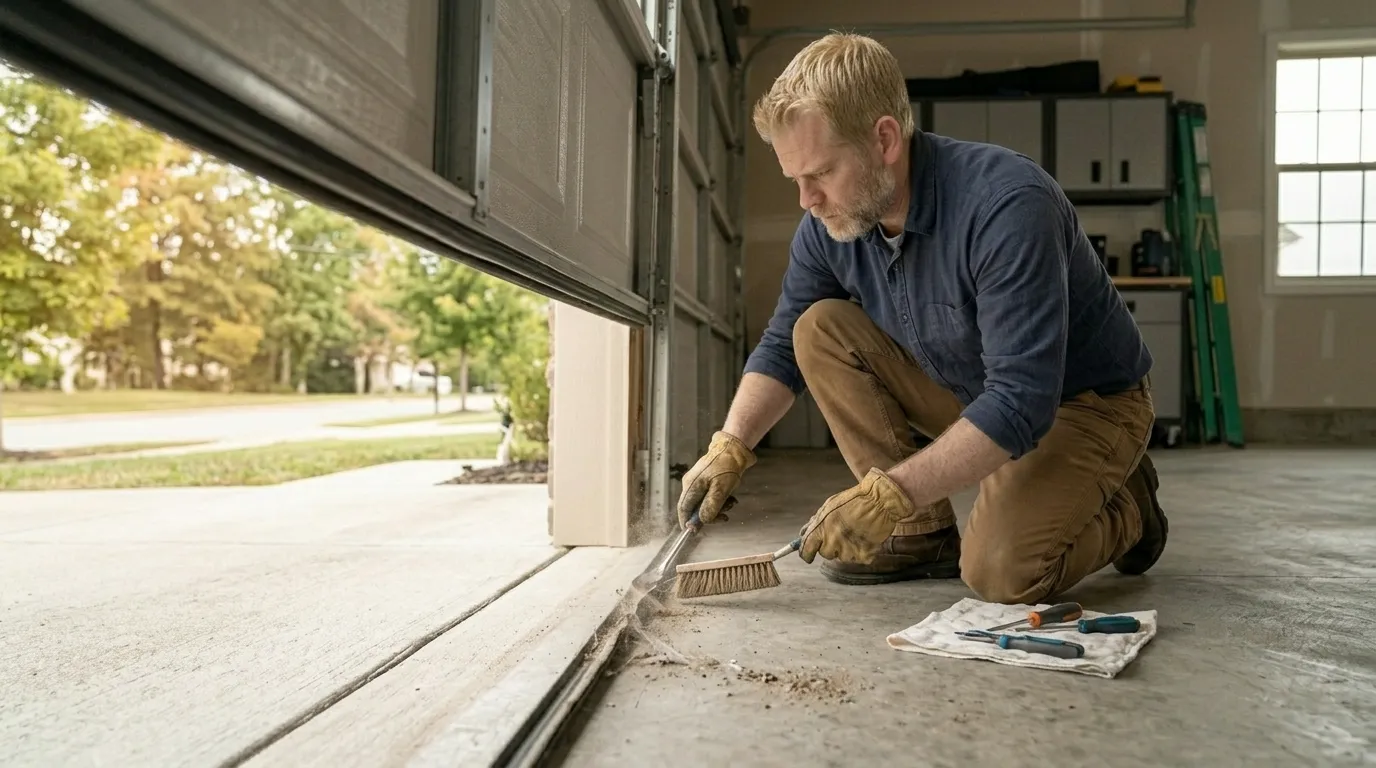
Some of this is fine to do on your own. Wiping down tracks, checking for visible rust, and listening for grinding during a normal open-close cycle costs nothing and catches problems early. Lubricating hinges and rollers with the right garage door lubricant, not household oil, is also reasonable for most owners.
What isn't a DIY job on a house from this era is anything touching the torsion spring. A spring wound decades ago, under tension, on a bracket that's seen 60 winters of expansion and contraction, is not the place to learn spring adjustment. That's the one flat limitation we'll put in writing: if your door's spring looks original or you don't know its age, don't touch it yourself. Call it in instead.
Why This Fails Locally
With 1,149 households in Cashmere and a median household income under $64,000, a lot of owners here delay maintenance until something breaks outright - which is understandable, but it changes the math. A door built around 1963 that never gets a lubrication or tension check runs on rollers and cables well past what they're rated for, and when it fails, it tends to fail as a cable snap or spring break rather than a slow squeak you'd catch early.
That kind of failure costs more than the maintenance would have, and on a household budget in this town's range, that difference matters more than it would in a higher-income area. The other pattern we see locally is deferred seal replacement - in a cold-moderate climate, a torn seal doesn't just let in weather, it lets moisture reach hardware that's already past its expected service life for this housing stock.