What Can Go Wrong
Entiat is a small place - about 454 households total, which means we're not out here every day the way we are in the bigger parts of the service area. That's not a knock on the town, it just changes what we see. Most of the housing here went up around 1989, noticeably newer than the 1960s-70s stock that dominates much of the rest of the valley. That later build date means more homes with factory torsion springs and chain-drive or screw-drive openers from the late 80s and 90s, rather than the older extension-spring setups we still find on older stock elsewhere.
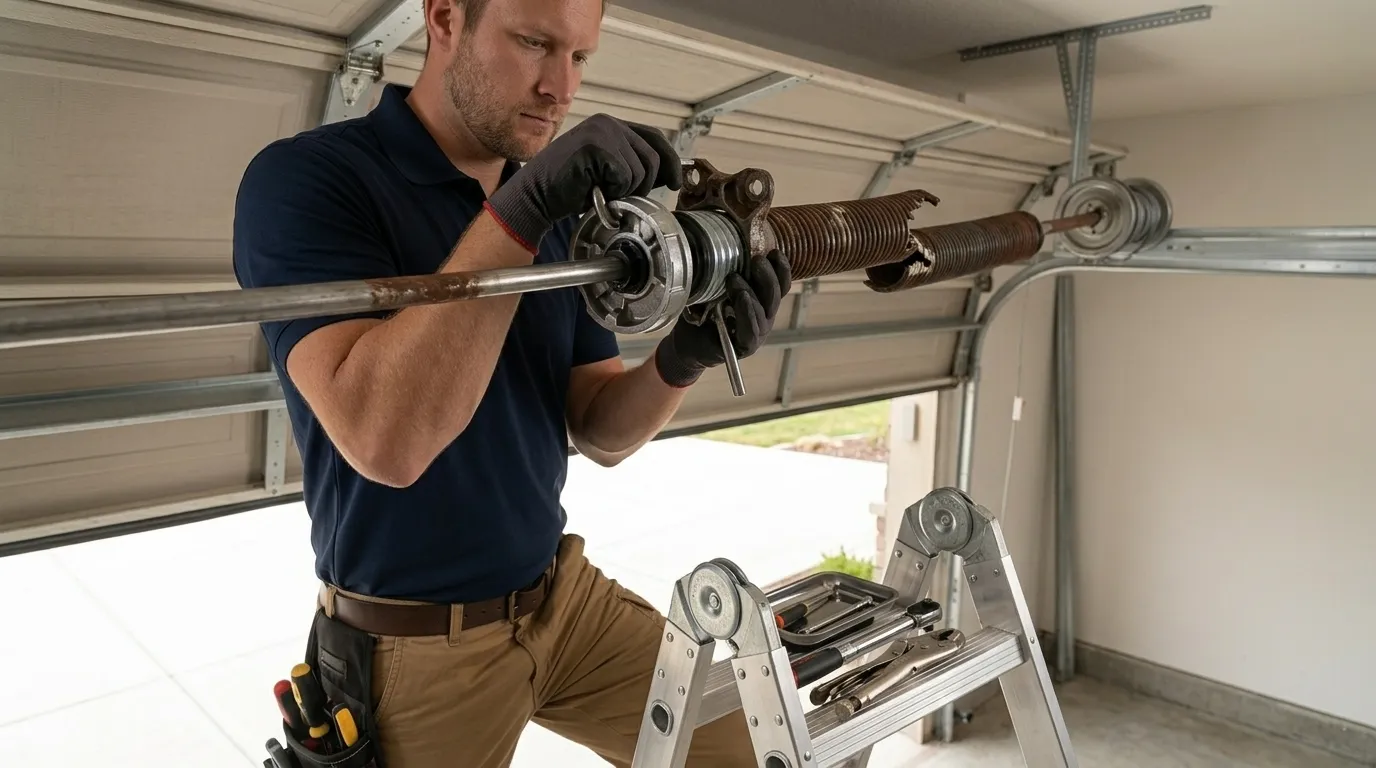
The common failures on a door this age are what you'd expect from thirty-plus years of cycles: a torsion spring that's finally worn through after tens of thousands of open-close cycles, a opener drive gear stripped from age, or a bottom bracket and roller assembly that's rusted or bent from years of use. Cold-weather stiffening also plays a role here - with a moderate cold climate band, grease inside an old opener gearbox thickens up in winter and puts extra strain on aging parts that were already close to failing.
We don't see the newest smart-opener issues as often here simply because the housing stock's age skews toward mechanical, not digital, failure points.
How It Shows Up
On a door from this era, trouble usually announces itself as noise before it shows up as a full failure. A grinding or popping sound when the door lifts is often the torsion spring starting to go, especially if the door feels heavier to lift by hand than it used to. A door that reverses partway up, or that the opener strains against without moving the door, points to either a dying spring or a motor capacitor on its way out - both common on chain-drive openers from the late 1980s and 1990s.
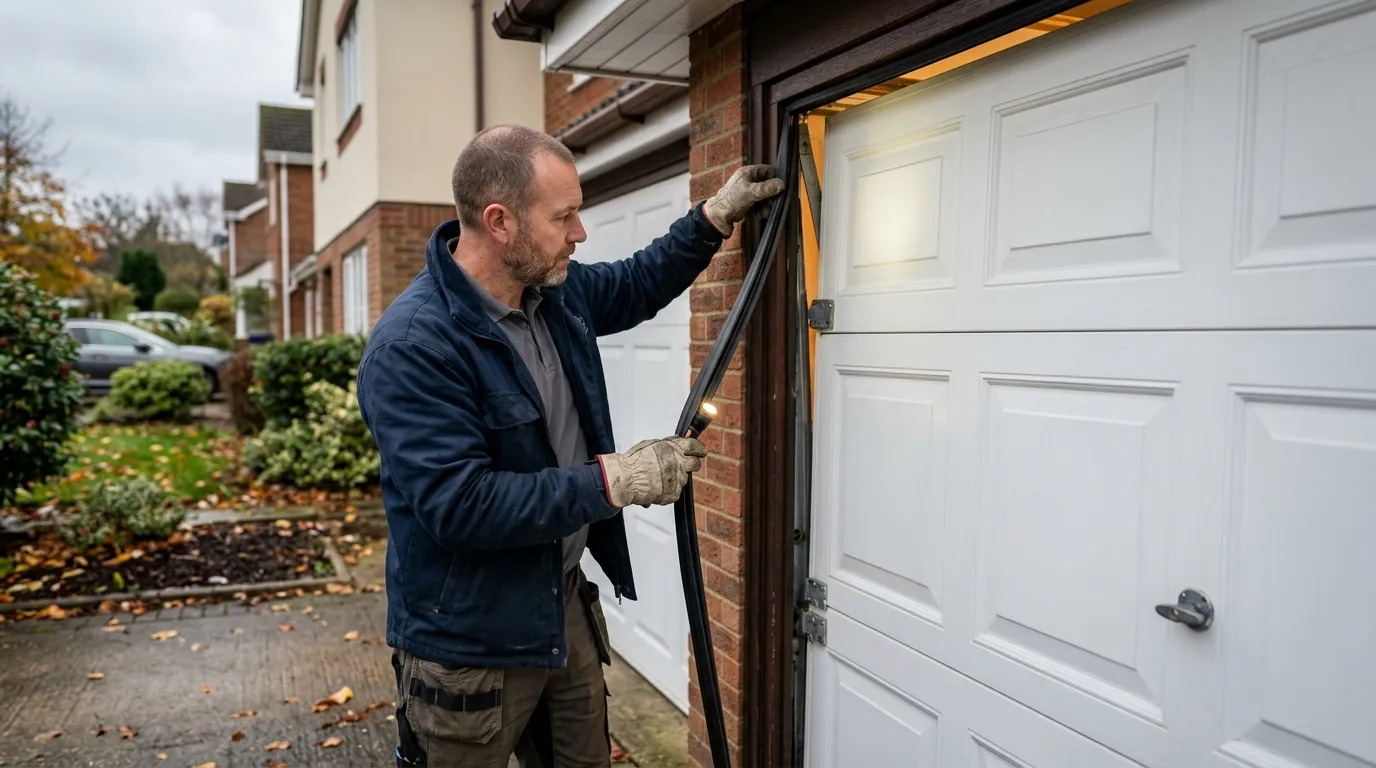
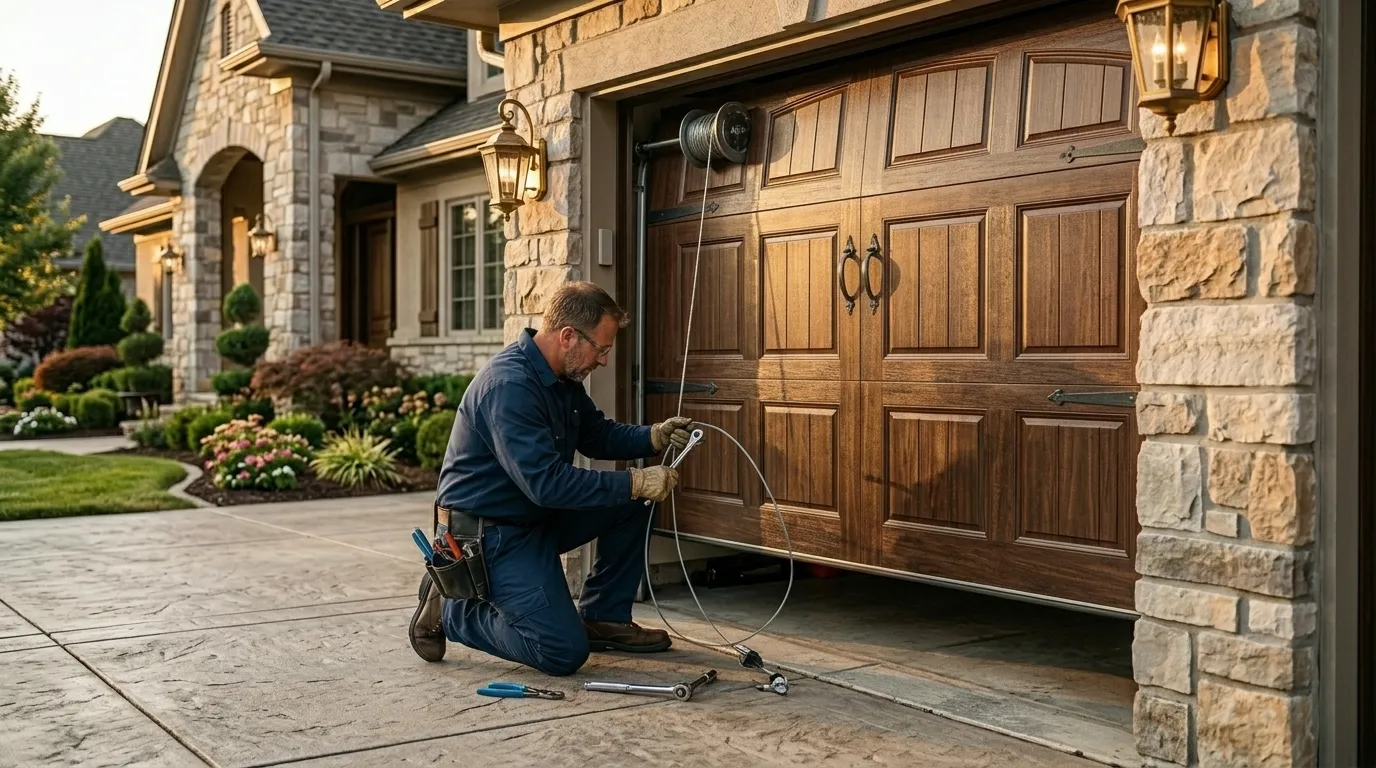
Sometimes it's simpler: the door won't respond to the remote at all, which on units this age is as likely to be a worn wall switch or a corroded circuit board as a dead battery. If the door drifts or tilts as it travels, check the cables and rollers - thirty-plus years of use wears galvanized cable strands thin enough to fray.
Because Entiat sits about 17 miles out from Wenatchee, we ask a few questions over the phone before the truck rolls, mainly so we bring the right spring size and opener parts on the first trip instead of a second one.
What the Fix Involves
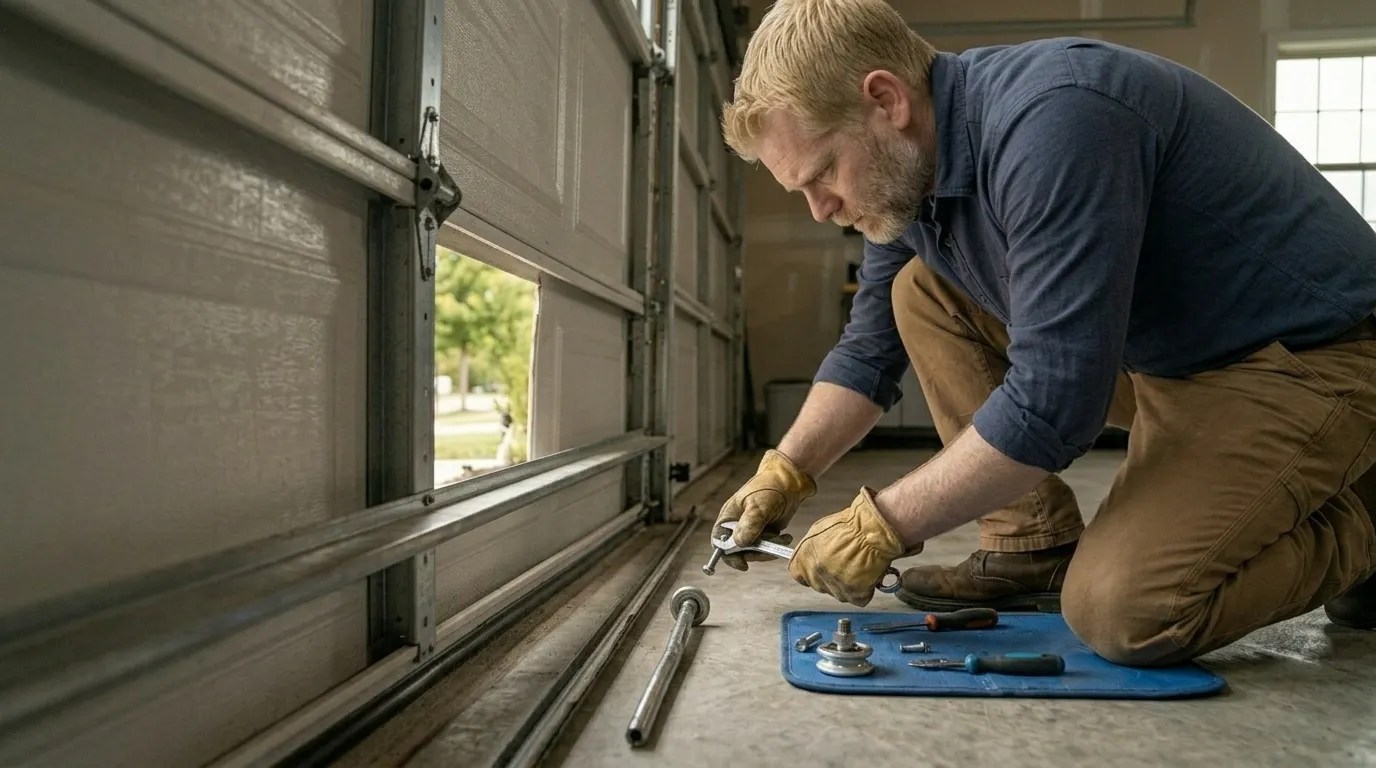
For a torsion spring on a house from this era, the fix is a full spring swap sized to your door's weight and cycle count, not a patch - springs don't get repaired, they get replaced, and we match the wire size to the original rather than guessing. On an opener from the late 1980s or 1990s, we check the capacitor, the drive gear, and the logic board before assuming the whole unit needs replacing; a lot of these units are still fixable with the right part rather than a full swap.
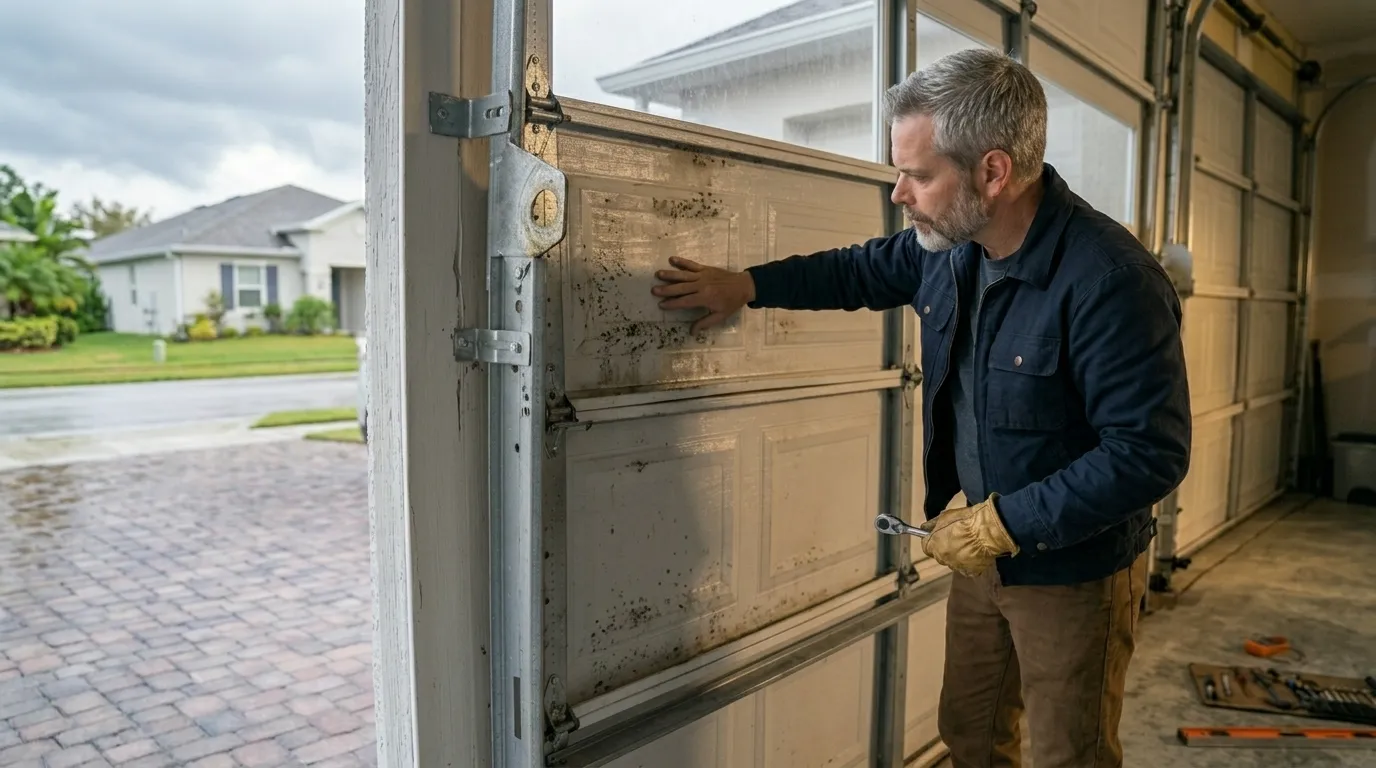
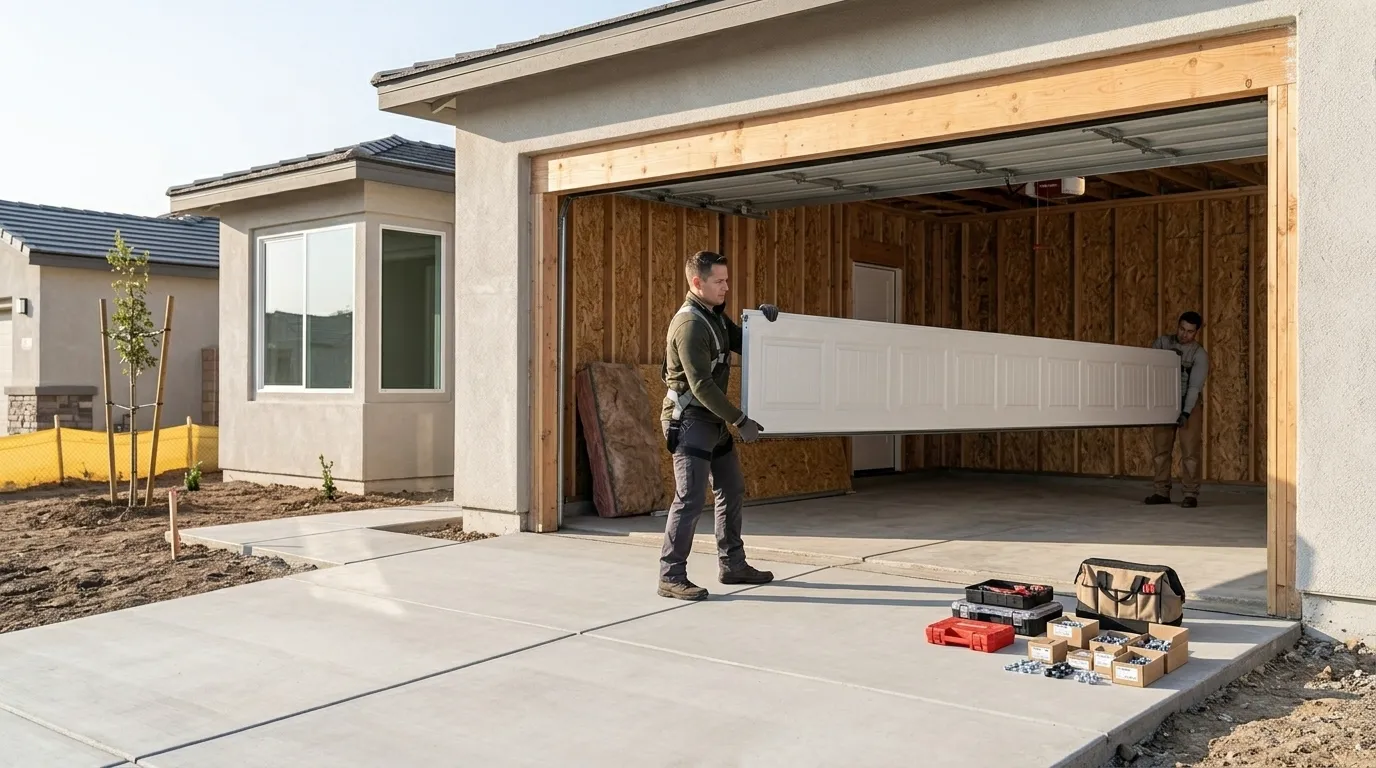
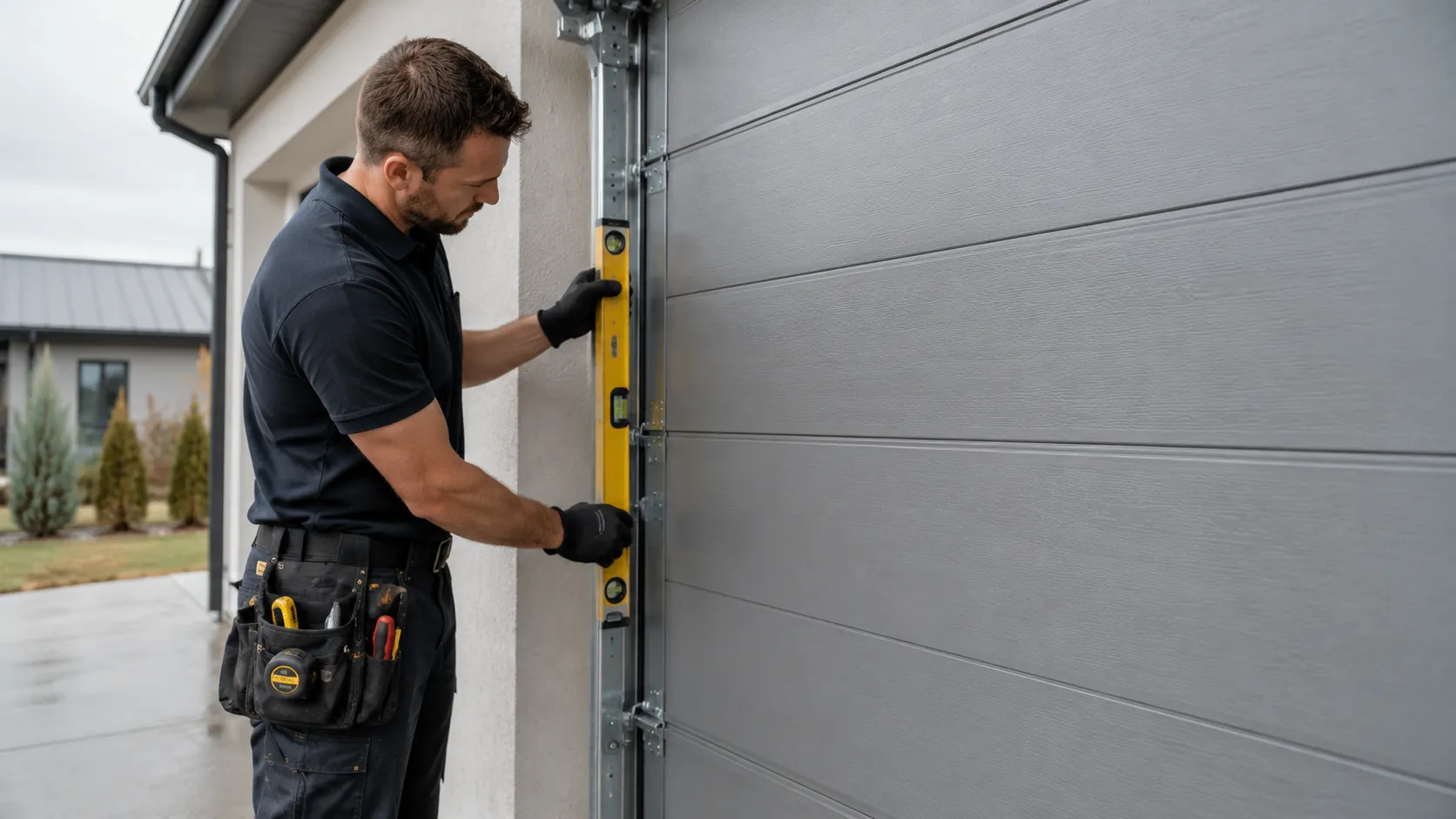
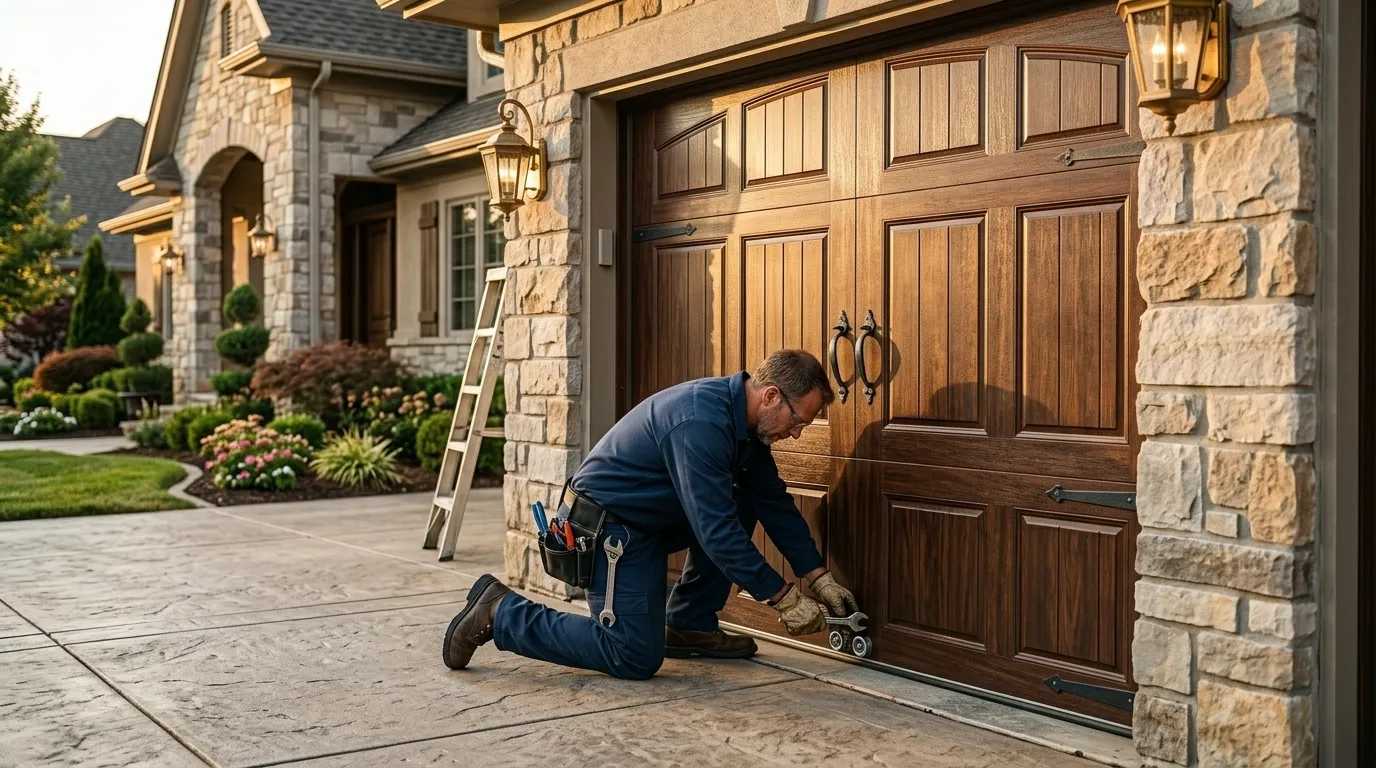
Where the door itself is original to a 1989-era build, we also check the bottom brackets, rollers, and track alignment, since three decades of Entiat winters put real wear on galvanized hardware. If the track is bent or the panels are rusted through, we'll say so plainly - replacing the door section or the full unit is sometimes the more honest answer than sinking money into hardware that's past its working life.
We carry common spring sizes and opener parts on the truck for the trip out, but anything non-standard may mean a return visit once we've ordered it.