What Can Go Wrong
Entiat's median household income sits at $76,250, a touch above the wider service area's $75,854, and that number matters more than people think when a door quits. At this income level, a torsion spring swap or a cracked panel on an otherwise sound door is almost always worth fixing. Full replacement only starts to make sense when the opener, the track, and the springs are all failing at once - which happens less here than in older parts of the service area, because Entiat's housing stock runs newer.
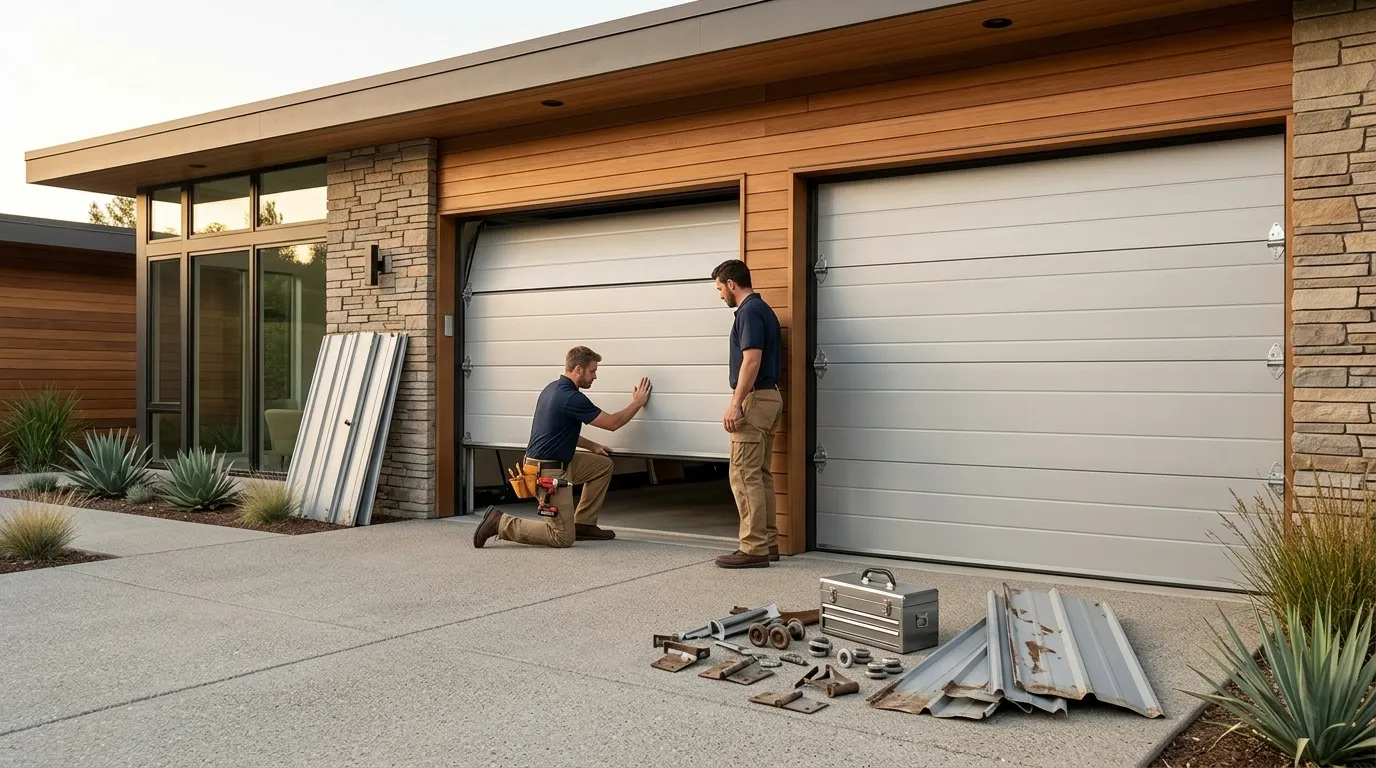
Most Entiat homes went up around 1989, later than the 1977 median across the broader Wenatchee area covered under F1. That means fewer original one-piece doors and more sectional doors on standard extension or torsion springs - hardware a supply house still stocks. What actually fails tends to be the opener itself: circuit boards and drive systems from the late 80s and 90s wearing out on schedule, plus rollers and hinges that have simply logged three decades of cycles.
The honest limitation: if a house here still has its original 1989 opener, parts for that specific model may no longer exist, and the fix becomes a full opener swap rather than a board repair.
How It Shows Up
A dying opener from that era usually gives warning before it quits outright - the door hesitates partway up, reverses for no reason, or the remote works some days and not others. That's a control board or a drive gear wearing thin, not a spring problem, and it's worth diagnosing before assuming the whole unit needs replacing.
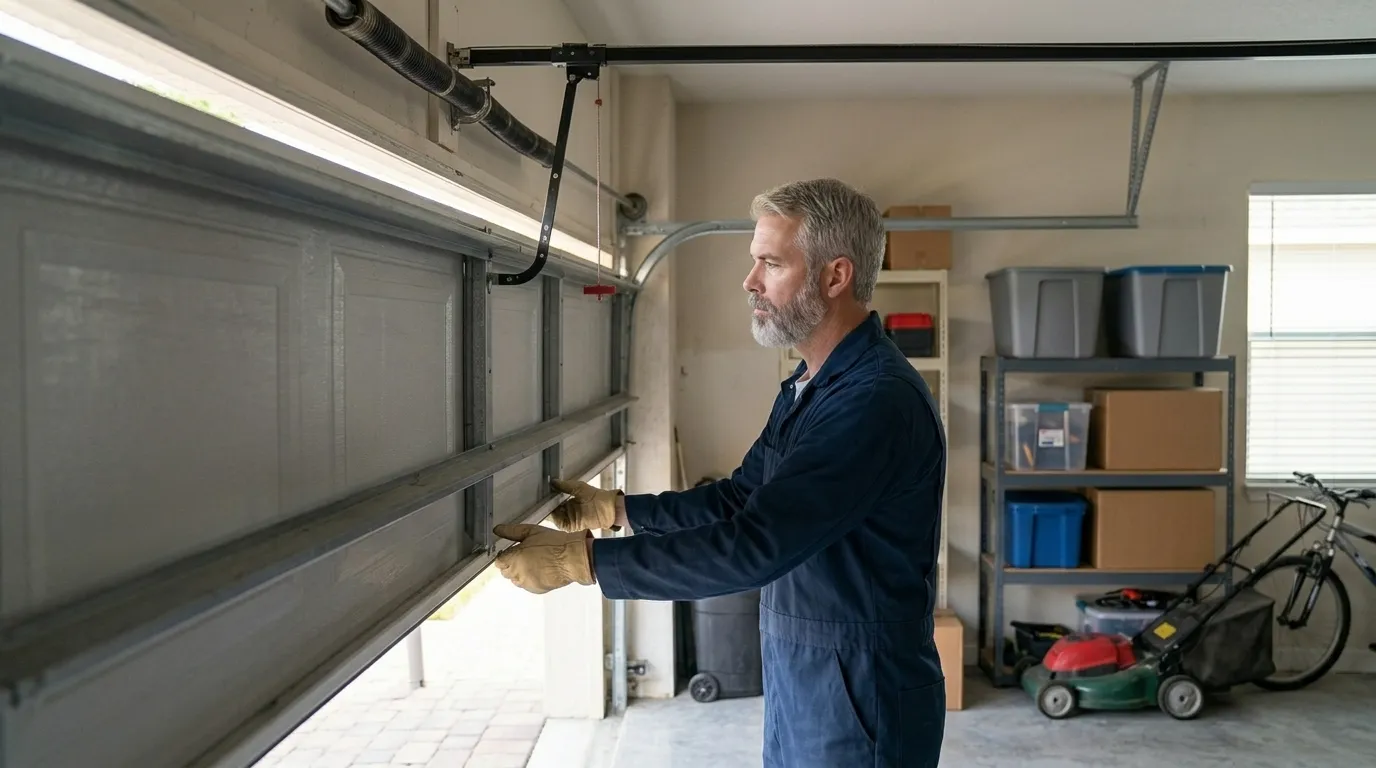
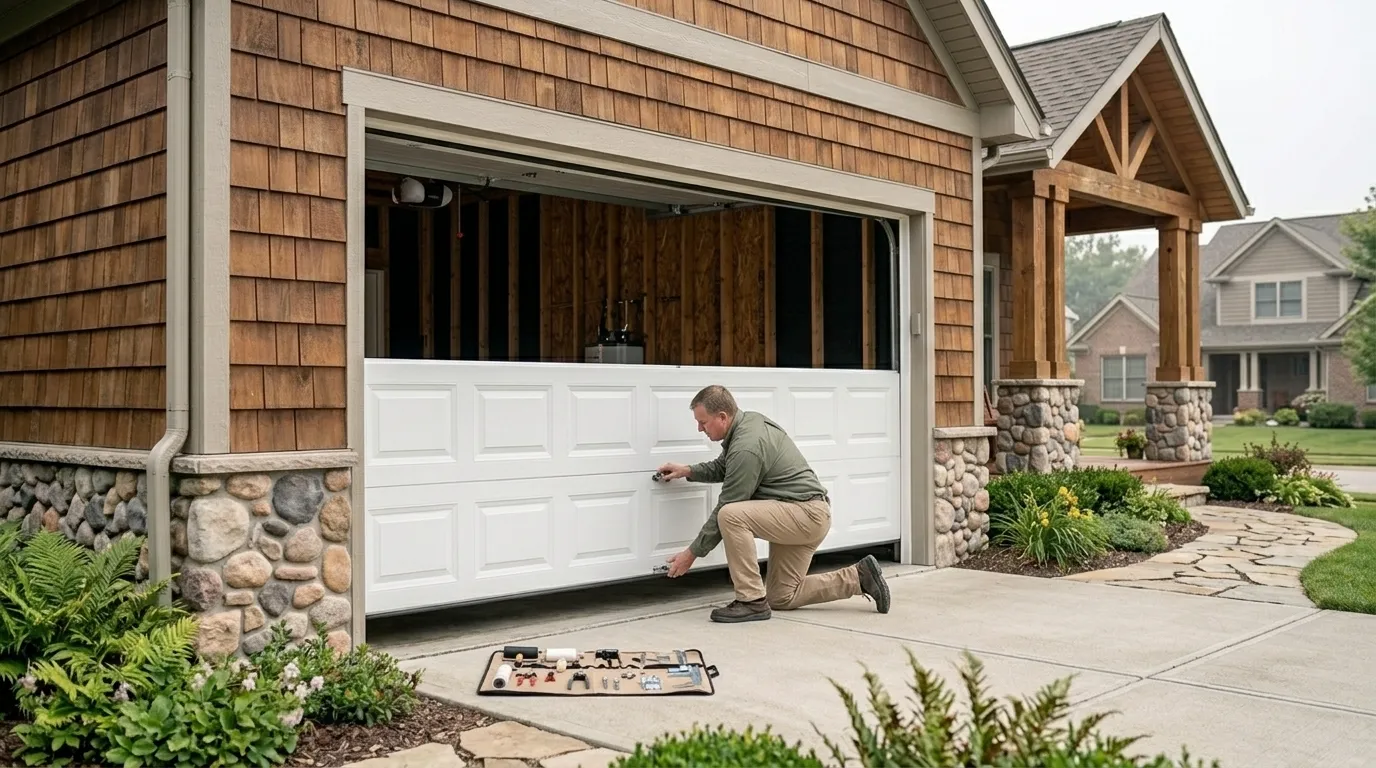
On the door itself, a torsion spring nearing the end of its life on a 30-plus-year-old sectional door tends to show up as a heavier-than-usual lift, a door that drifts when you try to open it halfway, or a visible gap opening up in one of the spring coils. Rollers on original 1989 track often start grinding or skipping a groove long before anything breaks outright - that grinding is the easiest fault to catch early and the cheapest to fix.
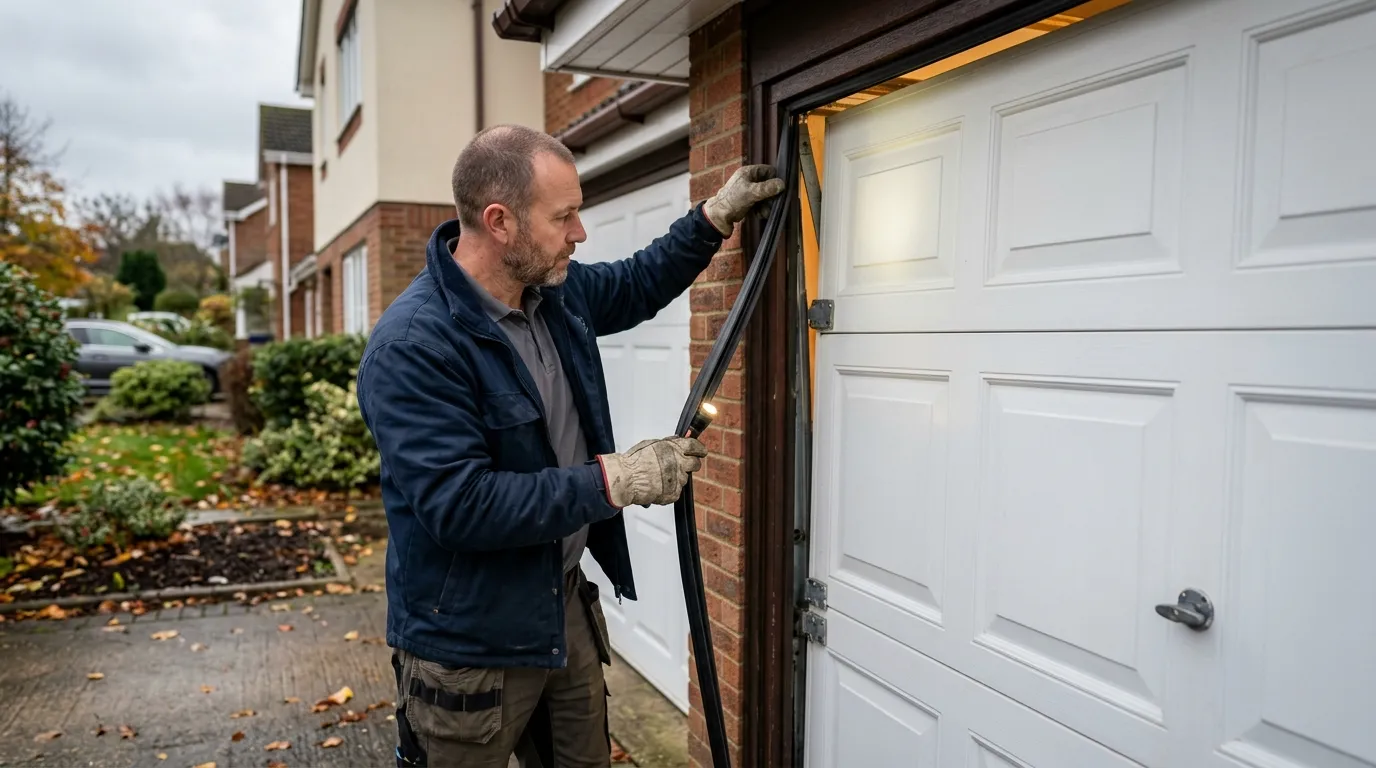
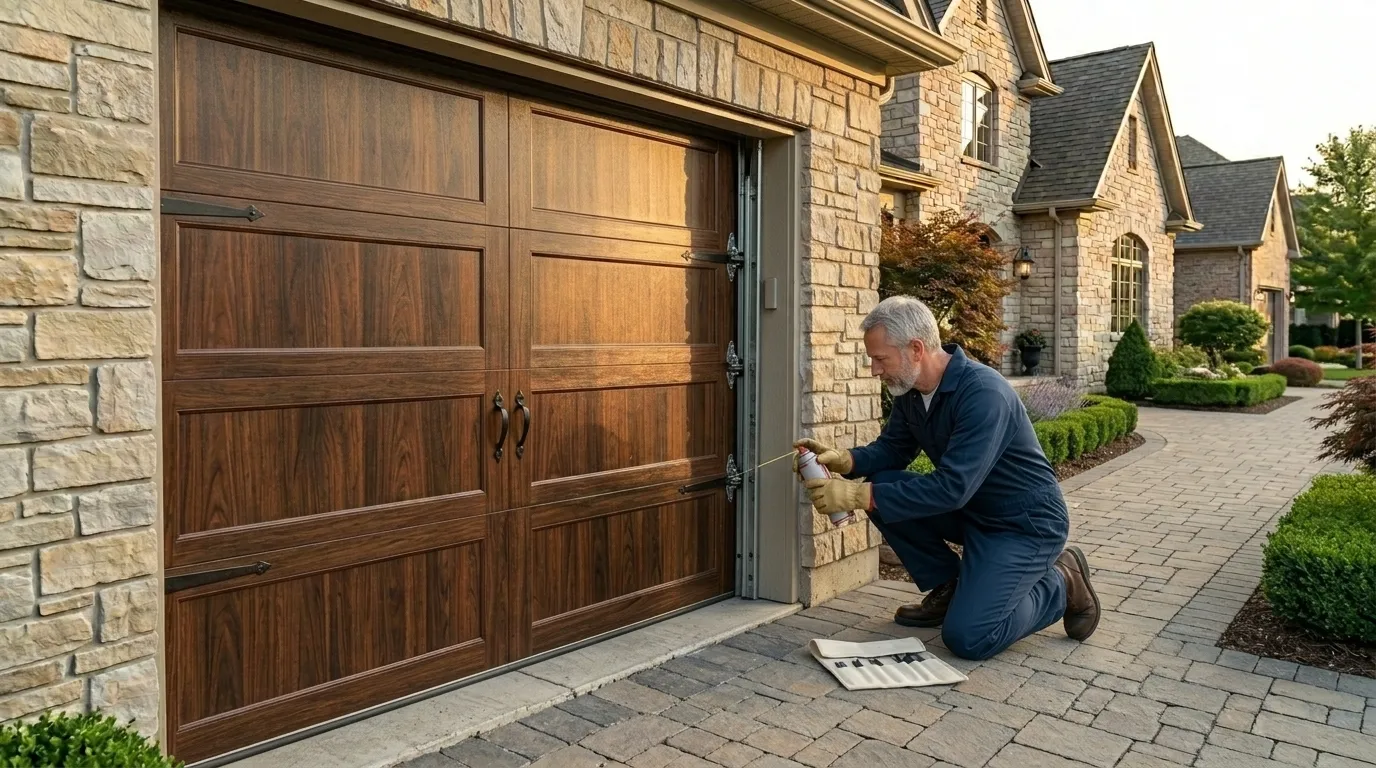
The COLD moderate climate band this area sits in also plays a role. Cold snaps stiffen lubricant in older rollers and hinges, so a door that worked fine in September can bind or drag once temperatures drop - not because anything actually broke, but because 30-year-old steel and grease don't move the way they used to.
What the Fix Involves
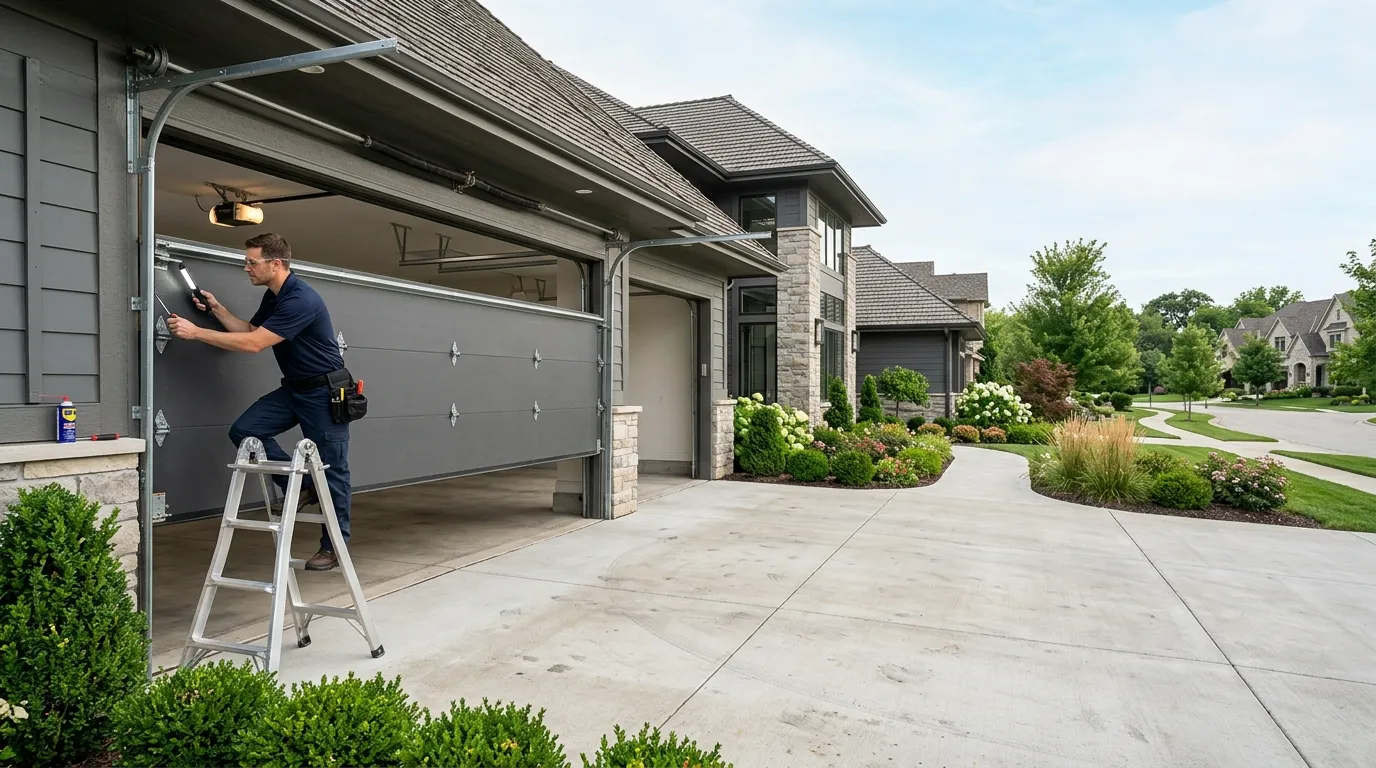
For the opener issues common on 1989-era installs, the fix is usually one of two things: a control board replacement if the motor and drive are still sound, or a full unit swap if the gear or drive train has worn past the point of a board fixing it. Given the newer housing stock here, most Entiat openers are still serviceable with parts rather than needing a ground-up replacement.
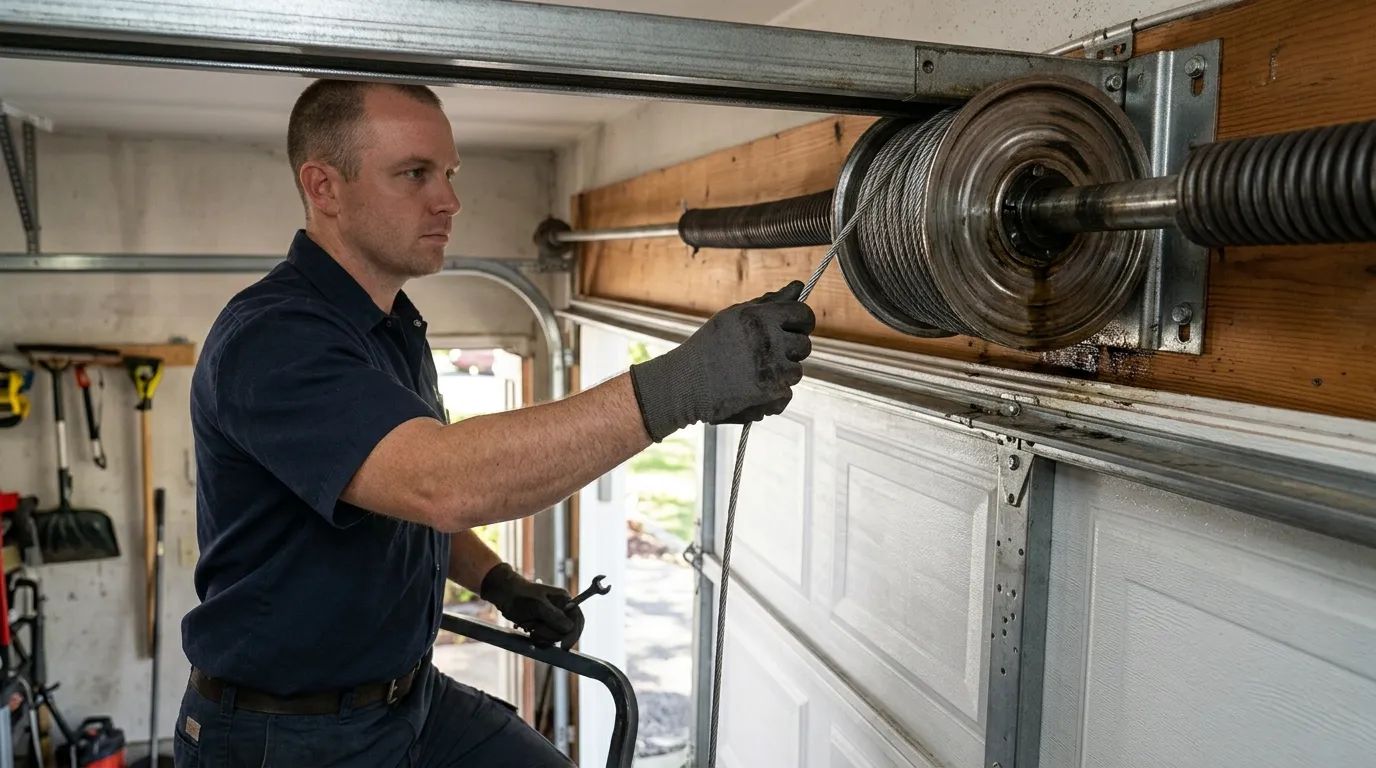
Spring work on a sectional door from this era is a straightforward torsion or extension spring swap, matched to the door's weight and cycle count - not a guess, since specs are typically stamped on the door or available from the manufacturer. Roller replacement is often bundled with a track adjustment, since worn rollers usually mean the track has picked up wear grooves that need addressing at the same time, or the new rollers will just wear the same path again.
One thing this shop won't do: patch a spring system that's clearly failing just to save a visit. On a 30-plus-year-old door, a spring that's stretched or pitted gets replaced outright - a partial fix on aging steel is a callback waiting to happen, and that's not worth anyone's time or money.