What Can Go Wrong
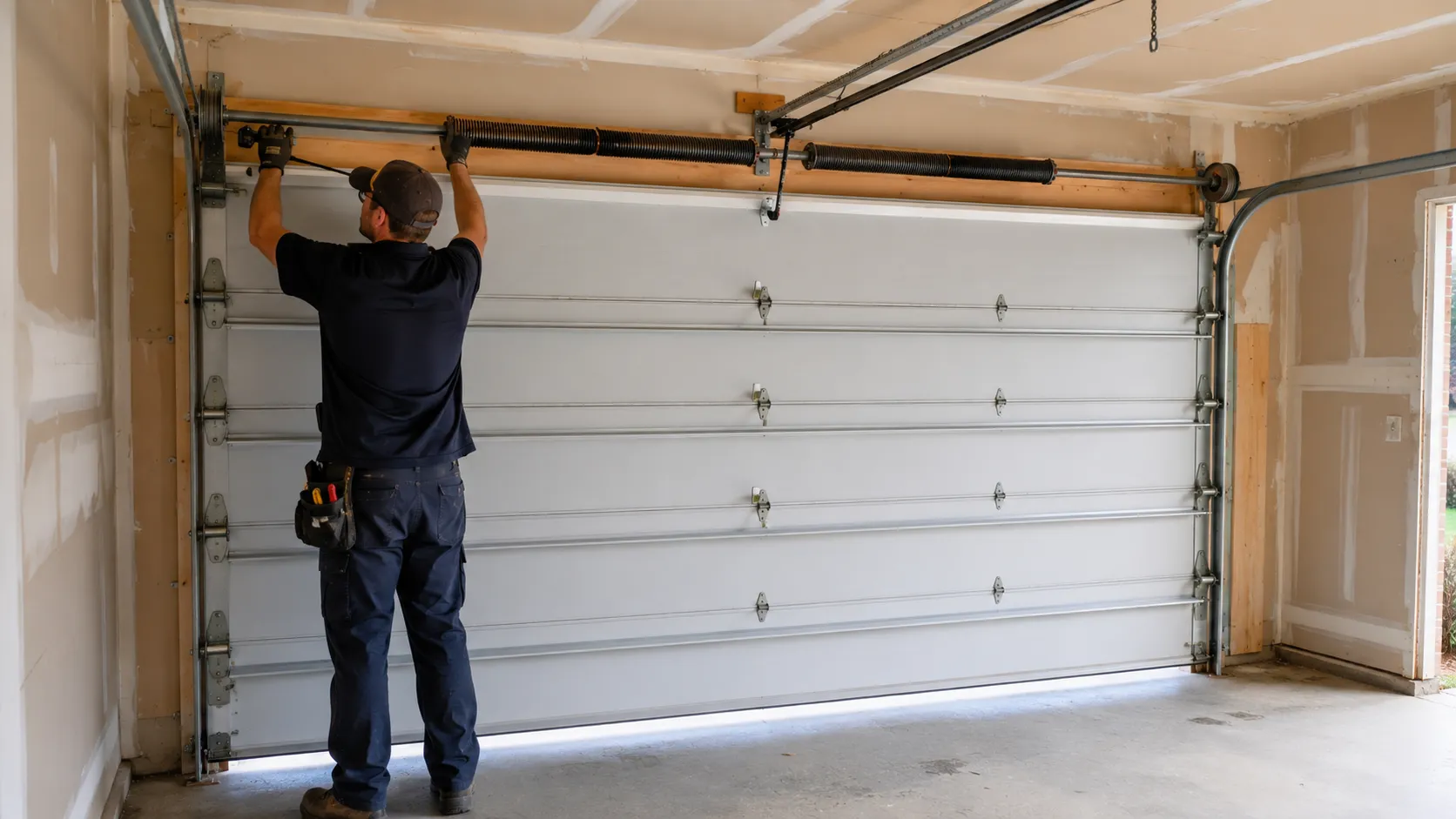
Most of the service area we cover from Wenatchee sits on housing built in the 1960s and 70s, with a median build year of 1977. Entiat runs newer - its typical home dates to around 1989. That decade gap matters more than people think. A door installed in 1989 likely still has its original galvanized torsion spring and stamped-steel rollers, because nothing has failed badly enough yet to force a swap. Those springs are rated for a working life measured in cycles, not years, and a spring that's quietly done 20,000-plus open-and-close cycles since the first Bush administration is not a spring you want to trust with your fingers near it.
The other thing original to a 1989 build is the opener's logic board and the drive gear inside it, if the opener itself has never been swapped. Plastic gears from that era get brittle. Combine an aging spring with a tired opener and you get a door that either won't lift on its own or lifts unevenly, putting side load on the track that the track was never built to take.
Entiat sits in the same cold-moderate climate band as the rest of the area, so temperature swings that stiffen lubricant and shrink metal tolerances hit original hardware here just as hard as anywhere else - it's just that here, the hardware taking the hit is nine or ten years younger.
How It Shows Up
On original late-80s hardware, the first sign is usually noise that wasn't there before - a grinding or popping on the way up, coming from a spring that's lost tension unevenly on one side. You might also notice the door hesitating a beat before it starts moving, which is the opener's drive gear slipping before it catches.
A second pattern: the door closes fine but reverses partway up, or won't fully seat at the bottom. That's often the original steel rollers, worn oval instead of round after three decades, binding in a track that's still straight but no longer forgiving of an out-of-round roller.
Because Entiat is a smaller community - around 454 households by our count - a lot of these doors get less daily use than a door in a bigger, busier neighborhood would. Less use doesn't mean less wear, though. It means the wear is slower and easier to miss, right up until the spring lets go all at once instead of giving you warning.
What the Fix Involves
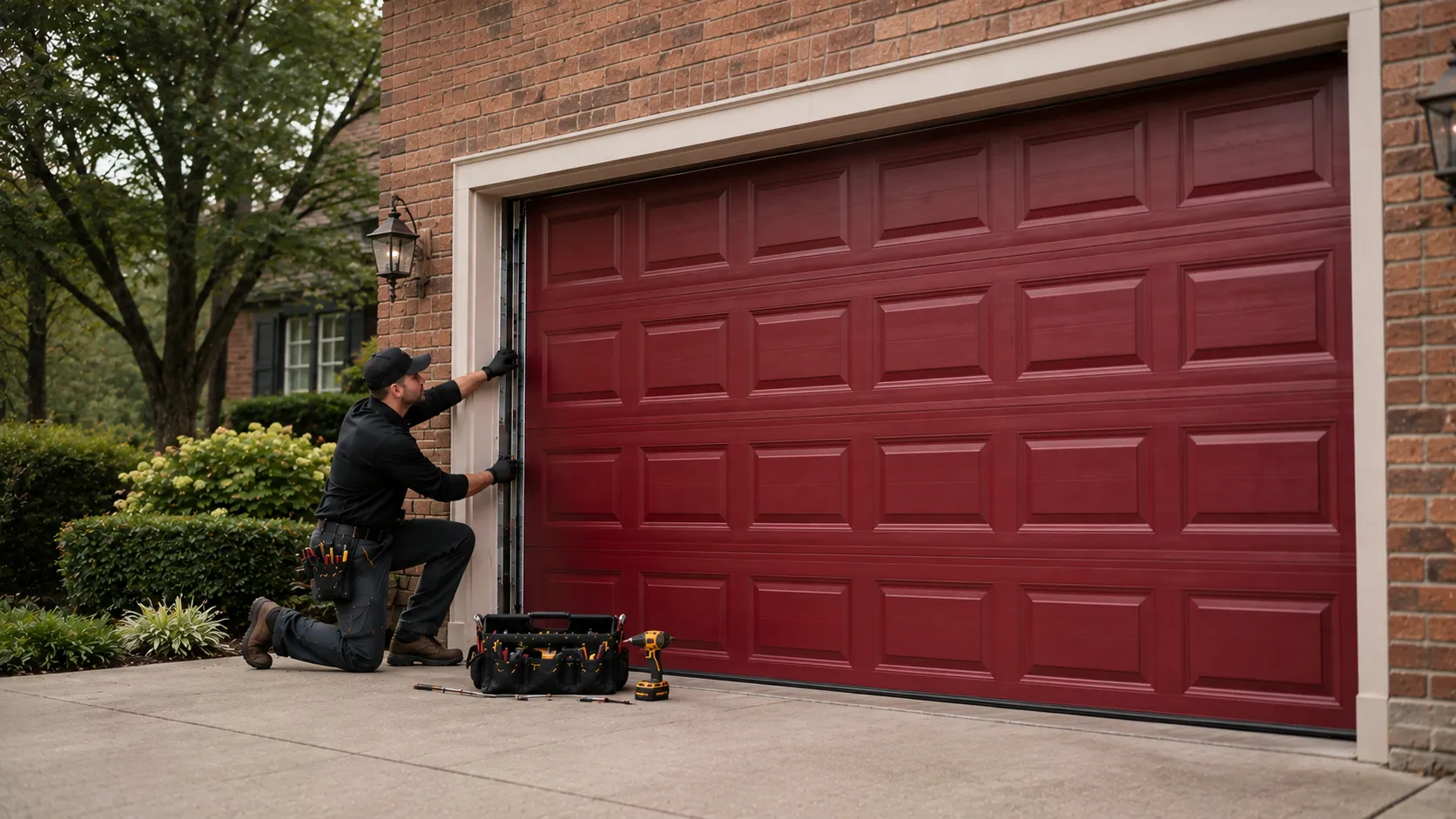
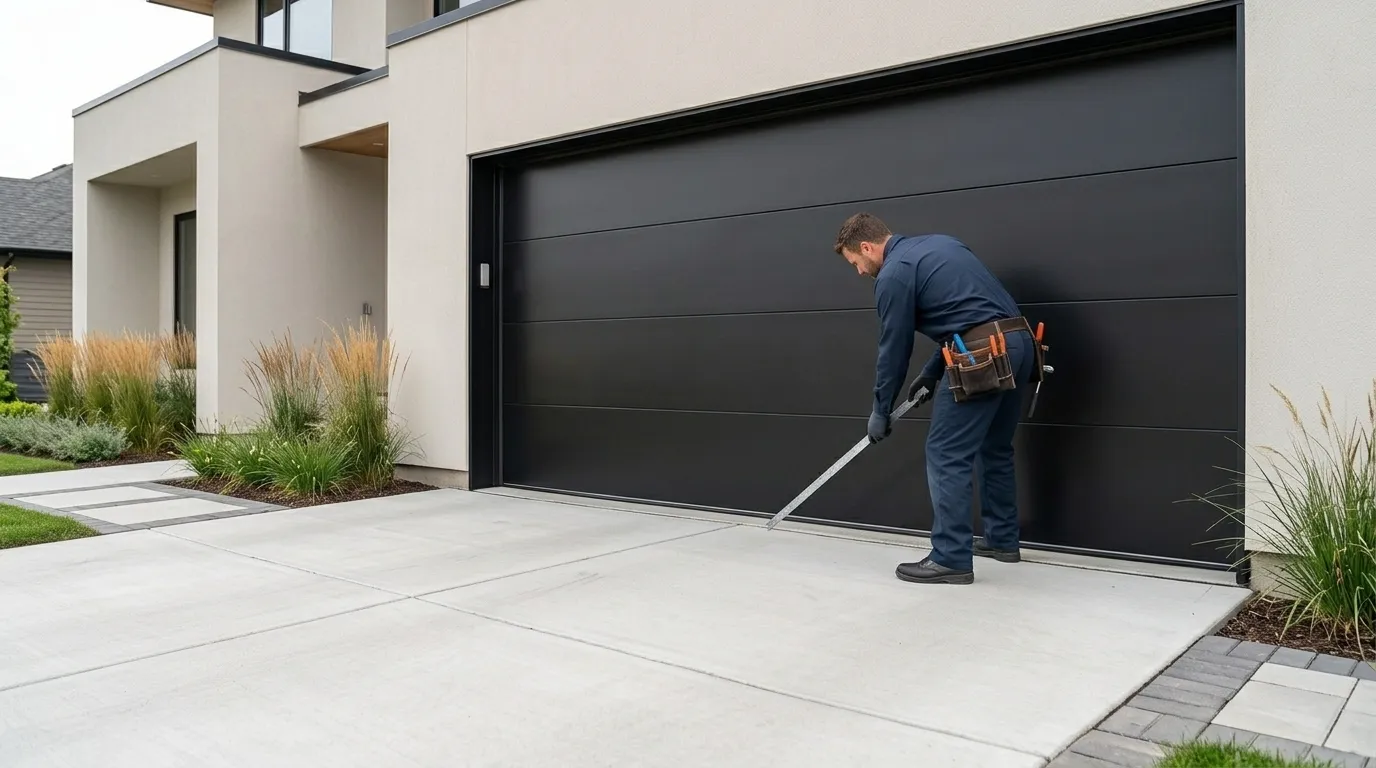
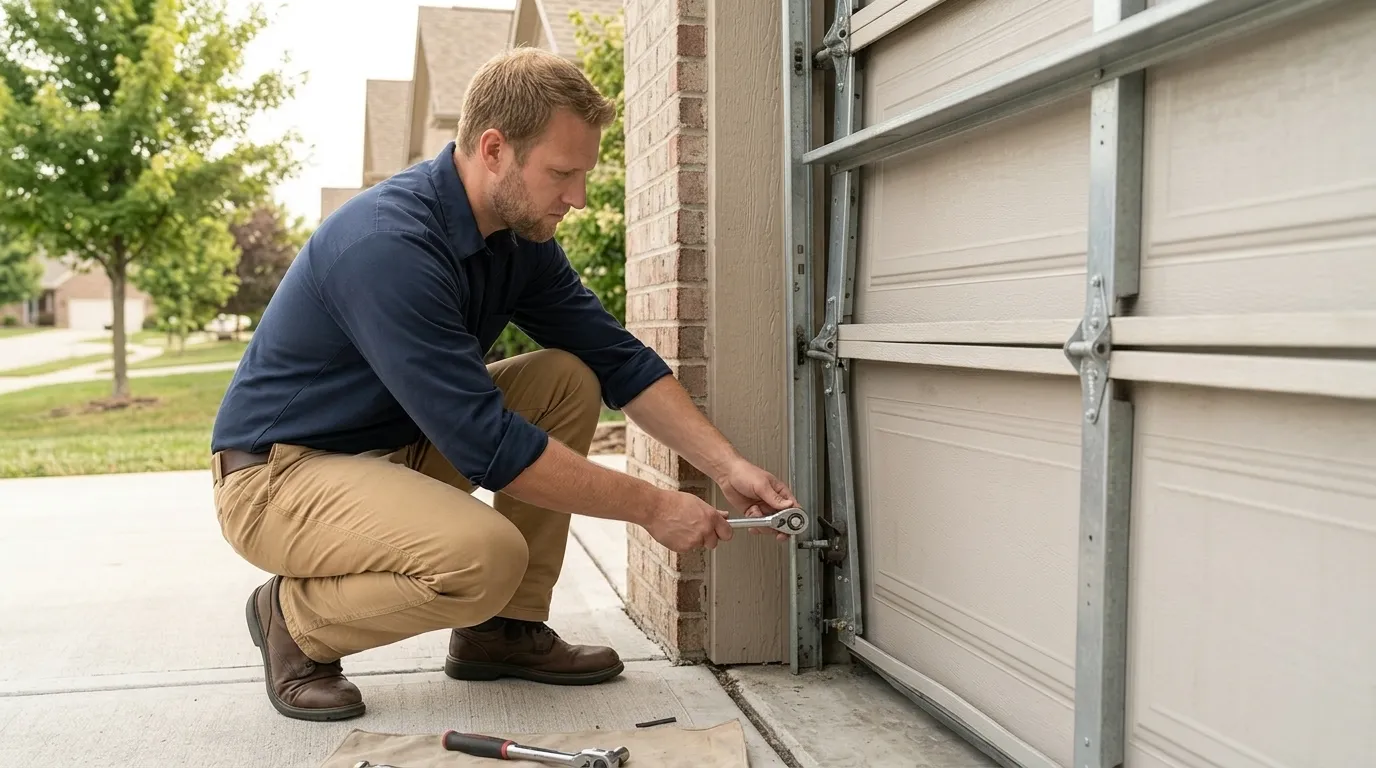
For a door that's still running its original 1989 hardware, maintenance starts with checking spring tension against the door's actual weight - original springs lose tension gradually, and a door that's technically still lifting can be seconds away from a spring failure. We check both cables for fraying, since original cables on a door this age are well past any manufacturer's suggested service life even if they look intact.
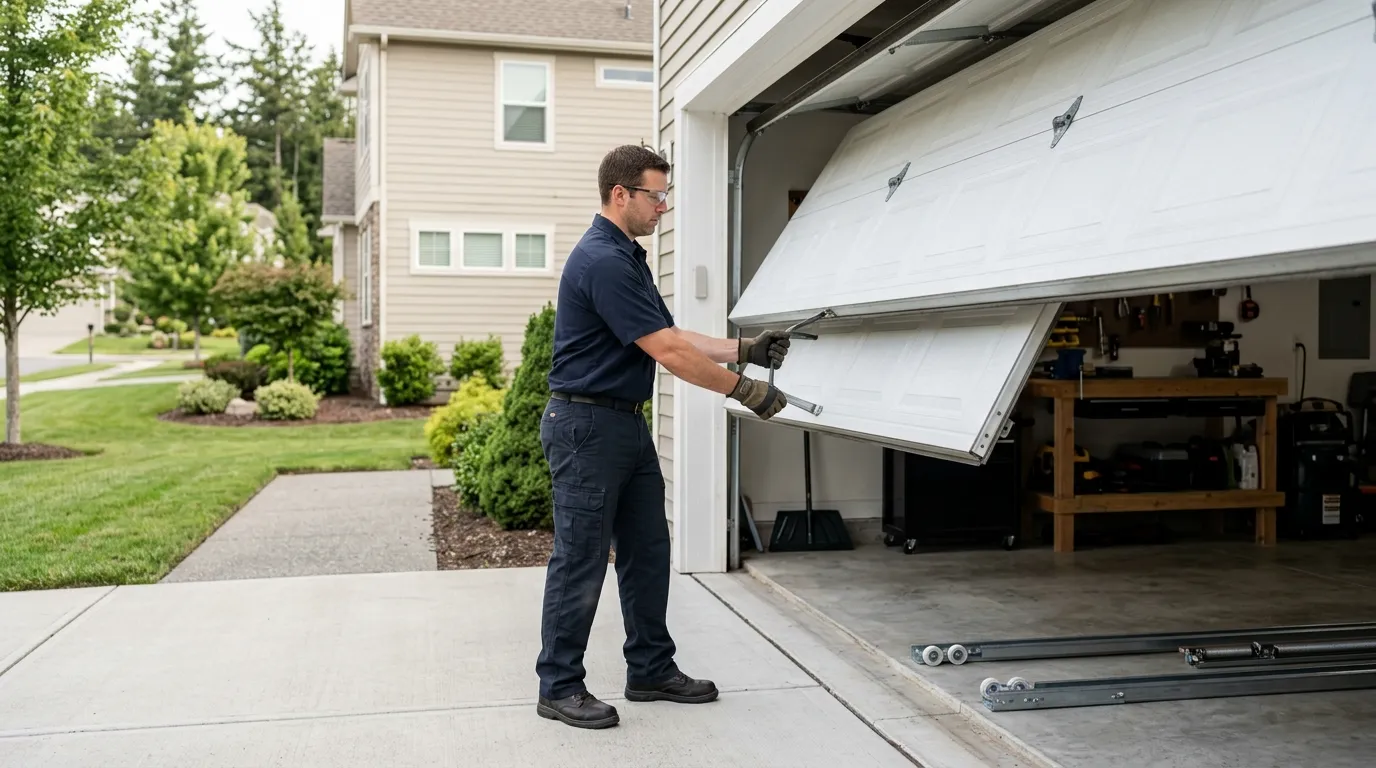
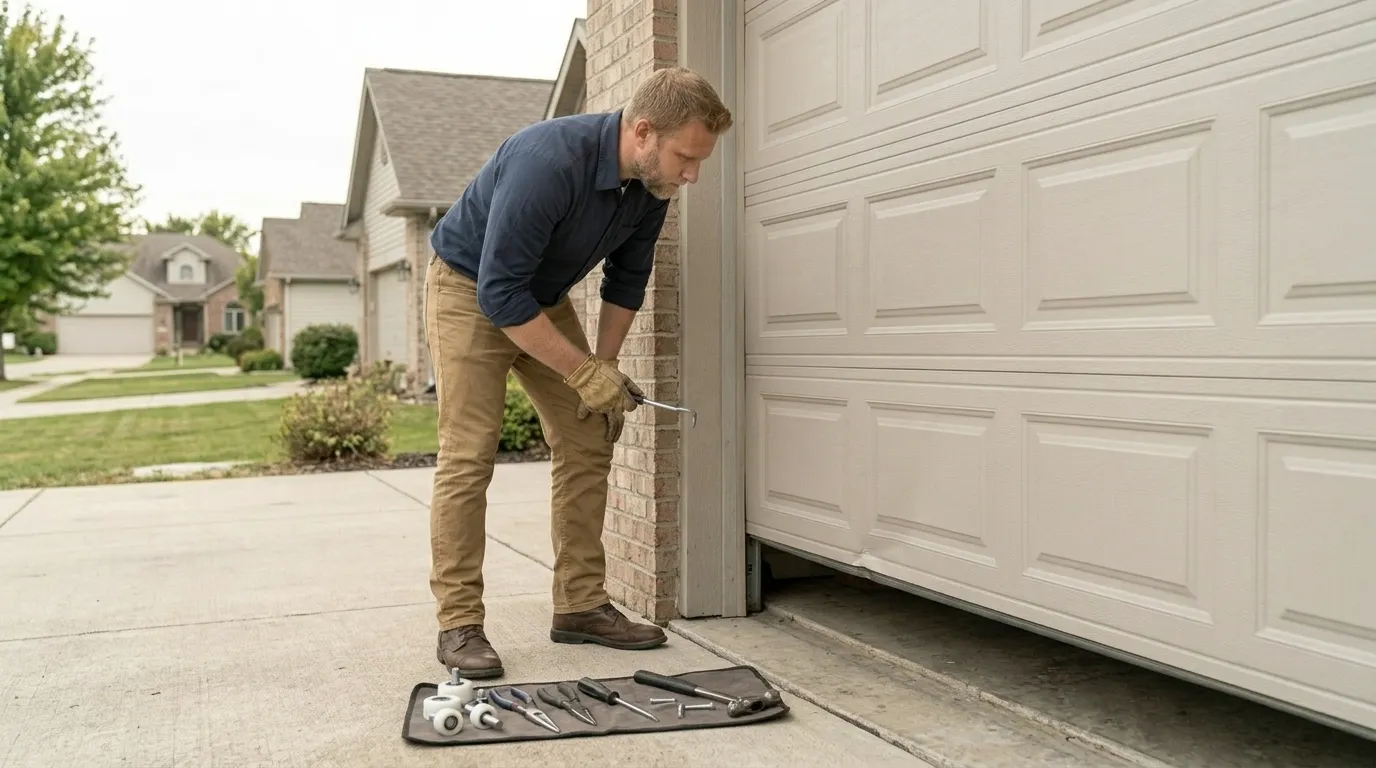
We also inspect the rollers for the oval wear pattern common on steel rollers from that era, and check the opener's gear and force settings, since a gear that's slipping puts extra strain on everything downstream of it.
What we won't do is talk you into replacing hardware that's still testing sound just because of its age. A 1989 spring that's still within tension spec and shows no fraying doesn't need to come out - we'd rather adjust and re-lubricate than sell a swap the door doesn't need yet.