What Can Go Wrong
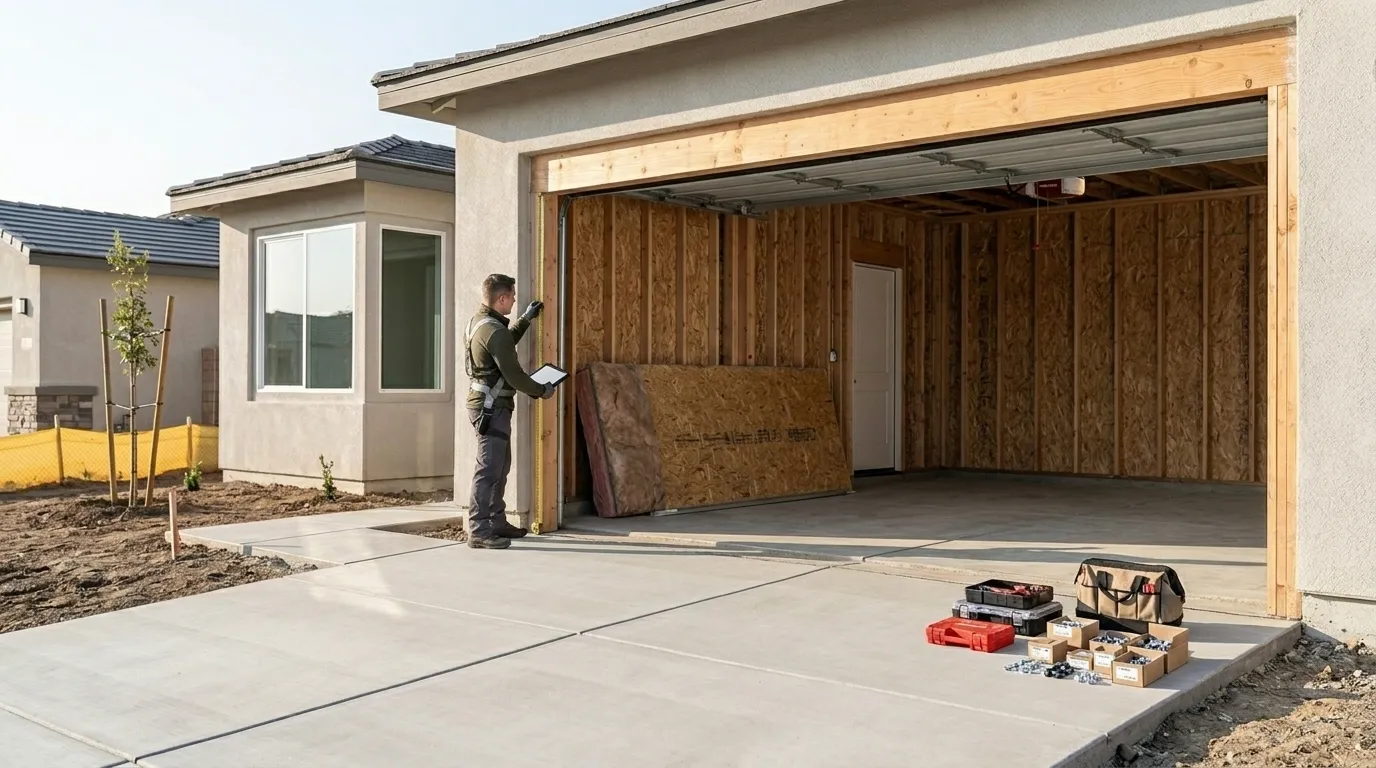
Entiat sits seventeen miles up the river from our shop in Wenatchee, and that drive shapes how a spring call gets handled out here more than people expect. We don't keep a truck parked in town, so when a spring lets go, the job gets scheduled as a real trip, not a quick hop across a few blocks. That means we load the van with the spring sizes and cable lengths likely to fit before we leave, based on what we know about the housing stock in this part of the service area, rather than guessing once we're on site and driving back for parts.
Most of the homes on this side of the valley were built later than the older neighborhoods closer to Wenatchee - the housing here trends newer, more clustered around the late 1980s, which usually means factory torsion springs on a steel shaft rather than the older side-mounted extension setups you find on houses from the 1950s and 60s. That's a different failure mode: torsion springs wear out on a cycle count and let go all at once, often with a loud bang, while old extension springs tend to stretch and sag first. Knowing which one we're dealing with before we head out saves a second trip.
Either way, a broken spring means the door is too heavy to lift safely by hand, and the opener will strain and can burn out trying to do a job it wasn't built for. That's the core problem a spring repair call is solving.
How It Shows Up
A snapped torsion spring usually announces itself - a bang from the garage, sometimes loud enough to hear from the yard, and then a door that won't budge more than a few inches before the opener stalls. If you catch it early, you might notice the door feels heavier than usual for a day or two before it fails outright, or the opener chain seems to strain right at the top of the lift.
Cold matters here. This area sits in a moderate-cold climate band, and steel springs lose flex and get more brittle in low temperatures. A spring that's been fraying for months on a mild fall day is more likely to finally give out on the first hard freeze of the season, which is why late-year cold snaps tend to bring more of these calls than midsummer does.
If you've got two springs on a double door and one goes, the other is usually close behind on cycle count - they were installed together and wear together. We'll always take a look at both while we're out, because a second trip for the matching spring costs you more than fixing them the same visit.
What the Fix Involves
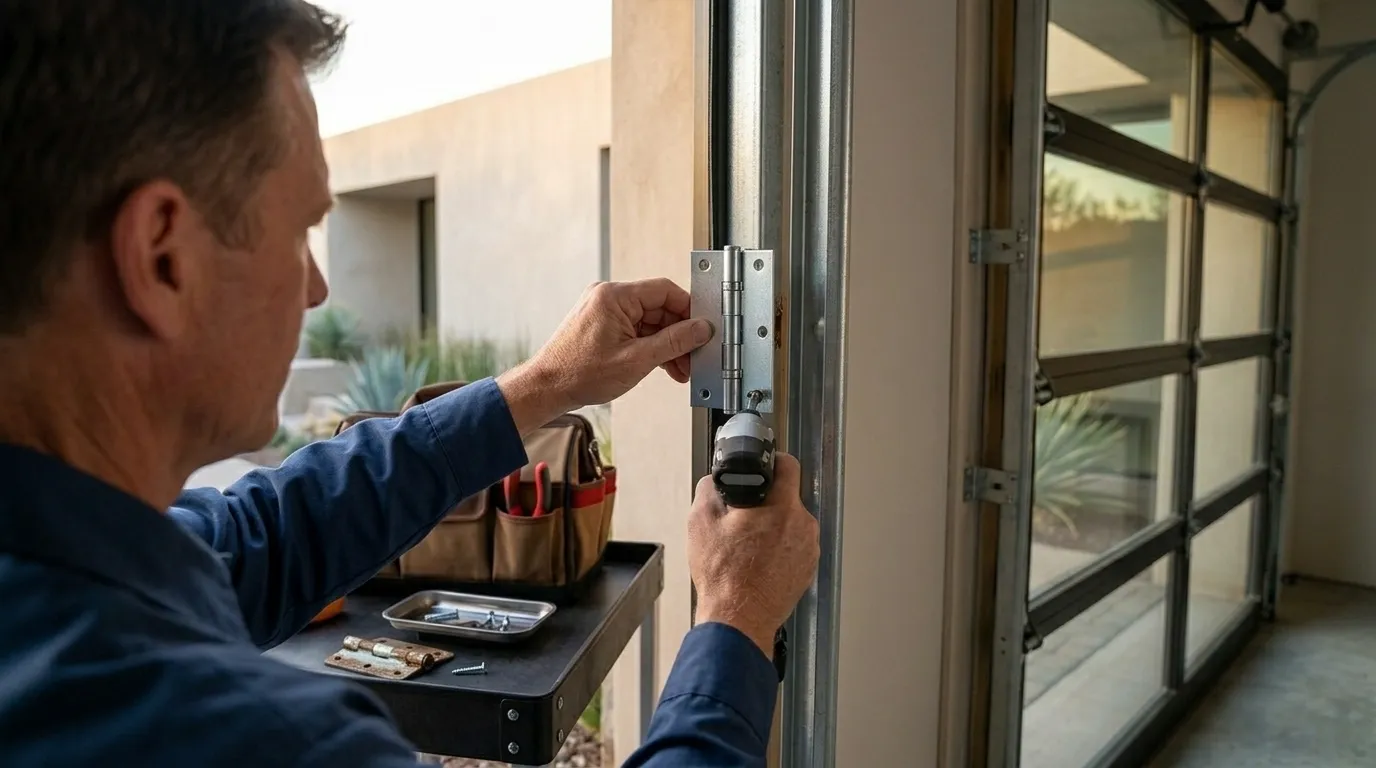
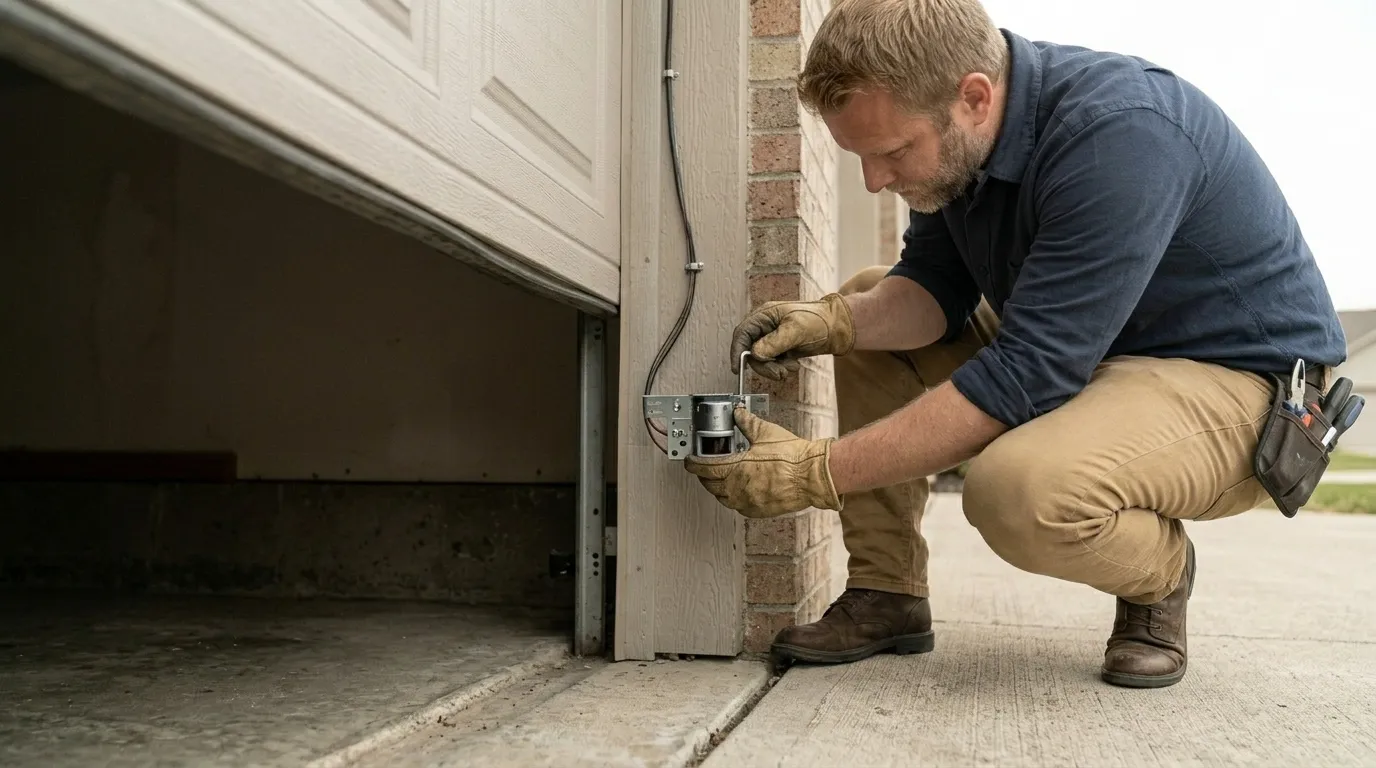
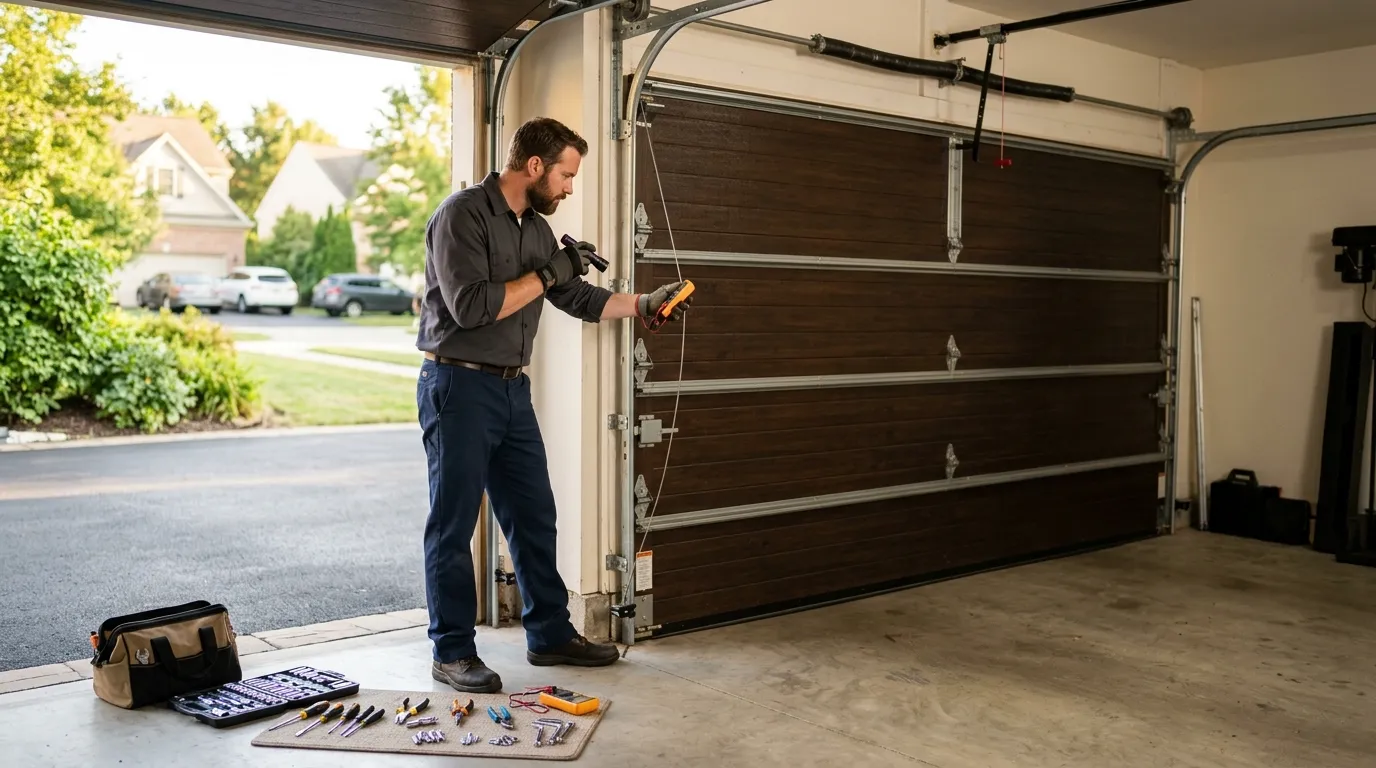
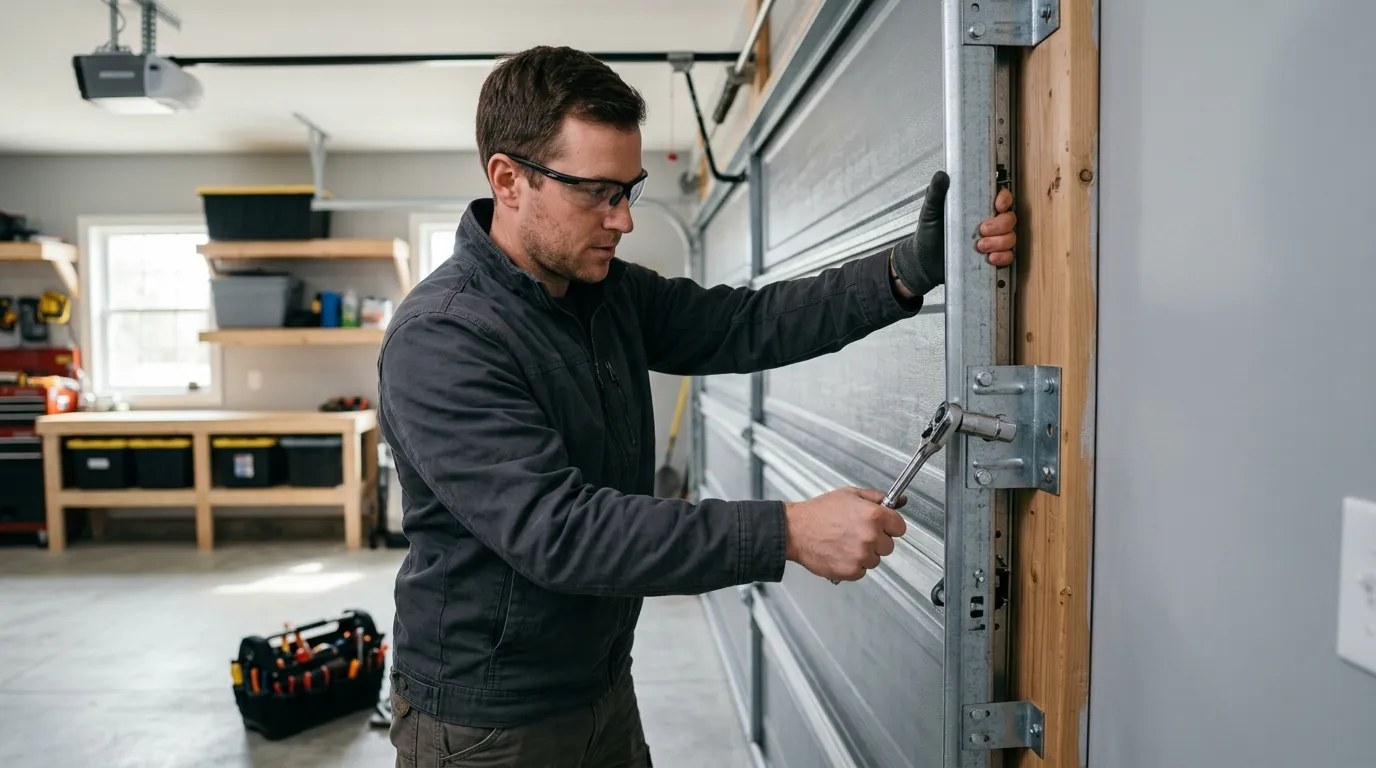
Replacing a broken torsion spring means winding a new spring to the correct tension for your door's weight and size, mounted on the shaft above the opening. We match the spring to the door, not the other way around - a spring rated for the wrong weight will either strain the opener or wear out early, and either one brings you back to square one within a year or two.
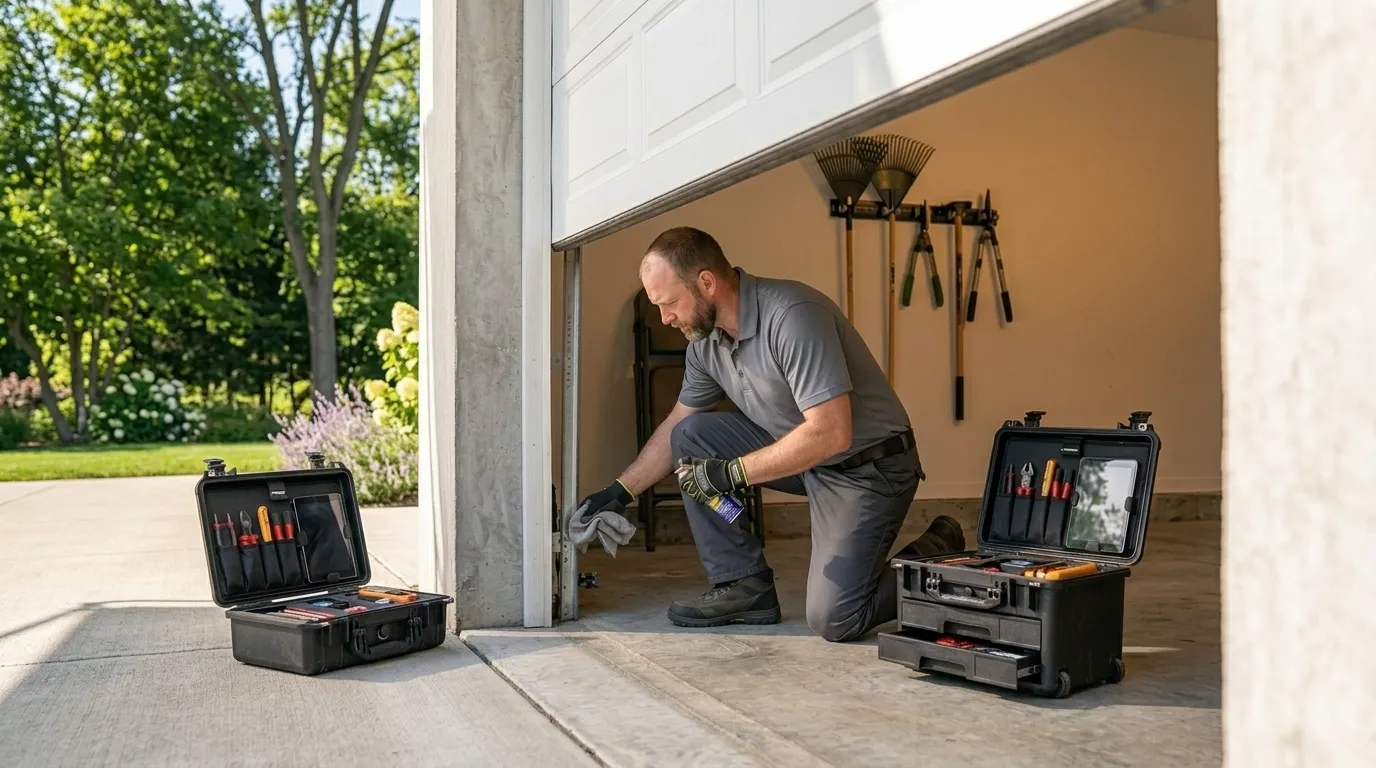
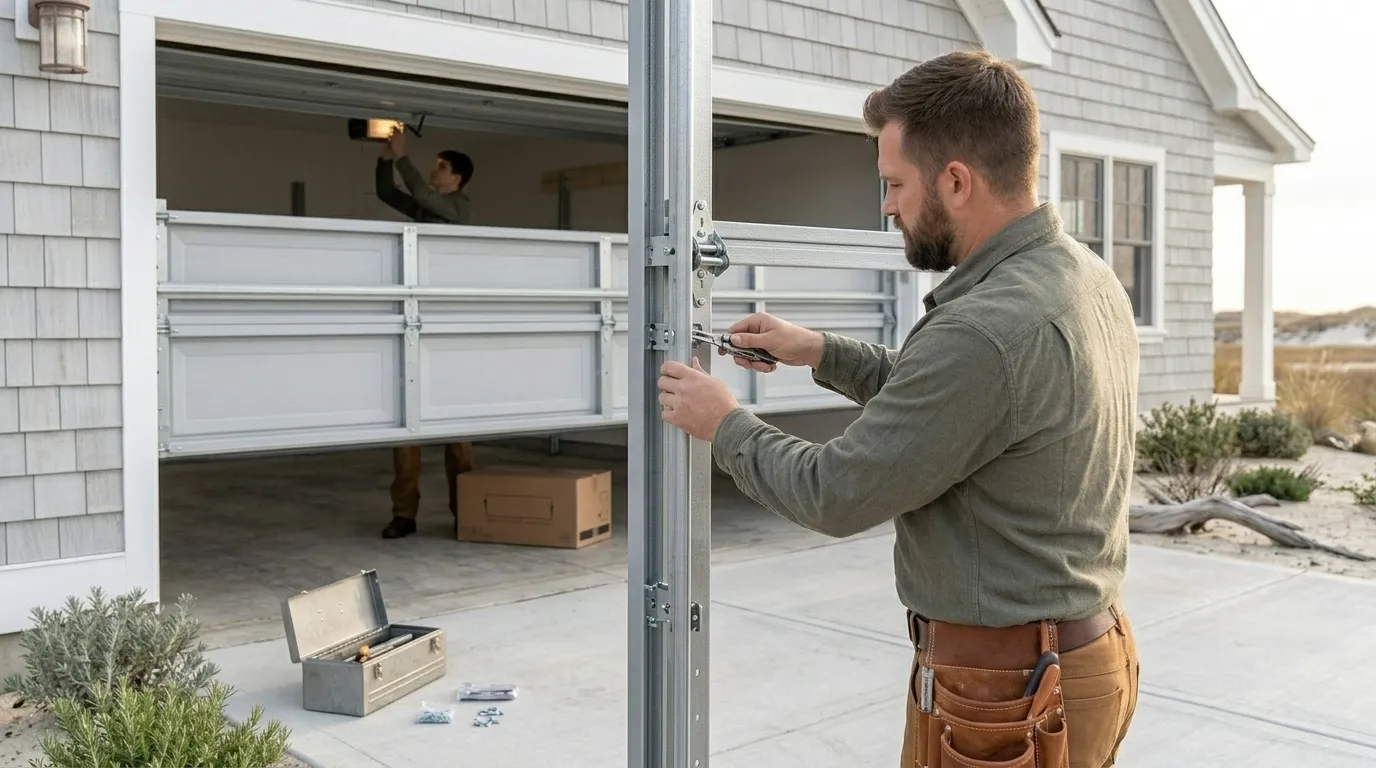
We also check the cables, the drums at each end of the shaft, and the bearing plates while the spring is off, since a cable that's frayed or a bearing that's seized often fails not long after a new spring goes in if it's ignored. On a house from the newer end of this valley's build range, that hardware is usually original to the door and hasn't seen much wear beyond the spring itself, but we still check it rather than assume.
We don't recommend patching an old spring or adding a second one to compensate for a weak one - that's a workaround, not a repair, and it shifts uneven load onto the cables and drums. If the door itself is old enough that the whole system is due, we'll say so, but for most spring calls out here it's a straightforward swap of matched hardware.