What Can Go Wrong
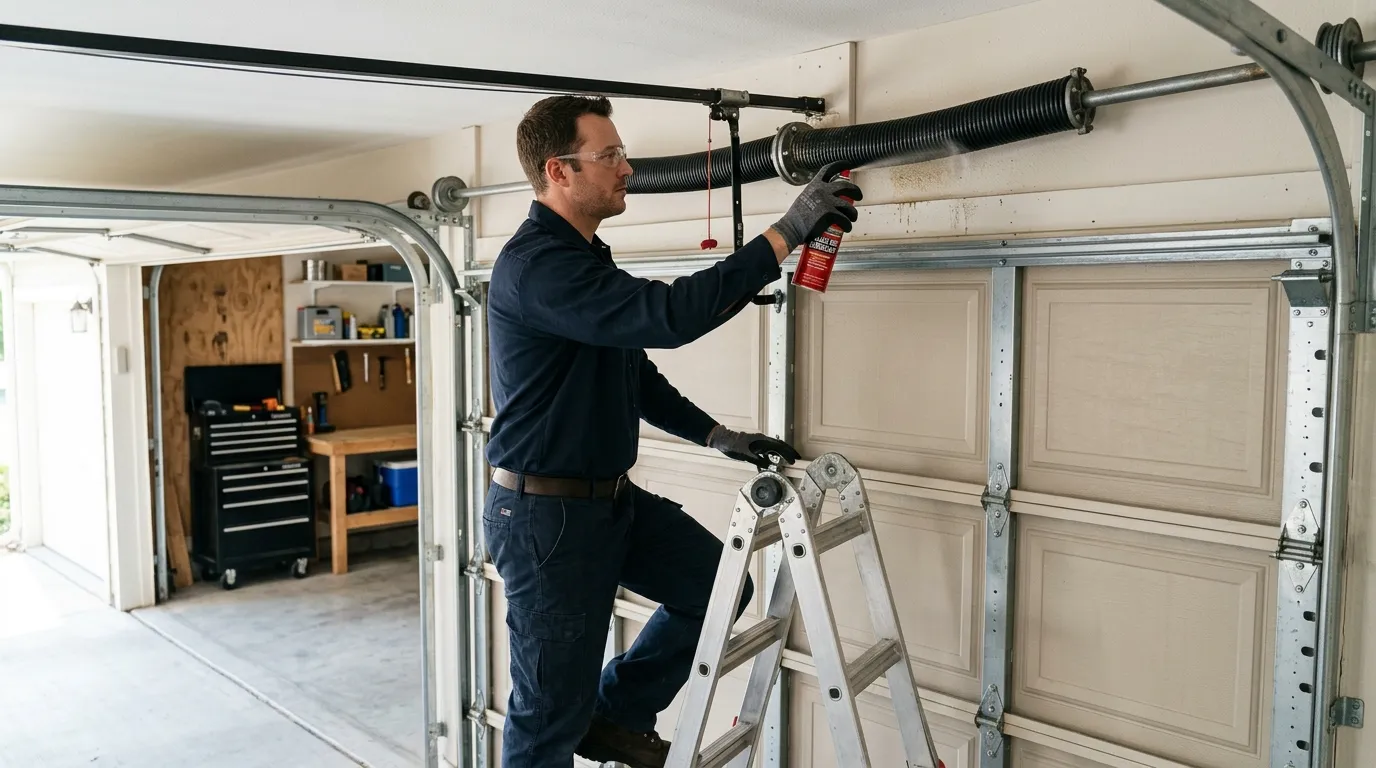
Most houses out in Entiat went up around 1989, which puts them a decade or more newer than the typical home closer in toward Wenatchee. That matters for openers because a house built in that window usually came with its first chain-drive unit already installed by the builder, sized for a standard steel sectional door rather than anything custom. Thirty-plus years later, that original motor is at or past its working life. The gears inside the drive housing are plastic on most units from that era, and plastic gears strip teeth long before the motor itself quits, which is why you get a unit that hums and runs but the trolley doesn't move. Cold is the other factor here - this side of the valley sits in a moderate-cold climate band, and an unheated garage means the gearbox grease thickens up every winter morning, putting extra load on parts that are already thirty years old. None of this is dramatic. It's just what happens to a mechanical drive system left alone for three decades in a building that isn't heated. The fix isn't complicated, but pretending the opener just needs a new remote battery usually wastes a service call.
How It Shows Up
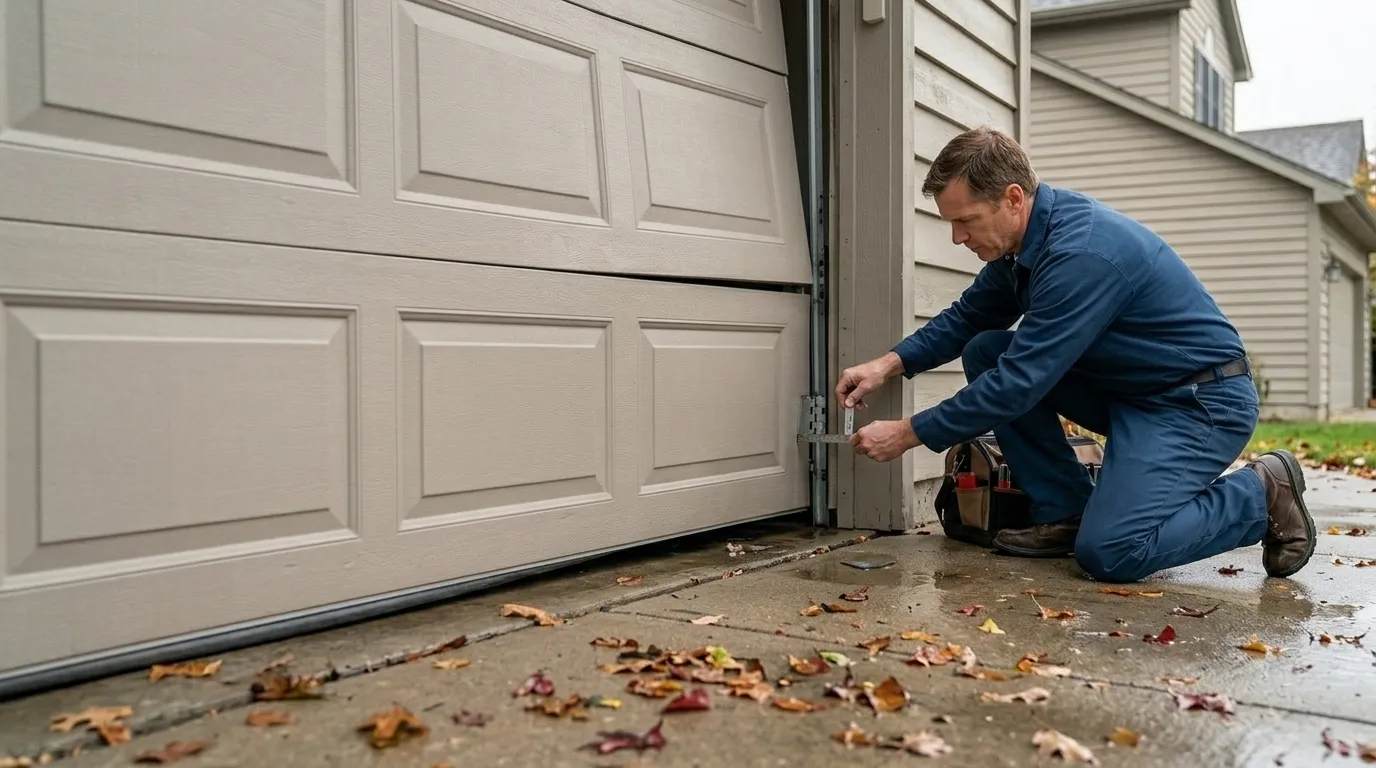
The most common call we get from this stretch of the valley is a door that responds to the wall button but not the remote, or the reverse - remote works from the driveway but the wall switch does nothing. That points to a failing circuit board rather than the motor itself, and board failures show up more in homes with unconditioned garages, which describes a lot of the stock out here. Another pattern: the opener runs the full motor cycle you can hear it, but the door barely moves or doesn't move at all. That's the drive gear stripping, and once you hear a grinding or slipping sound under load, that gear is not coming back. Some owners also notice the opener light stays on constantly or never comes on - a small thing, but it usually means the logic board is starting to fail piece by piece rather than all at once. None of these are safety hazards on their own, but a door that reverses unpredictably, or won't reverse at all when it hits something, is one you stop using until it's looked at.
What the Fix Involves
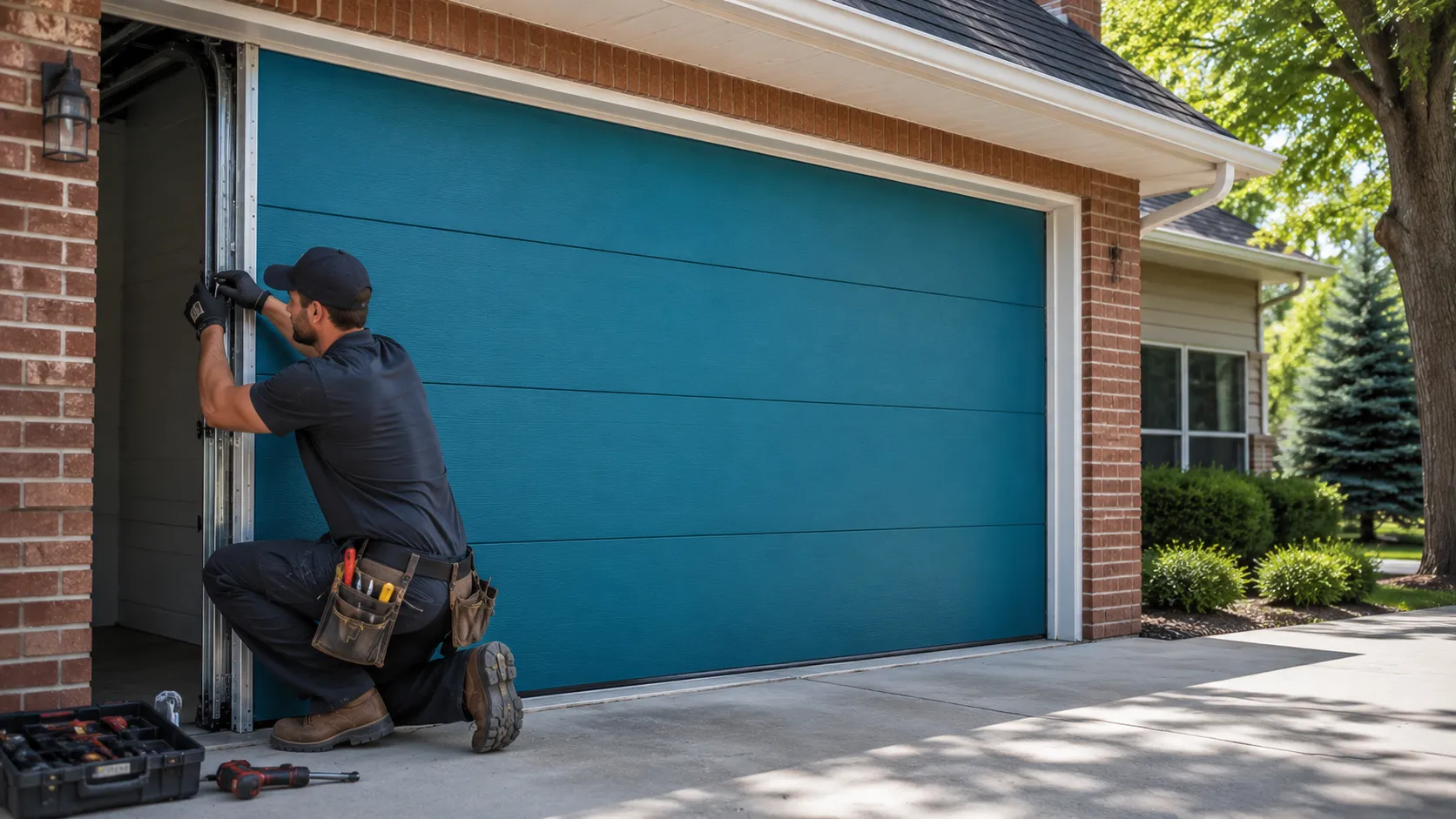
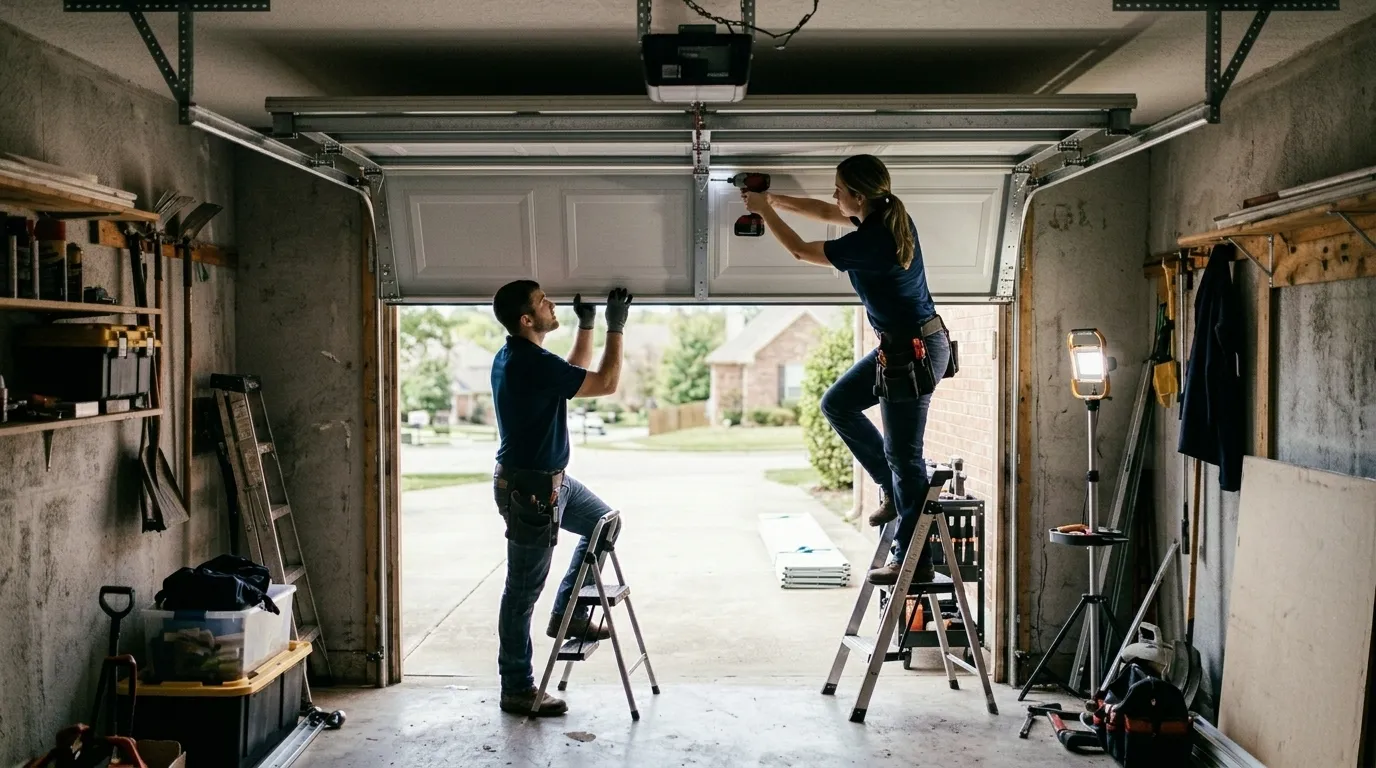
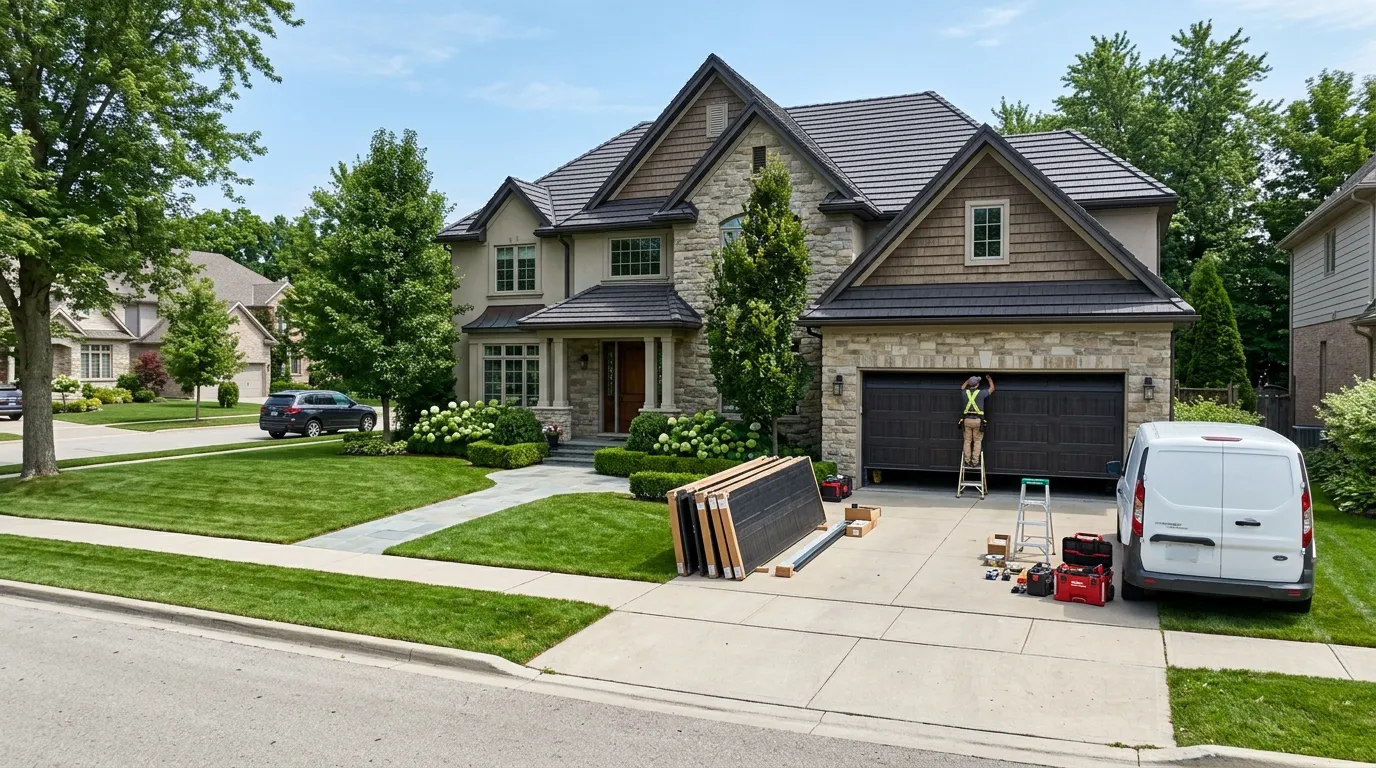
For most of the 1989-era homes out here, the practical fix is a full opener replacement rather than patching the old unit - by the time a plastic drive gear has stripped or a board is intermittent, the rest of the motor is usually close behind it. We match the new opener's horsepower and drive type to the door you actually have: a heavier steel sectional door built for that period often does better with a chain drive than a belt, since chain handles more mass without added strain, though belt drives run quieter if noise matters more to you than raw pull. Every new install includes setting the travel limits and force settings correctly for the door's actual weight, and testing the safety reversal so the door stops and backs up if it meets resistance on the way down. We also swap the wall control and photo-eye sensors as part of the job rather than reusing thirty-year-old sensors on a new opener - mixing old sensors with new logic boards is one of the more common causes of a door that reverses for no reason. We don't do cosmetic panel repainting as part of an opener job; that's a separate service.