
What Can Go Wrong
Start with the money, because it decides more than people think. Median household income here runs about $61,959, well under the $75,854 median across the wider Wenatchee service area. That gap matters on a garage door call: a $450 spring job makes sense on almost any budget, but a $1,800 full replacement is a harder swallow at this income level than it is a few miles away. We'll tell you straight when a repair buys you five more years and when it's throwing money at a door that's done.
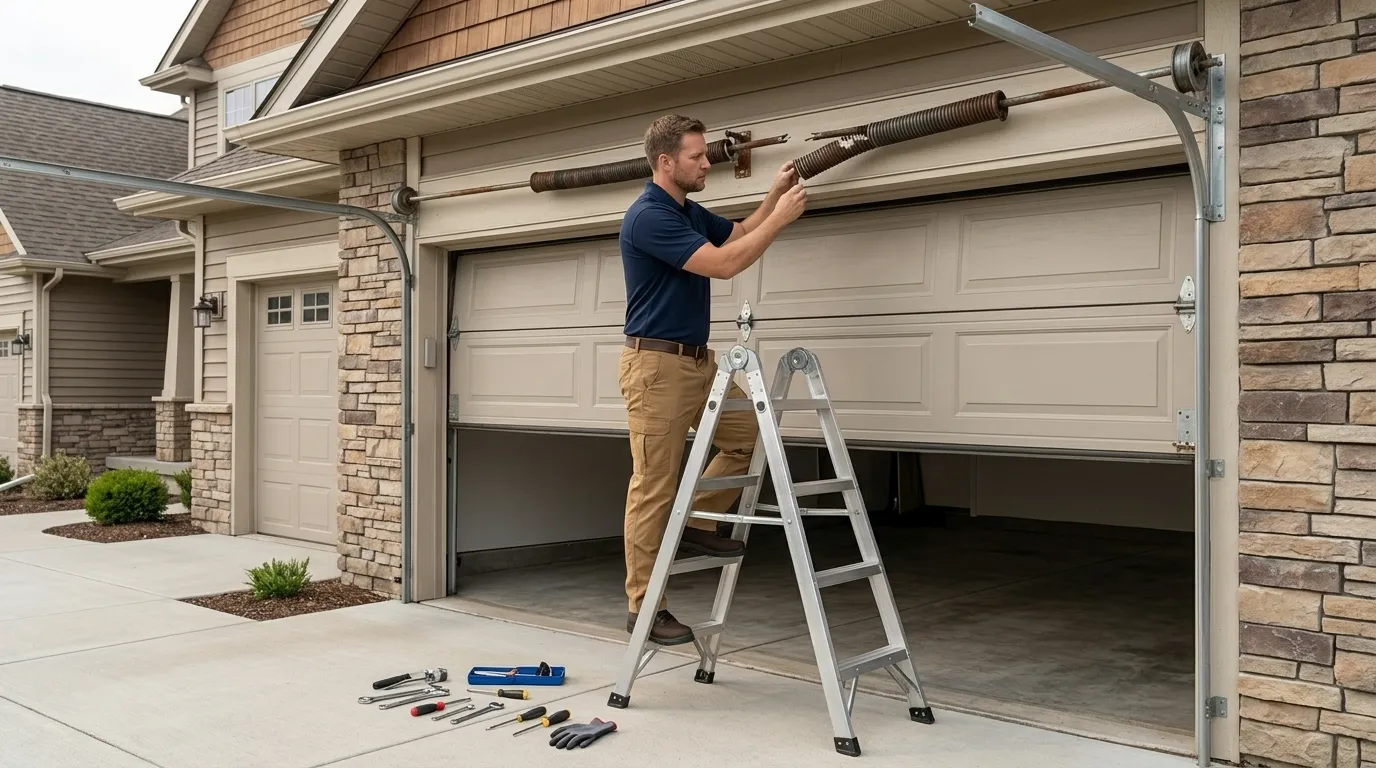
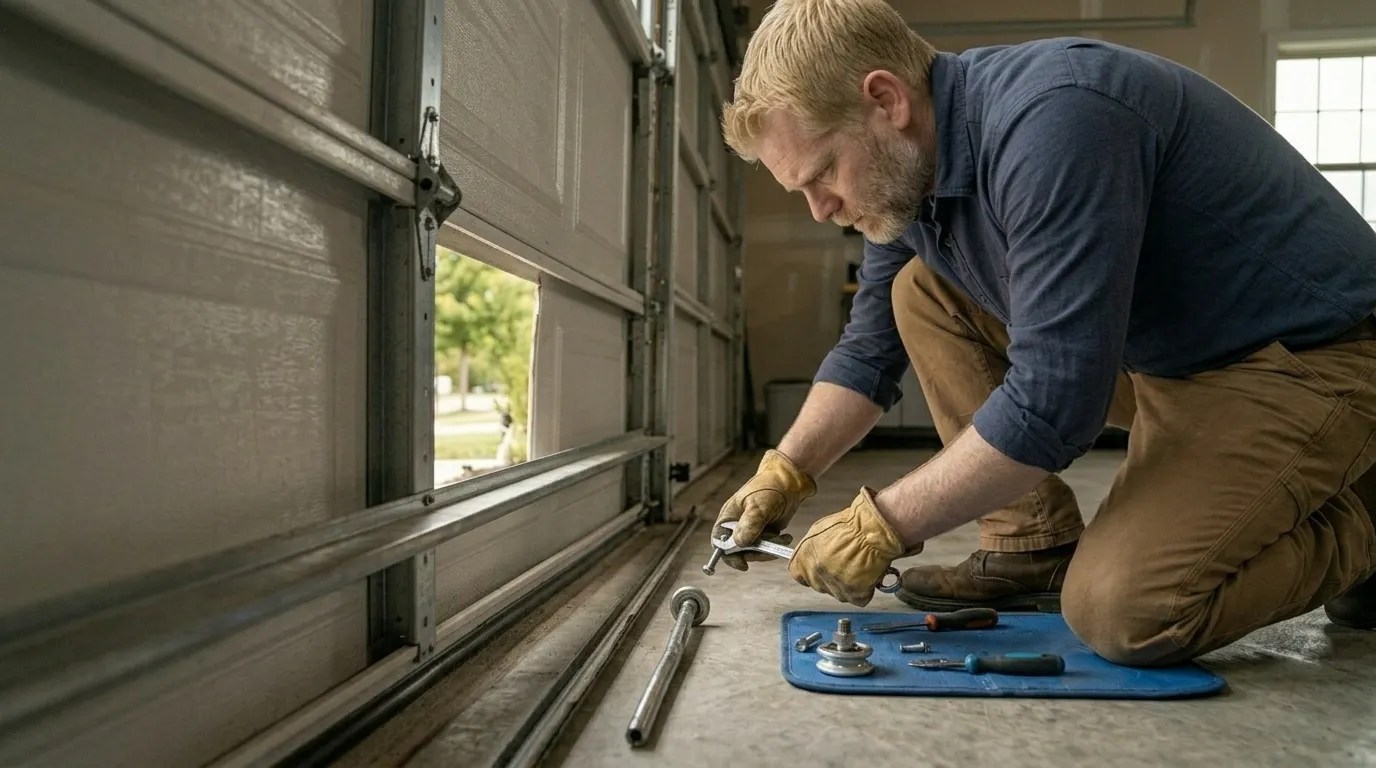
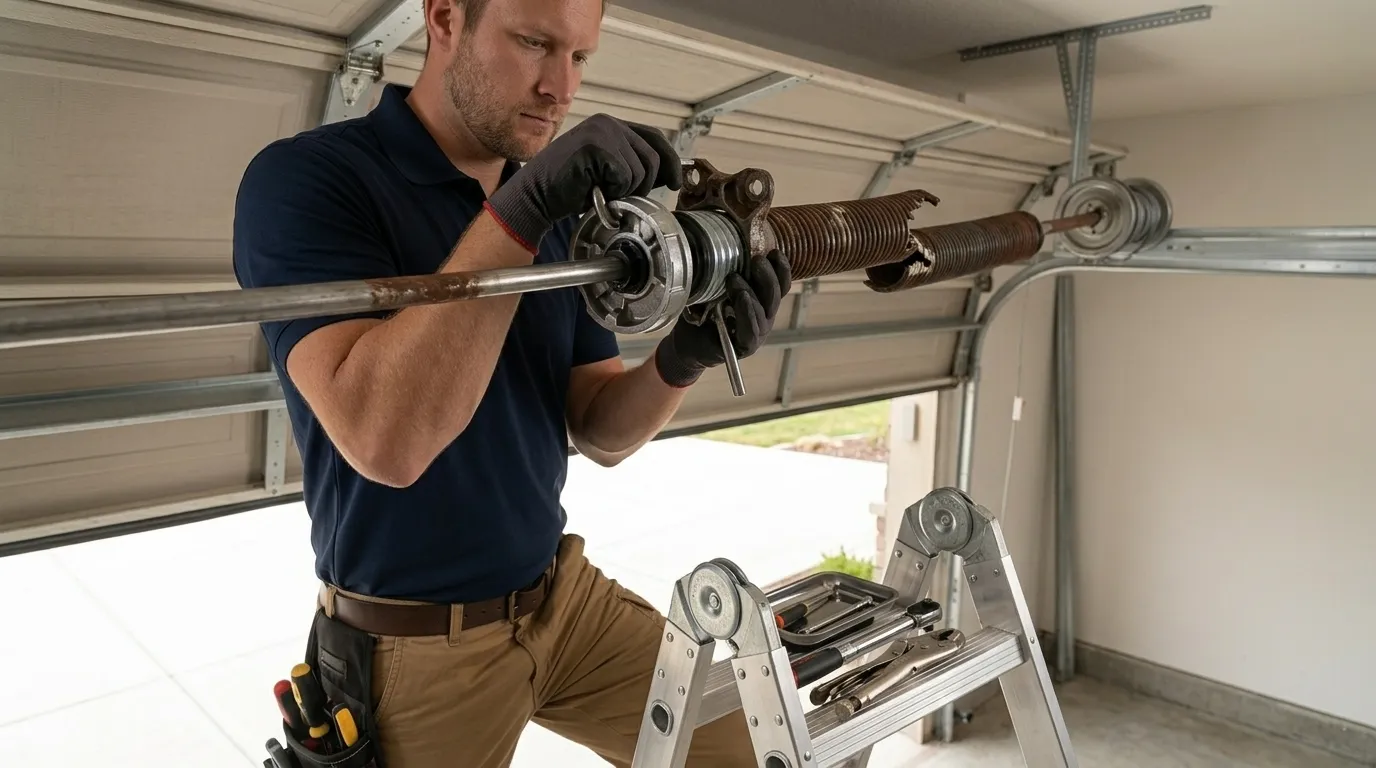
What you're actually up against is the age of the stock. South Wenatchee's houses run older than the newer pockets of the service area, with a median build year around 1959 - a decade or more ahead of the broader area's 1977 median. Doors from that era were built with lighter steel, single-piece torsion setups, and rollers that were never rated for the cycles a modern opener puts on them. The failure we see most is a snapped torsion spring or a bent track from a roller that finally gave out, not an opener board fried by age. Openers here have usually been swapped once already; the door and hardware often haven't.
How Long It Takes
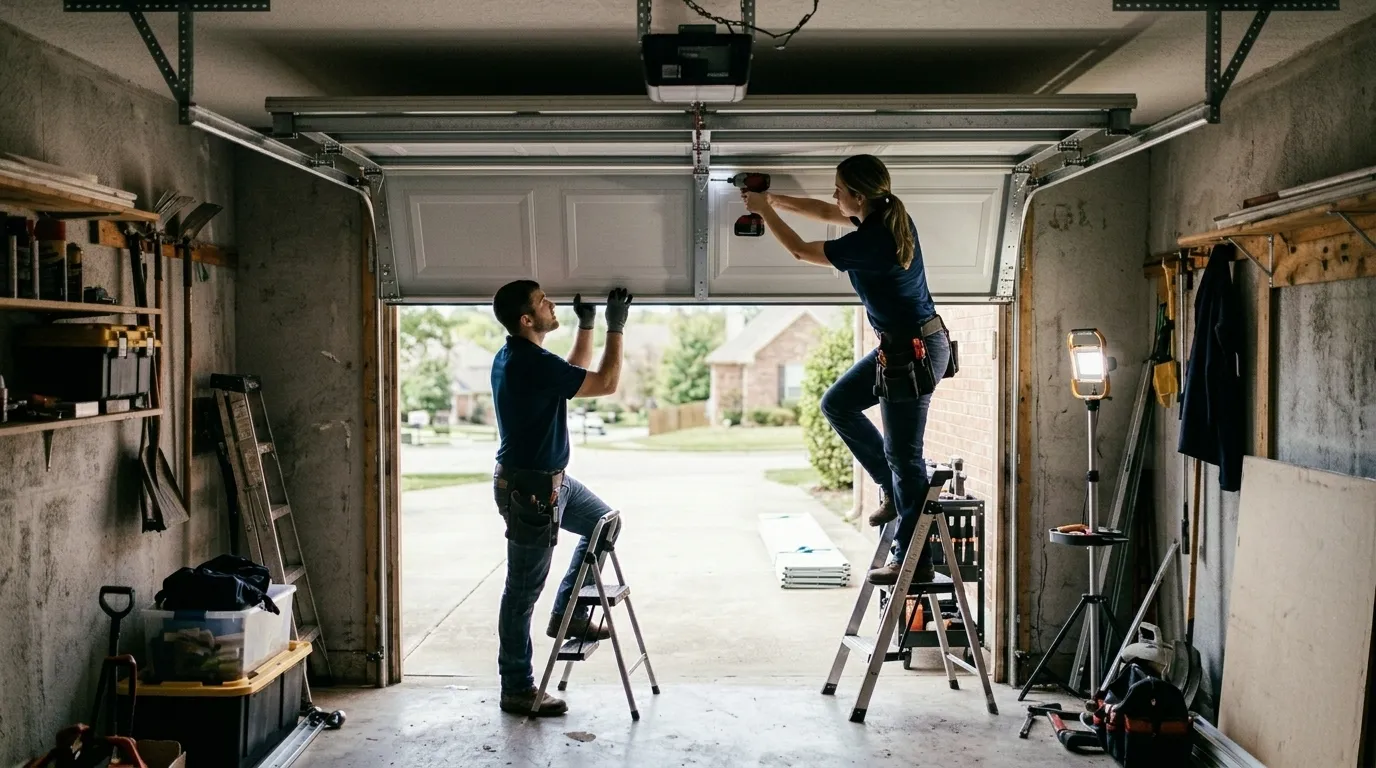
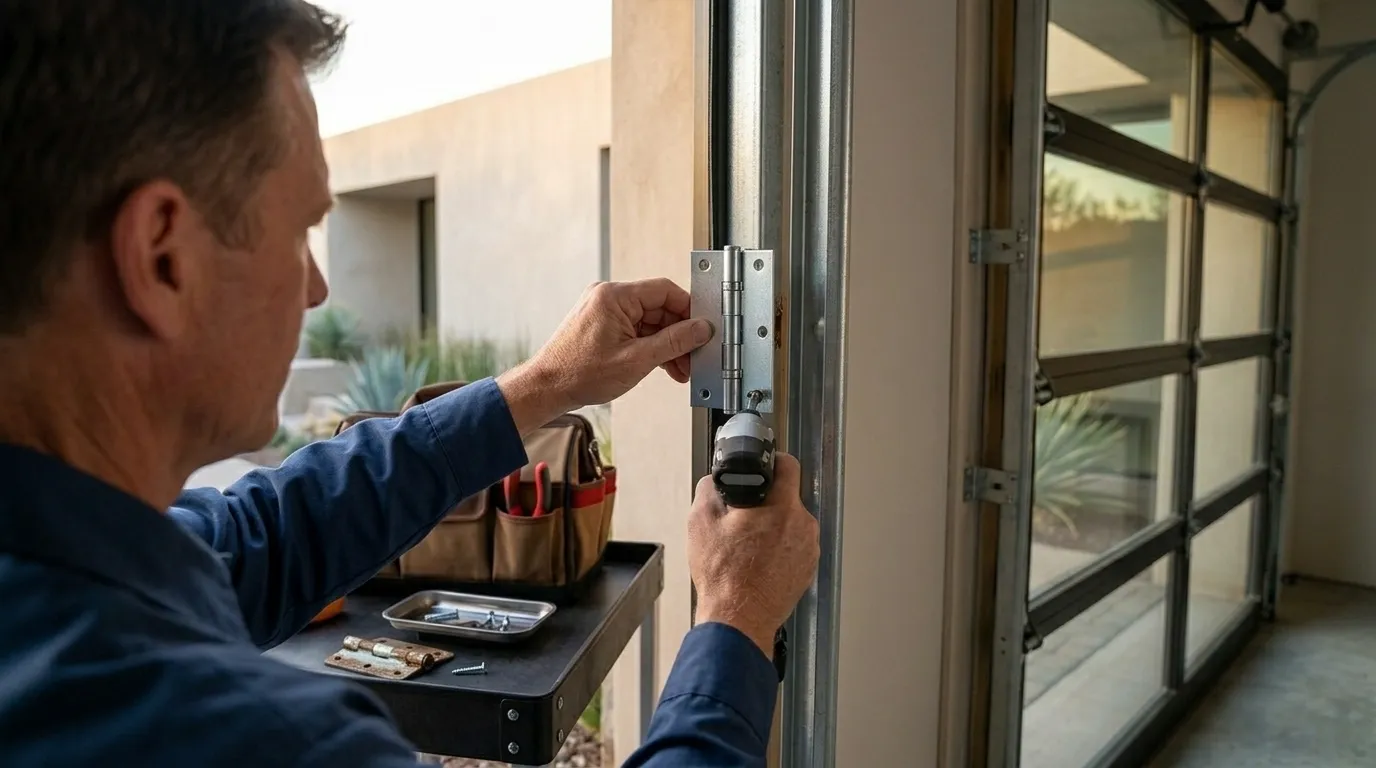
A spring swap or a cable replacement on a door built to 1950s-60s hardware standards is usually a same-visit job - the parts are common, even if the door itself is old. What takes longer is when the track or the jamb has warped enough that the door isn't running true anymore. On a house this age, we sometimes find the opening itself has settled or shifted slightly over sixty-plus years, and that means shimming or rebuilding the track mount, not just bolting on a new spring.
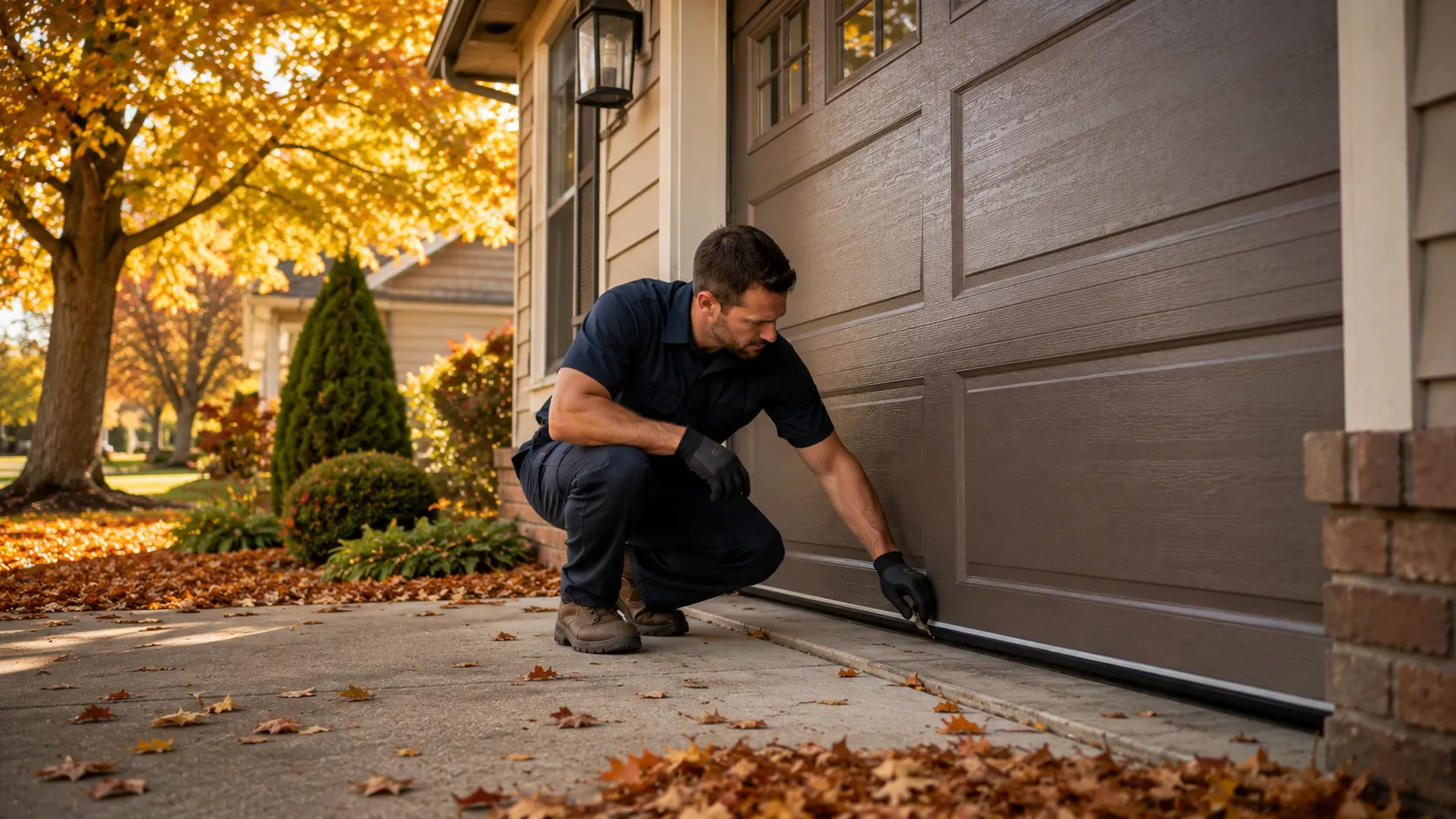
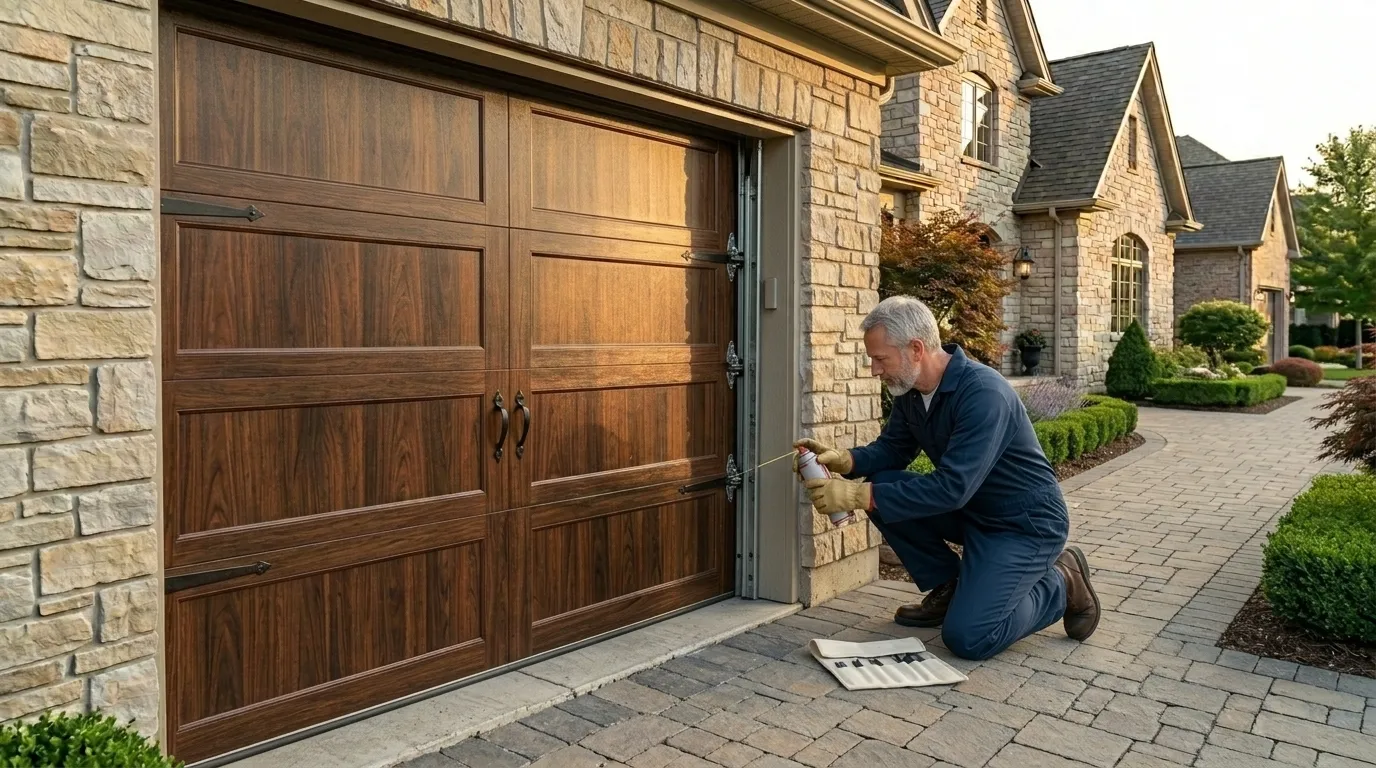
We work from Wenatchee, about 3 miles out, so travel isn't the variable - the door's condition is. Cold-climate seals and weatherstripping also tend to be original or close to it on houses this age, and swapping brittle seal material adds a few extra minutes but keeps the winter draft out. If a part isn't something we carry on the truck - an odd-length track section from an older custom install, say - that's the one honest delay: we tell you at the door, not after we've started.
How It Shows Up
On a house from this era, the first sign is almost always noise before it's failure - a groan or a bang on the way up that means a spring is close to going, not gone yet. Catch it there and it's a controlled repair. Miss it and the spring snaps with the door half-open, which on older single-piece doors can also crack the panel where the spring bracket mounts, turning a $450 fix into a door replacement.
The other pattern tied to this area's numbers: with median income here under $62,000, we see more owners waiting past that noisy-warning stage than we do in higher-income pockets of the service area - not because the fix is expensive, but because a service call feels like a cost to put off. It rarely saves money. A spring under tension that finally lets go can bend the track, strip the drum, or drop the door hard enough to need a full rebuild instead of a $150-$300 spring swap.