What Can Go Wrong
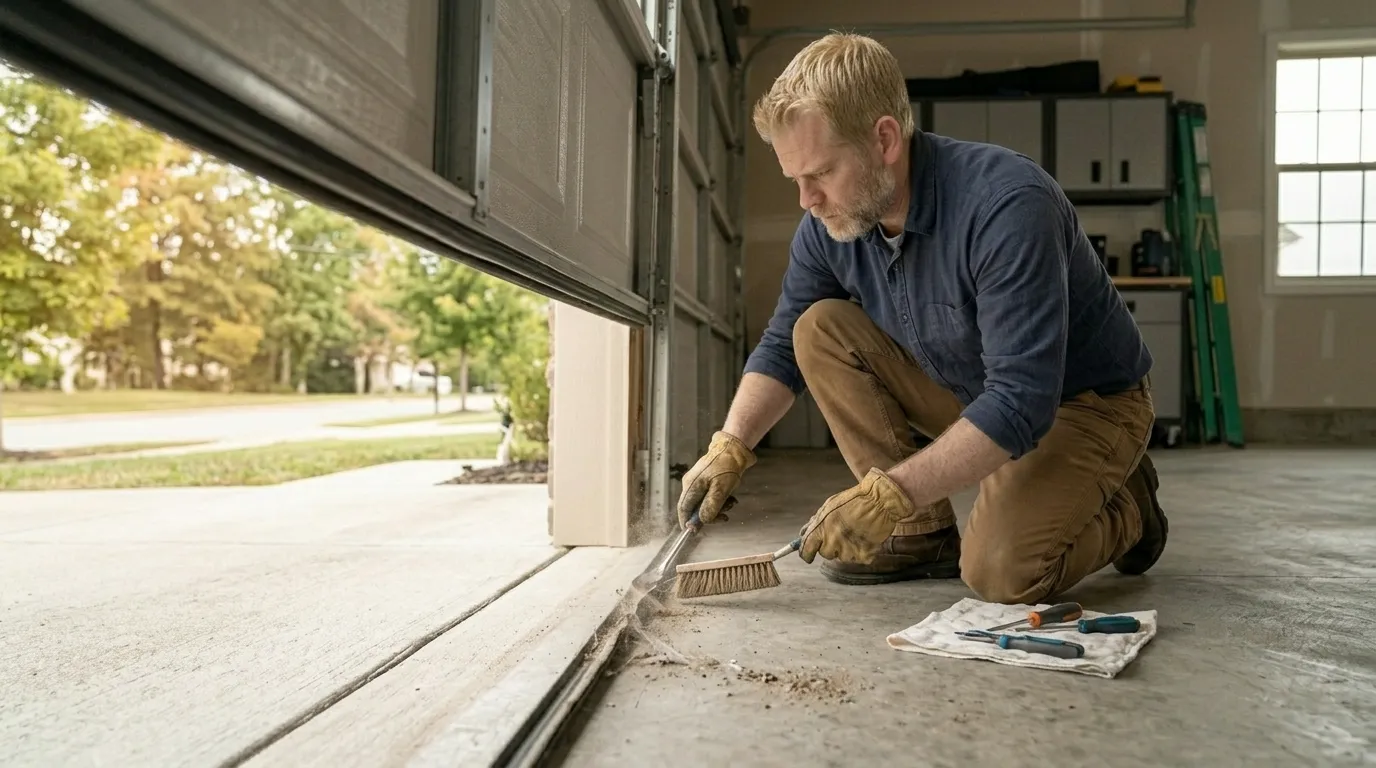
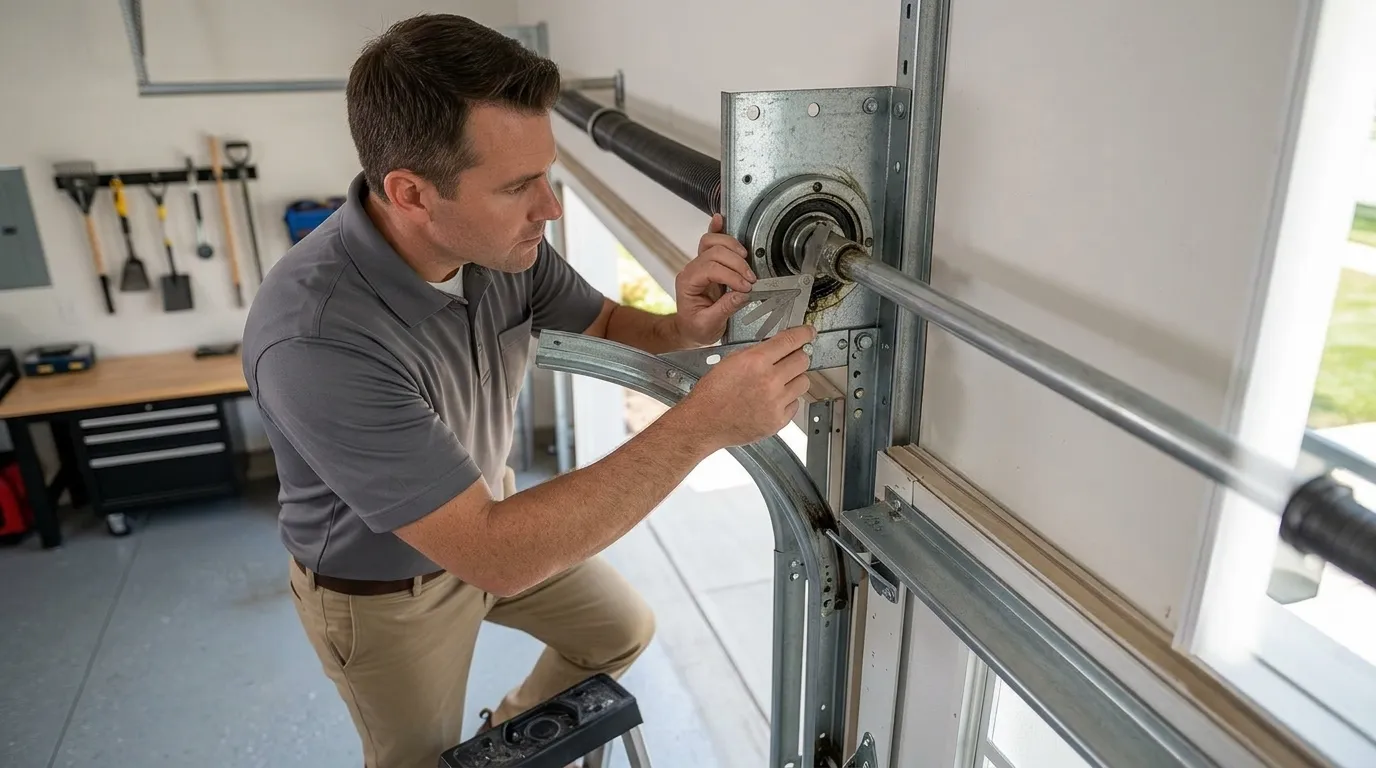
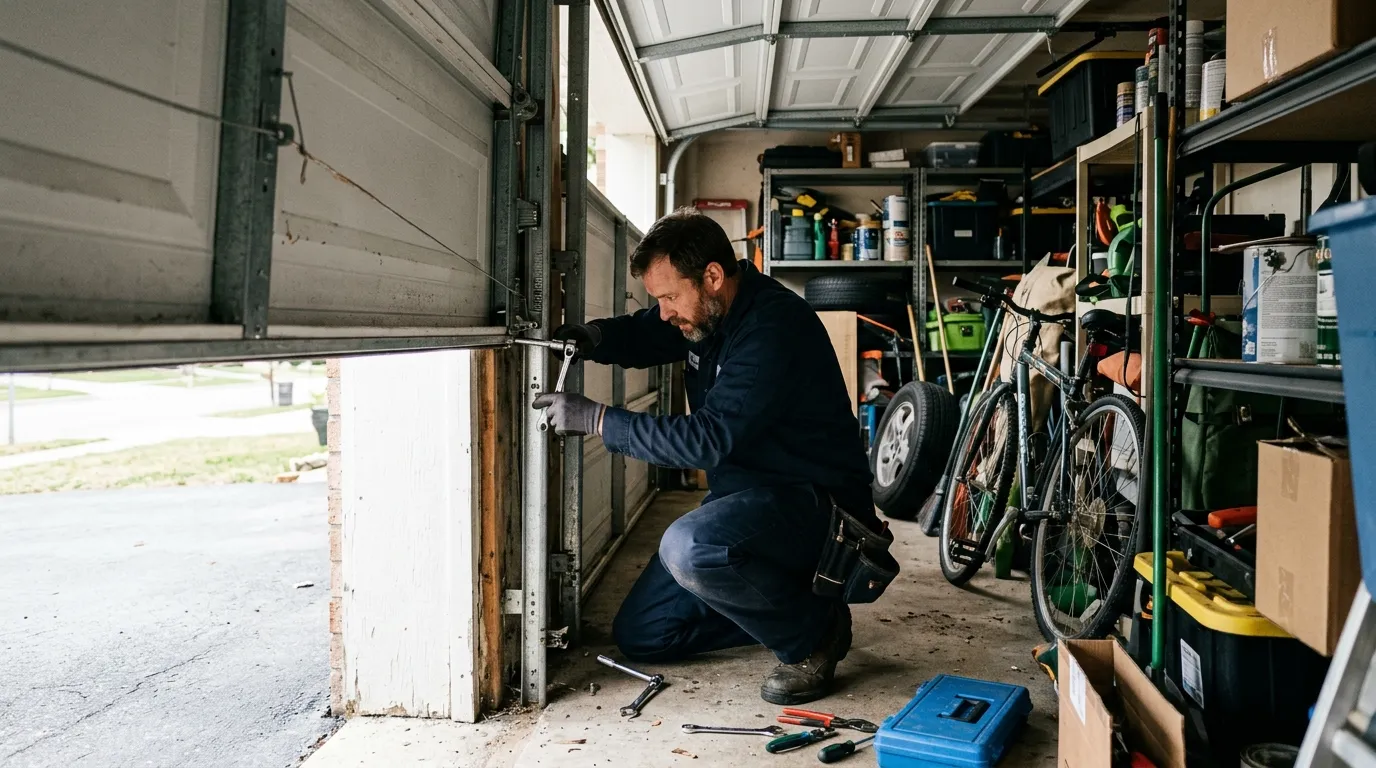
South Wenatchee sits about 3 miles from our shop in Wenatchee, and the drive matters because of what's waiting at the other end. The median home here went up around 1959, which puts a good share of these garage doors on original steel rollers riding in tracks that have flexed and worn for six decades. Steel rollers don't have a bushing or bearing to absorb play, so the metal-on-metal wear shows up as a grinding sound on the way up and a door that jumps the track on the way down.
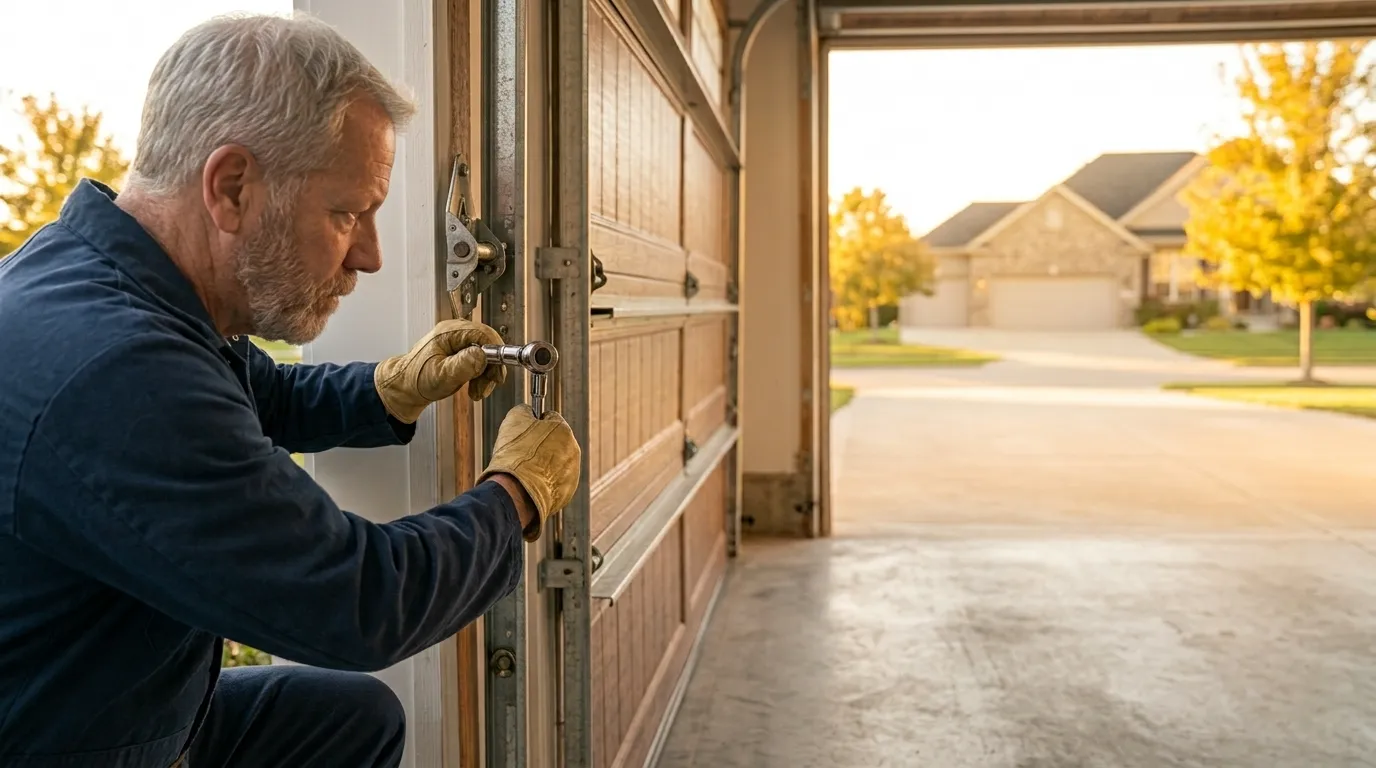
Cold snaps make it worse. This area sits in a moderate-cold climate band, and steel contracts in the cold just enough to tighten an already-worn roller against a track edge that's lost its factory alignment. That's usually the week we get the call - not because the roller failed overnight, but because it was already three-quarters gone and the cold finished the job. Nylon rollers with sealed bearings run quieter and don't have that same failure pattern, which is why most replacements we do here are steel-to-nylon, not steel-to-steel.
How Long It Takes
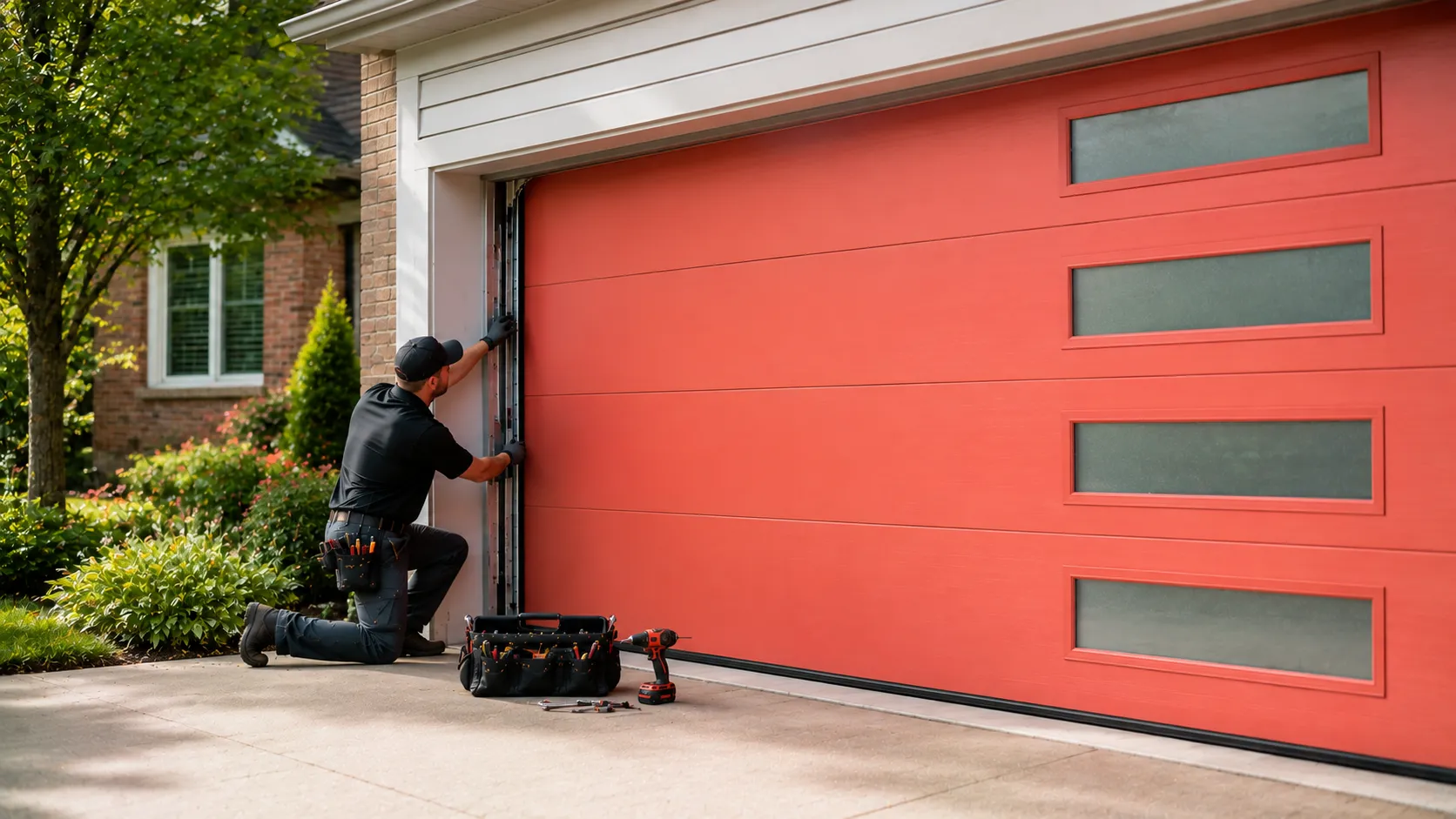
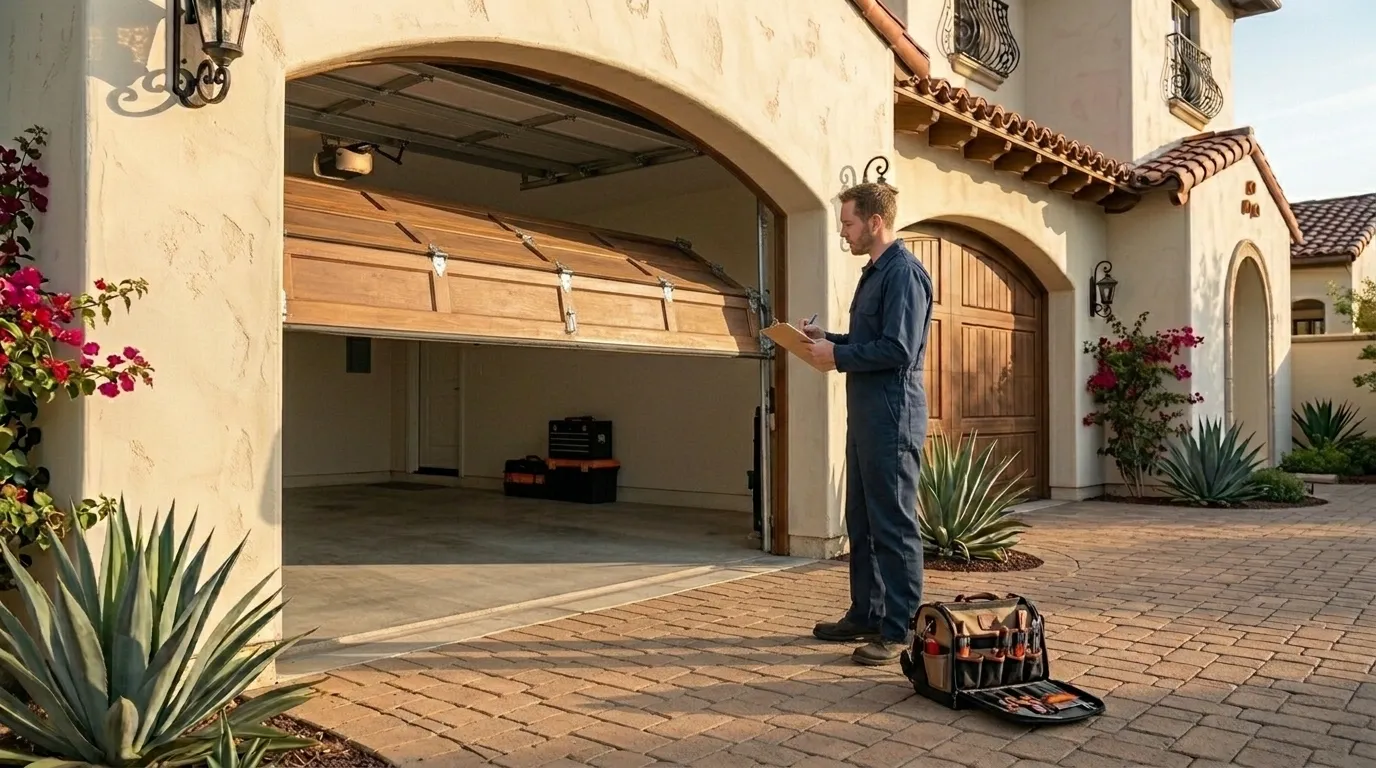
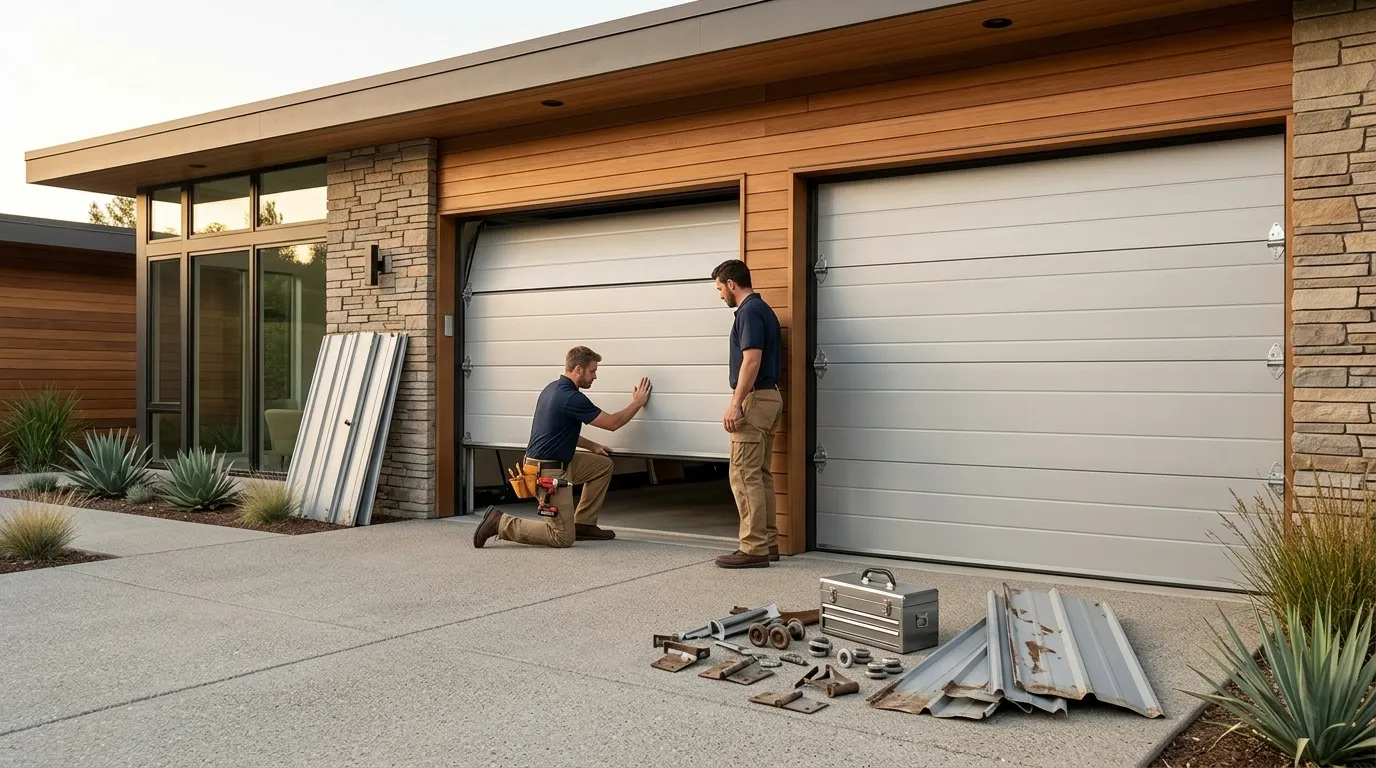
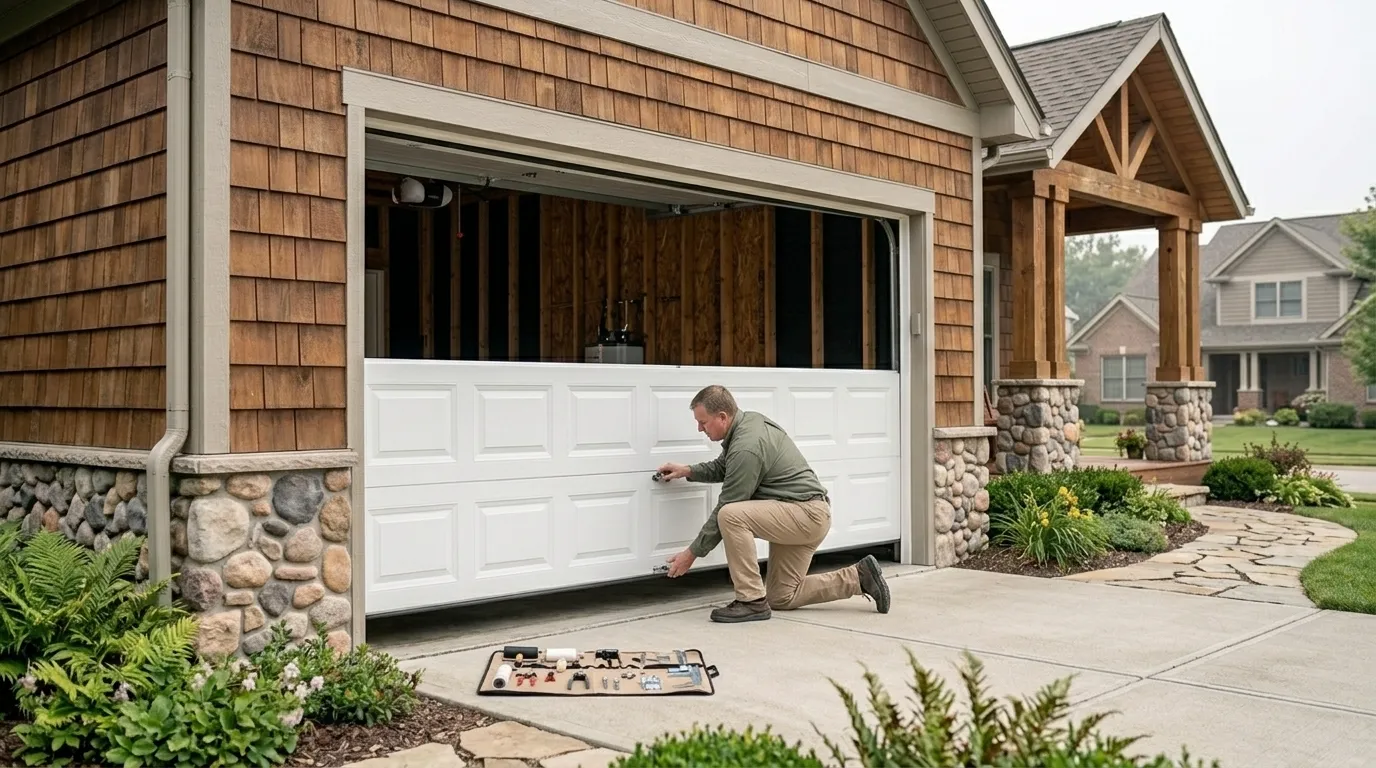
A straight roller swap on a double door usually runs under two hours once we're on site, longer if the track itself has to come off and get re-set - which is common on doors this age, since the track brackets loosen along with the rollers. We check both before we quote the job, not after.
One honest limitation: if the track has bent or the rails have pulled away from the framing, a roller swap alone won't fix the door. We'll tell you straight if you're looking at track replacement instead of just rollers, rather than sell you a fix that won't hold.
How It Shows Up
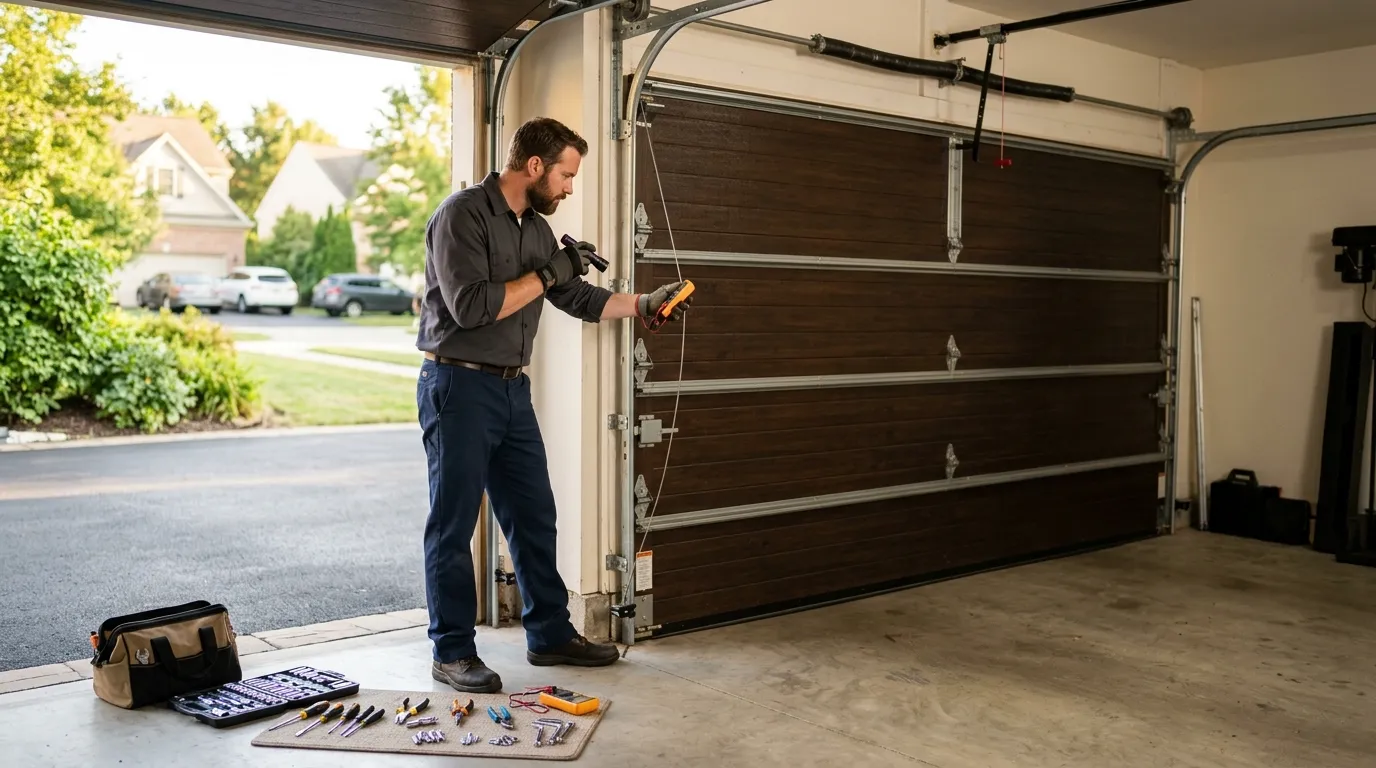
The complaint we hear most from this neighborhood is a door that sounds like it's chewing gravel on the way up, or one that visibly hops sideways as it clears the top of the track. Both point to worn steel rollers rather than a spring or opener problem, though we always check the whole system since a door this age often has more than one thing going at once.
Given a median household income of $61,959 in this pocket, we get plenty of questions about whether to replace just the worst rollers or the full set. Our answer is usually the full set - on a door running original 1959-era hardware, the rollers wear at close to the same rate, and replacing two out of ten just delays the next call by a season.