What Can Go Wrong
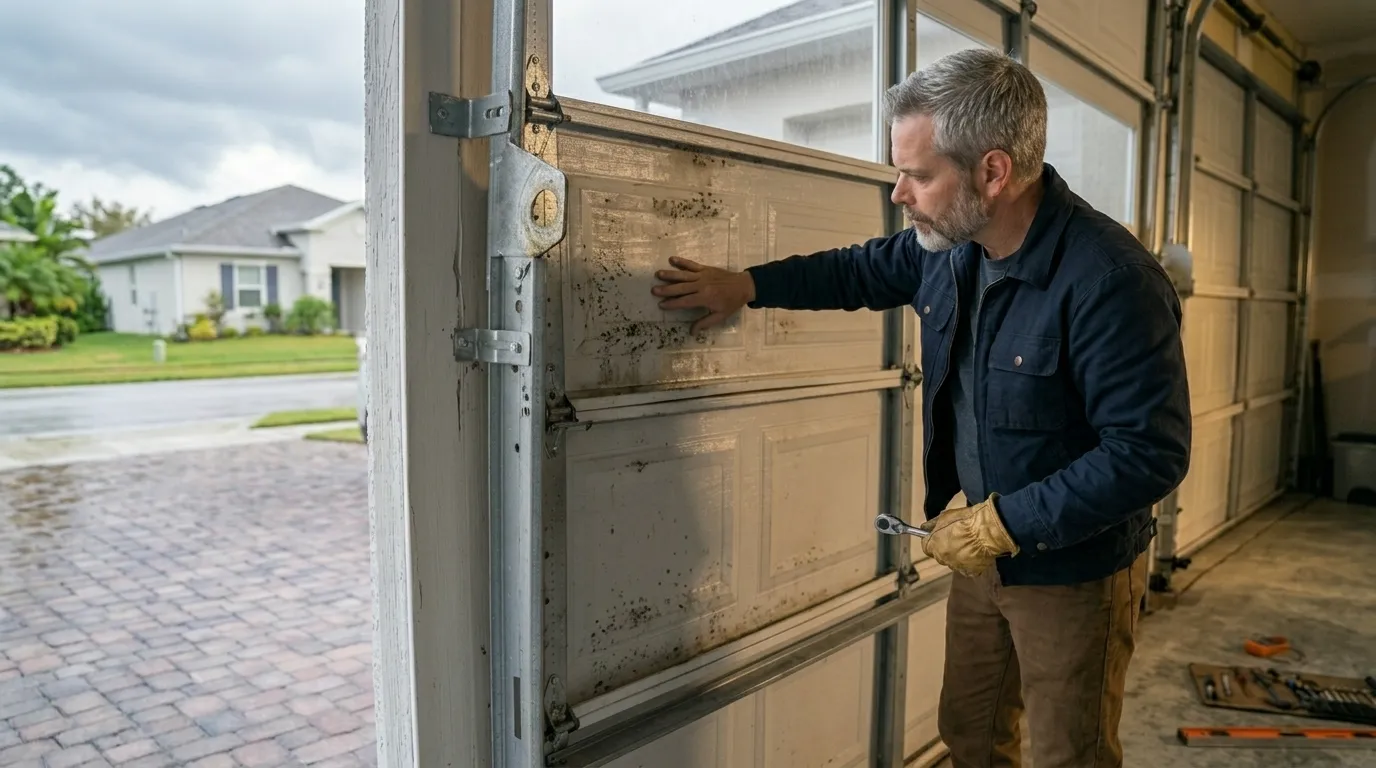
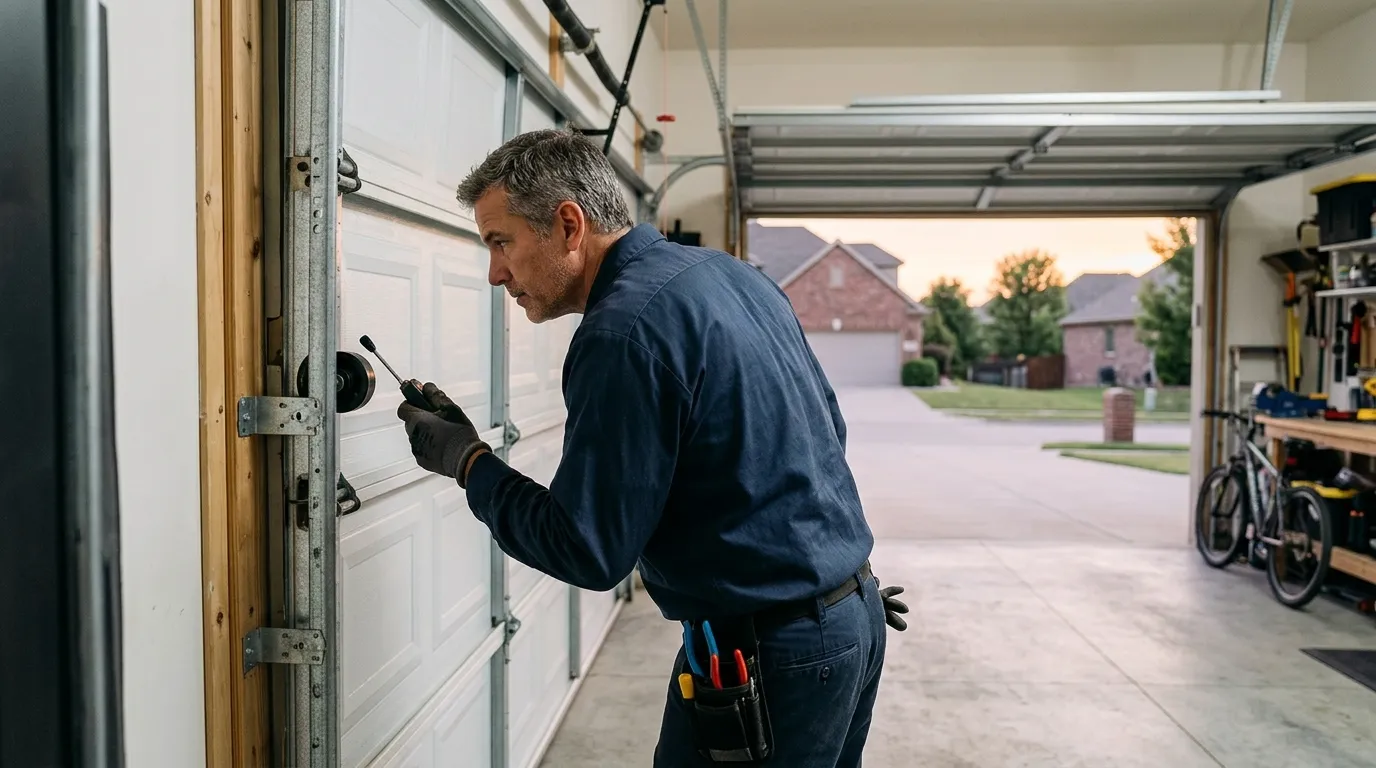
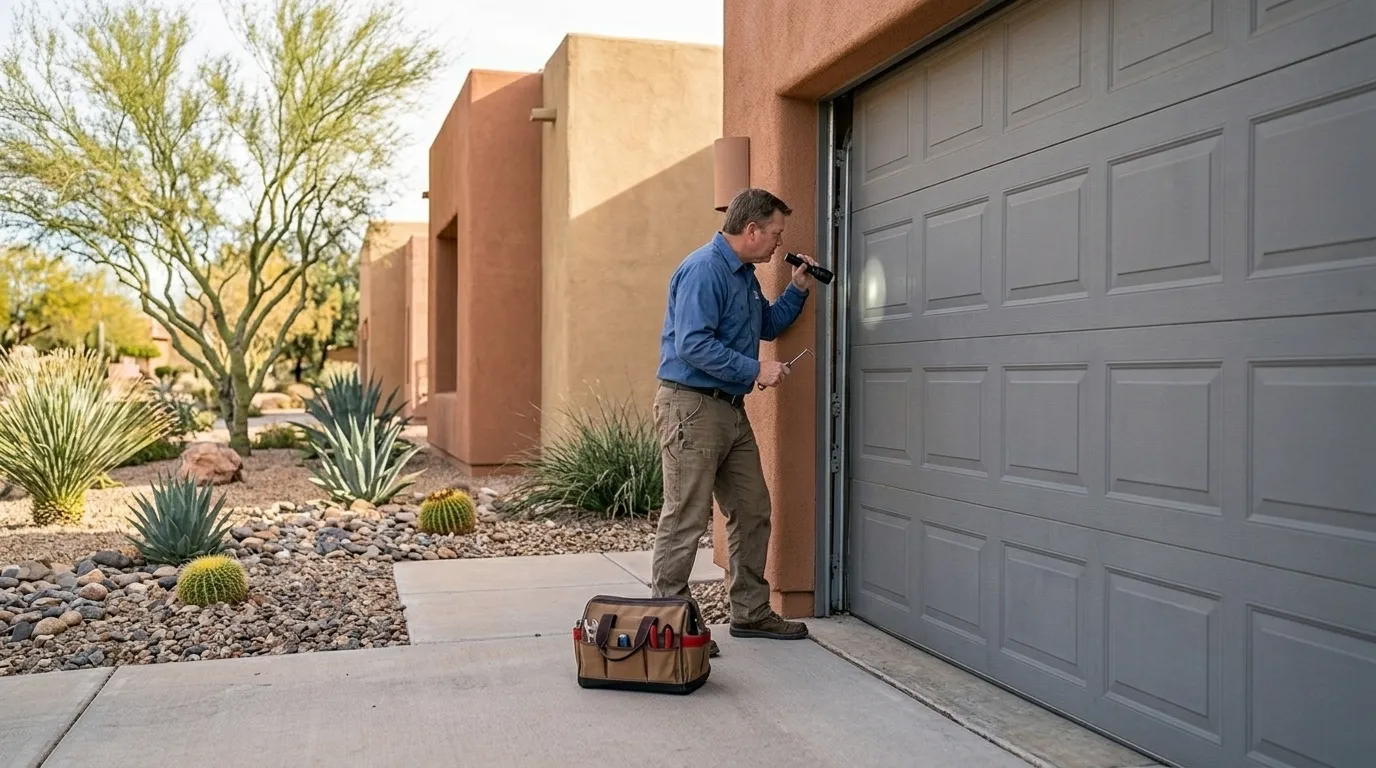
The fault we run into most in South Wenatchee isn't a broken spring - it's a door that was never built to the specs a modern installer stocks on the truck. Houses here went up around 1959, close to two decades ahead of the 1977 median for the rest of the Wenatchee service area, and that difference shows up the moment we measure an opening. Framing from that era often has less headroom than current track hardware assumes, and original openings were sized for doors that don't match today's standard widths. Jambs settle over sixty-plus years, so what looks square from the driveway is rarely square once you put a level on it.
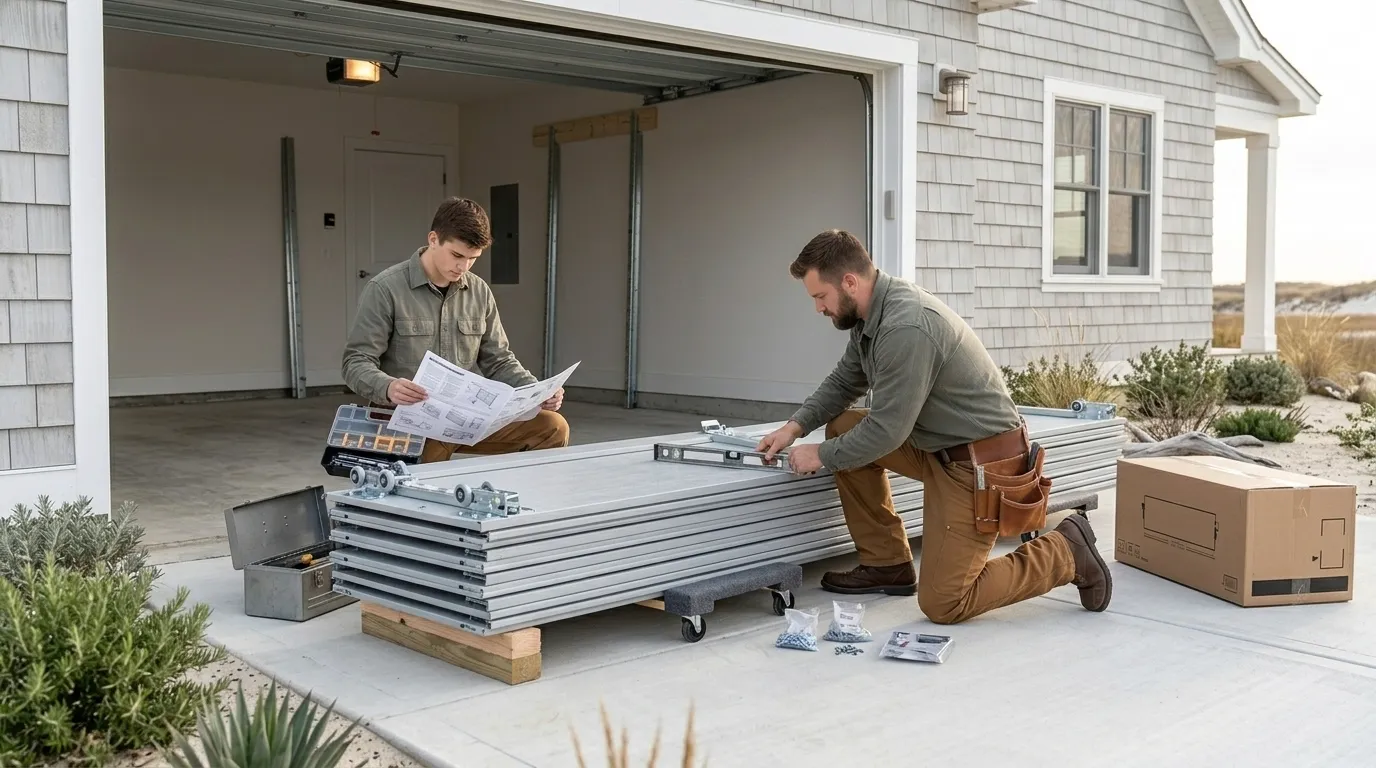
We also see a lot of single-layer doors with no insulation, installed back when nobody worried about that. Swapping one out for an insulated steel or composite door usually means adjusting the track, sometimes the header, and occasionally the whole opening rather than a straight panel-for-panel swap. None of this is unusual for a house this age - it's just work that a newer-build install in another part of the valley wouldn't need.
How Long It Takes
A straight swap on an opening that's already standard size can be a same-day job once the door itself is on hand. Custom sizing for an older 1959-era opening - trimming a jamb, re-hanging track brackets, sometimes building out a header - adds time on site and can push lead time on the door itself, since anything off the standard sizes has to be special-ordered rather than pulled off a shelf. We won't quote a firm number here without seeing the opening; a rough guess that turns out wrong on install day helps nobody.
South Wenatchee sits about 3 miles from our shop in Wenatchee, so travel isn't what adds time to a job here - the house itself is. If your opening turns out to be a standard width once we measure it, expect the install to move at the same pace as anywhere else in the area. If it doesn't, we'll tell you before ordering anything, not after.
How It Shows Up
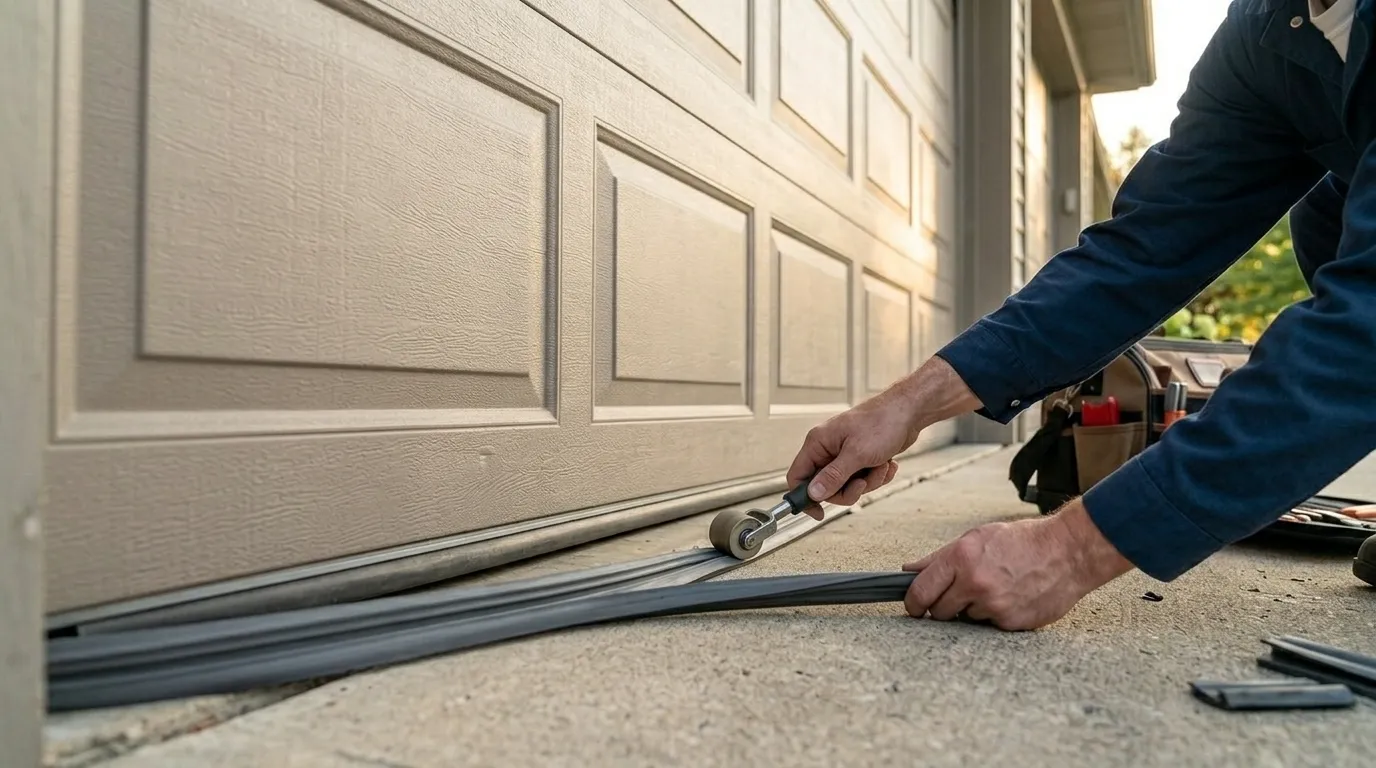
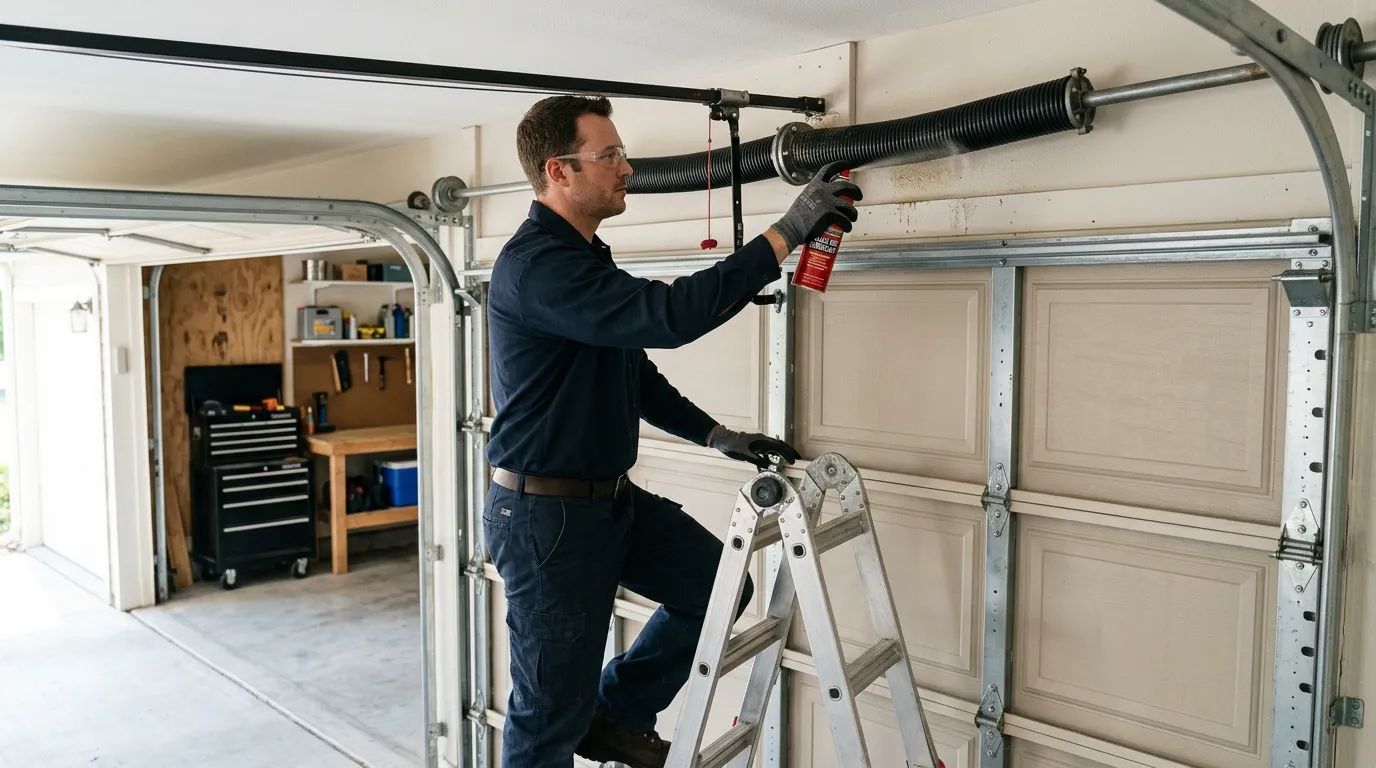
The service area sits in a cold-moderate climate band, and on a house built in 1959 that means decades of freeze-thaw cycling on wood jambs and steel track anchors that were never galvanized to modern spec. You'll notice it as a door that binds in winter and runs loose by summer, or a bottom seal that never quite meets the slab because the slab itself has shifted over sixty years. None of that is a sign anything was done wrong originally - it's just what happens to an opening this old in a climate that swings.
A new insulated door with a properly set track corrects most of this in one pass, but it won't fix a slab that's out of level or a jamb that's rotted past the point of anchoring hardware. On some of the older South Wenatchee houses we've measured, that's the honest call: the door install goes fine, but the opening needs carpentry work first that isn't part of what we do. We'll tell you that up front rather than install into a bad frame and let it fail again in a year.