What Can Go Wrong
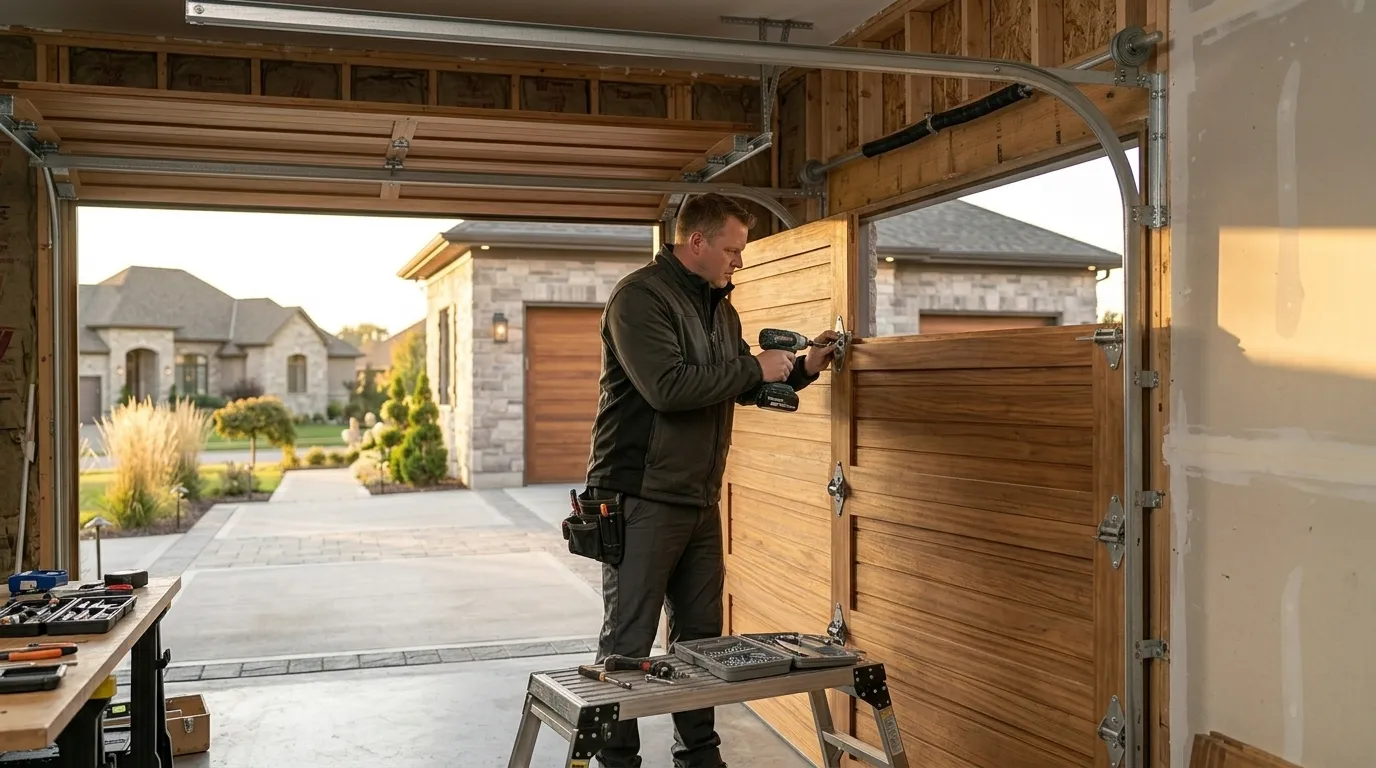
South Wenatchee is a small pocket, around 431 households, which means the spring failures we see here repeat themselves. A neighborhood this size doesn't have a huge mix of door ages and builders - it has a handful of eras, and one of them dominates. With a median build year of 1959, a good share of the doors here are still running on hardware that was standard for that decade: single torsion springs sized for a lighter, often single-layer door, sometimes paired with a shaft and drum setup that nobody's touched since the door was installed.
The wider Wenatchee service area runs newer on average (median build year 1977 across F1's 1944-1993 range), so a fix that's routine two miles away can be a different job here - a shorter shaft, an odd wind count, a spring size that's been discontinued. We also see torsion springs that were replaced once already with a mismatched size, because whoever did it grabbed what was on the truck instead of what the door needed. That kind of substitution shows up as a door that closes hard on one side or an opener straining on every cycle.
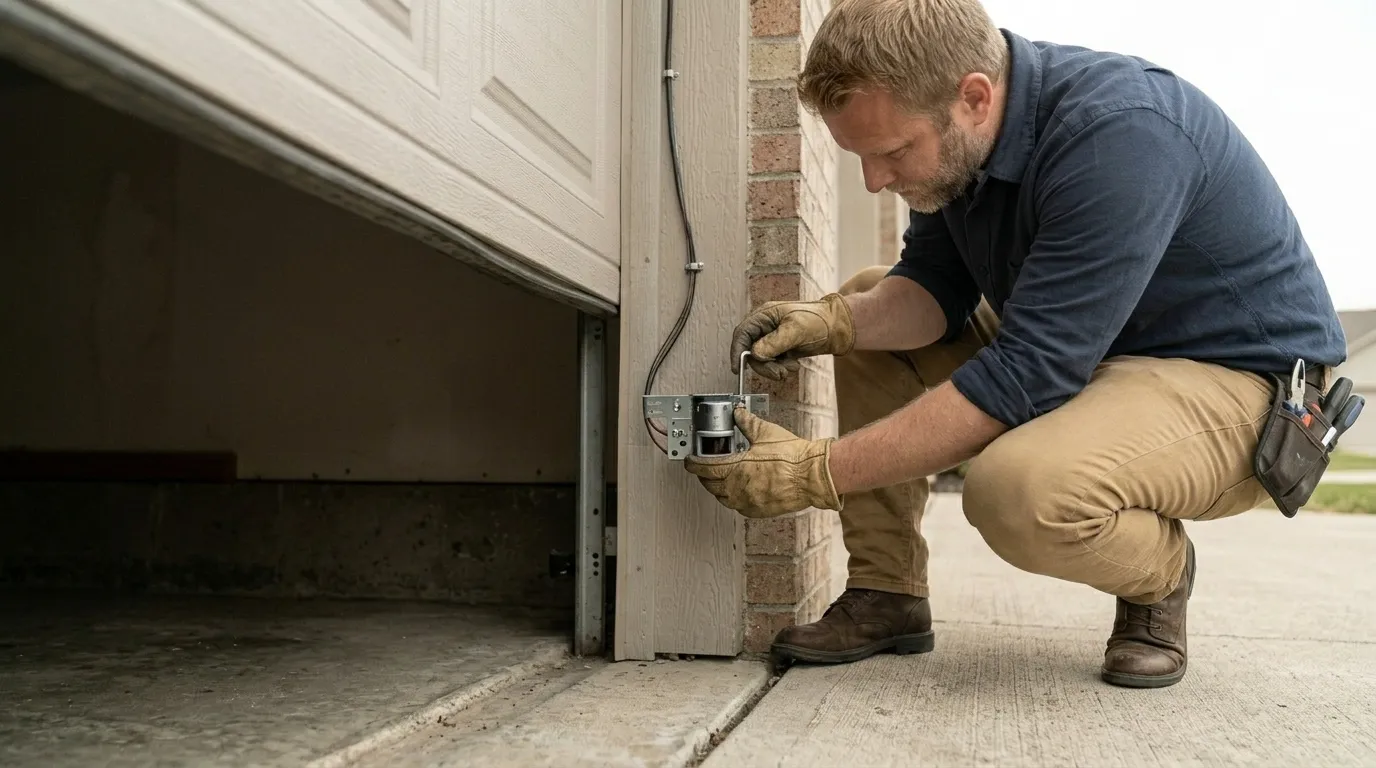
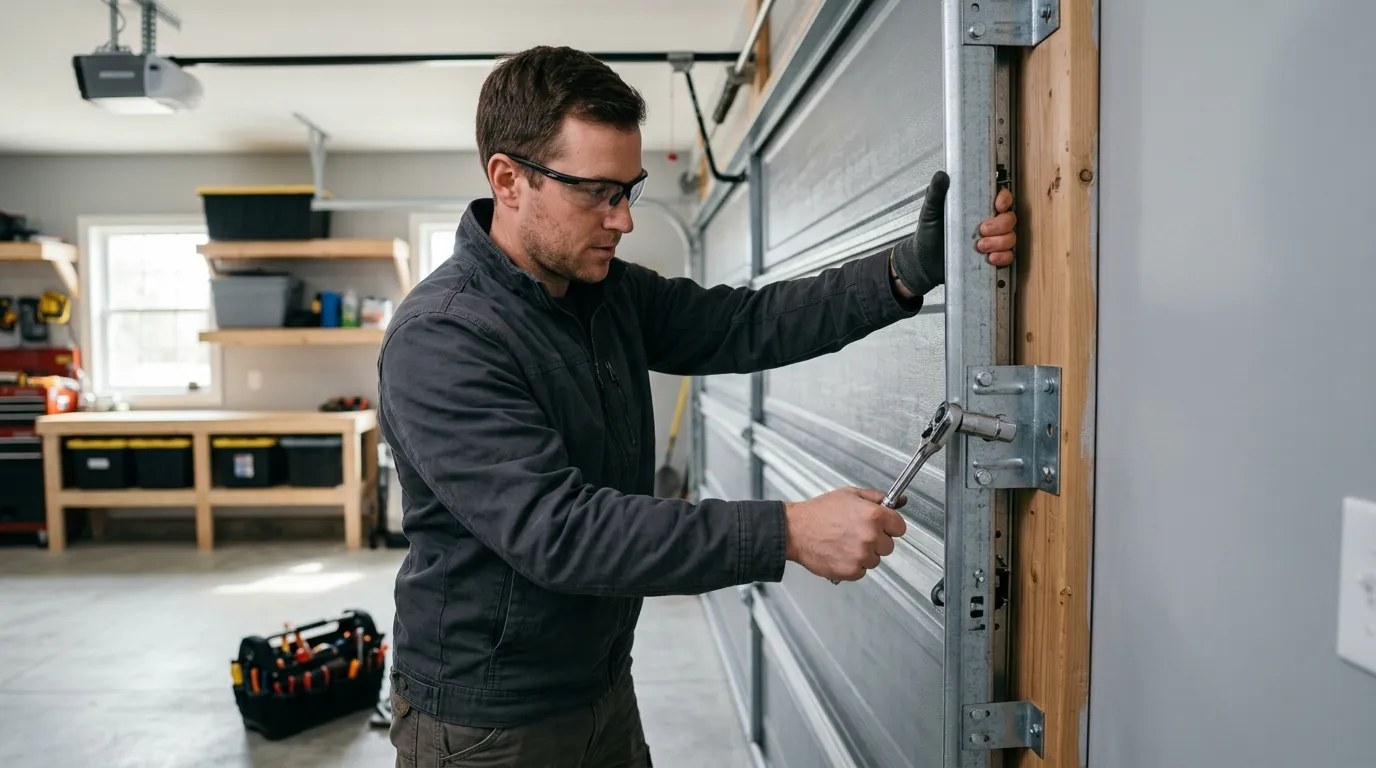
Cables fray at the drum end more than people expect on these older sets, especially where the original spring was never rebalanced after a door swap. If your door feels heavier on one side than the other, that's usually the spring, not the opener.
How Long It Takes
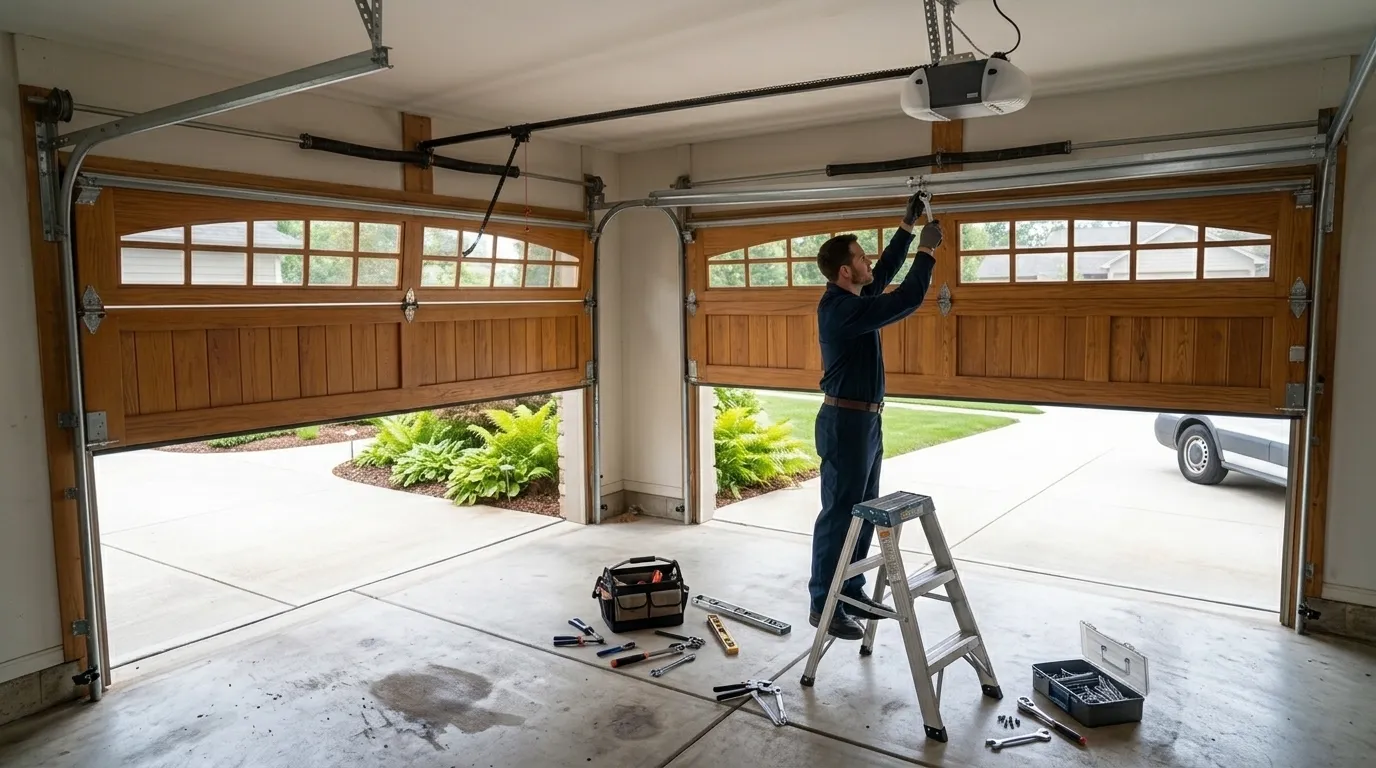
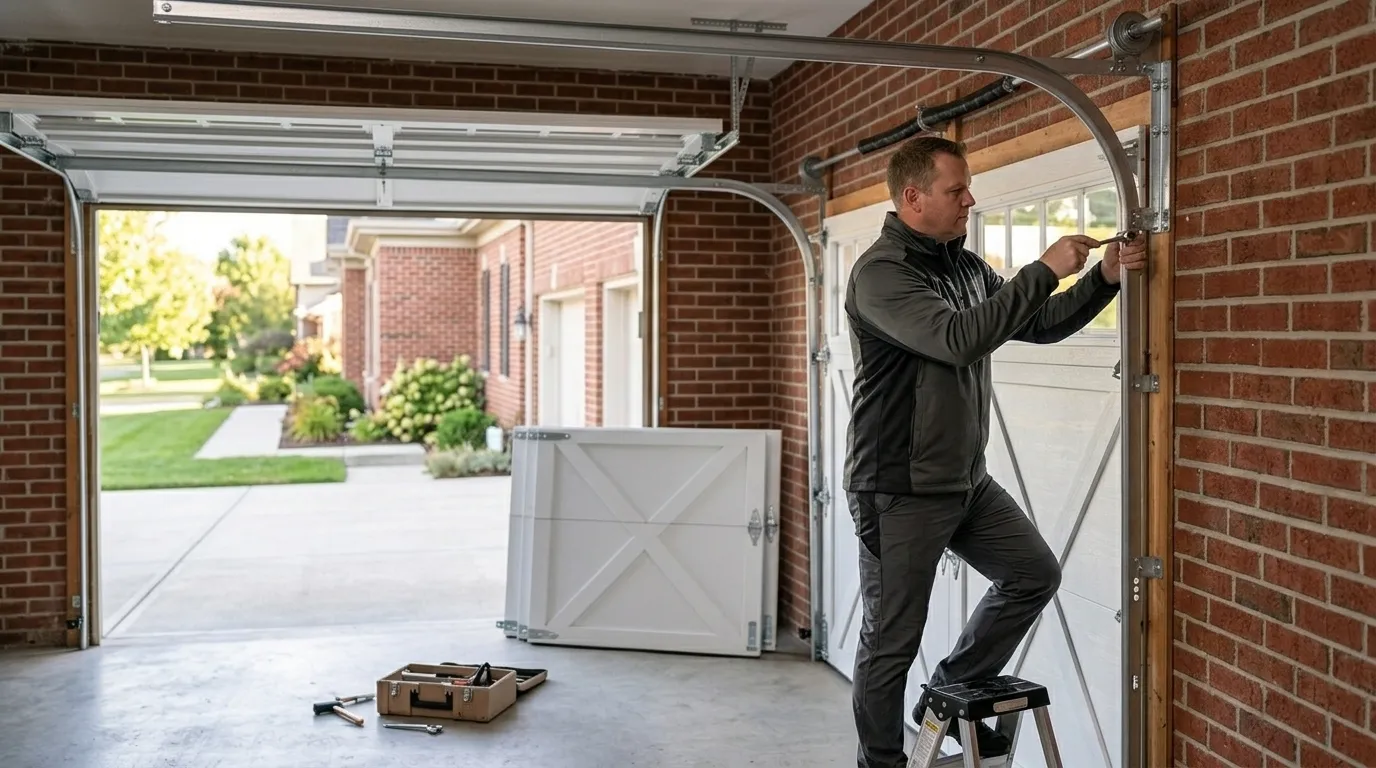
Most torsion spring jobs on a single door take under two hours once we're on-site with the right size in hand. Two springs on a double-wide door, or a shaft that needs to come out because of wear at the bearing plates, runs longer. The 1959-era doors in South Wenatchee sometimes need a spring size that isn't on a standard truck stock list, which means a short delay while we confirm the wind and diameter before we cut metal - better a half-day wait than a spring rebuilt to the wrong tension.
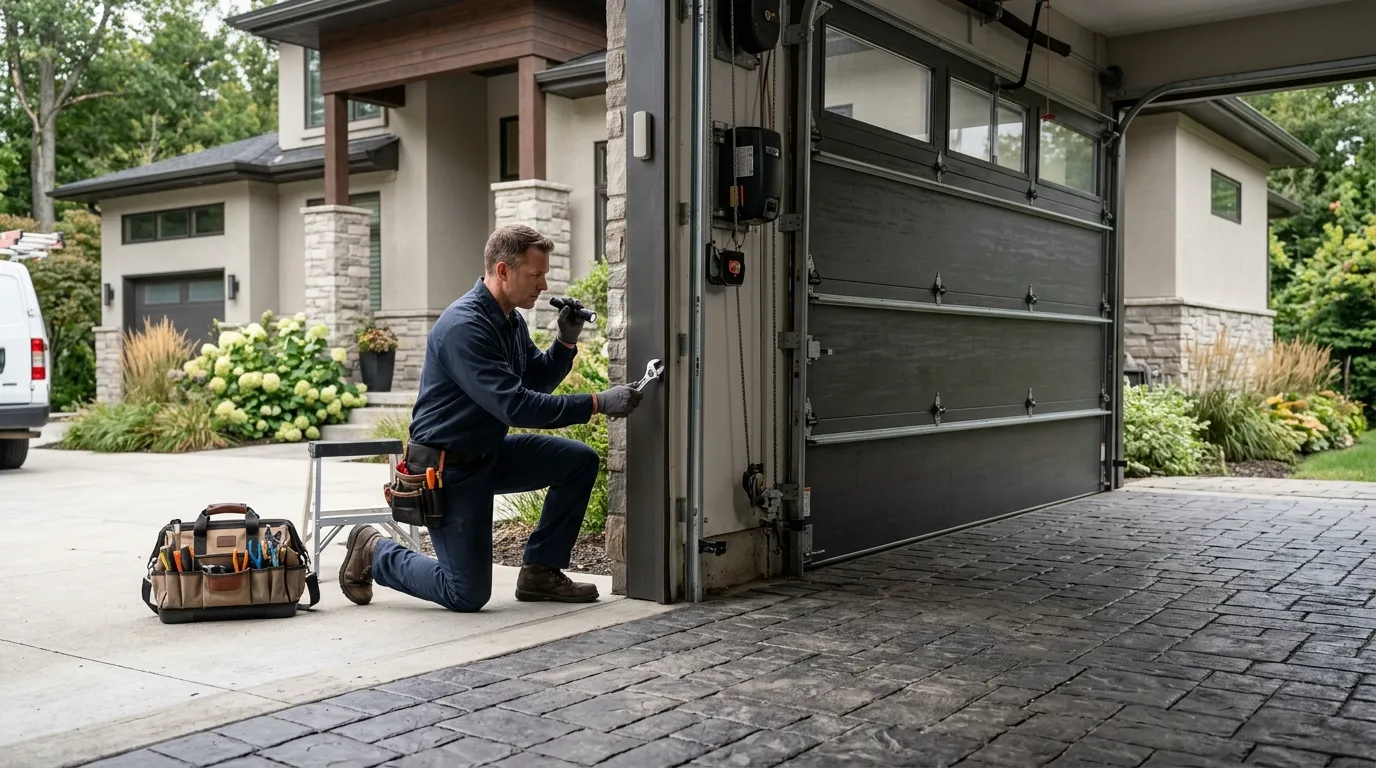
The cold-moderate climate here doesn't freeze springs solid the way a harsher band would, but stiff steel in a cold garage still binds more than it does in July, and cable slack shows up faster in winter. That's worth mentioning up front rather than after we've quoted the job.
How It Shows Up
A broken torsion spring on a single door usually announces itself: a loud bang from the garage, then a door that won't budge or slams down fast when you try to lift it by hand. On the older single-spring setups common to this pocket of houses built around 1959, that bang tends to be sharper because there's only one spring carrying the whole load - when it goes, there's nothing backing it up.
A slower failure looks different. The opener starts straining, reversing partway up, or the remote works but the door creeps rather than rises. That's a spring losing tension gradually, not snapping outright, and it's common on hardware that's 20 or more years past its original install with no rebalance in between. Either way, don't force the door by hand or run the opener repeatedly trying to get it through - that stresses the cables and can pull a drum off its shaft, turning a spring job into a bigger repair.